Audio Best in category 12 results Speech Synthesis AI Tool

Popular AI tools in the Speech Synthesis field of Audio include MiniMax、WaveSpeedAI、Veo 3、Kippy、Text to Speech.im、JigsawStack、TextSynth、Text Generator、ChattyTutor、Speechllect, etc., helping you quickly improve efficiency.

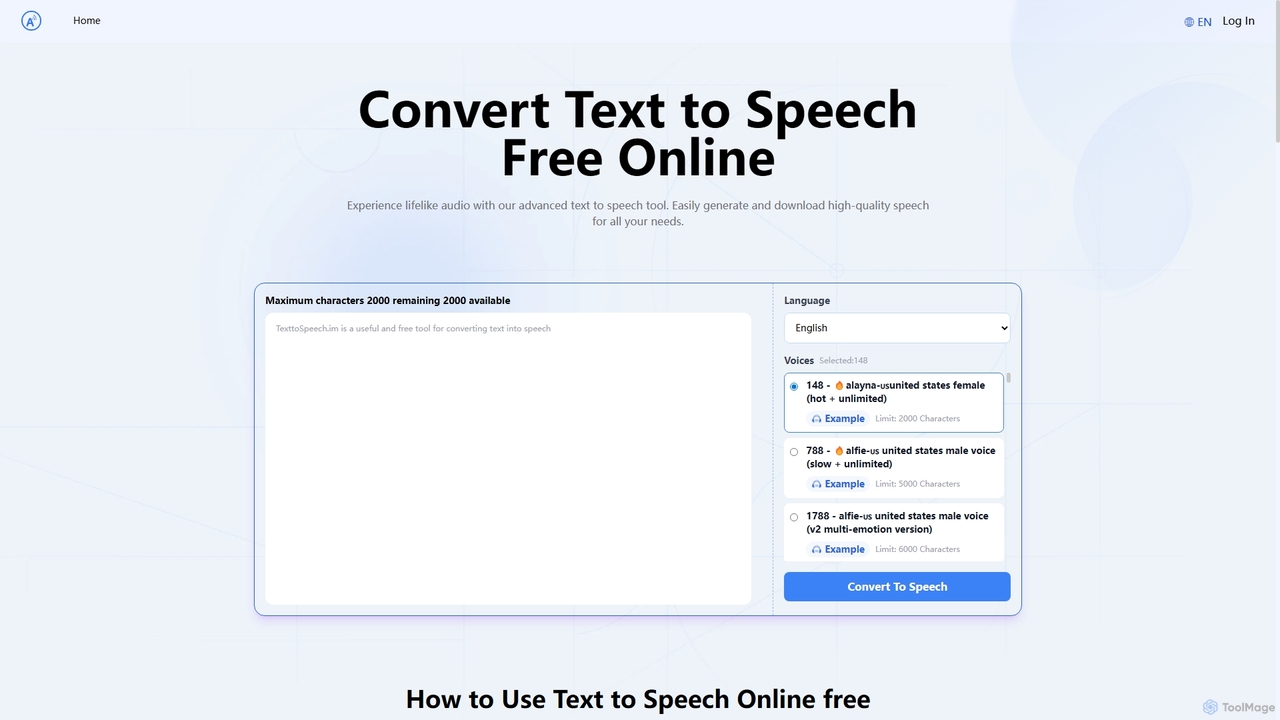
Text to Speech.im

Text to Speech.im

Text to Speech.im is a free online AI tool that converts text into natural-sounding speech. It supports a …

16.2K
Voice Isolator

Voice Isolator

Voice Isolator is a comprehensive AI-powered audio suite designed for pristine sound quality. It excels at removing background …

2.9K
Veo 3

Veo 3

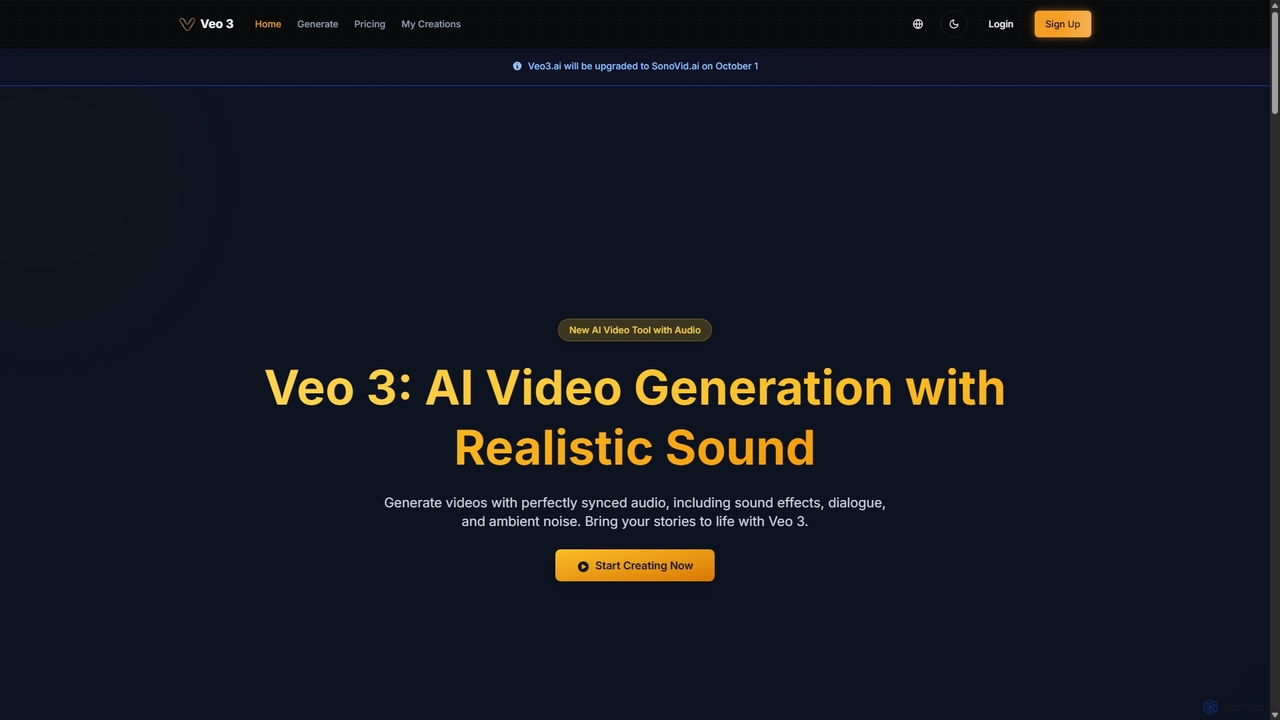
Veo 3 is an advanced AI video generator powered by Google's Veo 3 model. It specializes in creating …

109.0K
Moshi AI

Moshi AI

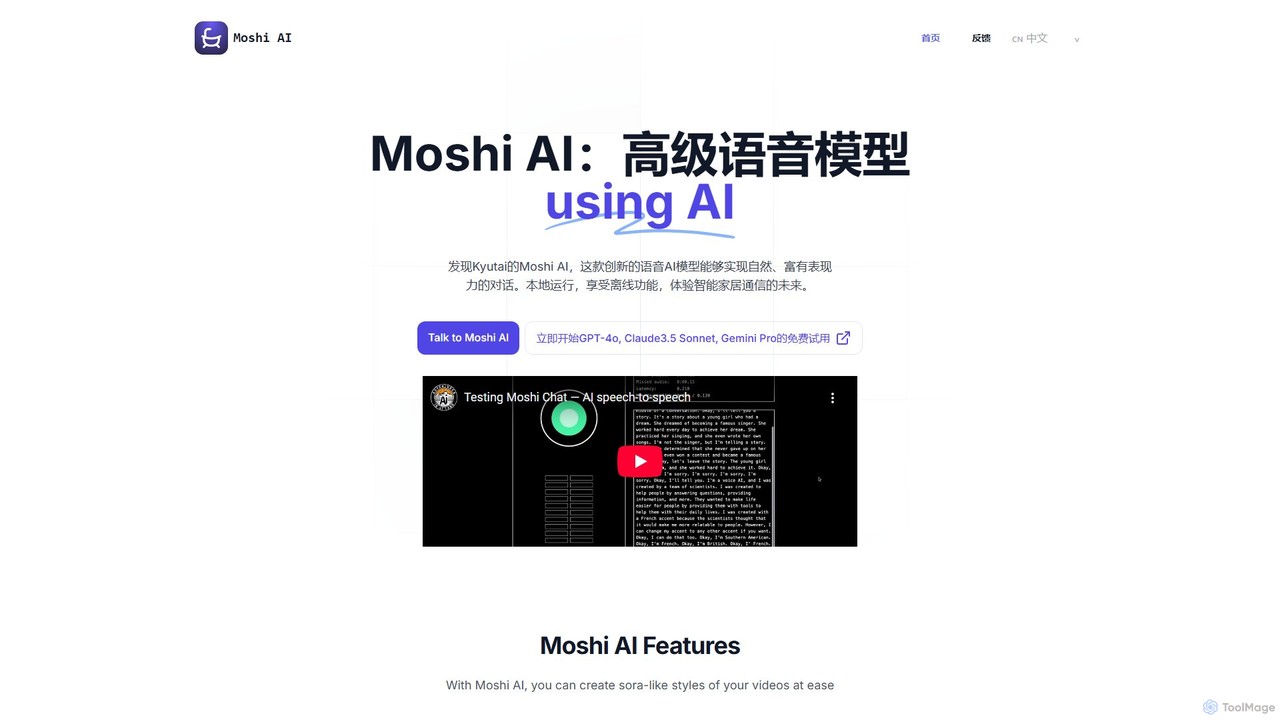
Moshi AI is an advanced, low-latency conversational voice AI model developed by Kyutai. It enables natural, expressive, and …

2.9K
JigsawStack

JigsawStack

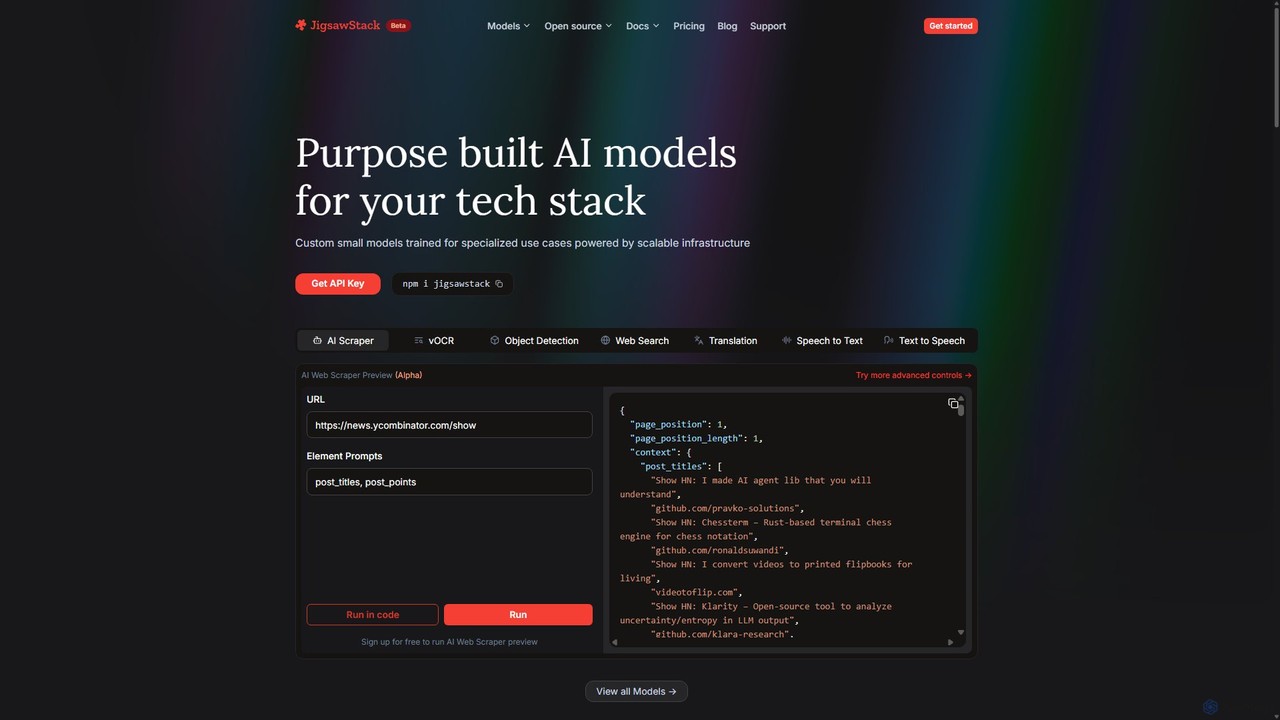
JigsawStack offers a suite of purpose-built, small AI models for developers, accessible via a single API. It simplifies …

13.4K
Speechllect

Speechllect

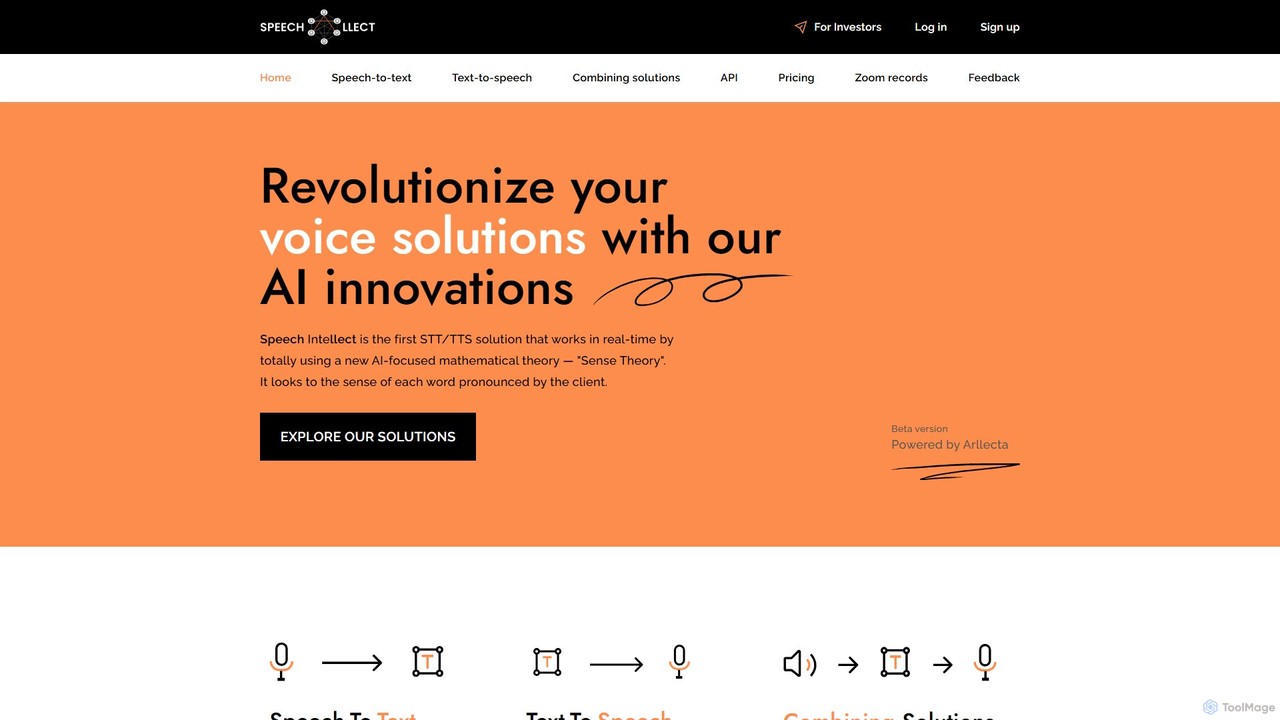
Speechllect is an advanced AI-powered speech-to-text (STT) and text-to-speech (TTS) platform. It utilizes a unique "Sense Theory" to …

2.9K
TextSynth

TextSynth

TextSynth offers developers powerful, cost-effective access to a suite of AI models, including large language models (LLMs), text-to-image, …

8.4K
WaveSpeedAI

WaveSpeedAI

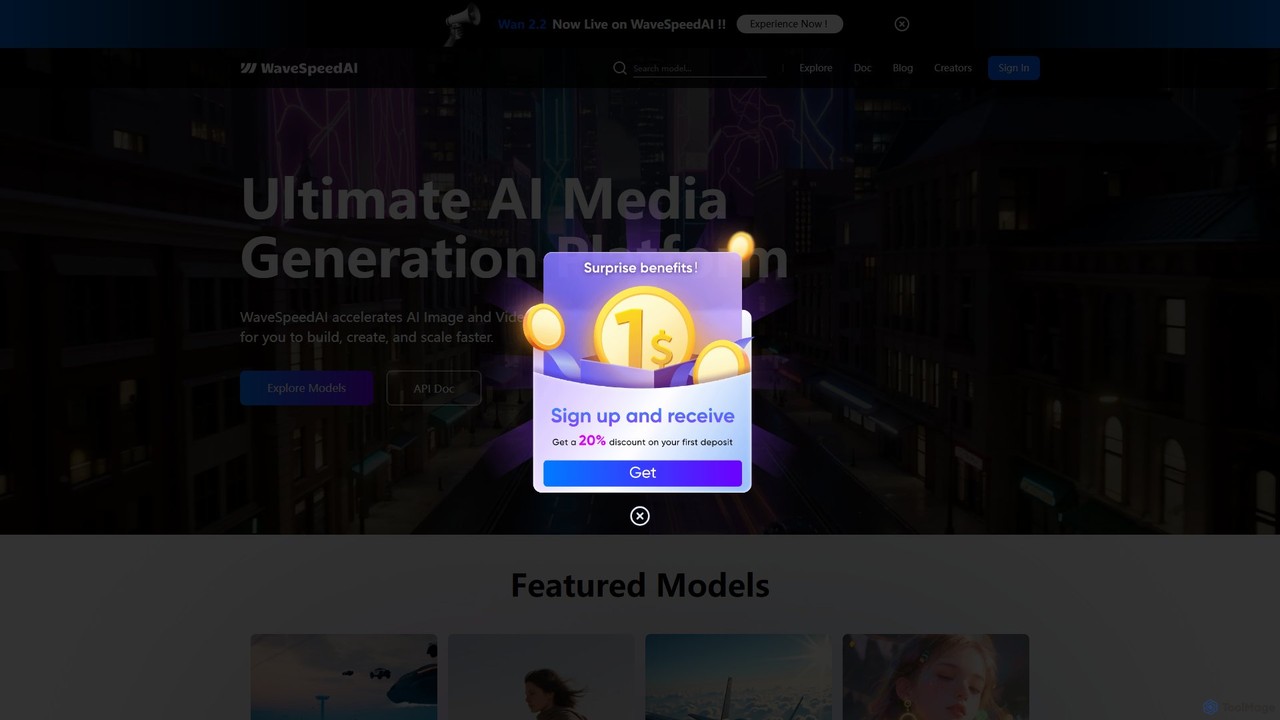
WaveSpeedAI is a high-performance, unified API platform designed to accelerate AI image, video, and audio generation. It provides …

2.2M
ChattyTutor

ChattyTutor

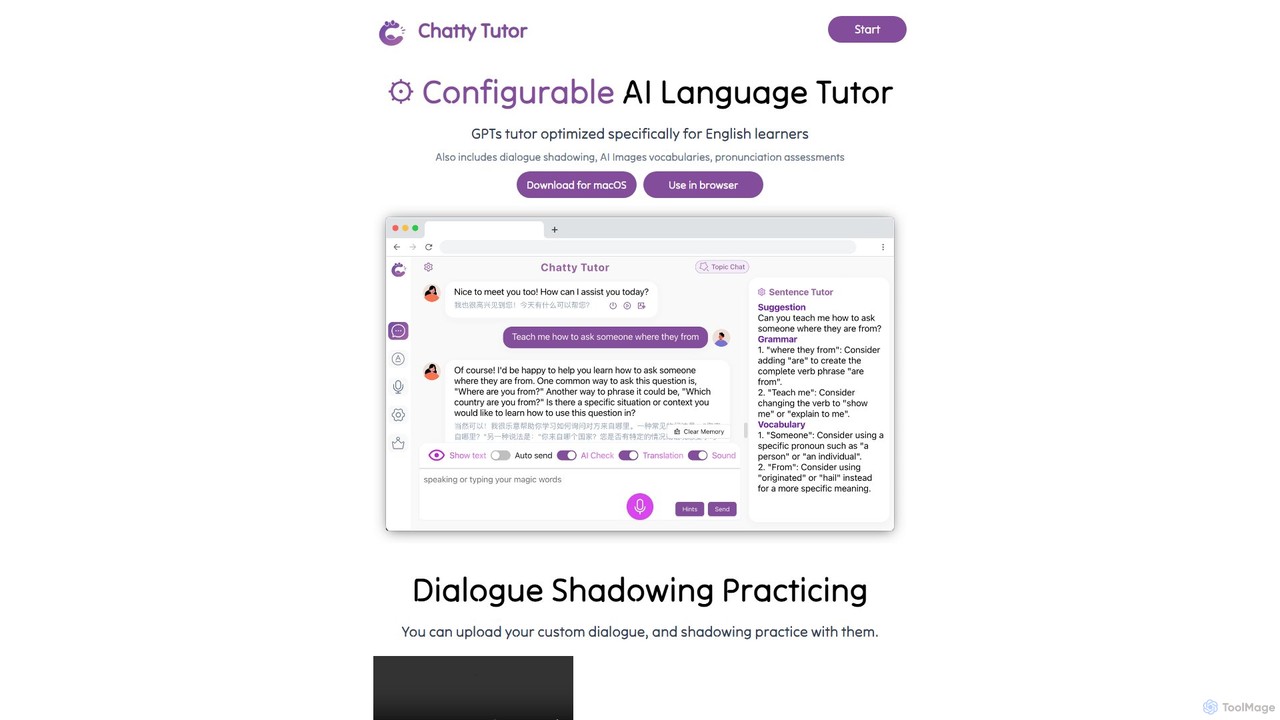
ChattyTutor is a highly configurable AI language tutor, powered by GPT, specifically optimized for English learners. It offers …

3.2K
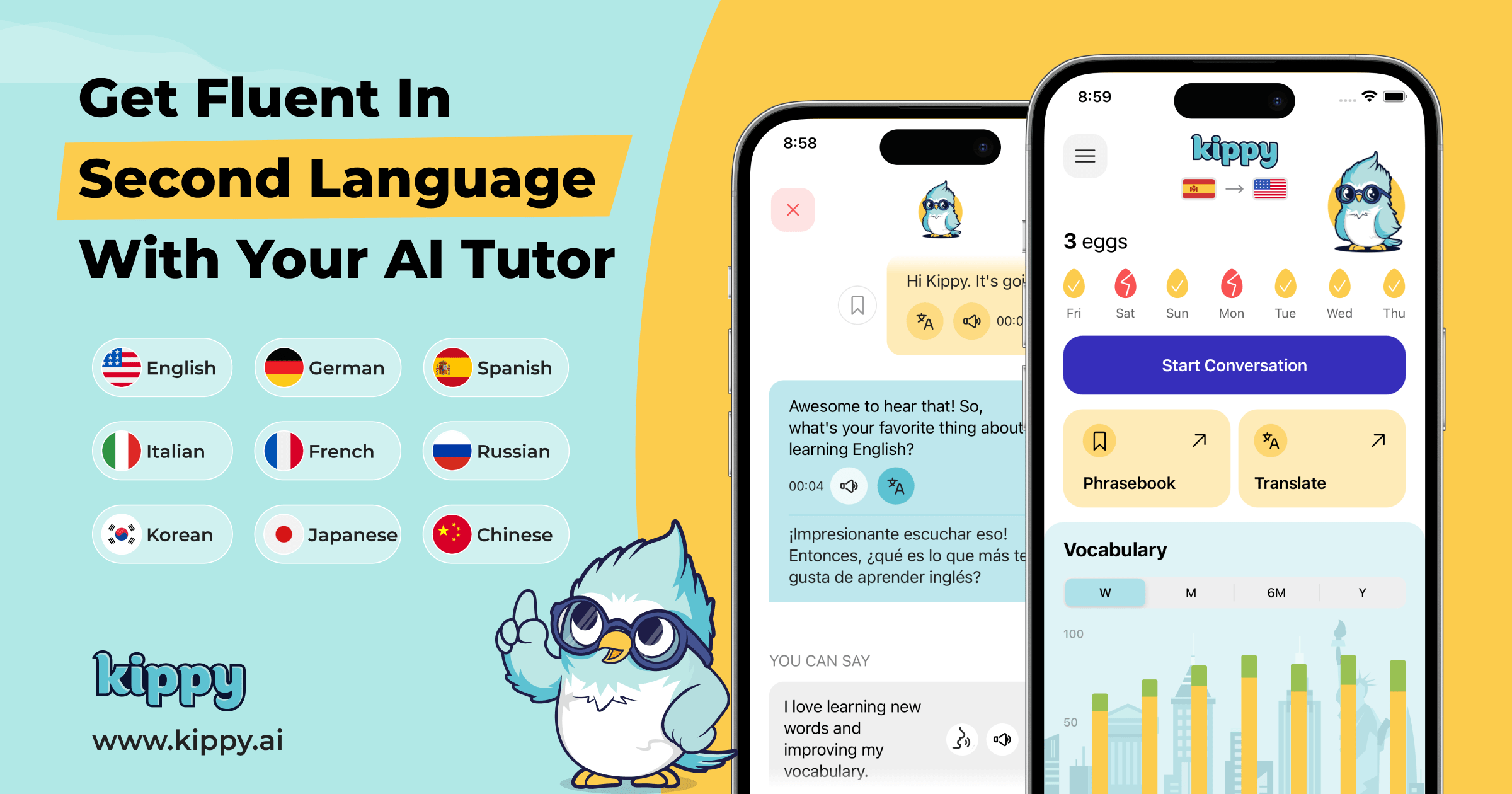
Kippy

Kippy

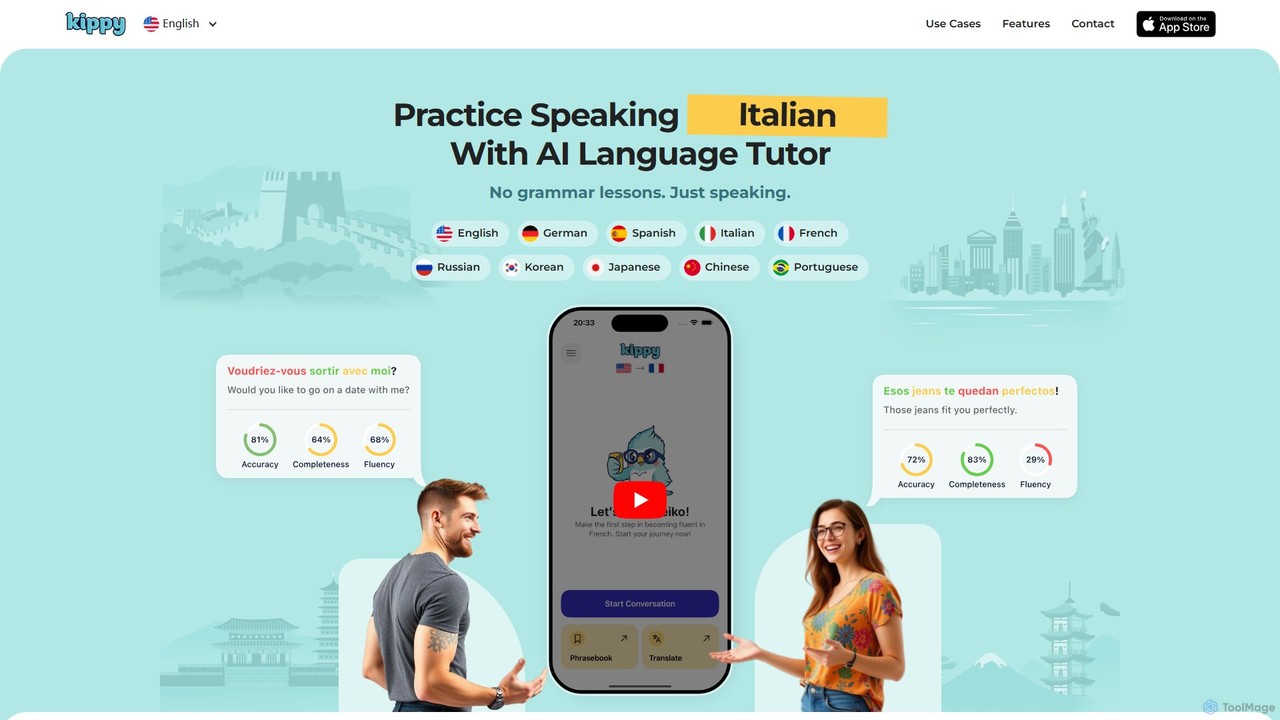
Kippy is an AI-powered language tutor designed to help you master speaking and pronunciation. Practice real-world conversations in …

21.4K
Text Generator

Text Generator

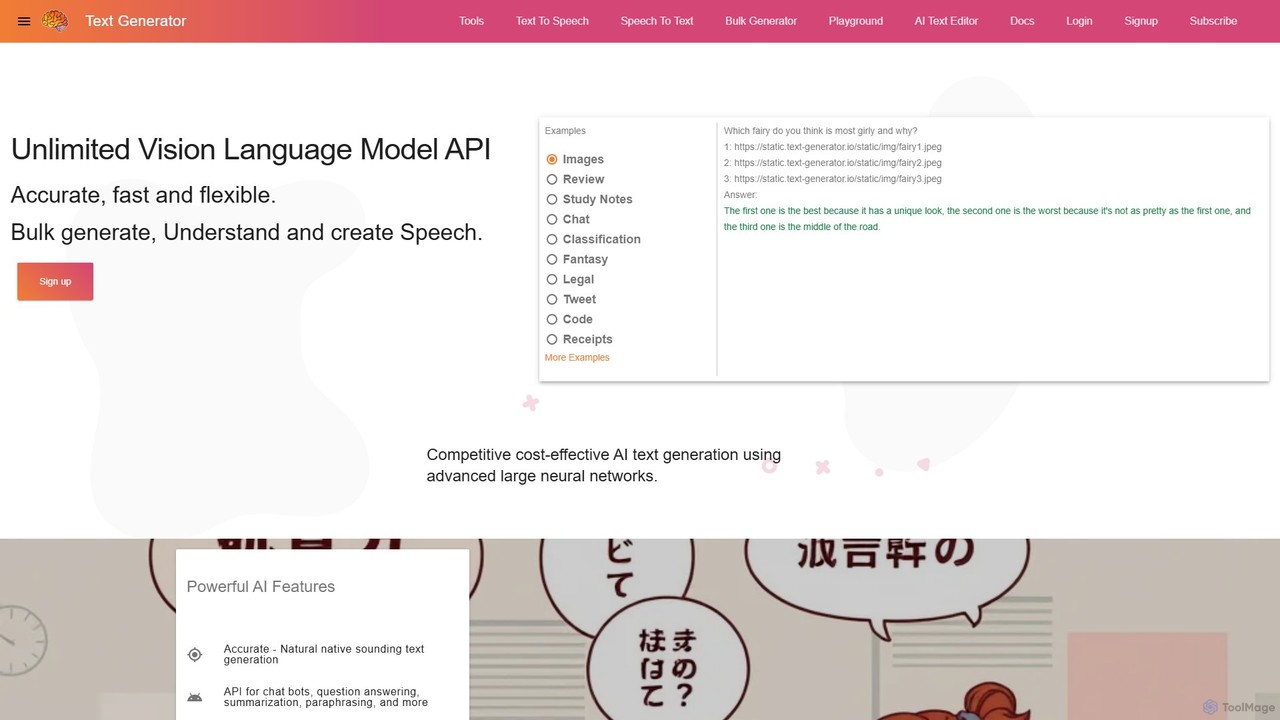
Text Generator is a versatile and highly affordable AI platform offering unlimited text, code, and speech generation. It …

4.3K
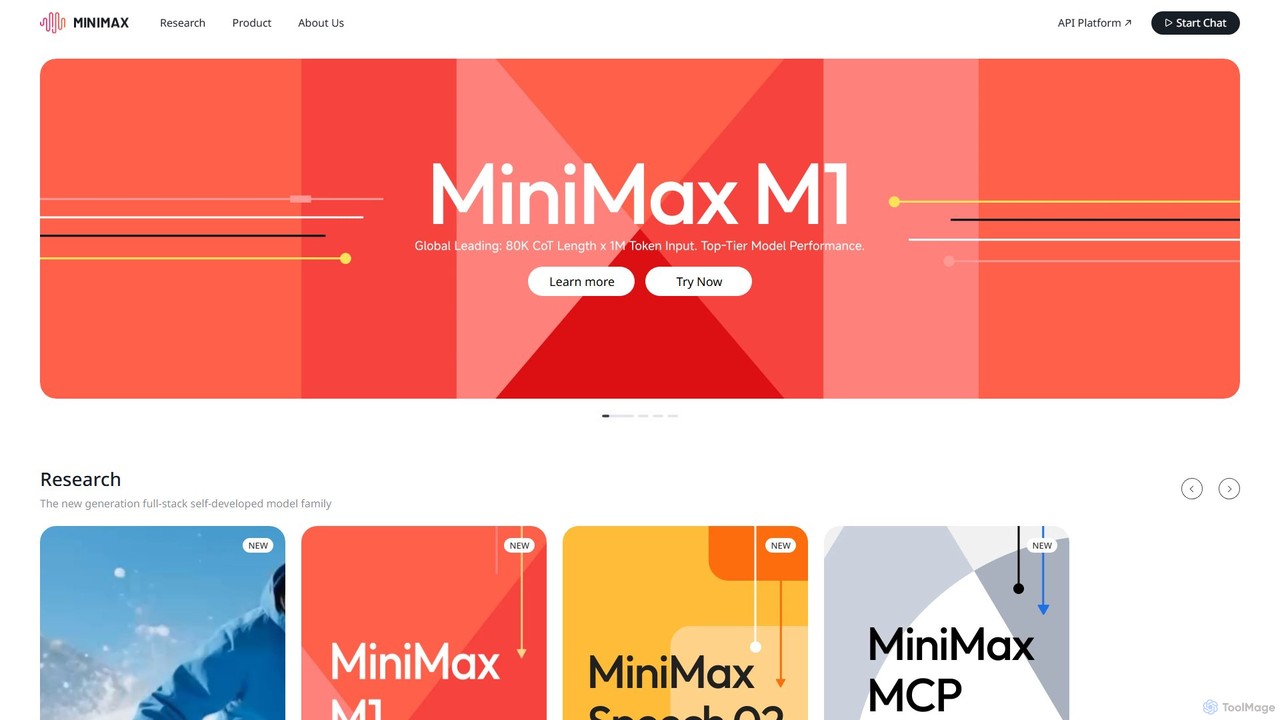
MiniMax

MiniMax

MiniMax is an AI research company providing a full-stack platform of AGI-powered foundation models. It offers state-of-the-art APIs …

6.5M

About Speech Synthesis

Speech Synthesis tools are AI-powered technologies that convert written text into natural-sounding human speech. These systems leverage advanced deep learning models and neural networks to generate audio output with customizable voices, emotions, and languages. They are widely used to automate voiceovers, enhance accessibility features, and create interactive user experiences across various digital platforms.

Core Features

  • Text-to-Speech (TTS): Converts input text into spoken audio, often with options for different voices and speaking styles.
  • Voice Customization: Allows users to select from a range of predefined voices or even create custom voice profiles to match specific brand identities.
  • Multi-language Support: Generates speech in numerous languages and dialects, catering to global audiences and diverse content needs.
  • Emotional Expression: Incorporates emotional nuances like happiness, sadness, or anger into the synthesized speech, making interactions more lifelike.
  • SSML (Speech Synthesis Markup Language) Support: Provides fine-grained control over pronunciation, emphasis, pauses, and speaking rate for highly customized audio output.

Applicable Scenarios

Speech Synthesis tools are invaluable for content creators, developers, and businesses. They enable the rapid production of audio content for e-learning modules, podcasts, and video narrations. Developers integrate these tools to build accessible applications for visually impaired users or to create more engaging voice interfaces for smart devices and chatbots.

How to Choose

When selecting a Speech Synthesis tool, consider the naturalness and quality of the generated voices, the breadth of language and accent support, and the availability of emotional expression. Evaluate the ease of integration via APIs, the flexibility of voice customization options, and the pricing model based on your usage volume and specific feature requirements.

Speech SynthesisUse Cases

1

Automating Audiobook and Podcast Narration

Content creators and publishers can use speech synthesis tools to quickly convert written manuscripts into high-quality audiobooks or podcast episodes. By selecting a suitable voice and adjusting parameters like pace and tone, they can produce engaging audio content without the need for human voice actors, significantly reducing production time and costs while expanding their audience reach.

2

Enhancing Accessibility for Visually Impaired Users

Developers integrate speech synthesis APIs into applications, websites, and operating systems to provide screen-reading capabilities. This allows visually impaired users to have digital text content, such as articles, emails, or navigation instructions, read aloud to them. This application significantly improves digital accessibility and inclusivity, enabling a wider audience to interact with information independently.

3

Creating Voiceovers for Video Content and E-learning

Video producers and e-learning course creators utilize speech synthesis to generate professional-sounding voiceovers for their multimedia projects. Instead of hiring voice talent or recording themselves, they can input scripts and receive audio files in various languages and voices. This streamlines the localization process for global content and ensures consistent voice quality across all learning modules or video segments.

4

Developing Interactive Voice Response (IVR) Systems

Businesses leverage speech synthesis to power their Interactive Voice Response (IVR) systems, providing automated customer service and support. Instead of pre-recording every possible phrase, companies can dynamically generate responses based on customer queries. This ensures a consistent brand voice, reduces the need for extensive voice talent libraries, and allows for rapid updates to IVR scripts, improving customer experience and operational efficiency.

5

Creating Dynamic Voice Alerts and Notifications

Applications and smart devices can use speech synthesis to generate real-time voice alerts and notifications for users. For instance, a smart home system can announce a door opening, or a navigation app can provide turn-by-turn directions. This provides a hands-free, eyes-free way for users to receive critical information, enhancing convenience and safety in various contexts, from driving to daily household tasks.

6

Personalizing Digital Assistants and Chatbots

Developers and product managers use speech synthesis to give digital assistants (like Siri or Alexa) and chatbots unique, recognizable voices and personalities. By customizing the voice, tone, and even emotional inflections, they can create a more engaging and human-like interaction experience. This personalization helps build user trust and makes the technology feel more intuitive and less robotic, improving overall user satisfaction.

Speech SynthesisFrequently Asked Questions