Audio Best in category 1 results Audio To Content AI Tool

Popular AI tools in the Audio To Content field of Audio include Speech Illustrator, etc., helping you quickly improve efficiency.

Speech Illustrator

Speech Illustrator

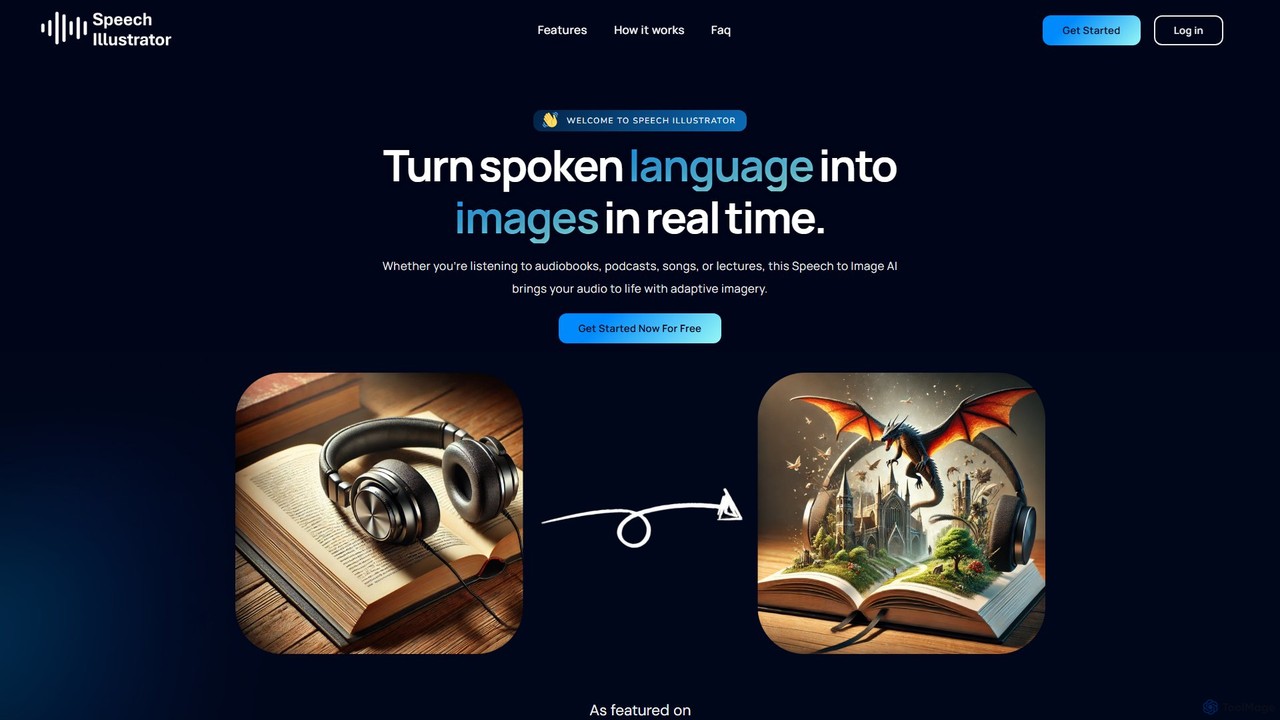
Speech Illustrator is a real-time AI tool that transforms spoken words from any audio source—like podcasts, audiobooks, or …

3.8K

About Audio To Content

Audio To Content tools are a specialized category of AI applications that transform raw audio recordings into various structured written formats. Leveraging advanced speech-to-text, natural language processing (NLP), and generative AI, these tools go beyond simple transcription to analyze, summarize, and repurpose spoken information. Their primary value lies in automating the conversion of unstructured audio data, such as interviews, podcasts, or meetings, into ready-to-publish content, drastically reducing manual effort and accelerating content workflows.

Core Features

  • Automated Transcription & Speaker Diarization: Provides a highly accurate text version of the audio, clearly identifying and labeling different speakers.
  • AI-Powered Summarization: Generates concise summaries, abstracts, or bulleted key takeaways from long-form audio content.
  • Content Repurposing Engine: Creates multiple content formats from a single audio source, such as blog posts, social media captions, email newsletters, and articles.
  • Topic & Chapter Detection: Automatically identifies main themes and segments the audio into logical chapters with timestamps and titles.
  • Keyword & Entity Extraction: Pinpoints and extracts important keywords, names, brands, and topics for SEO and content analysis.

Use Cases

These tools are widely used by content creators, marketers, journalists, and business professionals. For instance, a podcaster can instantly generate show notes and a full blog post from an episode. A marketing team can repurpose a one-hour webinar into a dozen social media clips and a summary article. Corporate teams use them to create searchable meeting minutes and extract action items automatically.

How to Choose

When selecting an Audio To Content tool, consider the accuracy of its transcription and speaker identification. Evaluate the variety and quality of the content formats it can generate (e.g., summaries vs. full articles). Check for integration capabilities with your existing platforms like CMS or social media schedulers. Finally, assess the pricing model—whether it's based on audio duration, subscription tiers, or feature sets—to ensure it aligns with your usage volume and budget.

Audio To ContentUse Cases

1

Generate Podcast Show Notes and Articles

For podcasters and content creators, manually transcribing and summarizing an hour-long episode can take several hours. By using an Audio To Content tool, they can upload their episode's audio file and automatically receive a full, accurate transcript with speaker labels. More importantly, the AI can generate concise show notes with timestamps, a list of key takeaways, and even draft a complete blog post based on the episode's content. This process reduces content production time by over 80%, allowing creators to publish supplementary materials consistently and improve their content's SEO visibility.

2

Automate Meeting Summaries and Action Items

Business professionals and project managers often spend significant time after meetings compiling notes and identifying action items. An Audio To Content tool streamlines this by recording the meeting audio and instantly generating a structured summary. The AI can identify key decisions, unresolved questions, and assignable tasks mentioned during the conversation. It can then format these into clear meeting minutes and a list of action items, often with the responsible person tagged. This not only saves time but also improves accountability and ensures that important follow-ups are not missed.

3

Repurpose Webinars for Multi-Channel Marketing

Content marketers host webinars to generate leads and educate their audience, but the value of a webinar often remains locked in the video recording. An Audio To Content tool can extract the audio and transform it into a wealth of marketing assets. From the audio, it can generate a summary blog post for the company website, pull out impactful quotes for social media graphics, create a series of short text snippets for a Twitter thread, and draft a follow-up email newsletter for attendees. This strategy maximizes the ROI of a single event by creating a dozen pieces of content for different channels with minimal extra effort.

4

Create Study Materials from Lectures

For students and educators, recorded lectures are a valuable resource. An Audio To Content tool can make them even more effective. A student can upload a lecture recording to get a searchable transcript, making it easy to find specific topics discussed. The AI can also generate a concise summary of the entire lecture, create flashcards based on key terms and definitions mentioned, and even formulate potential quiz questions. This transforms a passive listening experience into an active study session, improving comprehension and retention of the material.

5

Analyze User Interviews for Product Insights

UX researchers and product managers conduct numerous user interviews to gather feedback. Listening back to hours of recordings is time-consuming. By processing these interviews through an Audio To Content tool, they can get transcripts and, more importantly, AI-generated summaries that highlight key themes, user pain points, and feature requests. Some advanced tools can even perform sentiment analysis or categorize feedback automatically. This allows product teams to quickly synthesize insights from qualitative data, identify patterns across multiple interviews, and make more informed decisions for product development.

6

Draft Articles from Journalistic Interviews

Journalists rely on interviews as the primary source for their stories. An Audio To Content tool can significantly speed up the writing process. After conducting an interview, a journalist can upload the audio to get an instant transcript for accurate quotes. The AI can then go a step further by identifying the main narrative points, summarizing the interviewee's key arguments, and even generating a first draft of an article. While this draft requires human editing and contextualization, it provides a solid foundation, saving the journalist hours of foundational writing and allowing them to focus on crafting a compelling narrative and fact-checking.

Audio To ContentFrequently Asked Questions