Audio Best in category 4 results Audio Generation AI Tool

Popular AI tools in the Audio Generation field of Audio include binauralbeatsfactory、StoryPear、Artypa、veo3_ai, etc., helping you quickly improve efficiency.

StoryPear

StoryPear

StoryPear is an AI-powered platform for creating and exploring interactive audio stories. Designed for children, parents, and educators, …

3.5K
Artypa

Artypa

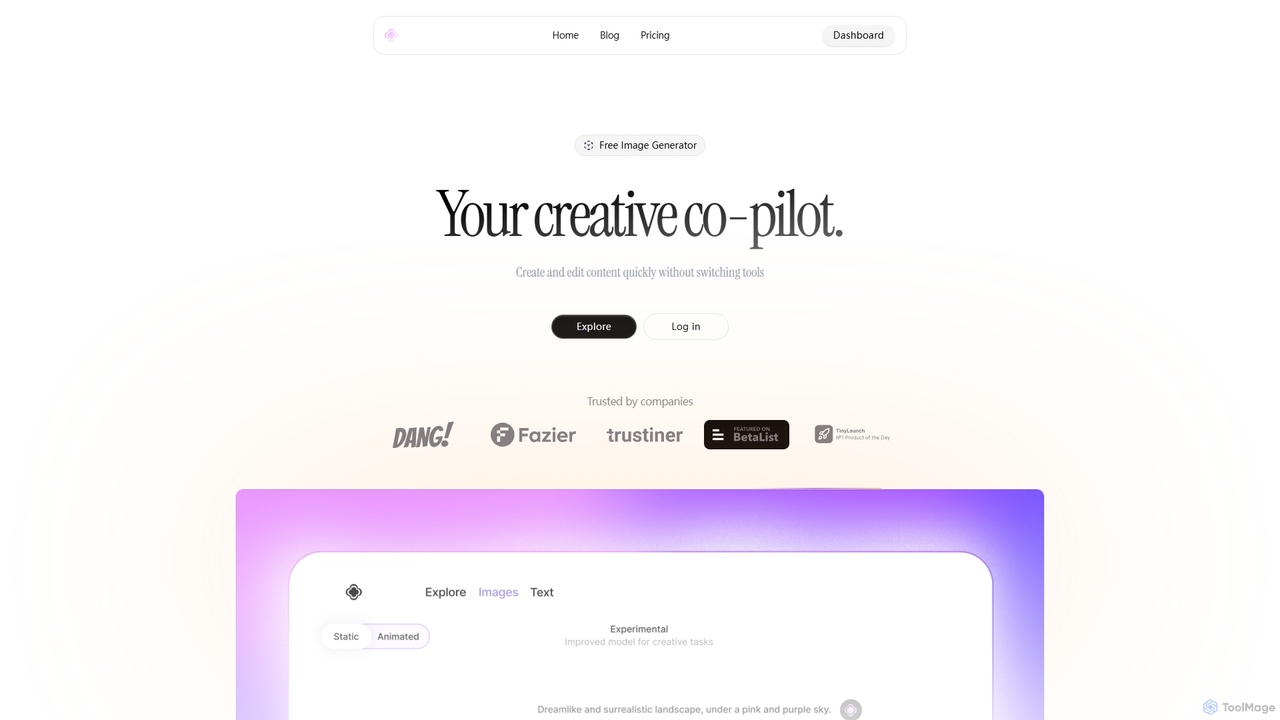
Artypa is your creative co-pilot, an all-in-one AI platform for generating high-quality images, videos, audio, and text. Designed …

2.5K
binauralbeatsfactory

binauralbeatsfactory

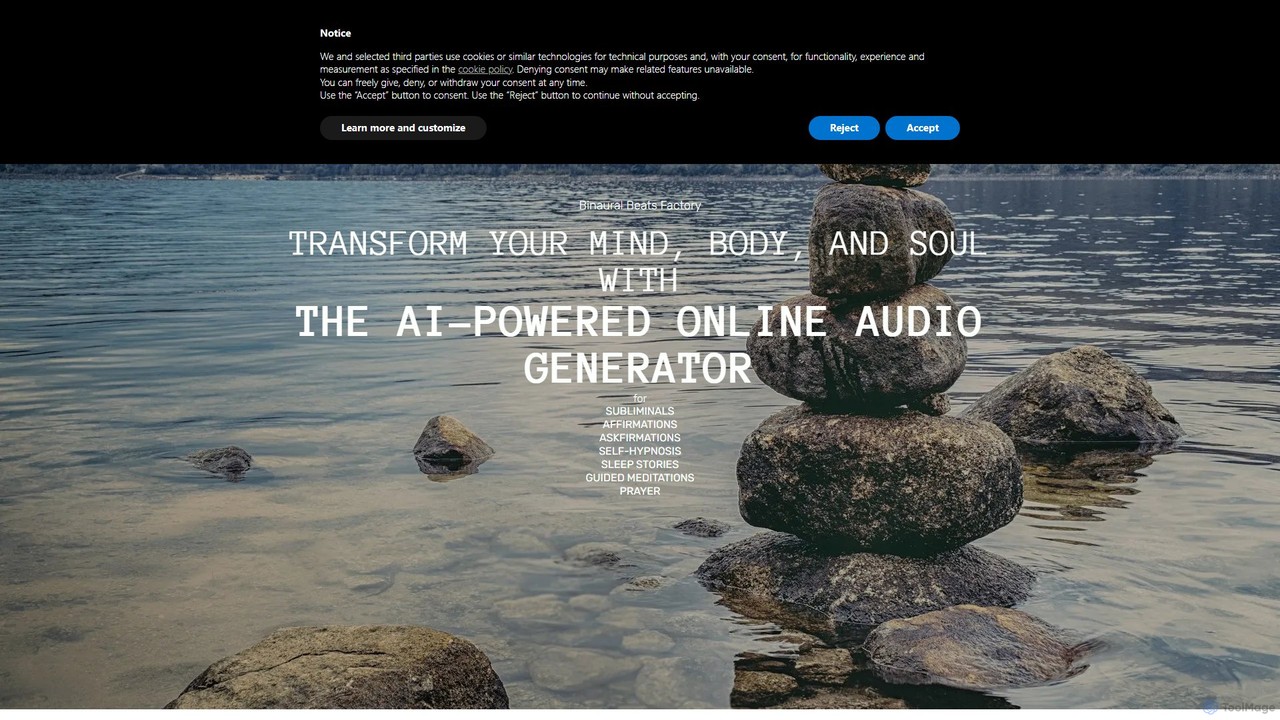
An AI-powered audio generator for creating personalized binaural beats, guided meditations, subliminal affirmations, self-hypnosis, and sleep stories. Tailor …

14.6K
veo3_ai

veo3_ai

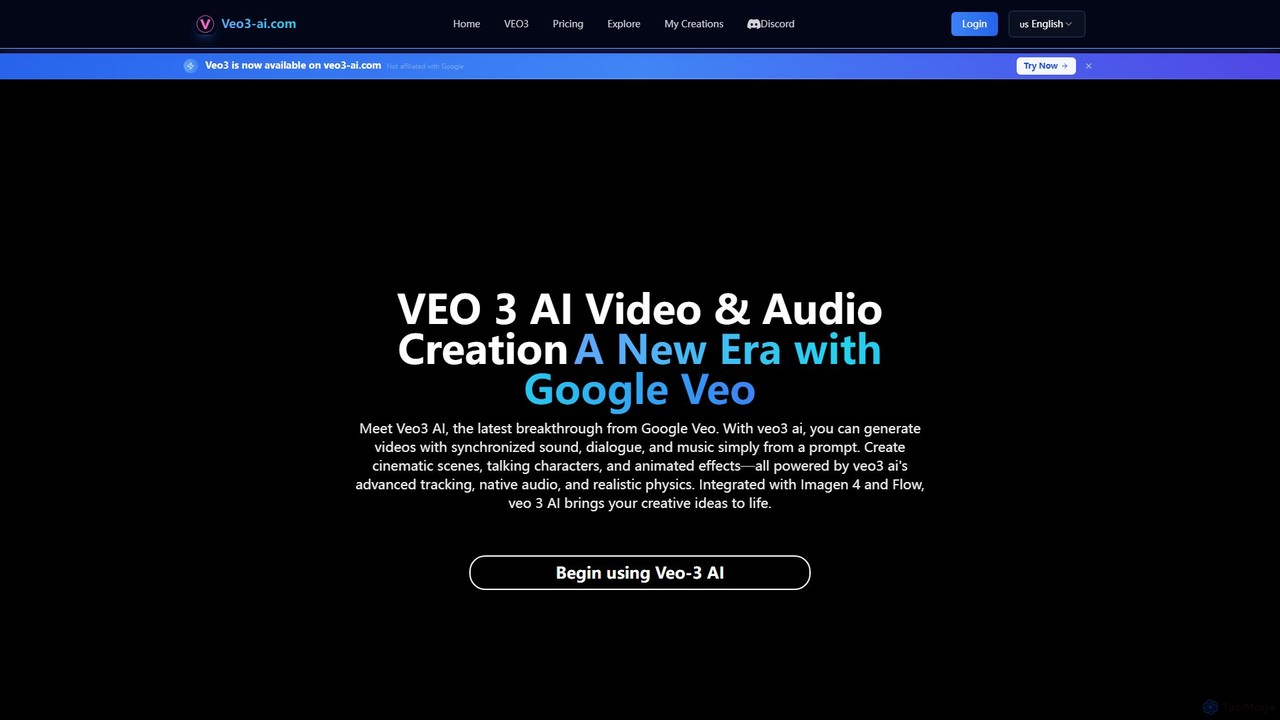
veo3_ai is an advanced AI video generation platform that transforms text prompts and images into high-quality videos with …

2.4K

About Audio Generation

Audio Generation tools are a class of software that create new audio content from scratch using artificial intelligence. They typically work by interpreting text prompts, musical notations, or descriptive inputs to synthesize speech, compose music, or produce sound effects. These tools empower creators, developers, and businesses to produce high-quality, custom audio for videos, podcasts, and applications without needing traditional recording equipment or musical expertise. The technology ranges from highly realistic text-to-speech (TTS) systems to complex models that can generate entire musical compositions in various styles.

Core Features

  • Text-to-Speech (TTS) Synthesis: Converts written text into natural-sounding human speech in various voices, languages, and accents.
  • Music Generation: Creates original, royalty-free musical tracks based on genre, mood, tempo, or descriptive text prompts.
  • Sound Effect (SFX) Creation: Generates unique sound effects from textual descriptions, ideal for games, films, and interactive media.
  • Voice Cloning: Replicates a specific voice from a short audio sample to create new speech content with that same voice.
  • API Access: Provides programmatic access for developers to integrate audio generation capabilities directly into their applications and services.

Use Cases

These tools are widely used by content creators for generating voiceovers and background music for videos and podcasts. Game developers and filmmakers use them to rapidly prototype and produce unique sound effects. In the corporate world, they are applied to create training materials, marketing content, and automated voice responses for customer service systems.

How to Choose

When selecting an Audio Generation tool, consider the primary output type you need (speech, music, or SFX). Evaluate the audio quality, realism, and the level of customization available (e.g., voice emotion, musical instruments). For developers, the availability and documentation of an API are crucial. Also, review the pricing model and the licensing terms for commercial use of the generated audio.

Audio GenerationUse Cases

1

Generating Voiceovers for Marketing Videos

A marketing team needs to create a promotional video for a global campaign, requiring voiceovers in five different languages. Instead of hiring multiple voice actors and coordinating recording sessions, which is costly and time-consuming, they use an AI Audio Generation tool. The team inputs the translated scripts into the tool, selects a professional and brand-aligned voice for each language, and adjusts the pacing and tone. Within a few hours, they generate all five high-quality, consistent voiceover tracks, reducing production time by over 90% and significantly cutting costs.

2

Creating Custom Background Music for Content

A YouTuber who creates documentary-style videos needs unique background music that matches the specific mood of each scene—from suspenseful to uplifting. Using royalty-free music libraries often results in generic-sounding tracks that are overused by other creators. By using an AI Music Generation tool, the creator can input prompts like 'dramatic orchestral score with a slow tempo' or 'upbeat, light electronic track'. The AI generates several original options, allowing the creator to select the perfect piece that enhances their storytelling and ensures their content is 100% copyright-clear.

3

Developing Unique In-Game Sound Effects

An indie game developer is creating a fantasy RPG and needs a wide range of sound effects, from magical spells to monster growls. Sourcing these from sound libraries can be expensive and may not provide the unique audio identity they want for their game. Using an AI Sound Effect Generation tool, the developer types descriptions like 'crackling fire spell with a high-pitched magical chime' or 'deep, guttural roar of a cave beast'. The tool generates multiple variations for each prompt, allowing the developer to quickly build a rich, custom soundscape for their game world, saving significant time and budget.

4

Producing Audiobooks and E-Learning Content

An educational publisher wants to convert its catalog of textbooks into audiobooks to improve accessibility for students with visual impairments and learning disabilities. Hiring voice actors for hundreds of books is not feasible. They use an AI Text-to-Speech (TTS) platform that offers natural, expressive voices. By integrating the platform's API, they automate the process of converting entire books into audio files. They can choose different voices for narration and character dialogues, creating an engaging listening experience and making their educational content accessible to a much wider audience at a fraction of the traditional cost.

5

Prototyping Voice Assistant Responses

A UX design team is developing a new voice-controlled smart home device. They need to test how different vocal tones—friendly, formal, empathetic—affect user experience. Instead of recording dozens of lines with a voice actor for each iteration, they use an AI voice generator. The designers can type a response, instantly generate it in multiple voices and emotional styles, and load it onto their prototype for user testing. This rapid iteration cycle allows them to quickly find the most effective voice personality for their product, improving the design process and saving weeks of development time.

6

Creating Accessible Versions of Written Articles

A news organization wants to make its online articles more accessible to people who are visually impaired or prefer to listen to content while multitasking. Manually recording an audio version of every article is impractical. They implement an AI TTS tool via an API on their website. Now, next to each article, there is a 'Listen to this article' button. When clicked, the tool instantly converts the article's text into a clear, natural-sounding audio stream. This feature not only broadens their audience reach but also improves user engagement by offering a convenient alternative to reading.

Audio GenerationFrequently Asked Questions