Audio Best in category 1 results Audio Visualization AI Tool

Popular AI tools in the Audio Visualization field of Audio include Banger.Show, etc., helping you quickly improve efficiency.

Banger.Show

Banger.Show

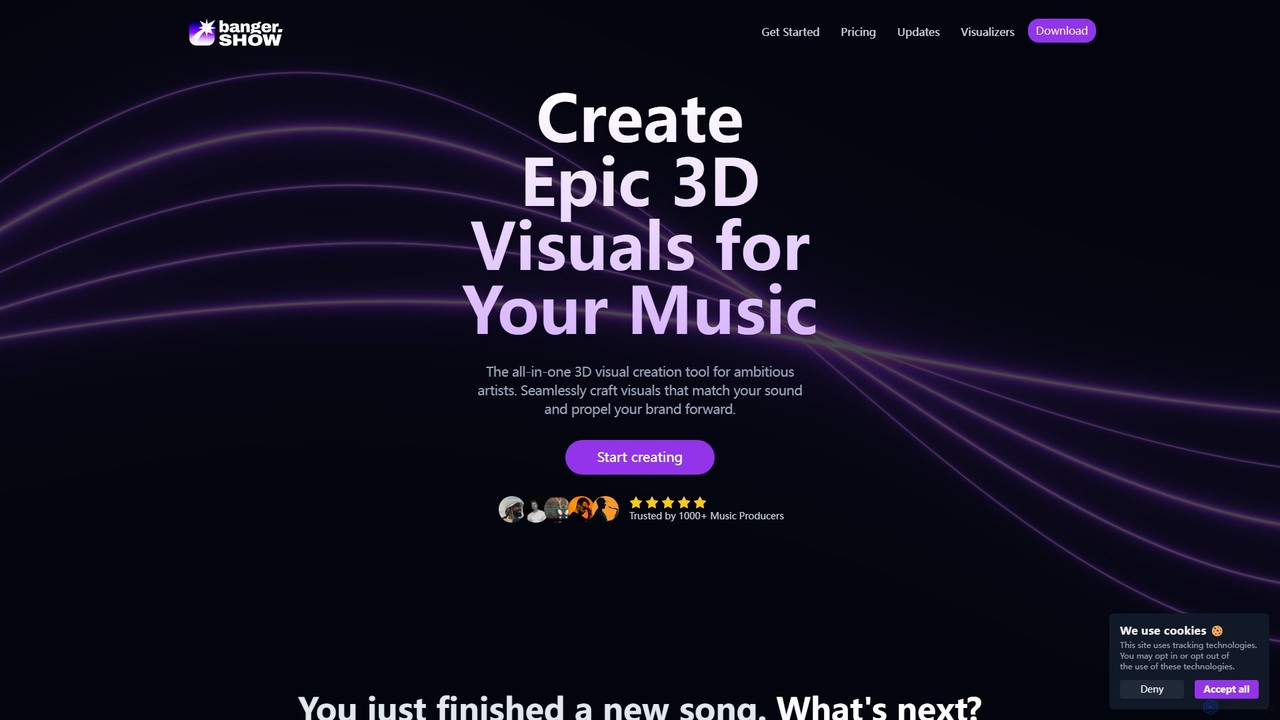
Banger.Show is an all-in-one online 3D video editor designed for artists and music producers. It enables the creation …

190.9K

About Audio Visualization

Audio Visualization tools are a category of AI-powered software that transform audio signals into dynamic, engaging visual representations. These tools analyze various audio properties like frequency, amplitude, and rhythm, mapping them to visual elements such as shapes, colors, and motion. They are widely used to enhance video content, live performances, and digital media, making sound perceptible through sight. This technology offers a creative way to interpret and present audio, adding an immersive dimension to auditory experiences.

Core Features

  • Real-time Visualization: Generates visuals that react instantly to live audio input or playback.
  • Customizable Templates: Offers a variety of pre-designed visual styles that can be tailored to specific aesthetic needs.
  • Audio Reactivity: Maps specific audio parameters (e.g., bass, treble, volume) to visual effects like intensity, size, or color changes.
  • Multiple Export Formats: Supports exporting visualizations in various video and image formats for diverse platforms.
  • Generative Art Integration: Some tools use AI to create unique, evolving visual patterns based on audio characteristics.

Use Cases

Audio Visualization tools are invaluable for content creators, musicians, and marketers looking to add a visual dimension to their sound. They are frequently employed in music video production, podcast promotion, and creating engaging social media content. These tools help to captivate audiences by providing a visual narrative that complements the audio experience, making content more memorable and shareable across digital platforms.

How to Choose

When selecting an Audio Visualization tool, consider the range of visual styles and customization options available to match your creative vision. Evaluate its real-time processing capabilities if you need live performance visuals, and check for compatibility with your existing audio and video editing software. Ease of use, export quality, and pricing models are also crucial factors to ensure the tool meets both your technical requirements and budget.

Audio VisualizationUse Cases

1

Create Dynamic Music Videos for Artists

Musicians and record labels can utilize audio visualization tools to generate captivating visual accompaniments for their tracks. By feeding a song into the AI, the tool can automatically produce synchronized waveforms, spectrum analyzers, or abstract generative art that reacts to the music's rhythm and mood. This saves significant time and resources compared to traditional video production, allowing artists to quickly release visually rich content for platforms like YouTube and social media, enhancing audience engagement and reach.

2

Enhance Podcast Episodes with Engaging Visuals

Podcasters often struggle to make their audio-only content visually appealing for social media promotion or video platforms. Audio visualization tools allow them to transform static podcast covers into dynamic visualizers that react to speech patterns, background music, or sound effects. This helps capture attention in crowded feeds, provides a more engaging experience for viewers who prefer video, and makes it easier to repurpose podcast content across various digital channels, boosting discoverability.

3

Create Immersive Visuals for Live Events and Concerts

Event organizers and VJs (video jockeys) can leverage real-time audio visualization tools to create stunning, synchronized visual backdrops for live concerts, DJ sets, and corporate events. These tools process live audio feeds and instantly generate dynamic graphics, light shows, or abstract animations that respond to the music's tempo, volume, and frequency. This elevates the audience's sensory experience, transforming a standard event into an immersive spectacle and leaving a lasting impression.

4

Develop Educational Content with Visualized Sound

Educators and e-learning platforms can use audio visualization to make complex sound concepts more understandable and engaging. For instance, demonstrating how different frequencies look as waveforms or how sound changes in a spectrum analyzer can greatly aid students in fields like acoustics, music theory, or signal processing. This visual aid transforms abstract auditory data into concrete, observable phenomena, improving comprehension and retention for learners of all ages.

5

Create Engaging Social Media Content for Brands

Marketing teams and social media managers can leverage audio visualization to make their brand's audio content, such as jingles, voiceovers, or background music, more visually appealing. By converting audio into dynamic visualizers, brands can create short, eye-catching video snippets for platforms like Instagram Reels, TikTok, and YouTube Shorts. This strategy helps to increase engagement, drive brand recognition, and stand out in a highly visual digital landscape, effectively communicating messages with both sound and sight.

6

Visualize Soundscapes for Meditation and Relaxation Apps

Developers of meditation, relaxation, or sleep aid applications can integrate audio visualization to create calming and immersive user experiences. By pairing ambient sounds, nature soundscapes, or guided meditations with gentle, fluid visual patterns that react subtly to the audio, these apps can help users focus, de-stress, or fall asleep more easily. The visual feedback enhances the therapeutic effect of the audio, providing a multi-sensory pathway to tranquility and mindfulness.

Audio VisualizationFrequently Asked Questions