ToolMage
Sign in

Best 2 Audiobook Generation AI tools for Audio

Popular Audiobook Generation AI tools in Audio include Oscar Stories and BabyStoryAI, helping you work more efficiently.

BabyStoryAI
Freemium

BabyStoryAI

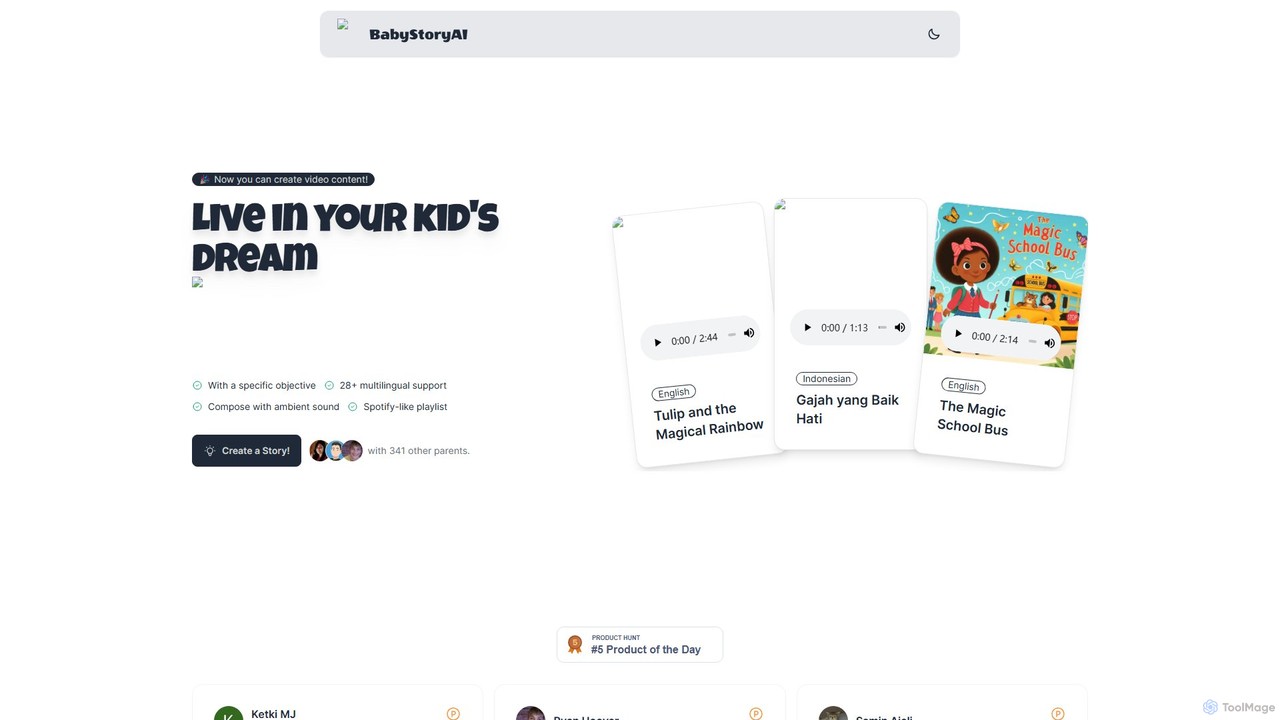
BabyStoryAI is an AI-powered platform for parents to create personalized audio and video bedtime stories for their children. It supports over 28 languages, allows customization with ambient sounds and music, and helps nurture a child's creativity. A perfect tool for busy parents to craft unique, engaging stories in minutes.

Audiobook Generation
Visits 17.1KFavorites 112Likes 109
Oscar Stories
Freemium

Oscar Stories

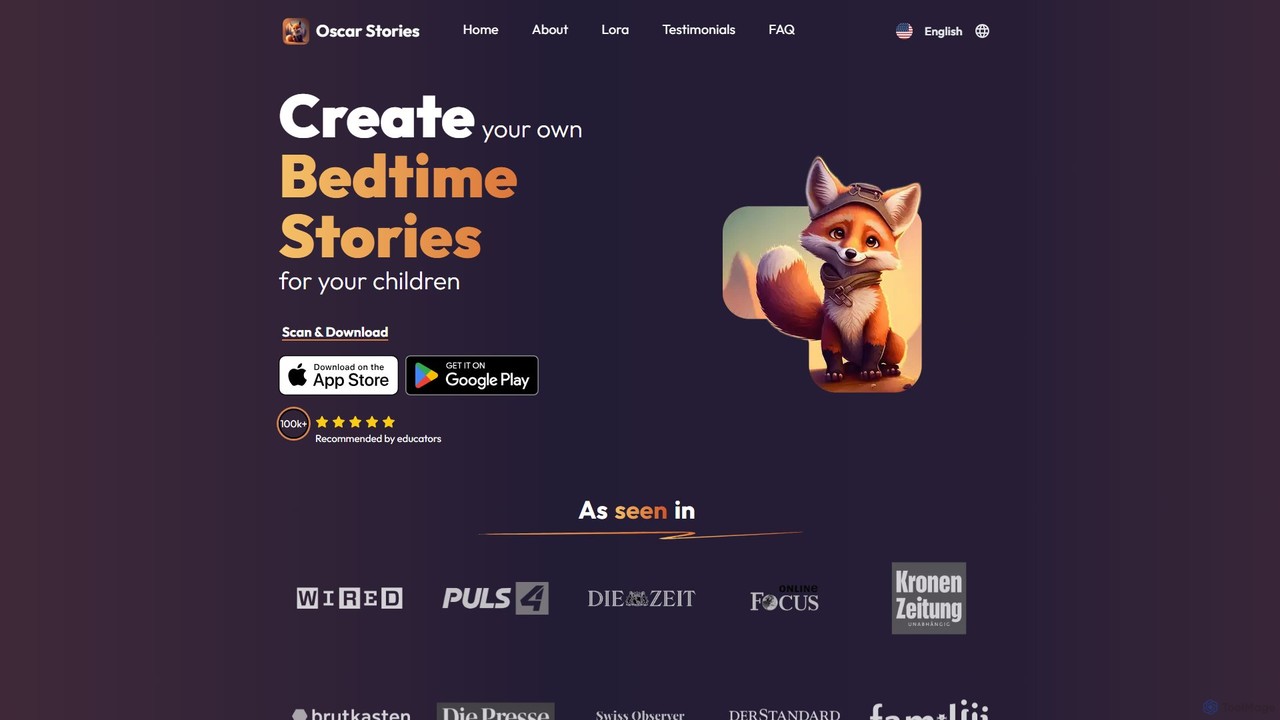
Oscar Stories is an AI-powered app that creates personalized bedtime stories for children. Make your child the hero of their own adventure, choosing unique characters and themes. The app generates unique, illustrated stories with valuable life lessons and can even turn them into soothing audiobooks, making bedtime a magical and educational experience.

Audiobook Generation
Visits 17.7KFavorites 125Likes 132

About Audiobook Generation

Audiobook Generation tools are AI-powered platforms designed to convert written text into high-quality spoken audio, effectively creating audiobooks. Leveraging advanced text-to-speech (TTS) technology, natural language processing (NLP), and sophisticated voice synthesis, these tools transform manuscripts, articles, and digital content into engaging auditory experiences. They offer a cost-effective and efficient solution for authors, publishers, and content creators to expand their reach and cater to a growing audience of audiobook listeners.

Core Features

  • Realistic Voice Synthesis: Generates human-like voices with adjustable tone, pace, and emotion, enhancing listener engagement.
  • Multi-language Support: Converts text into audio in various languages, enabling global content distribution.
  • Customizable Pronunciation: Allows users to fine-tune the pronunciation of specific words, names, or technical terms for accuracy.
  • Background Music & Sound Effects: Integrates ambient music or sound effects to enrich the listening experience and set the mood.
  • Speaker Management: Assigns different voices to multiple characters or sections, creating dynamic dialogues and narratives.

Applicable Scenarios

These tools are invaluable for authors looking to self-publish audio versions of their books without the expense of professional voice actors, and for publishers seeking to rapidly convert their backlist into audio formats. Educators can use them to create accessible learning materials for students with reading difficulties, while businesses can transform reports and training manuals into listenable content for busy professionals.

How to Choose

When selecting an audiobook generation tool, consider the naturalness and variety of available voices, the range of supported languages, and the flexibility for pronunciation customization. Evaluate the platform's ability to handle long-form content, its integration options with existing workflows, and the pricing model based on usage or subscription. User-friendliness and the quality of customer support are also important factors.

Audiobook Generation use cases

1

Self-Publishing Audiobooks for Authors

Independent authors can utilize audiobook generation tools to convert their written novels, non-fiction works, or poetry collections into professional-sounding audiobooks. By inputting their manuscript, they can select from a range of AI voices, customize pacing and tone, and even add background music, significantly reducing production costs and time compared to hiring voice actors, allowing them to reach a wider audience on platforms like Audible.

2

Transforming Textbooks into Audio Lessons

Educators and e-learning platforms can convert textbooks, lecture notes, and study guides into audio formats. This provides an accessible learning option for students with visual impairments, dyslexia, or those who prefer auditory learning. The tools enable quick conversion of large volumes of text, making educational content more inclusive and flexible for diverse student needs, supporting remote learning initiatives.

3

Creating Audio Training Modules

Companies can use these tools to transform internal training manuals, compliance documents, and onboarding materials into engaging audio modules. Employees can listen to essential information during commutes or breaks, improving knowledge retention and flexibility. This approach streamlines the training process, reduces the need for live instructors for basic content, and ensures consistent delivery of information across the organization.

4

Repurposing Blog Posts into Podcasts

Content marketers and bloggers can repurpose their written articles, blog posts, and whitepapers into short audio segments or full podcast episodes. This expands content reach to auditory platforms, attracting new audiences who prefer listening over reading. The tools allow for quick conversion, enabling a consistent flow of multi-format content without extensive audio production expertise or equipment.

5

Enhancing Website Accessibility

Website owners and digital publishers can integrate audiobook generation capabilities to offer audio versions of their web content, news articles, and reports. This significantly improves accessibility for users with disabilities, elderly individuals, or anyone who prefers to consume information audibly. It demonstrates a commitment to inclusive design and can boost user engagement and time spent on site.

6

Generating Personalized Audio Stories

Individuals or small creative studios can use these tools to generate personalized audio stories, fan fiction, or unique narratives. By inputting custom text, they can create bespoke audio experiences for gifts, personal projects, or niche audiences. This opens up new avenues for creative expression, allowing for rapid iteration and experimentation with different voices and storytelling styles.

Audiobook Generation FAQ

What are AI Audiobook Generation tools?

AI Audiobook Generation tools are software applications that use artificial intelligence, specifically text-to-speech (TTS) technology, to convert written text into spoken audio, creating digital audiobooks. They leverage natural language processing (NLP) and advanced voice synthesis to produce human-like narration, allowing users to transform manuscripts, articles, and other textual content into listenable formats efficiently and cost-effectively.

How do AI Audiobook Generators differ from traditional audio production?

AI Audiobook Generators automate the narration process using synthetic voices, significantly reducing the time and cost associated with hiring human voice actors, booking studios, and extensive post-production. Traditional audio production relies on human narrators, offering nuanced emotional delivery and unique vocal qualities. While AI tools provide speed and scalability, traditional methods often deliver a more personalized and artistically expressive performance, though at a higher expense and longer timeline.

What factors should I consider when choosing an AI Audiobook Generation tool?

Key factors include the naturalness and emotional range of the AI voices, the variety of languages and accents supported, and the ability to customize pronunciation and speaking styles. Also, evaluate the platform's capacity for long-form content, its editing features for pauses and emphasis, integration with other publishing tools, and the pricing structure (e.g., per word, per hour, subscription). User interface and ease of use are also important for a smooth workflow.

Can AI-generated audiobooks sound truly natural and expressive?

Modern AI audiobook generation tools have made significant advancements, producing highly natural and expressive voices that are often indistinguishable from human narration, especially with premium voices. While they can convey a wide range of emotions and adjust pacing, achieving the subtle nuances and artistic interpretation of a skilled human voice actor can still be challenging. However, for many applications, the quality is more than sufficient and continues to improve rapidly.

Who can benefit most from using Audiobook Generation tools?

Authors and independent publishers benefit by creating audio versions of their works affordably and quickly. Educators can make learning materials more accessible. Businesses can convert training manuals and reports into audio for employee convenience. Content creators and marketers can repurpose blog posts into podcasts, expanding their audience reach. Essentially, anyone with large volumes of text seeking to transform it into engaging, accessible audio content can benefit.