
Audio Best in category 2 results Audio Enhancement AI Tool

Popular AI tools in the Audio Enhancement field of Audio include neural.love、Hance.ai, etc., helping you quickly improve efficiency.

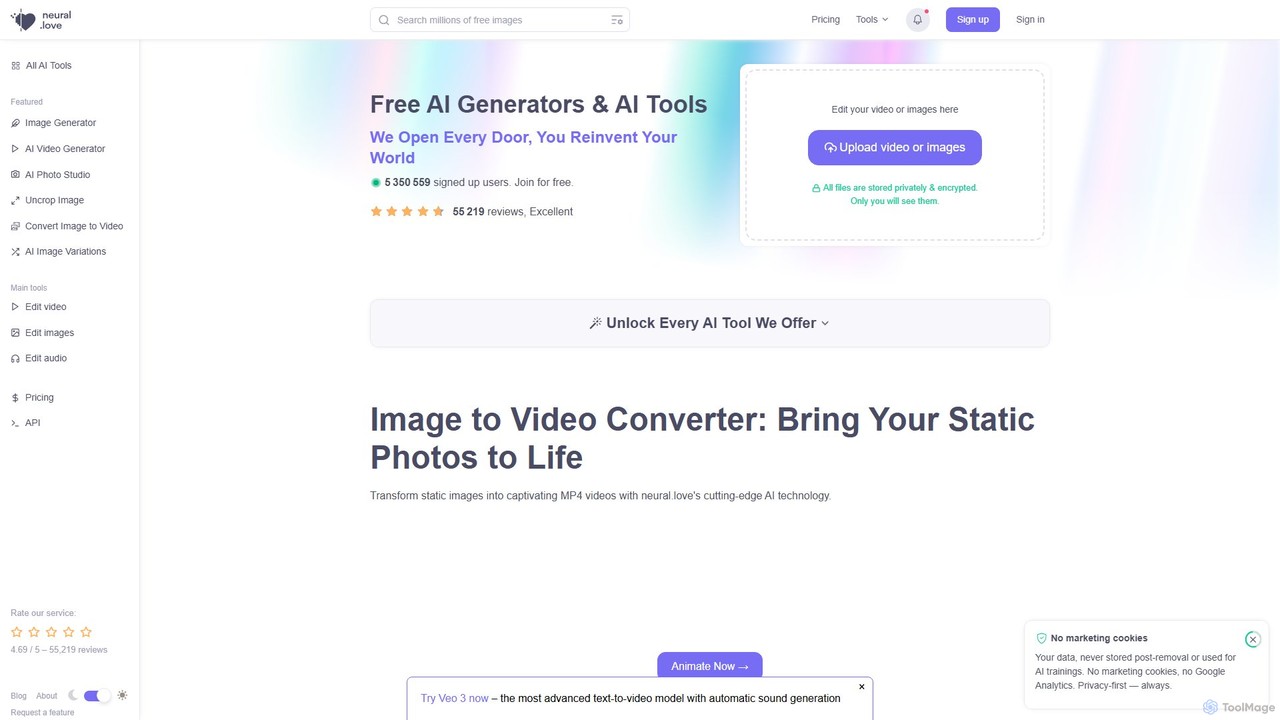
neural.love

neural.love

neural.love is a comprehensive AI-powered creative suite offering a wide range of tools for image, video, and audio …

559.2K
Hance.ai

Hance.ai

Hance.ai offers embedded, real-time AI audio enhancement solutions for developers and manufacturers. Its lightweight and efficient models provide …

4.0K

About Audio Enhancement

Audio Enhancement tools are AI-powered solutions designed to significantly improve the quality and clarity of audio recordings. These tools leverage advanced machine learning algorithms to intelligently identify and mitigate common audio imperfections. They can effectively reduce background noise, isolate vocals, remove echoes, and optimize sound profiles for various applications. This results in professional-grade sound without the need for extensive manual editing or specialized audio engineering expertise.

Core Features

  • Noise Reduction: Intelligently removes unwanted background noise, hums, and static from audio.
  • Vocal Isolation: Separates speech from music or other sounds, allowing for independent processing.
  • Echo & Reverb Removal: Reduces room echo and reverberation for clearer, more direct sound.
  • Automatic Equalization: Optimizes frequency balance to enhance speech intelligibility or musical richness.
  • Loudness Normalization: Adjusts audio levels to a consistent, professional standard across recordings.

Applicable Scenarios

Podcasters and content creators use these tools to clean up recordings made in imperfect environments, ensuring crisp, clear dialogue for their audience. Video editors apply audio enhancement to improve voiceovers and soundtracks, making dialogue stand out and background music sound polished. Journalists and researchers utilize them to clarify interview recordings, making transcribed speech more accurate and understandable.

Selection Criteria

Consider the specific types of imperfections you need to address (e.g., noise, echo, vocal separation). Evaluate the tool's ease of use and integration with your existing workflow or editing software. Check for real-time processing capabilities versus offline rendering, depending on your production needs. Compare pricing models, including subscription costs and any per-minute usage fees for advanced features.

Audio EnhancementUse Cases

1

Enhance Podcast Vocal Clarity and Remove Noise

Podcasters often record in home studios or less-than-ideal environments, leading to background noise like fan hums, street sounds, or room echo. Audio enhancement tools allow podcasters to automatically detect and remove these distractions, isolate host and guest voices, and normalize loudness. This ensures a professional listening experience for their audience, saving hours of manual editing time and improving overall content quality.

2

Improve Dialogue Clarity in Video Production

Video editors often face challenges with dialogue recorded in noisy environments or with poor microphone placement. AI audio enhancement tools can significantly improve the intelligibility of spoken words by reducing ambient noise, wind sounds, or even slight distortions. This ensures that crucial dialogue is clear and stands out from background music or sound effects, leading to a more engaging and professional final video product for viewers.

3

Optimize Interview Recordings for Transcription Accuracy

Journalists, researchers, and students often record interviews in various settings, which can result in poor audio quality due to background chatter, room acoustics, or low recording levels. Audio enhancement tools can process these recordings to clarify speech, making it easier for human transcribers or automated transcription software to accurately convert spoken words into text. This significantly reduces errors and the time spent on manual correction.

4

Separate Vocals and Instruments for Music Production

Music producers and DJs often need to isolate specific elements from a mixed track, such as vocals, drums, or instrumental parts, for remixing, sampling, or karaoke versions. AI audio enhancement tools with stem separation capabilities can intelligently deconstruct a full song into its constituent components. This provides unprecedented flexibility for creative manipulation, allowing artists to easily create acapellas, instrumentals, or custom mixes without access to original multi-track recordings.

5

Improve Call Center Audio for Better Customer Service

Call centers deal with a high volume of customer interactions, where audio clarity is paramount for effective communication and quality assurance. AI audio enhancement tools can be deployed to reduce background noise from busy offices, improve agent and customer voice clarity, and normalize call volumes. This leads to better understanding, reduced miscommunications, and enhanced customer satisfaction, while also aiding in more accurate sentiment analysis and compliance monitoring.

6

Restore and Enhance Archival Audio Recordings

Archivists, historians, and enthusiasts often work with old audio recordings that suffer from significant degradation, such as hiss, crackle, hum, or muffled speech. AI audio enhancement tools can intelligently clean up these historical assets, removing unwanted artifacts while preserving the original content. This process revitalizes valuable recordings, making them more accessible and understandable for research, preservation, and public enjoyment, extending their lifespan and utility.

Audio EnhancementFrequently Asked Questions