Audio Best in category 1 results Audio Generators AI Tool

Popular AI tools in the Audio Generators field of Audio include glif, etc., helping you quickly improve efficiency.

glif

glif

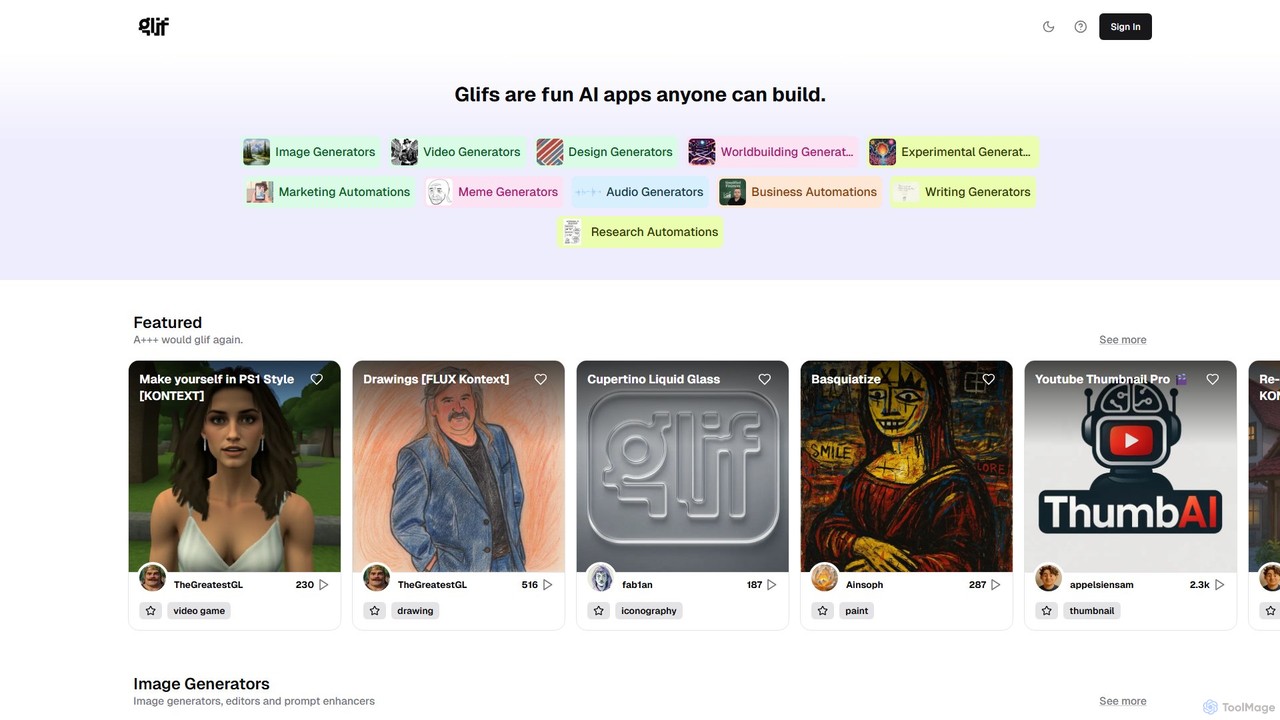
glif is a low-code platform for creating and sharing AI-powered mini-apps, known as "glifs." It enables users to …

139.6K

About Audio Generators

Audio Generators are AI-powered tools that create new sound content, such as speech, music, and sound effects, from text prompts or other inputs. They leverage advanced technologies like text-to-speech (TTS) and generative models to synthesize realistic and high-quality audio from scratch. These tools are valuable for content creators, developers, and marketers who need custom audio without the complexities of recording or licensing. They enable the rapid production of voiceovers, background scores, and unique soundscapes for a wide range of applications.

Core Features

  • Text-to-Speech (TTS): Converts written text into natural-sounding human speech in various languages and voices.
  • Music Generation: Creates original, royalty-free musical compositions based on genre, mood, or text descriptions.
  • Sound Effect (SFX) Synthesis: Generates specific sound effects from descriptive text, such as "a door creaking" or "a futuristic laser blast".
  • Voice Cloning: Replicates a specific voice from a sample to generate new speech in that same voice.
  • Style Customization: Provides controls to adjust audio parameters like pitch, speed, emotion, instruments, and tempo.

Use Cases

Audio Generators are widely used in video production for creating voiceovers and background music, in game development for generating dynamic sound effects, and in podcasting for consistent narration. They are also crucial for creating voice assistants, interactive voice response (IVR) systems, and producing audiobooks at scale.

How to Choose

When selecting an Audio Generator, consider the primary output type you need (speech, music, or SFX). Evaluate the naturalness and quality of the generated audio. For developers, API availability and documentation are critical. Also, carefully review the licensing terms to ensure you have the rights for commercial use if needed.

Audio GeneratorsUse Cases

1

Creating Voiceovers for Video Content

A YouTube creator needs a clear and consistent voiceover for their weekly educational videos. Instead of spending hours recording and editing their own voice, they use an AI Audio Generator. They simply paste their script into the tool, select a preferred voice and tone (e.g., "calm," "energetic"), and generate the full narration in minutes. This process ensures professional audio quality for every video and cuts production time significantly.

2

Generating Custom Background Music

A marketing agency is producing a promotional video and needs a unique background track that matches the brand's modern, upbeat identity. Using an AI music generator, they input prompts like "upbeat corporate pop, motivational, with electronic drums." The tool generates several royalty-free options, allowing them to choose the perfect track without navigating complex music licensing libraries or hiring a composer.

3

Designing Sound Effects for Games

An indie game developer is building a sci-fi game and requires a wide range of unique sound effects. They use an AI SFX generator to create sounds from text descriptions. By typing prompts like "low-frequency spaceship hum," "short laser pistol shot," or "alien creature footstep on metal," they can rapidly prototype and implement hundreds of custom sound assets, enriching the game's immersive experience.

4

Producing Scalable Audiobook Content

An independent author wants to convert their e-book series into audiobooks to reach a new audience. Hiring voice actors for a long series is cost-prohibitive. They use an advanced text-to-speech generator with emotionally expressive voices. The tool processes entire chapters at once, producing a high-quality audiobook that can be distributed on various platforms, making their content more accessible.

5

Developing Branded Virtual Assistants

A tech company is developing a custom voice assistant for its smart home device. To create a unique and recognizable brand voice, they use a voice cloning generator. After providing a few hours of recordings from a hired voice actor, the AI model learns the voice's characteristics. The company can then use this custom voice to generate responses for any query, ensuring a consistent user experience across their product.

6

Prototyping IVR and Phone Systems

A business is updating its customer service phone system (IVR). To test different scripts and vocal styles for clarity and user-friendliness, they use an AI Audio Generator. They can quickly generate menu prompts like "For sales, press one" in various voices and languages. This allows them to A/B test options and finalize the system's flow before committing to expensive professional recordings.

Audio GeneratorsFrequently Asked Questions