

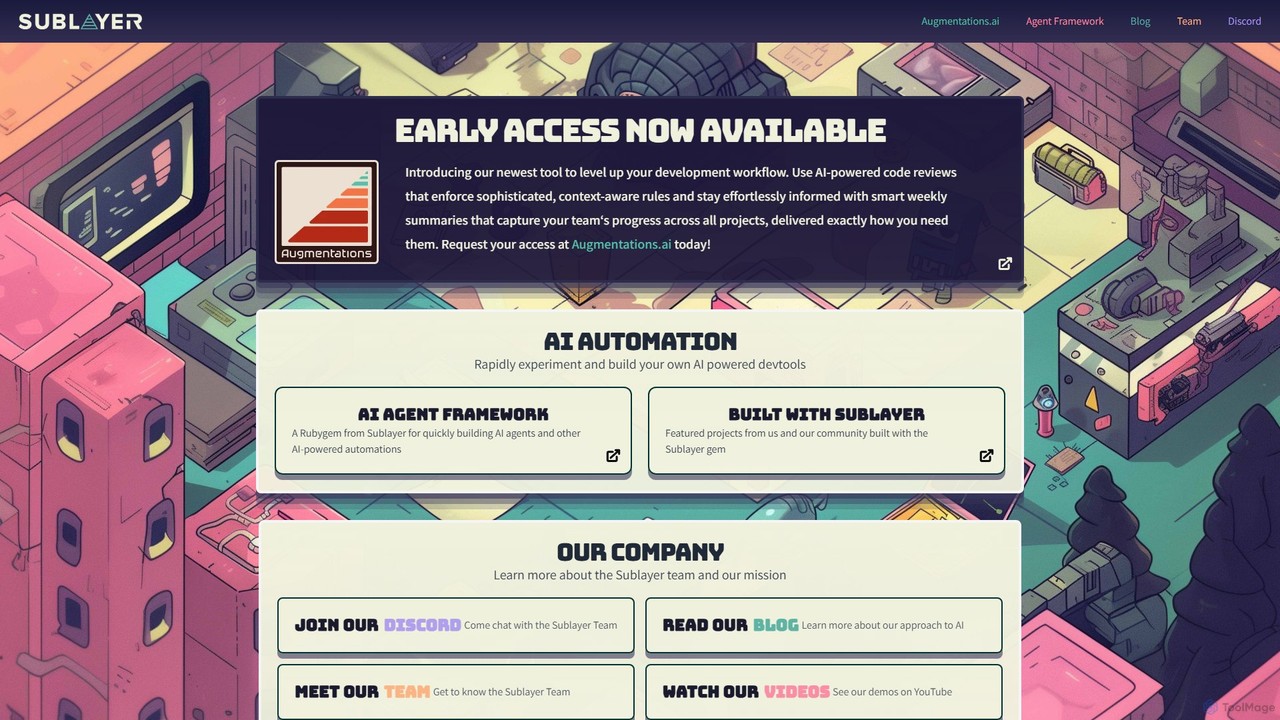
Sublayer Overview
Sublayer is a specialized AI framework designed to empower Ruby developers to build sophisticated AI-powered applications and automations. At its core, Sublayer is a model-agnostic Rubygem, meaning it provides the flexibility to integrate with various Large Language Models (LLMs) without being tied to a single provider. This allows developers to choose the best AI model for their specific needs, balancing cost, performance, and capabilities.
The primary goal of Sublayer is to simplify the process of creating AI agents and custom developer tools. It abstracts away the complexities of interacting with different AI APIs, providing a clean, Ruby-native interface for building powerful features. The framework is built on the philosophy of 'Promptable Architecture,' encouraging developers to design systems where AI can be seamlessly integrated to handle complex, dynamic tasks. This is particularly evident in their open-source 'Blueprints' initiative, which allows for AI-assisted coding that is personalized to a team's existing codebase and unique style, moving beyond generic code suggestions.
How to use Sublayer
As a developer-focused framework, using Sublayer involves integrating its Rubygem into a Ruby or Ruby on Rails project.
- Installation: Add the `sublayer` gem to your project's Gemfile and run `bundle install`.
- Configuration: Configure the framework with your API keys for the desired AI models (e.g., OpenAI, Anthropic, etc.). The model-agnostic nature allows you to switch between models easily.
- Define Agents: Use Sublayer's intuitive DSL (Domain-Specific Language) to define the structure and behavior of your AI agents. This includes defining prompts, tools the agent can use, and the logic for processing outputs.
- Utilize Blueprints: For code generation tasks, leverage the Blueprints feature. Analyze your existing codebase to create patterns that the AI can use to generate new, stylistically consistent code.
- Integrate and Automate: Integrate the agents into your application or development workflow. This could be a chatbot, an automated code reviewer, a documentation generator, or a project summary tool like Augmentations.ai, which is built using Sublayer.
Core Features of Sublayer
- Model-Agnostic Framework: Freedom to use different LLMs from various providers, preventing vendor lock-in and enabling optimal model selection for any task.
- AI Agent Construction Kit: A comprehensive set of tools and a Ruby-native DSL for rapidly building and experimenting with AI agents.
- Blueprints for Personalized Coding: An open-source approach to AI-assisted coding that learns from your existing codebase to generate new code that matches your team's patterns and style.
- Ruby Ecosystem Integration: Built as a Rubygem, it integrates seamlessly into the Ruby and Rails ecosystems, making it a natural choice for developers on this stack.
- Focus on DevTool Automation: Specifically designed to facilitate the creation of custom AI-powered developer tools, such as intelligent code reviewers and automated progress trackers.
Use Cases for Sublayer
Sublayer is ideal for development teams looking to build custom AI solutions that are deeply integrated with their existing processes.
- Custom Code Generation: Build tools that generate boilerplate code, components, or tests based on your project's specific architecture and coding conventions.
- Intelligent Code Review: Create automated code reviewers that go beyond simple linting to check for logic, adherence to complex architectural patterns, and potential bugs.
- Automated Documentation: Develop agents that can read code and generate or update technical documentation automatically.
- Project Management Automation: Build tools like Augmentations.ai that can analyze commits, pull requests, and project board activity to generate smart weekly summaries for stakeholders.
- Rapid Prototyping of AI Features: Quickly build and test new AI-powered features within a Ruby application without committing to a single AI provider.
Advantages of Sublayer
The main advantage of Sublayer is its developer-centric and flexible approach. By being model-agnostic, it future-proofs applications against the rapidly changing AI landscape. Its focus on personalization through 'Blueprints' offers a significant advantage over one-size-fits-all AI coding assistants, leading to higher quality and more consistent code. For Ruby developers, it provides a familiar and powerful way to harness the power of AI without a steep learning curve.
Pricing and Plans
The core Sublayer framework, including the 'Blueprints' feature, is open-source and available as a free Rubygem. This allows developers to start building and experimenting without any initial cost. The company's business model involves offering commercial products and services built on top of the framework. For example, their AI-powered code review and project summary tool, Augmentations.ai, is a paid service that requires requesting early access. This freemium model provides a powerful free tool for the community while monetizing specialized, enterprise-ready solutions.
Traffic
Latest traffic
Status
Monthly traffic trend
- 2025-9: 1.2K
- 2026-1: 1.6K
- 2026-2: 1.0K
- 2026-3: 1.5K
- 2026-4: 480
- 2026-5: 517
Geography
Top 5 countries / regions
- 🇺🇸United States100.0%
Top keywords
| Keyword | Cost per click |
|---|---|
| coding blueprint | $0.00 |
| is software engineering dead | $4.17 |
| run gguf locally | $0.00 |
Sublayer Alternatives

smolagents
smolagents is a minimalist, open-source AI agent framework developed by Hugging Face. It empowers developers to build and deploy powerful, code-first AI agents with minimal Python code. By focusing on simplicity and efficiency, it enables Large Language Models (LLMs) to interact with tools and the real world seamlessly, supporting a wide range of models and secure execution environments.
Development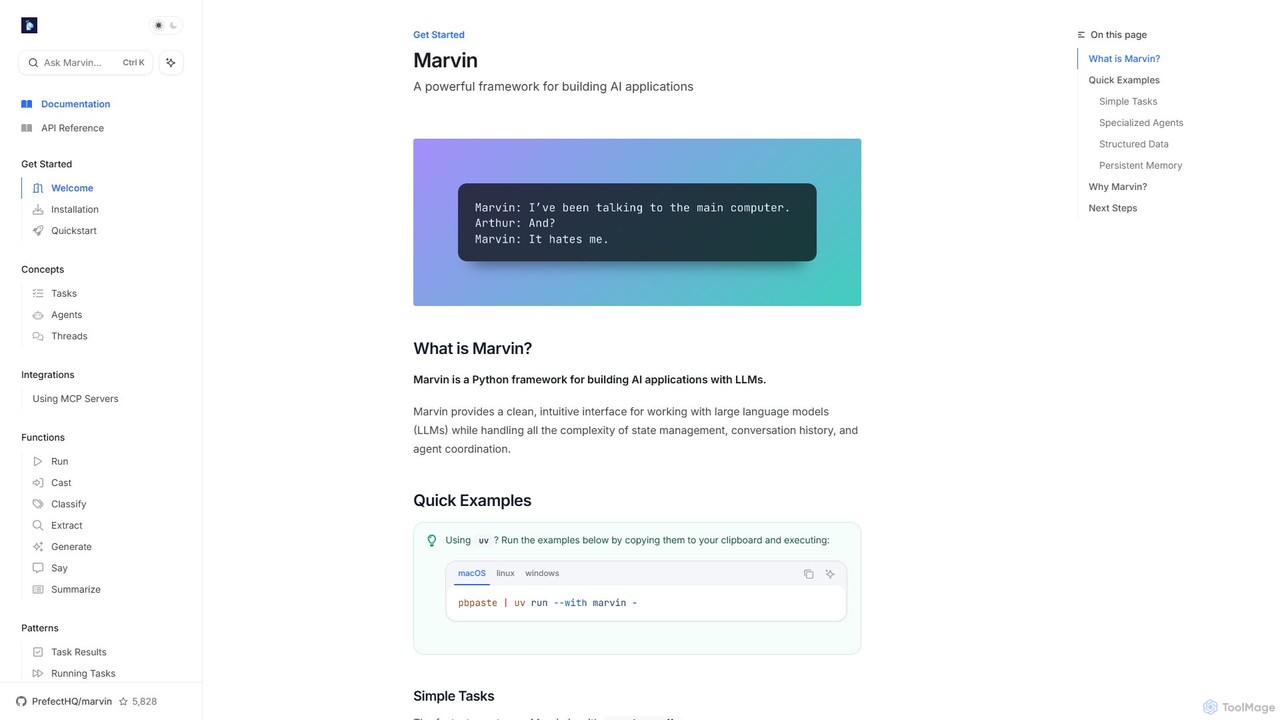
askmarvin
askmarvin is a powerful open-source Python framework for building AI applications. It simplifies interaction with LLMs, enabling developers to create specialized agents, manage conversation history, enforce structured data outputs, and integrate external tools with minimal code. Ideal for rapidly prototyping and scaling complex AI-powered workflows.
Code Assistant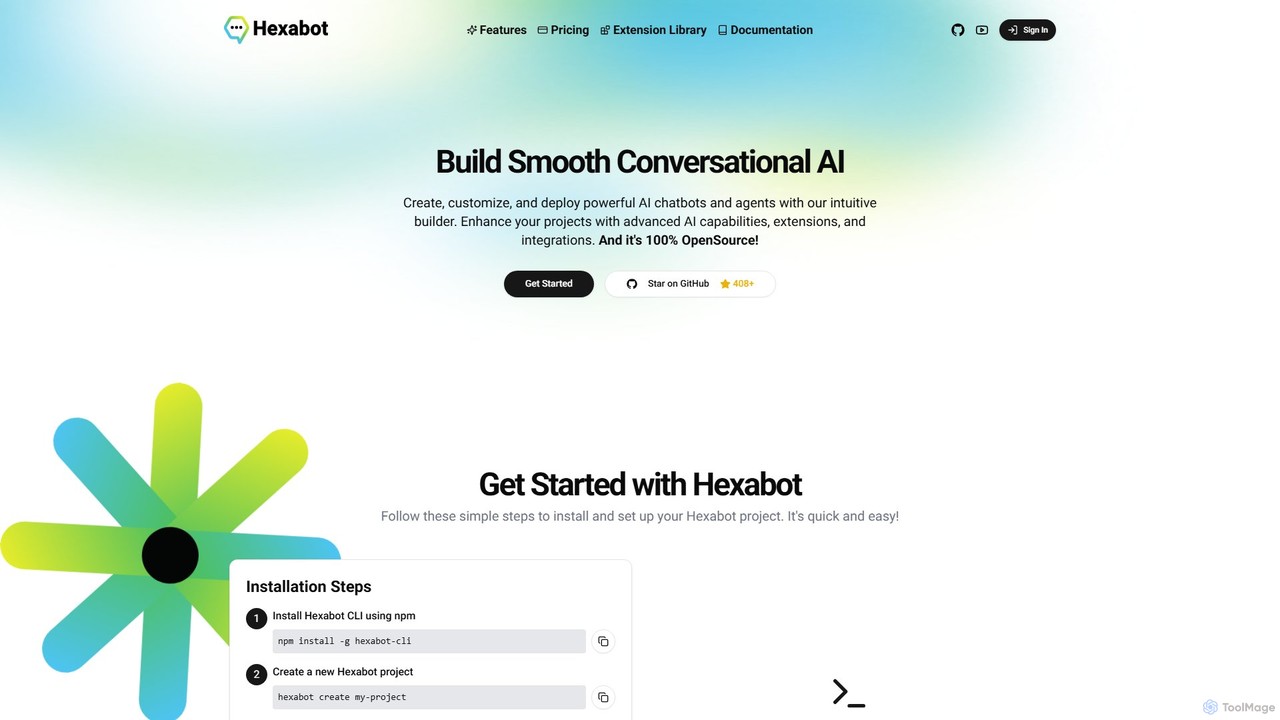
Hexabot
Hexabot is an open-source platform for building, customizing, and deploying powerful AI chatbots and agents. It offers a developer-friendly environment with a low-code visual editor, extensive extension library, and multi-channel integration, allowing for on-premise hosting to ensure full data privacy and control.
Chatbot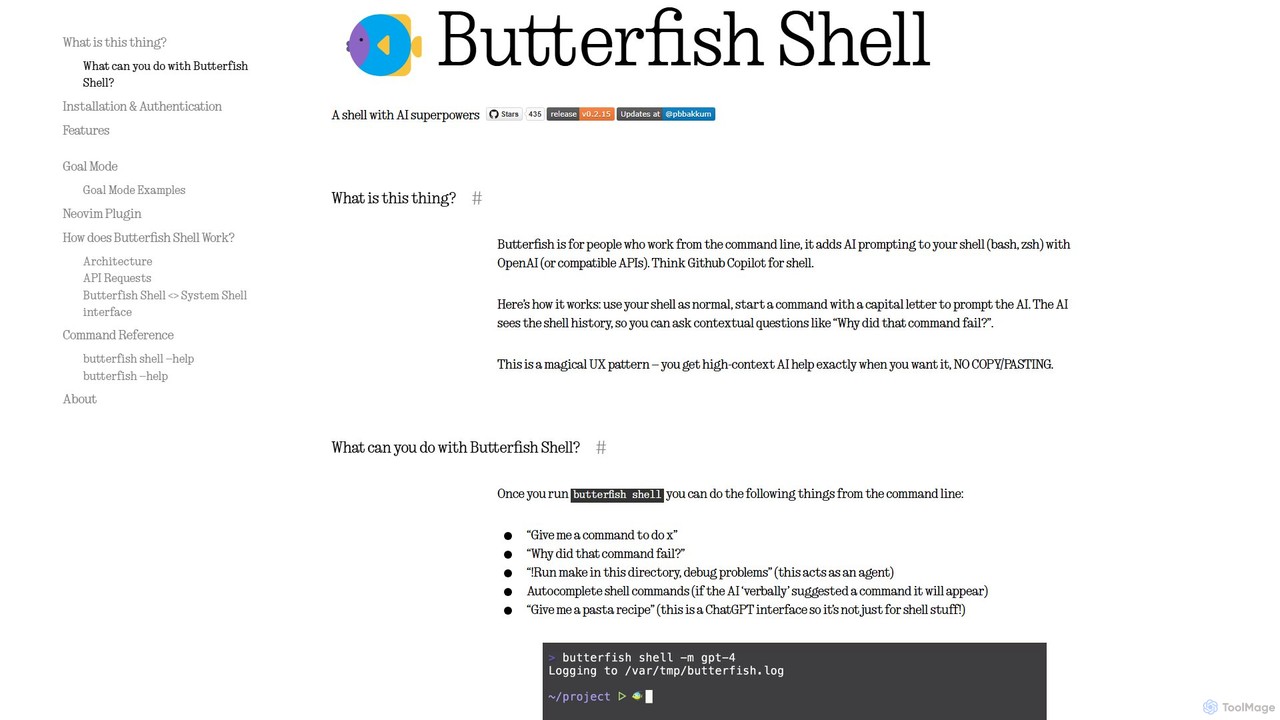
butterfish
butterfish is an open-source CLI tool that supercharges your shell (bash, zsh) with AI capabilities. Acting like GitHub Copilot for the command line, it allows you to generate commands, debug errors, and automate tasks using natural language prompts directly in your terminal. It maintains context from your shell history, providing highly relevant assistance and boosting productivity for developers and sysadmins.
Code Assistant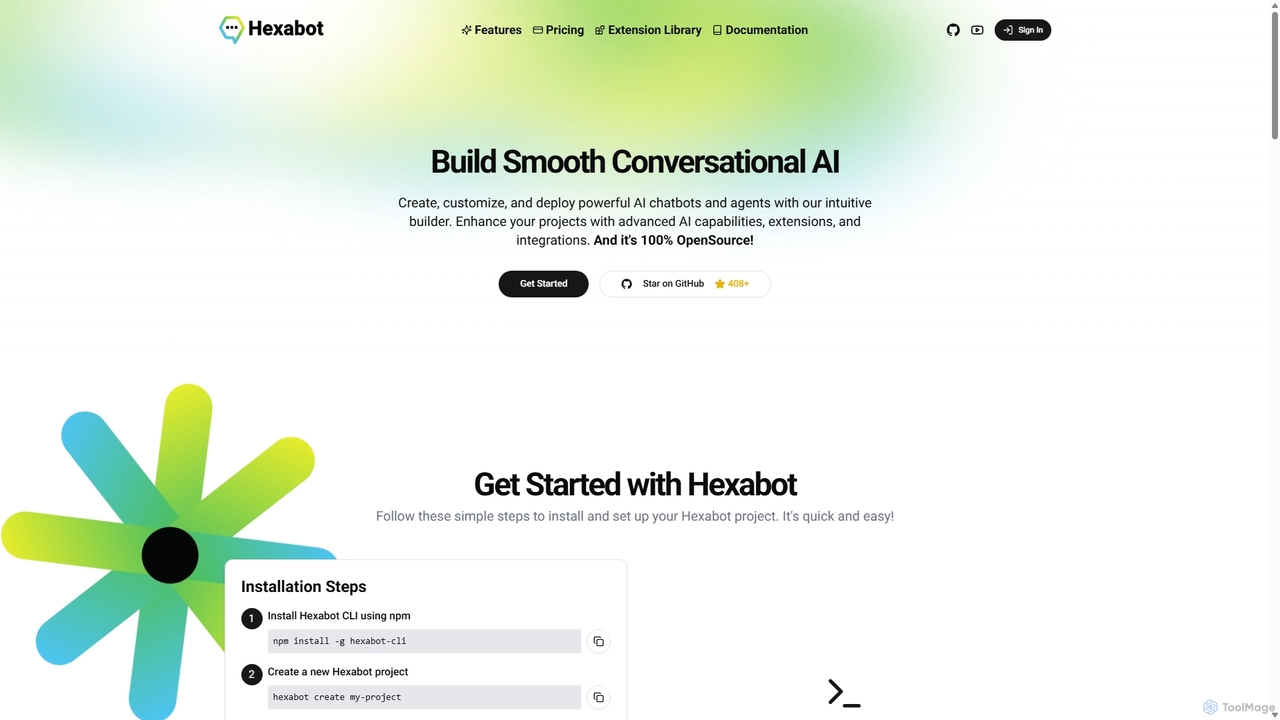
Hexabot
Hexabot is a 100% open-source platform for building, customizing, and deploying powerful AI chatbots and agents. It offers an intuitive low-code builder, on-premise hosting for data privacy, and a vast library of extensions. Ideal for developers and businesses seeking to enhance customer experience and automate workflows across multiple channels and languages.
ChatbotSublayer Categories
Sublayer Embed Widget
Copy this embed code to place the badge on your blog, article, or product site and send readers directly to this ToolMage detail page.

Related AI tools
smolagents
smolagents is a minimalist, open-source AI agent framework developed by Hugging Face. It empowers developers to build and deploy powerful, code-first AI agents with minimal Python code. By focusing on simplicity and efficiency, it enables Large Language Models (LLMs) to interact with tools and the real world seamlessly, supporting a wide range of models and secure execution environments.
Development
ConnectOnion
ConnectOnion is a minimalist Python framework designed to build production-ready AI agents with significantly less code. It simplifies agent creation by combining Markdown prompts and Python functions, reducing boilerplate by up to 85% compared to other frameworks.
Libraries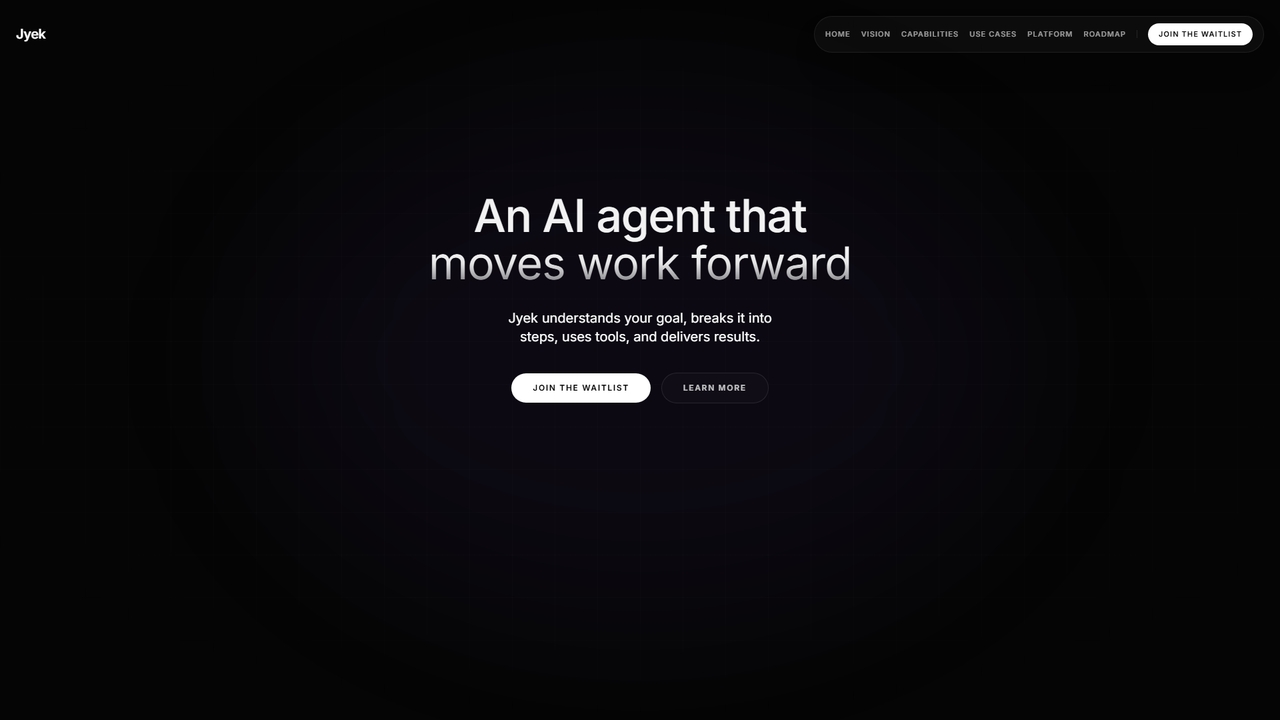
Jyek
Jyek is an AI agent platform that understands objectives, creates execution plans, uses tools, and delivers verifiable results for complex, multi-step tasks.
Automation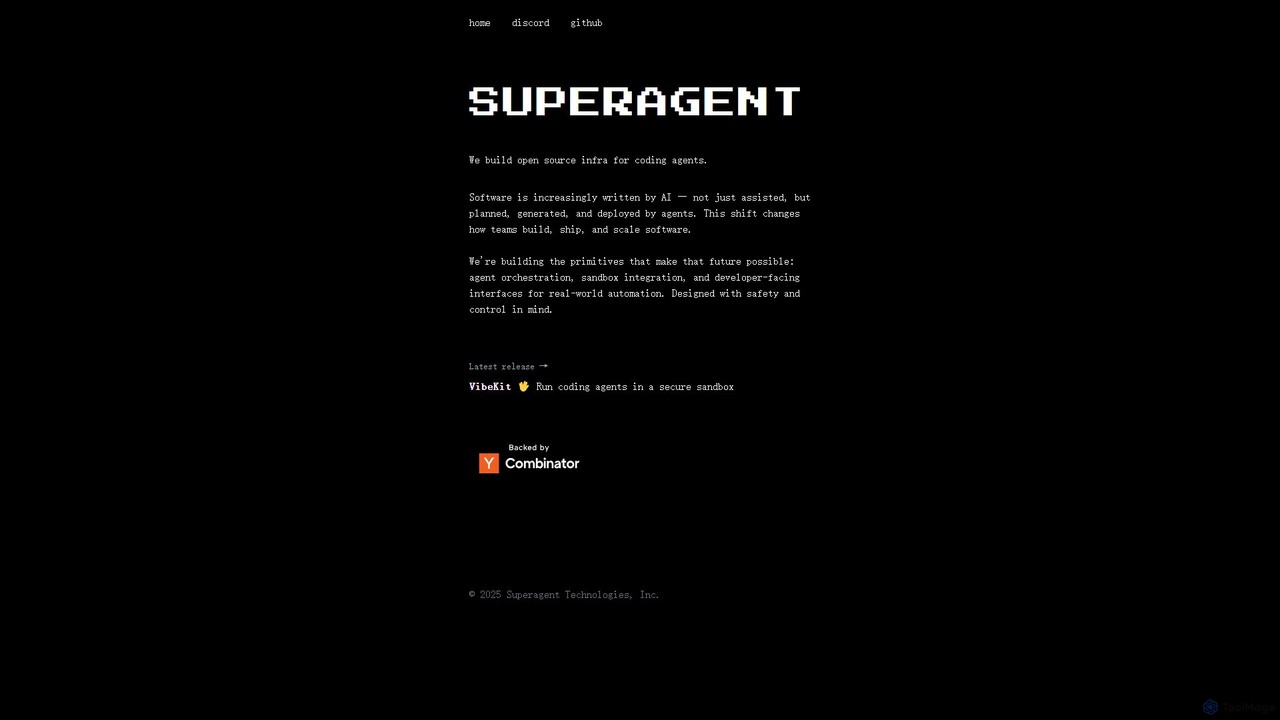
Superagent
Superagent is an open-source infrastructure for building, managing, and deploying autonomous AI coding agents. Designed for developers, it provides the essential primitives like agent orchestration, secure sandbox integration (VibeKit), and developer-friendly interfaces. This framework empowers teams to automate complex software development tasks, from feature generation and bug fixing to CI/CD management, shifting software creation into a new, AI-driven era with a strong emphasis on safety and control.
OrchestrationHexabot
Hexabot is an open-source platform for building, customizing, and deploying powerful AI chatbots and agents. It offers a developer-friendly environment with a low-code visual editor, extensive extension library, and multi-channel integration, allowing for on-premise hosting to ensure full data privacy and control.
Chatbotbutterfish
butterfish is an open-source CLI tool that supercharges your shell (bash, zsh) with AI capabilities. Acting like GitHub Copilot for the command line, it allows you to generate commands, debug errors, and automate tasks using natural language prompts directly in your terminal. It maintains context from your shell history, providing highly relevant assistance and boosting productivity for developers and sysadmins.
Code AssistantHexabot
Hexabot is a 100% open-source platform for building, customizing, and deploying powerful AI chatbots and agents. It offers an intuitive low-code builder, on-premise hosting for data privacy, and a vast library of extensions. Ideal for developers and businesses seeking to enhance customer experience and automate workflows across multiple channels and languages.
Chatbot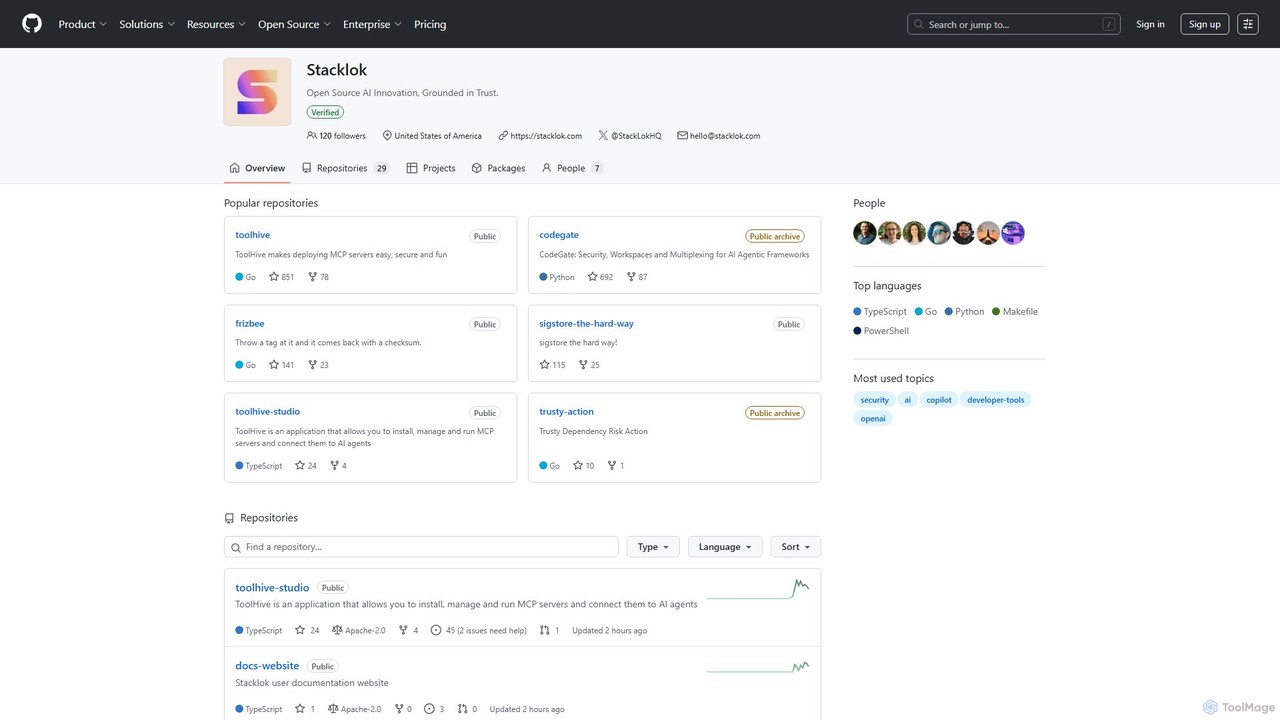
codegate
Codegate is an open-source security gateway and multiplexing framework for AI agentic systems. Developed by Stacklok, it provides secure workspaces and policy-based access control, enabling developers to build and manage complex multi-agent applications safely and efficiently.
Agentic Frameworks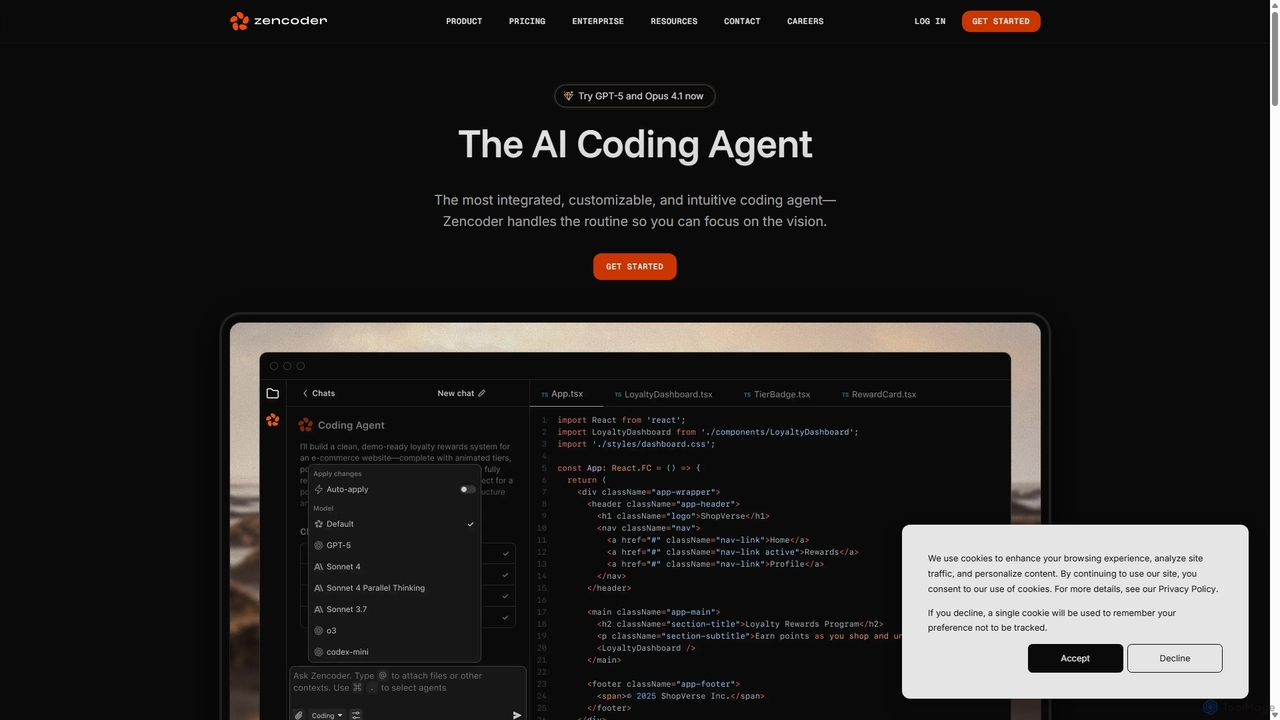
Zencoder
Zencoder is an advanced AI coding agent designed to automate routine development tasks. It deeply integrates into your workflow, understanding your entire codebase to implement features, write tests, fix bugs, and refactor code autonomously. With customizable 'Zen Agents' and seamless integration with VS Code, JetBrains, and over 100 developer tools, Zencoder empowers engineering teams to focus on innovation and ship products faster.
Code Assistant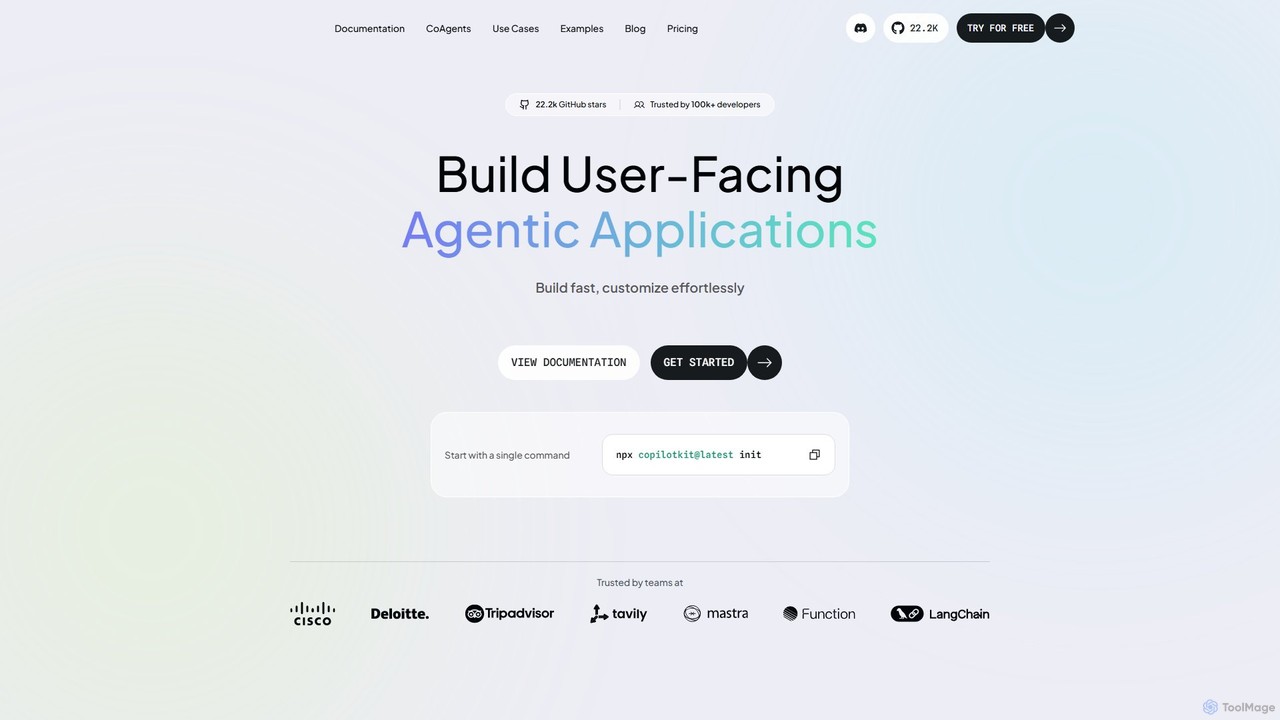
CopilotKit
CopilotKit is an open-source, full-stack framework for developers to build, deploy, and customize in-app AI copilots and agentic applications. It provides front-end components, back-end logic, and seamless integrations with any LLM or agent framework, enabling the creation of powerful, user-facing AI assistants.
Frameworks
Latitude
Latitude is an open-source development platform designed for building, evaluating, and deploying applications powered by Large Language Models (LLMs), with a special focus on creating autonomous AI agents. It provides a comprehensive suite of tools for developers to experiment, refine, and scale their AI solutions.
Mlops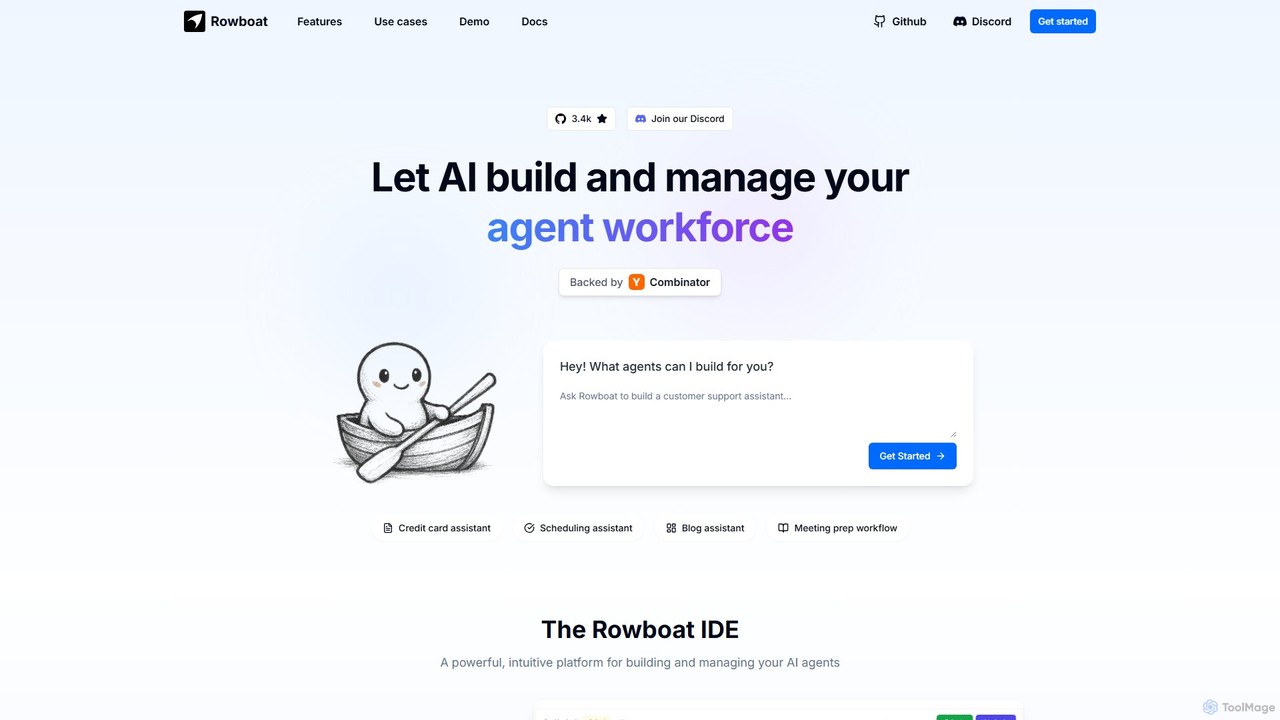
Rowboat
Rowboat is a powerful, AI-powered IDE for building, managing, and deploying complex multi-agent systems. Backed by Y Combinator, it allows users to describe workflows in plain English, and its AI copilot automatically generates the entire agent graph, including roles, prompts, and tool integrations. It's designed to simplify the creation of robust, real-world AI agents for productivity, e-commerce, support, and more, with features like open-source flexibility and support for over 100 LLMs.
Agent Builder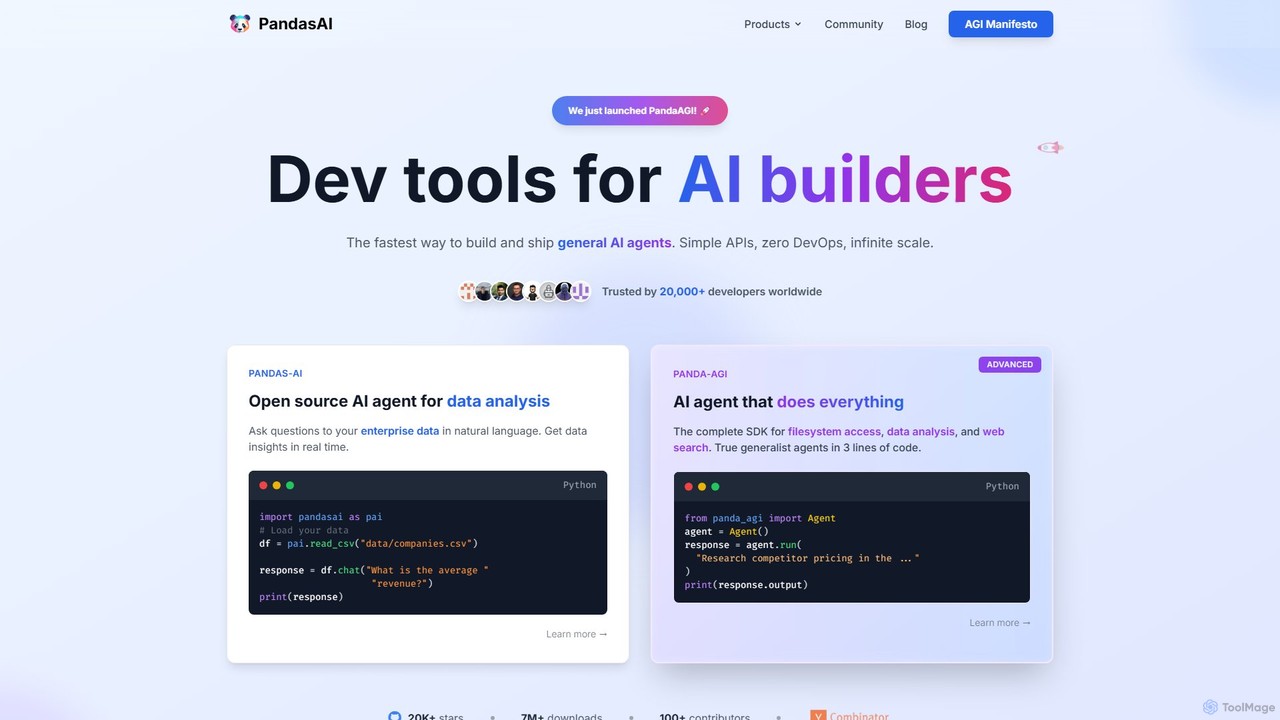
PandasAI
PandasAI offers a suite of developer tools for building AI applications. It features an open-source library for conversational data analysis using natural language and PandaAGI, an advanced SDK for creating generalist AI agents that can perform complex tasks like web searches and filesystem access.
Data Analysis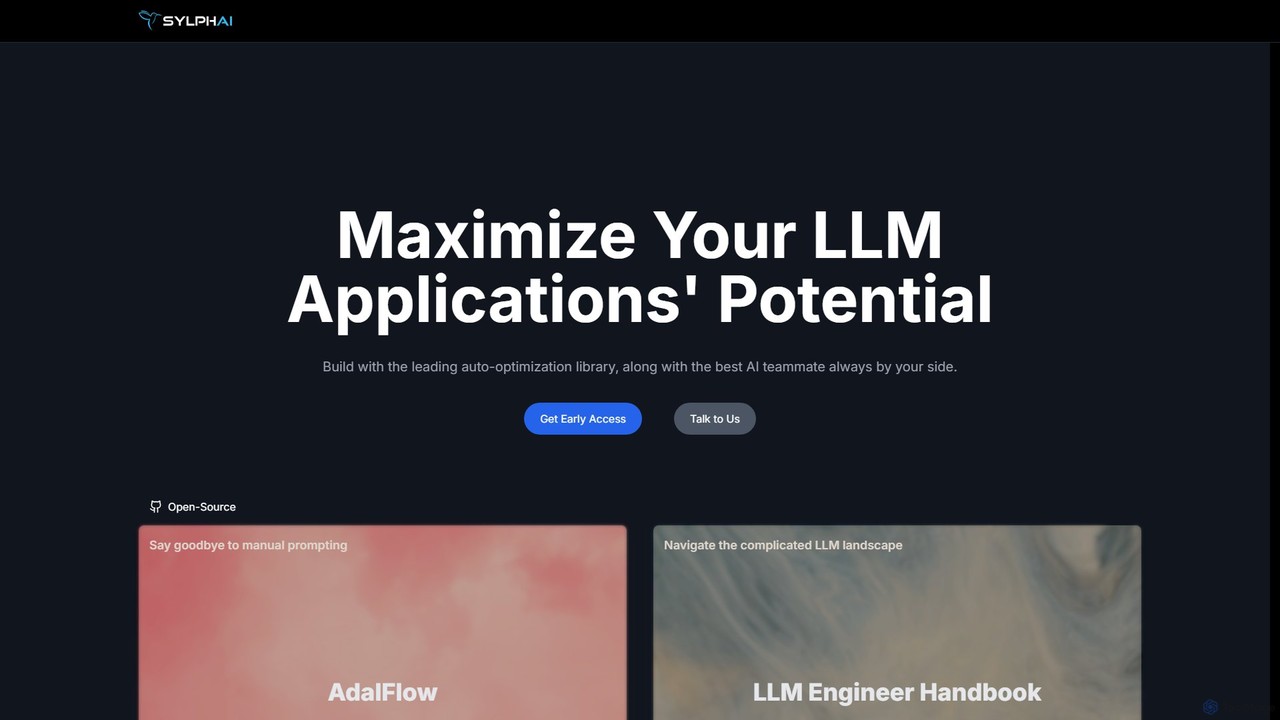
Sylph AI
Sylph AI is a development platform designed to maximize the potential of LLM applications. It features AdalFlow, a leading open-source library for building and auto-optimizing LLM task pipelines, and an AI Teammate that provides expert guidance throughout the entire development workflow, from ideation to production.
Libraries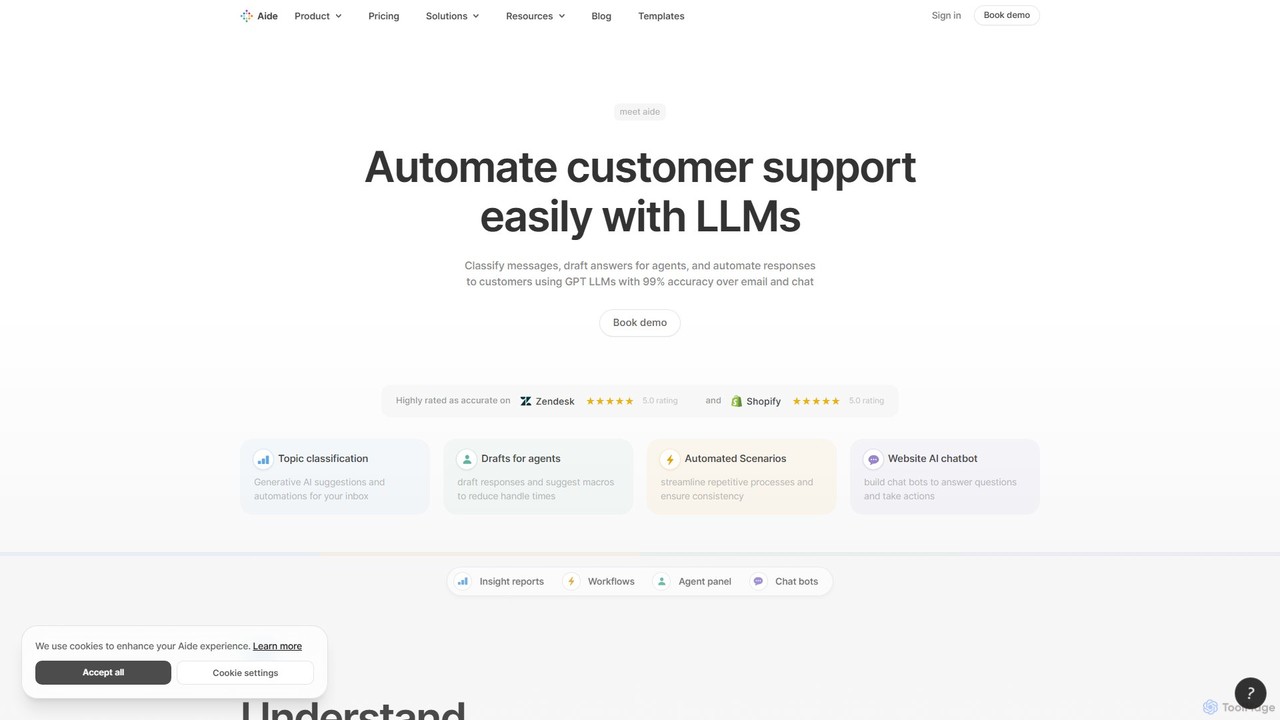
Aide
Aide is an AI-powered multi-agent coding assistant that automates software development directly within your GitHub workflow. It interprets GitHub issues, autonomously generates code, creates pull requests, and iterates based on your feedback, effectively acting as a team of AI engineers on your codebase.
Code Generation
Sublayer Comments (0)
Sign in to comment.
Sign inNo comments yet.