Gmi Cloud
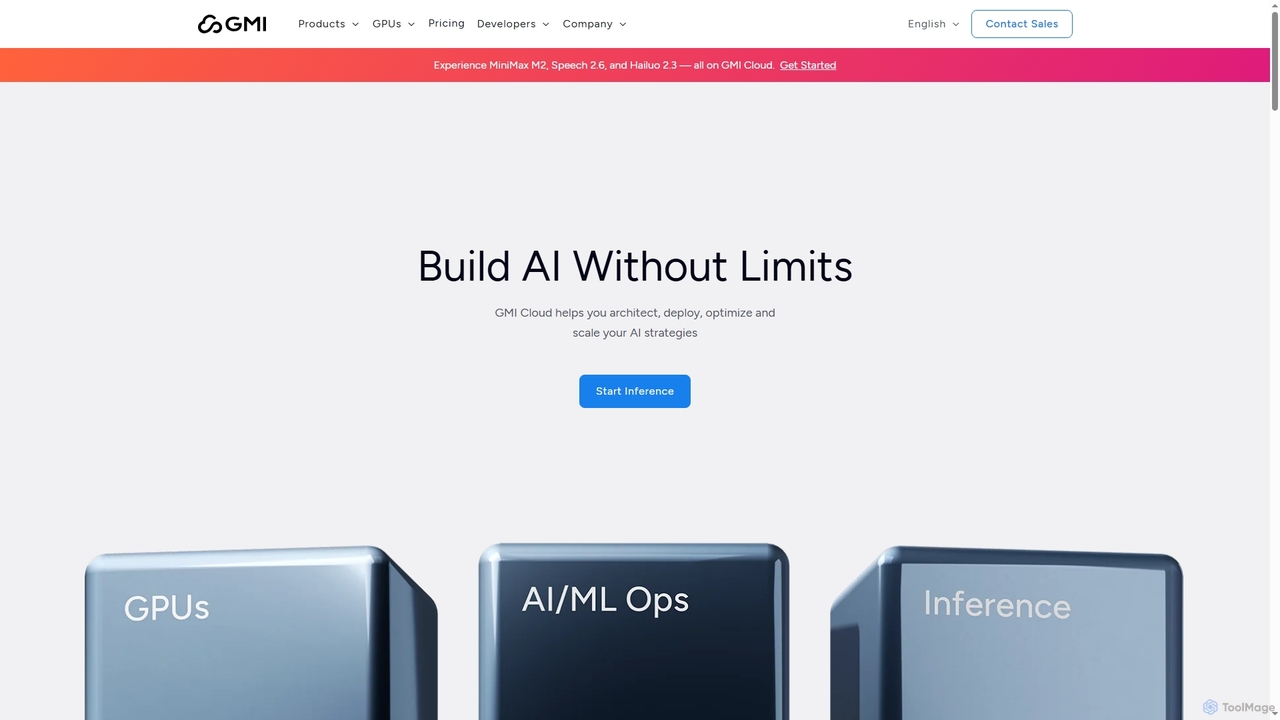
Gmi Cloud is a high-performance GPU cloud platform designed for scalable AI training and inference. It provides on-demand …
Gmi Cloud is a high-performance GPU cloud platform designed for scalable AI training and inference. It provides on-demand access to top-tier NVIDIA GPUs, an optimized inference engine for low latency, and a cluster engine for streamlined MLOps, enabling developers and enterprises to build, deploy, and scale AI applications efficiently and cost-effectively.
Huntr
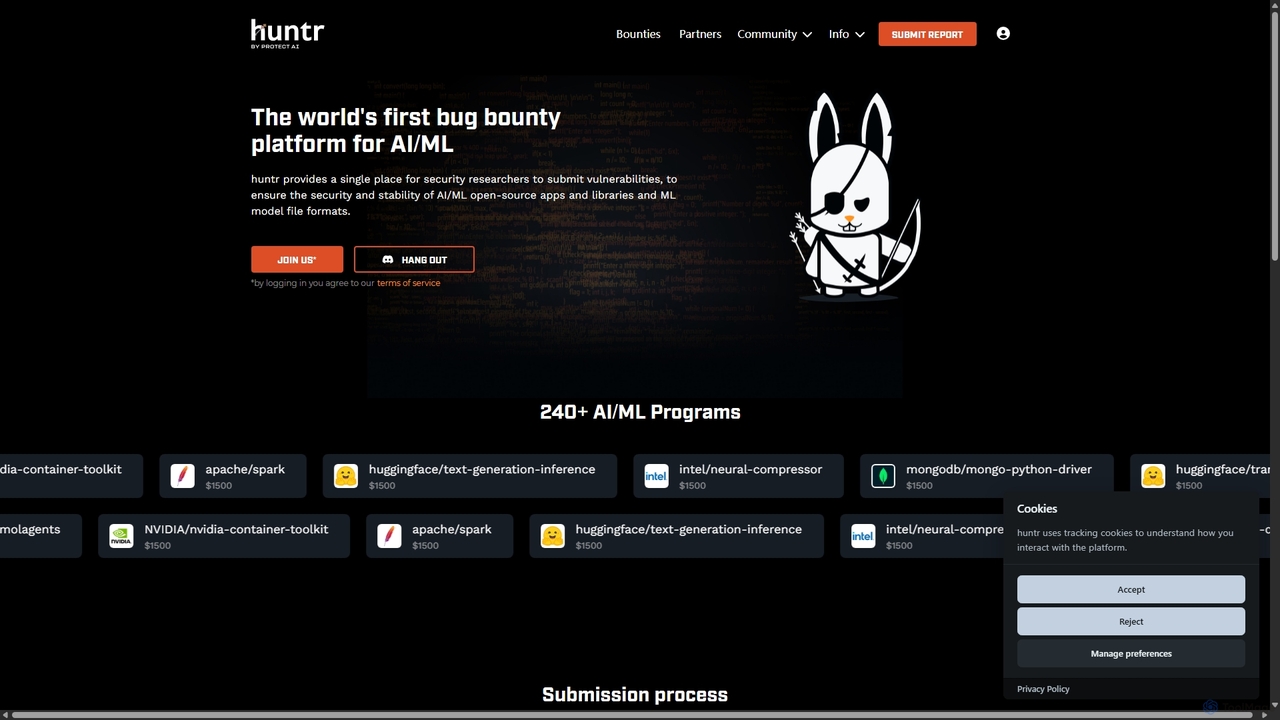
Huntr is the world's first bug bounty platform dedicated to securing the AI/ML ecosystem. It connects security researchers …
Huntr is the world's first bug bounty platform dedicated to securing the AI/ML ecosystem. It connects security researchers with open-source AI projects, enabling them to discover and report vulnerabilities in AI applications, libraries, and model file formats. Researchers earn financial rewards for validated findings, helping to ensure the safety and stability of critical AI technologies like PyTorch, TensorFlow, and Hugging Face Transformers.
PostgresML
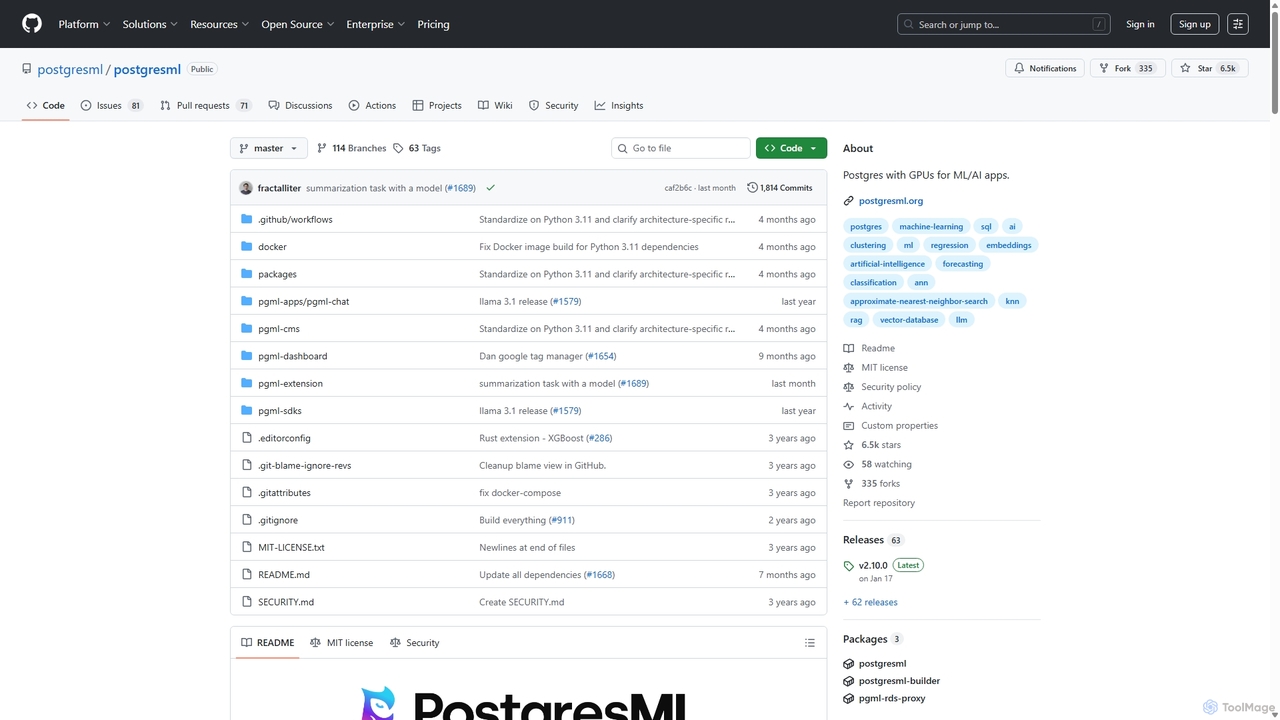
PostgresML is a powerful open-source extension that integrates machine learning and AI directly into your PostgreSQL database. It …
PostgresML is a powerful open-source extension that integrates machine learning and AI directly into your PostgreSQL database. It enables GPU-accelerated inference, vector search, and complete RAG pipelines using simple SQL commands, eliminating data movement and simplifying the MLOps stack for high-performance, scalable AI applications.
gpt_sdk
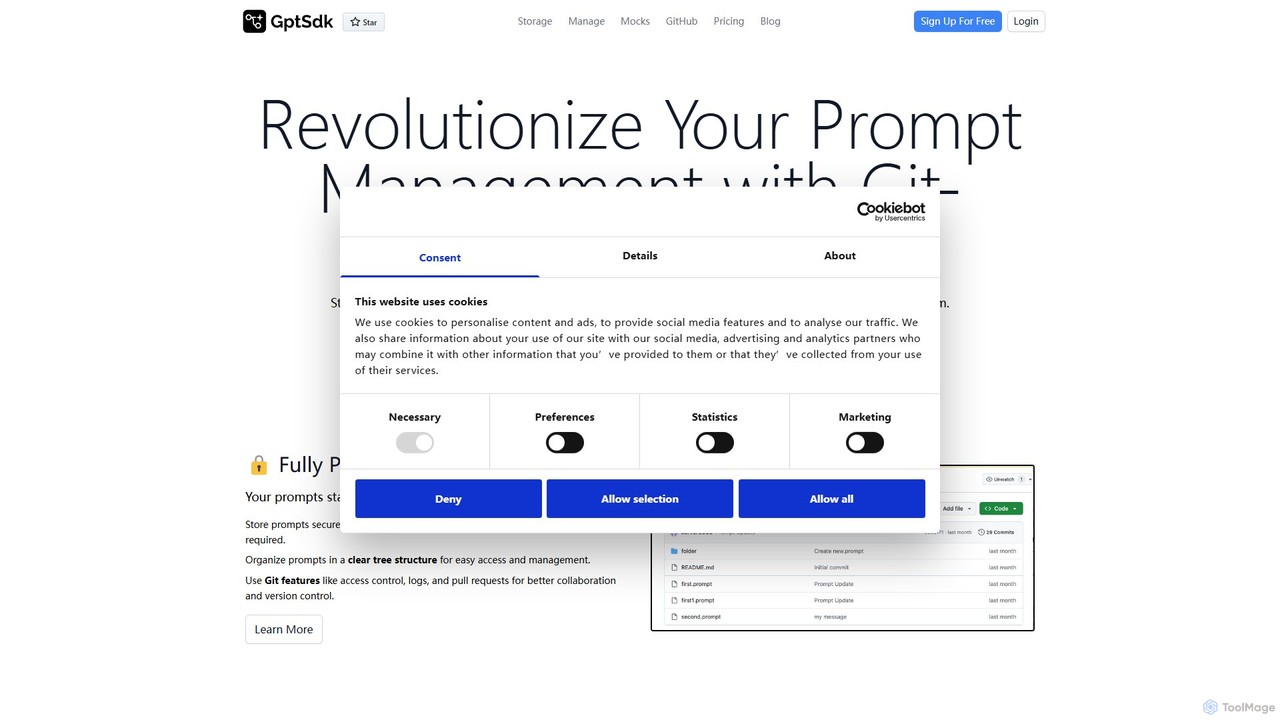
A developer-first platform for managing Large Language Model (LLM) prompts using Git-based version control. Streamline your prompt engineering …
A developer-first platform for managing Large Language Model (LLM) prompts using Git-based version control. Streamline your prompt engineering workflow, collaborate with your team, and deploy changes seamlessly without altering code.
NetMind
NetMind is an AI optimization platform designed to make large-scale AI models more efficient and accessible. It provides …
NetMind is an AI optimization platform designed to make large-scale AI models more efficient and accessible. It provides a suite of tools for model compression, inference acceleration, and distributed training, enabling developers to run complex models on standard hardware. By significantly reducing computational costs and latency, NetMind helps businesses deploy powerful AI solutions sustainably and cost-effectively, from the cloud to edge devices.
Latitude
Latitude is an open-source development platform designed for building, evaluating, and deploying applications powered by Large Language Models …
Latitude is an open-source development platform designed for building, evaluating, and deploying applications powered by Large Language Models (LLMs), with a special focus on creating autonomous AI agents. It provides a comprehensive suite of tools for developers to experiment, refine, and scale their AI solutions.
Anyscale
Anyscale is a fully-managed compute platform for scaling AI and Python workloads. Built on the open-source Ray framework …
Anyscale is a fully-managed compute platform for scaling AI and Python workloads. Built on the open-source Ray framework by its original creators, it empowers developers to build, run, and scale distributed applications, from LLM training to data processing, with optimized performance and cost-efficiency on any cloud.
QuarkIQL
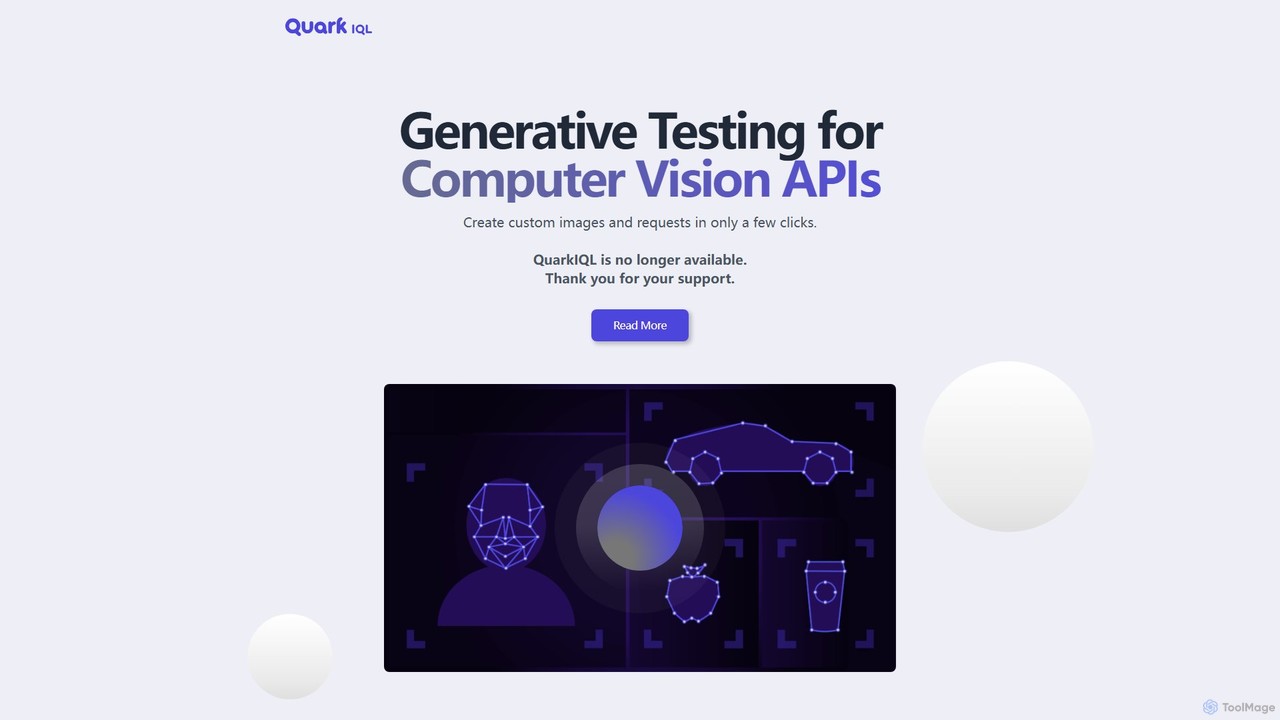
A former generative testing platform for computer vision APIs that allowed developers to create custom synthetic images and …
A former generative testing platform for computer vision APIs that allowed developers to create custom synthetic images and API requests to streamline testing workflows. Please note: This tool is no longer available.
Ragas
Ragas is an open-source Python framework for evaluating and testing Retrieval-Augmented Generation (RAG) pipelines. It provides a suite …
Ragas is an open-source Python framework for evaluating and testing Retrieval-Augmented Generation (RAG) pipelines. It provides a suite of metrics to measure the performance of your LLM applications, from context retrieval to answer generation. Trusted by industry leaders like LangChain and LlamaIndex, Ragas helps developers build more robust, reliable, and accurate AI systems by identifying and mitigating issues like hallucinations and irrelevant responses.
Surge AI
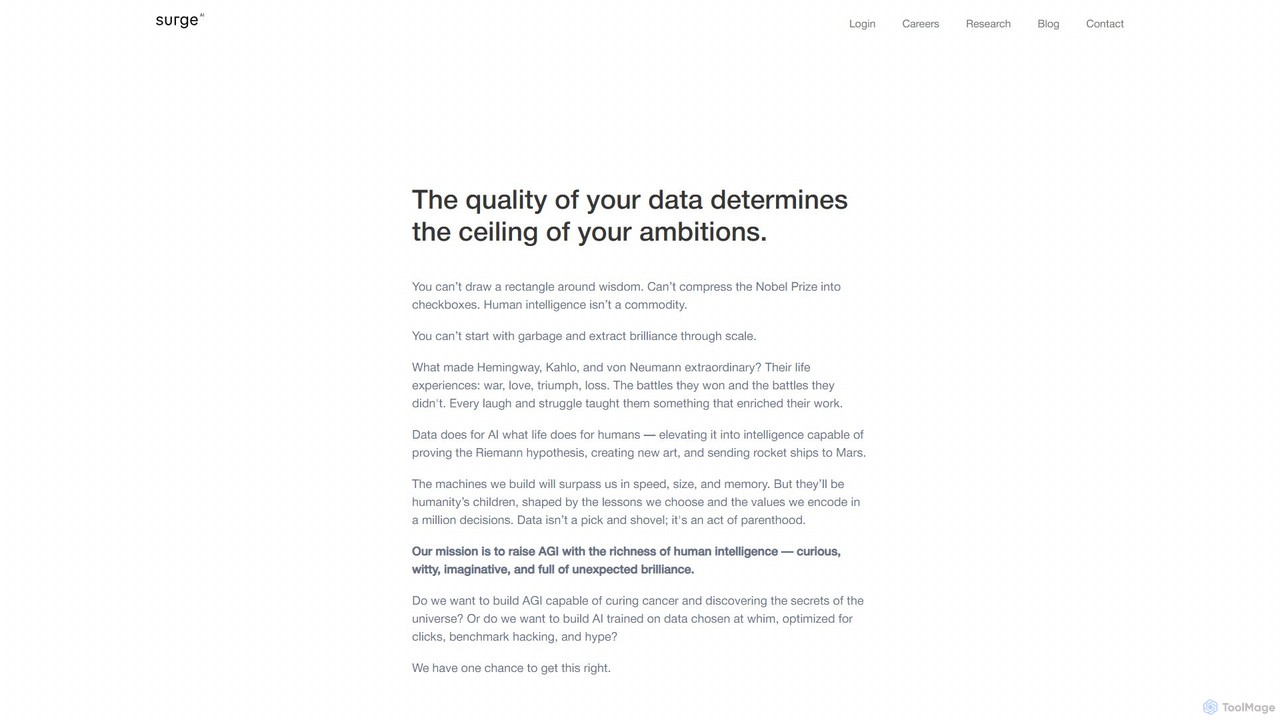
Surge AI is a premier data labeling platform that provides elite human intelligence to power the development of …
Surge AI is a premier data labeling platform that provides elite human intelligence to power the development of advanced AI and AGI. Specializing in high-quality data for RLHF, model evaluation, and custom dataset creation, Surge AI partners with leading AI labs like OpenAI and Anthropic to train, align, and test next-generation models. They focus on the nuance and complexity required to build truly intelligent systems.
Qubinets
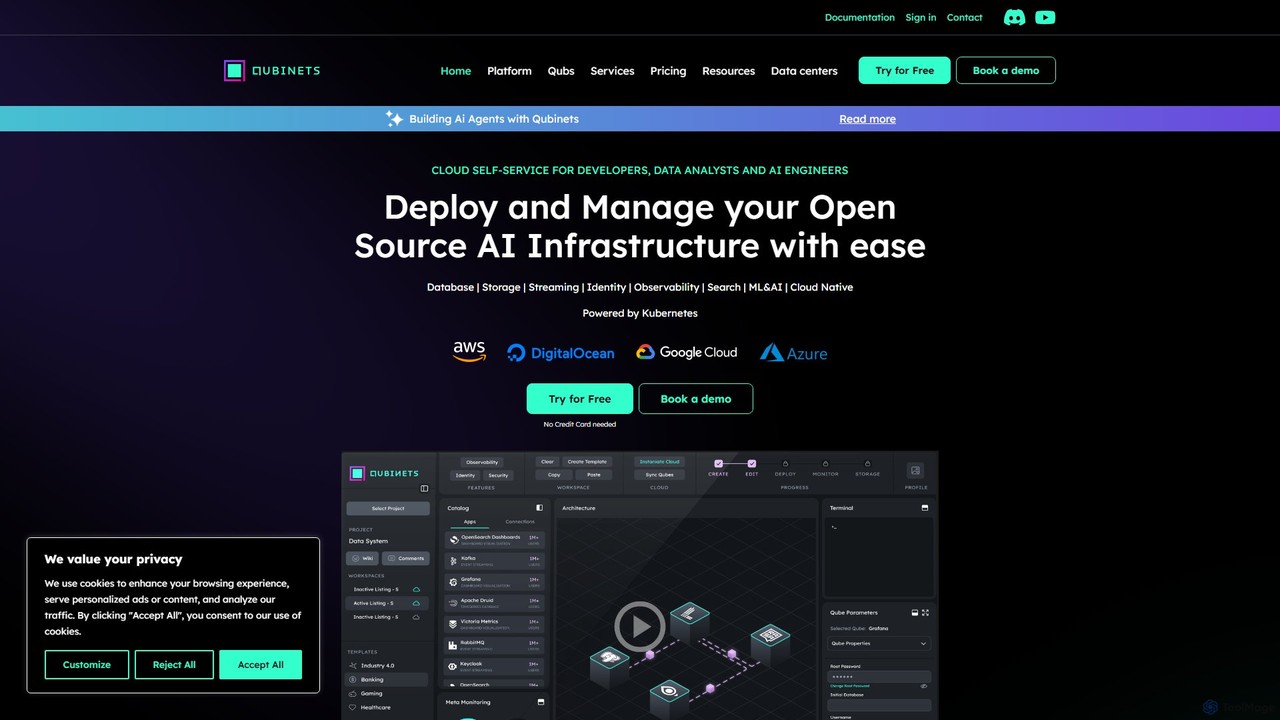
Qubinets is an AI-powered, self-service platform for developers, data analysts, and AI engineers. It simplifies and accelerates the …
Qubinets is an AI-powered, self-service platform for developers, data analysts, and AI engineers. It simplifies and accelerates the deployment and management of open-source AI and data infrastructure on any cloud (AWS, Azure, GCP, DigitalOcean) using a Kubernetes-based, no-code UI. Focus on building applications, not on complex configurations.
Voxel51
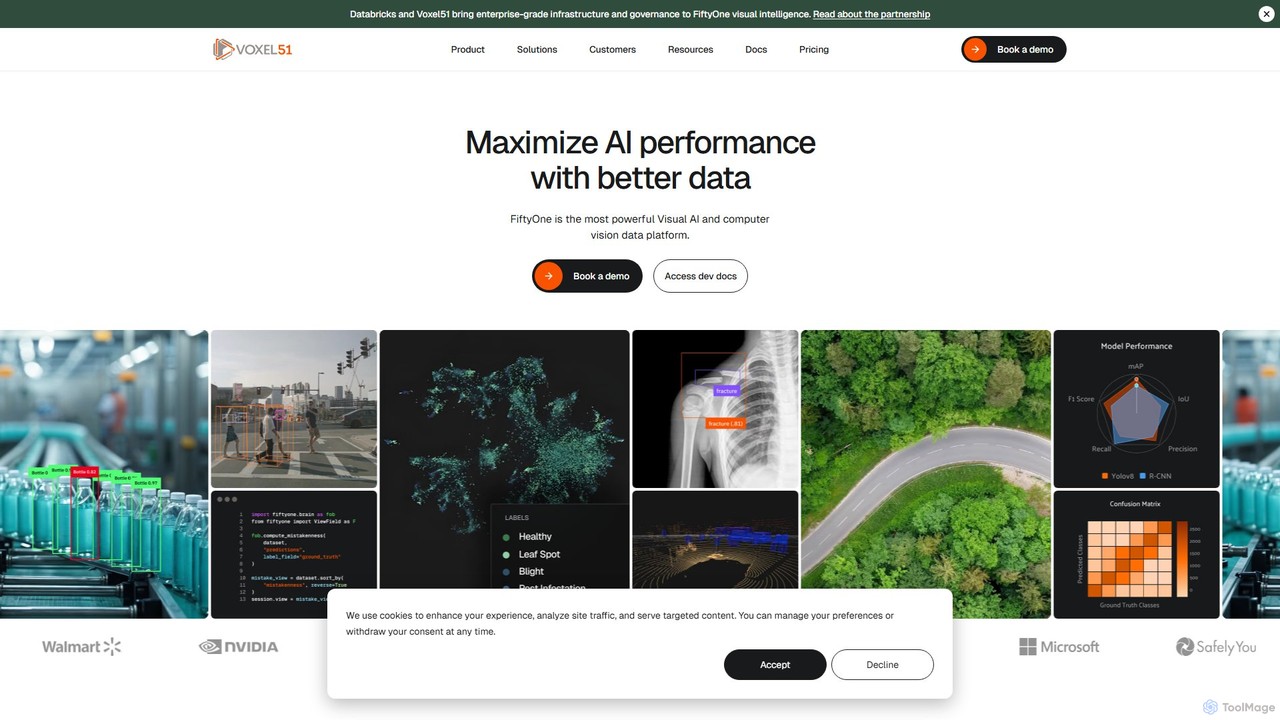
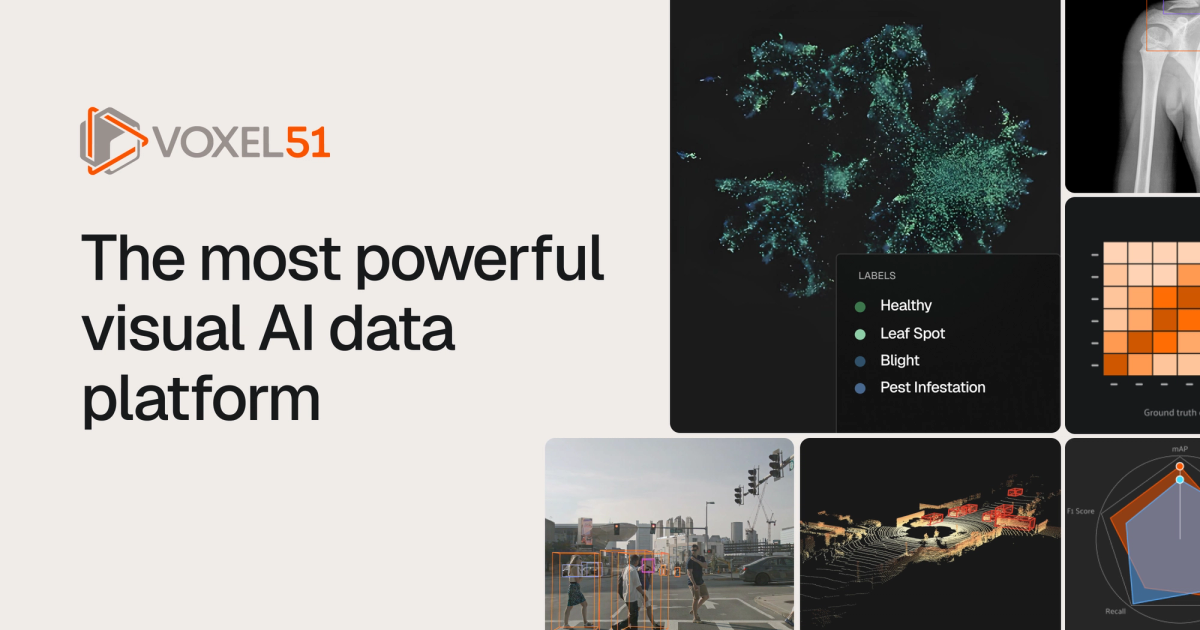
Voxel51 provides FiftyOne, an enterprise-grade computer vision and multimodal AI platform. It empowers developers and data scientists to …
Voxel51 provides FiftyOne, an enterprise-grade computer vision and multimodal AI platform. It empowers developers and data scientists to curate, visualize, and evaluate complex datasets, leading to higher-performing models. By focusing on data-centric AI, FiftyOne streamlines workflows for data annotation, quality improvement, and model analysis, accelerating the entire development lifecycle.
Teammately
Teammately is an advanced AI agent platform for AI engineers. It automates and accelerates the entire AI development …
Teammately is an advanced AI agent platform for AI engineers. It automates and accelerates the entire AI development lifecycle, from prompt generation and RAG building to multi-dimensional evaluation and production observability. Build reliable, scalable, and secure AI applications that are hard to fail, in a fraction of the time.
About Mlops
MLOps tools are a class of platforms designed to automate and manage the entire machine learning lifecycle. They apply DevOps principles to machine learning, bridging the gap between model development and operational deployment. The primary goal is to shorten development cycles, ensure model quality, and maintain reliable, scalable ML systems in production. These tools provide a framework for versioning data, tracking experiments, deploying models, and monitoring their performance over time.
Core Features
- CI/CD/CT Pipelines: Automates the integration, testing, delivery, and continuous training of machine learning models.
- Experiment Tracking: Logs and compares parameters, metrics, and artifacts from different model training runs for reproducibility.
- Model Registry: A centralized repository to store, version, manage, and govern machine learning models.
- Production Monitoring: Tracks model performance, data drift, and system health in real-time to detect degradation.
- Feature Store: Manages and serves machine learning features for both training and inference, ensuring consistency.
Applicable Scenarios
MLOps tools are crucial for organizations that deploy machine learning models at scale, particularly in sectors like finance for fraud detection, e-commerce for recommendation engines, and healthcare for diagnostic models. They are used by Machine Learning Engineers, Data Scientists, and DevOps teams to create robust, reproducible, and automated ML workflows, moving models from prototype to production efficiently.
Selection Criteria
When choosing an MLOps tool, consider its scope—whether it's an end-to-end platform or a point solution for a specific stage like monitoring. Evaluate its integration capabilities with your existing cloud infrastructure (e.g., AWS, GCP, Azure) and ML frameworks (e.g., TensorFlow, PyTorch). Also, assess its scalability, automation features, and the balance between ease of use for data scientists and flexibility for ML engineers.

MlopsUse Cases
Automating Fraud Detection Model Deployment
A fintech company's machine learning team uses an MLOps platform to build a CI/CD pipeline for their transaction fraud detection model. When developers commit new code or data scientists register a new model version, the pipeline automatically triggers a series of validation tests. If the tests pass, the model is deployed to a staging environment for final review before being promoted to production. This automation reduces deployment time from days to hours and minimizes human error.
Managing E-commerce Recommendation Engines
An e-commerce company uses an MLOps tool's model registry to manage multiple versions of their product recommendation engine. Data scientists can experiment with different algorithms and register promising candidates. The platform tracks each model's performance metrics, such as click-through rate and conversion rate, in a central dashboard. This allows the team to easily compare models, roll back to a previous version if performance degrades, and conduct A/B tests to identify the most effective recommendation strategy.
Monitoring for Model and Data Drift
A healthcare organization deploys a model to predict patient readmission rates. They use an MLOps platform to continuously monitor the model in production. The platform tracks the statistical distribution of incoming patient data and compares it to the training data. If it detects significant 'data drift' (e.g., a change in patient demographics), it automatically alerts the ML team. This proactive monitoring ensures the model's predictions remain accurate and reliable as real-world conditions change, which is critical for patient care.
Reproducible Research and Experiment Tracking
A research lab developing new machine learning algorithms uses an MLOps tool for experiment tracking. For every training run, the tool automatically logs the code version, dataset hash, hyperparameters, and resulting performance metrics. This creates an immutable record of every experiment. Researchers can then easily access a web-based UI to compare hundreds of runs, identify the most impactful parameters, and share their exact setup with colleagues to reproduce results, accelerating the pace of innovation and ensuring scientific rigor.
Governing and Auditing ML Models
A financial institution uses an MLOps platform to enforce governance and compliance for its credit scoring models. The platform's model registry acts as a single source of truth, documenting each model's purpose, data sources, and validation results. It provides a clear audit trail, showing who trained, reviewed, and approved each model for deployment. This is essential for meeting regulatory requirements like GDPR and for demonstrating model fairness and transparency to auditors.
Scaling ML Operations with Feature Stores
A large tech company with multiple data science teams uses a centralized feature store provided by their MLOps platform. This store allows teams to define, share, and reuse features (e.g., 'user_7_day_activity_count') across different models. When a feature is computed, it's stored and made available for both model training and real-time inference. This prevents redundant work, ensures consistency between training and serving, and allows the organization to scale its ML efforts without each team rebuilding the same data pipelines.