
Qubinets Overview
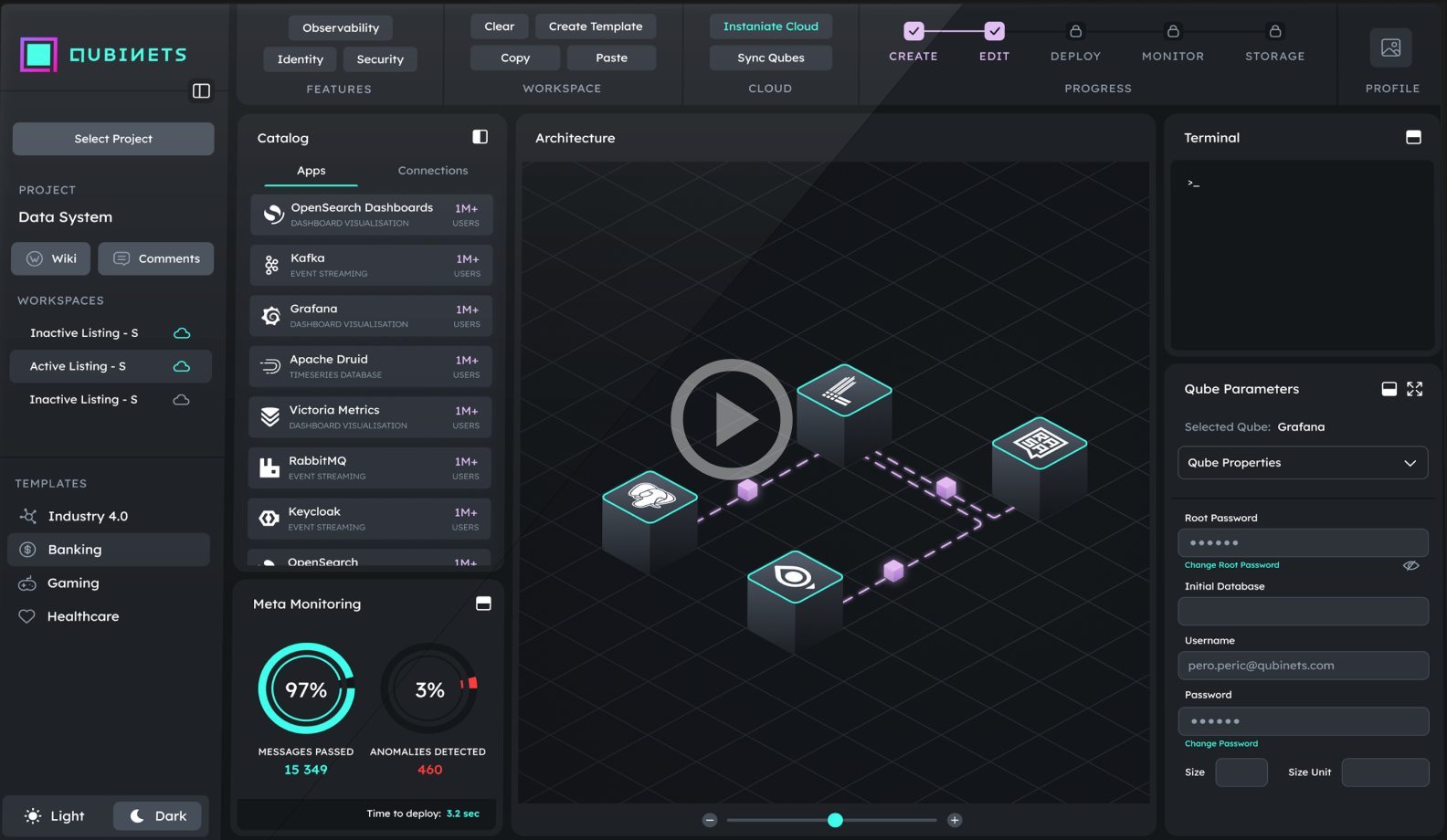
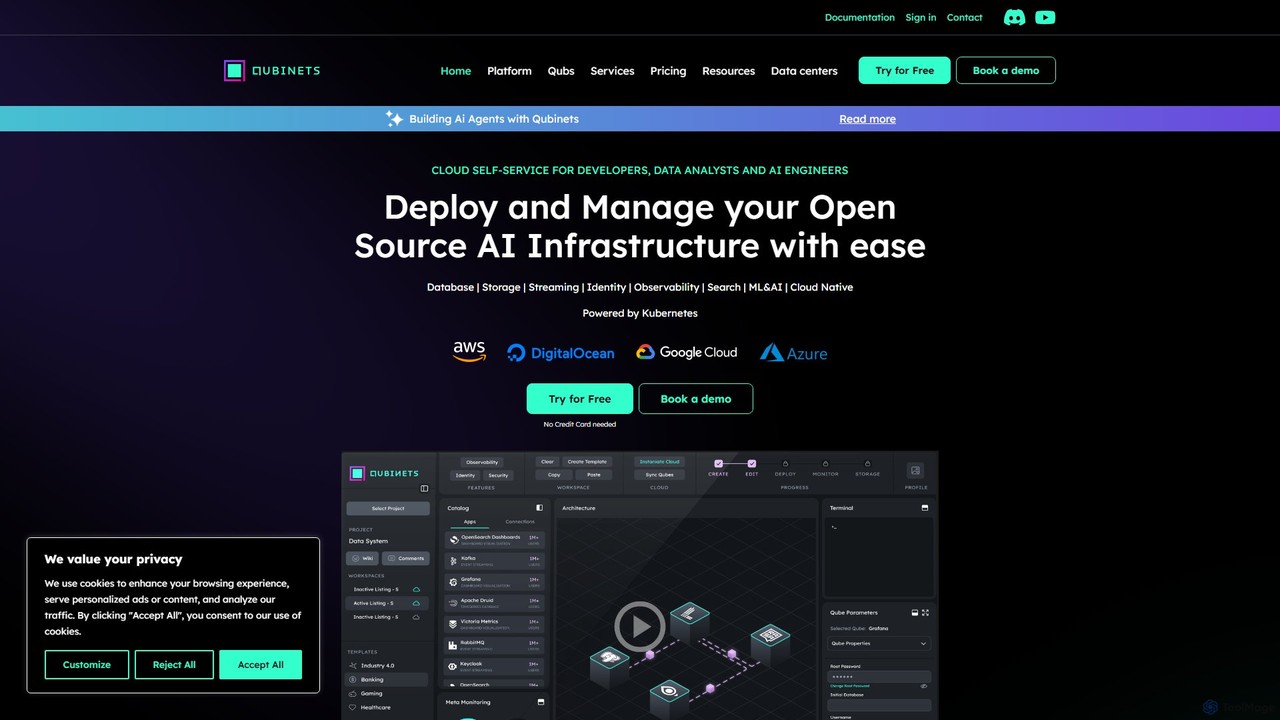
Qubinets is a comprehensive, all-in-one platform designed to empower developers, data analysts, and AI engineers by providing a streamlined, self-service solution for cloud infrastructure. It fundamentally changes how AI agents and data-intensive applications are built by abstracting away the complexities of infrastructure management. Powered by Kubernetes, Qubinets enables users to deploy, manage, and scale open-source backend components with ease, significantly reducing setup time and costs. The platform supports major cloud providers like GCP, Azure, AWS, and DigitalOcean, ensuring flexibility and avoiding vendor lock-in. With its intuitive UI and modular approach, users can focus on writing code and driving innovation, rather than getting bogged down by configuration and DevOps tasks.
How to use Qubinets
Getting started with Qubinets is a straightforward process designed for speed and efficiency:
- Connect Your Cloud: Begin by linking your preferred cloud provider account, whether it's GCP, Azure, AWS, or DigitalOcean. Qubinets integrates seamlessly to manage resources on your behalf.
- Configure Backend Modules (Qubs): Use the intuitive UI to select and configure the necessary backend components for your project. These modules, called 'Qubs', cover everything from databases (e.g., PostgreSQL, MongoDB) and storage to streaming services, identity management, and ML/AI tools.
- Deploy and Sync: With a few clicks, deploy your configured stack to your cloud account. Qubinets handles the underlying Kubernetes setup, networking, and security configurations automatically.
- Integrate with Your Code: Once deployed, Qubinets provides the necessary connection strings and endpoints. Simply invoke these backend connections directly in your application code, regardless of the framework you're using.
- Manage and Scale: Throughout your project's lifecycle, use the Qubinets dashboard to monitor, manage, scale, and troubleshoot your infrastructure. The platform's 3D view helps visualize dependencies, making it easier to manage complex systems.
Core Features of Qubinets
- Managed Open Source Stack: Effortlessly deploy and manage a wide range of open-source tools for databases, storage, streaming, identity, observability, search, and ML/AI.
- Multi-Cloud & Hybrid Cloud Support: Deploy on any major public cloud (AWS, GCP, Azure, DigitalOcean) or on-premise environments, retaining full ownership and control.
- No-Code/Low-Code UI: A single, intuitive user interface for deploying and running cloud assets, complete with a 3D dependency view for easy troubleshooting. No DevOps expertise is required.
- Kubernetes-Powered: Leverages the power of Kubernetes without the complexity, ensuring scalable, resilient, and secure workloads.
- AI Assistant 'Q': An integrated AI assistant to help speed up development, suggest configurations, and optimize infrastructure.
- Modular Architecture: Build your infrastructure using reusable components ('Qubs') that can be versioned, reverted, and shared, promoting consistency and reusability.
- Embedded Governance and Security: Built-in data privacy, governance, and security modules ensure your deployments are compliant and secure from day one.
Use Cases for Qubinets
Qubinets is versatile and can be applied across various scenarios and industries:
- AI Agent Development: Rapidly build the backend infrastructure for AI agents, such as financial analysis bots or e-commerce personalization engines.
- Internal Developer Platform (IDP): Establish a standardized, self-service platform for your development teams to provision their own environments, increasing productivity and reducing reliance on a central DevOps team.
- Fast Backend Prototyping: Quickly spin up a complete backend for a new application or service in minutes, allowing for rapid iteration and validation of ideas.
- Data Pipeline Management: Construct and manage robust data pipelines for analytics and machine learning, integrating various data sources, processing engines, and storage solutions.
- Industry-Specific Solutions: Tailored applications in telecommunications (network self-healing), healthcare (cost optimization), energy (predictive analytics), and IoT (data analytics).
Advantages of Qubinets
Qubinets offers significant advantages over traditional infrastructure management:
- Speed and Efficiency: Drastically reduces deployment times, with claims of 98% faster database deployment and saving an average of 80 hours per project.
- Cost Reduction: Lowers expensive setup fees and operational costs through automation and an efficient pay-as-you-go model for enterprise clients.
- Simplicity: Empowers developers to manage their own infrastructure without needing specialized DevOps knowledge.
- No Vendor Lock-In: Maintain full control and ownership of your infrastructure and tooling, with the freedom to migrate between cloud providers.
- Enhanced Security and Compliance: Operates with a security-first mindset, with compliance with European standards and integrated governance tools.
Pricing and Plans
Qubinets offers a flexible pricing structure. A 'Try for Free' option is available, allowing users to explore the platform's capabilities without a credit card. For larger organizations and specific needs, Qubinets provides enterprise solutions with custom pricing. This is often a pay-as-you-go model tailored to the specific services and scale required. To get detailed information on enterprise plans and custom quotes, it is recommended to book a demo or contact their sales team directly through their website.
Traffic
Latest traffic
Status
Monthly traffic trend
- 2025-9: 1.3K
- 2026-1: 207
- 2026-2: 5.0K
- 2026-3: 1.0K
- 2026-4: 744
- 2026-5: 407
Geography
Top 5 countries / regions
- 🇮🇳India61.7%
- 🇺🇸United States38.3%
Top keywords
| Keyword | Cost per click |
|---|---|
| automax ai setting up appointment | $0.00 |
| creating an ai agent for ecommerce what does that look like | $0.00 |
| how much networth flowise is | $0.00 |
| qubinets | $0.00 |
| sherlock ai appt | $0.00 |
Qubinets Alternatives

Anyscale
Anyscale is a fully-managed compute platform for scaling AI and Python workloads. Built on the open-source Ray framework by its original creators, it empowers developers to build, run, and scale distributed applications, from LLM training to data processing, with optimized performance and cost-efficiency on any cloud.
Mlops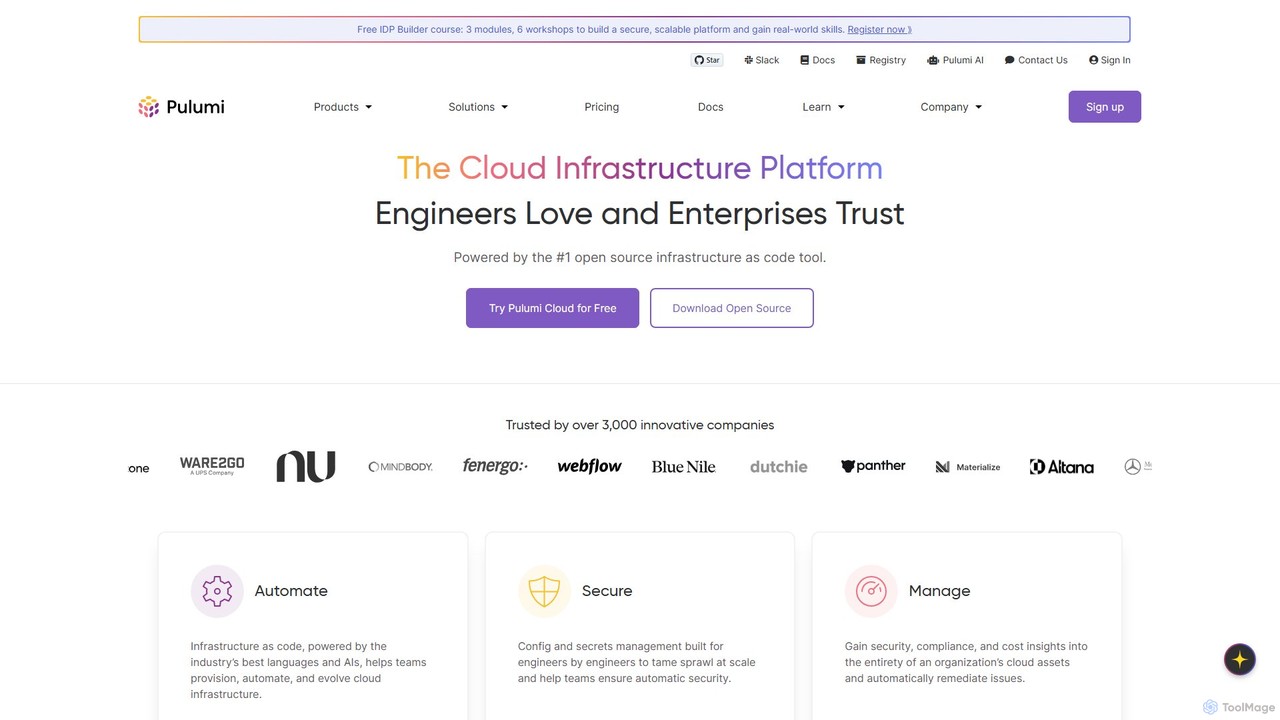
Pulumi
Pulumi is a universal Infrastructure as Code (IaC) platform that allows developers and infrastructure teams to build, deploy, and manage cloud infrastructure using familiar programming languages like Python, TypeScript, Go, and C#. It integrates AI to enhance security, compliance, and operational efficiency.
Management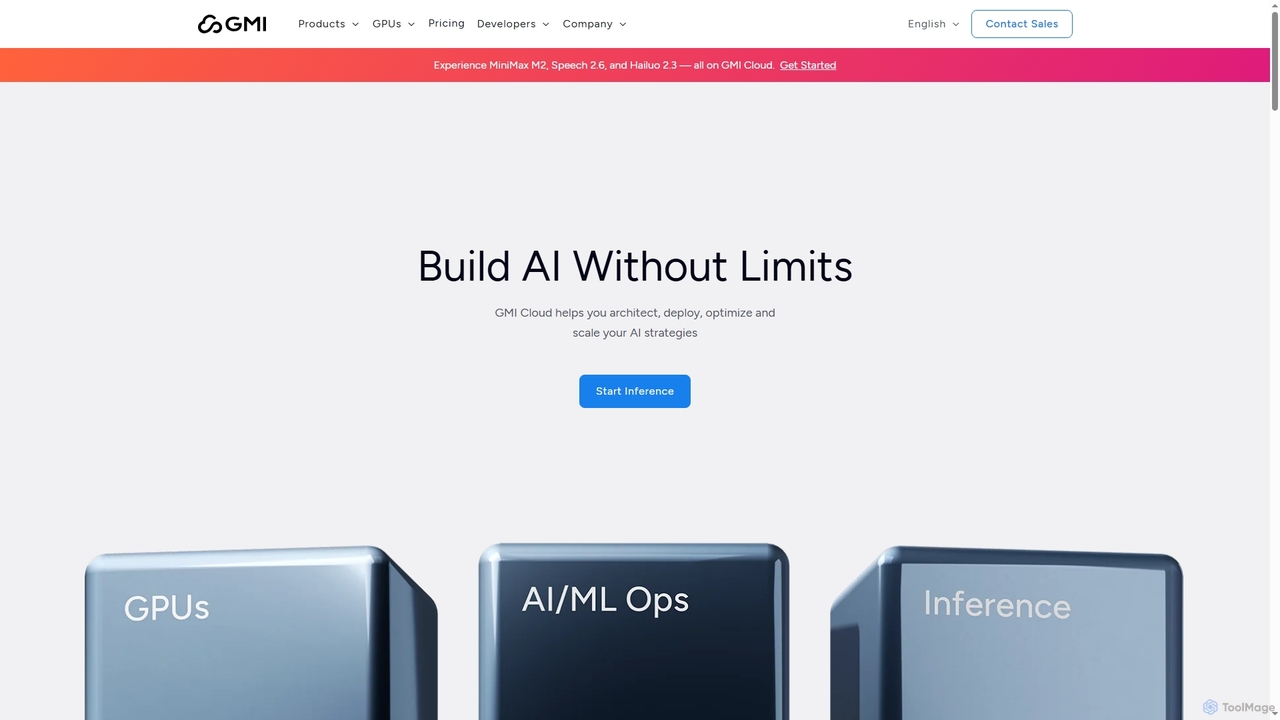
Gmi Cloud
Gmi Cloud is a high-performance GPU cloud platform designed for scalable AI training and inference. It provides on-demand access to top-tier NVIDIA GPUs, an optimized inference engine for low latency, and a cluster engine for streamlined MLOps, enabling developers and enterprises to build, deploy, and scale AI applications efficiently and cost-effectively.
Mlops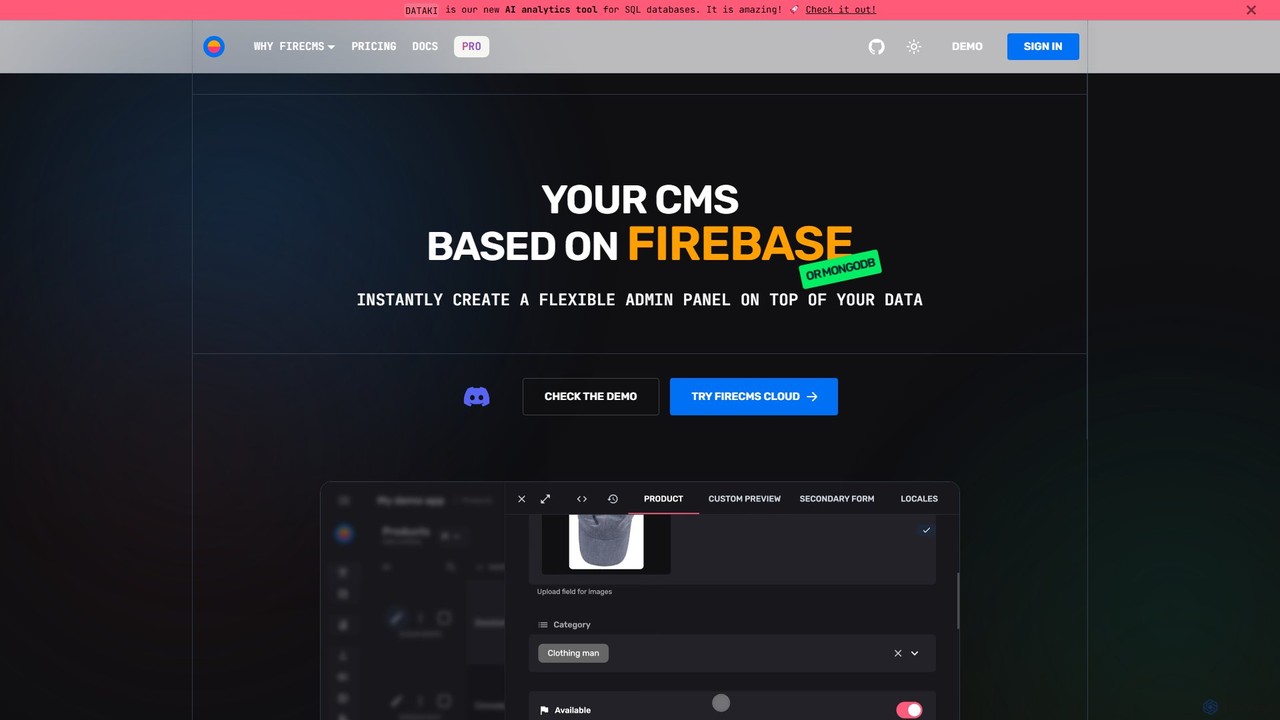
FireCMS
FireCMS is an open-source, headless CMS and admin panel builder for Firebase and MongoDB. It enables developers and startups to instantly create flexible, powerful back-office applications with an intuitive, Airtable-like interface. Featuring AI-powered data queries, automatic schema detection, extensive customization with React, and a rich content editor, FireCMS streamlines development and content management, offering both cloud and self-hosted solutions.
Content Management System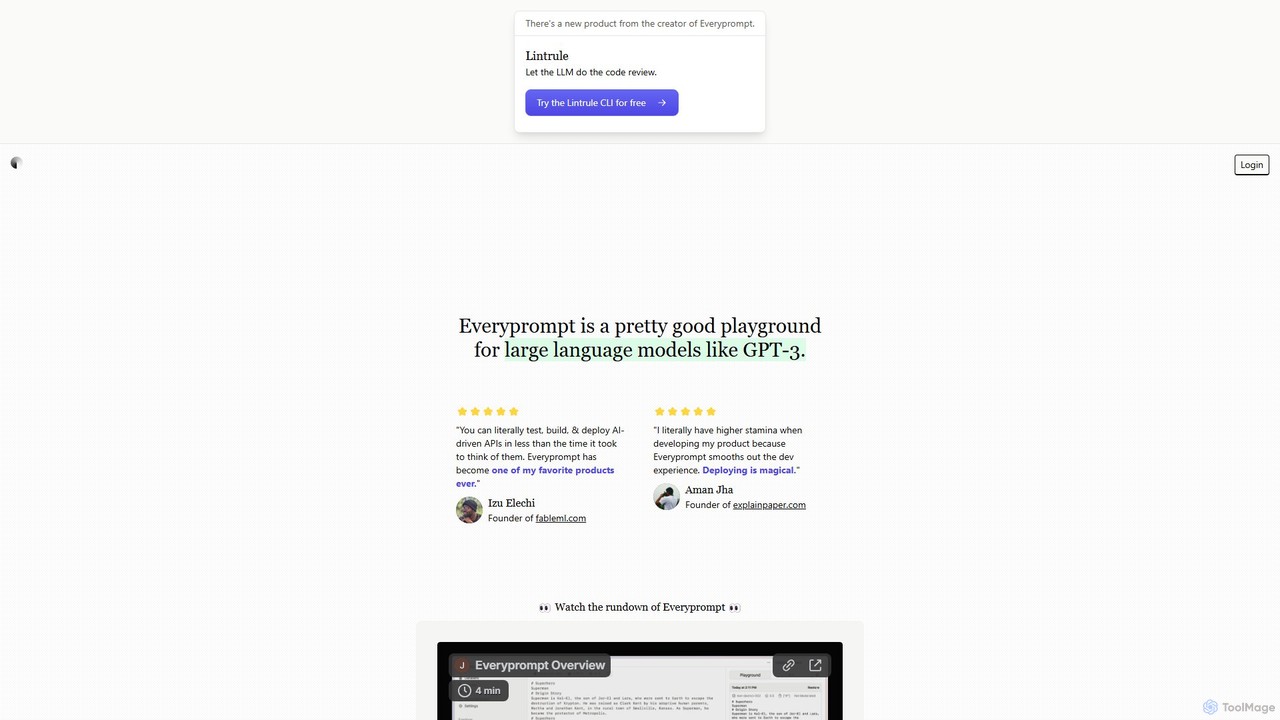
Everyprompt
Everyprompt is an advanced playground and development environment for large language models like GPT-3. It enables users to test, build, and deploy AI-driven APIs seamlessly, streamlining the entire workflow from experimentation to production with integrated CI/CD.
Api & IntegrationQubinets Categories
Qubinets Embed Widget
Copy this embed code to place the badge on your blog, article, or product site and send readers directly to this ToolMage detail page.

Related AI tools
ClawCloud Run
ClawCloud Run is a cloud-native development platform designed to simplify the application lifecycle. It enables developers to build, deploy, manage, and run applications in a unified cloud environment without writing complex YAML files. Featuring a visual canvas, one-click templates, and integrated database management, it accelerates the go-to-market process.
Platform As A Service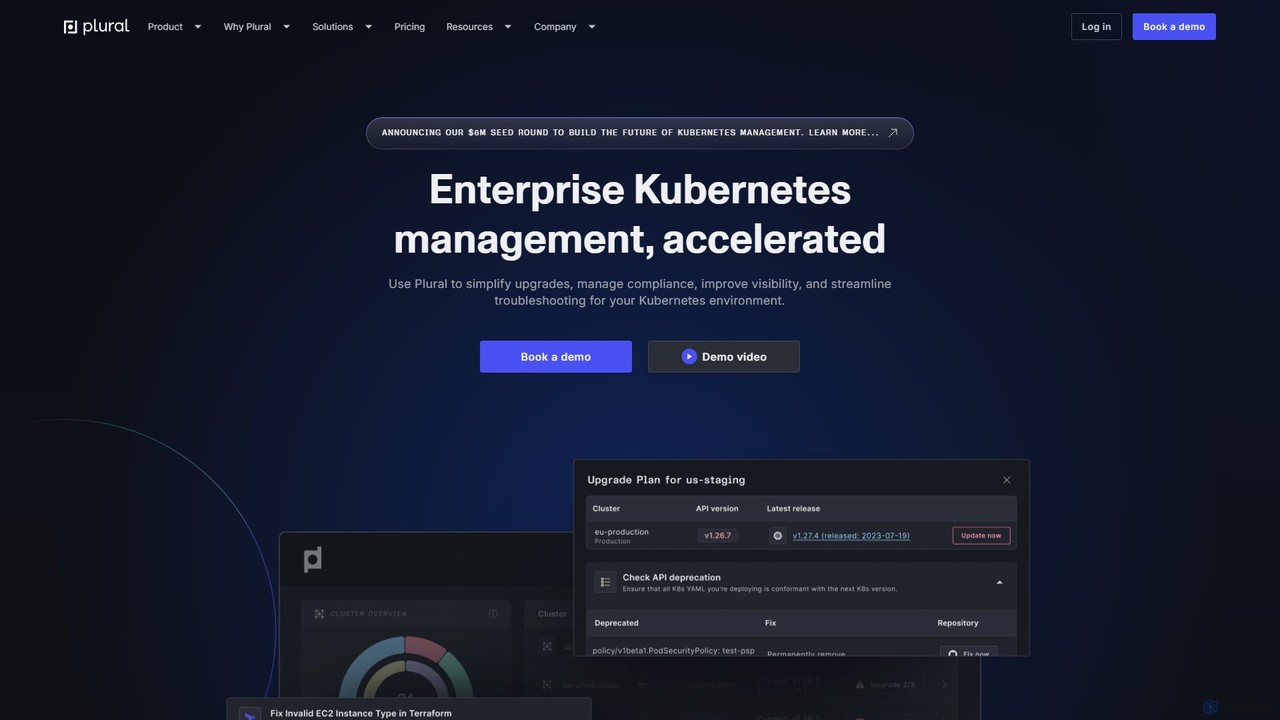
Plural
Plural is an AI-powered enterprise Kubernetes management platform designed to accelerate and simplify operations. It provides multi-cloud visibility, automates complex upgrades, offers AI-driven troubleshooting, and ensures robust security and compliance. Ideal for DevOps and platform engineering teams, Plural reduces operational costs and enhances developer velocity.
Multi Cloud Management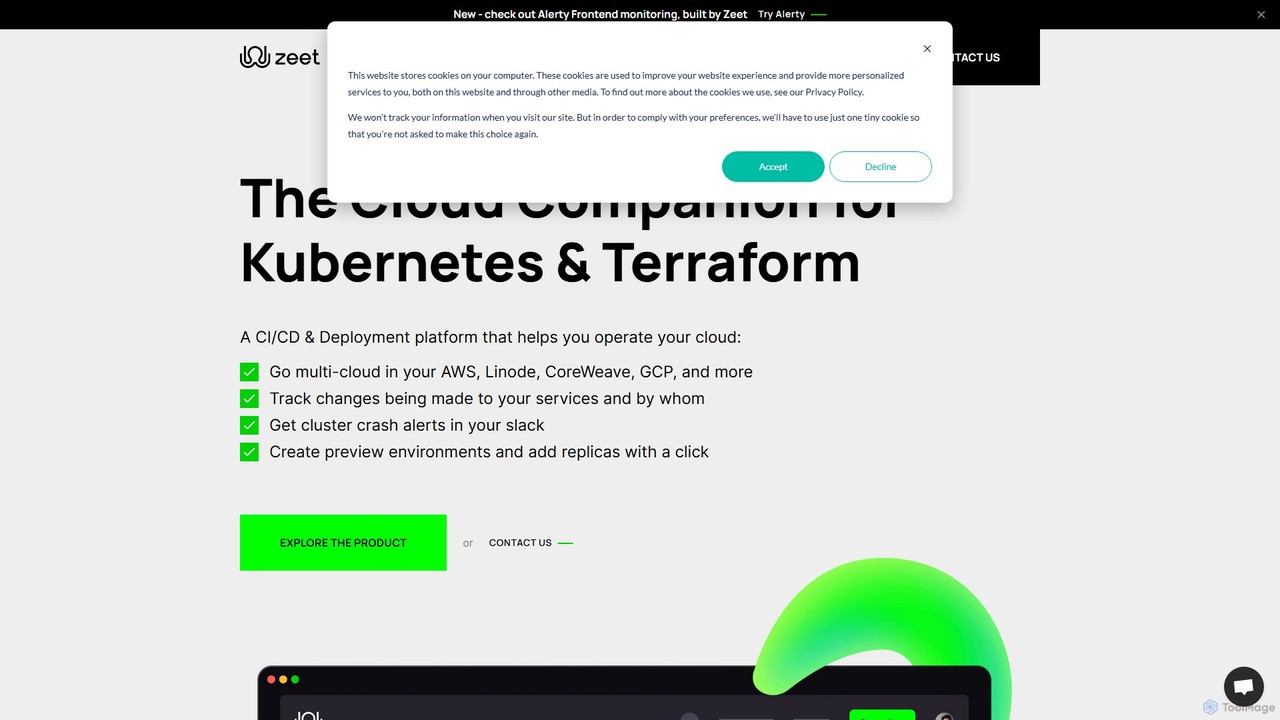
Zeet
Zeet is a comprehensive DevOps and cloud operations platform designed to simplify the deployment and management of cloud services and infrastructure. It empowers developers, SREs, and DevOps teams by automating CI/CD, Kubernetes management, and multi-cloud operations, allowing them to focus on building applications rather than managing complex infrastructure.
Deployment
Jyek
Jyek is an AI agent platform that understands objectives, creates execution plans, uses tools, and delivers verifiable results for complex, multi-step tasks.
AutomationPulumi
Pulumi is a universal Infrastructure as Code (IaC) platform that allows developers and infrastructure teams to build, deploy, and manage cloud infrastructure using familiar programming languages like Python, TypeScript, Go, and C#. It integrates AI to enhance security, compliance, and operational efficiency.
ManagementGmi Cloud
Gmi Cloud is a high-performance GPU cloud platform designed for scalable AI training and inference. It provides on-demand access to top-tier NVIDIA GPUs, an optimized inference engine for low latency, and a cluster engine for streamlined MLOps, enabling developers and enterprises to build, deploy, and scale AI applications efficiently and cost-effectively.
MlopsFireCMS
FireCMS is an open-source, headless CMS and admin panel builder for Firebase and MongoDB. It enables developers and startups to instantly create flexible, powerful back-office applications with an intuitive, Airtable-like interface. Featuring AI-powered data queries, automatic schema detection, extensive customization with React, and a rich content editor, FireCMS streamlines development and content management, offering both cloud and self-hosted solutions.
Content Management SystemEveryprompt
Everyprompt is an advanced playground and development environment for large language models like GPT-3. It enables users to test, build, and deploy AI-driven APIs seamlessly, streamlining the entire workflow from experimentation to production with integrated CI/CD.
Api & Integration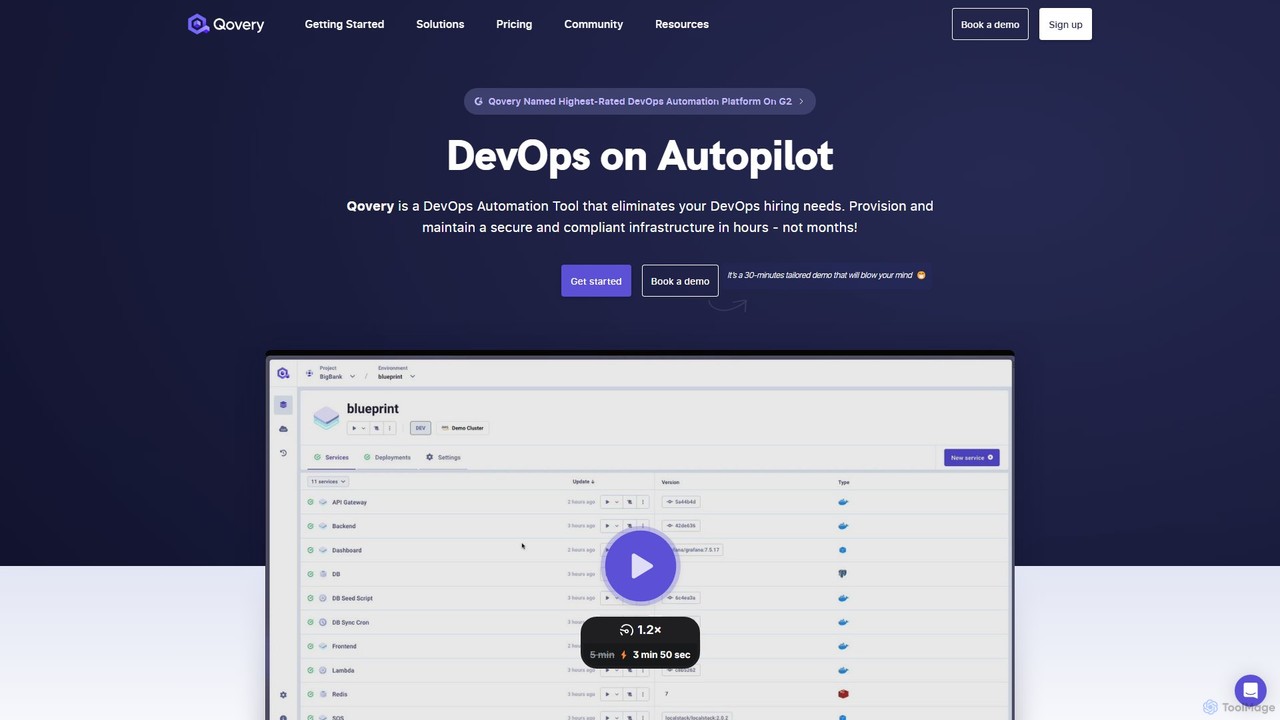
Qovery
Qovery is a DevOps Automation Platform that provides self-service infrastructure for developers. It automates environment provisioning, accelerates deployment cycles, and optimizes cloud costs on AWS, Azure, and GCP, eliminating the need for extensive DevOps hiring.
Infrastructure As Code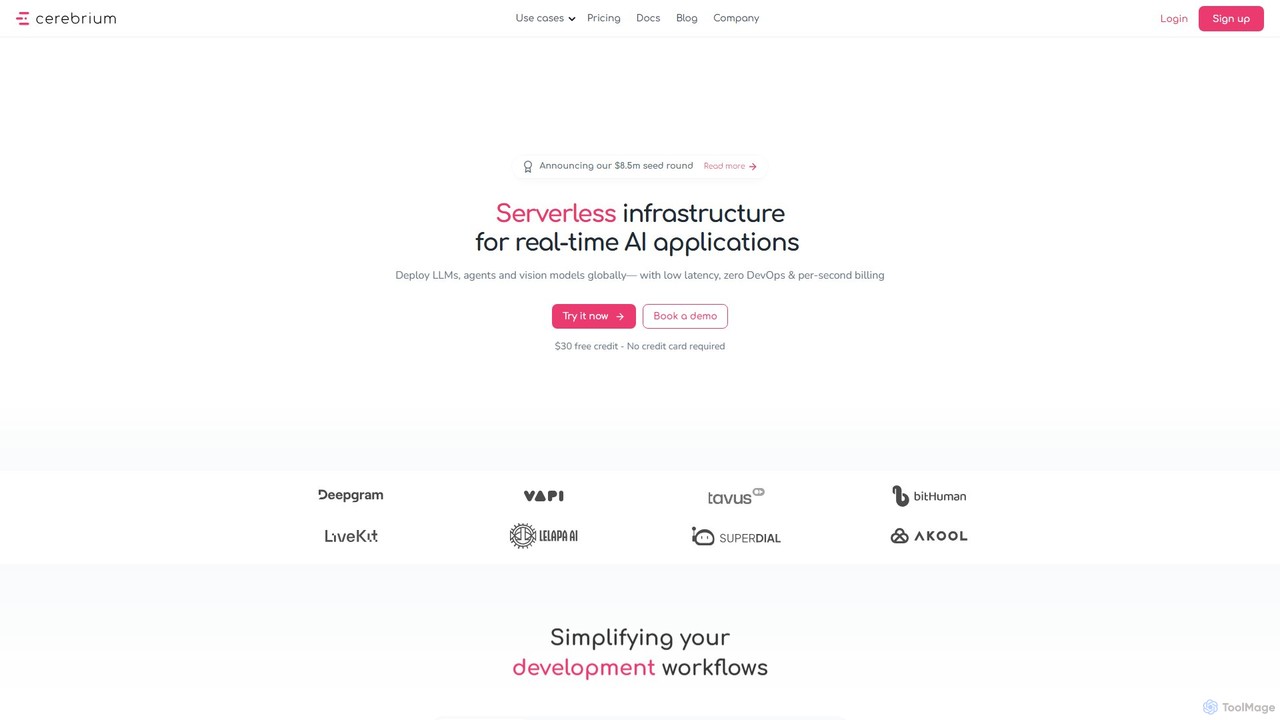
Cerebrium
Cerebrium is a serverless AI infrastructure platform designed for developers to deploy, manage, and scale machine learning models with ease. It abstracts away complex infrastructure, offering features like auto-scaling, fast cold starts, and pay-per-use GPU access, enabling teams to build high-performance AI applications without managing servers.
Serverless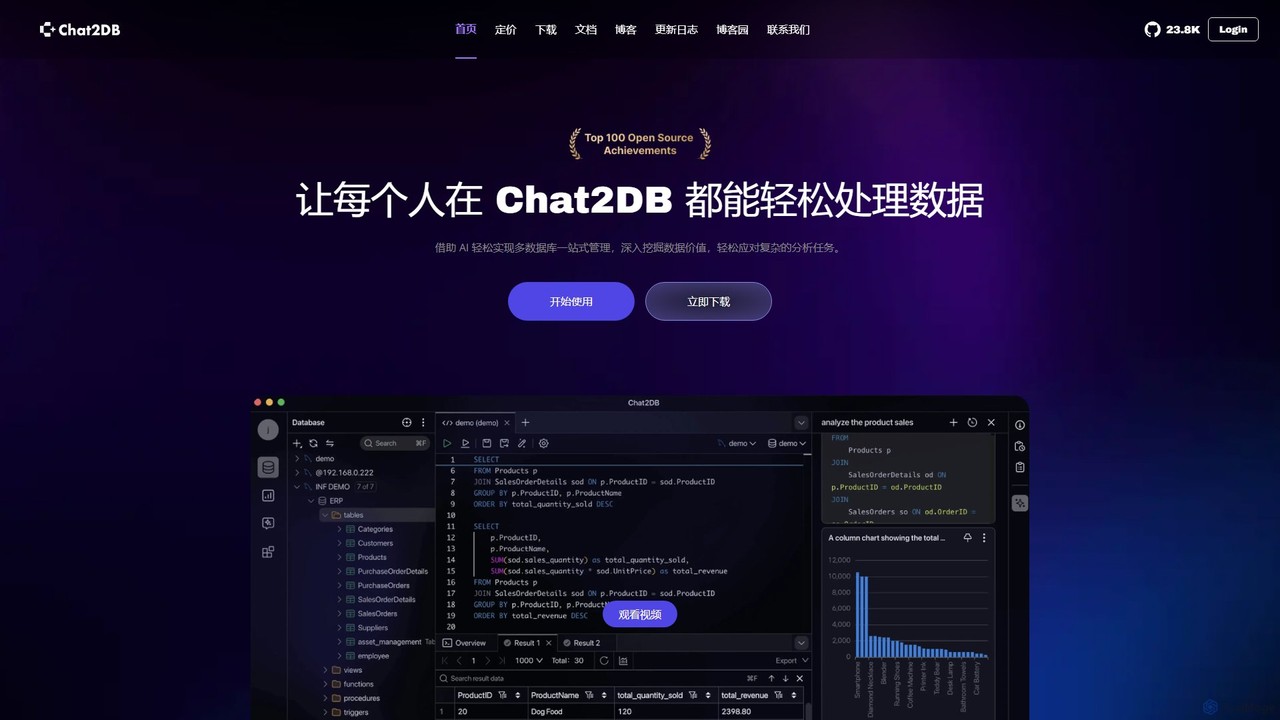
Chat2DB
Chat2DB is an intelligent, all-in-one database management tool powered by AI. It supports over 30 databases, including MySQL, PostgreSQL, and MongoDB, allowing users to manage, query, and analyze data using natural language. Features include AI SQL generation, data visualization, no-code dashboard creation, and robust security protocols, making it ideal for developers, analysts, and business users.
Business Intelligence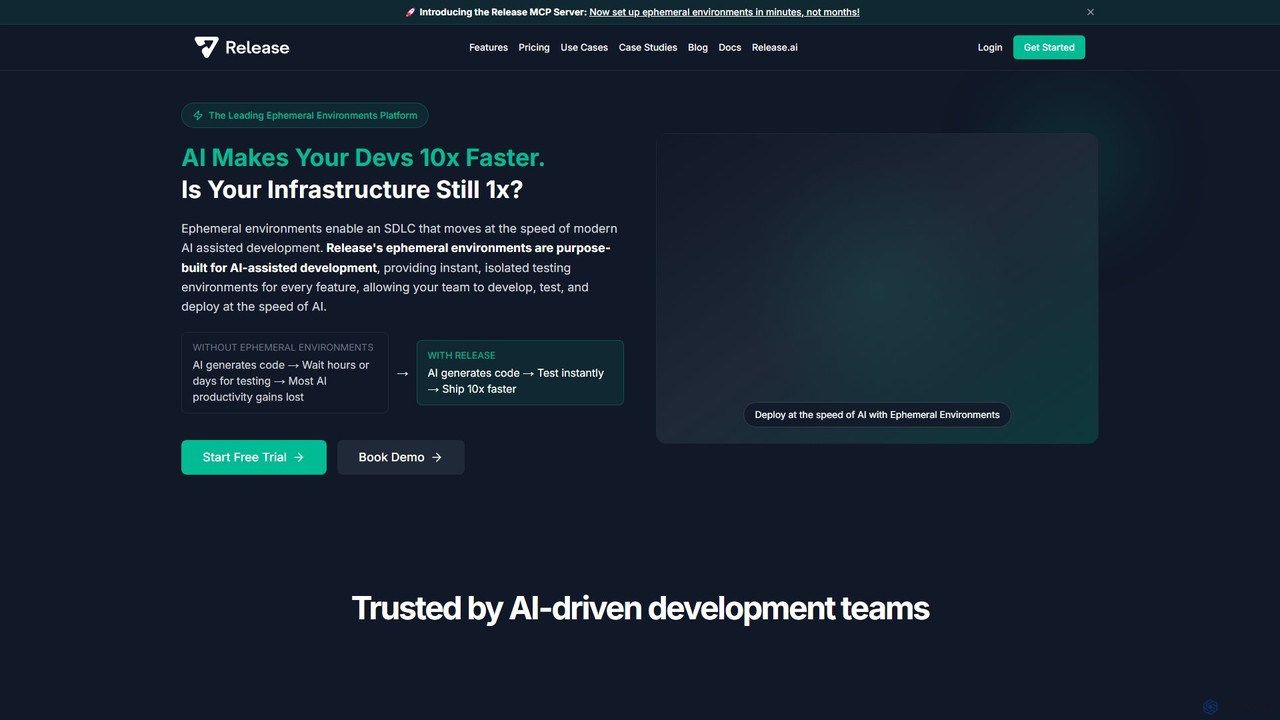
Release
Release is an AI-powered ephemeral environments platform that accelerates software development. It provides instant, isolated testing environments for every feature or pull request, eliminating infrastructure bottlenecks. By integrating with AI development tools and IDEs, Release enables teams to test and deploy code up to 10x faster.
Devops
Signadot
Signadot is a Kubernetes-native microservices testing platform designed for high-velocity engineering teams. It unifies local testing, preview environments, and AI-powered contract testing (SmartTests) into a single solution. By creating lightweight, isolated 'Sandboxes' in seconds, it helps teams accelerate development cycles, reduce infrastructure costs, and improve release quality without duplicating entire environments.
Kubernetes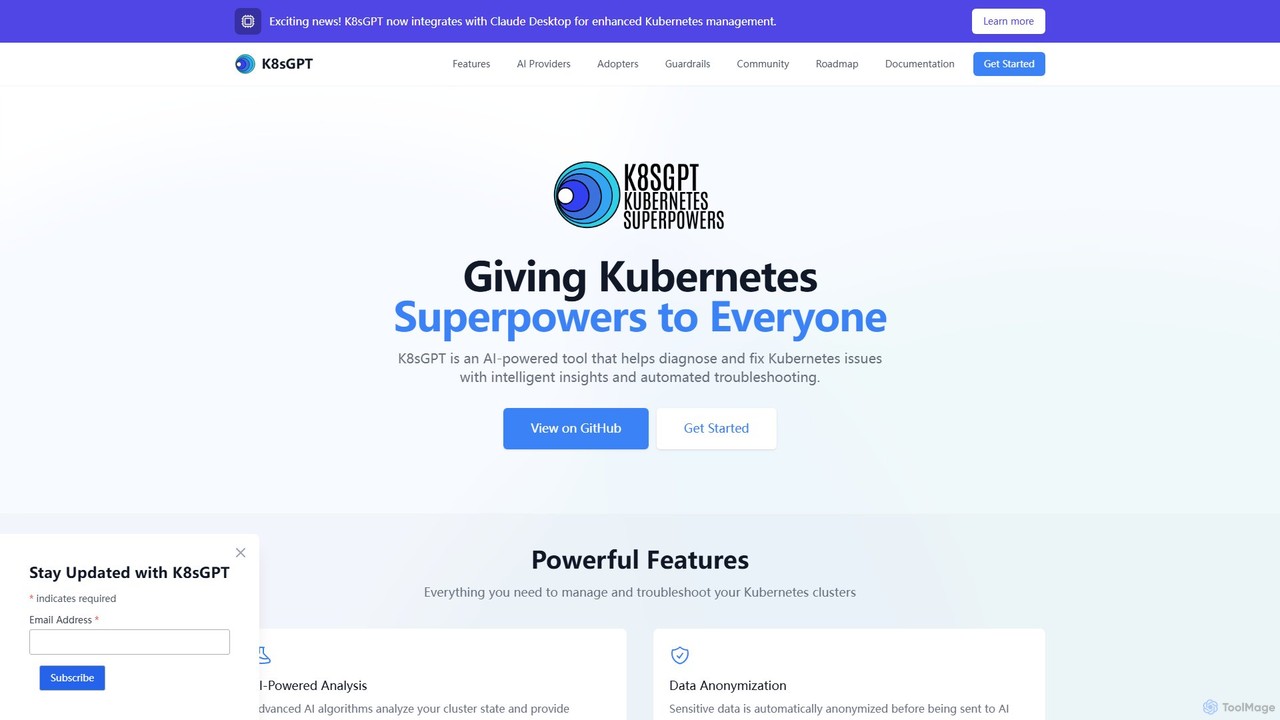
K8sGPT
K8sGPT is an AI-powered tool designed to supercharge Kubernetes (K8s) troubleshooting. It scans your clusters, diagnoses issues, and provides intelligent, context-aware insights and solutions. By integrating with various AI providers, including local models, it helps SREs, DevOps engineers, and developers to quickly identify and resolve complex problems, significantly reducing downtime and manual effort.
Devops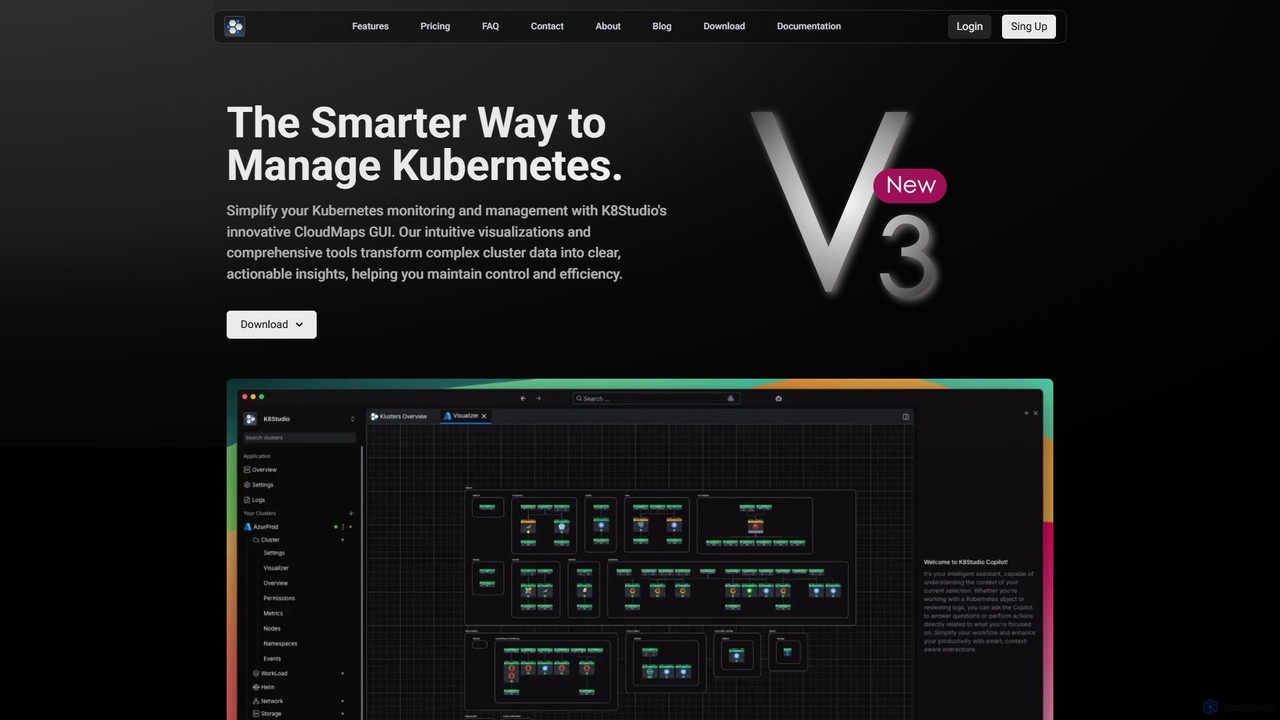
K8Studio
K8Studio is an advanced Kubernetes UI designed for DevOps, DevSecOps, and SRE teams. It simplifies cluster management with an intuitive visual interface, featuring CloudMaps for real-time visualization, an AI Copilot for intelligent assistance, and robust multi-cluster management capabilities. Its agent-free architecture ensures security and high performance, making complex Kubernetes operations more efficient and accessible.
Cloud Computing
Qubinets Comments (0)
Sign in to comment.
Sign inNo comments yet.