Freemium
Popular Ai Infrastructure AI tools include codegate, OpenRouter, MongoDB, Nous Research, Databricks, LangChain, LM Studio, Firecrawl, Composio, and Vast.ai, helping you work more efficiently.
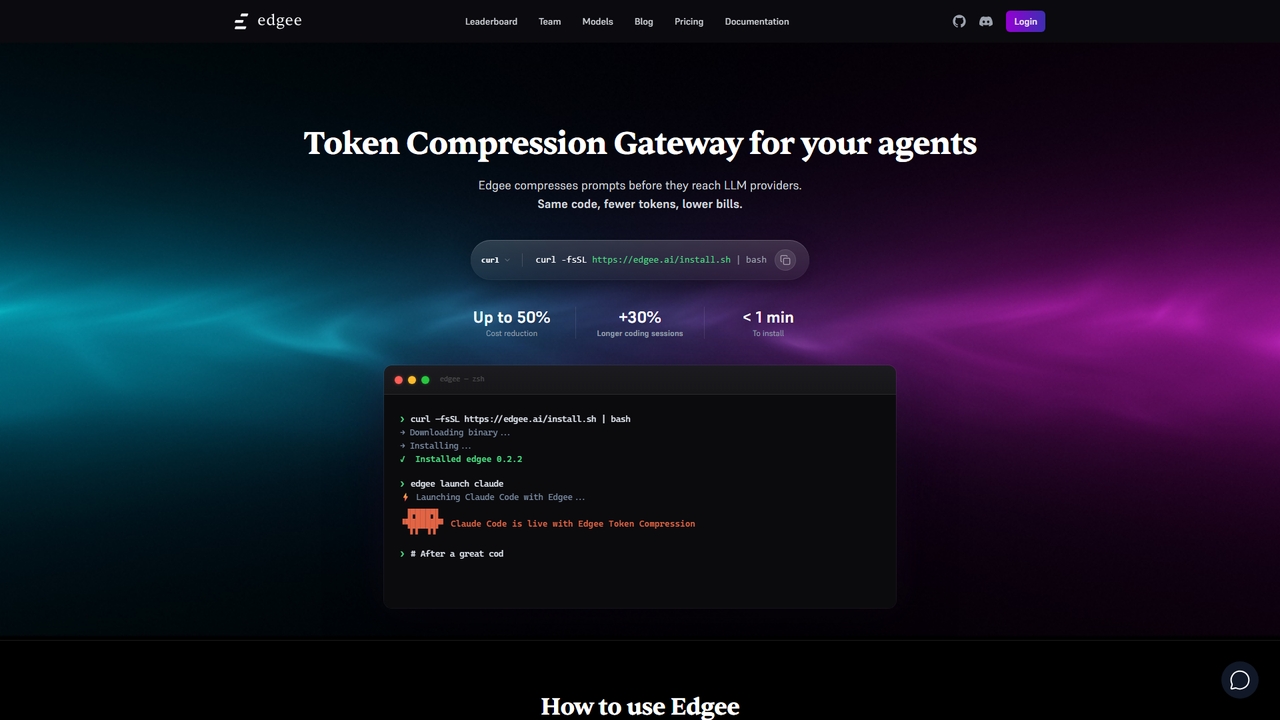
Edgee is a token compression gateway that reduces LLM prompt costs by up to 50%. Works transparently with coding agents like Claude, Codex, and Cursor.
Llm Gateway
Everest is a high-performance, edge-optimized AI compute unit designed for automating enterprise workloads and enabling efficient on-premises AI model deployment. Based on provided information, it appears to be a physical hardware solution (C1 Unit) focused on significant cost savings compared to cloud services, low standby power consumption, and scalable automation for large-scale operations. It is currently available for pre-order.
Edge Computing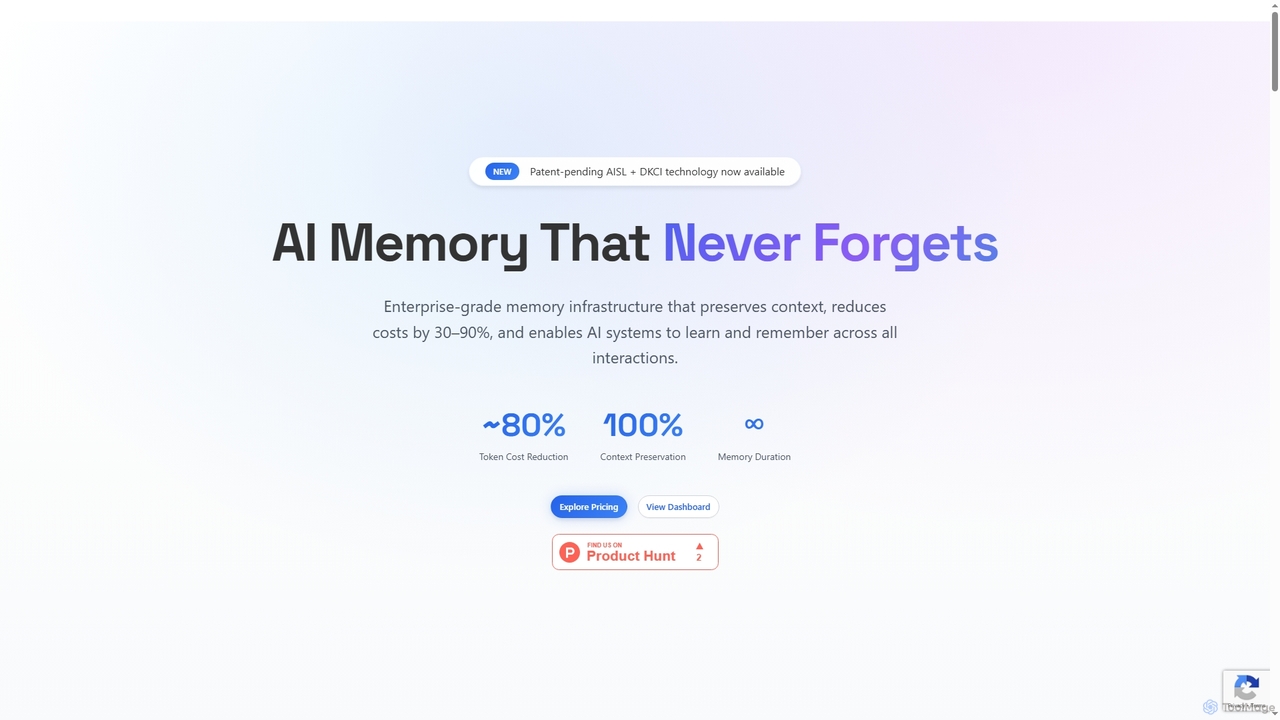
Cogniz is an enterprise-grade AI memory infrastructure featuring patent-pending AISL + DKCI technology. It enables AI systems to learn and remember indefinitely across all interactions, ensuring 100% context preservation and significantly reducing token costs by an average of 80%.
Memory Management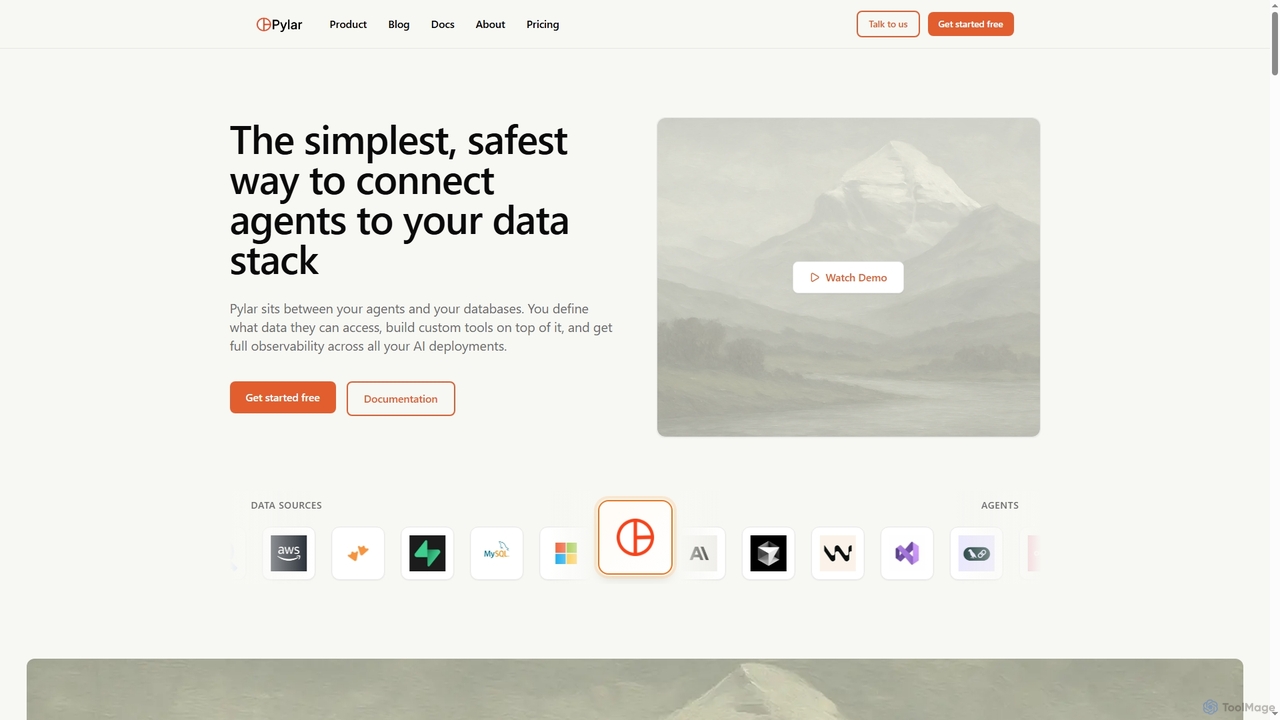
Pylar is a data governance platform that securely connects AI agents to your data stack. It allows you to define safe data access through SQL views, build custom tools for agents, and monitor all interactions, preventing direct database access and ensuring security and control.
Data Governance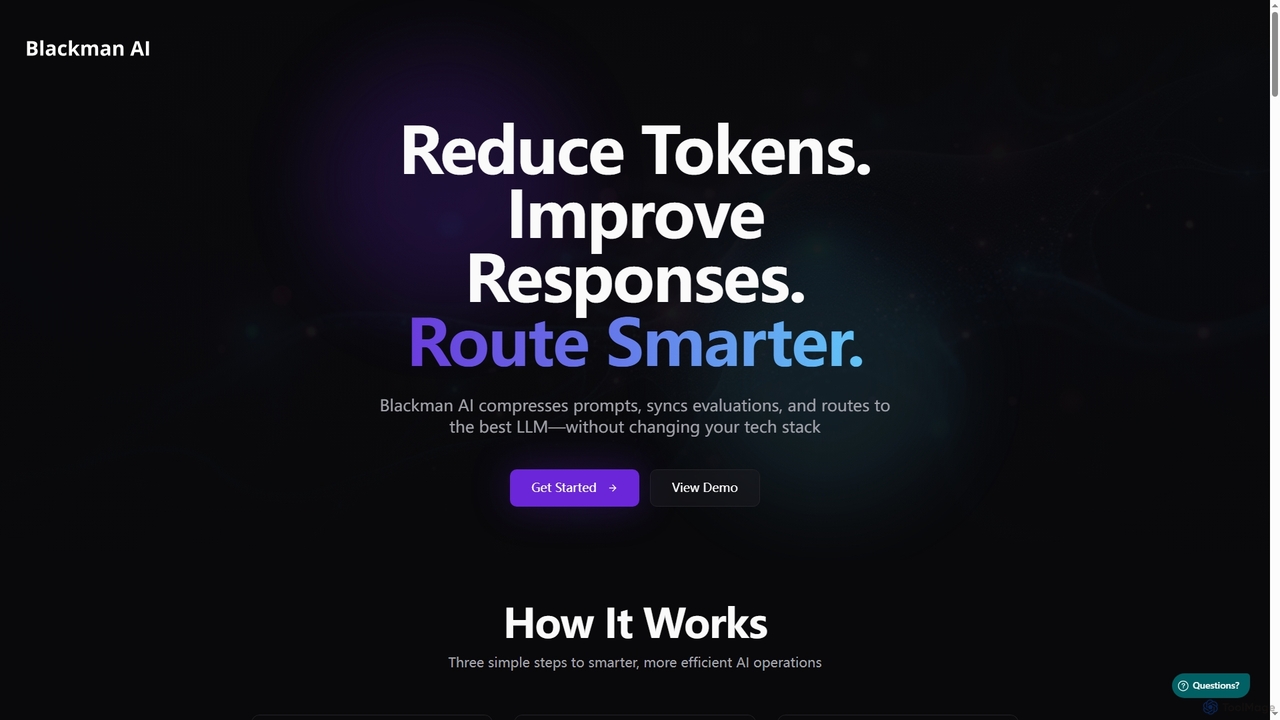
Blackman AI is an intelligent platform designed to optimize AI operations by reducing token usage, improving LLM responses, and routing requests to the most cost-effective models. It provides real-time analytics and robust security features without altering your existing tech stack.
Model Routing
Vaultic is a centralized prompt management platform for AI development teams. It enables users to version, test, collaborate on, and deploy AI prompts at scale, eliminating hardcoded prompts and streamlining the entire AI logic workflow from a single, organized interface.
Prompt Management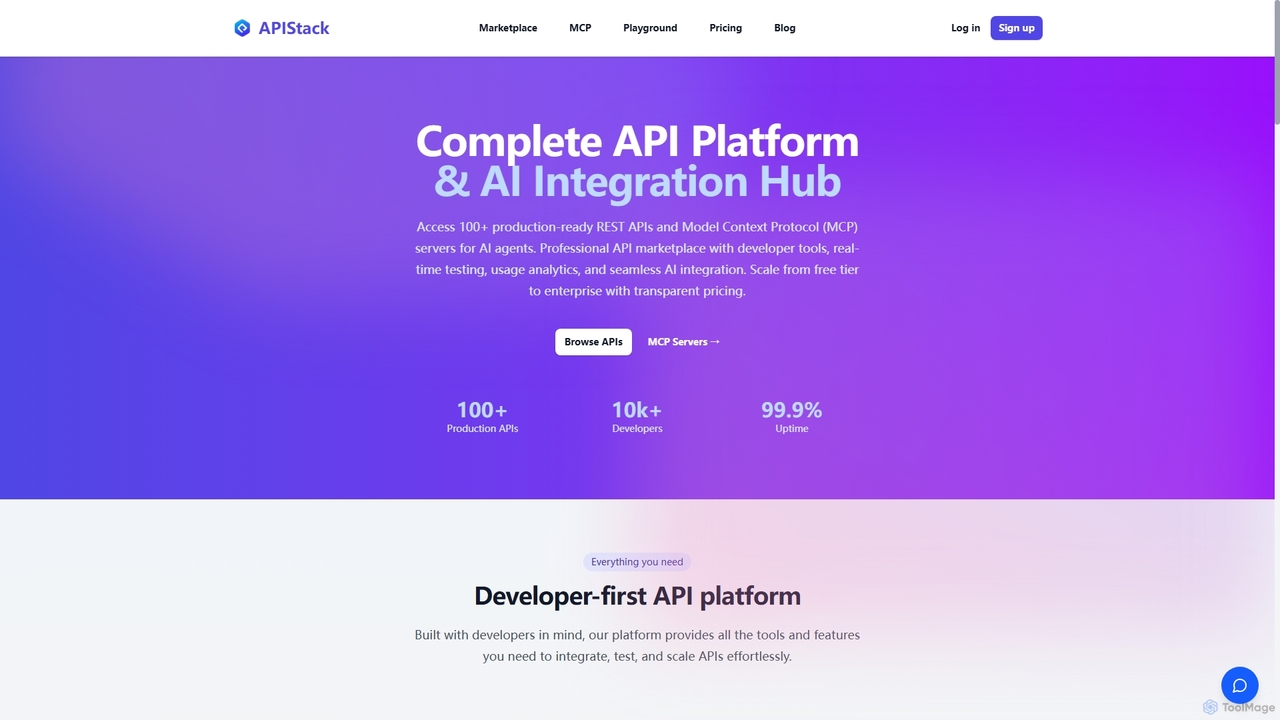
Apistack is an enterprise API marketplace and AI integration hub, offering over 100 production-ready REST APIs. It features a developer-first platform with tools for real-time testing, usage analytics, and seamless integration with AI agents like ChatGPT and Claude via Model Context Protocol (MCP) servers.
Integration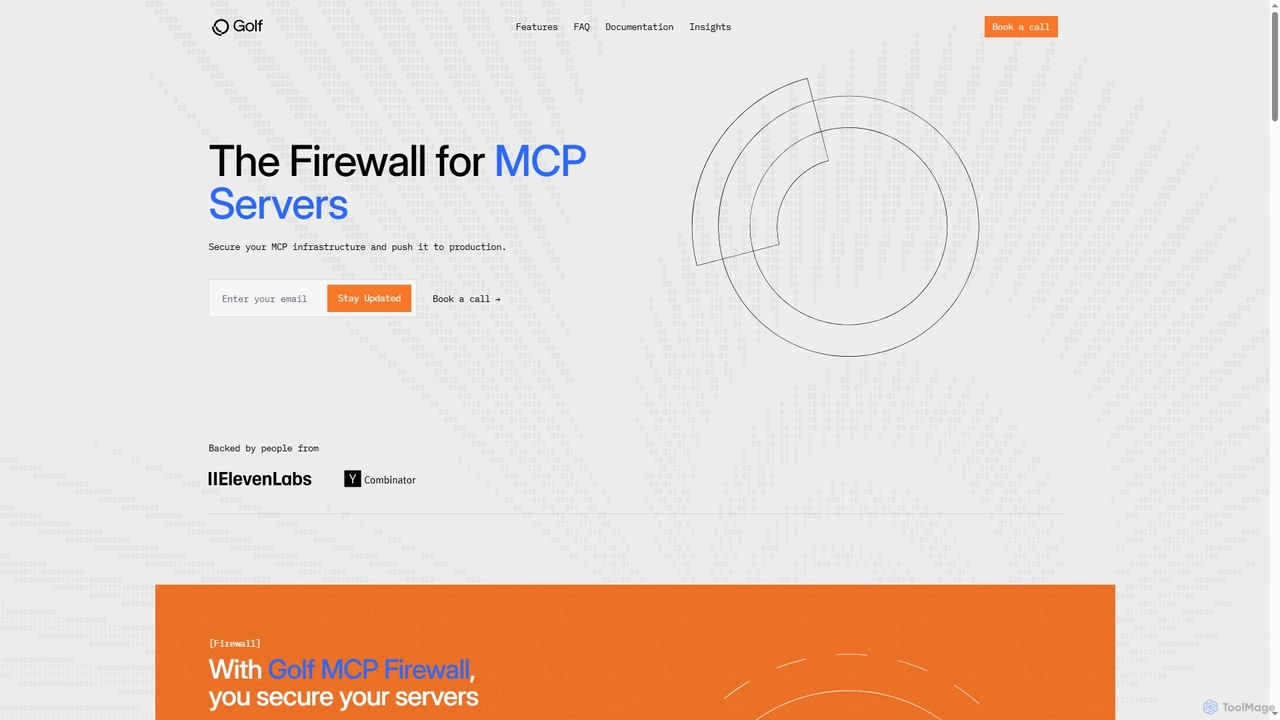
Golf is an enterprise-grade, protocol-aware firewall designed for the Model Context Protocol (MCP). It provides a centralized security layer to protect MCP servers from specific threats like prompt injection and token hijacking, enabling businesses to securely deploy AI agent infrastructure into production.
Agent Security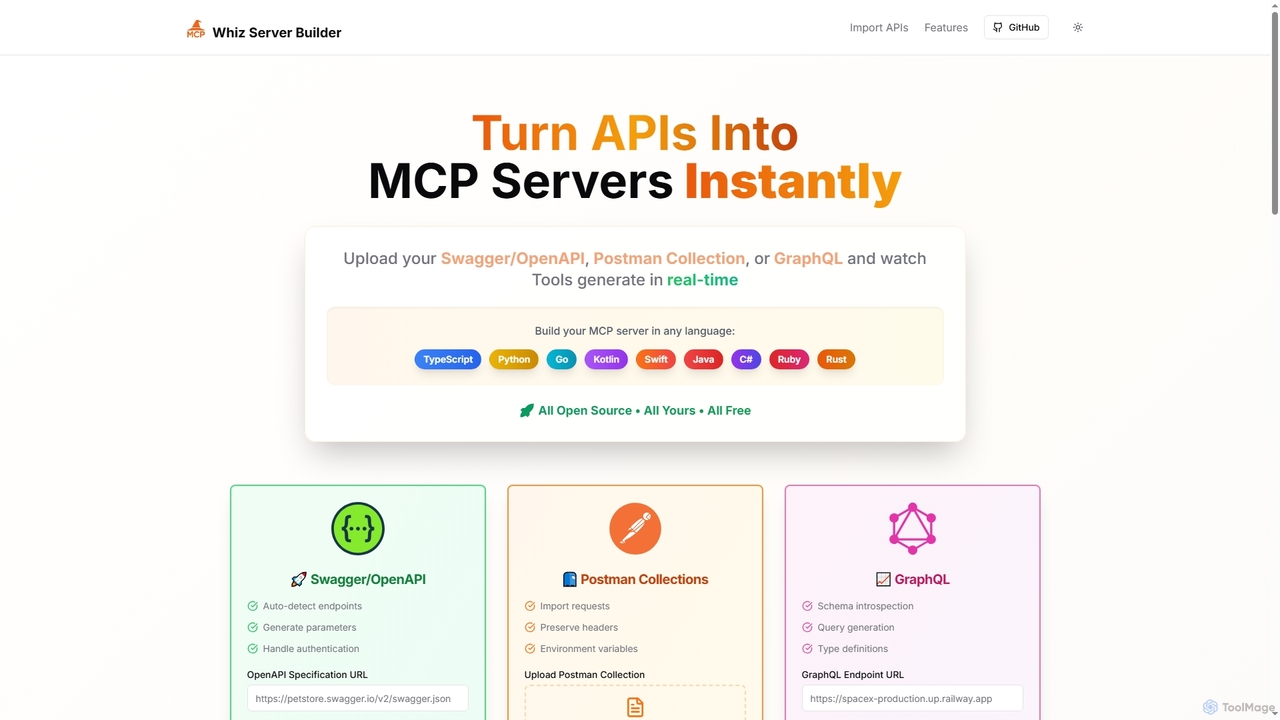
Mcpwhiz is a free, open-source developer tool that instantly converts API specifications like Swagger/OpenAPI, Postman Collections, and GraphQL into production-ready Model Context Protocol (MCP) servers. It automates code generation in multiple languages, including TypeScript and Python, allowing developers to build context-aware applications with ease.
Server Management
Asimov provides a foundational AI search API for developers to build intelligent agents and applications. It features built-in semantic search and re-ranking for high accuracy, simple content ingestion, and robust source management. The platform is designed with enterprise-grade security and offers detailed usage tracking, making it a comprehensive solution for creating custom search experiences.
Data Management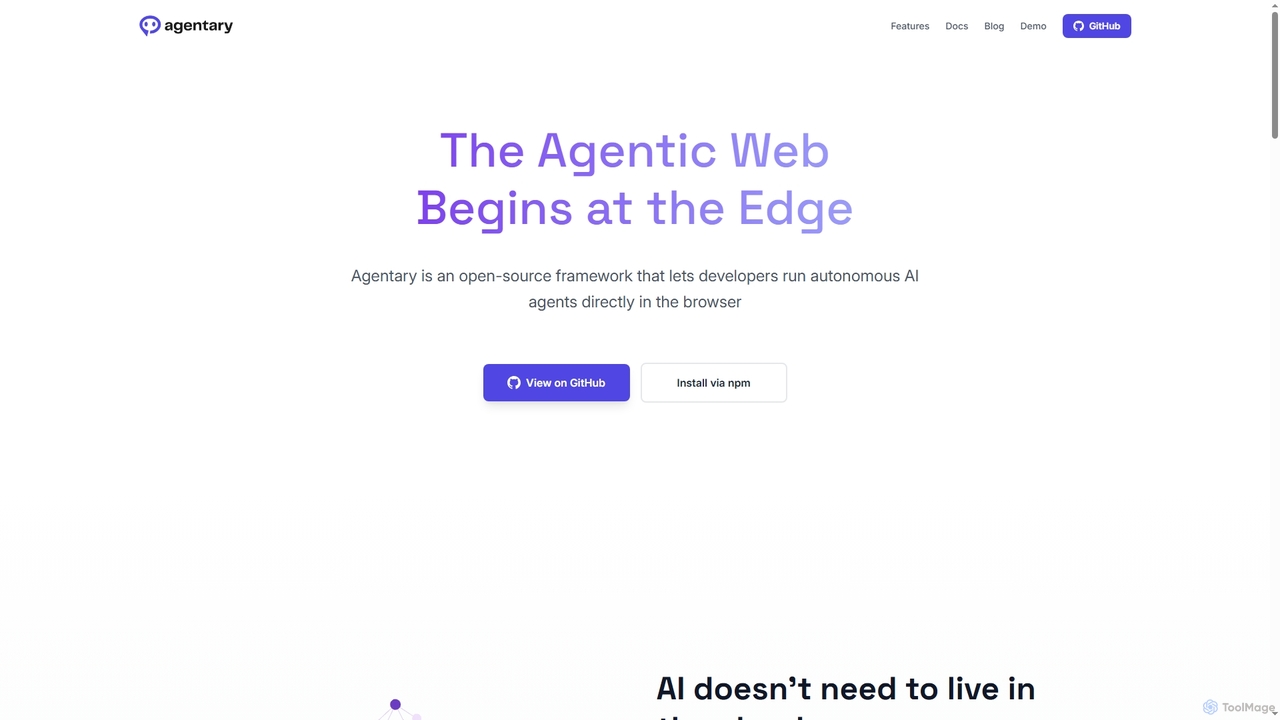
Agentary is an open-source JavaScript SDK for developers to build and run autonomous AI agents directly in the browser. It leverages WebGPU and WebAssembly for on-device execution, ensuring complete data privacy, zero latency, and offline functionality. This serverless framework allows for the creation of fast, private, and intelligent web applications without cloud dependencies or API costs.
Edge Computing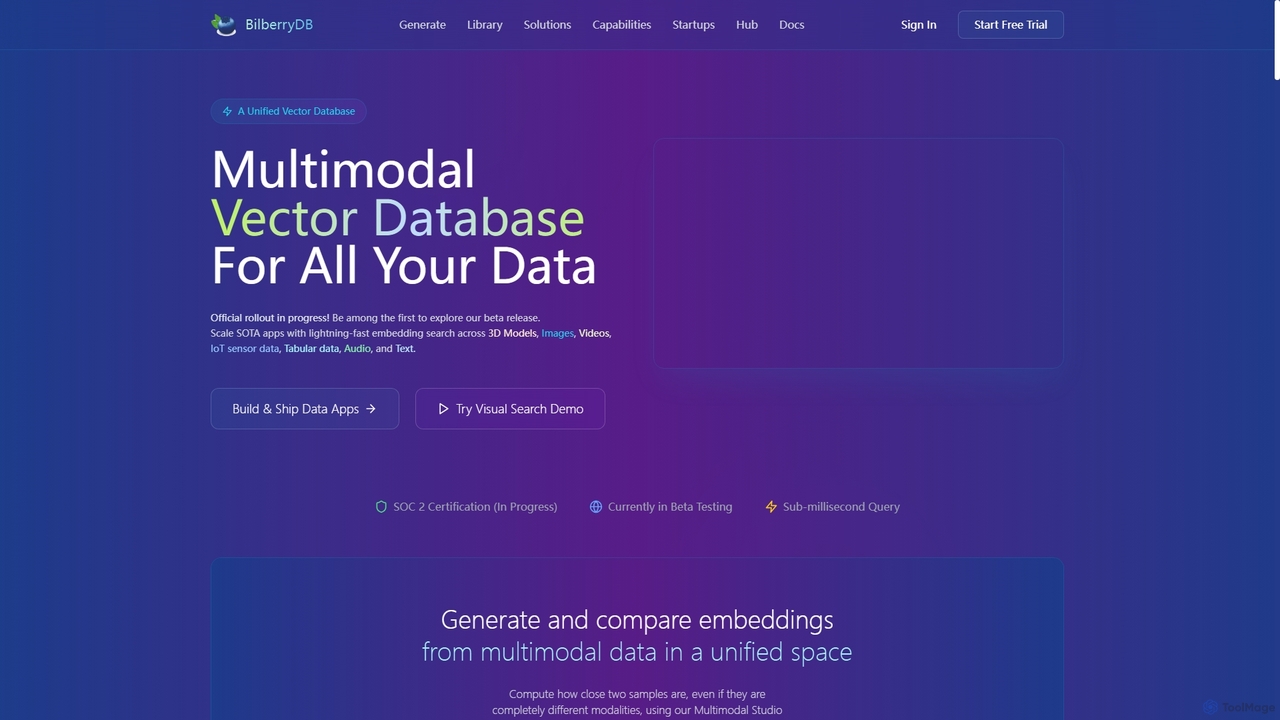
Bilberrydb is an enterprise-grade, multimodal vector database designed for building advanced AI applications. It enables lightning-fast embedding search across diverse data types including 3D models, images, videos, audio, text, and tabular data on a unified platform.
Vector Database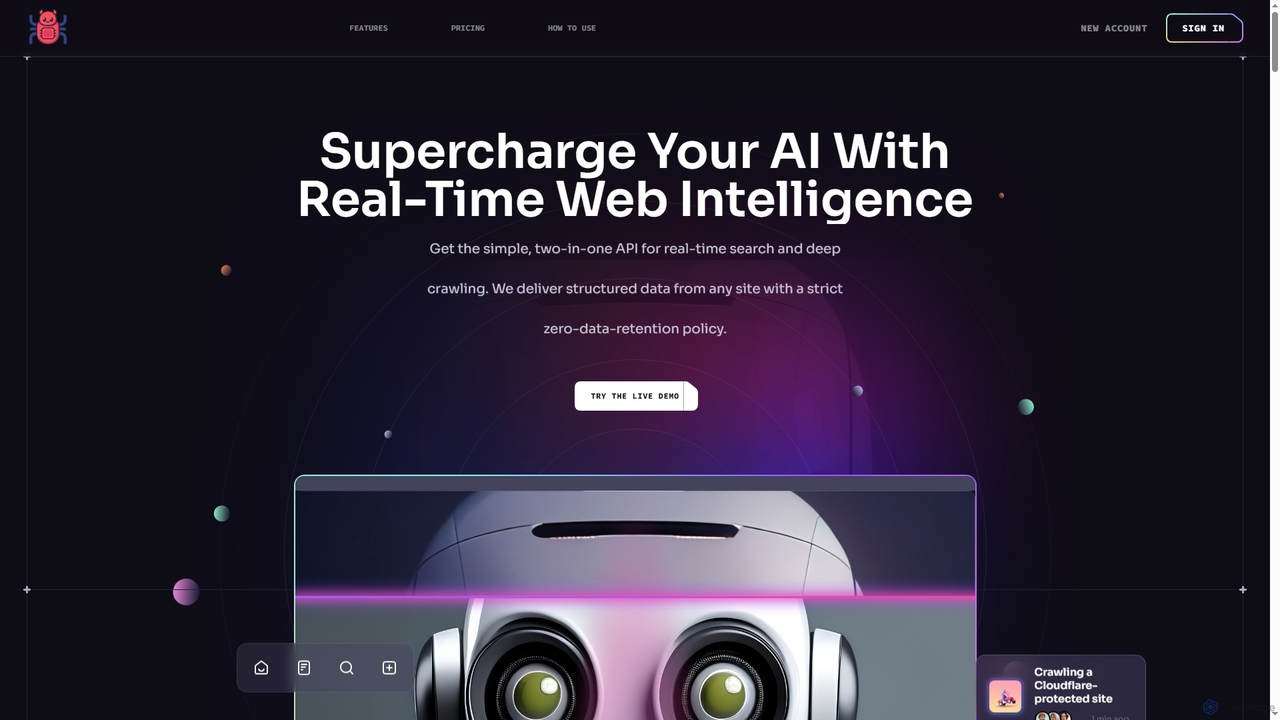
A powerful two-in-one API for AI systems, providing real-time web search and deep crawling. It delivers structured, AI-ready data (JSON, Markdown) from any website, bypassing anti-bot measures while ensuring privacy with a strict zero-data-retention policy. Designed for RAG pipelines, LLMs, and automation workflows.
Data Retrieval
Gtwy is a unified AI gateway platform providing a single API to access top models like GPT-4, Claude, and Gemini. It empowers users to build, automate, and scale AI agents and workflows with advanced features like model switching, RAG, and over 5000 integrations.
Model Orchestration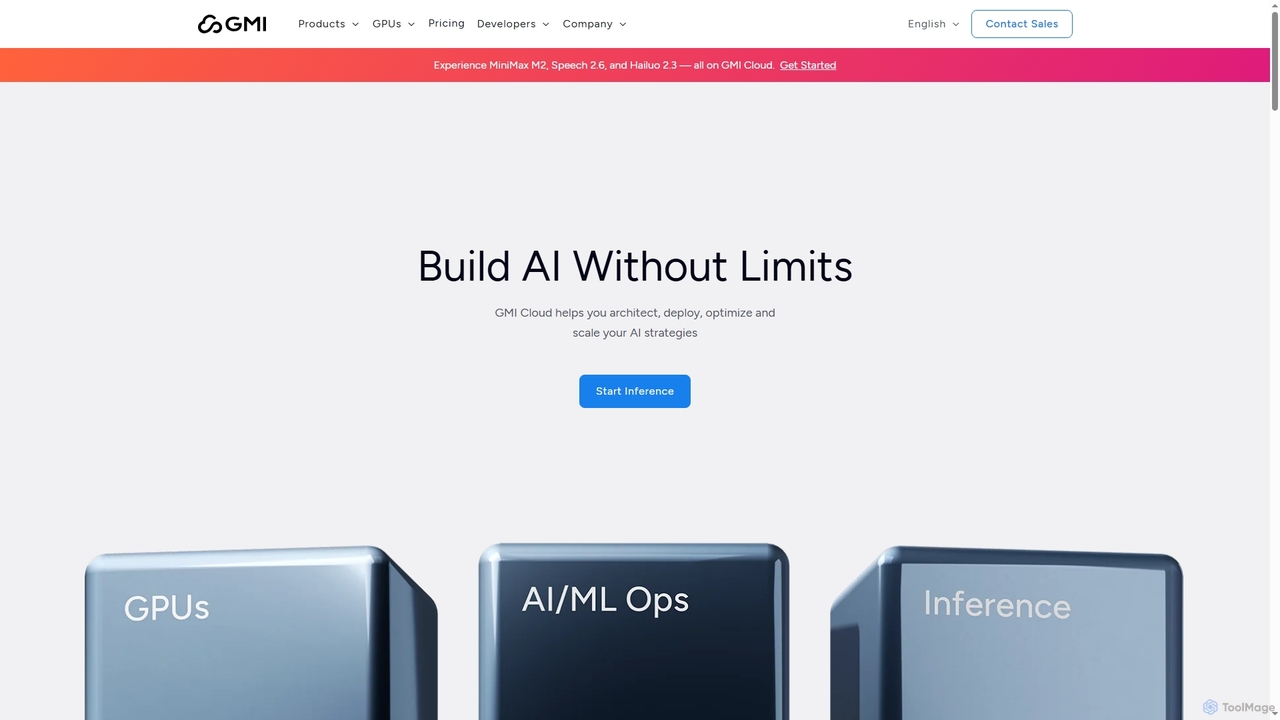
Gmi Cloud is a high-performance GPU cloud platform designed for scalable AI training and inference. It provides on-demand access to top-tier NVIDIA GPUs, an optimized inference engine for low latency, and a cluster engine for streamlined MLOps, enabling developers and enterprises to build, deploy, and scale AI applications efficiently and cost-effectively.
Mlops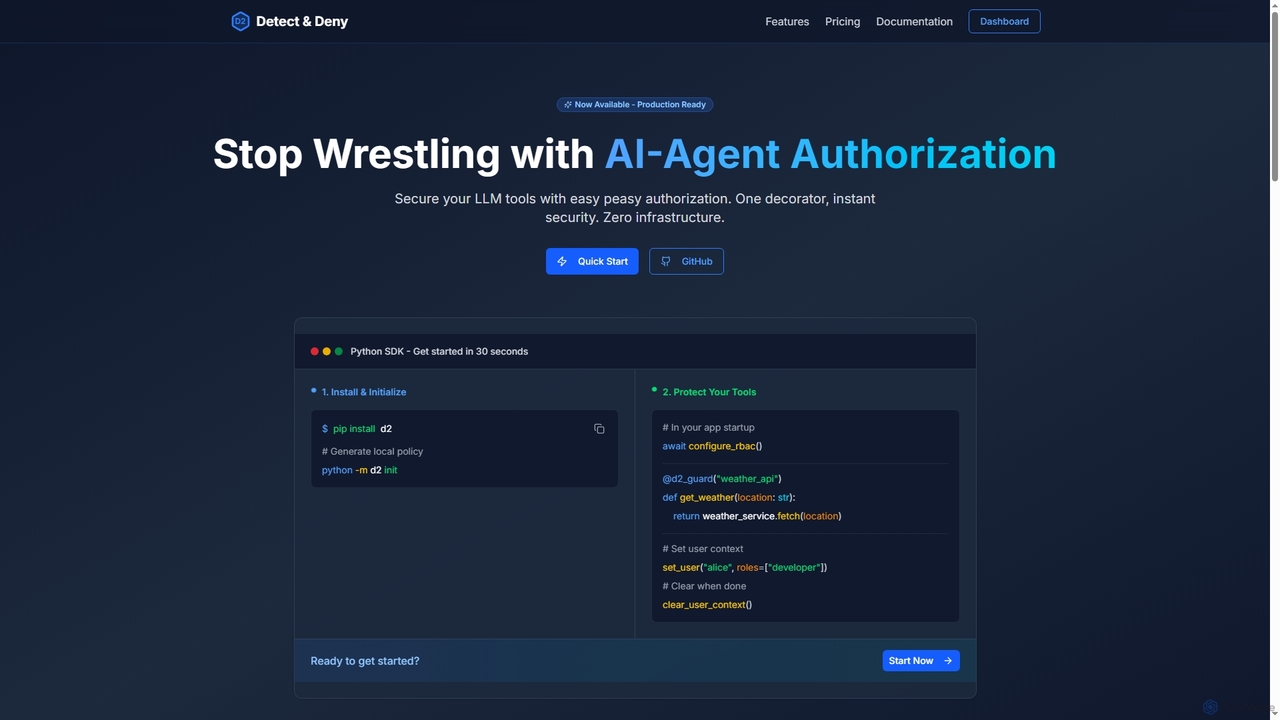
D2 is a Python SDK designed to simplify authorization for AI agents and LLM tools. It provides robust, code-level security by adding a single decorator to your functions, replacing complex authorization logic with an easy-to-manage, policy-based system.
Development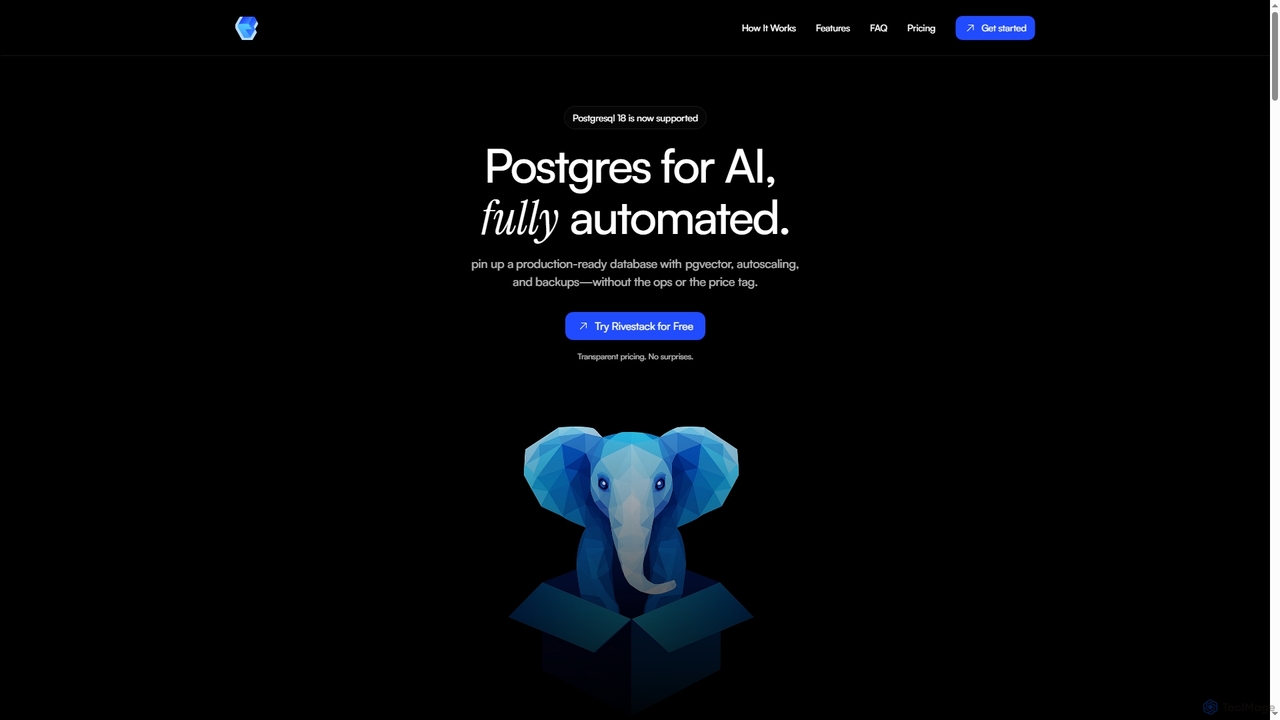
An EU-hosted, managed PostgreSQL database service optimized for AI applications. It provides fully automated deployment with pgvector for vector search, autoscaling, backups, and transparent pricing, enabling developers to launch production-ready databases in minutes.
Vector Database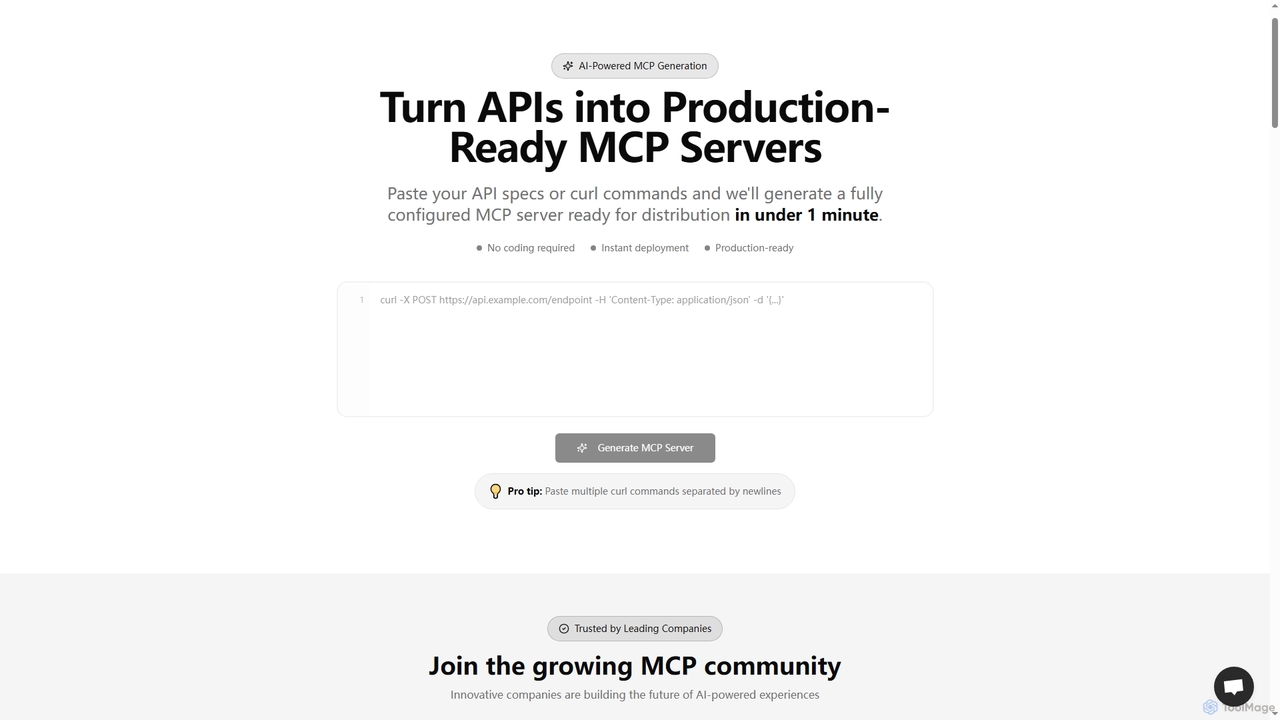
An AI-powered platform that generates production-ready MCP (Model Context Protocol) servers from API specs or curl commands in under a minute. It enables businesses to securely connect their APIs and data sources with AI assistants like ChatGPT and Claude, offering instant deployment, customer analytics, and enterprise-grade security without coding.
Integration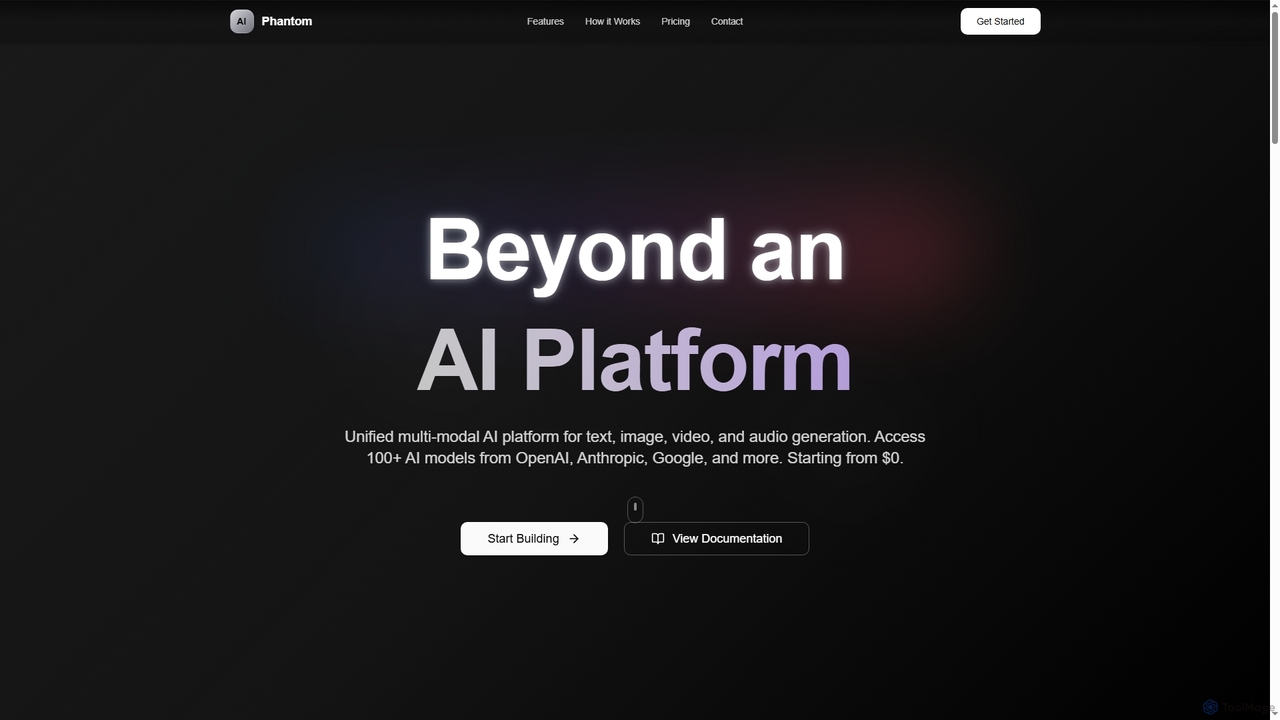
AI Phantom is a unified multi-modal AI platform providing access to over 100 AI models from providers like OpenAI, Google, and Anthropic through a single API. It specializes in intelligent routing, performance optimization, and real-time analytics for text, image, video, and audio generation.
Model Routing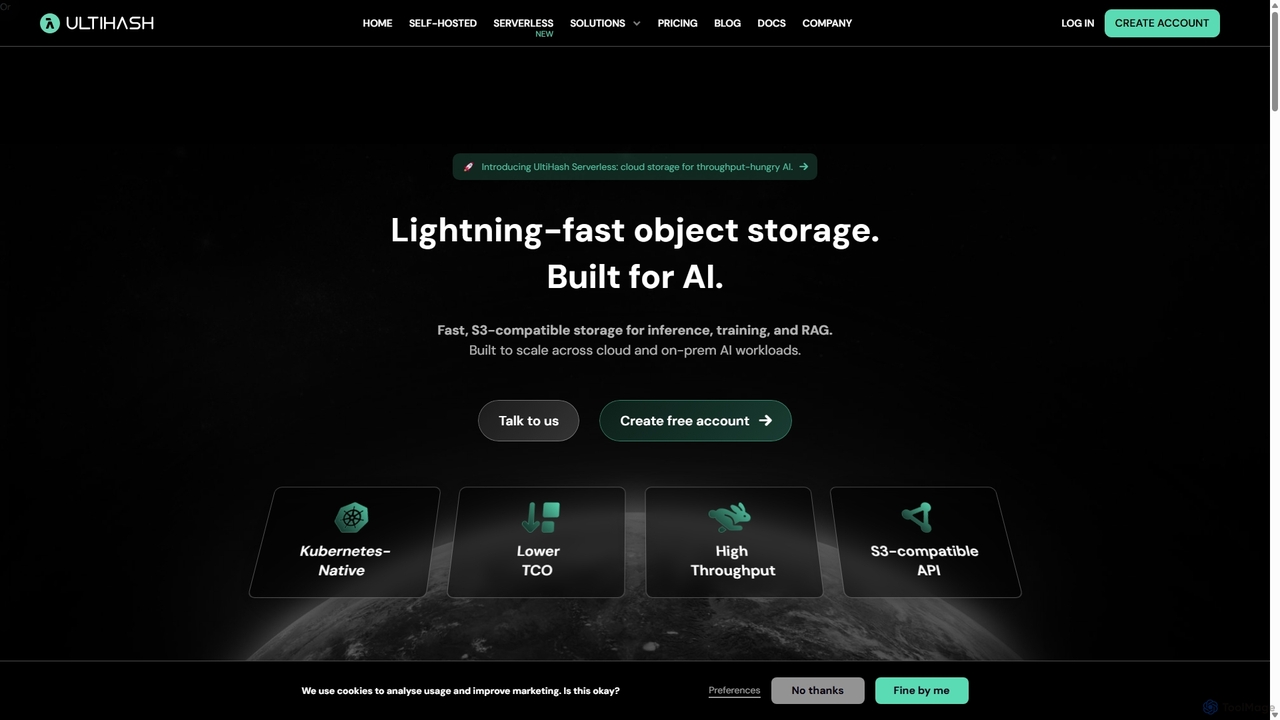
UltiHash is a high-performance, Kubernetes-native object storage platform specifically built for AI and big data workloads. It offers lightning-fast data access, significant cost savings through advanced byte-level deduplication, and flexible deployment across cloud, on-premises, or hybrid environments. Its S3-compatible API ensures seamless integration with existing data stacks and AI workflows.
Machine Learning Operations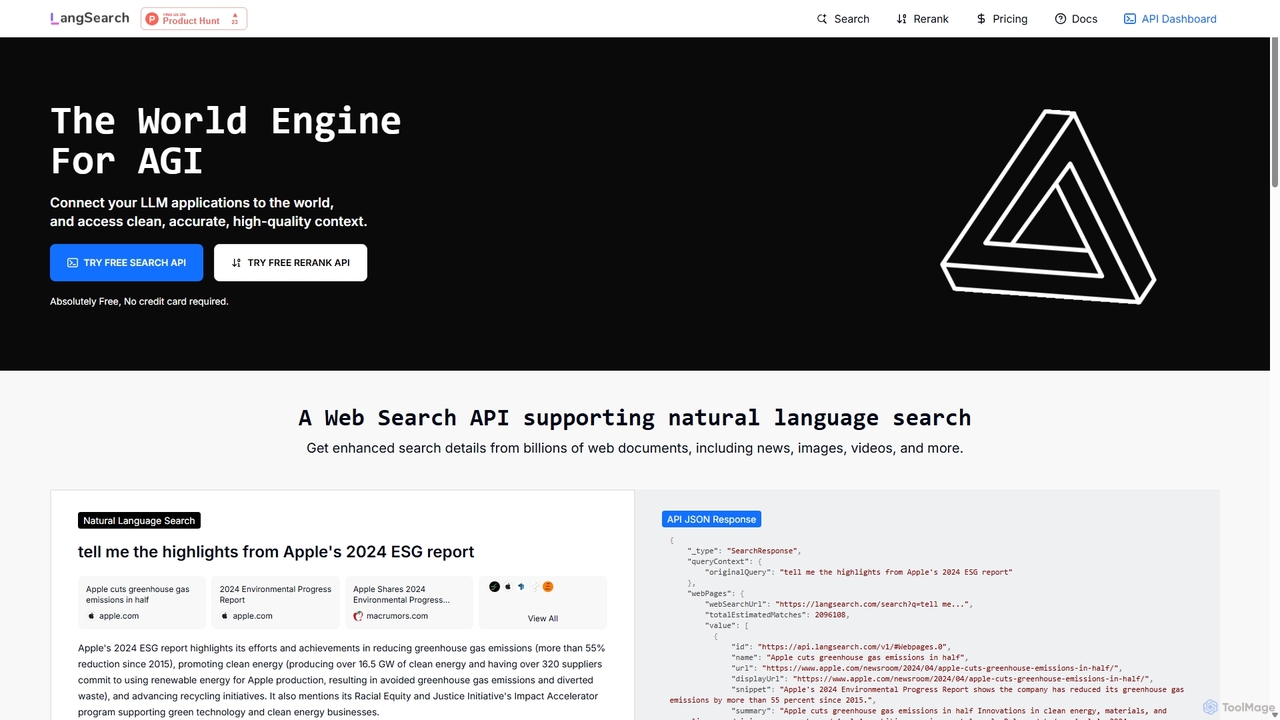
LangSearch provides free Web Search and Semantic Rerank APIs designed to connect LLM applications with clean, accurate, real-world context. It supports natural language queries, hybrid search, and offers a highly efficient reranker to improve result accuracy for AI agents, chatbots, and RAG systems.
Llm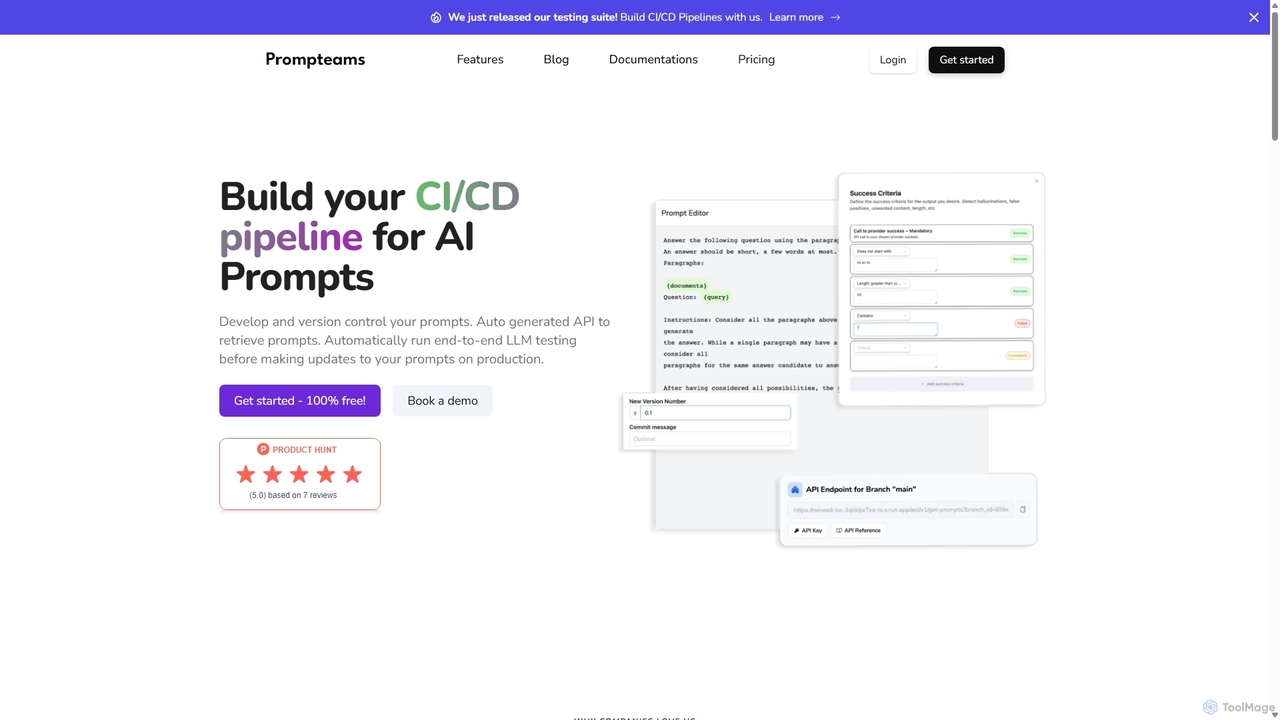
Prompteams is a comprehensive AI prompt management system designed for teams. It provides a Git-like workflow with versioning, branching, and commits to manage and iterate on LLM prompts. The platform features a robust testing suite for quality assurance, real-time APIs for instant deployment, and collaborative tools that bridge the gap between engineers and industry specialists. It's a one-stop solution for building a CI/CD pipeline for AI prompts, ensuring quality, consistency, and rapid development.
Model Management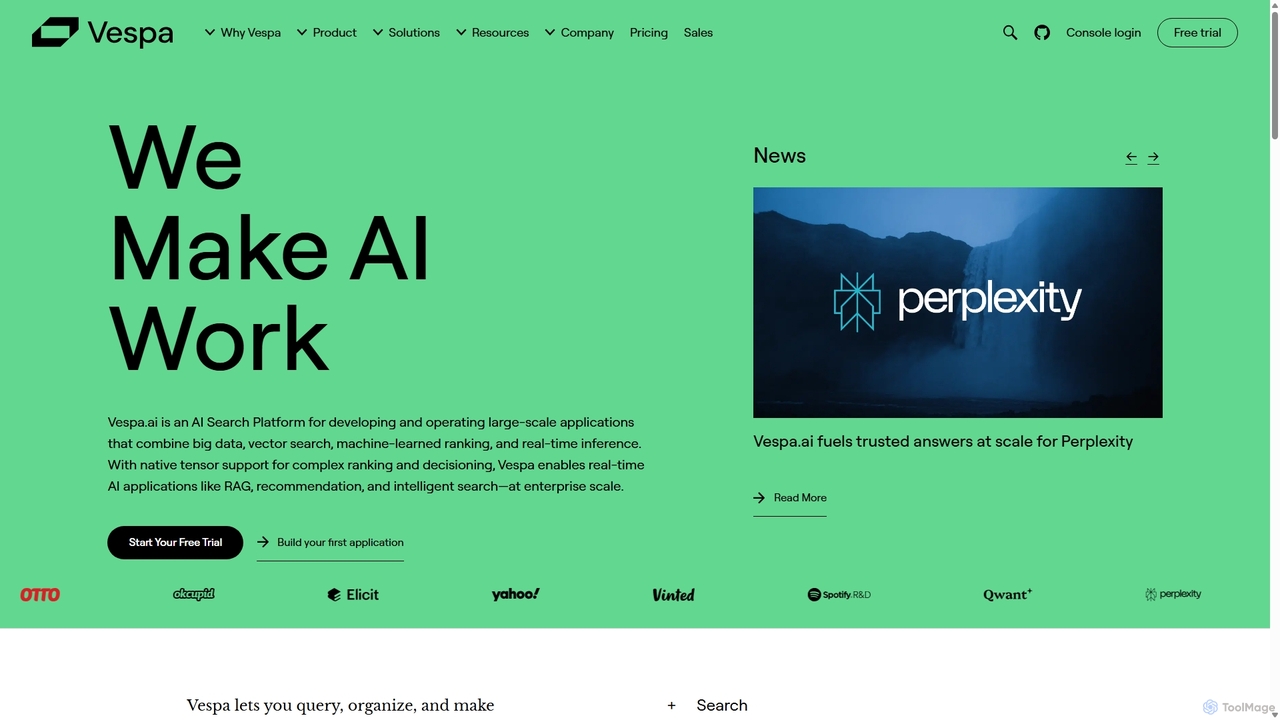
Vespa.ai is a high-performance AI search platform for building large-scale applications. It unifies vector search, text search, and machine-learned ranking to power advanced use cases like Retrieval-Augmented Generation (RAG), recommendation engines, and intelligent search. Designed for real-time inference and scalability, it's trusted by leading companies like Spotify and Perplexity to handle massive datasets with low latency.
SearchAI Infrastructure provides the foundational hardware, software, and platforms necessary to build, train, deploy, and manage artificial intelligence models at scale. It encompasses specialized computing resources like GPUs, scalable data storage, and MLOps frameworks that streamline the entire machine learning lifecycle. This infrastructure is crucial for handling the immense computational and data requirements of modern AI, enabling developers and organizations to move from experimental models to production-grade applications efficiently. It acts as the essential power grid and plumbing for any serious AI development effort.
AI Infrastructure is primarily used by Machine Learning Engineers, Data Scientists, and AI Researchers within technology companies, research institutions, and large enterprises. It is fundamental for projects like training large language models (LLMs), developing computer vision systems for autonomous vehicles, or deploying real-time fraud detection algorithms in the financial sector. Any organization building custom AI solutions, rather than just using off-the-shelf AI tools, relies on this infrastructure.
When selecting AI Infrastructure, consider four key factors. First, evaluate the available computing power, specifically the types of GPUs or TPUs offered and their performance. Second, assess the MLOps capabilities for automation and lifecycle management. Third, analyze the cost structure, comparing pay-as-you-go models with reserved instances for long-term projects. Finally, check for compatibility with your preferred machine learning frameworks like PyTorch or TensorFlow and integration with your existing cloud ecosystem.
An AI research lab needs to train a new foundation model from scratch. They utilize an AI infrastructure provider to provision a cluster of hundreds of high-performance GPUs. The platform allows them to manage a multi-terabyte text dataset, use distributed training frameworks to accelerate the process, and leverage an MLOps dashboard to track experiment metrics, manage checkpoints, and compare model performance. This setup reduces the training time from months to weeks and provides the necessary scalability to handle massive model parameters.
An e-commerce company wants to serve personalized product recommendations to millions of users. Their ML engineers use a model serving platform within their AI infrastructure to deploy a trained recommendation model as a scalable API. The platform handles auto-scaling to manage traffic spikes during sales events, provides low-latency inference to ensure a smooth user experience, and offers monitoring tools to detect model drift or performance degradation. This allows them to maintain a high-quality, responsive recommendation service without managing the underlying server complexity.
An autonomous vehicle company collects petabytes of sensor data daily. Data scientists use AI infrastructure to build an automated data pipeline. This involves using scalable object storage to house the raw data, distributed computing frameworks to preprocess and transform it, and integrated data labeling services to annotate images for training. The infrastructure's ability to process massive datasets in parallel is critical for iterating on perception models quickly and improving the vehicle's safety and reliability.
A financial services firm wants to use a generative AI model for internal knowledge management, but it needs to be trained on their proprietary data. They use a managed AI platform that provides a secure environment for fine-tuning. The infrastructure ensures data privacy and compliance. The MLOps tools allow them to version control the fine-tuned models, run evaluations to prevent harmful outputs, and deploy the specialized model as a secure internal API for employee use, all within a controlled and auditable environment.
A marketing technology company operates dozens of models for ad bidding and customer segmentation. Their DevOps team uses an MLOps platform to manage the entire lifecycle. The platform automates the retraining of models on new data, runs A/B tests to compare new versions against the current production model, and provides a central registry to track all deployed models. This systematic approach ensures models remain accurate and allows the team to manage a complex portfolio of AI services efficiently.
An AI startup develops a proprietary algorithm for audio transcription. To monetize it, they use AI infrastructure to package the model into a secure, reliable, and scalable API. The infrastructure provider handles user authentication, rate limiting, billing integration, and provides a developer portal with documentation. This allows the startup to focus on improving their core AI model while the infrastructure handles the complexities of delivering it as a commercial service to thousands of developers and businesses.
AI Infrastructure is the complete set of foundational technologies used to build, train, and run AI models. It's not the AI application itself, but the underlying 'factory' that makes it possible. This includes specialized hardware like GPUs and TPUs for computation, scalable storage for massive datasets, high-speed networking, and software platforms like MLOps for managing the entire AI lifecycle from development to production.
Choosing the right provider depends on your specific needs. Consider these factors:
The difference is like that between a car factory and a car. AI Infrastructure is the 'factory'—it's the entire collection of hardware (GPUs), software (MLOps), and services needed to build, train, and operate AI. A pre-trained AI model (like GPT-4) is the 'car'—a finished product created using that infrastructure. You use infrastructure to create new models, fine-tune existing ones, or run them for your applications. You use a pre-trained model to perform a specific task, like generating text or analyzing images.
AI Infrastructure is typically composed of several key layers:
AI Infrastructure is essential for professionals who are actively building, training, or managing AI models, rather than just using AI-powered applications. Key users include:
It is generally not intended for business end-users, marketers, or content creators who consume AI services through a finished application.