
MongoDB Overview
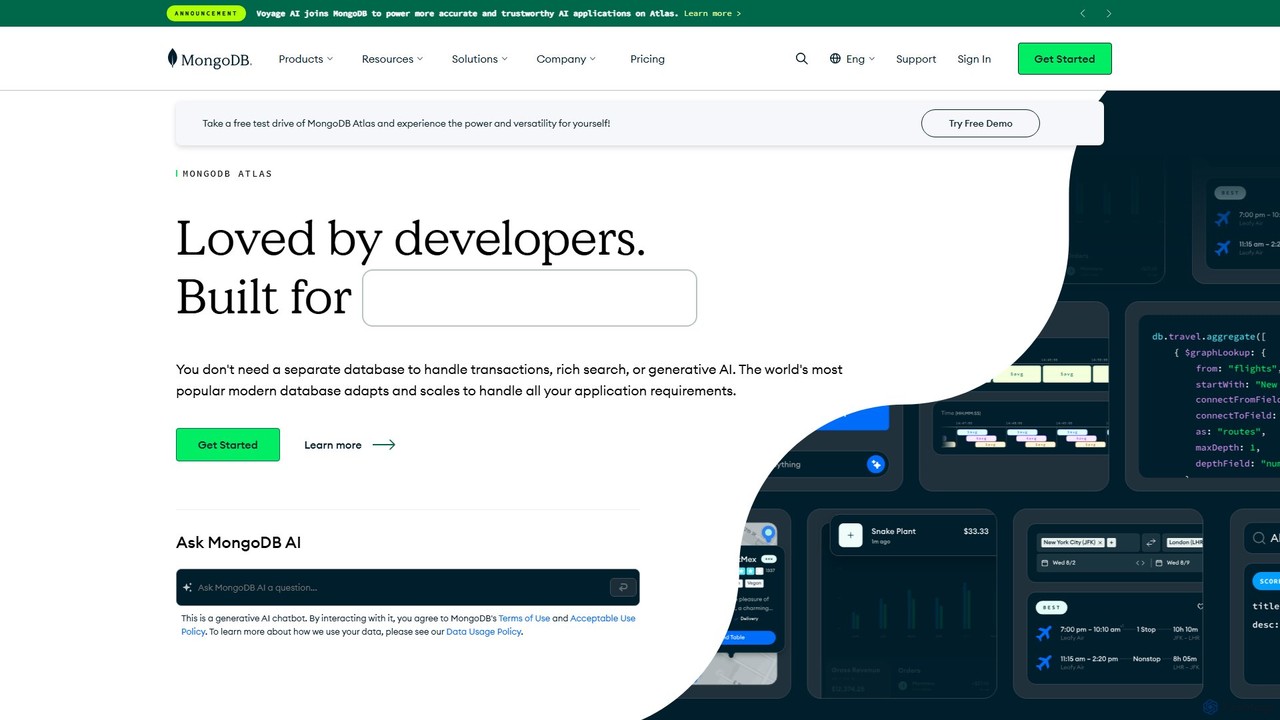
MongoDB is a source-available, cross-platform, document-oriented database program. Classified as a NoSQL database program, MongoDB uses JSON-like documents with optional schemas. It has evolved into a comprehensive developer data platform, especially with its flagship cloud product, MongoDB Atlas. Atlas is designed to simplify database management and accelerate development for modern applications, including those powered by generative AI.
The platform's core is the document model, which maps directly to objects in application code, making it intuitive for developers to work with. This flexible data model allows for easy evolution of data structures as application requirements change, breaking free from the rigidity of traditional tabular databases. MongoDB is built for scalability and performance, supporting horizontal scaling through sharding and ensuring high availability with replica sets.
How to use MongoDB
Getting started with MongoDB is a streamlined process, primarily through its cloud service, Atlas:
- Create an Atlas Account: Sign up for a free account on the MongoDB website.
- Deploy a Cluster: Choose your cloud provider (AWS, Google Cloud, or Azure) and region. You can start with a perpetual free tier (M0 cluster), a serverless instance for pay-as-you-go flexibility, or a dedicated cluster for production workloads. Deployment can be done via the Atlas UI, CLI, Kubernetes Operator, or Infrastructure as Code (IaC) tools like Terraform.
- Connect to Your Application: Obtain a connection string from the Atlas UI and use it with one of the many official MongoDB drivers for languages like Python, JavaScript (Node.js), Java, C#, Go, and more. You can also connect using tools like MongoDB Shell or the Compass GUI.
- Model and Insert Data: Begin inserting your data as BSON (binary JSON) documents. The schema is flexible, so you don't need to pre-define every field.
- Query and Analyze: Use the powerful MongoDB Query Language (MQL) to perform CRUD (Create, Read, Update, Delete) operations, run complex aggregations, and analyze your data.
- Leverage Integrated Services: Enhance your application by enabling built-in services like Atlas Search for rich text search, Atlas Vector Search for AI-powered semantic search, and Atlas Charts for real-time data visualization.
Core Features of MongoDB
- Document Data Model: Flexible, JSON-like documents that map naturally to objects in code, allowing for rich data structures and easy schema evolution.
- MongoDB Atlas: A fully managed, multi-cloud developer data platform that automates deployment, scaling, backups, and security.
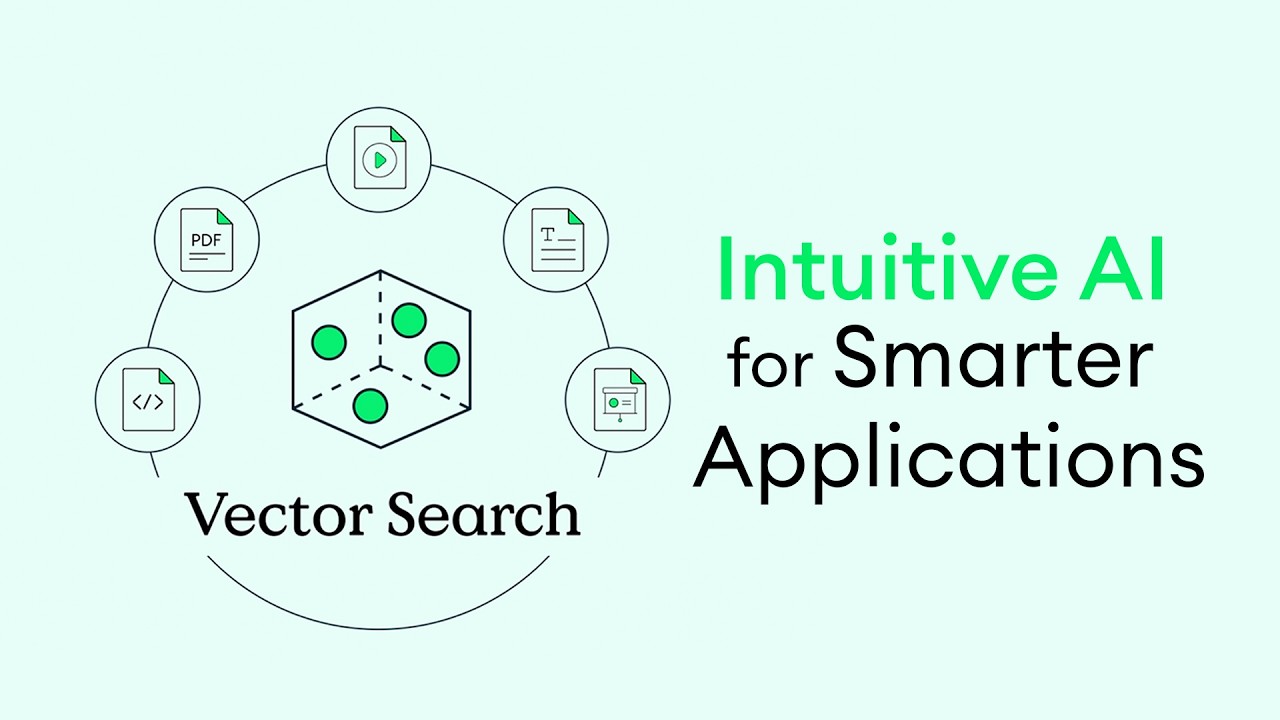
- Atlas Vector Search: Build high-performance, scalable generative AI applications by storing and querying vector embeddings alongside your operational data. This is crucial for RAG (Retrieval-Augmented Generation) and semantic search.
- Atlas Search: A fully integrated full-text search engine, eliminating the need for separate search infrastructure like Elasticsearch.
- Unified Query API: A single, elegant interface to work with any data type, including documents, time-series, geospatial, and vector data.
- High Scalability and Availability: Native support for horizontal scaling (sharding) and high availability through automated failover and replica sets.
- Stream Processing: Process and analyze high-velocity data streams in real-time directly within the platform.
- Developer-Centric Tools: A rich ecosystem including the Atlas CLI, Compass (GUI), and extensive drivers and libraries for all major programming languages.
Use Cases for MongoDB
MongoDB's versatility makes it suitable for a wide range of applications:
- Generative AI Applications: Serving as the backend for RAG systems, AI chatbots, recommendation engines, and semantic search tools by leveraging Atlas Vector Search.
- Single View of the Customer: Aggregating data from multiple sources into a single, comprehensive customer profile for personalization and analytics.
- E-commerce and Retail: Powering product catalogs, shopping carts, inventory management, and user profiles with high performance and flexibility.
- Internet of Things (IoT): Ingesting and processing large volumes of time-series data from sensors and connected devices.
- Content Management Systems: Storing and managing diverse content types, from articles and videos to user comments and metadata.
- Mobile and Gaming Applications: Providing a scalable and responsive backend for user data, leaderboards, and in-game events.
Advantages of MongoDB
The key advantages of using MongoDB include:
- Faster Development: The intuitive document model and rich set of tools allow developers to build and iterate on applications more quickly.
- Reduced Complexity: The unified platform integrates database, search, vector search, and analytics, reducing the need to manage multiple disparate systems.
- Extreme Scalability: Seamlessly scale from a small project on a free tier to a massive global application handling millions of users.
- Flexibility and Agility: Adapt to changing business requirements without costly and time-consuming schema migrations.
- Multi-Cloud Freedom: Deploy applications on your preferred cloud provider (AWS, GCP, Azure) without vendor lock-in.
- Future-Proof for AI: With native Vector Search, MongoDB is purpose-built to be the data foundation for the next generation of AI-powered applications.
Pricing and Plans
MongoDB Atlas offers a freemium pricing model with several tiers to suit different needs:
- Shared (Free Tier): A perpetual free M0 cluster, ideal for learning, prototyping, and small-scale applications.
- Serverless: A pay-as-you-go model where you are billed based on the read/write operations and storage you consume. Perfect for applications with variable or unpredictable traffic.
- Dedicated: Provides dedicated clusters with guaranteed resources for production applications that require high performance and availability. Pricing is based on instance size, storage, cloud provider, and region.
A detailed pricing calculator is available on the MongoDB Atlas website to estimate costs for dedicated clusters.
Traffic
Latest traffic
Status
Monthly traffic trend
- 2025-9: 5.6M
- 2026-1: 5.8M
- 2026-2: 5.5M
- 2026-3: 6.1M
- 2026-4: 6.2M
- 2026-5: 5.8M
Geography
Top 5 countries / regions
- 🇮🇳India58.4%
- 🇺🇸United States26.8%
- 🇬🇧United Kingdom5.8%
- 🇵🇰Pakistan4.7%
- 🇨🇴Colombia4.3%
Traffic sources
| Source type | Percentage |
|---|---|
Direct | 86.3% |
Referral | 10.1% |
Email | 3.6% |
Top keywords
| Keyword | Cost per click |
|---|---|
| atlas | $1.13 |
| mongo db | $1.08 |
| mongodb | $1.06 |
| mongodb atlas | $2.67 |
| mongodb compass | $1.81 |
MongoDB Videos on YouTube







MongoDB
MongoDB Alternatives
SurrealDB
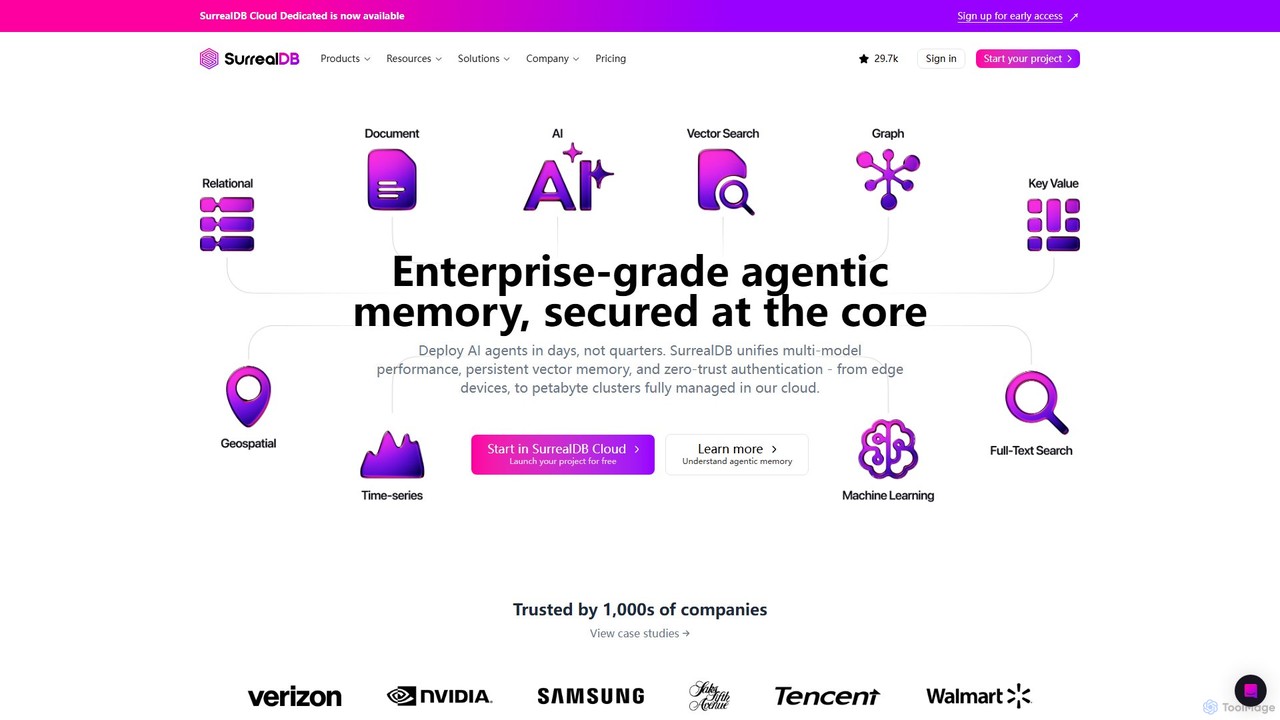
SurrealDB is a next-generation, multi-model cloud database designed for modern applications. It simplifies backend development by unifying document, relational, graph, and time-series models with built-in full-text search, vector search, and in-database machine learning. Built for scalability and real-time data, it empowers developers to build complex, AI-powered applications with unprecedented ease and speed.
Vector Database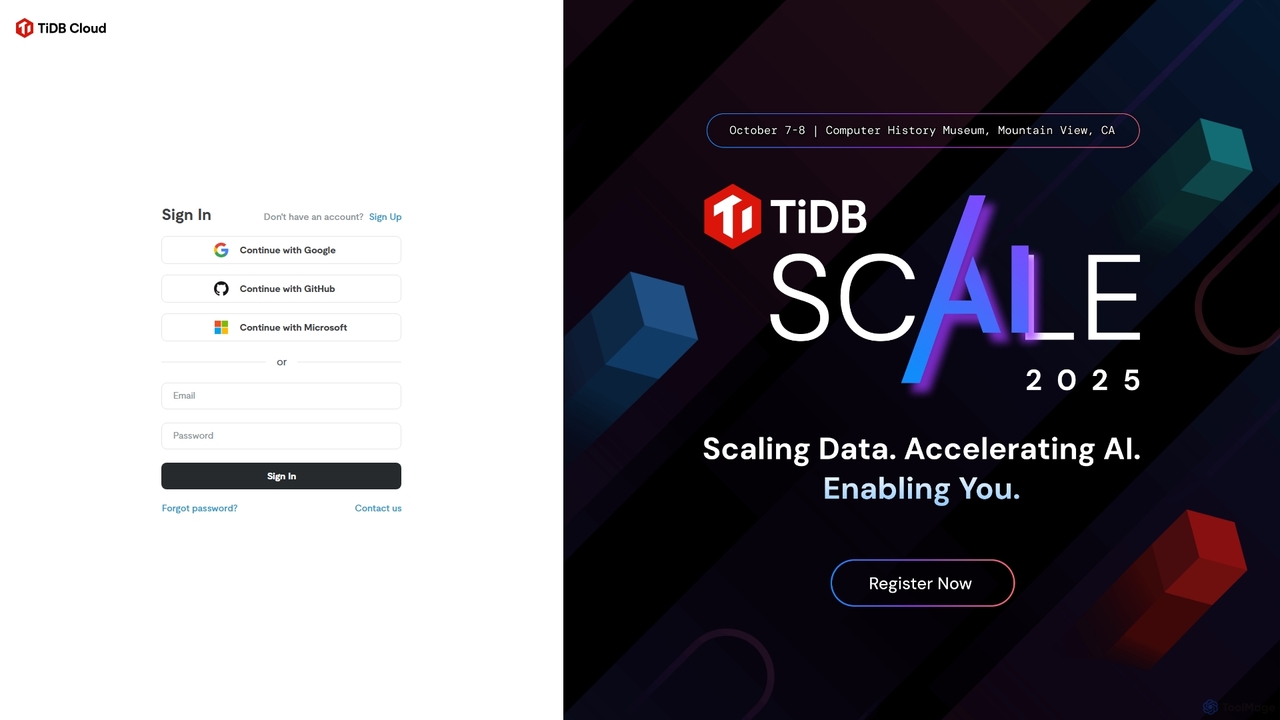
TiDB Cloud
TiDB Cloud is a fully managed, distributed SQL database-as-a-service (DBaaS). It offers horizontal scalability, MySQL compatibility, and Hybrid Transactional/Analytical Processing (HTAP) capabilities. Ideal for building modern, data-intensive applications and AI-powered services, it simplifies database operations and provides a powerful backend for applications that require both real-time transactions and complex analytics, including vector search for AI.
Vector Database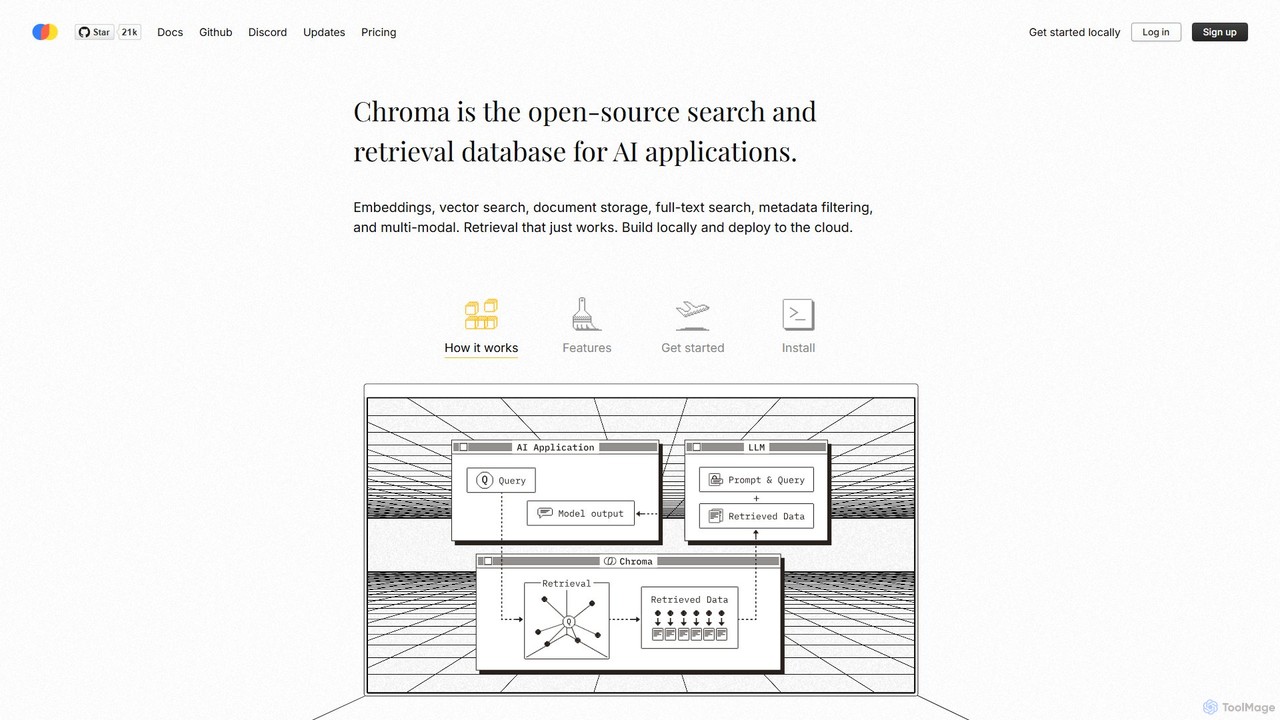
Chroma
Chroma is the open-source, AI-native retrieval database designed for building powerful AI applications with Retrieval-Augmented Generation (RAG). It simplifies storing and searching embeddings, documents, and metadata, offering vector search, full-text search, and a scalable, serverless cloud platform. It's built to be easy to use, cost-effective, and powerful, from local development to large-scale production.
Vector Database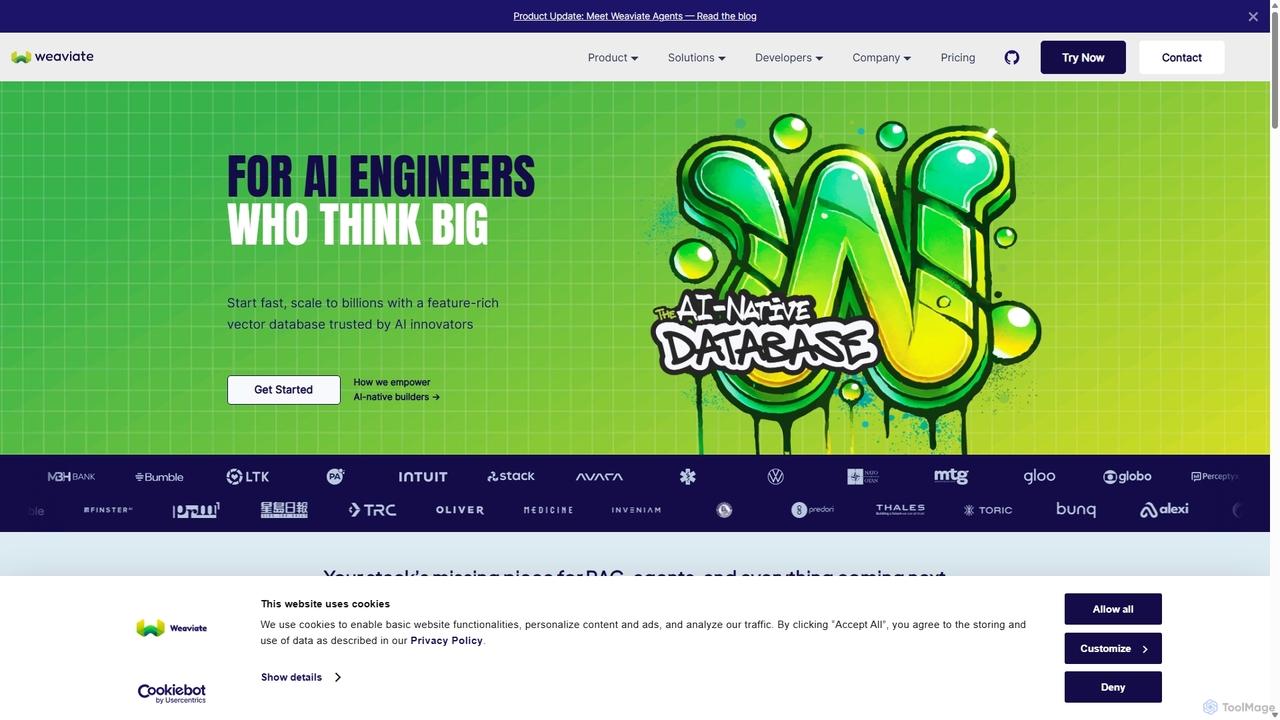
Weaviate
Weaviate is an open-source, AI-native vector database designed for developers. It enables scalable, low-latency vector, keyword, and hybrid search. Ideal for building AI applications like semantic search, recommendation engines, and Retrieval-Augmented Generation (RAG) systems, it integrates seamlessly with popular machine learning models to store and query data based on semantic meaning.
Vector Database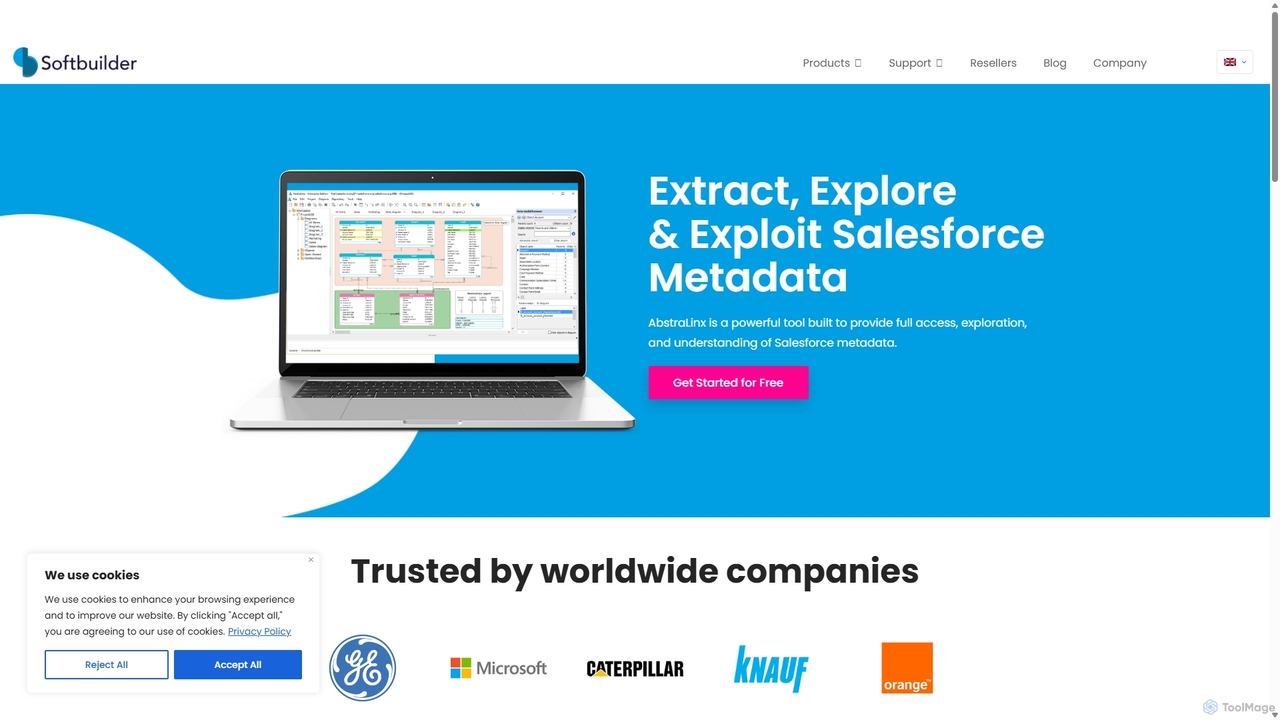
ERBuilder Data Modeler
ERBuilder Data Modeler is an AI-powered database design and data modeling tool for data architects and developers. It facilitates the visual creation of Entity-Relationship Diagrams (ERDs), supports forward and reverse engineering for numerous databases, and leverages generative AI to create and update models from natural language. It also offers advanced documentation, version control, and test data generation features.
Code GenerationMongoDB Categories
MongoDB Embed Widget
Copy this embed code to place the badge on your blog, article, or product site and send readers directly to this ToolMage detail page.

Related AI tools
SurrealDB
SurrealDB is a next-generation, multi-model cloud database designed for modern applications. It simplifies backend development by unifying document, relational, graph, and time-series models with built-in full-text search, vector search, and in-database machine learning. Built for scalability and real-time data, it empowers developers to build complex, AI-powered applications with unprecedented ease and speed.
Vector DatabaseTiDB Cloud
TiDB Cloud is a fully managed, distributed SQL database-as-a-service (DBaaS). It offers horizontal scalability, MySQL compatibility, and Hybrid Transactional/Analytical Processing (HTAP) capabilities. Ideal for building modern, data-intensive applications and AI-powered services, it simplifies database operations and provides a powerful backend for applications that require both real-time transactions and complex analytics, including vector search for AI.
Vector Database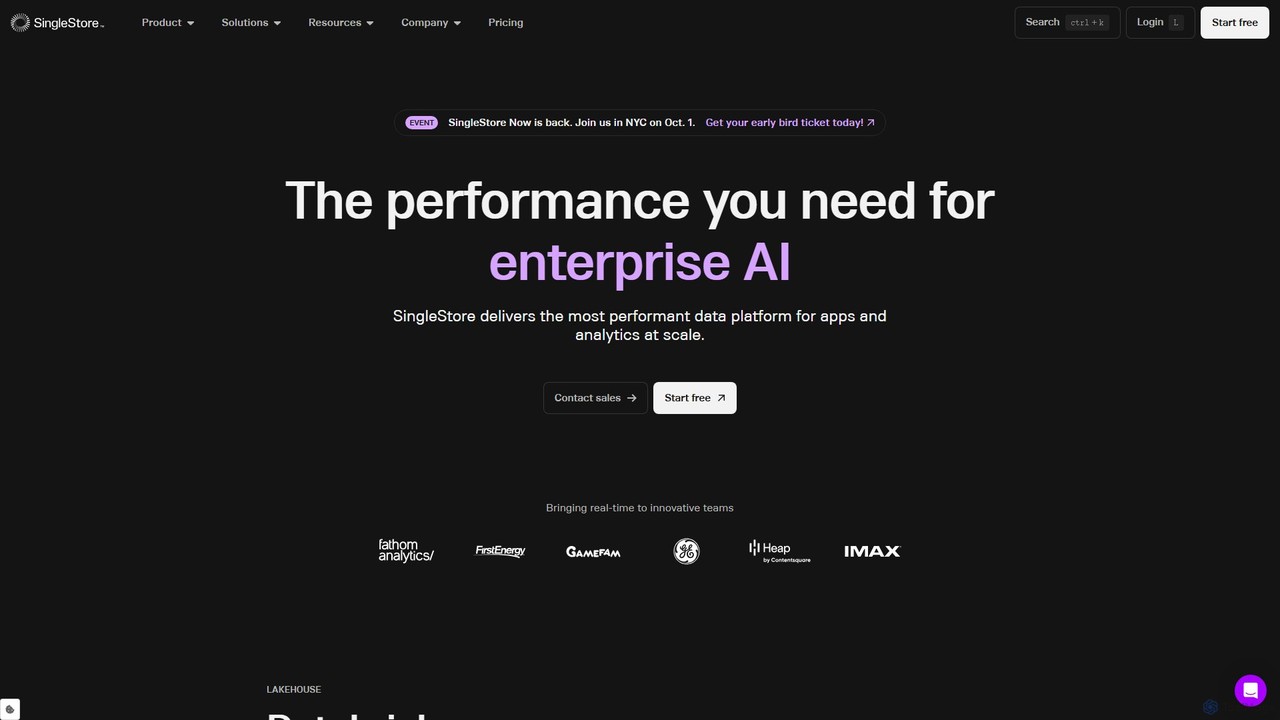
SingleStore
SingleStore is a high-performance, real-time data platform designed for enterprise AI and data-intensive applications. It unifies transactional (OLTP) and analytical (OLAP) workloads, including vector search, in a single, distributed SQL database, delivering millisecond latency at scale.
Vector Database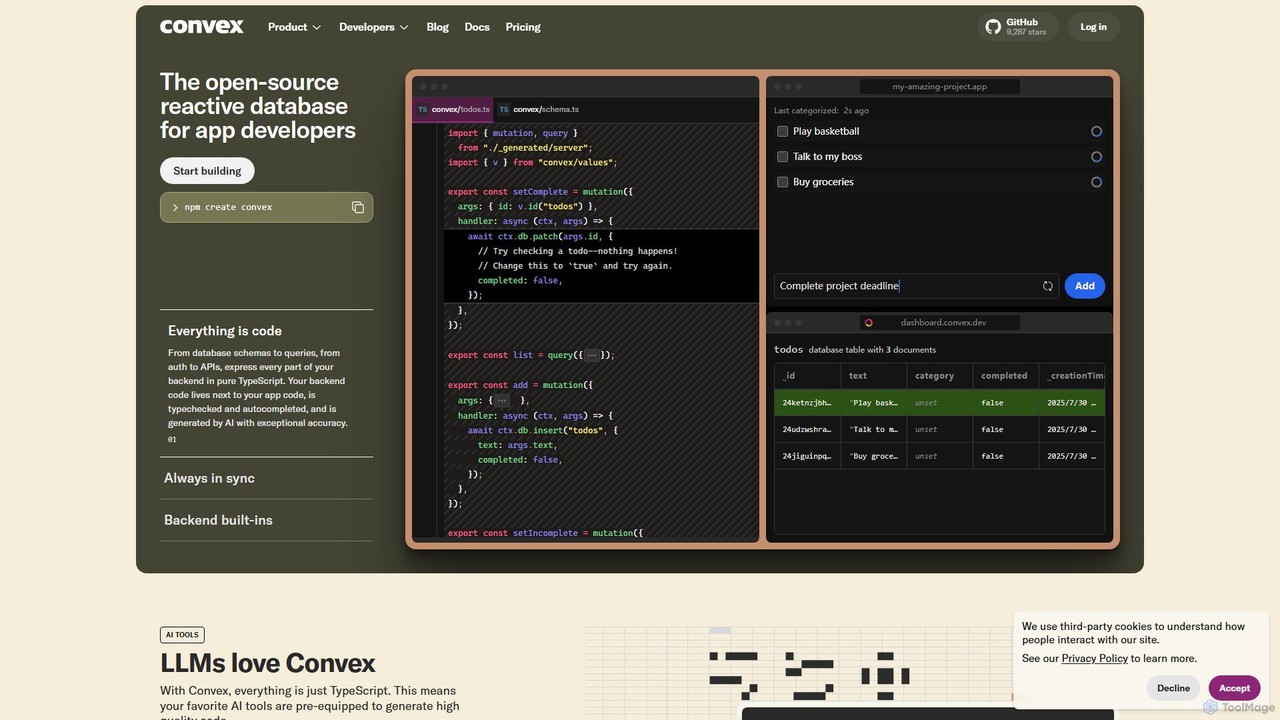
Convex
Convex is a backend-as-a-service platform for web developers, offering a reactive TypeScript database that simplifies building full-stack, real-time applications. It provides serverless functions, file storage, and vector search with end-to-end type safety, making it a powerful, developer-friendly alternative to Firebase.
Backend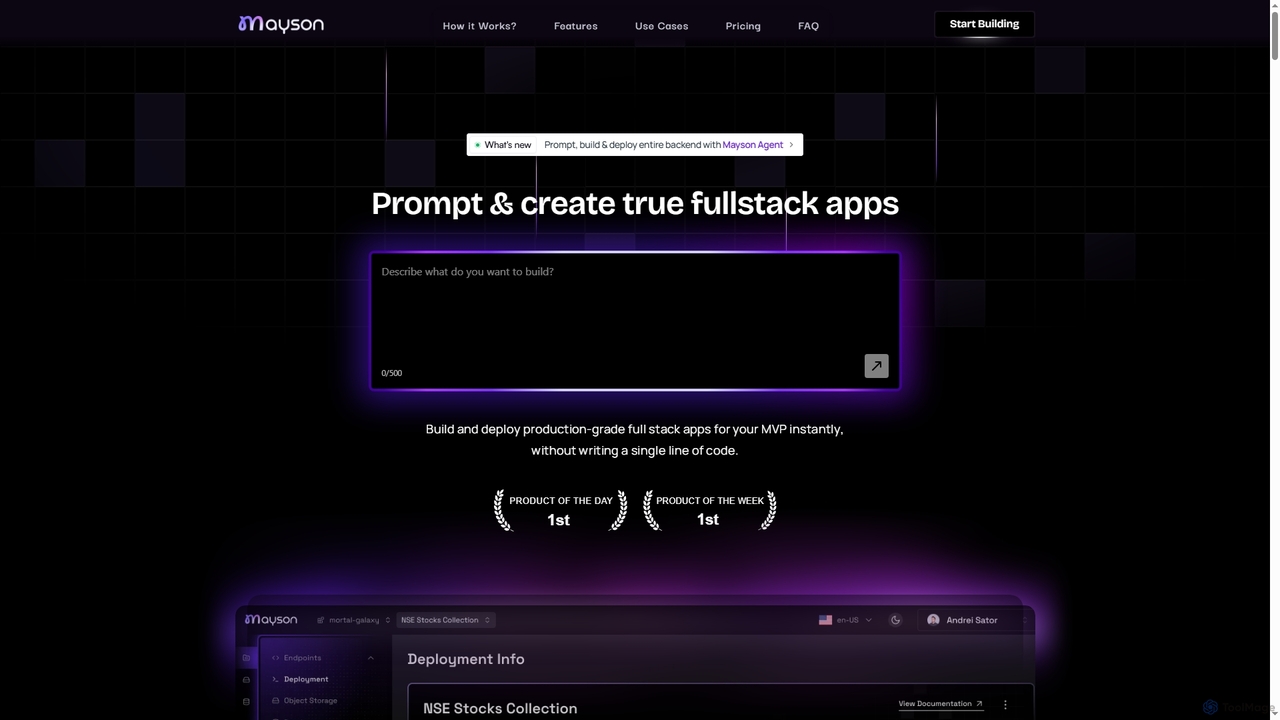
Mayson
Mayson is a no-code Backend-as-a-Service (BaaS) platform that empowers developers and teams to build, deploy, and scale production-grade full-stack applications instantly. It eliminates the need for manual API development, offering a streamlined process to create robust backends with enterprise-grade security and no vendor lock-in.
Baas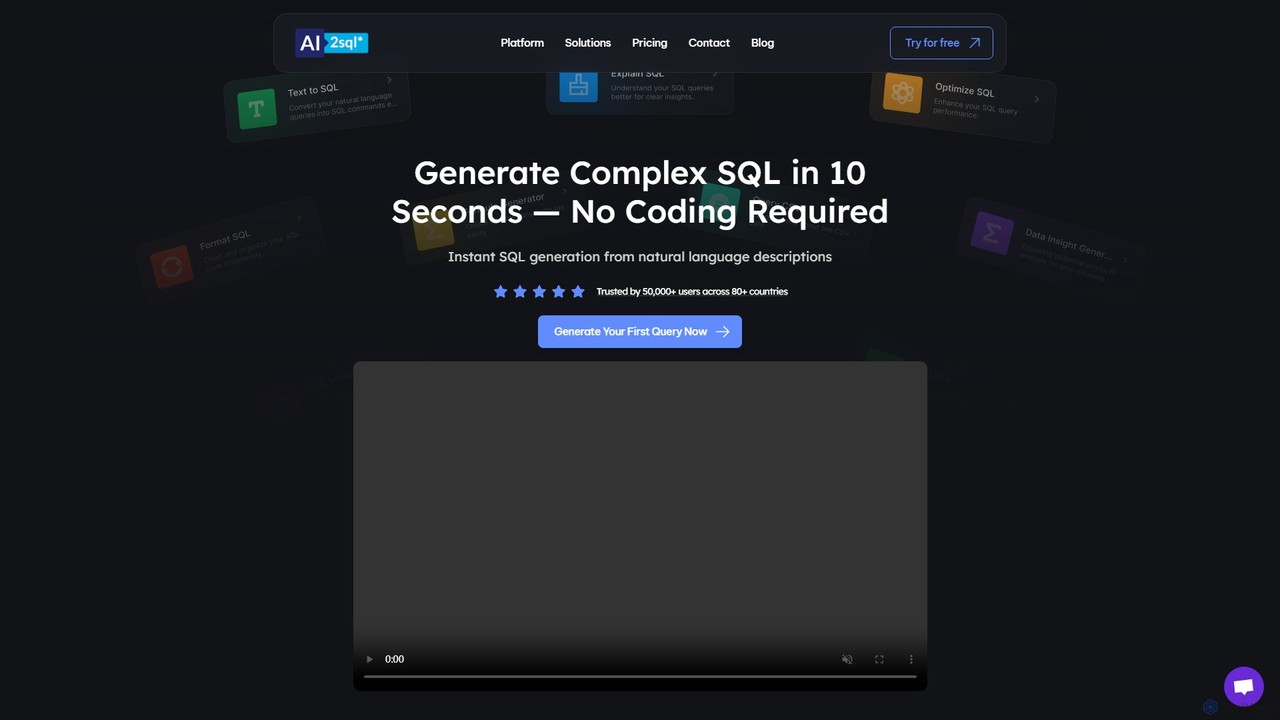
ai2sql
ai2sql is an AI-powered assistant that generates, explains, and optimizes complex SQL and NoSQL queries from natural language. It supports a wide range of databases like MySQL, PostgreSQL, and MongoDB, helping developers, data analysts, and beginners to work with data more efficiently and without extensive coding knowledge.
Analytics
SQLAI.ai
SQLAI.ai is an advanced AI-powered assistant that generates, optimizes, explains, and debugs SQL & NoSQL queries from natural language. Ideal for developers, analysts, and beginners, it supports over 30 databases, handles large schemas, and turns plain English into accurate code in seconds, boosting productivity and simplifying database management.
Database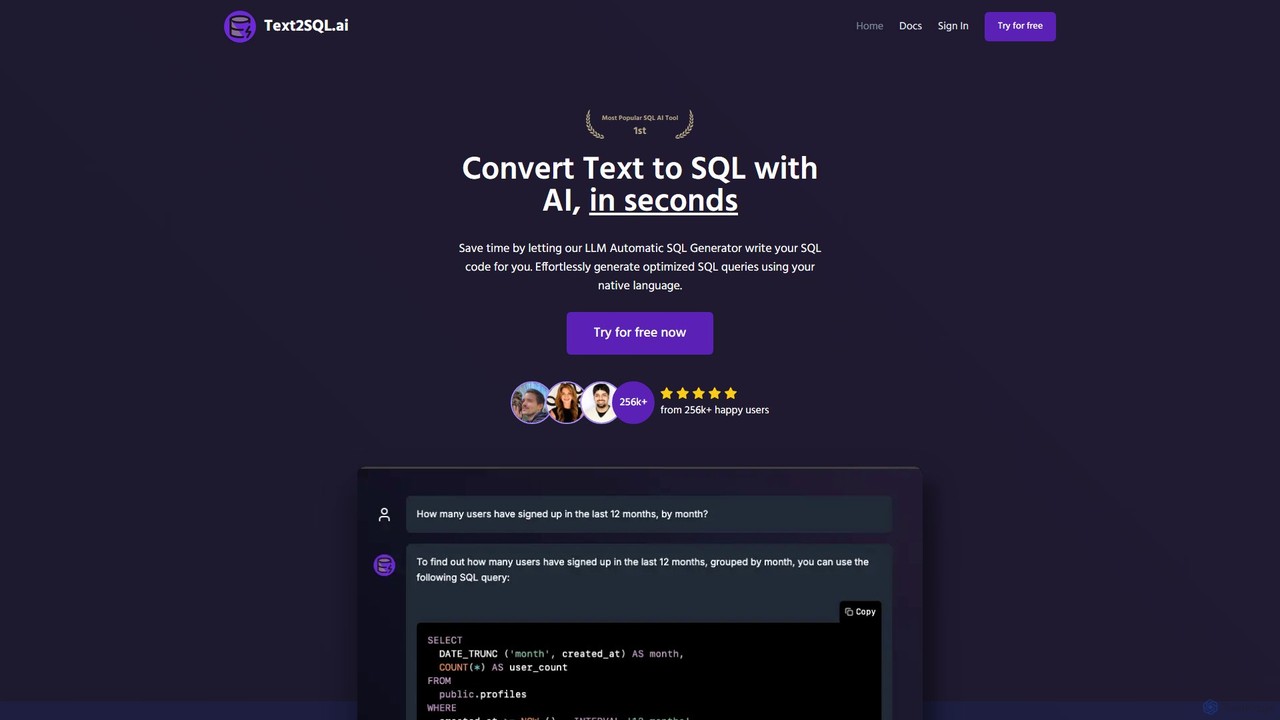
Text2SQL.ai
Text2SQL.ai is an AI-powered tool that instantly converts natural language text into complex SQL queries and Regex patterns. It supports over 12 SQL and NoSQL databases, allows schema integration for higher accuracy, and functions as a comprehensive AI assistant for explaining, fixing, and optimizing code. Designed for developers, data analysts, and beginners, it saves time, reduces errors, and makes database interaction more accessible. It also offers a public API for custom integrations.
Querying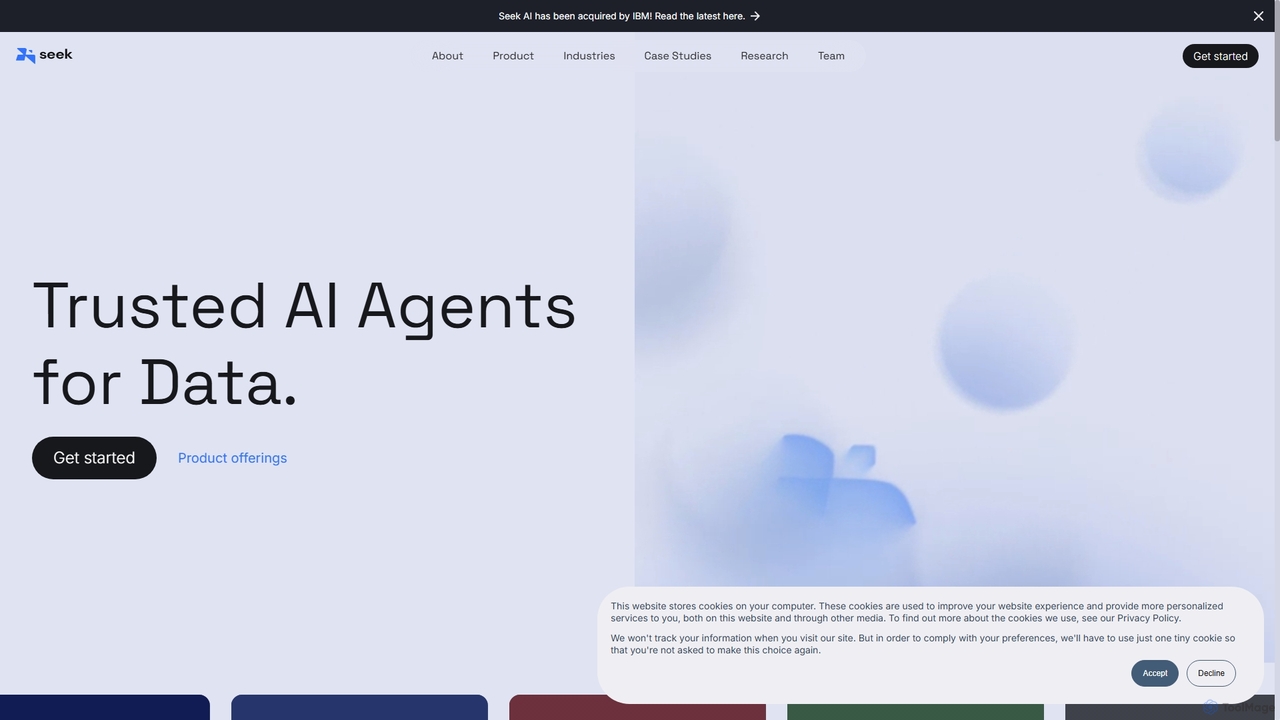
Seek AI
Seek AI is a generative AI platform for data analytics that empowers users to query databases, generate reports, and create visualizations using natural language. It automates the text-to-SQL process, making data accessible to non-technical users and accelerating insights for data teams.
Business Intelligence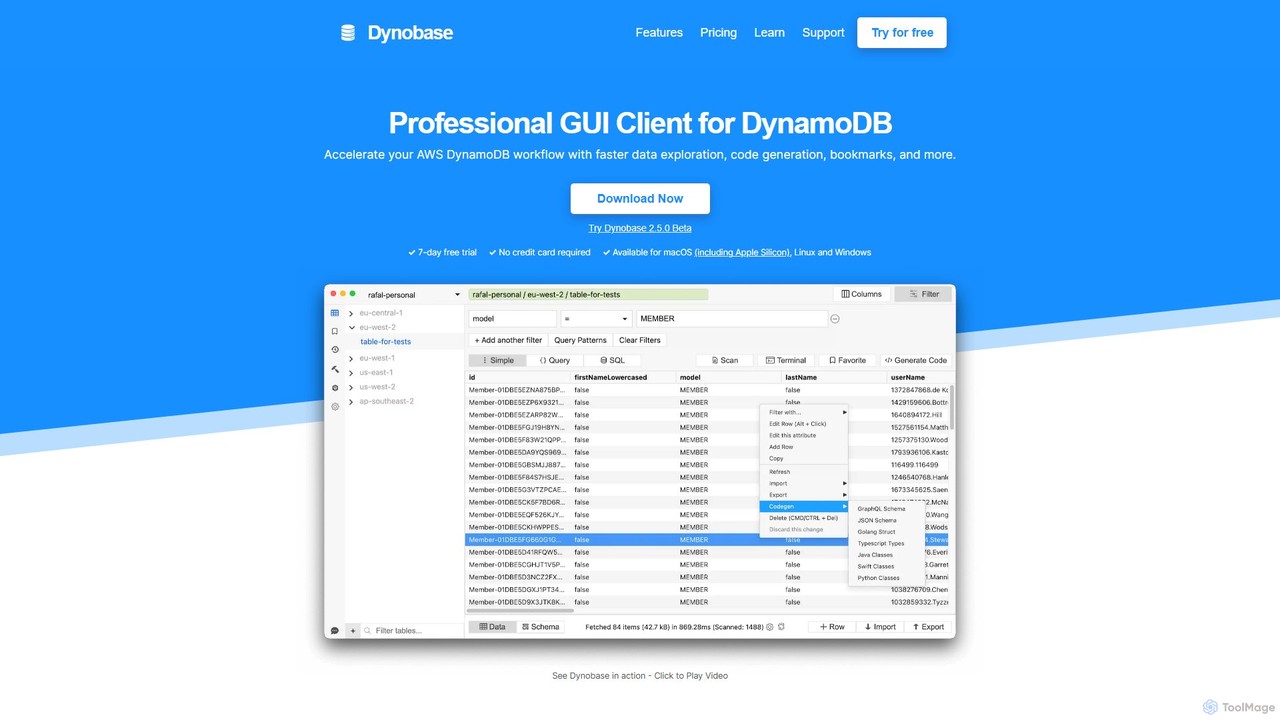
Dynobase
Dynobase is a professional GUI client for AWS DynamoDB, designed to accelerate development workflows. It features an intuitive interface for data exploration, a powerful query builder with SQL support, and an AI-powered code generator for multiple languages. With features like offline support, advanced filtering, and secure AWS integration, Dynobase simplifies DynamoDB management for developers on macOS, Windows, and Linux.
Code Generation
Jyek
Jyek is an AI agent platform that understands objectives, creates execution plans, uses tools, and delivers verifiable results for complex, multi-step tasks.
Automation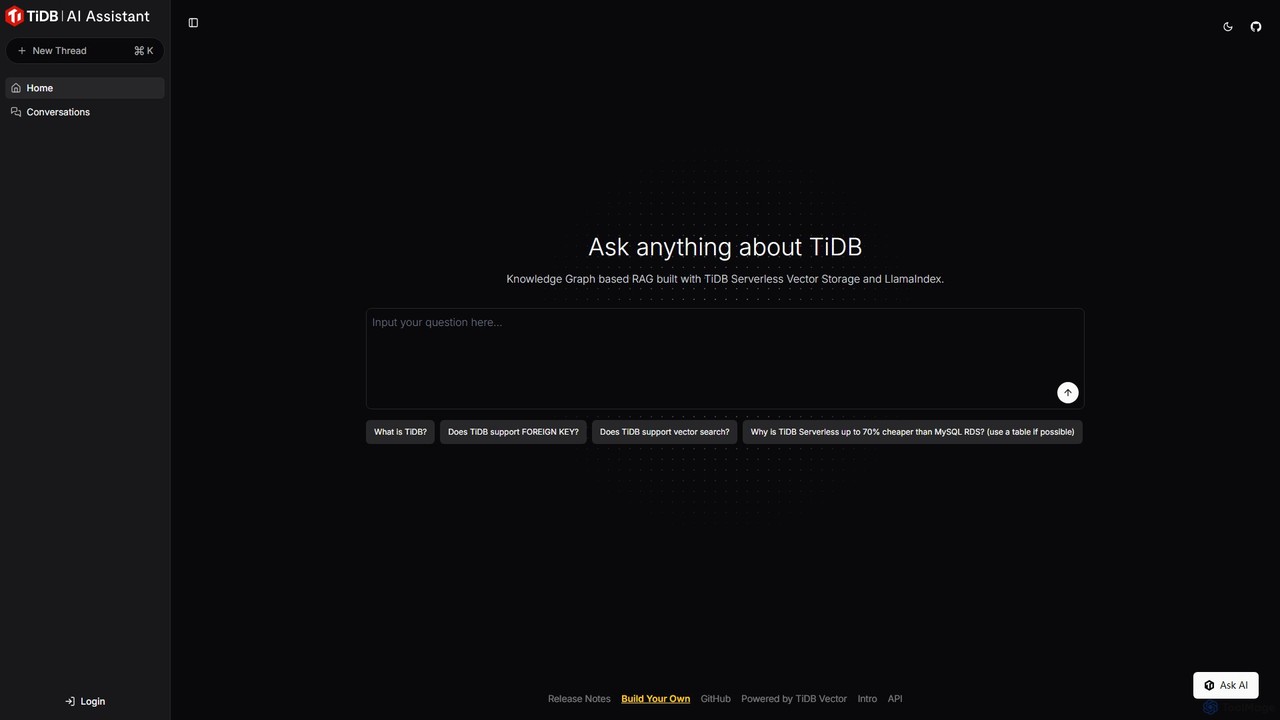
TiDB AI Assistant
An intelligent AI assistant for the TiDB database. Powered by a Knowledge Graph-based RAG system using TiDB Serverless Vector Storage, it provides fast, accurate answers to all your TiDB-related questions, from technical specifications to best practices.
Database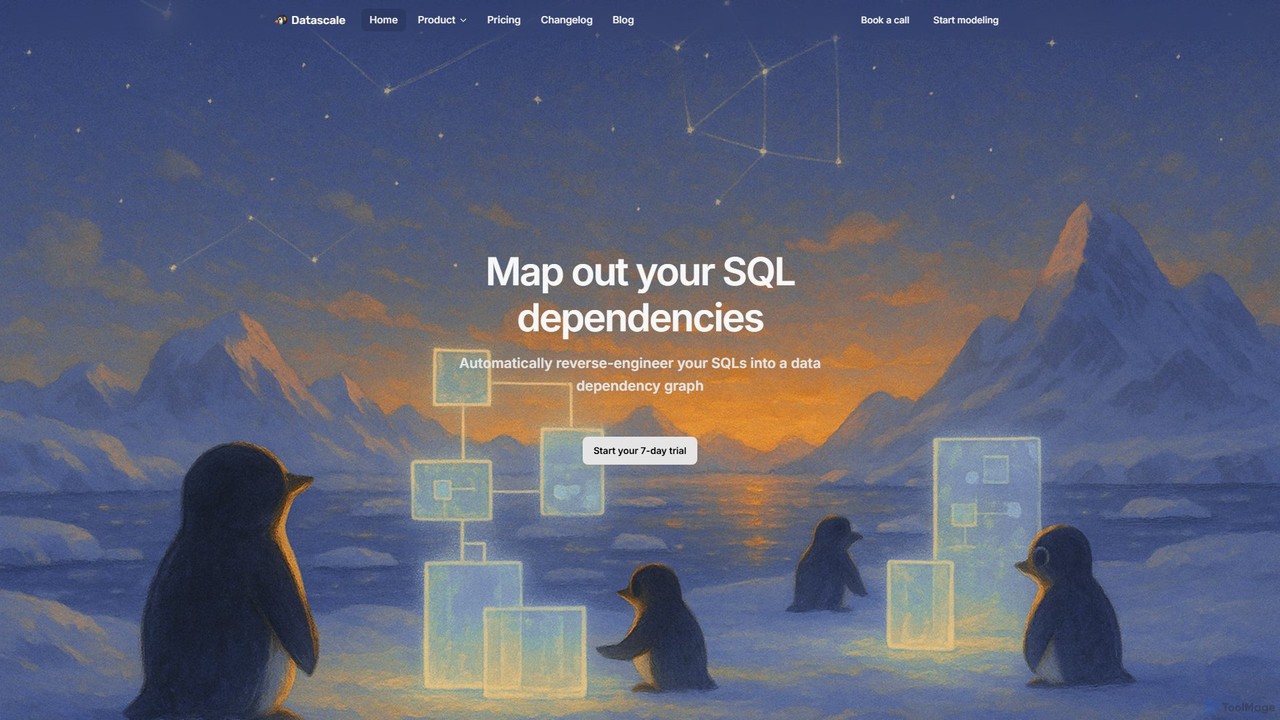
Datascale
Datascale is a cloud-based data modeling and lineage platform designed for modern data teams. It uses AI to automatically visualize SQL dependencies, creating interactive data lineage graphs and ER diagrams. The platform helps users understand data flow, document models visually, and manage a centralized data catalog. With GenAI-powered search and seamless API integration, Datascale simplifies data discovery, impact analysis, and collaboration, ensuring your data knowledge is always clear, connected, and up-to-date.
Analytics
MindsDB
MindsDB is an open-source AI layer for databases, enabling developers to build, train, and deploy AI models and agents using standard SQL. It connects to hundreds of data sources, unifies structured and unstructured data into knowledge bases, and allows you to get AI-powered answers directly from your data without complex ETL pipelines.
Machine Learning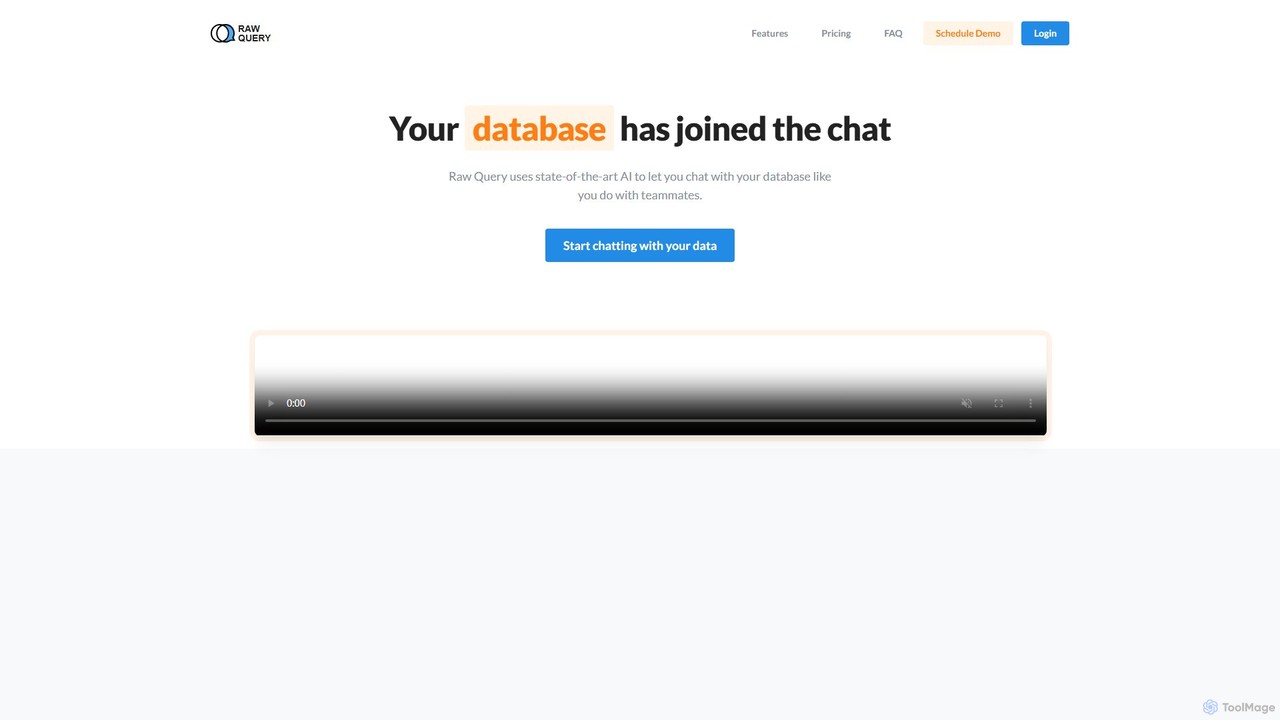
Raw Query
Raw Query is an AI-powered data assistant that allows you to interact with your database using natural language. Query, add, and update data through a simple chat interface, eliminating the need for complex SQL or custom internal tools. Ideal for developers and business teams to get instant data insights.
Business Intelligence
MongoDB Comments (0)
Sign in to comment.
Sign inNo comments yet.