Ai Infrastructure Best in category 6 results Machine Learning AI Tool

Popular AI tools in the Machine Learning field of Ai Infrastructure include Milvus、Rerun、Beam、ragie、MindsDB、Trainloop AI, etc., helping you quickly improve efficiency.

MindsDB

MindsDB

MindsDB is an open-source AI layer for databases, enabling developers to build, train, and deploy AI models and …

7.3K
Milvus

Milvus

Milvus is a high-performance, open-source vector database built for AI applications. It enables developers to manage and search …

585.7K
ragie

ragie

Ragie is a fully managed RAG-as-a-Service platform designed for developers. It simplifies the process of building and deploying …

19.6K
Rerun

Rerun

Rerun is an open-source data stack for Physical AI, providing powerful logging and visualization tools for multimodal, time-series …

59.4K
Trainloop AI

Trainloop AI

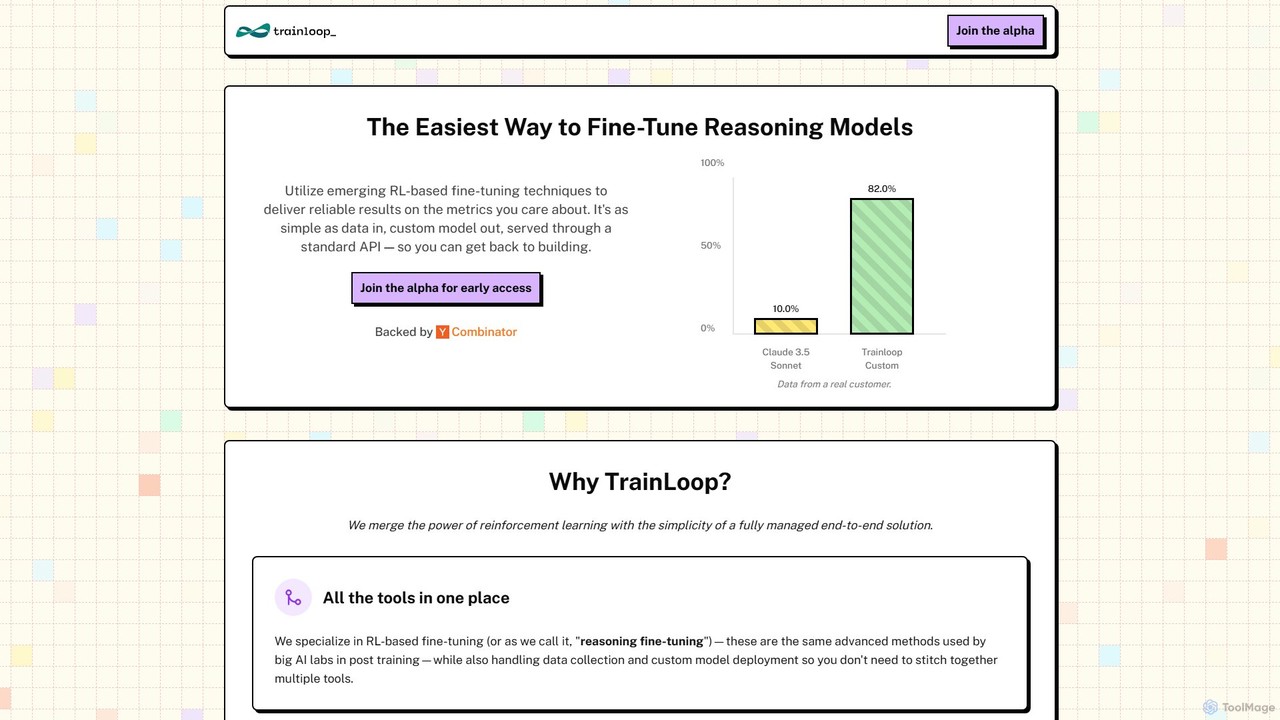
Trainloop AI is an end-to-end platform that simplifies the fine-tuning of AI reasoning models using advanced Reinforcement Learning …

3.1K
Beam

Beam

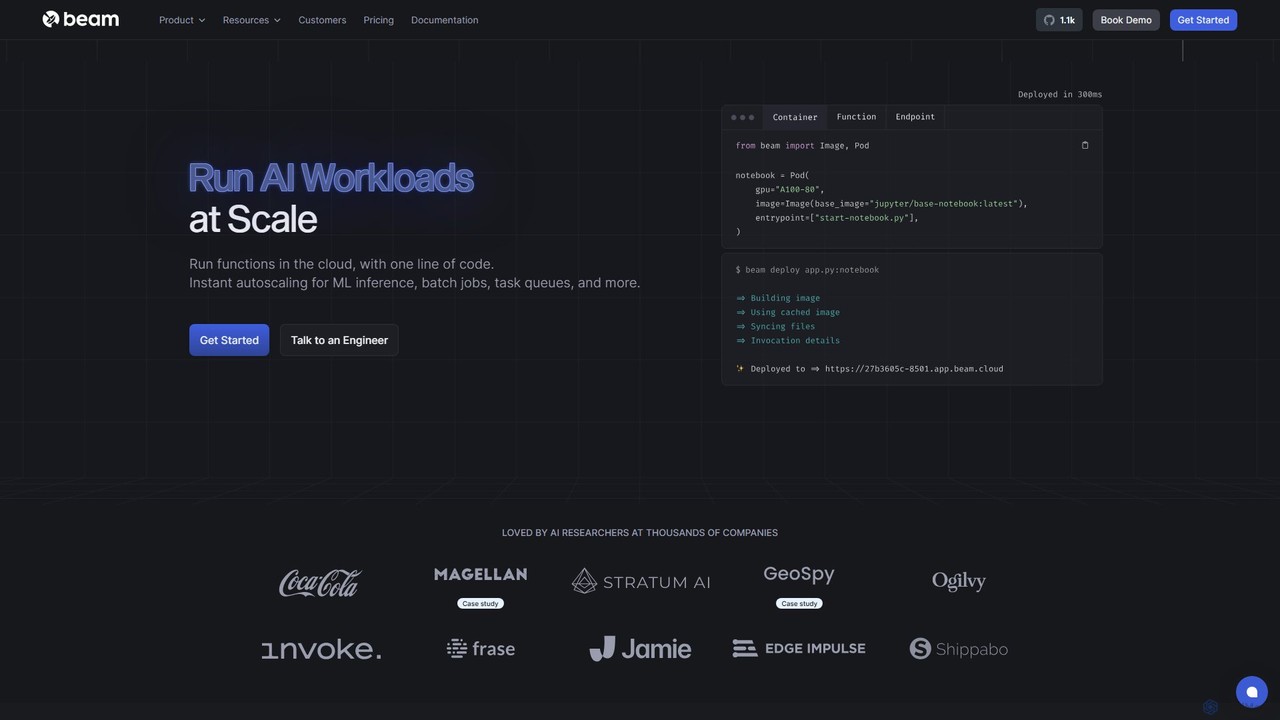
Beam is a serverless cloud platform designed for developers to run, scale, and deploy AI/ML models and applications …

57.0K

About Machine Learning

Machine Learning (ML) tools are a fundamental category within AI infrastructure, enabling systems to learn from data, identify complex patterns, and make intelligent predictions or decisions without being explicitly programmed. These sophisticated platforms leverage advanced algorithms and statistical models to automate data analysis, continuously improve performance, and uncover hidden insights from vast datasets. They are indispensable for transforming raw data into actionable intelligence, driving innovation across diverse applications from personalized recommendations to predictive analytics and automated decision-making.

Core Features

  • Data Preprocessing & Feature Engineering: Tools for cleaning, transforming, and selecting relevant features from raw datasets to optimize model performance.
  • Model Training & Optimization: Capabilities to build, train, and fine-tune various machine learning models, including deep learning, supervised, and unsupervised algorithms.
  • Model Evaluation & Monitoring: Features to assess model accuracy, identify biases, track performance metrics, and detect model drift in production environments.
  • MLOps & Deployment: Streamlined workflows for deploying trained models into production, managing their lifecycle, versioning, and ensuring continuous integration/continuous delivery (CI/CD).
  • Algorithm & Framework Support: Access to a wide array of pre-built algorithms and compatibility with popular ML frameworks like TensorFlow, PyTorch, and Scikit-learn.

Applicable Scenarios

Machine Learning tools are widely adopted by data scientists, AI engineers, and developers across various industries. They are crucial for tasks such as developing intelligent recommendation systems for e-commerce, building robust fraud detection mechanisms in finance, and creating advanced diagnostic aids in healthcare. These tools empower organizations to automate complex analytical processes and derive data-driven insights for strategic decision-making.

How to Choose

When selecting Machine Learning tools, consider the breadth of algorithm and framework support to match your project needs. Evaluate the platform's scalability for handling large datasets and computational demands, alongside its MLOps capabilities for efficient model deployment and lifecycle management. Additionally, assess the ease of integration with existing data pipelines and the availability of robust community or vendor support.

Machine LearningUse Cases

1

Predictive Maintenance in Manufacturing

Manufacturing engineers utilize ML tools to analyze real-time sensor data from industrial machinery. By training models on historical performance and failure data, they can predict potential equipment malfunctions before they occur. This enables proactive maintenance scheduling, significantly reducing unexpected downtime, optimizing operational efficiency, and extending the lifespan of critical assets.

2

Personalized Content Recommendation

Media companies and e-commerce platforms deploy ML algorithms to analyze user behavior, viewing history, and purchase patterns. These tools then generate highly personalized content or product recommendations, enhancing user engagement, improving customer satisfaction, and driving revenue by presenting relevant items or media to individual users.

3

Real-time Fraud Detection

Financial institutions and cybersecurity firms employ ML models to monitor transaction streams and network activities in real-time. By identifying anomalous patterns that deviate from normal behavior, these tools can flag and prevent fraudulent transactions or cyber threats instantly, protecting assets and maintaining trust with customers.

4

Medical Diagnosis Assistance

Healthcare professionals use ML tools to analyze complex medical data, including patient records, lab results, and imaging scans (e.g., X-rays, MRIs). These models assist in identifying subtle indicators of diseases, predicting patient outcomes, and suggesting personalized treatment plans, thereby improving diagnostic accuracy and patient care.

5

Automated Customer Support & Sentiment Analysis

Businesses integrate ML-powered Natural Language Processing (NLP) tools into their customer service operations. These tools can automatically classify incoming support tickets, route them to the appropriate department, and analyze customer feedback from various channels to gauge sentiment, identify pain points, and improve service quality.

6

Optimizing Logistics and Supply Chain

Logistics and supply chain managers leverage ML tools to forecast demand, optimize inventory levels, and plan efficient delivery routes. By analyzing historical sales data, weather patterns, traffic conditions, and other external factors, these models help minimize operational costs, reduce waste, and ensure timely delivery of goods.

Machine LearningFrequently Asked Questions