Ai Infrastructure Best in category 11 results Vector Database AI Tool

Popular AI tools in the Vector Database field of Ai Infrastructure include MongoDB、Chroma、Weaviate、SingleStore、SurrealDB、LanceDB、TiDB Cloud、MyScale、Rivestack、Unbody, etc., helping you quickly improve efficiency.

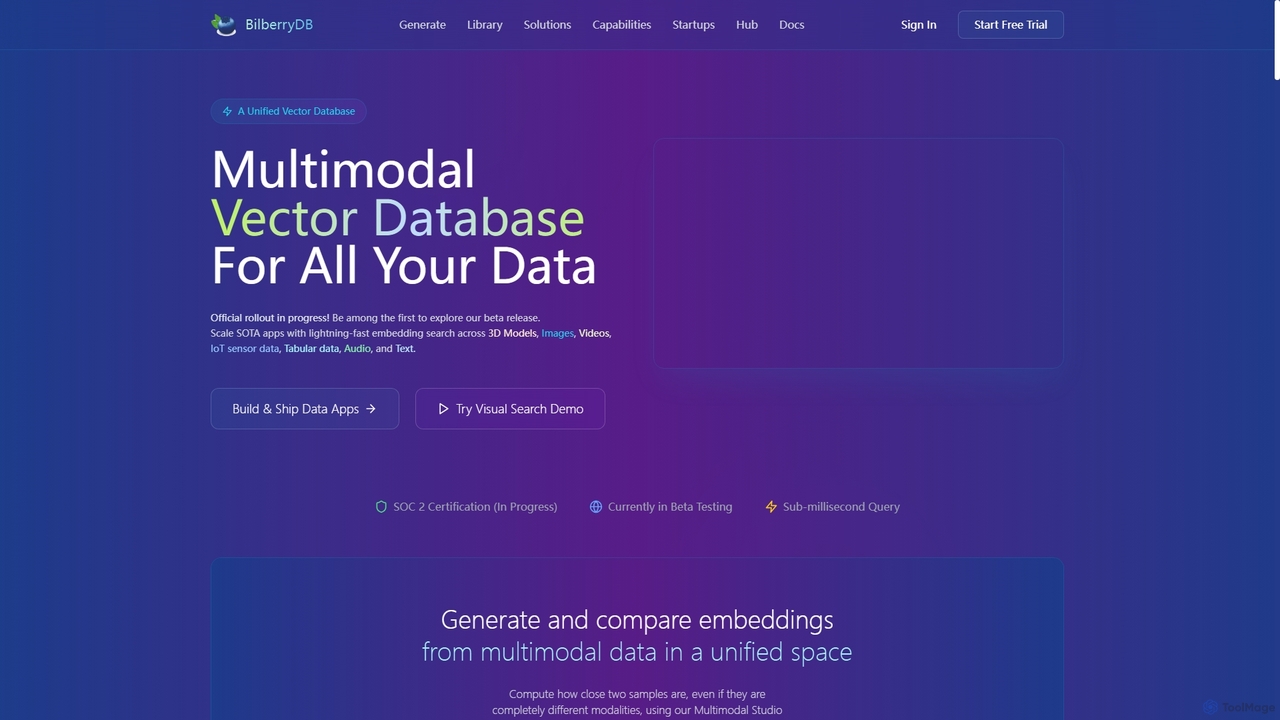
Bilberrydb

Bilberrydb

Bilberrydb is an enterprise-grade, multimodal vector database designed for building advanced AI applications. It enables lightning-fast embedding search …

2.5K
Rivestack

Rivestack

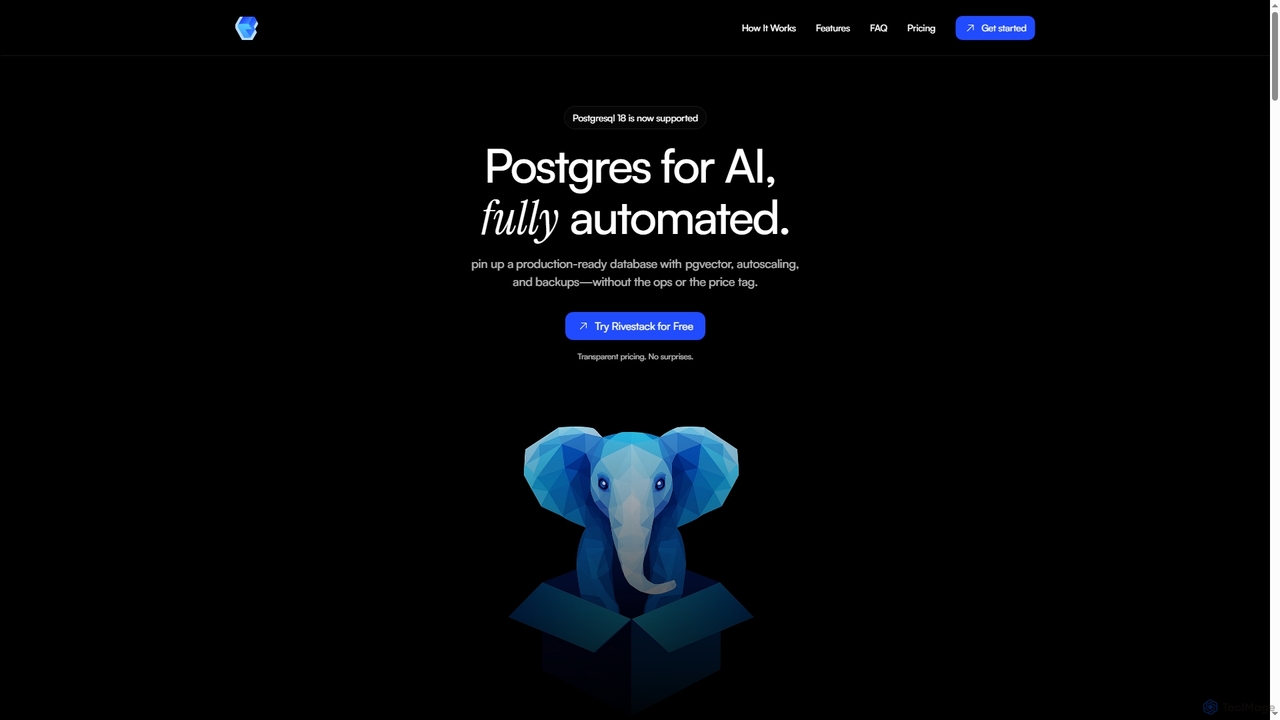
An EU-hosted, managed PostgreSQL database service optimized for AI applications. It provides fully automated deployment with pgvector for …

3.8K
Weaviate

Weaviate

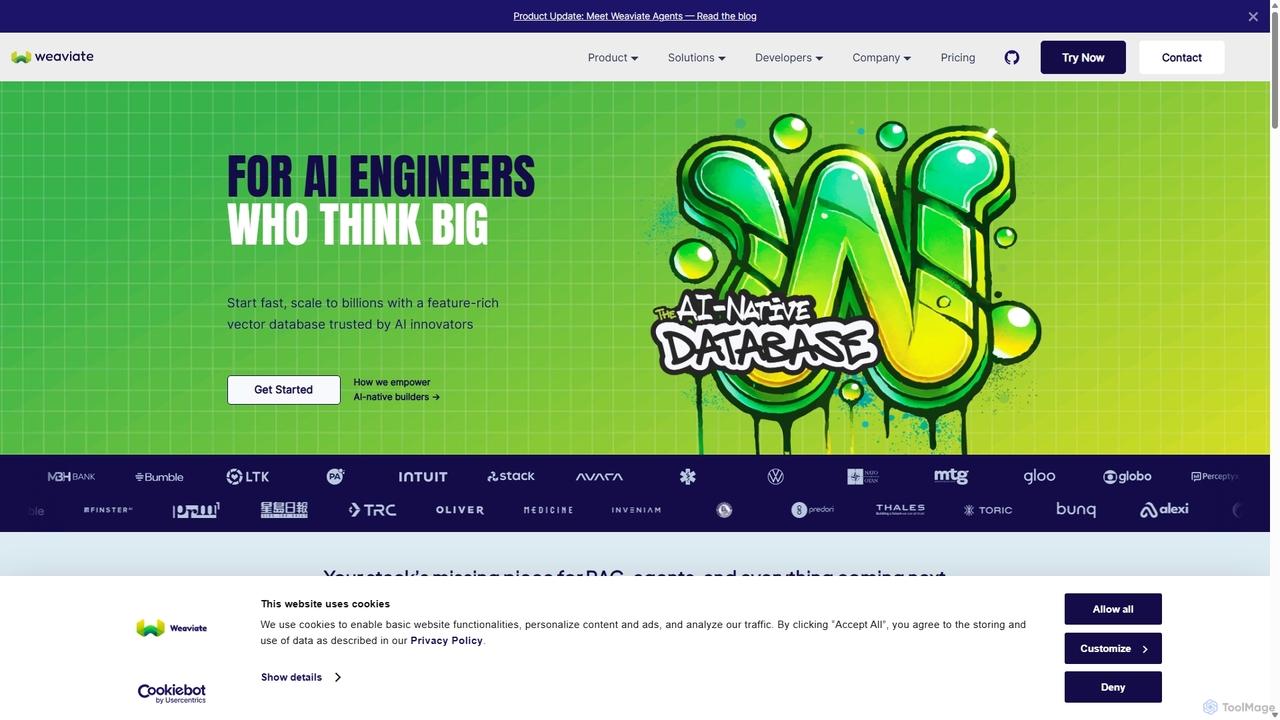
Weaviate is an open-source, AI-native vector database designed for developers. It enables scalable, low-latency vector, keyword, and hybrid …

171.8K
TiDB Cloud

TiDB Cloud

TiDB Cloud is a fully managed, distributed SQL database-as-a-service (DBaaS). It offers horizontal scalability, MySQL compatibility, and Hybrid …

44.0K
Unbody

Unbody

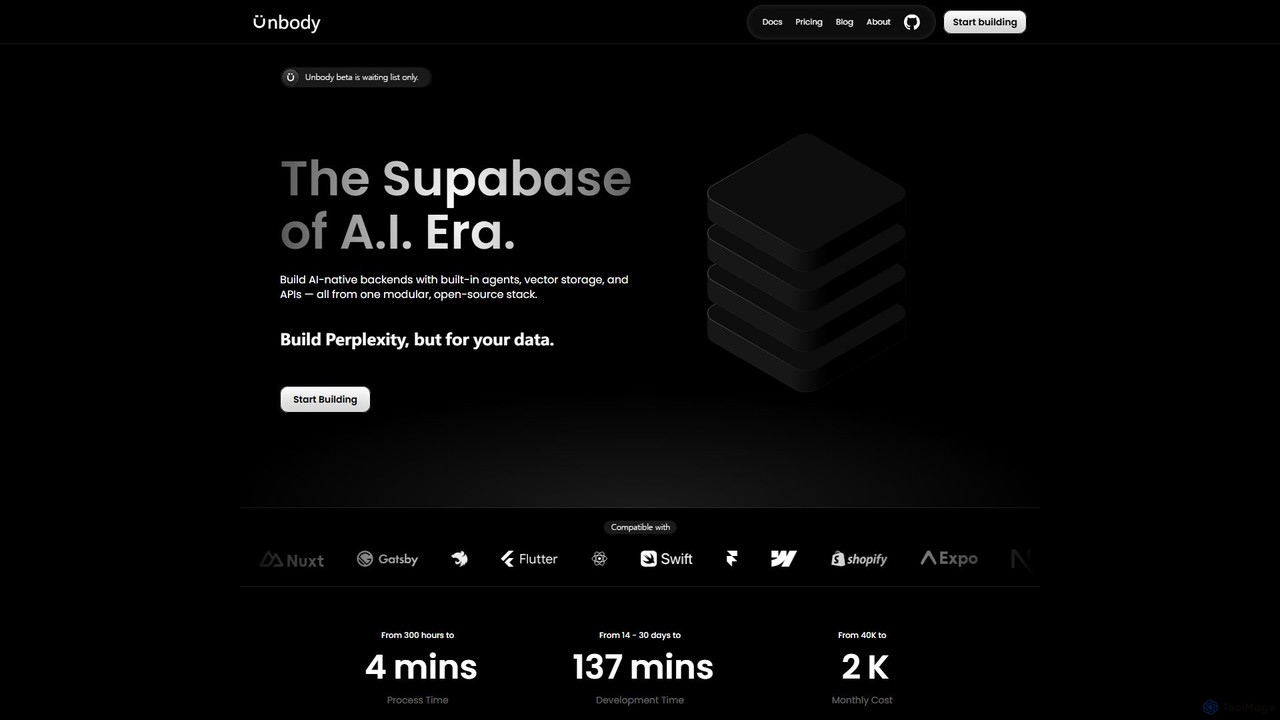
Unbody is an AI-native development stack, described as the "Supabase of the AI Era." It provides developers with …

3.3K
MyScale

MyScale

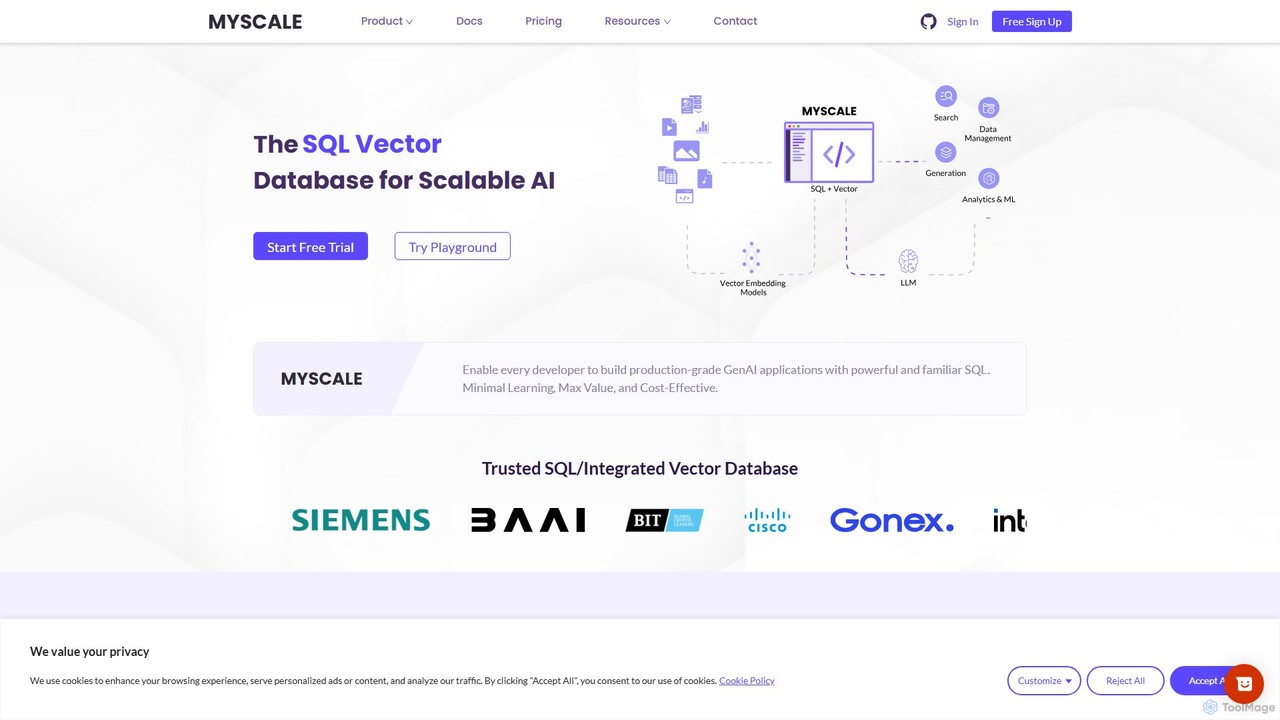
MyScale is a high-performance vector database that uniquely combines vector search with the power of SQL. It's designed …

38.5K
SingleStore

SingleStore

SingleStore is a high-performance, real-time data platform designed for enterprise AI and data-intensive applications. It unifies transactional (OLTP) …

124.9K
SurrealDB

SurrealDB

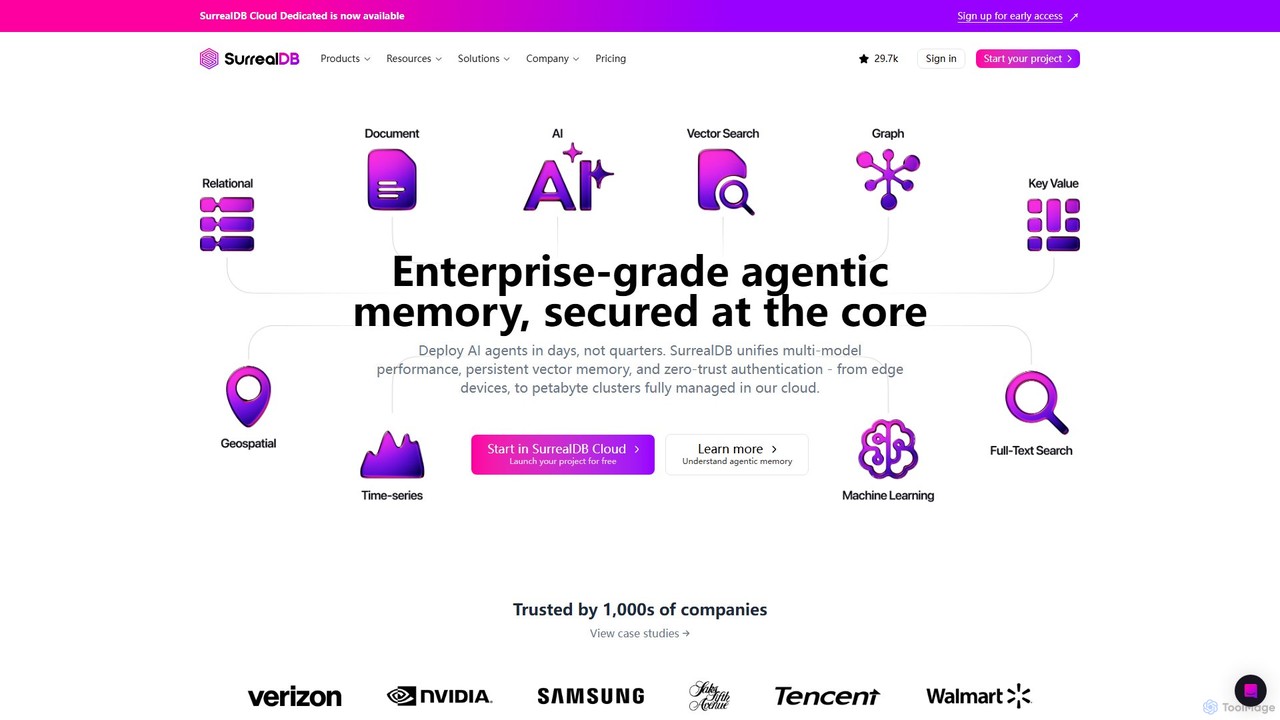
SurrealDB is a next-generation, multi-model cloud database designed for modern applications. It simplifies backend development by unifying document, …

116.4K
LanceDB

LanceDB

LanceDB is an open-source, AI-native multimodal lakehouse designed for building and scaling AI applications. It provides a unified …

90.0K
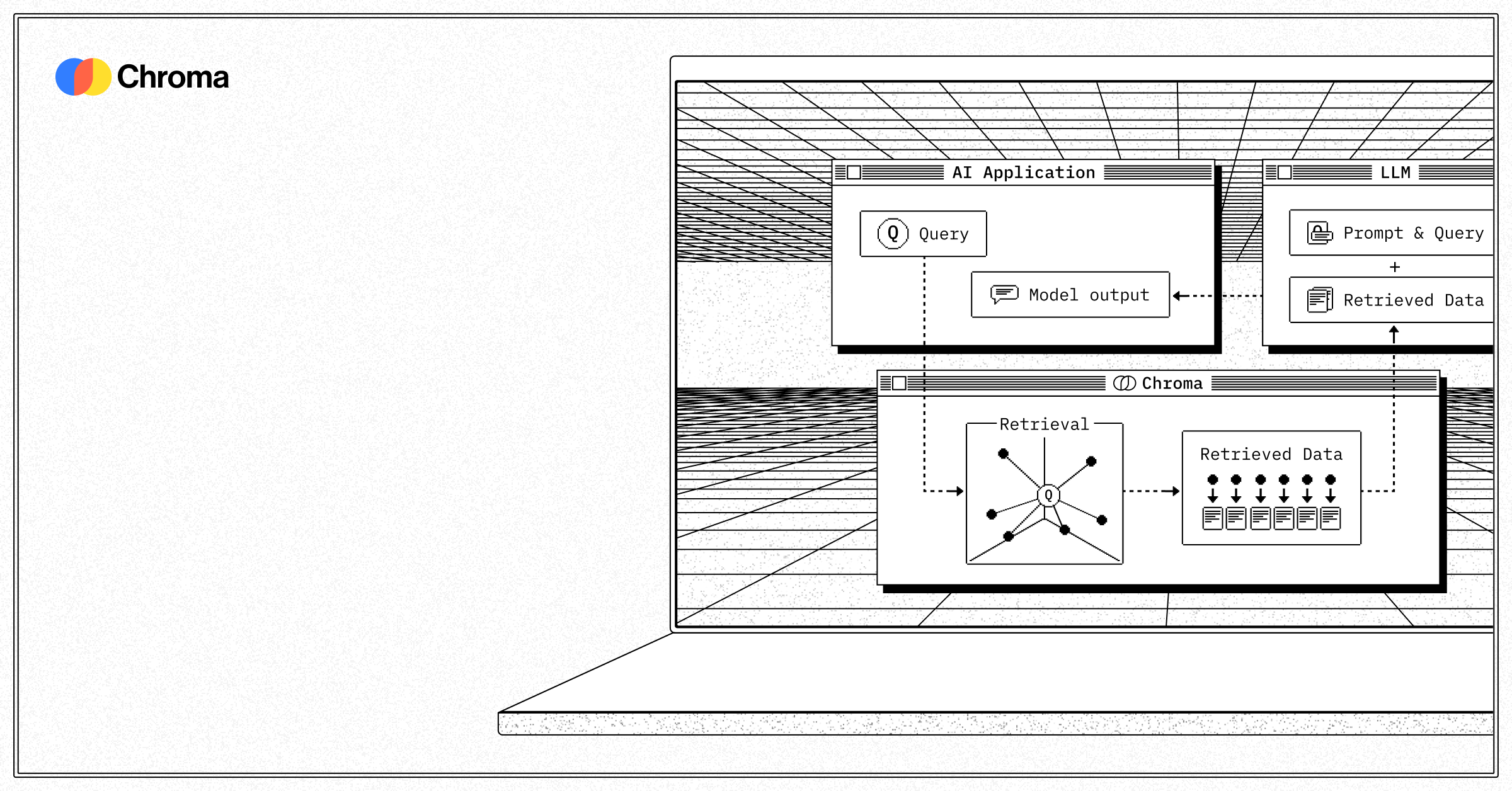
Chroma

Chroma

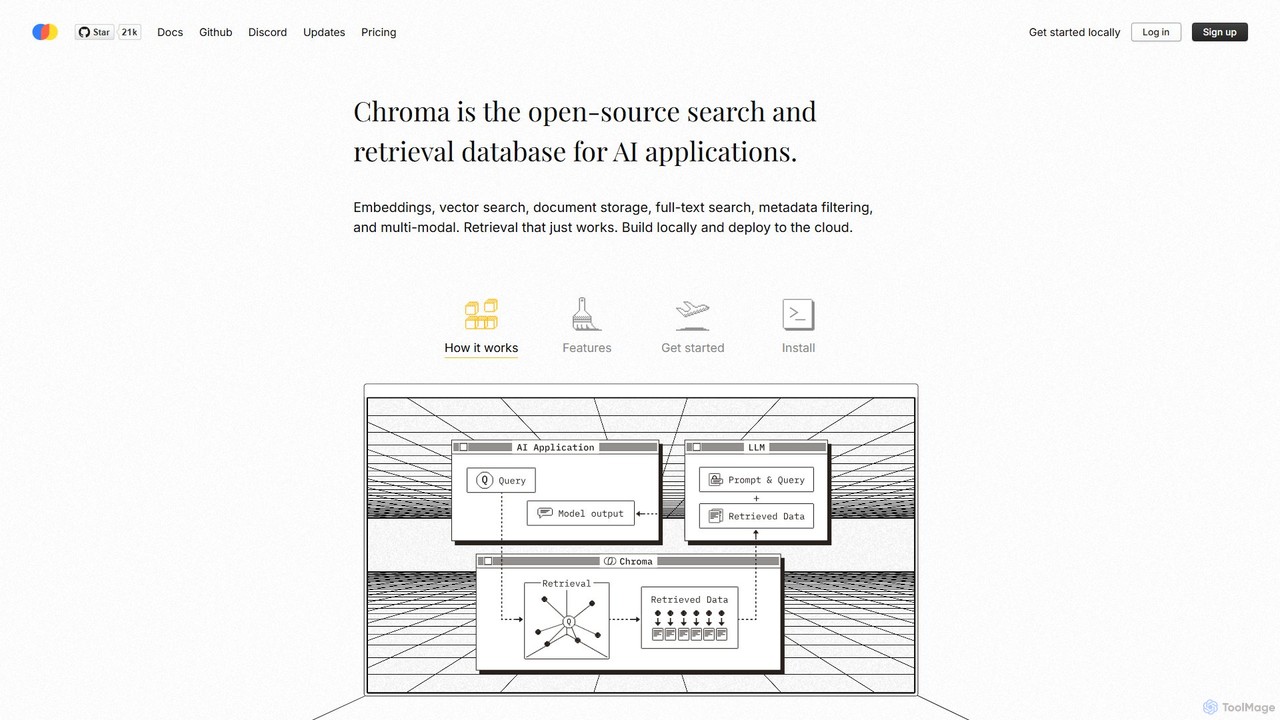
Chroma is the open-source, AI-native retrieval database designed for building powerful AI applications with Retrieval-Augmented Generation (RAG). It …

259.5K
MongoDB

MongoDB

MongoDB is a developer data platform built on a leading NoSQL document database. Its cloud offering, MongoDB Atlas, …

6.2M

About Vector Database

A Vector Database is a specialized database designed to store, manage, and query high-dimensional vectors, which are numerical representations of data like text, images, or audio. These databases employ advanced indexing algorithms to enable efficient similarity search, allowing AI systems to find data points that are semantically similar rather than just exact matches. They are fundamental for powering modern AI applications that rely on understanding context and relationships within unstructured data, serving as a crucial component within the broader AI infrastructure. By transforming complex data into vectors, these databases unlock capabilities for intelligent information retrieval and personalized experiences.

Core Features

  • Efficient Vector Indexing: Utilizes sophisticated algorithms like HNSW (Hierarchical Navigable Small Worlds) or IVF_FLAT to organize vectors for rapid and accurate similarity search, even across massive datasets.
  • Similarity Search: Enables approximate nearest neighbor (ANN) queries to quickly identify and retrieve vectors that are most semantically similar to a given query vector, crucial for contextual understanding.
  • Hybrid Search: Combines the power of vector similarity search with traditional metadata filtering, allowing users to refine results based on both semantic relevance and specific attributes.
  • Scalability & Performance: Engineered to handle billions of vectors and maintain high query throughput with low latency, essential for real-time AI applications and growing data volumes.
  • Real-time Updates: Supports dynamic addition, deletion, and modification of vectors, ensuring that the database remains current and responsive to evolving data streams.

Use Cases

Vector databases are indispensable for applications requiring deep semantic understanding and contextual relevance. They are widely used in building intelligent search engines that go beyond simple keyword matching, enabling users to find information based on meaning. Furthermore, they power sophisticated recommendation systems that suggest highly relevant products, content, or services based on user preferences and item characteristics. Critically, vector databases are central to Retrieval Augmented Generation (RAG) architectures for large language models, providing external, up-to-date knowledge to enhance the accuracy and relevance of AI-generated responses. Their ability to process and compare high-dimensional data makes them a cornerstone for advanced AI functionalities across various industries.

How to Choose

When selecting a vector database, several key factors warrant careful consideration. Evaluate the indexing algorithms offered (e.g., HNSW for its balance of speed and accuracy, or IVF_FLAT for memory efficiency) and ensure they align with your specific performance needs. Assess the database's scalability to accommodate your anticipated data growth and query load, along with its integration capabilities with your existing AI/ML frameworks and data pipelines. Furthermore, consider query performance metrics such as latency and throughput, explore available deployment options (cloud-managed services versus self-hosted solutions), and weigh the overall cost-effectiveness, including licensing, operational overhead, and the availability of robust community support or enterprise-level features.

Vector DatabaseUse Cases

1

Powering Semantic Search in E-commerce

An e-commerce platform leverages a vector database to enhance its product search functionality. Instead of just matching keywords, when a customer searches for "comfortable running shoes for long distances," the system converts this query into a vector. It then queries the vector database to find product embeddings (vectors representing shoes) that are semantically similar, returning results that truly match the user's intent, even if the exact keywords aren't present in product descriptions. This leads to more relevant search results and improved customer satisfaction.

2

Enhancing Recommendation Systems for Media Streaming

A media streaming service uses a vector database to provide highly personalized content recommendations. User viewing history, ratings, and preferences are transformed into user embedding vectors, while movies and shows are represented by content embedding vectors. The vector database efficiently finds content vectors similar to a user's profile vector or to content they've enjoyed, enabling the system to suggest new titles that align with their tastes, significantly boosting engagement and discovery.

3

Implementing Retrieval Augmented Generation (RAG) for LLMs

A company integrates a vector database with its Large Language Model (LLM) to build a sophisticated customer support chatbot. When a user asks a question, the query is vectorized and used to retrieve relevant documents or knowledge base articles from the vector database. These retrieved snippets are then fed to the LLM as context, allowing it to generate accurate, up-to-date, and grounded answers, reducing hallucinations and improving the factual correctness of AI responses.

4

Real-time Anomaly Detection in Network Security

A cybersecurity firm employs a vector database to detect unusual patterns in network traffic. Each network event or user activity log is converted into a high-dimensional vector. The vector database continuously compares new event vectors against a baseline of normal behavior. Significant deviations or clusters of similar anomalous vectors are flagged in real-time, enabling security analysts to quickly identify and respond to potential threats or intrusions before they escalate.

5

Visual Search for Digital Asset Management

A large enterprise with a vast library of images and videos utilizes a vector database for visual content search. Instead of relying on manual tagging or filenames, users can upload an image or describe a visual concept. The system converts this input into a vector and queries the database to find visually similar assets. This drastically simplifies the process of locating specific images, identifying duplicates, or discovering related visual content across millions of digital assets.

6

Personalizing Content Feeds for Social Media

A social media platform uses a vector database to personalize users' content feeds. Posts, articles, and advertisements are vectorized based on their content and user interactions. Each user's engagement profile is also vectorized. The database then matches user vectors with relevant content vectors, ensuring that users see posts that are most likely to interest them, leading to a more engaging and sticky user experience by tailoring the feed to individual preferences.

Vector DatabaseFrequently Asked Questions