ToolMage
Sign in

Best 185 Ai Infrastructure AI tools

Popular Ai Infrastructure AI tools include codegate, OpenRouter, MongoDB, Nous Research, Databricks, LangChain, LM Studio, Firecrawl, Composio, and Vast.ai, helping you work more efficiently.

Nexa AI

Nexa AI

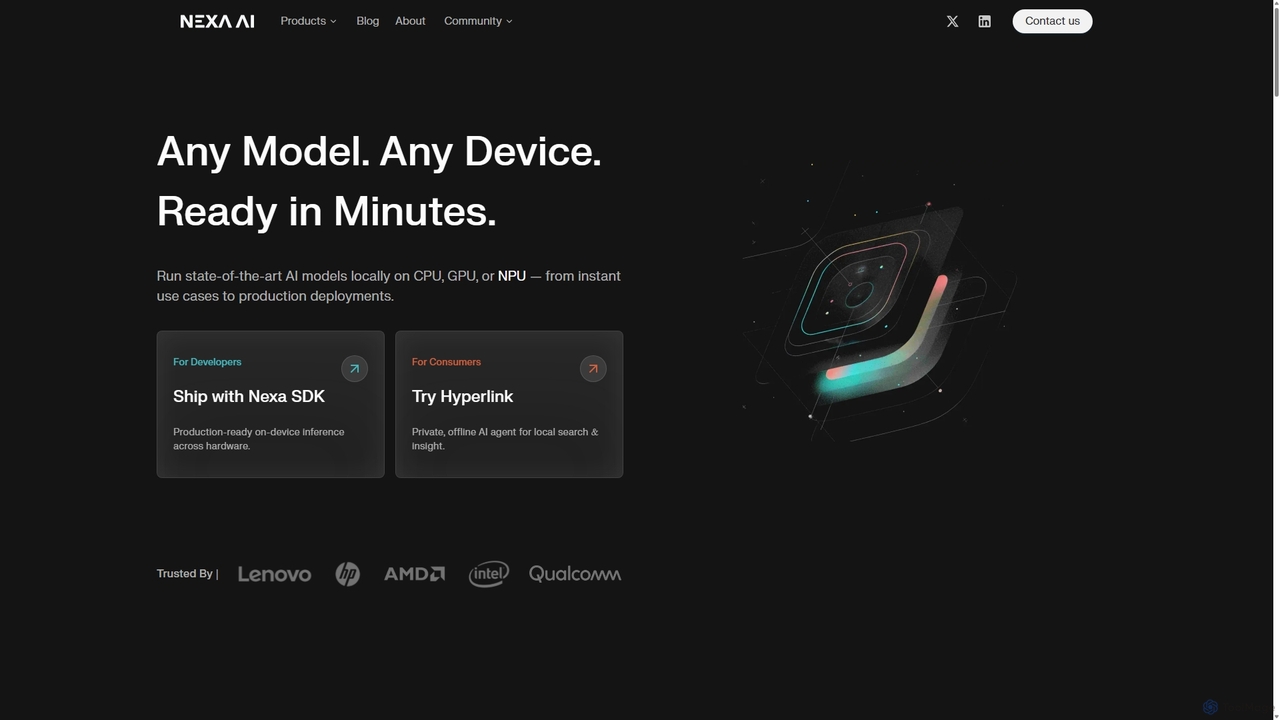
Nexa AI provides a powerful platform for running state-of-the-art AI models directly on any device. Its solutions, including the Nexa SDK for developers and the Hyperlink app for consumers, prioritize privacy, offline reliability, and cost-effectiveness by enabling local AI inference on CPUs, GPUs, and NPUs, eliminating the need for cloud processing.

Edge Computing
Visits 15.5KFavorites 104Likes 125
OpenRouter
Freemium

OpenRouter

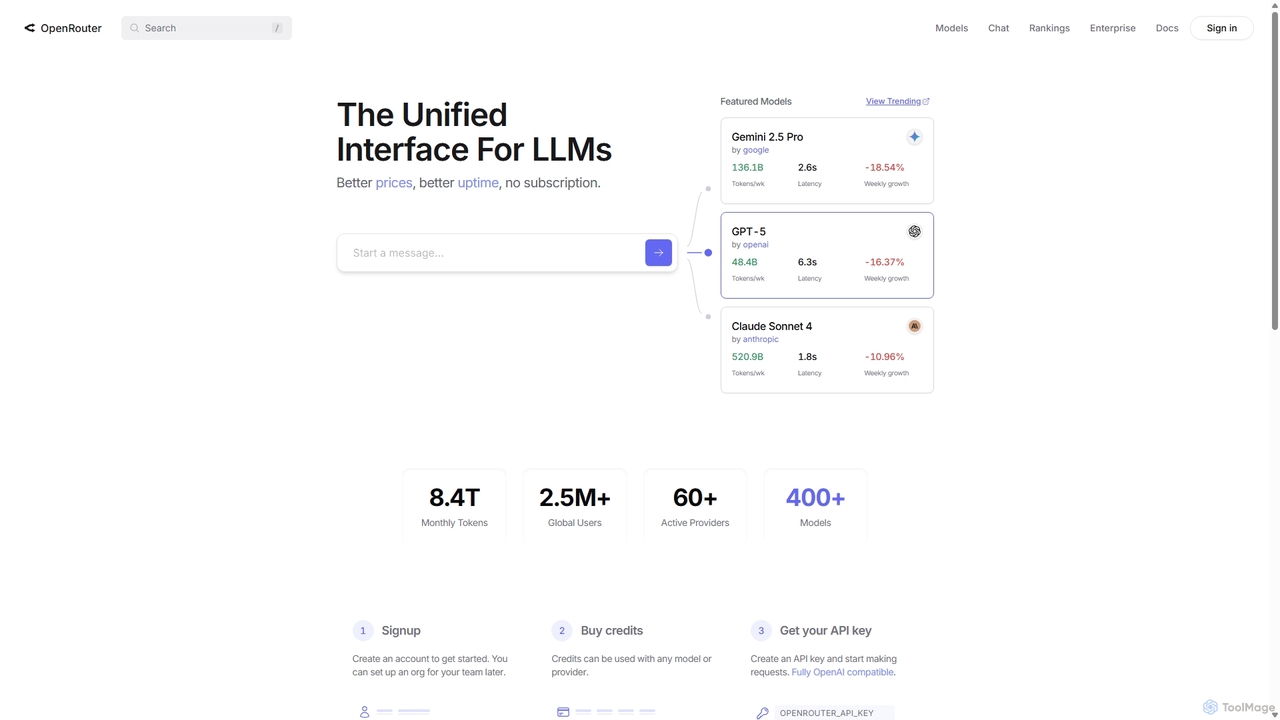
OpenRouter is a unified API gateway for developers, providing access to over 400 AI models from 60+ providers like OpenAI, Google, and Anthropic. It simplifies development with a single API, offers competitive pay-as-you-go pricing, automatic failovers for high availability, and intelligent model routing to optimize cost and performance.

Model Deployment
Visits 16.8MFavorites 144Likes 147
PostgresML
Freemium

PostgresML

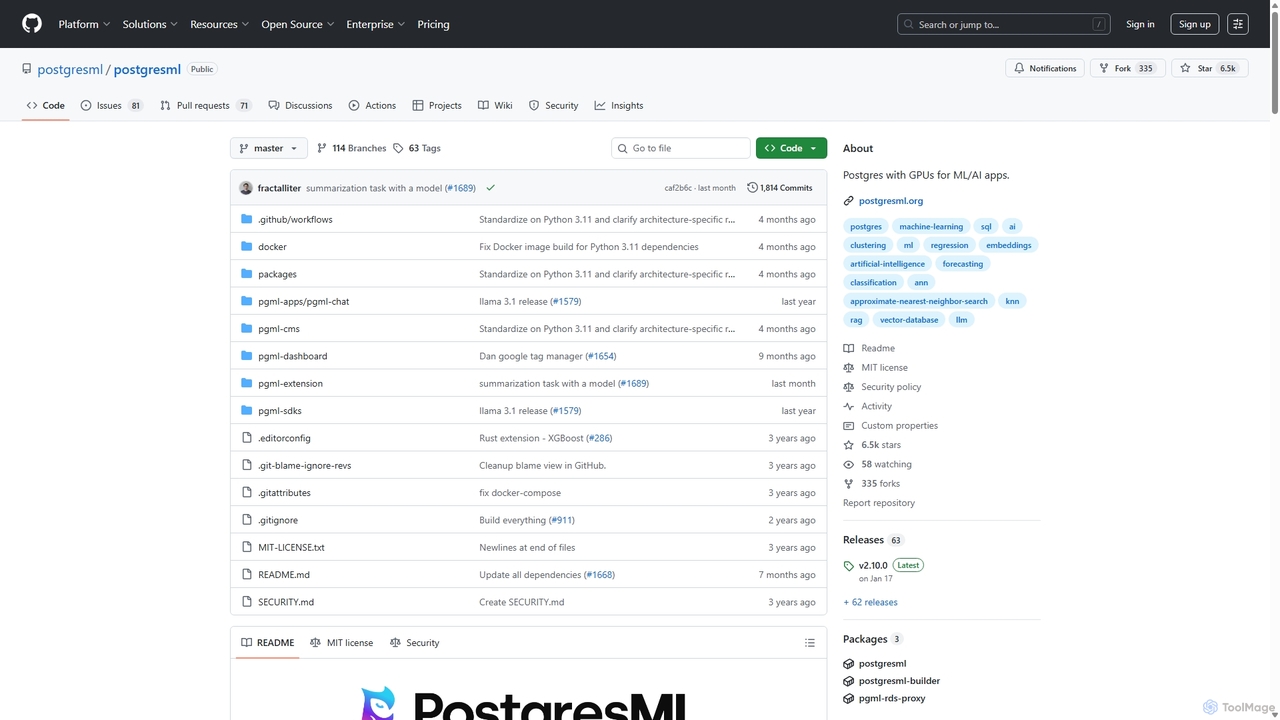
PostgresML is a powerful open-source extension that integrates machine learning and AI directly into your PostgreSQL database. It enables GPU-accelerated inference, vector search, and complete RAG pipelines using simple SQL commands, eliminating data movement and simplifying the MLOps stack for high-performance, scalable AI applications.

Mlops
Visits 5.8KFavorites 132Likes 127
getknit
Freemium

getknit

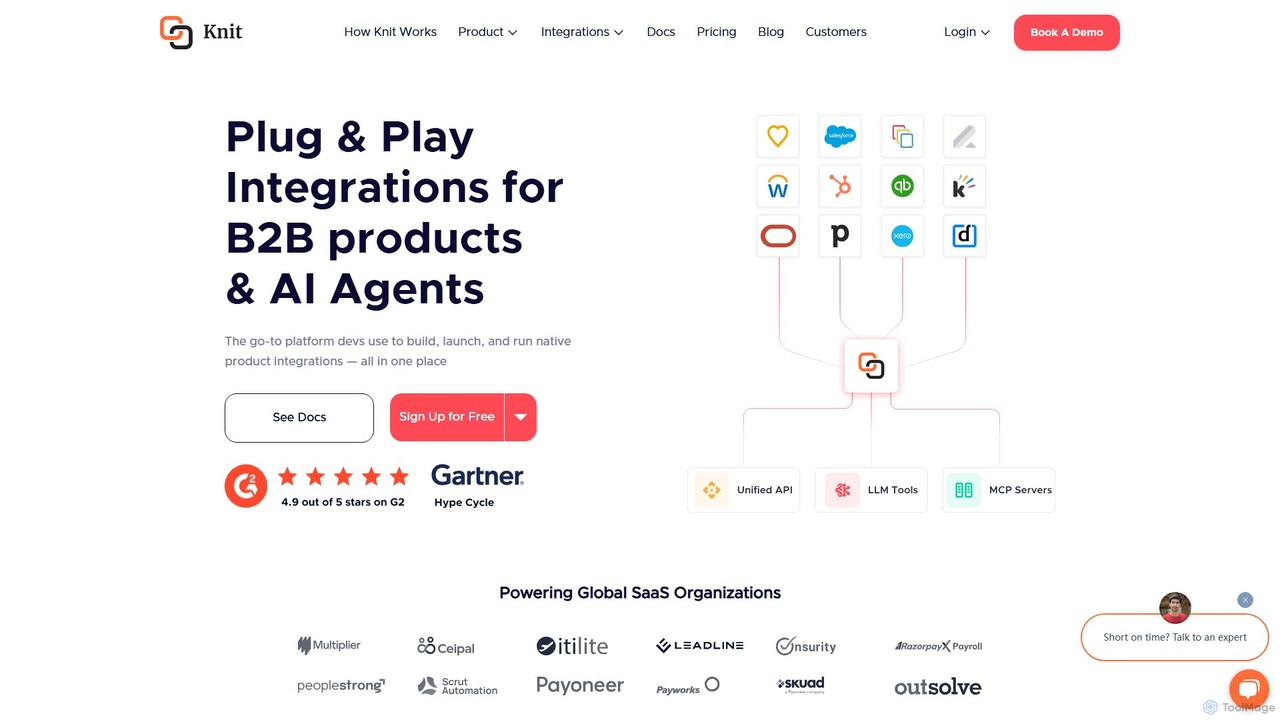
Knit is a unified API platform for developers, designed to build, launch, and manage native product integrations for B2B SaaS applications and AI agents. It simplifies connectivity to over 12 SaaS categories, enabling rapid development, reduced engineering overhead, and scalable integration solutions. Knit provides tools for bi-directional data syncs, empowering AI agents with action-taking capabilities, and automating complex workflows.

Agent Tooling
Visits 36.3KFavorites 115Likes 121
Datacurve
Paid

Datacurve

Datacurve provides high-quality, complex coding data for training and evaluating advanced AI foundation models. Specializing in formats like SFT, RLHF, and agentic workflow traces, they leverage a gamified platform with over 14,000 engineers to generate frontier data. Their service is designed for leading AI labs and enterprises seeking to unlock new model capabilities and improve performance through superior data quality, scale, and speed.

Data Generation
Visits 99.8KFavorites 92Likes 104
Unbody
Freemium

Unbody

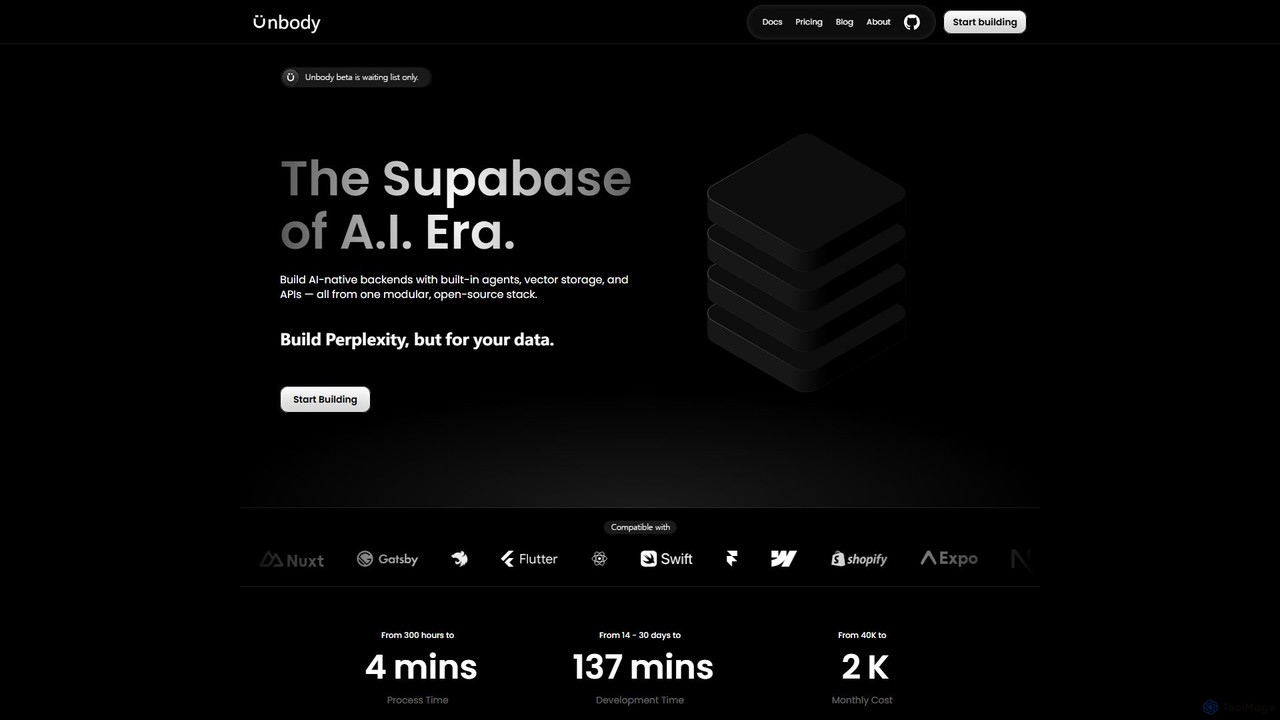
Unbody is an AI-native development stack, described as the "Supabase of the AI Era." It provides developers with a modular, open-source backend featuring built-in agents, vector storage, and a unified API. This allows for the rapid and cost-effective creation of intelligent, adaptive applications by transforming any data into a queryable knowledge base, eliminating the need for fragmented systems and complex AI pipelines.

Vector Database
Visits 5.9KFavorites 165Likes 164
People For AI
Paid

People For AI

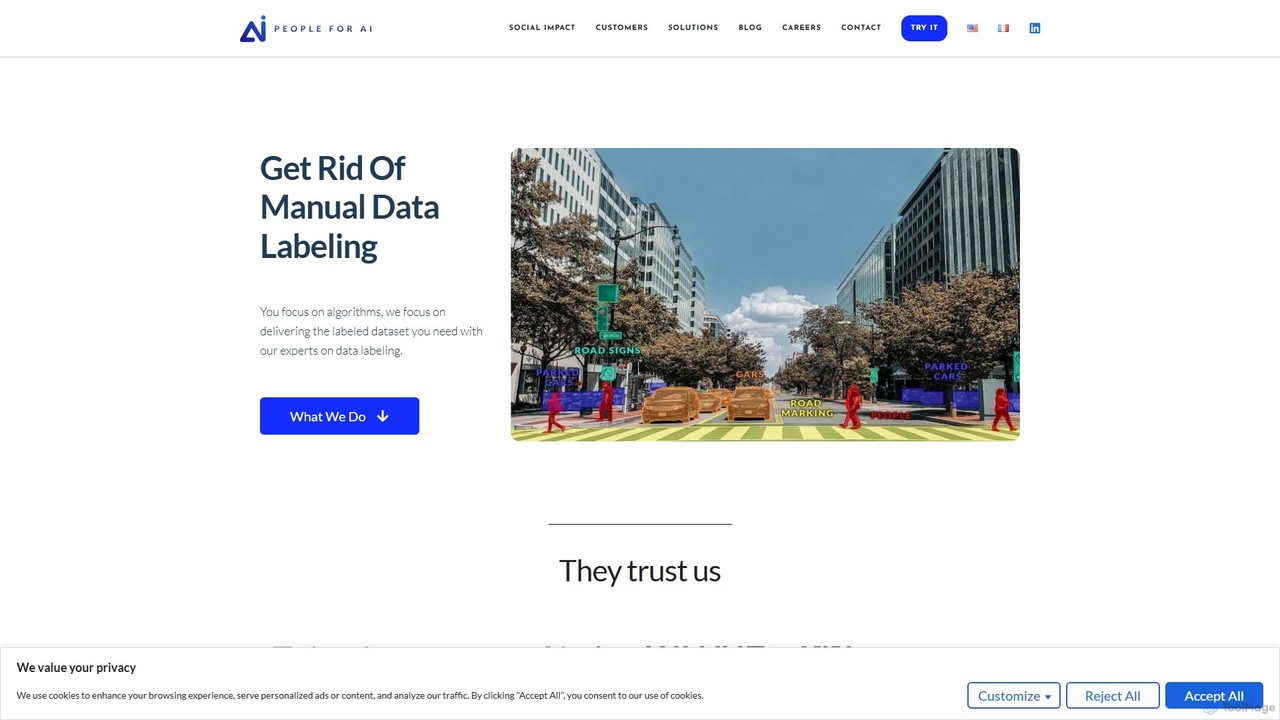
People For AI provides expert-driven data labeling services for machine learning projects. They specialize in high-quality, secure annotation for complex image and text datasets. By using in-house, long-term labelers instead of crowdsourcing, they ensure superior accuracy, flexibility, and data security. Their services cater to various industries, including autonomous vehicles, microscopy, retail, and infrastructure, helping companies accelerate their AI development by delivering reliable training data.

Training Data
Visits 7KFavorites 130Likes 144
FinetuneDB
Freemium

FinetuneDB

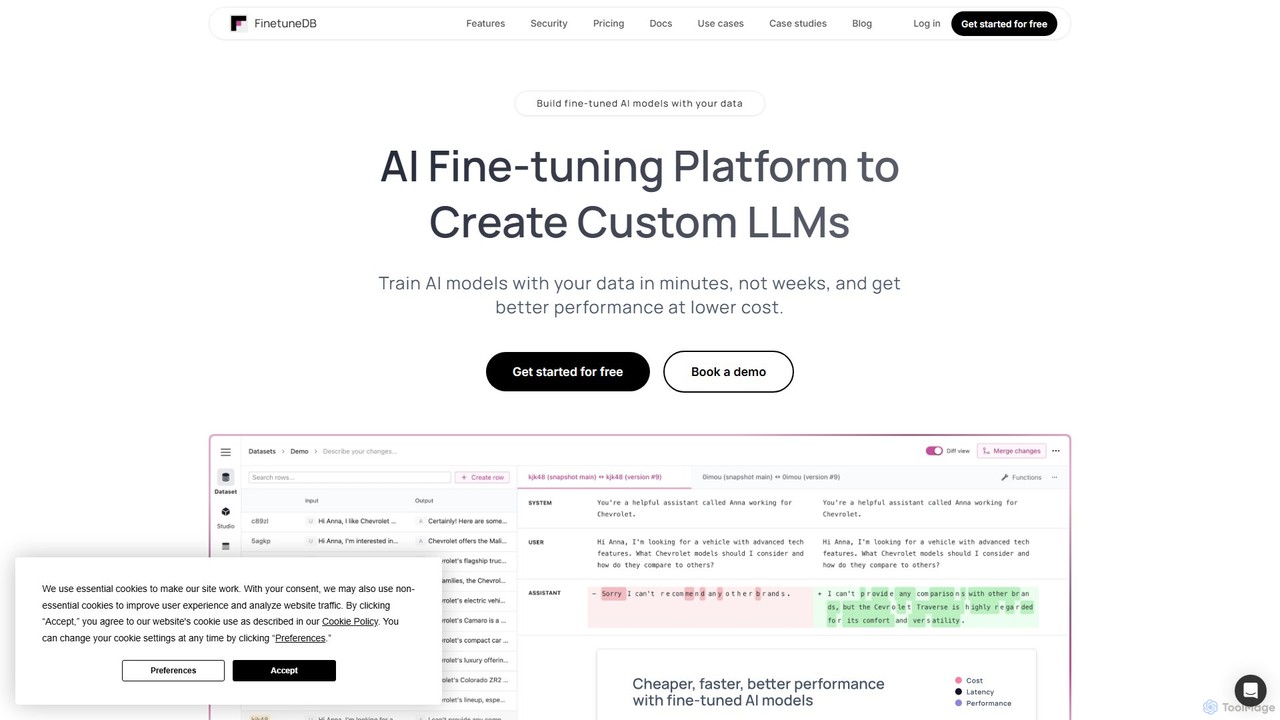
FinetuneDB is an all-in-one AI fine-tuning platform for developers. It simplifies the entire workflow of creating custom Large Language Models (LLMs), from building high-quality datasets and fine-tuning models like Llama 3 and GPT-4o mini, to deployment and continuous evaluation on a single, secure platform.

Llmops
Visits 21.3KFavorites 149Likes 159
Trigger.dev
Freemium

Trigger.dev

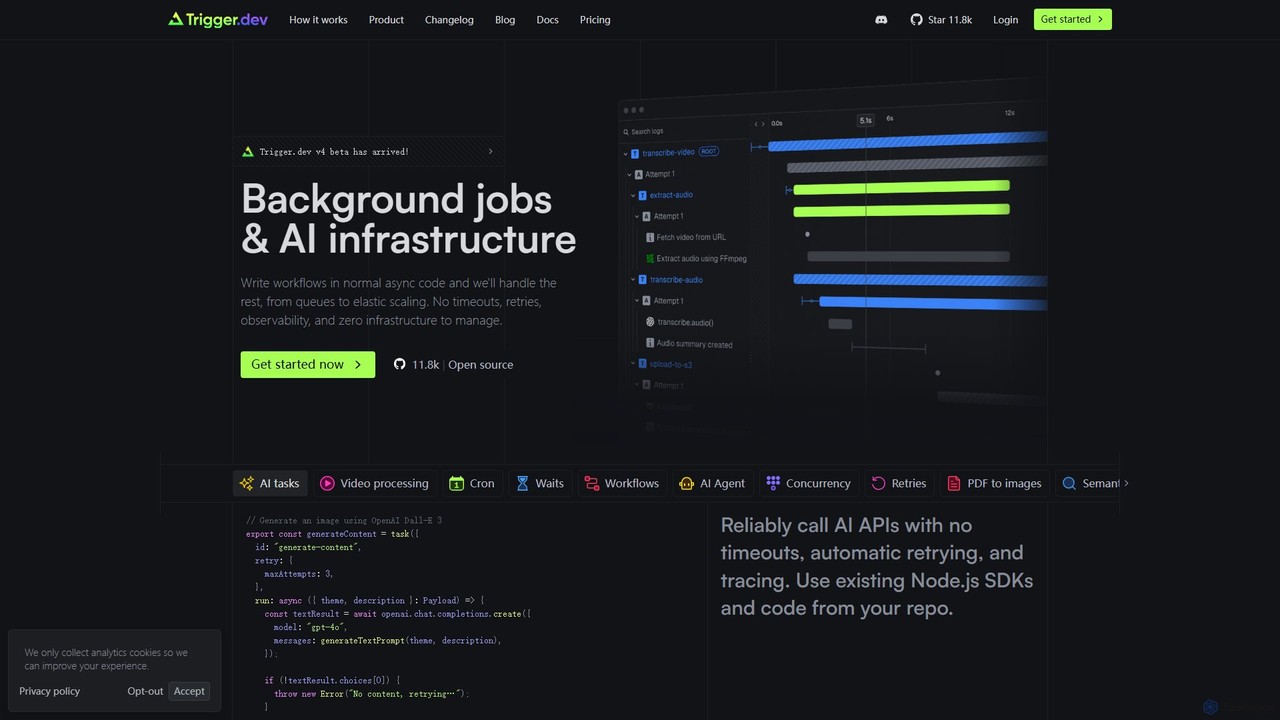
Trigger.dev is an open-source platform for developers to build, run, and manage long-running background jobs and AI workflows. It provides a robust infrastructure that handles timeouts, retries, and scaling, allowing you to write resilient tasks directly in your TypeScript or Python codebase. Ideal for orchestrating complex AI agents, data processing pipelines, and real-time applications without managing servers.

Model Orchestration
Visits 254.4KFavorites 109Likes 96
The Foundry AI
Paid

The Foundry AI

The Foundry AI is a specialized platform for developers building AI web agents. It offers a deterministic web simulator and an advanced annotation framework to test, benchmark, and debug agents in a reproducible environment, free from the unpredictability of the live web.

Model Evaluation
Visits 7.4KFavorites 135Likes 123
Anduril
Paid

Anduril

Anduril is a defense technology company that builds advanced hardware and software to solve the most complex national security challenges. Its core product, Lattice, is an AI-powered operating system that autonomously fuses sensor data into a single, real-time picture of the environment, enabling operators to control a family of autonomous systems across air, land, and sea.

Operating Systems
Visits 588.5KFavorites 117Likes 114
EasyFunctionCall
Freemium

EasyFunctionCall

A developer-centric platform designed to simplify the integration of function calling and API connections for Large Language Models (LLMs). It abstracts the complexity of building AI agents and applications that can interact with external tools and data sources, enabling faster development and more robust performance. Supports major LLMs like GPT, Gemini, and Claude.

Model Integration
Visits 6.4KFavorites 127Likes 125
Milvus
Freemium

Milvus

Milvus is a high-performance, open-source vector database built for AI applications. It enables developers to manage and search through billions of high-dimensional vectors with minimal latency. Ideal for building scalable systems like retrieval-augmented generation (RAG), recommendation engines, and semantic search, Milvus offers flexible deployment options from local prototyping to large-scale distributed clusters.

Machine Learning
Visits 536.3KFavorites 120Likes 141
supermemory
Freemium

supermemory

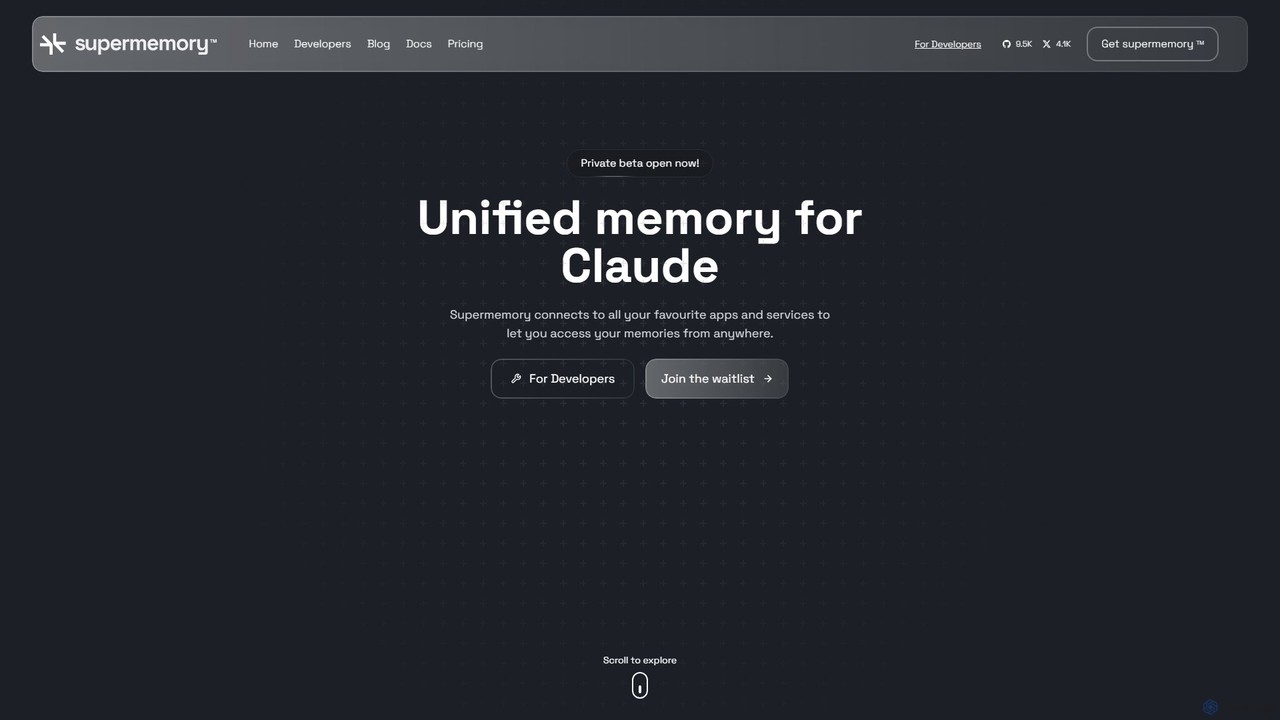
supermemory is a memory API and infrastructure for the AI era, designed for developers to build LLMs with long-term, persistent memory. It overcomes the finite context window limitation, enabling the creation of intelligent, context-aware AI agents, chatbots, and applications that remember past interactions and information across various platforms.

Llm
Visits 180.1KFavorites 145Likes 118
codegate
Free

codegate

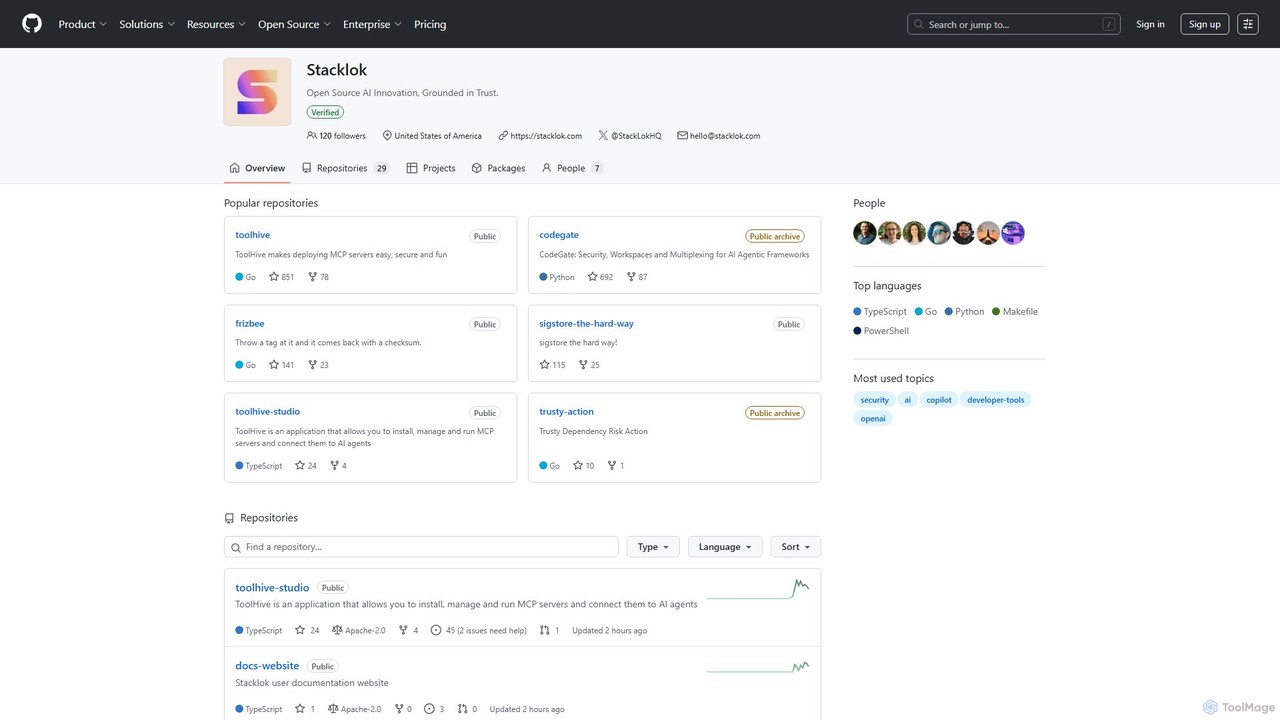
Codegate is an open-source security gateway and multiplexing framework for AI agentic systems. Developed by Stacklok, it provides secure workspaces and policy-based access control, enabling developers to build and manage complex multi-agent applications safely and efficiently.

Agentic Frameworks
Visits 636.1MFavorites 127Likes 130
Blaxel
Freemium

Blaxel

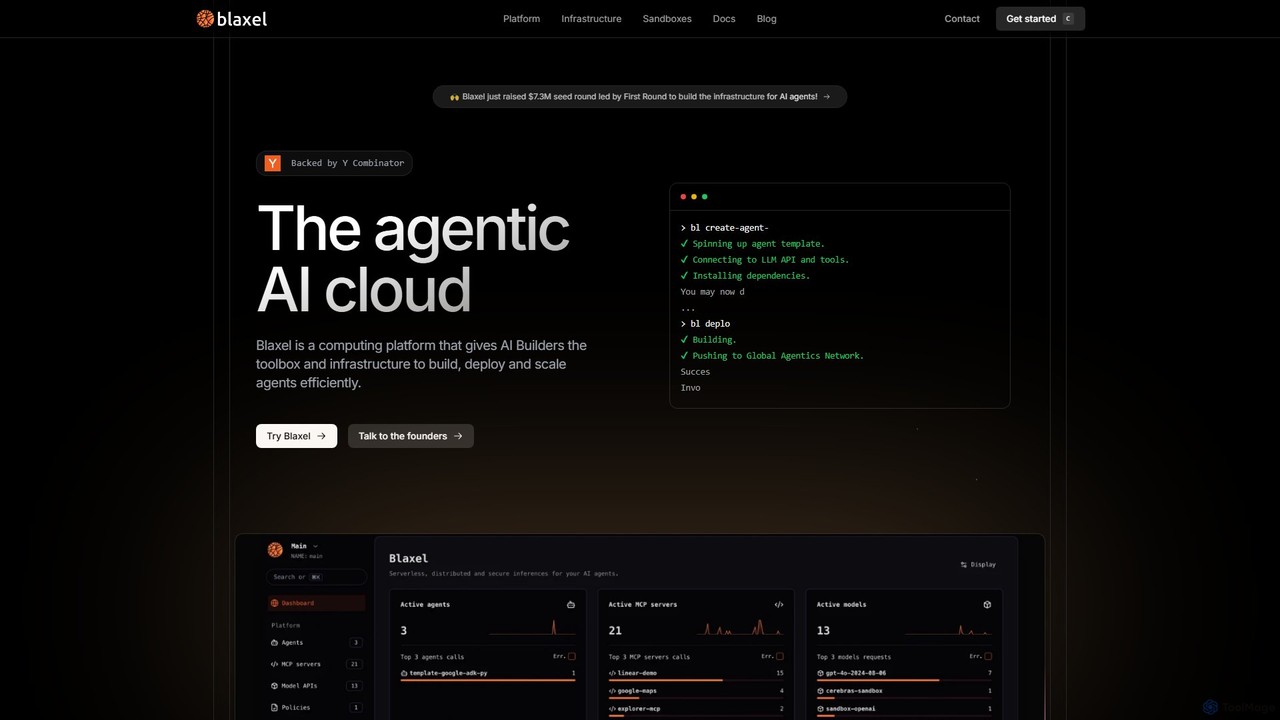
Blaxel is a serverless computing platform designed for AI developers, providing the infrastructure and tools to build, deploy, and scale agentic AI applications efficiently. It offers sandboxed VMs, a unified LLM gateway, and deep observability.

Cloud Computing
Visits 66.6KFavorites 139Likes 121
Casco
Paid

Casco

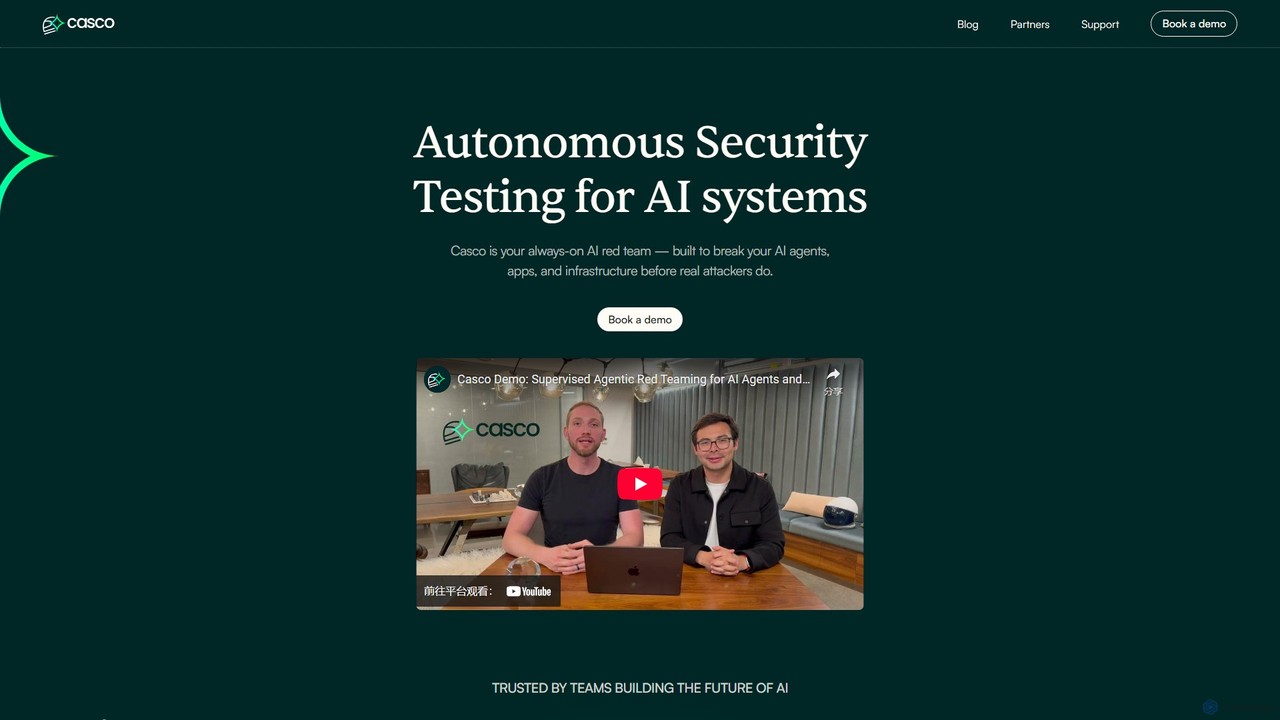
Casco is an autonomous security testing platform for AI systems. It acts as a continuous, always-on AI red team, proactively identifying and helping to fix vulnerabilities in AI agents, applications, and infrastructure before malicious attackers can exploit them, replacing periodic penetration testing with year-round automated monitoring.

Model Security
Visits 12.2KFavorites 137Likes 130
dmodel.ai
Paid

dmodel.ai

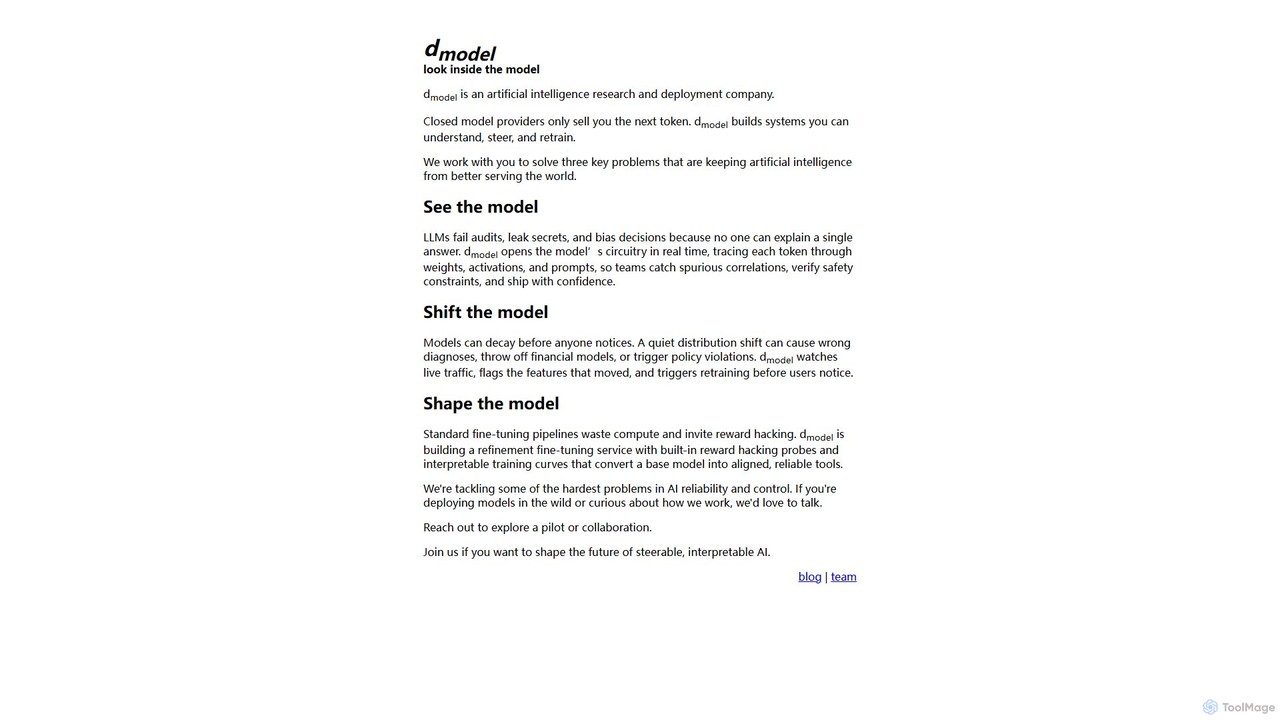
dmodel.ai is an AI research and deployment company offering tools for model interpretability, monitoring, and control. It helps businesses understand, steer, and retrain their AI models, ensuring reliability, safety, and alignment for enterprise-grade deployments.

Monitoring
Visits 11.4KFavorites 122Likes 120
MyScale
Freemium

MyScale

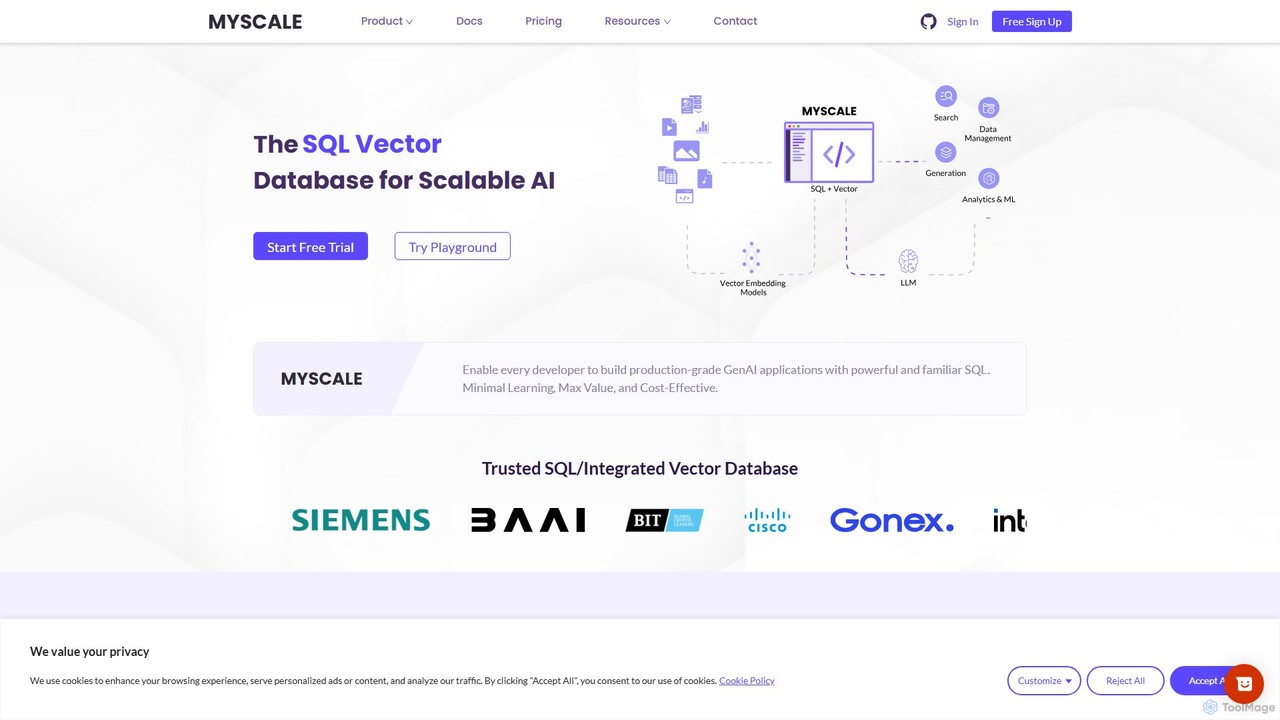
MyScale is a high-performance vector database that uniquely combines vector search with the power of SQL. It's designed for building advanced AI applications like RAG, semantic search, and recommendation systems, simplifying the tech stack by allowing developers to run hybrid queries on vectors and structured data using a single, familiar interface.

Vector Database
Visits 45.5KFavorites 133Likes 118
Xata
Freemium

Xata

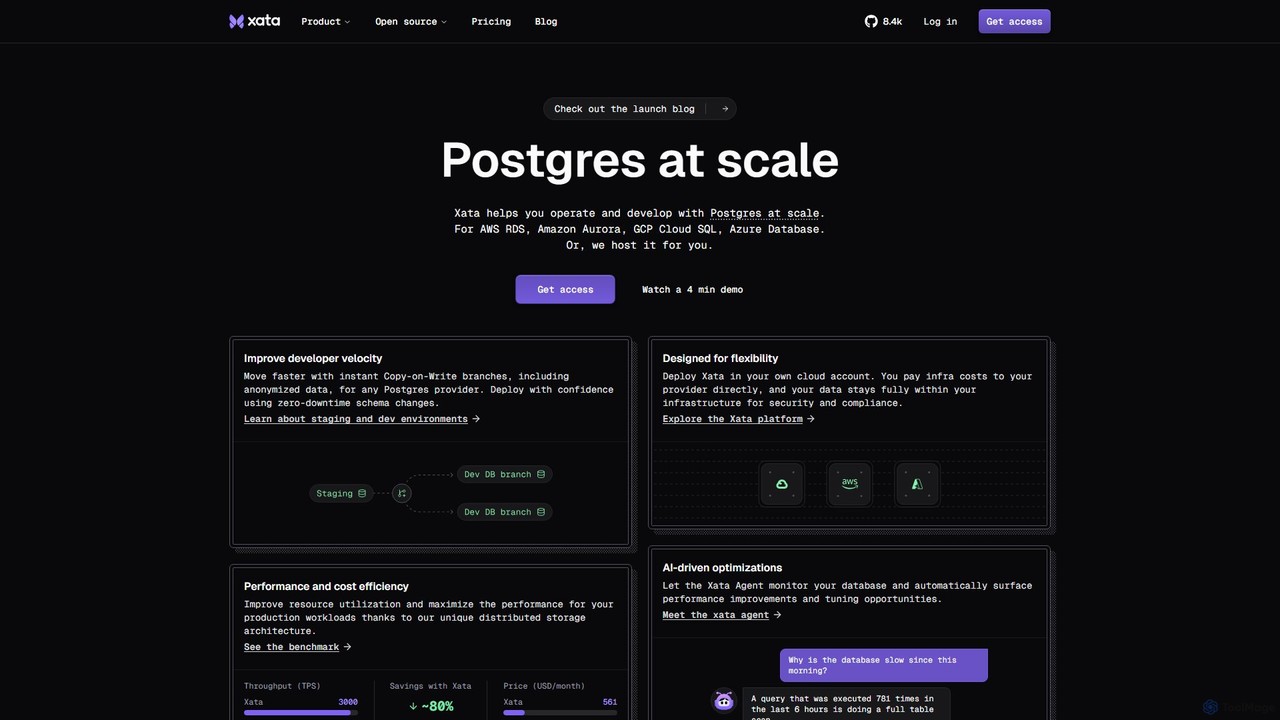
Xata is a "Postgres at scale" platform designed to enhance developer velocity and optimize database performance. It offers unique features like instant Copy-on-Write branches with PII anonymization, zero-downtime schema migrations, and an AI-powered agent for automated performance tuning. Deploy on Xata's infrastructure or within your own cloud for maximum flexibility and compliance.

Database Optimization
Visits 65.7KFavorites 145Likes 141
Takomo

Takomo

Takomo was a no-code platform by DataCrunch for building and running AI model pipelines. It allowed users to visually connect different AI models, such as ASR and GPT, to create complex automated workflows. The service has been officially retired and is no longer available, with the company now focusing on its Serverless Containers service.

Model Deployment
Visits 7.5KFavorites 117Likes 107
Crawlbase
Freemium

Crawlbase

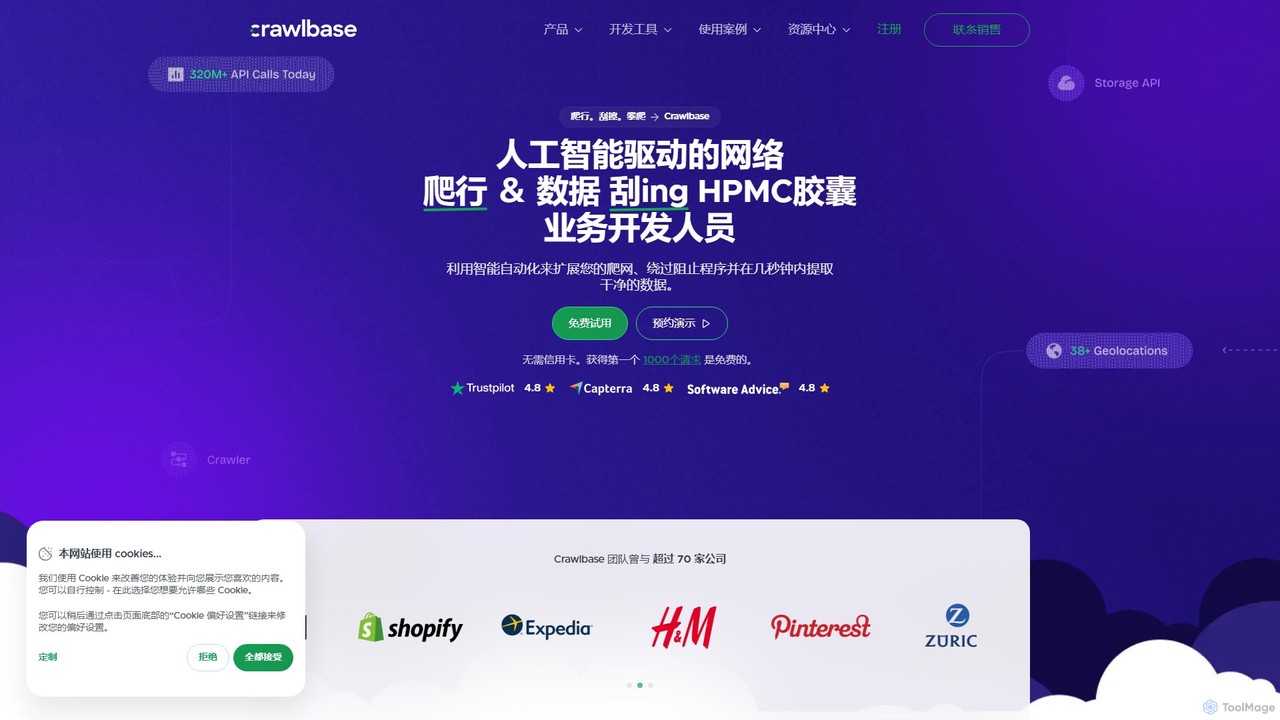
Crawlbase is an AI-powered web scraping and crawling platform designed for developers and businesses. It simplifies data extraction by handling proxies, CAPTCHAs, and anti-bot systems, allowing you to anonymously crawl any website and retrieve clean, structured data at scale. It offers a suite of tools including a Crawling API, Smart Proxy, and Cloud Storage.

Data Collection
Visits 5.9KFavorites 118Likes 118
Qdrant
Freemium

Qdrant

Qdrant is a high-performance, open-source vector database and similarity search engine built in Rust. It's designed to power next-generation AI applications by efficiently managing and searching billions of high-dimensional vectors. With advanced features like rich filtering, payload storage, and various quantization methods, Qdrant enables developers to build scalable and cost-effective solutions for semantic search, recommendation systems, and Retrieval Augmented Generation (RAG).

Vector Search
Visits 306KFavorites 154Likes 150
ragie
Freemium

ragie

Ragie is a fully managed RAG-as-a-Service platform designed for developers. It simplifies the process of building and deploying AI applications by handling the entire Retrieval-Augmented Generation pipeline. Connect your data sources, and use a simple API to power accurate, context-aware chatbots, semantic search, and knowledge management systems without the complexity of managing infrastructure.

Machine Learning
Visits 21.8KFavorites 146Likes 147

About Ai Infrastructure

AI Infrastructure provides the foundational hardware, software, and platforms necessary to build, train, deploy, and manage artificial intelligence models at scale. It encompasses specialized computing resources like GPUs, scalable data storage, and MLOps frameworks that streamline the entire machine learning lifecycle. This infrastructure is crucial for handling the immense computational and data requirements of modern AI, enabling developers and organizations to move from experimental models to production-grade applications efficiently. It acts as the essential power grid and plumbing for any serious AI development effort.

Core Features

  • GPU/TPU Compute Provisioning: Provides on-demand access to specialized processors optimized for the parallel computations required in deep learning.
  • MLOps Platforms: Offers integrated toolchains for automating model training, versioning, deployment, and monitoring (CI/CD for AI).
  • Scalable Data Storage: Delivers high-throughput storage solutions designed to handle petabyte-scale datasets for model training.
  • Model Serving Frameworks: Enables efficient deployment of trained models as scalable, low-latency APIs for real-time inference.
  • Data Processing & Labeling Tools: Includes services and frameworks for preparing, cleaning, and annotating large datasets to ensure model quality.

Use Cases

AI Infrastructure is primarily used by Machine Learning Engineers, Data Scientists, and AI Researchers within technology companies, research institutions, and large enterprises. It is fundamental for projects like training large language models (LLMs), developing computer vision systems for autonomous vehicles, or deploying real-time fraud detection algorithms in the financial sector. Any organization building custom AI solutions, rather than just using off-the-shelf AI tools, relies on this infrastructure.

How to Choose

When selecting AI Infrastructure, consider four key factors. First, evaluate the available computing power, specifically the types of GPUs or TPUs offered and their performance. Second, assess the MLOps capabilities for automation and lifecycle management. Third, analyze the cost structure, comparing pay-as-you-go models with reserved instances for long-term projects. Finally, check for compatibility with your preferred machine learning frameworks like PyTorch or TensorFlow and integration with your existing cloud ecosystem.

Featured tool rankings

Ai Infrastructure use cases

1

Training a Large Language Model (LLM)

An AI research lab needs to train a new foundation model from scratch. They utilize an AI infrastructure provider to provision a cluster of hundreds of high-performance GPUs. The platform allows them to manage a multi-terabyte text dataset, use distributed training frameworks to accelerate the process, and leverage an MLOps dashboard to track experiment metrics, manage checkpoints, and compare model performance. This setup reduces the training time from months to weeks and provides the necessary scalability to handle massive model parameters.

2

Deploying a Real-time Recommendation Engine

An e-commerce company wants to serve personalized product recommendations to millions of users. Their ML engineers use a model serving platform within their AI infrastructure to deploy a trained recommendation model as a scalable API. The platform handles auto-scaling to manage traffic spikes during sales events, provides low-latency inference to ensure a smooth user experience, and offers monitoring tools to detect model drift or performance degradation. This allows them to maintain a high-quality, responsive recommendation service without managing the underlying server complexity.

3

Building a Computer Vision Data Pipeline

An autonomous vehicle company collects petabytes of sensor data daily. Data scientists use AI infrastructure to build an automated data pipeline. This involves using scalable object storage to house the raw data, distributed computing frameworks to preprocess and transform it, and integrated data labeling services to annotate images for training. The infrastructure's ability to process massive datasets in parallel is critical for iterating on perception models quickly and improving the vehicle's safety and reliability.

4

Fine-tuning a Model for Enterprise Use

A financial services firm wants to use a generative AI model for internal knowledge management, but it needs to be trained on their proprietary data. They use a managed AI platform that provides a secure environment for fine-tuning. The infrastructure ensures data privacy and compliance. The MLOps tools allow them to version control the fine-tuned models, run evaluations to prevent harmful outputs, and deploy the specialized model as a secure internal API for employee use, all within a controlled and auditable environment.

5

Managing the Lifecycle of Multiple ML Models

A marketing technology company operates dozens of models for ad bidding and customer segmentation. Their DevOps team uses an MLOps platform to manage the entire lifecycle. The platform automates the retraining of models on new data, runs A/B tests to compare new versions against the current production model, and provides a central registry to track all deployed models. This systematic approach ensures models remain accurate and allows the team to manage a complex portfolio of AI services efficiently.

6

Providing AI-as-a-Service via API

An AI startup develops a proprietary algorithm for audio transcription. To monetize it, they use AI infrastructure to package the model into a secure, reliable, and scalable API. The infrastructure provider handles user authentication, rate limiting, billing integration, and provides a developer portal with documentation. This allows the startup to focus on improving their core AI model while the infrastructure handles the complexities of delivering it as a commercial service to thousands of developers and businesses.

Ai Infrastructure FAQ

What is AI Infrastructure?

AI Infrastructure is the complete set of foundational technologies used to build, train, and run AI models. It's not the AI application itself, but the underlying 'factory' that makes it possible. This includes specialized hardware like GPUs and TPUs for computation, scalable storage for massive datasets, high-speed networking, and software platforms like MLOps for managing the entire AI lifecycle from development to production.

How do I choose the right AI Infrastructure provider?

Choosing the right provider depends on your specific needs. Consider these factors:

  • Compute Requirements: Do you need access to the latest, most powerful GPUs (like NVIDIA H100s) for training large models, or are more cost-effective options sufficient for inference?
  • Scalability: Can the platform easily scale your resources up or down based on demand?
  • MLOps Tooling: Does the provider offer a comprehensive suite of tools for experiment tracking, model versioning, and automated deployment?
  • Cost: Compare pricing models. Pay-as-you-go is flexible for experimentation, while reserved instances can be cheaper for long-term, predictable workloads.
  • Ecosystem: How well does it integrate with your existing data sources, cloud services, and preferred ML frameworks (e.g., PyTorch, TensorFlow)?
What's the difference between AI Infrastructure and a pre-trained AI model?

The difference is like that between a car factory and a car. AI Infrastructure is the 'factory'—it's the entire collection of hardware (GPUs), software (MLOps), and services needed to build, train, and operate AI. A pre-trained AI model (like GPT-4) is the 'car'—a finished product created using that infrastructure. You use infrastructure to create new models, fine-tune existing ones, or run them for your applications. You use a pre-trained model to perform a specific task, like generating text or analyzing images.

What are the key components of AI Infrastructure?

AI Infrastructure is typically composed of several key layers:

  • Compute: This is the engine, primarily consisting of Graphics Processing Units (GPUs) or Tensor Processing Units (TPUs) that are highly efficient at parallel processing tasks common in AI.
  • Storage: High-performance, scalable storage systems (like object storage) are needed to hold and quickly access the massive datasets required for training.
  • Networking: High-speed, low-latency networking is crucial to connect compute nodes and storage, especially for distributed training across many machines.
  • MLOps/Software Platform: This layer includes tools for data management, experiment tracking, model versioning, automated deployment (CI/CD), and performance monitoring.
Who needs to use AI Infrastructure tools?

AI Infrastructure is essential for professionals who are actively building, training, or managing AI models, rather than just using AI-powered applications. Key users include:

  • Machine Learning Engineers: They build and maintain the production systems that run AI models.
  • Data Scientists: They use the infrastructure to experiment with data, build, and train models.
  • AI Researchers: They require massive computational power to train and test new, state-of-the-art architectures.
  • DevOps/MLOps Engineers: They focus on automating the deployment, scaling, and monitoring of models in production environments.

It is generally not intended for business end-users, marketers, or content creators who consume AI services through a finished application.