Ai Infrastructure Best in category 3 results Monitoring AI Tool

Popular AI tools in the Monitoring field of Ai Infrastructure include Hamming AI、dmodel.ai、Tropir, etc., helping you quickly improve efficiency.

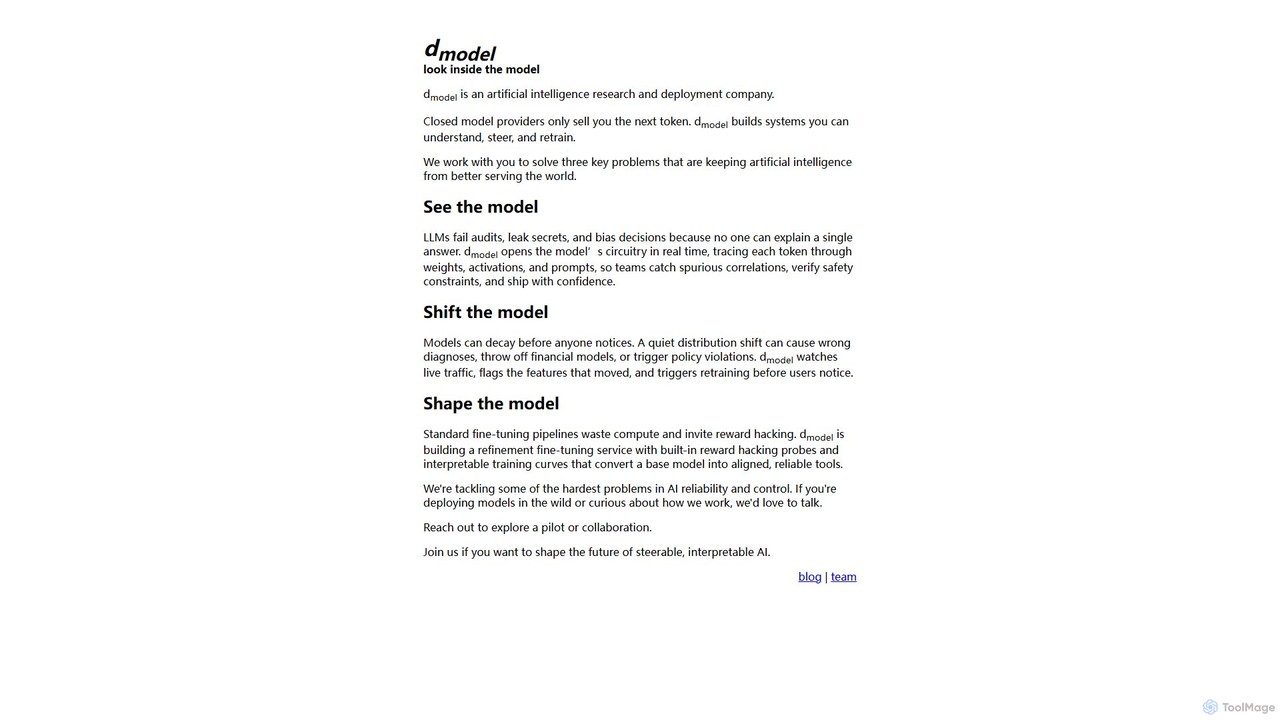
dmodel.ai

dmodel.ai

dmodel.ai is an AI research and deployment company offering tools for model interpretability, monitoring, and control. It helps …

5.3K
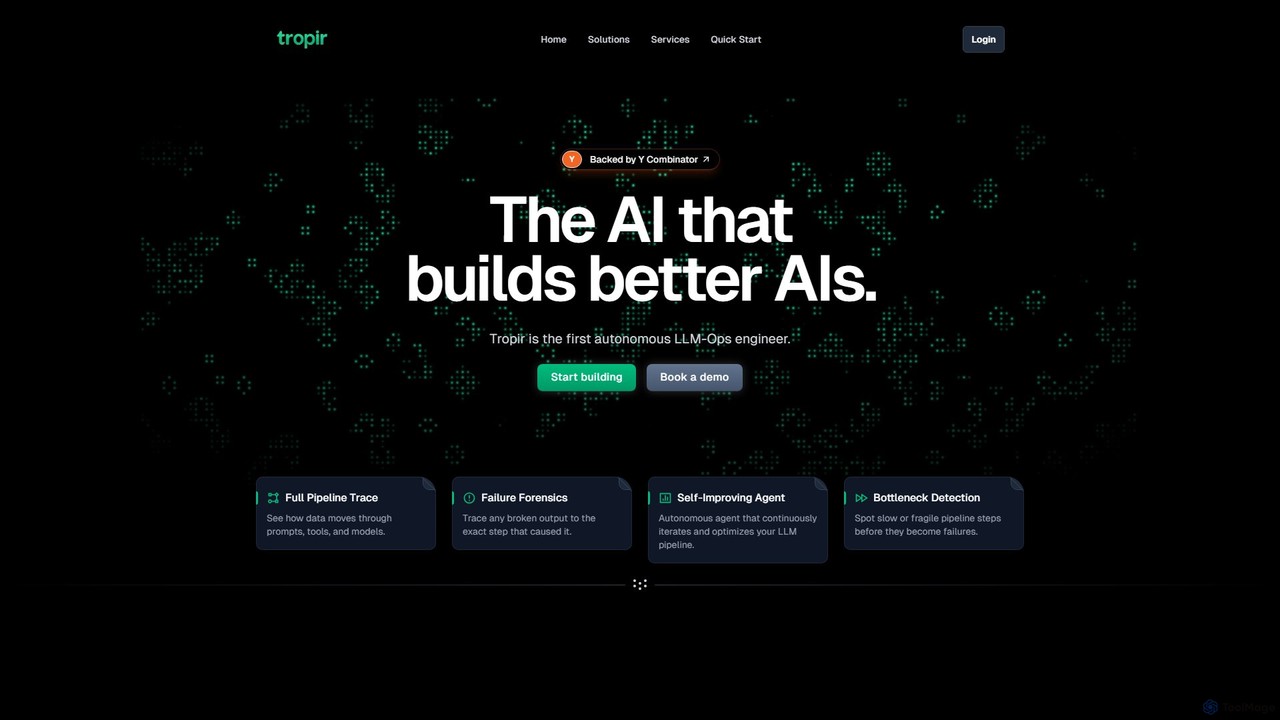
Tropir

Tropir

Tropir is the first autonomous LLM-Ops engineer, designed to help developers build, debug, and optimize complex AI and …

182
Hamming AI

Hamming AI

Hamming AI is an advanced platform for automated testing, production monitoring, and analytics for AI voice agents. It …

32.0K

About Monitoring

AI Monitoring tools are a specialized class of software designed to observe, analyze, and manage the performance of machine learning models in production. Unlike traditional system monitoring, these tools focus on unique ML-specific issues like data drift, concept drift, and prediction accuracy degradation. They provide real-time insights into model behavior, ensuring reliability, fairness, and optimal performance over time. This continuous oversight is crucial for maintaining the value and integrity of AI systems within the broader AI infrastructure.

Core Features

  • Model Performance Tracking: Continuously measures metrics like accuracy, precision, and recall against production data.
  • Drift Detection: Automatically identifies statistical changes in input data (data drift) or target variable relationships (concept drift).
  • Explainability & Bias Auditing: Provides insights into model predictions and detects potential fairness issues or biases.
  • Anomaly Detection: Uses AI to flag unusual prediction patterns, data inputs, or operational behavior.
  • Operational Health Metrics: Monitors infrastructure-level performance such as latency, throughput, and error rates for model endpoints.

Use Cases

These tools are essential for any organization deploying critical AI systems. In finance, they monitor credit scoring models for fairness and drift. E-commerce platforms use them to ensure recommendation engines remain relevant. In healthcare, they validate the ongoing accuracy of diagnostic AI, maintaining patient safety and regulatory compliance.

How to Choose

When selecting an AI Monitoring tool, consider its compatibility with your ML frameworks (e.g., TensorFlow, PyTorch). Evaluate its integration capabilities with your existing MLOps pipeline and cloud environment. Assess the scope of monitoring offered—does it cover data drift, explainability, and performance? Finally, consider its scalability to handle your prediction volume and the customizability of its alerting and reporting features.

MonitoringUse Cases

1

Ensuring Fairness in Financial Credit Models

Financial institutions use AI monitoring to continuously audit their credit scoring and loan approval models. The tool tracks prediction outcomes across different demographic groups, automatically flagging any emerging biases that could lead to discriminatory practices. It also monitors for data drift, such as changes in economic conditions that might affect applicant profiles, ensuring the model remains compliant with regulations.

2

Maintaining Recommendation Engine Relevancy

An e-commerce company deploys an AI monitoring tool to track its product recommendation engine. The system detects concept drift when user preferences or market trends shift. It alerts the MLOps team when the model's click-through rate predictions start to degrade, signaling that a retrain is needed to keep recommendations fresh, engaging, and profitable.

3

Validating AI-Powered Medical Diagnostics

In healthcare, a hospital uses AI monitoring to oversee a model that detects diseases from medical images. The tool provides real-time tracking of the model's accuracy against new patient data validated by radiologists. It also monitors for data drift caused by new imaging equipment or protocols, ensuring the AI's diagnostic performance remains reliable and safe for clinical use.

4

Optimizing Chatbot Performance in Customer Service

A tech company monitors its customer support chatbot to improve user satisfaction. The AI monitoring platform analyzes conversations to identify topics where the chatbot frequently fails or misunderstands user intent. It tracks metrics like resolution rate and escalation rate, providing actionable insights for the development team to refine the bot's training data and conversational flows.

5

Detecting Anomalies in Manufacturing Quality Control

A factory uses a computer vision model to spot defects on its production line. An AI monitoring tool observes the model's predictions in real-time. It uses anomaly detection to flag sudden spikes in defect classifications, which could indicate a problem with a specific machine or a batch of raw materials, allowing for immediate intervention before large quantities of faulty products are made.

6

Auditing Content Moderation Systems for Bias

A social media platform employs AI monitoring to ensure its automated content moderation system is fair and effective. The tool analyzes the model's decisions to remove content, checking for biases against certain topics, languages, or user groups. It also detects concept drift as new forms of harmful content or slang emerge, helping the platform adapt its policies and retrain its models quickly.

MonitoringFrequently Asked Questions