Thordata
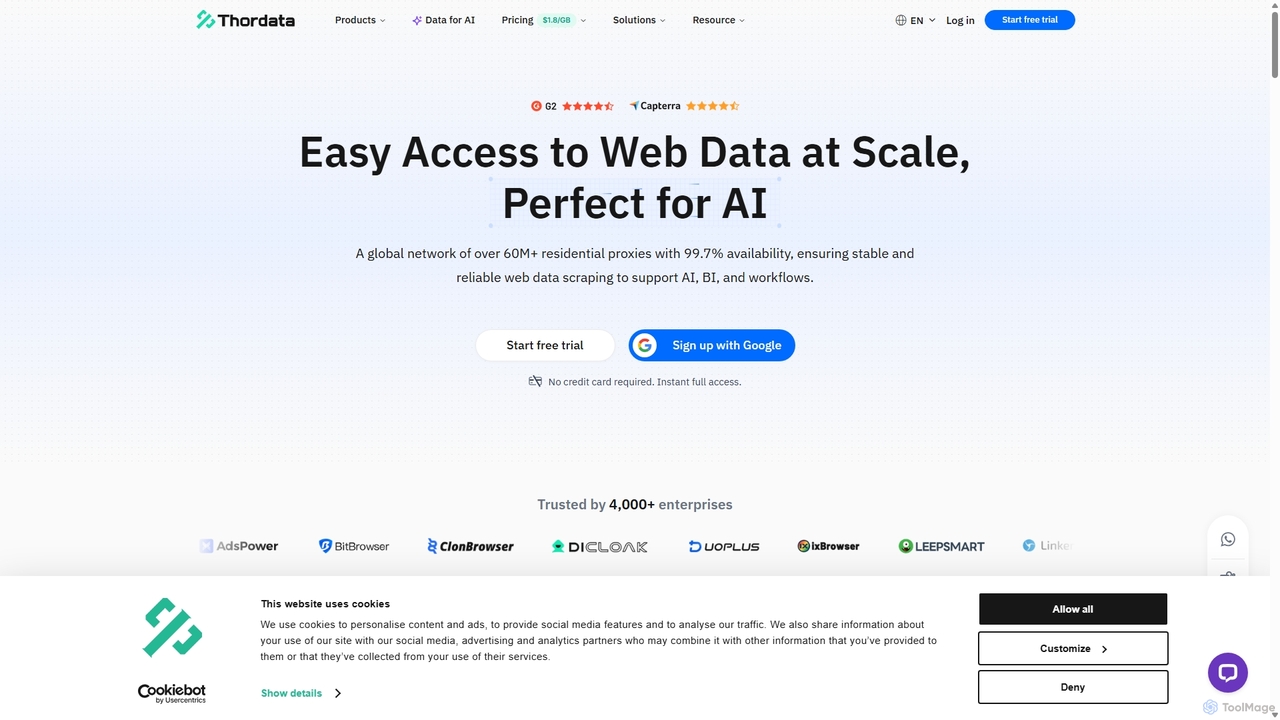
Thordata is a high-performance proxy service provider designed for large-scale web data scraping and AI applications. It offers …
Thordata is a high-performance proxy service provider designed for large-scale web data scraping and AI applications. It offers a global network of over 60 million residential, mobile, ISP, and datacenter proxies with high uptime and low latency. Thordata also provides powerful Scraper APIs and a Data Marketplace to simplify data acquisition for tasks like AI model training, e-commerce monitoring, SEO analysis, and brand protection, ensuring reliable and scalable access to public web data.
Crawlbase
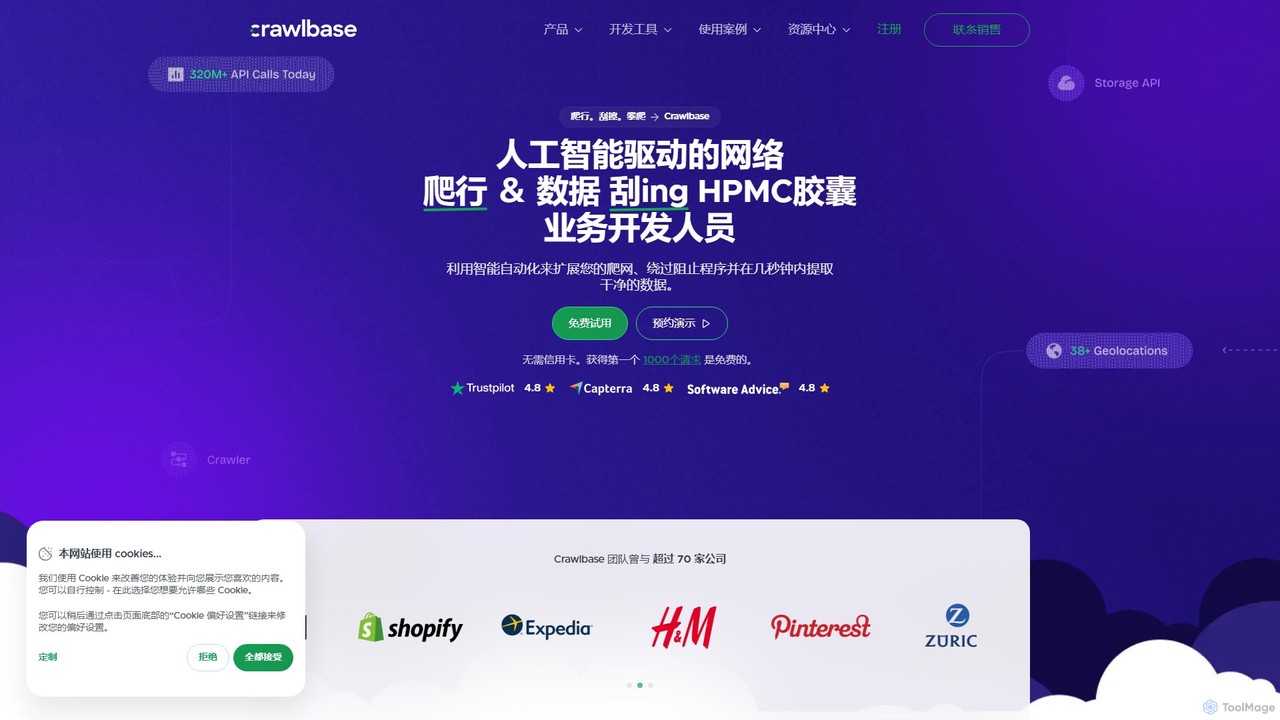
Crawlbase is an AI-powered web scraping and crawling platform designed for developers and businesses. It simplifies data extraction …
Crawlbase is an AI-powered web scraping and crawling platform designed for developers and businesses. It simplifies data extraction by handling proxies, CAPTCHAs, and anti-bot systems, allowing you to anonymously crawl any website and retrieve clean, structured data at scale. It offers a suite of tools including a Crawling API, Smart Proxy, and Cloud Storage.
Firecrawl
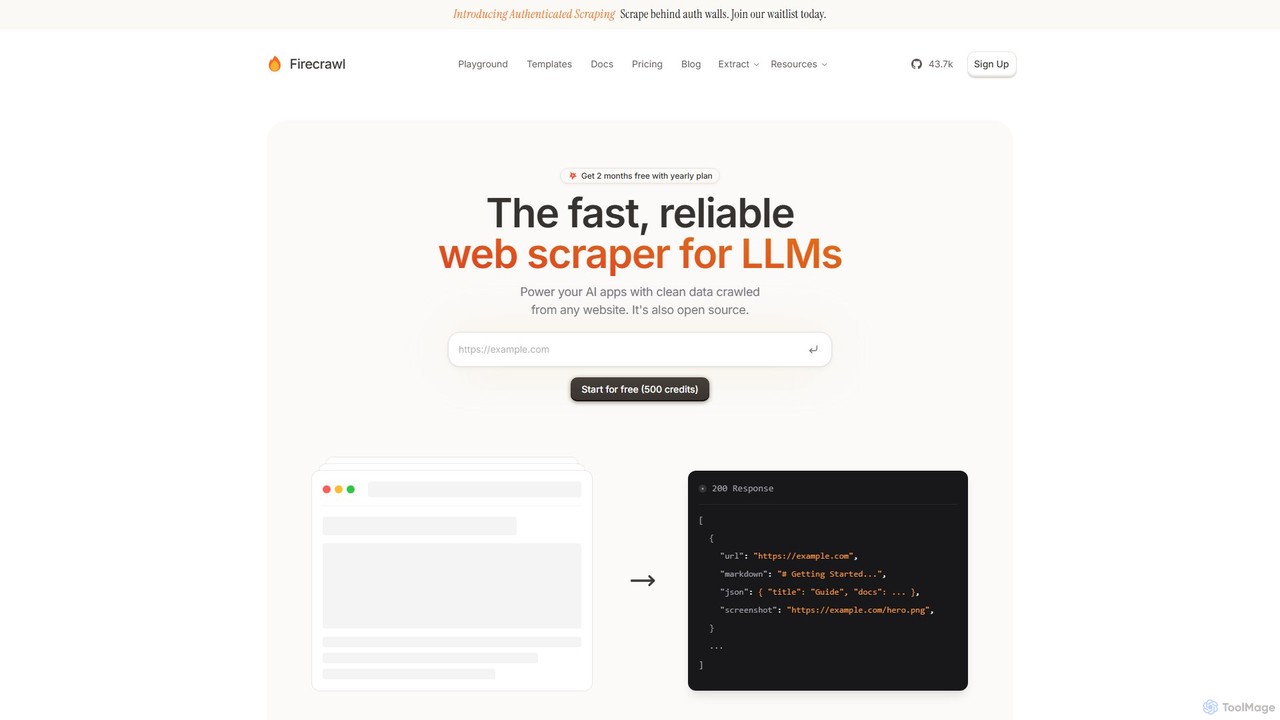
Firecrawl is an open-source, developer-first API that turns any website into clean, LLM-ready data. It handles all the …
Firecrawl is an open-source, developer-first API that turns any website into clean, LLM-ready data. It handles all the complexities of web scraping, including JavaScript rendering, proxy rotation, and rate limits, allowing you to power AI applications, agents, and RAG systems with reliable web content. It offers scraping, crawling, and search functionalities through a simple API.
About Data Collection
Data Collection tools are specialized platforms designed to systematically gather raw data from diverse sources for training and validating AI models. These tools automate the process of acquiring information from websites, APIs, and databases using techniques like web scraping and data integration. Their primary value lies in building the high-quality, large-scale datasets that are foundational to any effective machine learning project. As a crucial component of AI Infrastructure, they represent the first step in the data pipeline, feeding raw data into subsequent processing, annotation, and training stages.
Core Features
- Automated Scraping: Extracts structured data from web pages without manual intervention.
- API Integration: Connects to various third-party services and databases to pull data directly.
- Scheduled Collection: Configures and runs data gathering jobs at regular intervals to keep datasets current.
- Data Structuring: Automatically formats and organizes collected data into usable formats like JSON or CSV.
- Proxy Management: Utilizes proxy servers to manage collection tasks at scale and avoid IP blocking.
Use Cases
These tools are essential for data scientists, machine learning engineers, and market researchers. They are widely used in e-commerce for competitor analysis, in finance for aggregating market data, and in academic research for building novel datasets for experimentation.
How to Choose
When selecting a Data Collection tool, consider the types of data sources you need (websites, APIs), the required scale of collection, and your team's technical expertise (no-code vs. developer-focused). Also evaluate data quality features, export options, and the platform's adherence to ethical guidelines and data privacy regulations.

Data CollectionUse Cases
Aggregate Competitor Pricing for E-commerce
An e-commerce strategist uses a data collection tool to automatically scrape product prices, stock levels, and customer reviews from dozens of competitor websites daily. This data is fed into a pricing engine to dynamically adjust their own prices, maintaining a competitive edge. The process, which would take a team hundreds of hours manually, is completed in under an hour, providing real-time market intelligence and boosting profit margins.
Build Image Datasets for Computer Vision
A machine learning engineer needs to train a model to identify specific types of architectural styles. Using a data collection tool, they gather hundreds of thousands of labeled images from public repositories, stock photo sites, and architectural forums. The tool automates the downloading, resizing, and initial categorization of images, saving weeks of manual labor. This large, diverse dataset is crucial for training a highly accurate and robust computer vision model.
Collect Financial News for Sentiment Analysis
A quantitative analyst at a hedge fund sets up a data collection tool to monitor financial news websites, press releases, and social media for mentions of specific stocks. The tool uses API integrations and web scrapers to gather text data in real-time. This data stream is then processed by a Natural Language Processing (NLP) model to gauge market sentiment, helping traders make more informed, data-driven decisions within minutes of news breaking.
Scrape Real Estate Data for Market Prediction
A data science team at a real estate tech company automates the collection of property listings from multiple national and local websites. The tool is scheduled to run nightly, capturing new listings and updating existing ones with details like price, square footage, and days on market. This structured dataset, containing millions of records, is used to train a machine learning model that predicts future property values and identifies investment opportunities with high accuracy.
Monitor Social Media for Brand Mentions
A marketing analytics team uses a data collection tool to continuously gather public posts, comments, and stories mentioning their brand or key products from platforms like Twitter, Reddit, and Instagram. By connecting to these platforms' APIs, the tool provides a near real-time feed of user-generated content. This allows the team to track brand sentiment, identify emerging trends, and engage with customers proactively, turning raw social data into actionable marketing insights.
Generate Synthetic Data for Model Robustness
A developer working on a fraud detection system has limited real-world data for rare types of fraud. Instead of relying solely on scarce examples, they use a data collection tool that also has synthetic data generation capabilities. The tool creates thousands of realistic but artificial data points that mimic the characteristics of rare fraud cases. This augmented dataset helps train a more robust AI model that can better identify unusual patterns, significantly improving its real-world performance and accuracy.