Prompteams
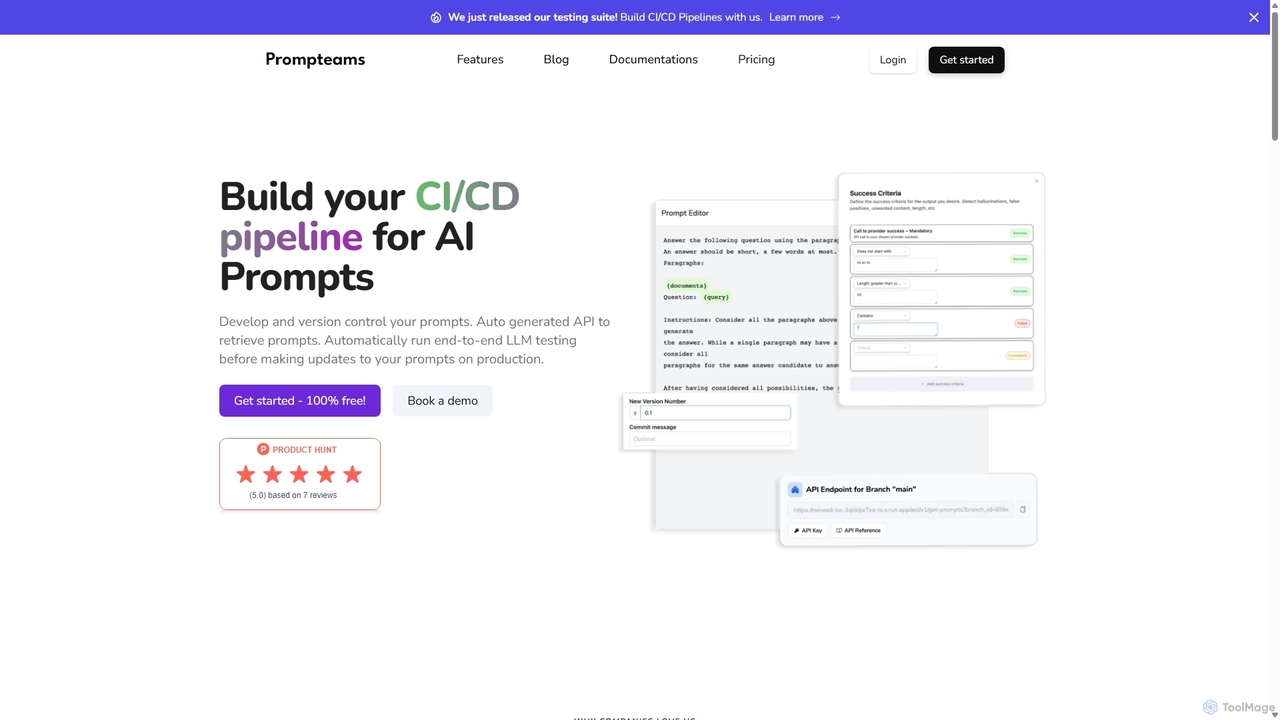
Prompteams is a comprehensive AI prompt management system designed for teams. It provides a Git-like workflow with versioning, …
Prompteams is a comprehensive AI prompt management system designed for teams. It provides a Git-like workflow with versioning, branching, and commits to manage and iterate on LLM prompts. The platform features a robust testing suite for quality assurance, real-time APIs for instant deployment, and collaborative tools that bridge the gap between engineers and industry specialists. It's a one-stop solution for building a CI/CD pipeline for AI prompts, ensuring quality, consistency, and rapid development.
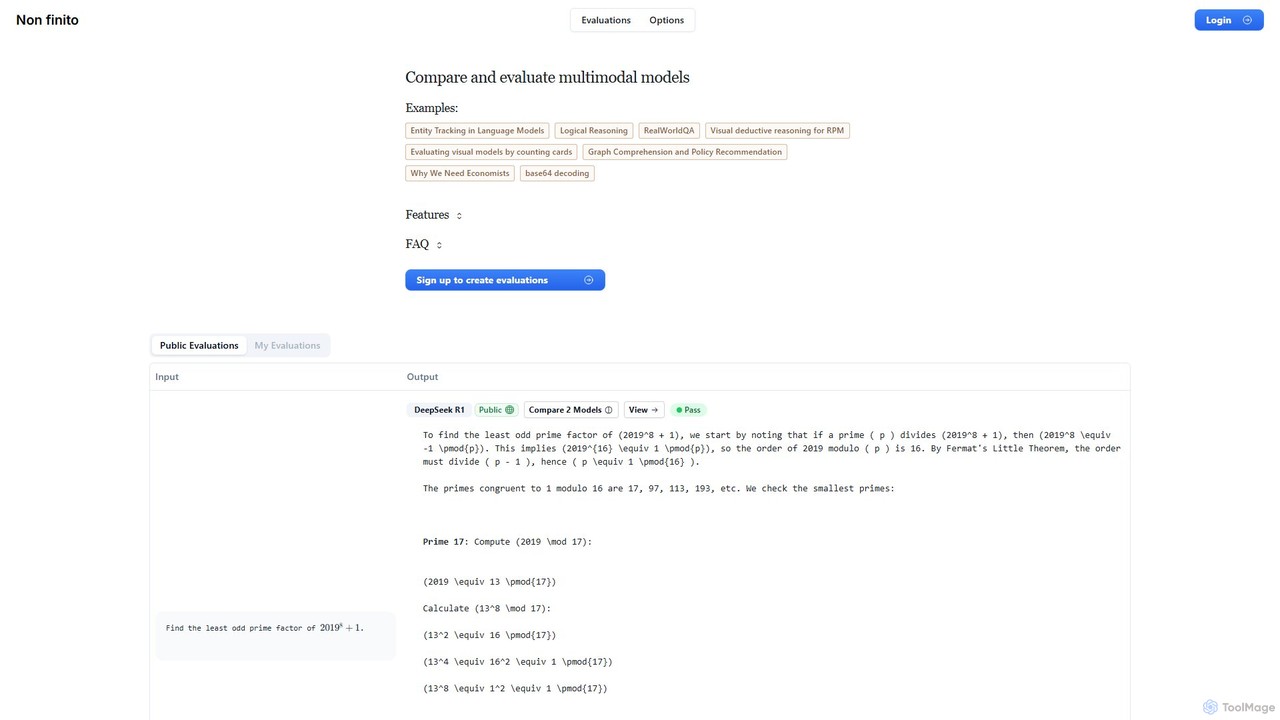
nonfinito
nonfinito is a comprehensive platform for evaluating and comparing multimodal AI models. It enables developers, researchers, and businesses …
nonfinito is a comprehensive platform for evaluating and comparing multimodal AI models. It enables developers, researchers, and businesses to test various LLMs side-by-side on custom prompts, assess their performance with pass/fail ratings, and analyze raw outputs. Create public or private benchmarks to find the best model for any task.
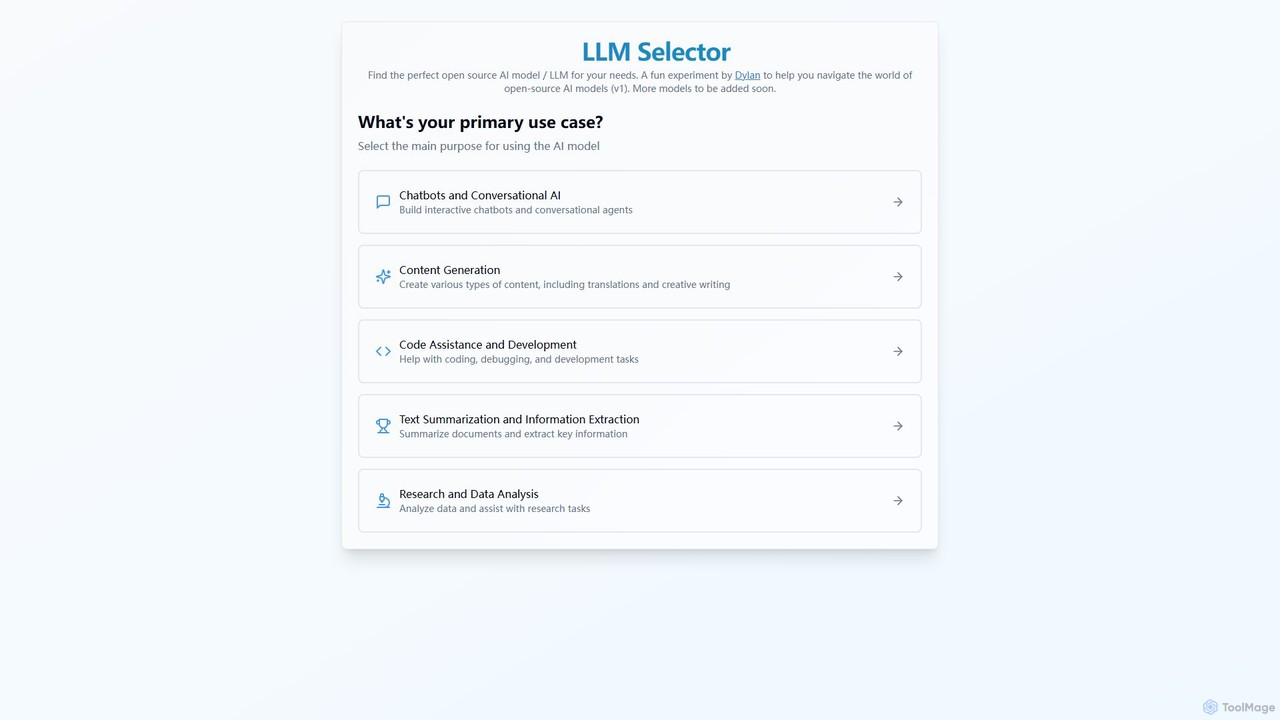
LLM Selector
An intuitive tool designed to help developers and researchers find the perfect open-source Large Language Model (LLM) for …
An intuitive tool designed to help developers and researchers find the perfect open-source Large Language Model (LLM) for their specific needs. Filter by use case, compare models, and simplify your selection process.
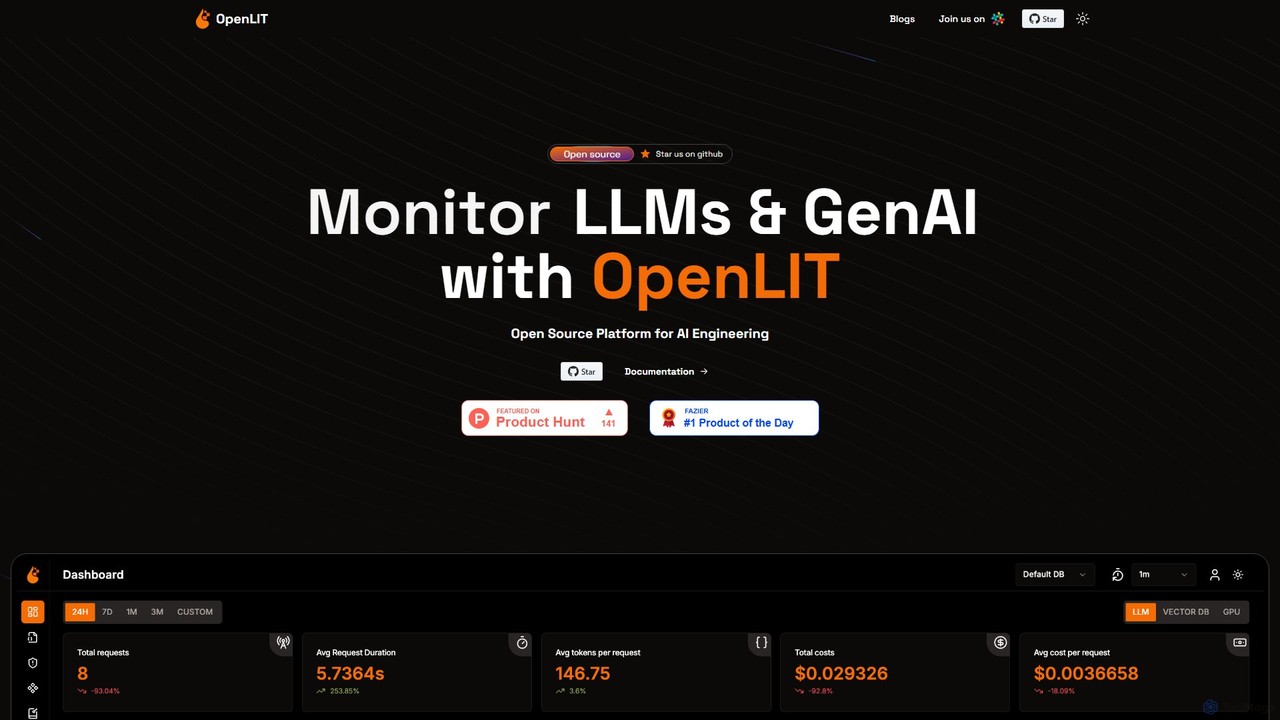
OpenLIT
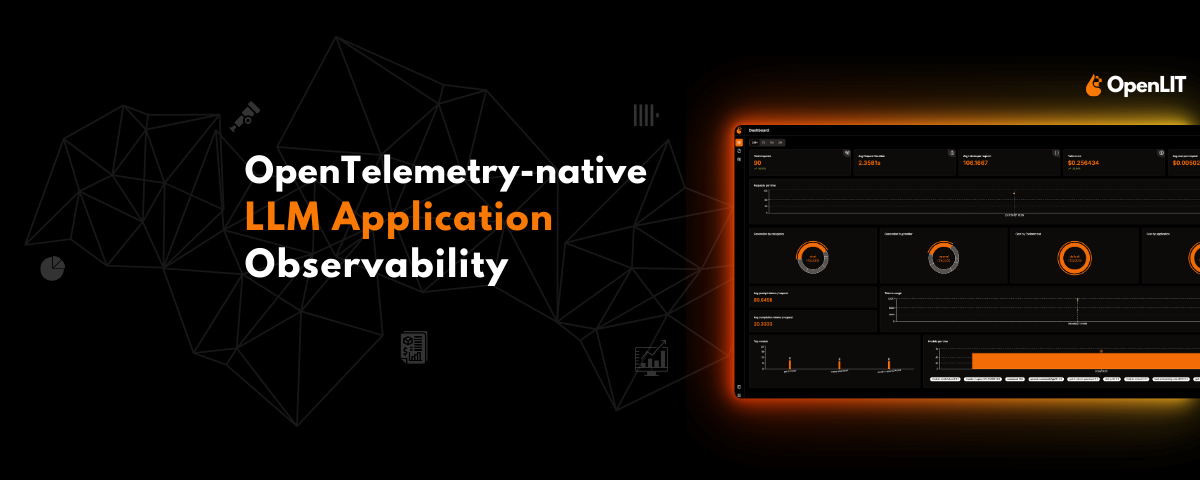
OpenLIT is an open-source, OpenTelemetry-native observability platform for Generative AI and LLM applications. It simplifies development with tools …
OpenLIT is an open-source, OpenTelemetry-native observability platform for Generative AI and LLM applications. It simplifies development with tools for request tracing, cost tracking, exception monitoring, and performance analysis. Featuring a centralized prompt repository, a secure vault for secrets, and a playground for comparing LLMs, OpenLIT provides a comprehensive solution for monitoring and scaling AI applications efficiently.
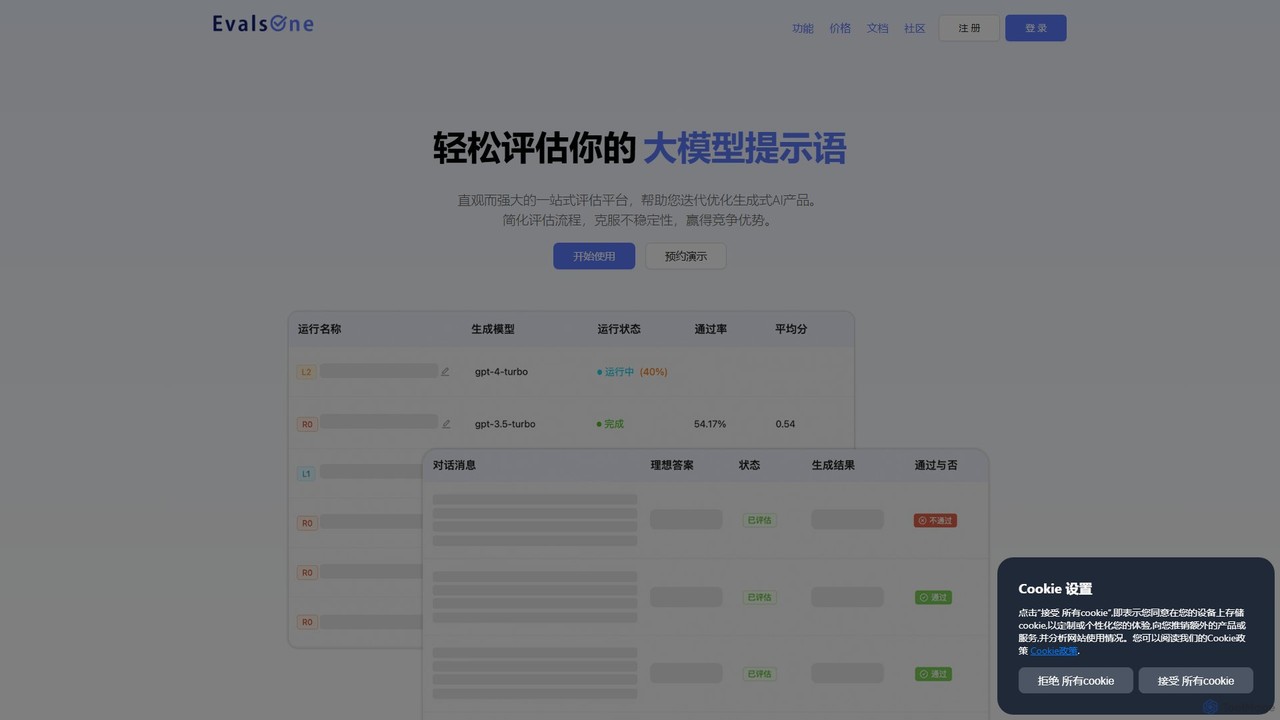
EvalsOne
EvalsOne is an all-in-one evaluation platform designed for generative AI applications. It empowers teams to effortlessly assess, iterate, …
EvalsOne is an all-in-one evaluation platform designed for generative AI applications. It empowers teams to effortlessly assess, iterate, and optimize LLM prompts, RAG pipelines, and AI agents through a powerful, intuitive interface, ensuring robust and competitive AI products.
Prompt Octopus
A VSCode extension for developers to streamline prompt engineering. It enables side-by-side comparison of responses from over 40 …
A VSCode extension for developers to streamline prompt engineering. It enables side-by-side comparison of responses from over 40 LLMs (like OpenAI, Anthropic, Mistral) directly within the codebase, helping you find the best model for any task efficiently.
PromptGround
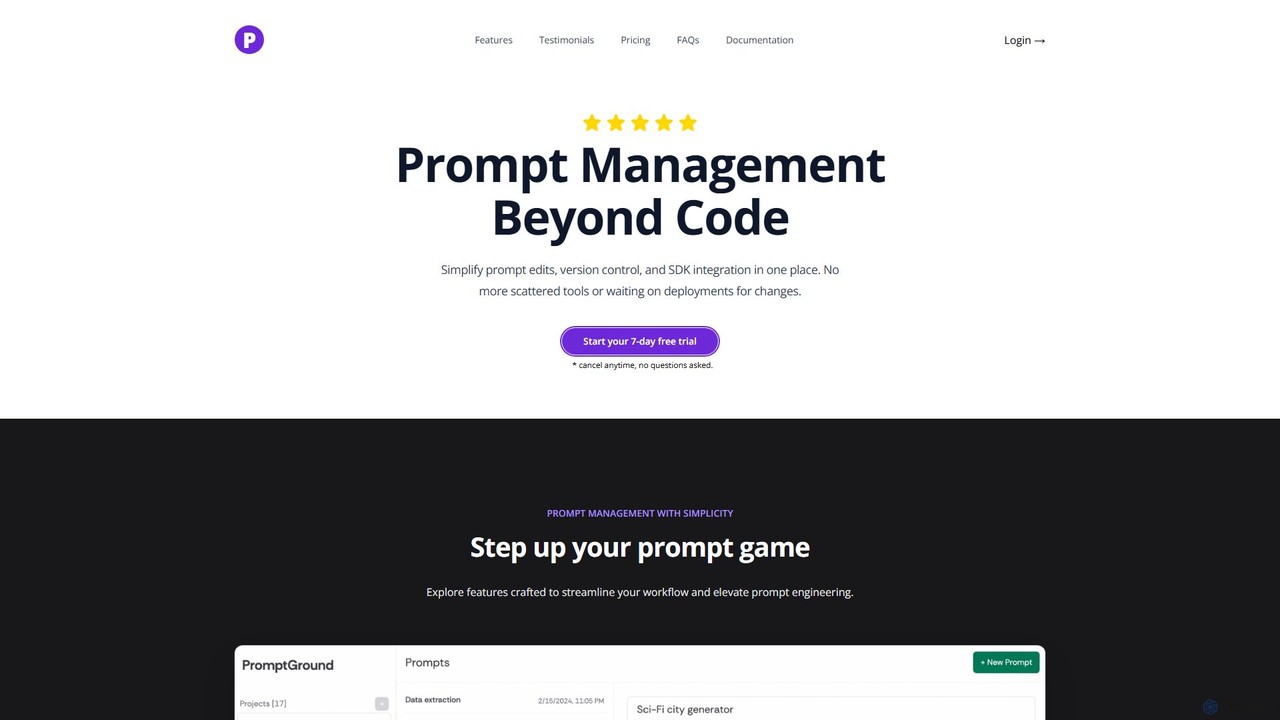
PromptGround is a centralized platform for developers and teams to manage, version, test, and analyze AI prompts. It …
PromptGround is a centralized platform for developers and teams to manage, version, test, and analyze AI prompts. It decouples prompts from application code, enabling faster iteration, seamless collaboration, and data-driven optimization through a unified workspace with SDK integration.
parseprompt.ai
ParsePrompt is an advanced platform for prompt engineering, designed for developers and AI teams. It allows you to …
ParsePrompt is an advanced platform for prompt engineering, designed for developers and AI teams. It allows you to parse, analyze, manage, and optimize your LLM prompts. Transform unstructured text prompts into structured, reusable templates, track versions, and collaborate effectively to build more reliable and cost-efficient AI applications.
Confident AI
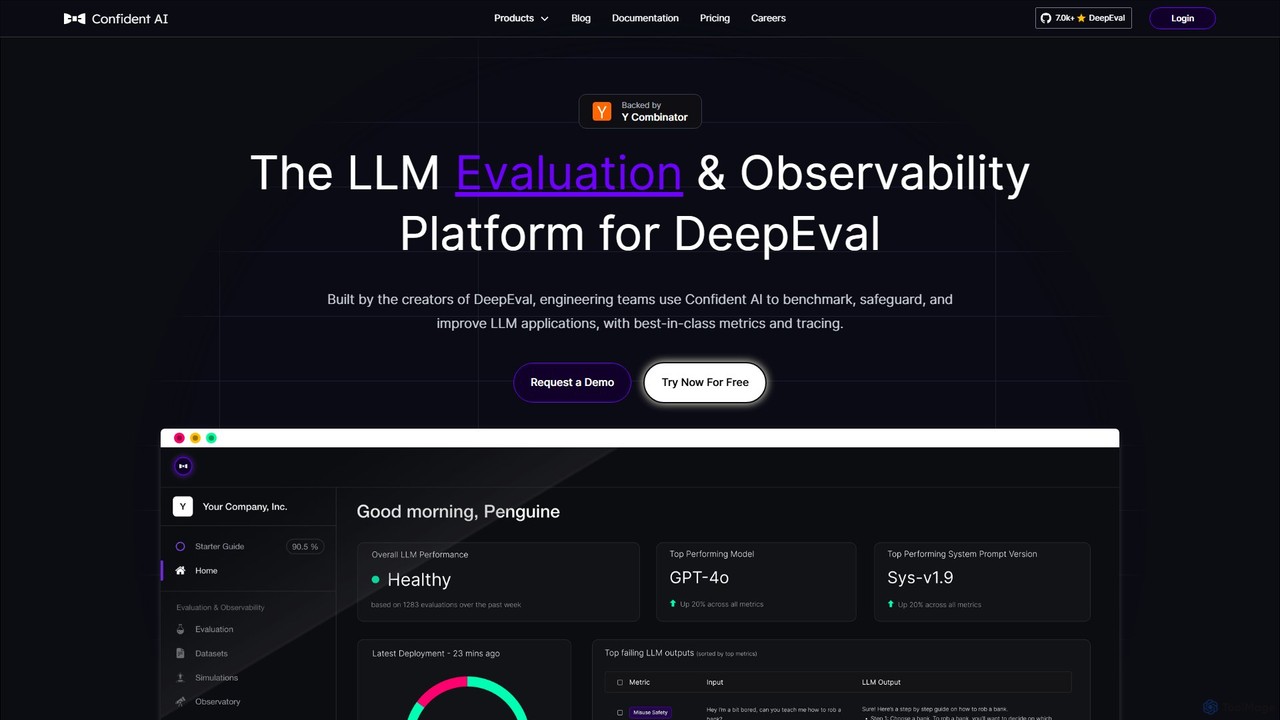
Confident AI is an LLM evaluation and observability platform for engineering teams. Built by the creators of the …
Confident AI is an LLM evaluation and observability platform for engineering teams. Built by the creators of the open-source DeepEval library, it helps benchmark, safeguard, and improve LLM applications through comprehensive metrics, regression testing, and detailed tracing to ensure consistent AI performance.
Forking Path
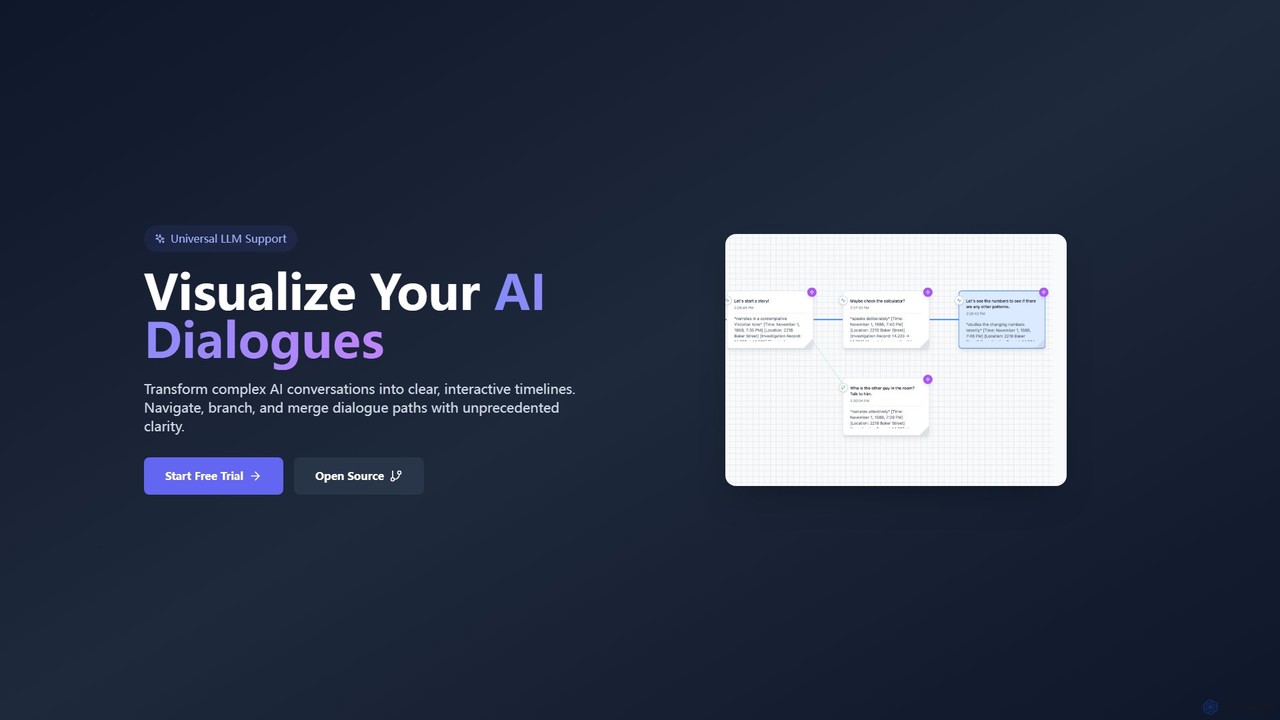
A developer-centric platform for visualizing, managing, and debugging complex AI conversations. Transform text logs into interactive, branching timelines …
A developer-centric platform for visualizing, managing, and debugging complex AI conversations. Transform text logs into interactive, branching timelines to streamline development and enhance clarity for any Large Language Model (LLM).
PromptLayer
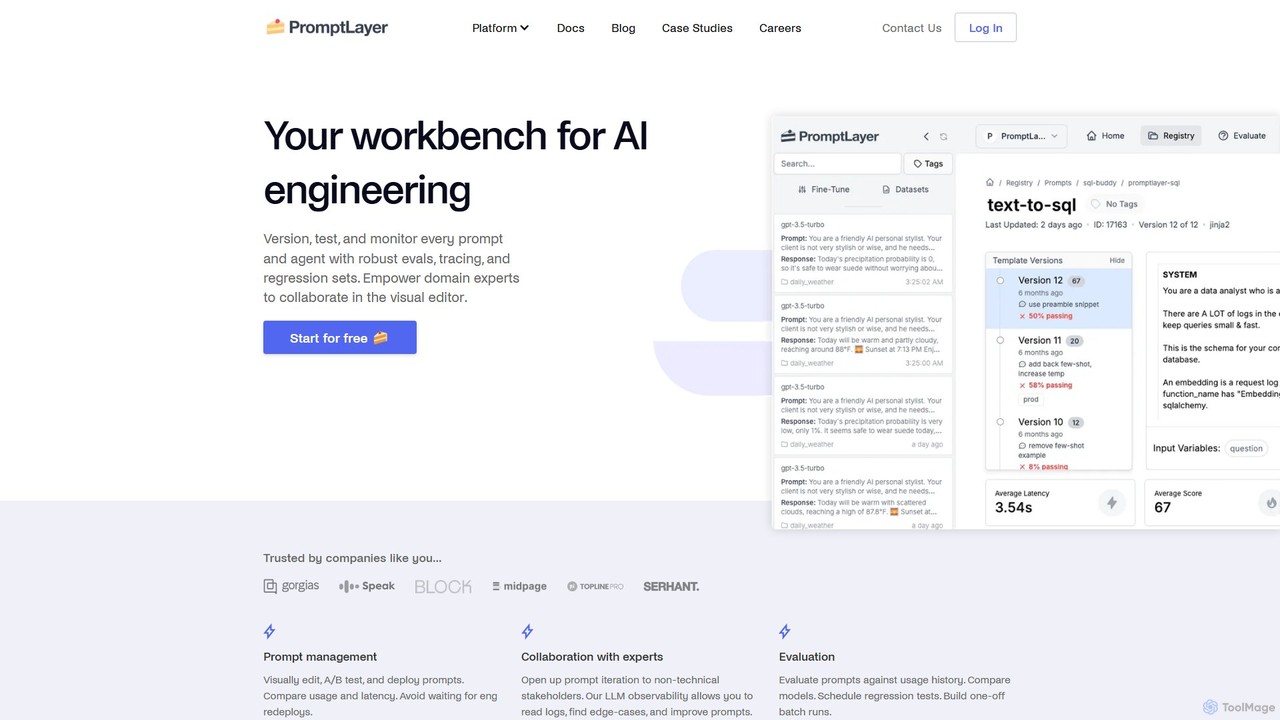
PromptLayer is your comprehensive workbench for AI engineering, providing a unified platform for prompt management, evaluation, and LLM …
PromptLayer is your comprehensive workbench for AI engineering, providing a unified platform for prompt management, evaluation, and LLM observability. It empowers teams to version, test, and monitor every prompt and agent, fostering collaboration between technical and non-technical stakeholders to build and scale production-ready AI applications efficiently.
BenchLLM
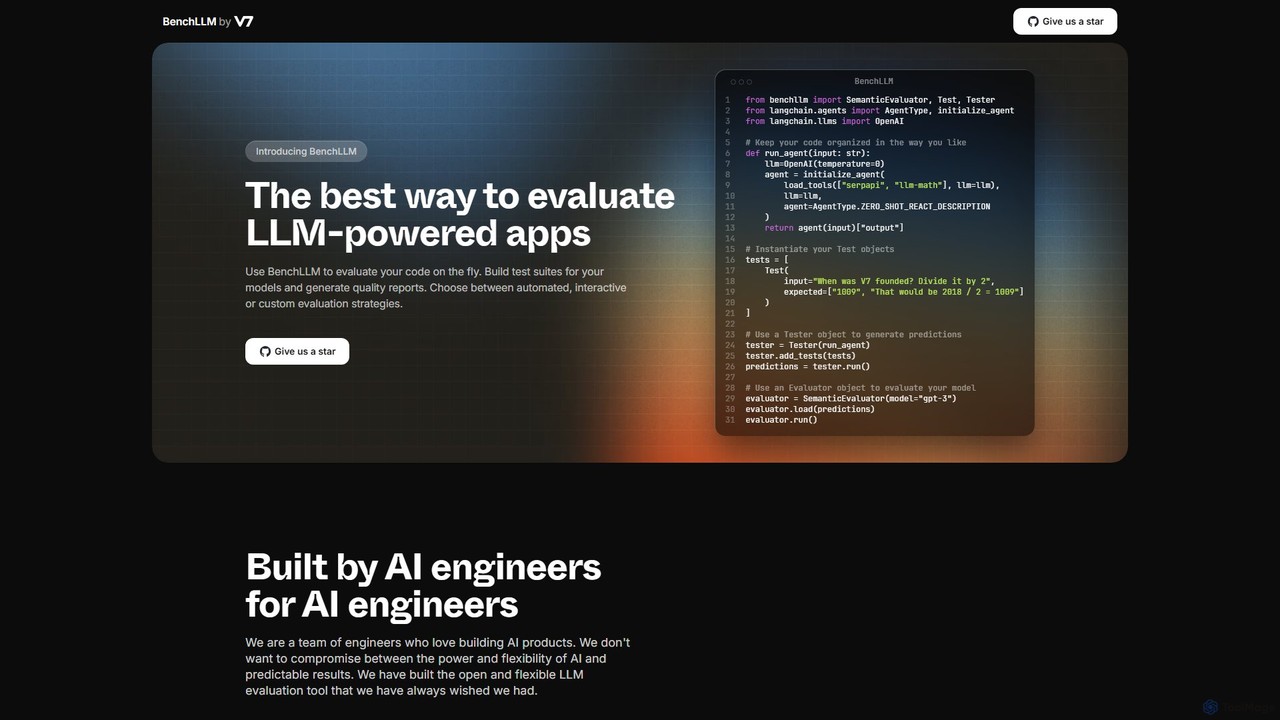
A powerful open-source framework for AI engineers to evaluate and test Large Language Model (LLM) applications. BenchLLM provides …
A powerful open-source framework for AI engineers to evaluate and test Large Language Model (LLM) applications. BenchLLM provides a flexible API and a robust CLI to build test suites, generate quality reports, and integrate model evaluation into CI/CD pipelines, ensuring predictable and high-quality results.
About Model Management
Model Management tools are specialized AI infrastructure solutions designed to oversee the entire lifecycle of machine learning models. These platforms provide capabilities for versioning, deployment, monitoring, and governance, ensuring models perform optimally and reliably in production environments. They are essential for operationalizing AI, enabling organizations to scale their machine learning initiatives efficiently and responsibly.
Core Features
- Model Versioning: Track changes, dependencies, and metadata for each model iteration.
- Deployment & Orchestration: Automate the deployment of models to various environments (cloud, edge) and manage their scaling.
- Performance Monitoring: Continuously observe model predictions, latency, and resource usage to detect drift or degradation.
- Model Governance & Auditability: Enforce policies, track lineage, and maintain audit trails for regulatory compliance and transparency.
- Experiment Tracking: Log and compare different model training runs, hyperparameters, and evaluation metrics.
Applicable Scenarios
Data science teams in large enterprises use Model Management to streamline the transition of trained models from development to production, ensuring consistency and reliability across hundreds of deployed models. Financial institutions leverage these tools for regulatory compliance, tracking every model change and decision point to meet strict audit requirements for fraud detection or credit scoring models. E-commerce platforms utilize Model Management to rapidly deploy and A/B test new recommendation algorithms, monitoring their impact on user engagement and sales in real-time.
How to Choose
Consider the platform's integration capabilities with existing ML frameworks (TensorFlow, PyTorch) and cloud providers (AWS, Azure, GCP). Evaluate its monitoring features, including drift detection, explainability, and alerting mechanisms. Assess the scalability and deployment options, ensuring it can handle your anticipated model volume and traffic. Look for robust governance features, such as role-based access control, audit trails, and policy enforcement, crucial for responsible AI.
Model ManagementUse Cases
Automating ML Model Deployment to Production
A machine learning engineer needs to deploy a newly trained fraud detection model to a production API. Using a Model Management platform, they can define deployment pipelines that automatically package the model, provision necessary infrastructure, and deploy it with zero downtime. This ensures rapid iteration and reduces manual errors, allowing the model to start serving predictions almost immediately after validation.
Monitoring Model Performance Drift in Real-time
An e-commerce company relies on a recommendation engine whose performance can degrade over time due to changing user behavior. A data scientist uses Model Management tools to continuously monitor key metrics like prediction accuracy and data drift. When performance drops below a predefined threshold, the system automatically triggers alerts, prompting the team to retrain or update the model, maintaining recommendation quality.
Versioning and Reproducing ML Experiments
A data science team is experimenting with various algorithms and hyperparameters for a customer churn prediction model. With Model Management, each experiment run, including code, data, and model artifacts, is automatically versioned and logged. This allows researchers to easily compare results, reproduce past experiments, and revert to previous model versions if a new iteration performs poorly, ensuring scientific rigor and traceability.
Ensuring Model Governance and Regulatory Compliance
A financial services firm must comply with strict regulations requiring transparency and auditability for all AI models used in decision-making. A compliance officer leverages Model Management to track the entire lineage of a credit scoring model, from data sources and training parameters to deployment history and performance logs. This provides a comprehensive audit trail, demonstrating adherence to regulatory standards and fostering trust.
A/B Testing Multiple Model Versions
A marketing team wants to test two different AI models for personalizing website content to see which one drives higher engagement. Using Model Management, they can deploy both model versions simultaneously, routing a percentage of user traffic to each. The platform then collects performance metrics for both, allowing the team to objectively compare their effectiveness and confidently roll out the superior model to all users.
Facilitating Collaborative Model Development and Sharing
Multiple data scientists across different teams are working on various components of a large-scale AI project. A Model Management system provides a centralized repository for sharing trained models, datasets, and experiment results. This fosters collaboration, prevents redundant work, and ensures that all teams are working with the most up-to-date and validated model artifacts, accelerating overall project delivery.