Freemium
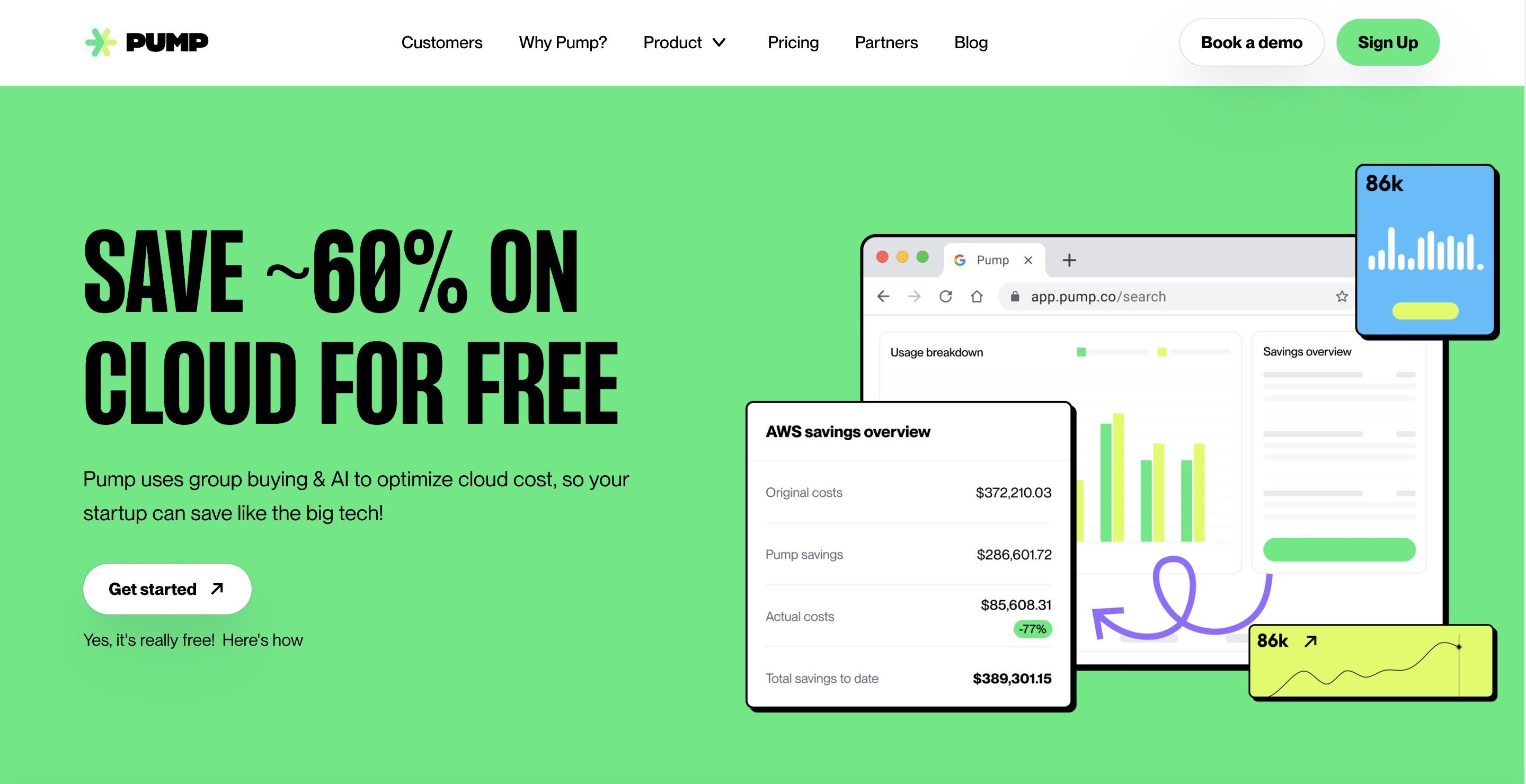
Popular Devops AI tools in Developer Tools include GitHub, Google Cloud, Bitbucket, AIO Tests: QA Testing and Test Management for Jira, Ansible, Sourcegraph, Greptile, Pump, Dagger.io, and Screenful, helping you work more efficiently.
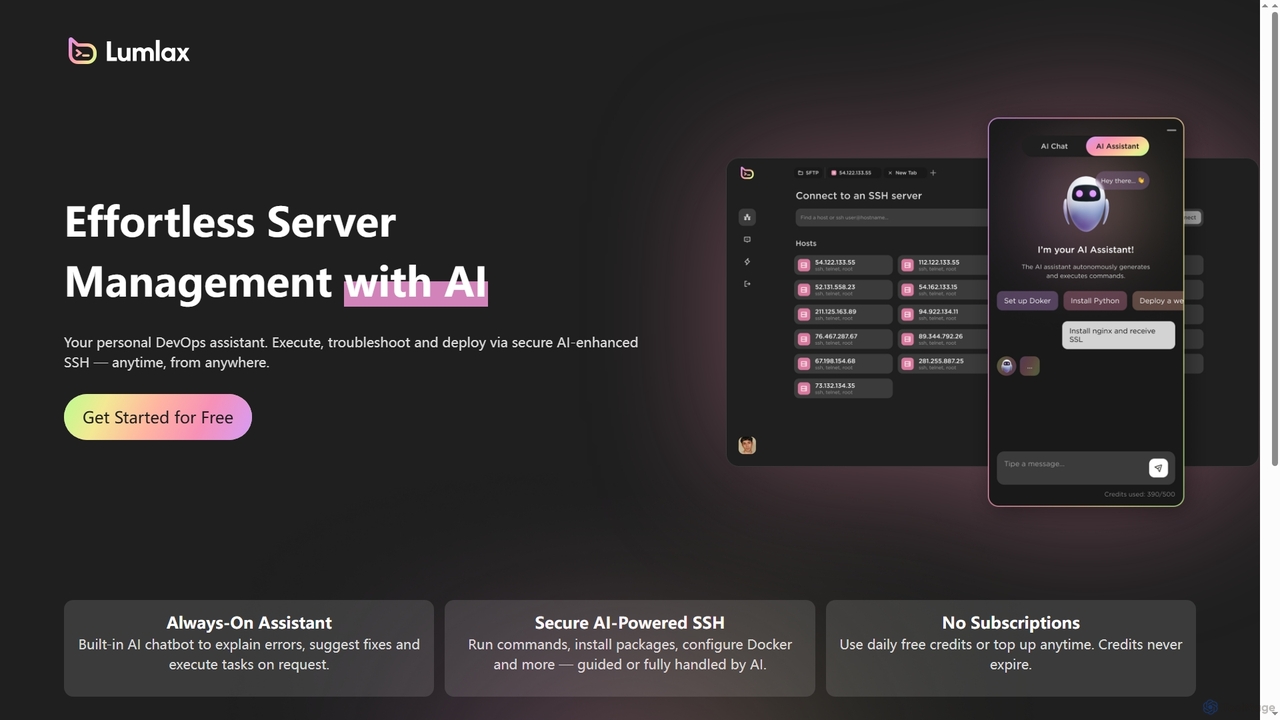
Lumlax is an AI-enhanced SSH application designed for effortless server management. It acts as a personal DevOps assistant, enabling developers to execute commands, troubleshoot issues, and deploy applications securely from anywhere. With its built-in AI chatbot, Lumlax explains errors, suggests fixes, and automates tasks, streamlining operations and boosting productivity.
Devops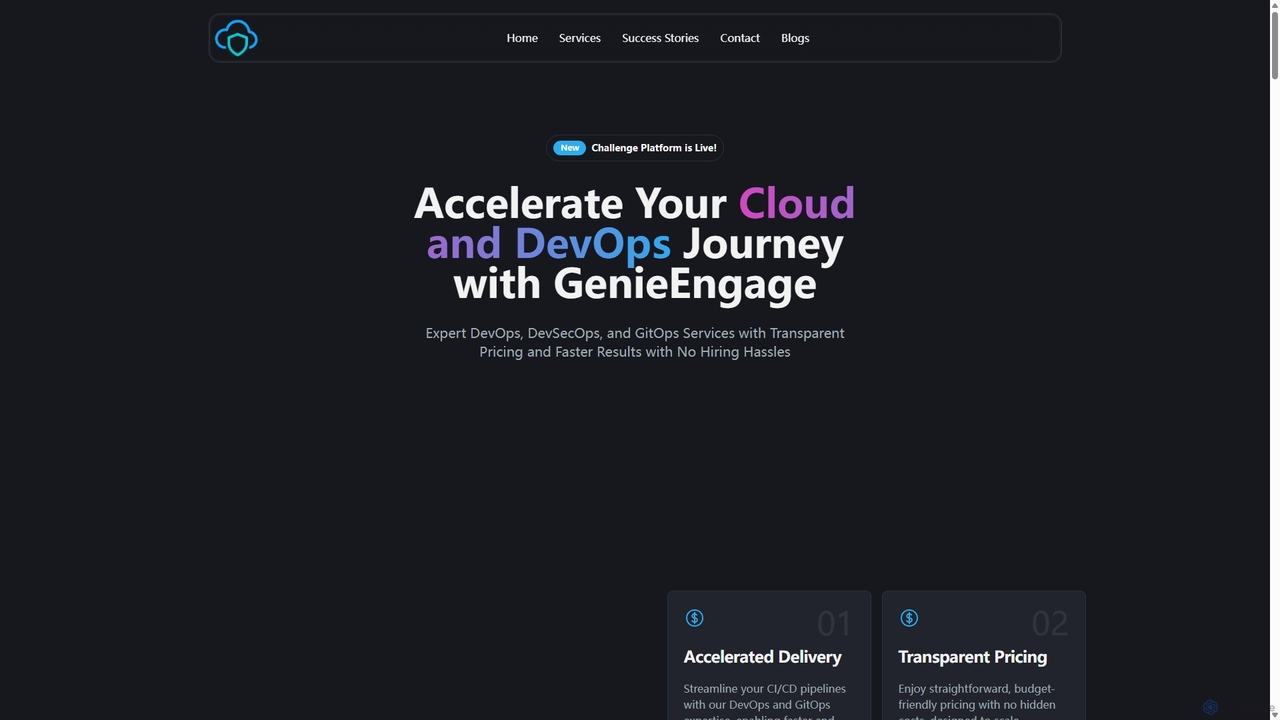
GenieEngage is a DevOps-as-a-Service partner providing expert solutions in DevOps, DevSecOps, and GitOps. It helps businesses accelerate software delivery, enhance security, and scale infrastructure on clouds like AWS, Azure, and GCP, offering a full team of experts as a cost-effective alternative to in-house hiring.
Infrastructure Management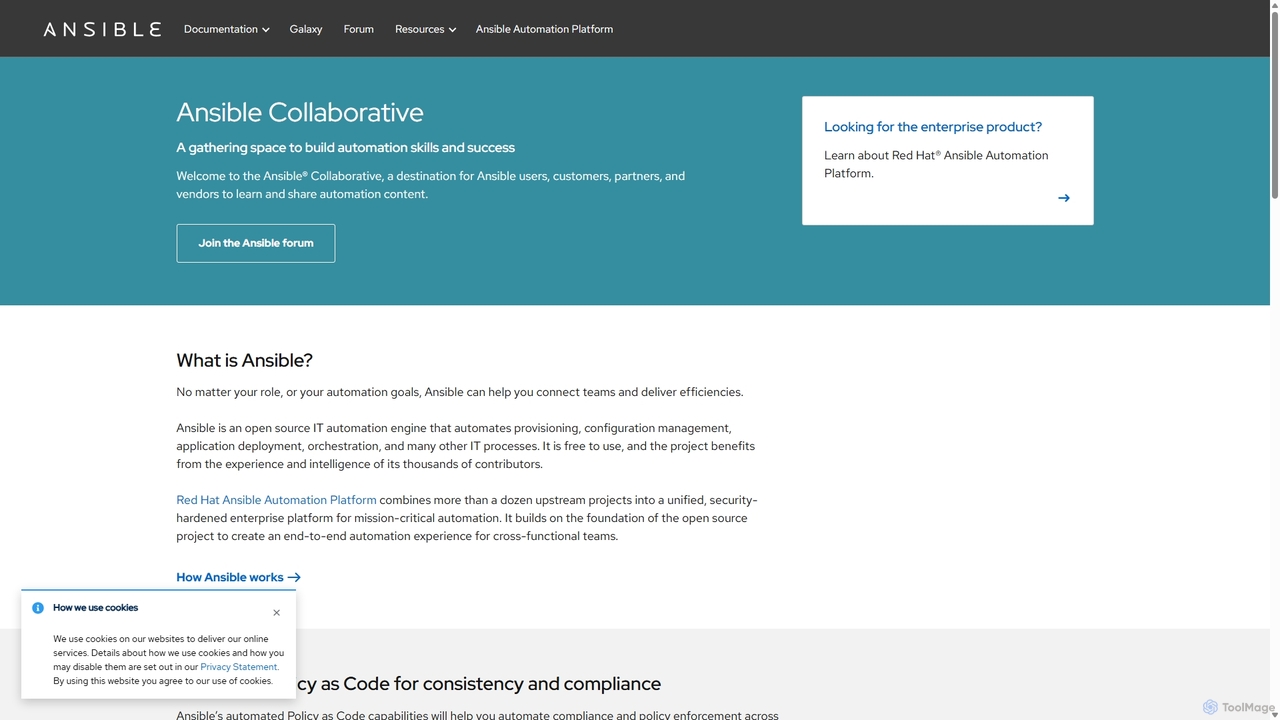
Ansible is a powerful open-source IT automation engine that simplifies application deployment, configuration management, and orchestration. Using human-readable YAML, it automates complex IT processes without requiring agents on managed nodes, making it simple, efficient, and secure for DevOps, system administrators, and developers.
Devops
Rebolt is an AI-powered platform designed to automate the entire software development lifecycle. It helps developer and DevOps teams build, test, and deploy applications faster and more reliably by leveraging AI for CI/CD pipeline optimization, code generation, and intelligent monitoring.
Code Assistant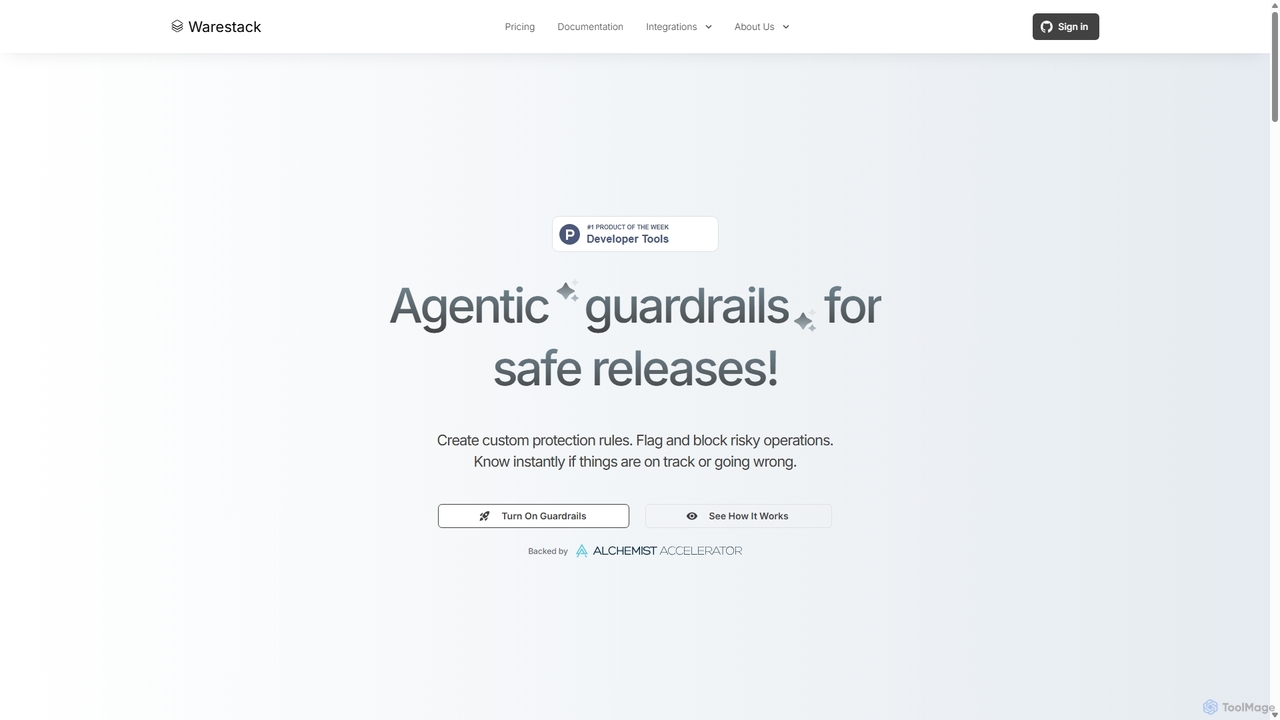
Warestack provides agentic guardrails for software development teams, enabling safe and compliant releases. It uses context-aware, natural language rules to monitor DevOps workflows, flag risky operations, and automate protection, integrating with tools like Slack and Linear to prevent production incidents.
Code Quality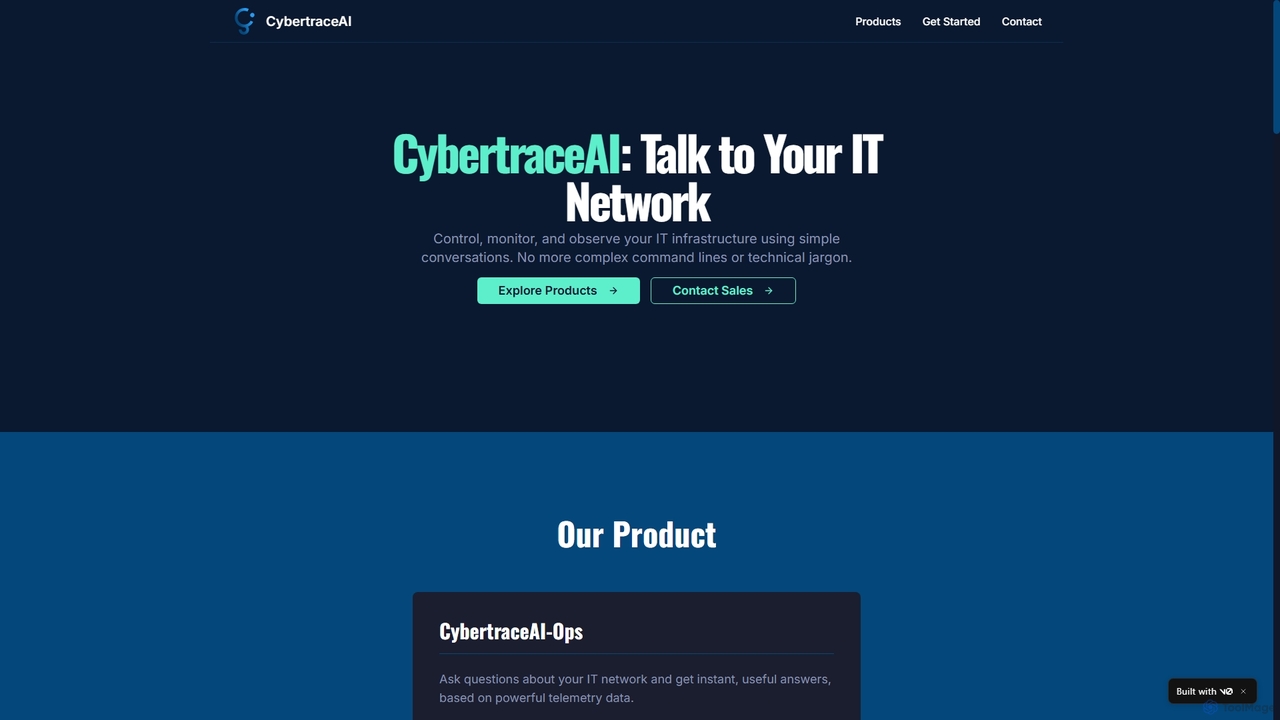
CybertraceAI is a conversational AI platform for IT network management. It enables professionals to monitor, control, and analyze their infrastructure using simple natural language queries. Replace complex command lines with intuitive conversations to get instant, verifiable answers based on real-time telemetry data, simplifying network operations and troubleshooting.
Devops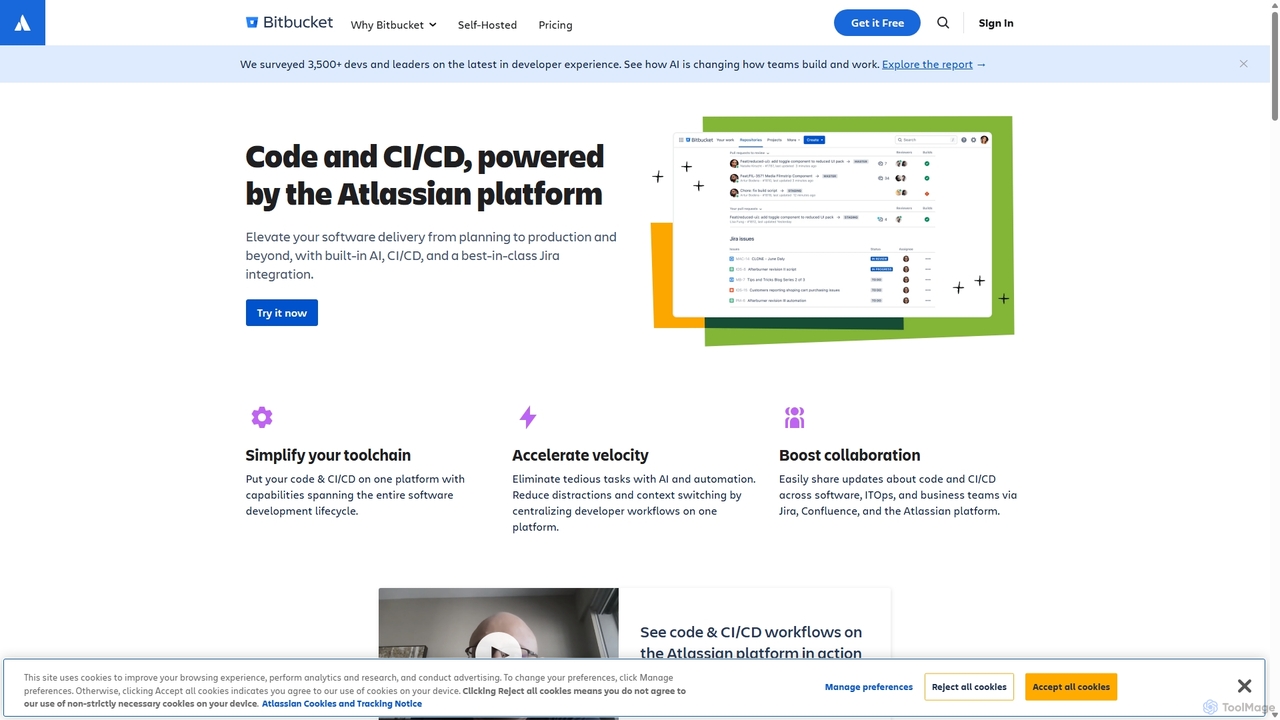
Bitbucket is a Git-based code hosting and collaboration platform for professional teams. It offers best-in-class Jira integration, built-in CI/CD (Pipelines), and AI-powered features to streamline the entire software development lifecycle, from planning to deployment and beyond.
Code Management
An all-in-one, Jira-native QA and test management platform. AIO Tests streamlines your entire testing lifecycle with features like AI-assisted test case creation, BDD support, comprehensive execution tracking, and seamless CI/CD integration. It's designed for teams of all sizes to improve traceability, automate workflows, and release high-quality software faster.
Devops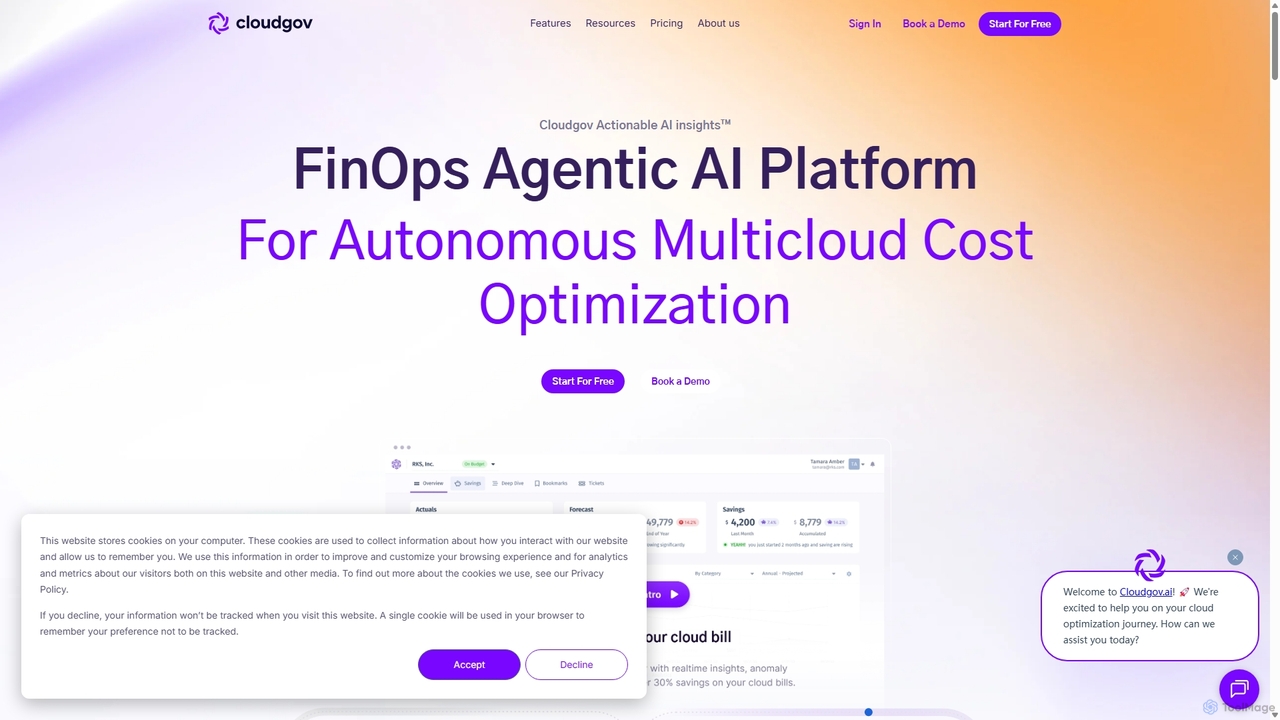
Cloudgov is an agentic AI-powered FinOps platform designed for autonomous multicloud cost optimization. It provides unified visibility across AWS, Azure, and GCP, delivering actionable insights, real-time anomaly detection, and automated remediation to help businesses reduce cloud spending by over 30% and streamline financial operations.
Devops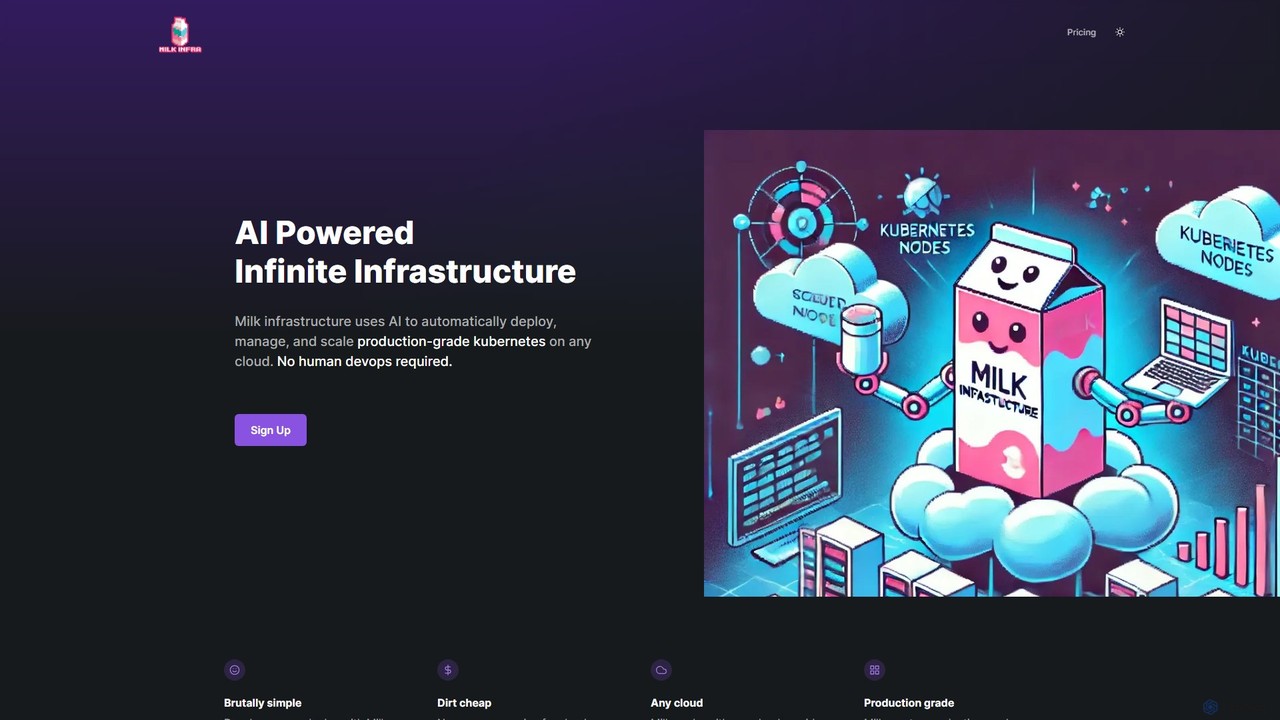
Milk Infrastructure is an AI-powered platform that automates the deployment, management, and scaling of production-grade Kubernetes clusters on any cloud. It eliminates the need for human DevOps, allowing developers to deploy applications effortlessly via GitHub. With features like dynamic scaling, built-in CI/CD, and an Infrastructure as Code approach, it offers a cost-effective and simple solution for modern application hosting.
Infrastructure Management
KubeHA is a GenAI-powered SaaS platform for Kubernetes, offering an all-in-one solution for Monitoring, Observability, Remediation, and Exploration (MORE). It unifies logs, metrics, traces, and events to provide AI-driven root cause analysis, smart fix suggestions, and 1-click remediation, eliminating tool sprawl and simplifying complex operations for SRE and DevOps teams.
Devops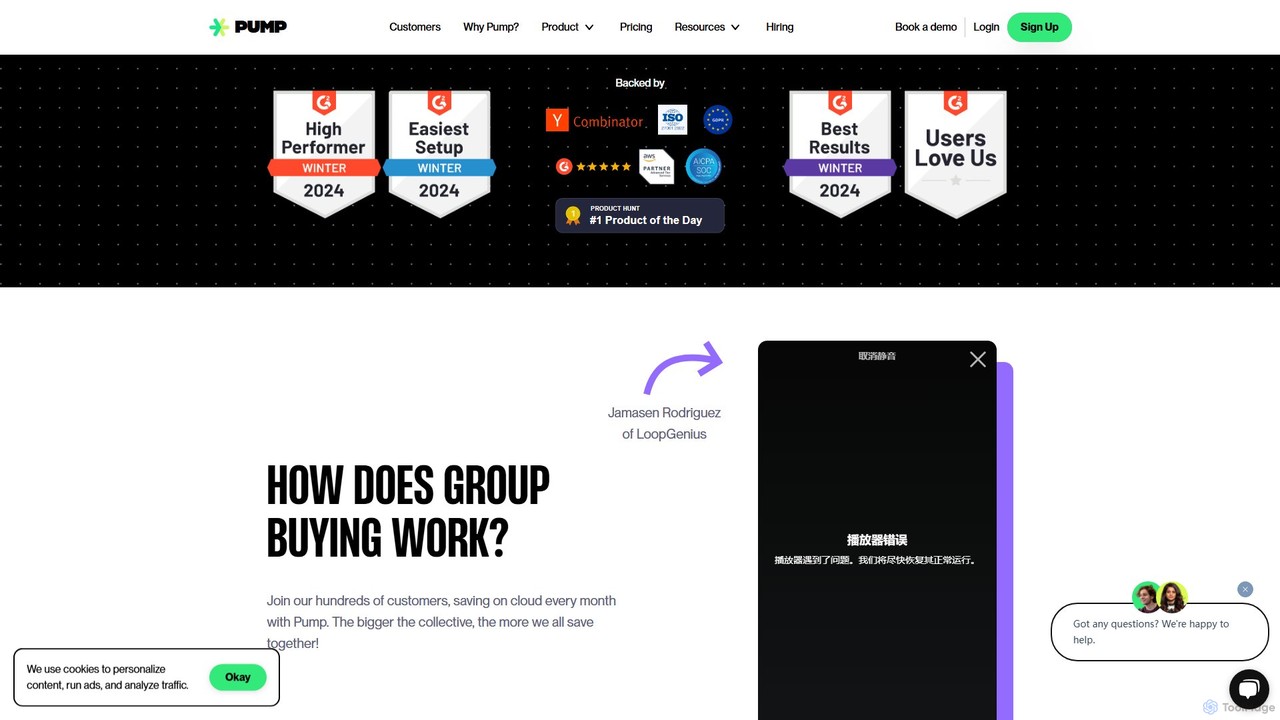
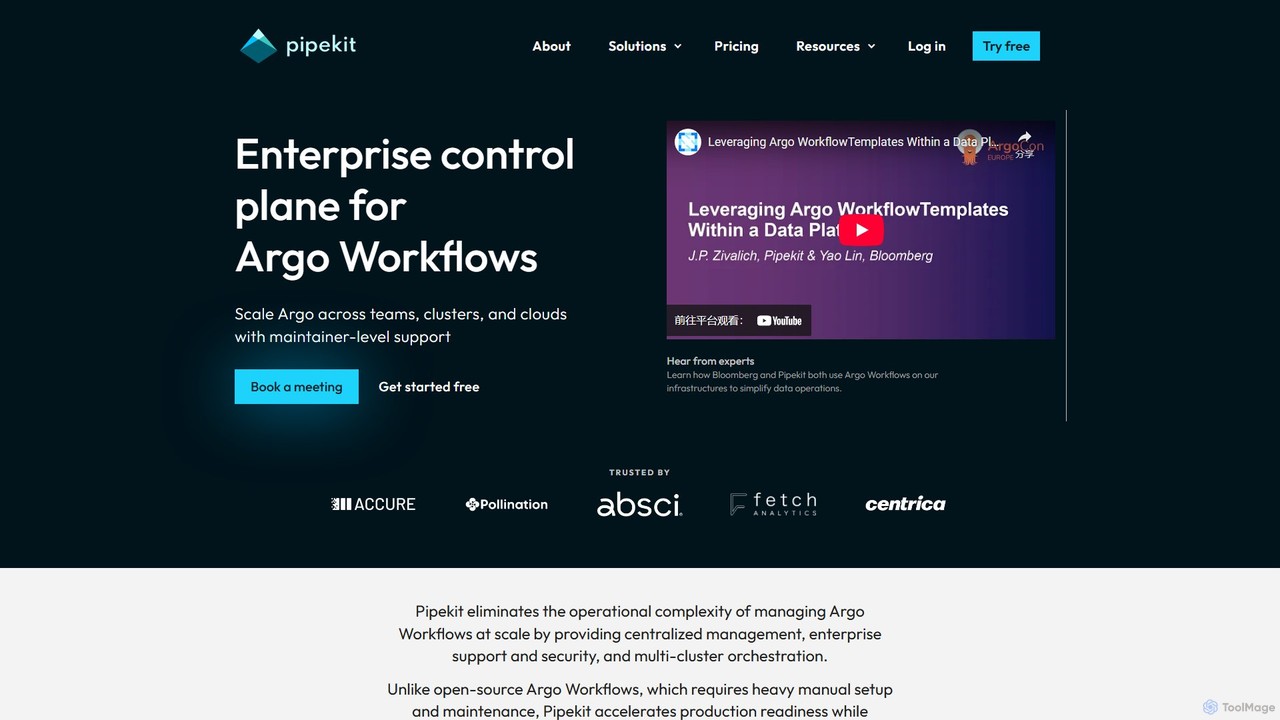
Pipekit is an enterprise-grade control plane and support service for Argo Workflows. It empowers platform and data teams to run, monitor, and govern large-scale data, MLOps, and CI/CD pipelines on Kubernetes across multiple clusters and clouds.
Orchestration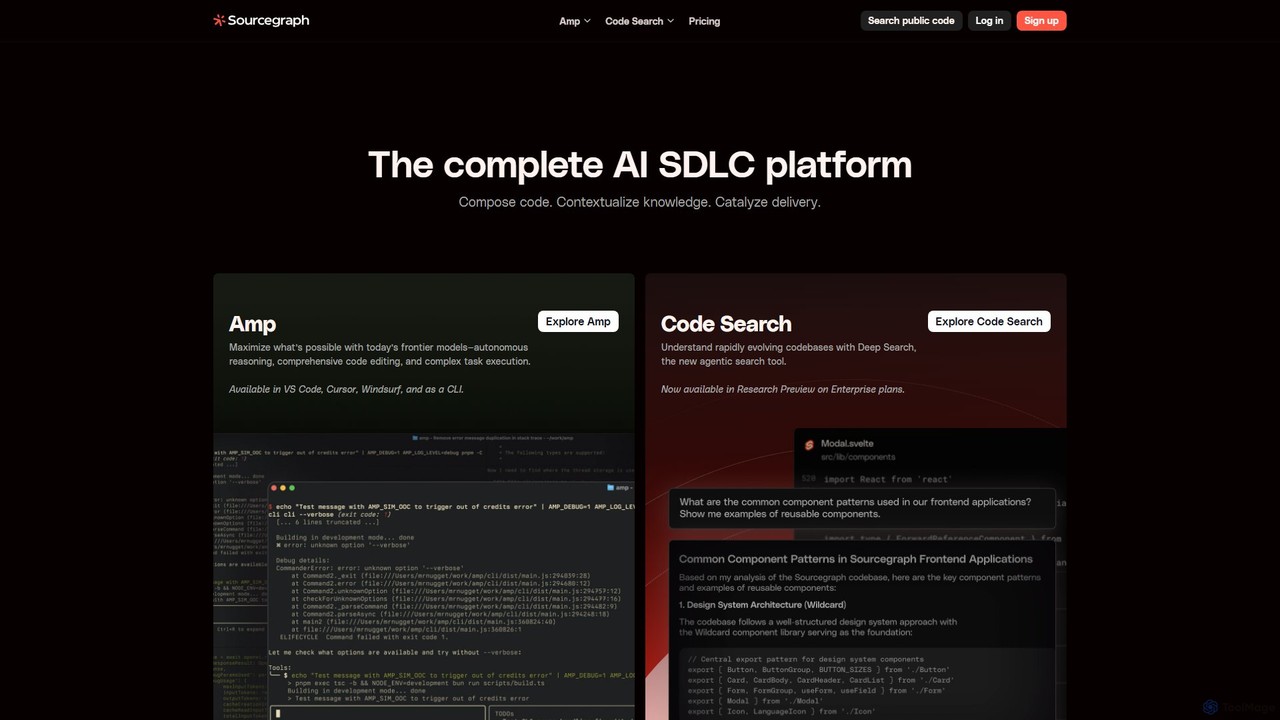
Sourcegraph is an AI-powered code intelligence platform that helps developers search, write, and understand code across their entire codebase. It integrates AI agents (Amp) and advanced search to accelerate the entire software development lifecycle (SDLC).
Code Assistant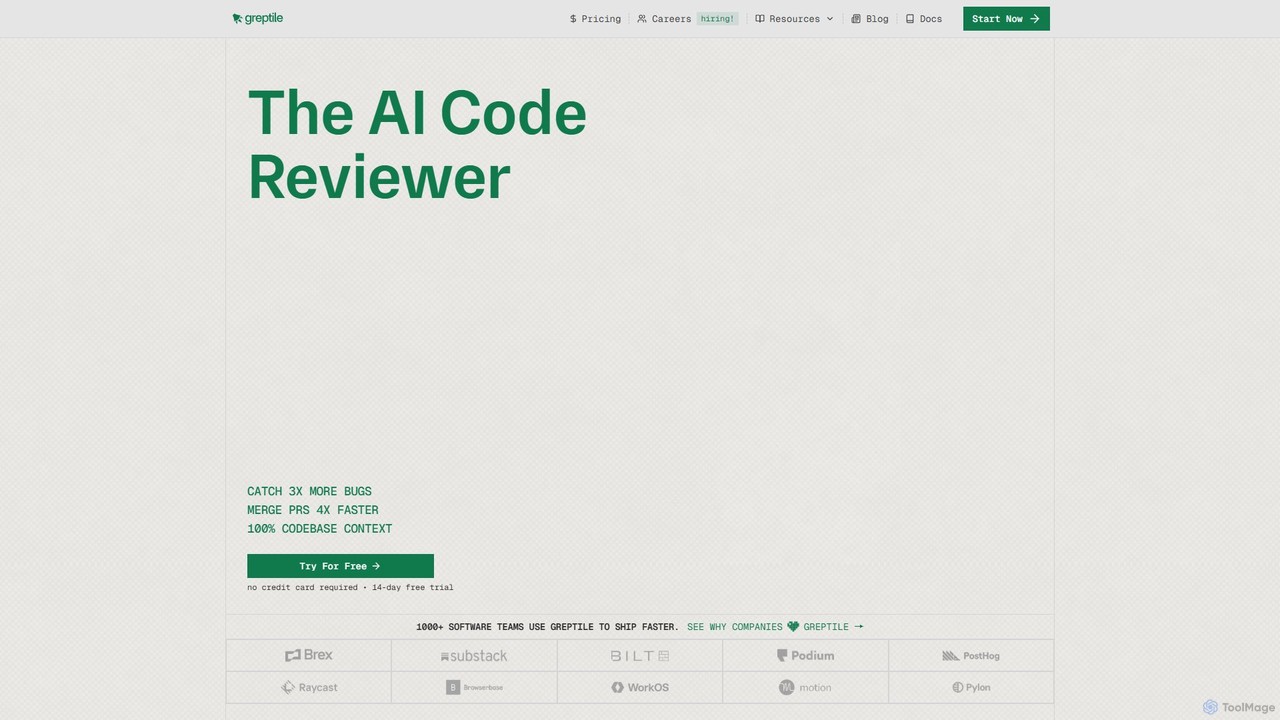
Greptile is an AI-powered code review tool that integrates with GitHub and GitLab to help development teams merge pull requests 4x faster and catch 3x more bugs. By understanding the full context of your codebase, it provides in-line comments, actionable suggestions, and natural-language summaries for every PR. It supports over 30 programming languages and can be customized with specific rules and style guides to enhance code quality and consistency.
Code Review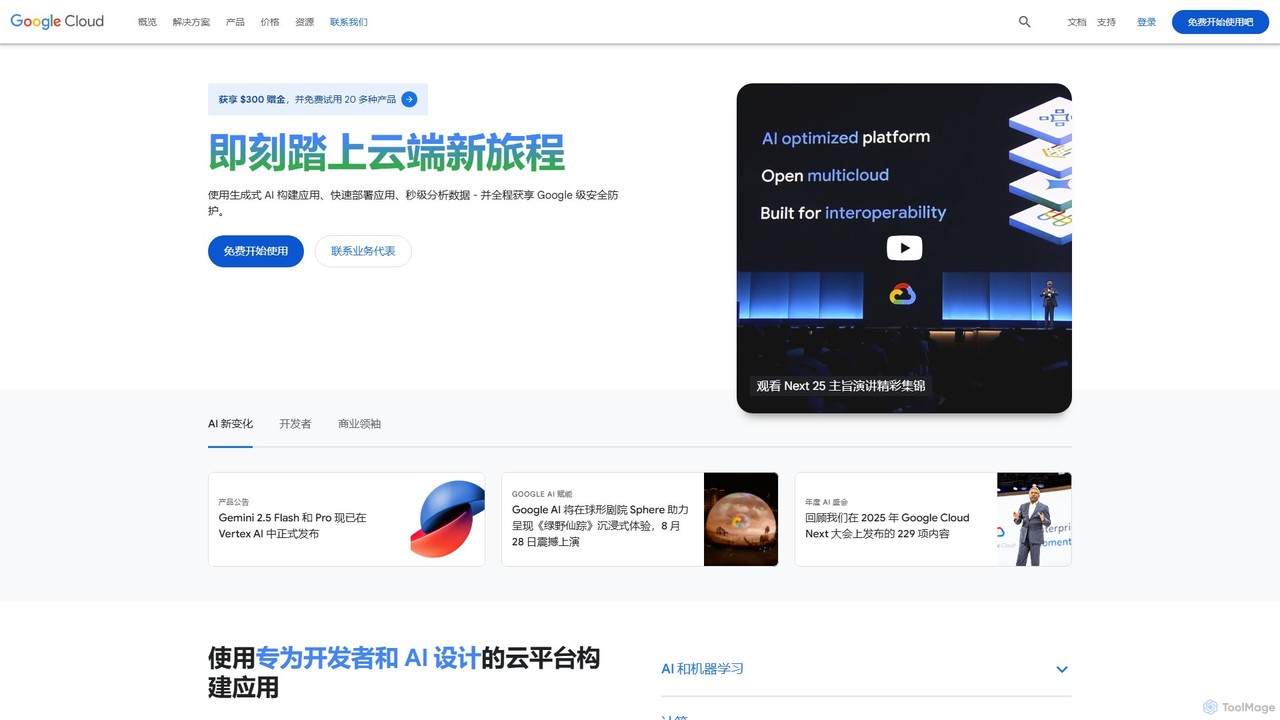
Google Cloud is a comprehensive suite of cloud computing services that provides infrastructure, platform, and serverless environments. It excels in AI/ML with Vertex AI and Gemini, data analytics with BigQuery, and offers scalable, secure infrastructure for businesses of all sizes, from startups to global enterprises.
Machine Learning
Spectate is an all-in-one platform for full-stack monitoring, AI-powered incident management, and beautiful status pages. It helps businesses and developers ensure website and server uptime, resolve downtime faster, and communicate transparently with users.
Customer Support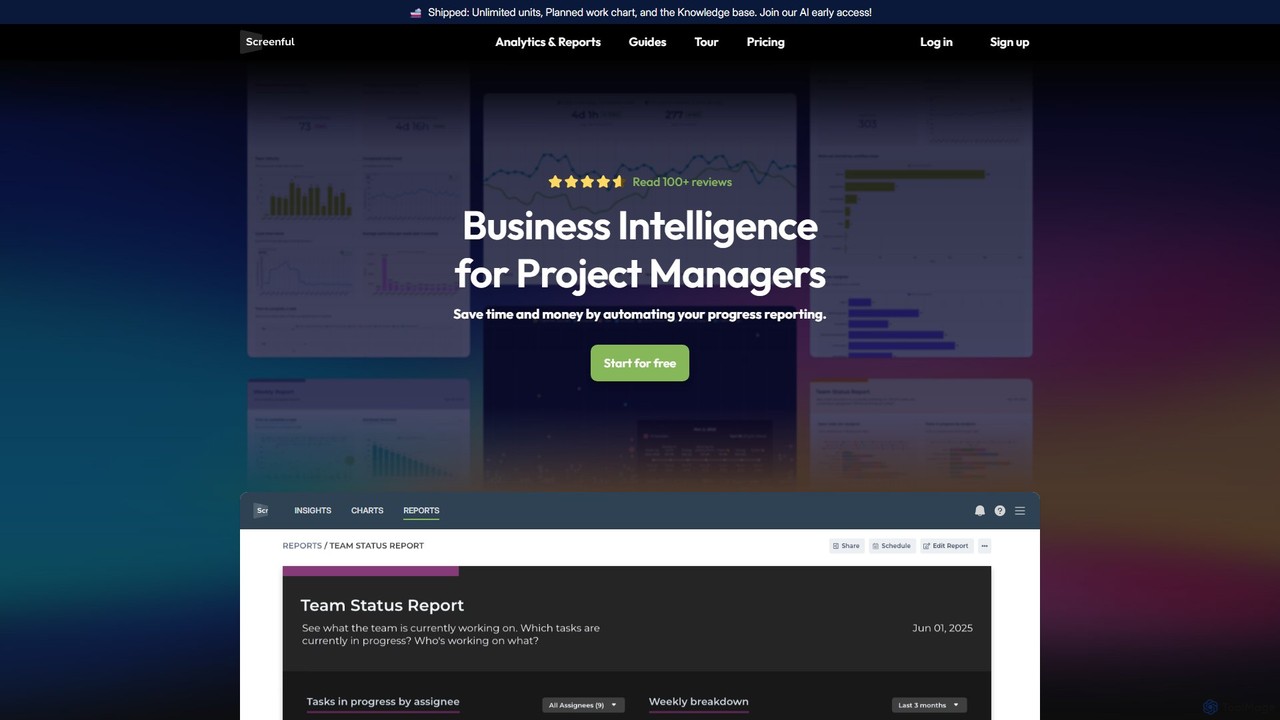
Screenful is a productivity analytics platform for agile teams that automates progress reporting. It visualizes data from project management tools like Jira, Trello, and Asana, allowing teams to track key metrics such as velocity, lead/cycle times, and throughput. This helps identify bottlenecks, improve workflows, and make data-driven decisions. With customizable dashboards, pre-built templates, and automated reports, Screenful provides actionable insights to enhance team performance and project delivery.
Analytics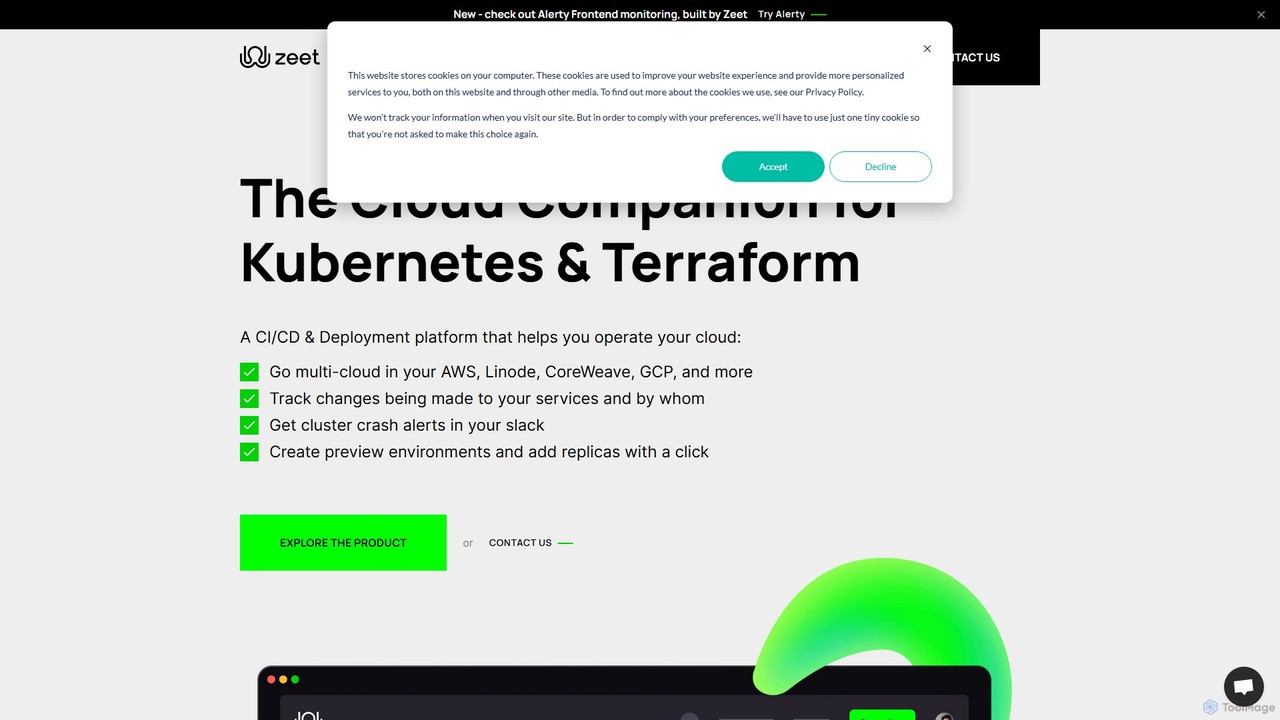
Zeet is a comprehensive DevOps and cloud operations platform designed to simplify the deployment and management of cloud services and infrastructure. It empowers developers, SREs, and DevOps teams by automating CI/CD, Kubernetes management, and multi-cloud operations, allowing them to focus on building applications rather than managing complex infrastructure.
Deployment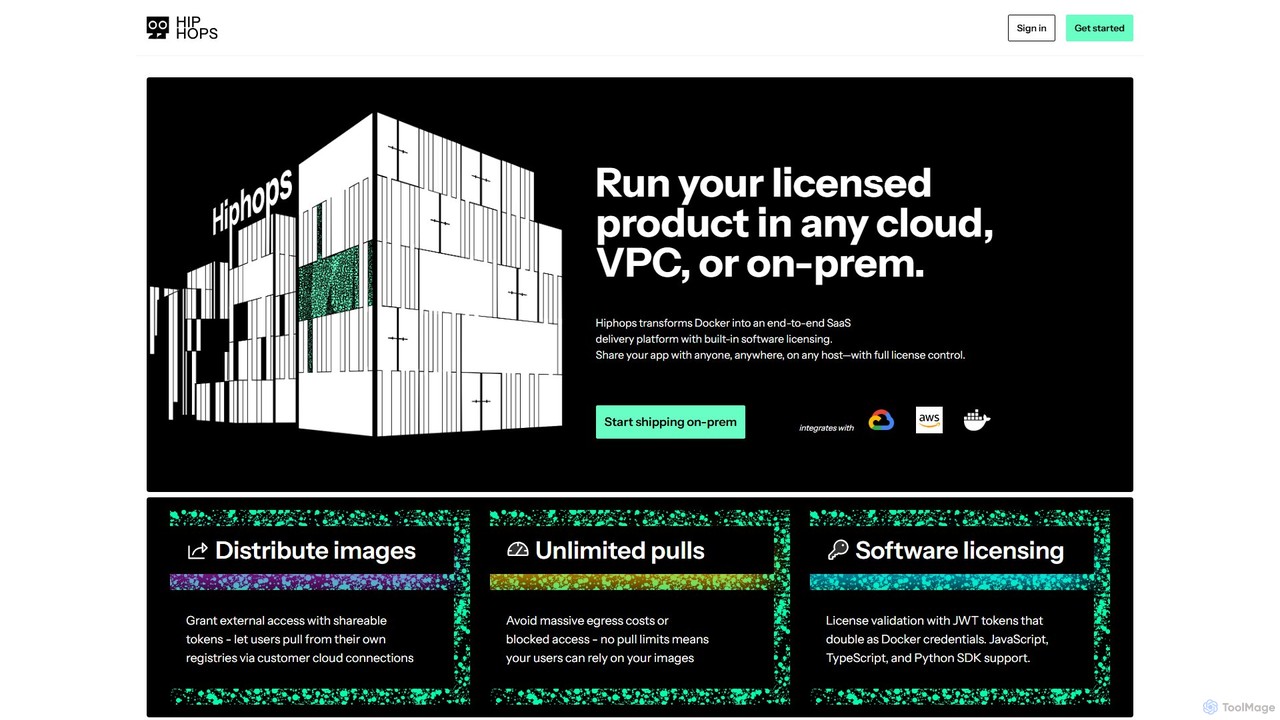
Hiphops is a private container registry platform with built-in software licensing. It transforms Docker into an end-to-end SaaS delivery platform, enabling developers to securely distribute, manage, and license containerized applications to any customer, on any cloud or on-premise environment, without pull limits.
Registry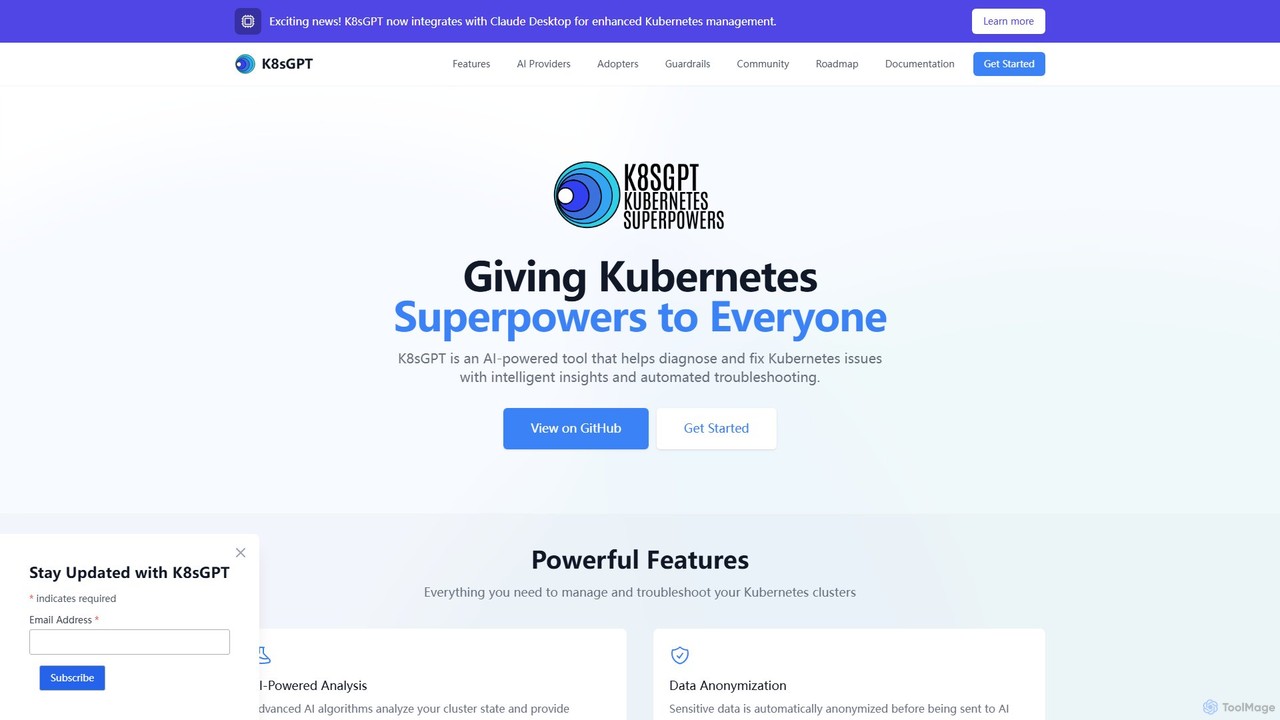
K8sGPT is an AI-powered tool designed to supercharge Kubernetes (K8s) troubleshooting. It scans your clusters, diagnoses issues, and provides intelligent, context-aware insights and solutions. By integrating with various AI providers, including local models, it helps SREs, DevOps engineers, and developers to quickly identify and resolve complex problems, significantly reducing downtime and manual effort.
Devops
sre.ai is an AI-powered DevOps platform for Salesforce, designed for enterprise teams. It utilizes intelligent agents to automate deployments, resolve conflicts, run simulations, and accelerate the entire development lifecycle, enhancing speed and reliability.
Crm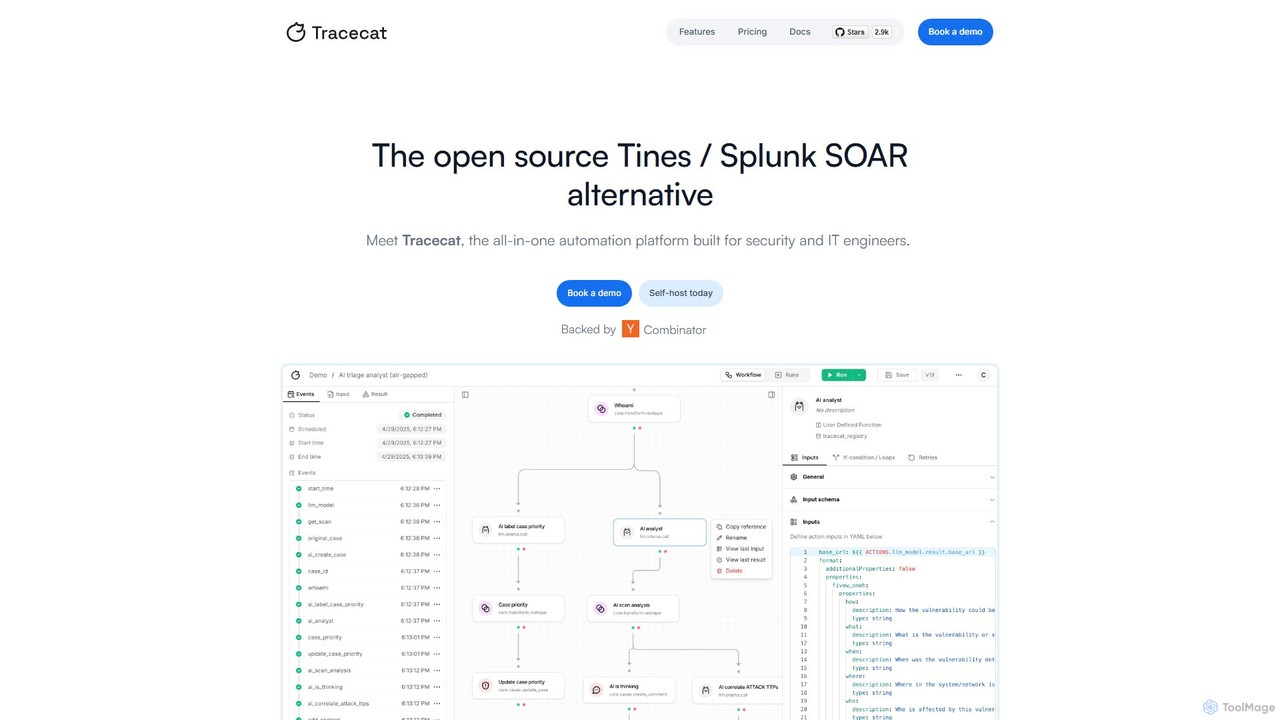
Tracecat is an open-source Security Orchestration, Automation, and Response (SOAR) platform designed for security and IT engineers. It serves as a powerful alternative to tools like Tines and Splunk SOAR, offering a unified solution for building automated workflows, managing cases, and utilizing lookup tables. It features a no-code visual builder alongside support for custom Python/YAML integrations, making it accessible and highly customizable.
DevopsDevOps tools are a suite of applications designed to automate and integrate the processes between software development (Dev) and IT operations (Ops). These tools facilitate key practices like continuous integration, continuous delivery (CI/CD), infrastructure as code (IaC), and real-time monitoring. By creating a collaborative and automated workflow, DevOps tools significantly accelerate the software delivery lifecycle, improve deployment frequency, and enhance application reliability and security. They are a critical component within the broader Developer Tools ecosystem for building scalable and resilient systems.
DevOps tools are essential for technology companies, SaaS providers, and enterprises aiming for rapid and reliable software delivery. They are used by DevOps engineers, software developers, and system administrators to manage complex application lifecycles, from code commit to production monitoring. Scenarios include building automated release pipelines for web applications, managing scalable cloud infrastructure, and maintaining high availability for microservices architectures.
When choosing DevOps tools, consider their integration capabilities with your existing tech stack (e.g., cloud provider, version control system). Evaluate the tool's scalability to support future growth and its support for specific practices like IaC or container orchestration. Also, assess the learning curve for your team and the level of community or commercial support available. The pricing model, whether open-source, subscription-based, or pay-as-you-go, is another critical factor.
A software development team uses a CI/CD tool like Jenkins or GitLab CI to automate their release process. When a developer pushes new code to the version control repository, the tool automatically triggers a pipeline. This pipeline compiles the code, runs a series of automated tests (unit, integration, and end-to-end), and if all tests pass, deploys the application to a staging environment for final review. This automation reduces manual errors, provides rapid feedback to developers, and accelerates the time-to-market for new features.
A DevOps engineer uses an Infrastructure as Code (IaC) tool like Terraform or AWS CloudFormation to define and manage an entire cloud environment. Instead of manually configuring servers, databases, and networks through a web console, the engineer writes declarative configuration files. These files can be version-controlled, reviewed, and reused, ensuring that development, staging, and production environments are identical. This approach prevents configuration drift, enables disaster recovery, and allows for the rapid provisioning of new infrastructure.
A Site Reliability Engineering (SRE) team integrates an APM tool like Datadog or New Relic into their production environment. The tool collects detailed performance metrics, traces, and logs from the application and its underlying infrastructure. When a performance issue arises, such as slow database queries or high error rates, the system sends an automated alert to the SRE team. They can then use the tool's dashboards to quickly diagnose the root cause, analyze the impact on users, and resolve the issue before it escalates, ensuring service level objectives (SLOs) are met.
An organization adopts a DevSecOps approach by integrating security tools directly into their CI/CD pipeline. For example, a static application security testing (SAST) tool automatically scans the source code for vulnerabilities with every new commit. A software composition analysis (SCA) tool checks for known vulnerabilities in open-source dependencies. If a critical vulnerability is found, the pipeline can be configured to fail, preventing insecure code from being deployed. This 'shift-left' approach helps identify and fix security issues early in the development lifecycle, reducing risk and cost.
An operations team managing a microservices architecture uses a centralized logging platform like the ELK Stack (Elasticsearch, Logstash, Kibana) or Splunk. Agents installed on each service collect logs and forward them to a central server. This allows engineers to search, analyze, and visualize logs from hundreds of services in one place. When a user reports an issue, an engineer can trace a single request across multiple services by correlating log entries, dramatically simplifying troubleshooting and reducing the mean time to resolution (MTTR).
A company running a large-scale application with dozens of microservices uses Kubernetes as a container orchestration platform. Developers package each microservice into a Docker container. The operations team then defines the desired state of the application in Kubernetes configuration files, specifying how many replicas of each service should run. Kubernetes automates the deployment, scaling, and networking of these containers across a cluster of servers. If a container fails, Kubernetes automatically replaces it, ensuring high availability and resilience for the application.
DevOps tools are software applications that automate and integrate the processes between software development and IT operations teams. Their primary goal is to shorten the development lifecycle and provide continuous delivery with high software quality. Key categories of DevOps tools include CI/CD pipeline automation, infrastructure as code (IaC), configuration management, and application performance monitoring. By using these tools, organizations can increase deployment speed, improve reliability, and foster better collaboration between teams.
Choosing the right DevOps tools depends on several factors. First, assess your specific needs: are you focused on CI/CD, infrastructure automation, or monitoring? Second, consider integration with your existing technology stack, such as your cloud provider (AWS, Azure, GCP) and version control system (Git). Third, evaluate the tool's scalability and the community or commercial support available. Finally, consider your team's expertise and the tool's learning curve. It's often better to build a 'toolchain' of specialized tools that work well together rather than seeking a single all-in-one solution.
The primary difference lies in culture, process, and tools. Traditional IT Operations often works in silos, separate from development, focusing on stability and risk aversion, which can lead to slower release cycles. DevOps promotes a culture of collaboration and shared responsibility between Dev and Ops teams. It uses automation extensively through tools for CI/CD, IaC, and monitoring to increase speed and agility while maintaining reliability. In essence, DevOps integrates operations into the entire application lifecycle, whereas traditional operations typically engages only after development is complete.
A DevOps toolchain is a set of integrated tools used to deliver software from development to production. While specific tools vary, the key components typically include:
No, while DevOps practices and tools are highly effective for cloud-native applications, they are not exclusive to them. The principles of automation, collaboration, and continuous improvement can be applied to any software development lifecycle, including on-premise, monolithic applications. Tools for configuration management (like Ansible) and CI/CD (like Jenkins) can manage traditional infrastructure and deployment workflows. However, the full benefits of DevOps, such as rapid scalability and elasticity, are often more easily realized in a cloud environment.