Cloud Computing Best in category 5 results Infrastructure Management AI Tool

Popular AI tools in the Infrastructure Management field of Cloud Computing include CircleCI、GenieEngage、Prodvana、Milk Infrastructure、Market01, etc., helping you quickly improve efficiency.

Market01

Market01

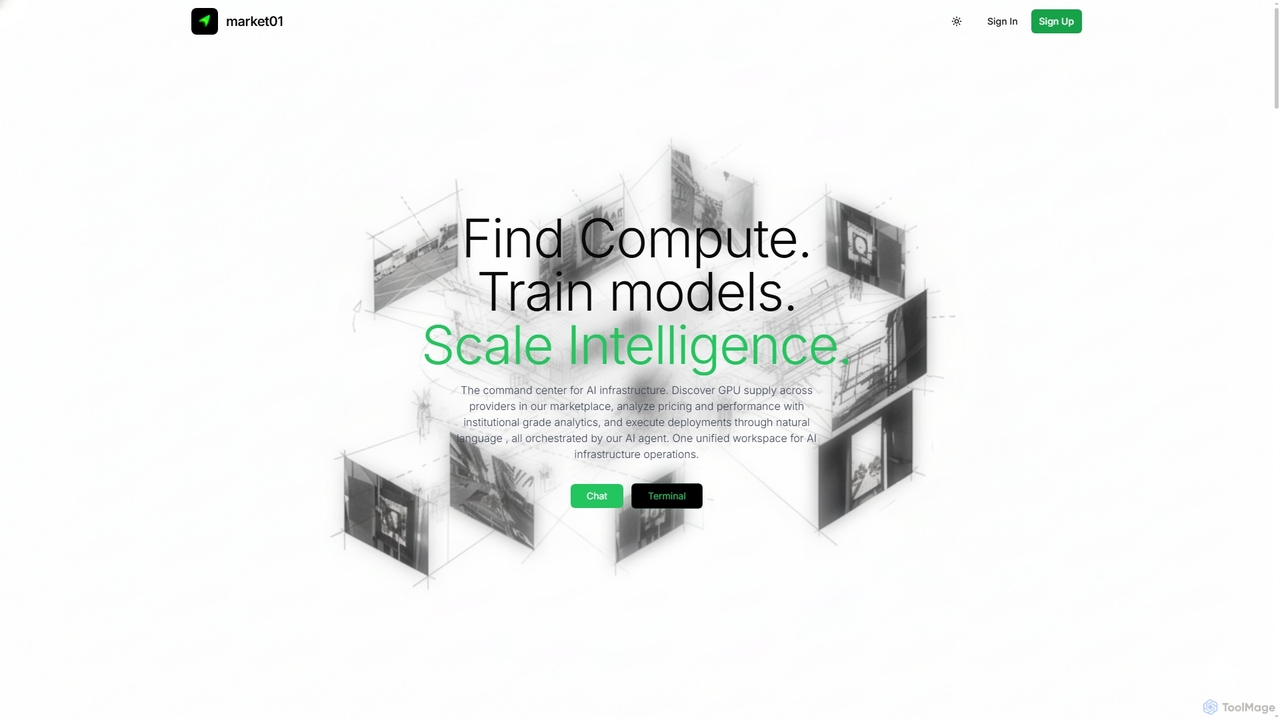
Market01 is an AI infrastructure command center that unifies GPU compute discovery, analysis, and deployment across multiple providers. …

3.7K
GenieEngage

GenieEngage

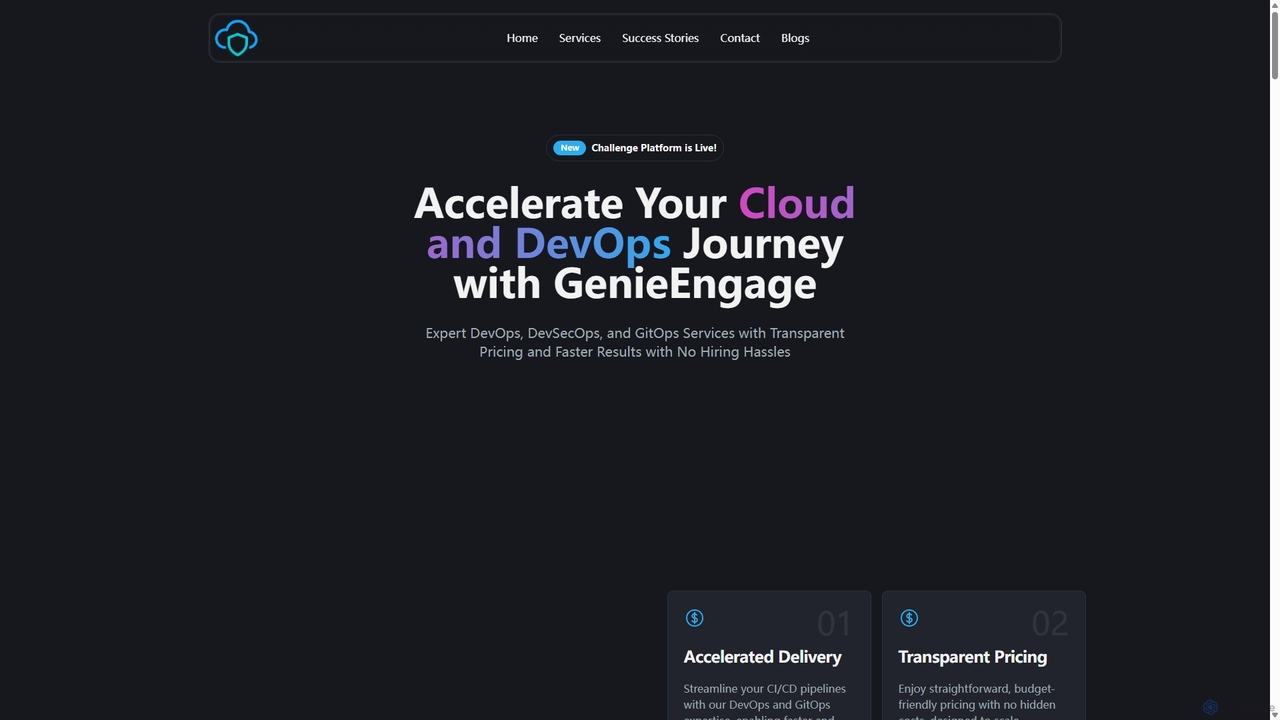
GenieEngage is a DevOps-as-a-Service partner providing expert solutions in DevOps, DevSecOps, and GitOps. It helps businesses accelerate software …

3.8K
Prodvana

Prodvana

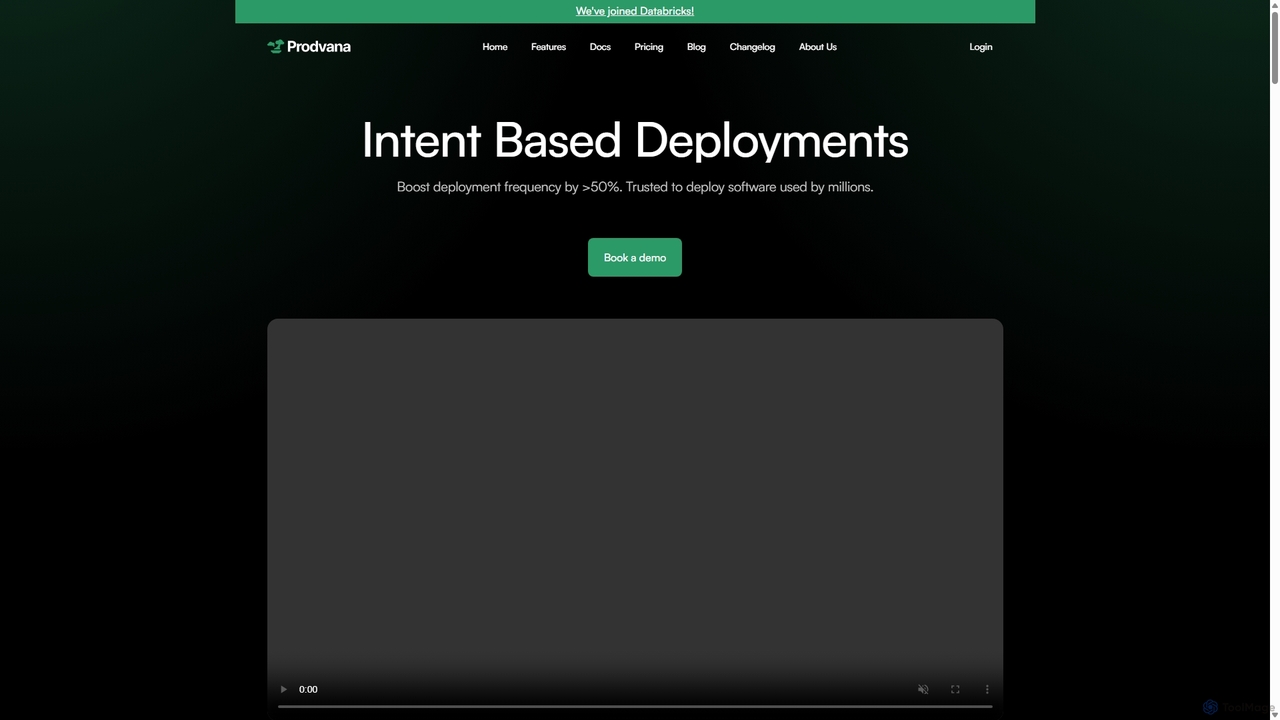
Prodvana is an intelligent, intent-based deployment platform designed for modern software delivery. It helps engineering teams accelerate deployment …

3.7K
Milk Infrastructure

Milk Infrastructure

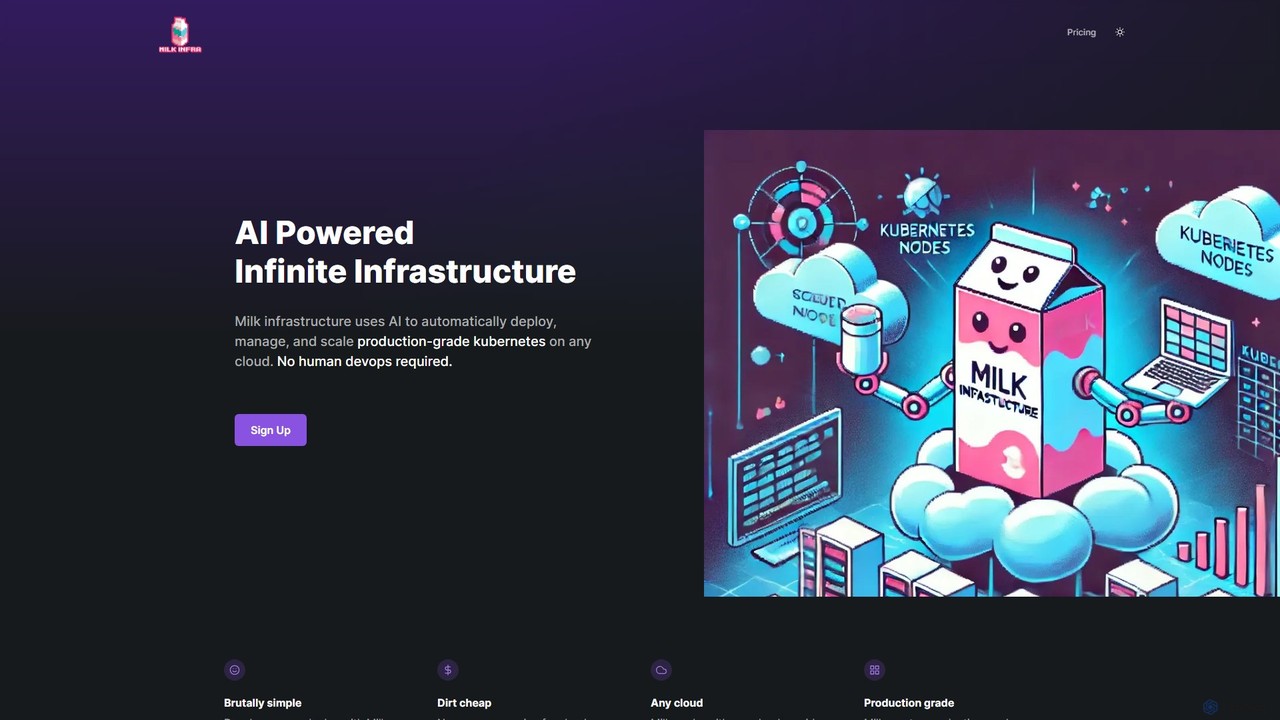
Milk Infrastructure is an AI-powered platform that automates the deployment, management, and scaling of production-grade Kubernetes clusters on …

3.7K
CircleCI

CircleCI

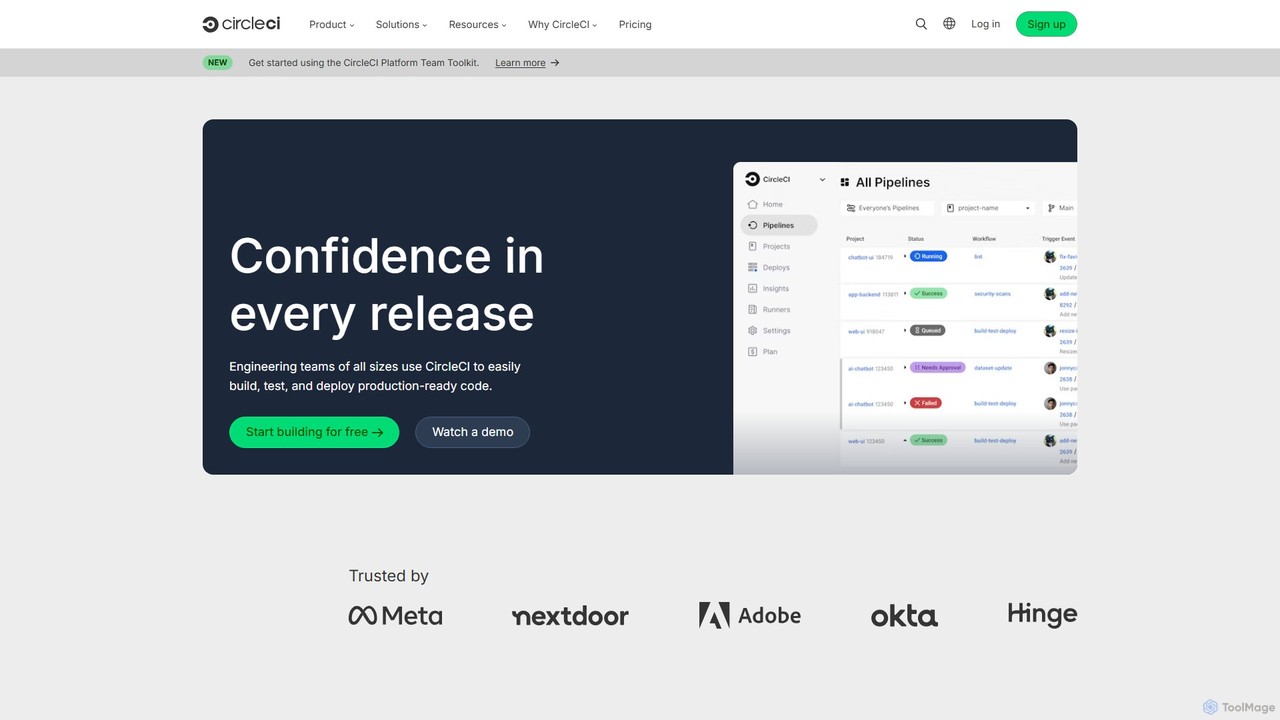
CircleCI is a leading continuous integration and continuous delivery (CI/CD) platform that automates the software development process. It …

1.2M

About Infrastructure Management

Infrastructure Management tools are AI-powered platforms designed to automate the lifecycle of cloud computing resources. They leverage machine learning algorithms to predict resource needs, detect performance anomalies, and optimize configurations in real-time. This approach enables dynamic, self-healing infrastructure that reduces manual intervention, enhances system reliability, and controls cloud spending effectively. These tools go beyond traditional automation by providing predictive insights and proactive management capabilities.

Core Features

  • AI-Powered Provisioning & Scaling: Automatically allocates and adjusts cloud resources based on predictive demand models, not just reactive thresholds.
  • Automated Anomaly Detection: Continuously monitors infrastructure health, identifying unusual patterns in metrics to prevent outages before they occur.
  • Cost Optimization & Forecasting: Analyzes usage to provide rightsizing recommendations, eliminate waste, and accurately predict future cloud expenditure.
  • Automated Security & Compliance: Enforces security policies and compliance standards across the infrastructure, automatically remediating misconfigurations.

Use Cases

These tools are essential for DevOps teams, Site Reliability Engineers (SREs), and cloud administrators managing complex, large-scale, or multi-cloud environments. They are particularly valuable for applications with fluctuating traffic, such as e-commerce platforms, and for managing containerized workloads like Kubernetes clusters where resource demands are highly dynamic.

How to Choose

When selecting a tool, consider its compatibility with your cloud providers (e.g., AWS, Azure, GCP) and its integration capabilities with your existing CI/CD and monitoring stack. Evaluate the depth of its AI-driven automation—does it offer proactive remediation or just alerts? Finally, assess the balance between a user-friendly interface for quick insights and a robust API for deeper automation.

Infrastructure ManagementUse Cases

1

Automate Kubernetes Cluster Management

A DevOps team managing a microservices architecture on Kubernetes uses an AI Infrastructure Management tool to maintain application health and performance. The tool continuously analyzes pod resource utilization and predicts future needs. It automatically scales node pools up or down based on these predictions, ensuring resources are available for traffic spikes without overprovisioning. It also detects performance bottlenecks, such as a misconfigured service mesh, and alerts the team with specific remediation steps, significantly reducing mean time to resolution (MTTR).

2

Proactive Cloud Cost Reduction for FinOps

A FinOps manager aims to reduce a company's monthly cloud bill without impacting performance. They deploy an AI Infrastructure Management tool that scans the entire cloud environment across multiple accounts. The tool's AI model identifies chronically underutilized resources, such as oversized virtual machines or idle database instances. It then generates and can automatically apply rightsizing recommendations. By continuously optimizing resource allocation based on actual usage patterns, the company achieves a consistent 25% reduction in cloud spend while maintaining service level objectives (SLOs).

3

Enhance Multi-Cloud Security Posture

A security engineer is responsible for maintaining compliance across both AWS and Azure environments. They use an AI Infrastructure Management tool to enforce a unified security policy. The tool continuously scans for misconfigurations, such as public S3 buckets or unrestricted firewall rules, against CIS benchmarks. When a deviation is detected, it not only creates an alert but also triggers an automated remediation workflow, for instance, by revoking public access and notifying the resource owner. This automates compliance enforcement and provides a single pane of glass for multi-cloud security.

4

Predictive Scaling for E-commerce Platforms

An SRE for an online retail platform needs to prepare for a major flash sale. Instead of manually overprovisioning servers based on guesswork, they rely on an AI Infrastructure Management tool. The tool analyzes historical traffic data, marketing campaign schedules, and real-time user activity. Its machine learning model forecasts a 300% traffic spike starting at a specific time. Based on this prediction, the system proactively scales out web servers and database read replicas two hours in advance, ensuring a smooth customer experience without performance degradation during the sale.

5

Automated Incident Root Cause Analysis

An on-call engineer receives an alert for high application latency. Instead of manually sifting through logs and dashboards from multiple systems, they consult their AI Infrastructure Management tool. The platform automatically correlates performance metrics, logs, and recent deployment events across the entire stack. Within minutes, it identifies the root cause: a recent code change introduced a memory leak in a specific microservice. The tool presents a timeline of events leading to the issue, enabling the engineer to quickly roll back the change and restore service, reducing MTTR from hours to minutes.

6

Streamline Development Environment Provisioning

A team lead wants to accelerate the onboarding process for new developers. They configure their AI Infrastructure Management tool to provide a self-service portal. Using this portal, developers can request and automatically provision standardized, policy-compliant development environments in the cloud with a single click. The tool ensures each environment has the correct dependencies, access controls, and resource limits, preventing configuration drift and security risks. This eliminates manual setup tasks for the operations team and allows new developers to become productive within minutes instead of days.

Infrastructure ManagementFrequently Asked Questions