
Cloud Computing Best in category 1 results Devops AI Tool

Popular AI tools in the Devops field of Cloud Computing include AIaC by Firefly, etc., helping you quickly improve efficiency.

Free
AIaC by Firefly

AIaC by Firefly

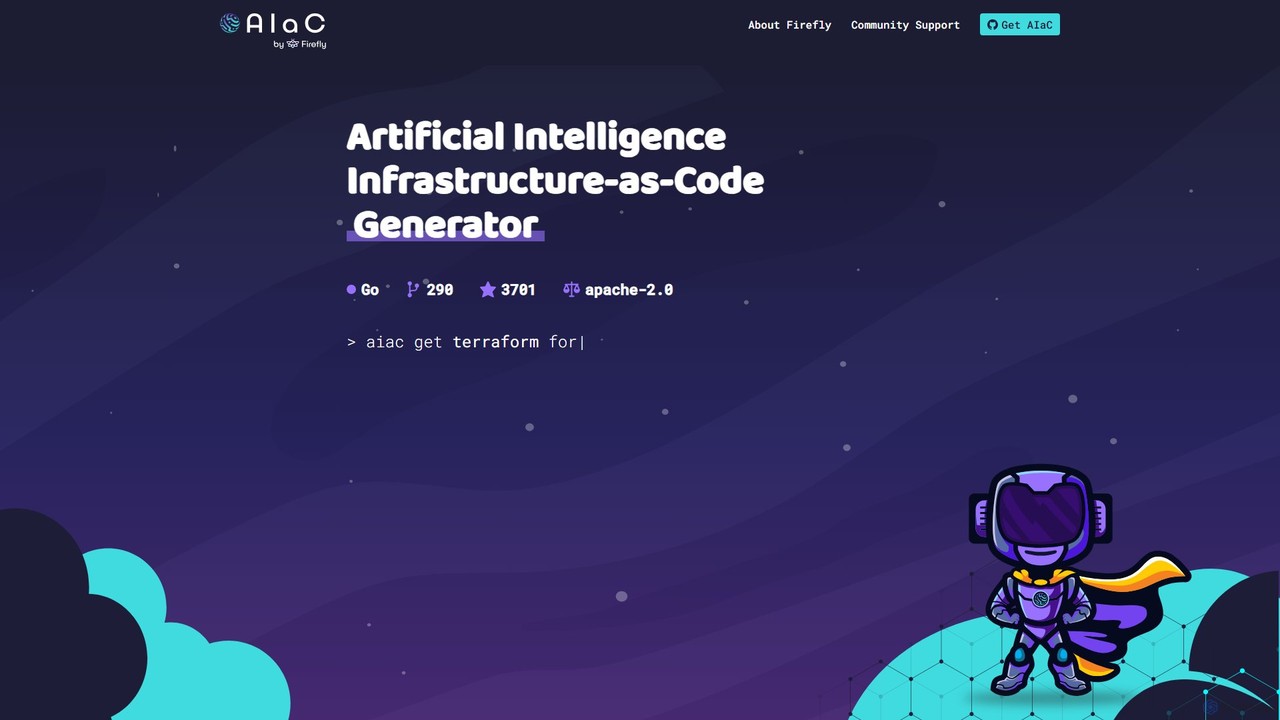
AIaC by Firefly is a free, open-source CLI tool that uses AI to generate Infrastructure-as-Code (IaC) from natural …

2.5K

About Devops

DevOps is a set of practices that combines software development (Dev) and IT operations (Ops) to shorten the systems development life cycle and provide continuous delivery with high software quality. It leverages automation and collaboration to streamline processes from code commit to deployment, often within cloud computing environments. This approach significantly enhances agility, reliability, and efficiency in software delivery. By integrating tools and methodologies, DevOps fosters a culture of shared responsibility and rapid iteration.

Core Features

  • Continuous Integration (CI): Automates the merging of code changes from multiple developers into a single software project.
  • Continuous Delivery/Deployment (CD): Automates the release of validated code to various environments, up to production.
  • Infrastructure as Code (IaC): Manages and provisions infrastructure through code, rather than manual processes.
  • Monitoring and Logging: Collects and analyzes data on application and infrastructure performance to identify issues proactively.
  • Automated Testing: Integrates various testing phases (unit, integration, end-to-end) into the CI/CD pipeline.

Use Cases

DevOps practices are crucial for organizations aiming for rapid software releases, such as SaaS companies deploying daily updates, e-commerce platforms needing scalable infrastructure, and financial institutions requiring secure and compliant deployments. It supports agile development teams in delivering features faster and more reliably.

How to Choose

When selecting DevOps tools, consider their integration capabilities with your existing tech stack, the level of automation they provide across the CI/CD pipeline, and their scalability to meet future demands. Evaluate vendor support, community resources, and compliance features relevant to your industry. Cost-effectiveness and ease of adoption for your team are also vital factors.

DevopsUse Cases

1

Automating Software Deployment to Cloud Environments

For a software development team, manually deploying new application versions to cloud servers is time-consuming and error-prone. DevOps tools enable automated CI/CD pipelines that trigger deployments upon successful code merges. This allows developers to push code, run automated tests, and deploy to staging or production environments with minimal human intervention, reducing deployment time from hours to minutes and ensuring consistent configurations across environments.

2

Managing Infrastructure as Code for Scalability

A growing e-commerce business needs to quickly scale its infrastructure during peak sales events. Using DevOps principles like Infrastructure as Code (IaC) with tools like Terraform or Ansible, operations teams can define their entire cloud infrastructure (servers, databases, networks) in configuration files. This allows them to provision or de-provision resources automatically and consistently, ensuring the application can handle fluctuating traffic without manual setup or downtime.

3

Implementing Continuous Integration for Faster Feedback

In a large enterprise with multiple development teams, integrating code changes frequently is essential to avoid merge conflicts and detect bugs early. DevOps tools facilitate Continuous Integration (CI) by automatically building the project and running unit/integration tests every time a developer commits code. This immediate feedback loop helps developers identify and fix issues quickly, improving code quality and accelerating the overall development cycle.

4

Proactive Monitoring and Alerting for System Health

An online gaming platform requires 24/7 availability and performance. DevOps practices include robust monitoring and logging solutions that collect real-time data on server load, application errors, and user experience. When predefined thresholds are breached, automated alerts are sent to the operations team, allowing them to proactively address potential outages or performance bottlenecks before they impact users, ensuring a smooth gaming experience.

5

Streamlining Security into the Development Pipeline (DevSecOps)

A financial technology company must ensure its applications meet stringent security and compliance standards. By integrating security practices into the DevOps pipeline (DevSecOps), automated security scans for vulnerabilities can be run at every stage, from code commit to deployment. This shifts security left, enabling developers to fix issues early, reducing the risk of security breaches and ensuring regulatory compliance without slowing down delivery.

6

Facilitating Collaborative Development and Operations

A cross-functional team developing a new mobile application needs seamless communication and shared understanding between developers and operations engineers. DevOps promotes a culture of collaboration through shared tools for version control, issue tracking, and communication platforms. This breaks down silos, allowing teams to work together more effectively, share insights, and collectively troubleshoot problems, leading to faster problem resolution and improved product quality.

DevopsFrequently Asked Questions