Code Best in category 6 results Code Quality AI Tool

Popular AI tools in the Code Quality field of Code include Bito、Meticulous、Checksum.ai、Bugster、Warestack、crevcli, etc., helping you quickly improve efficiency.

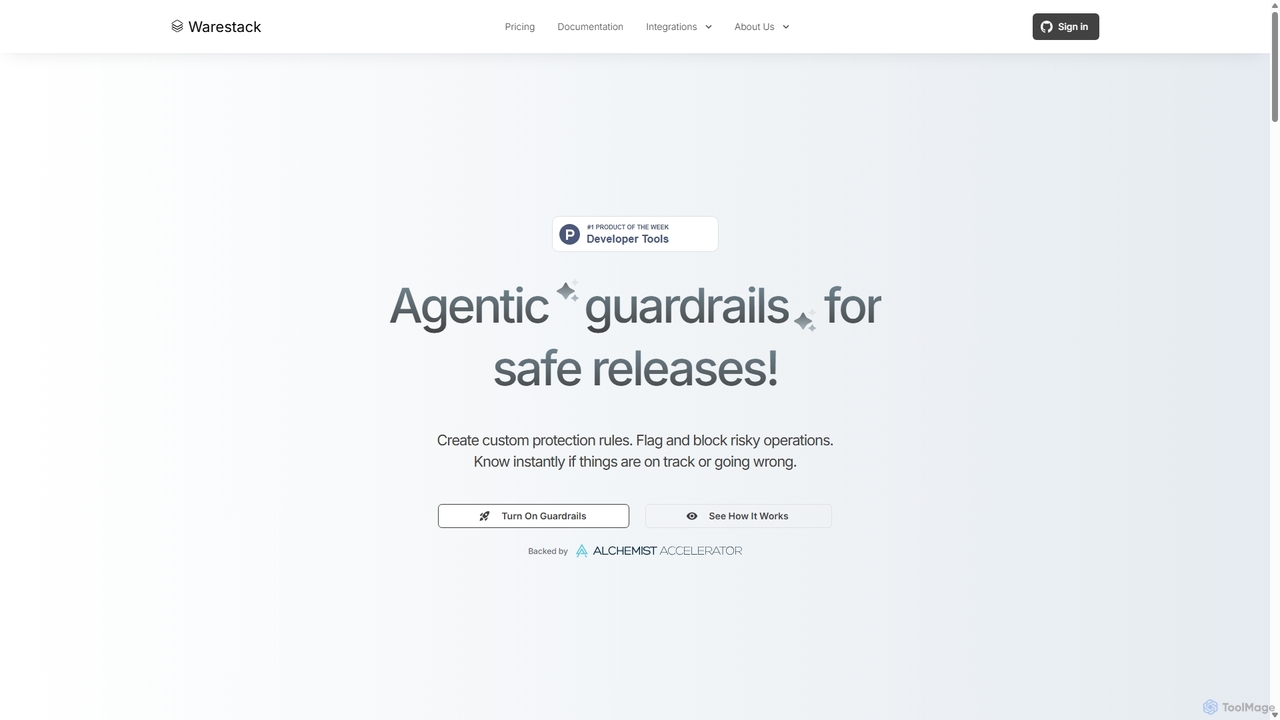
Warestack

Warestack

Warestack provides agentic guardrails for software development teams, enabling safe and compliant releases. It uses context-aware, natural language …

3.9K
Meticulous

Meticulous

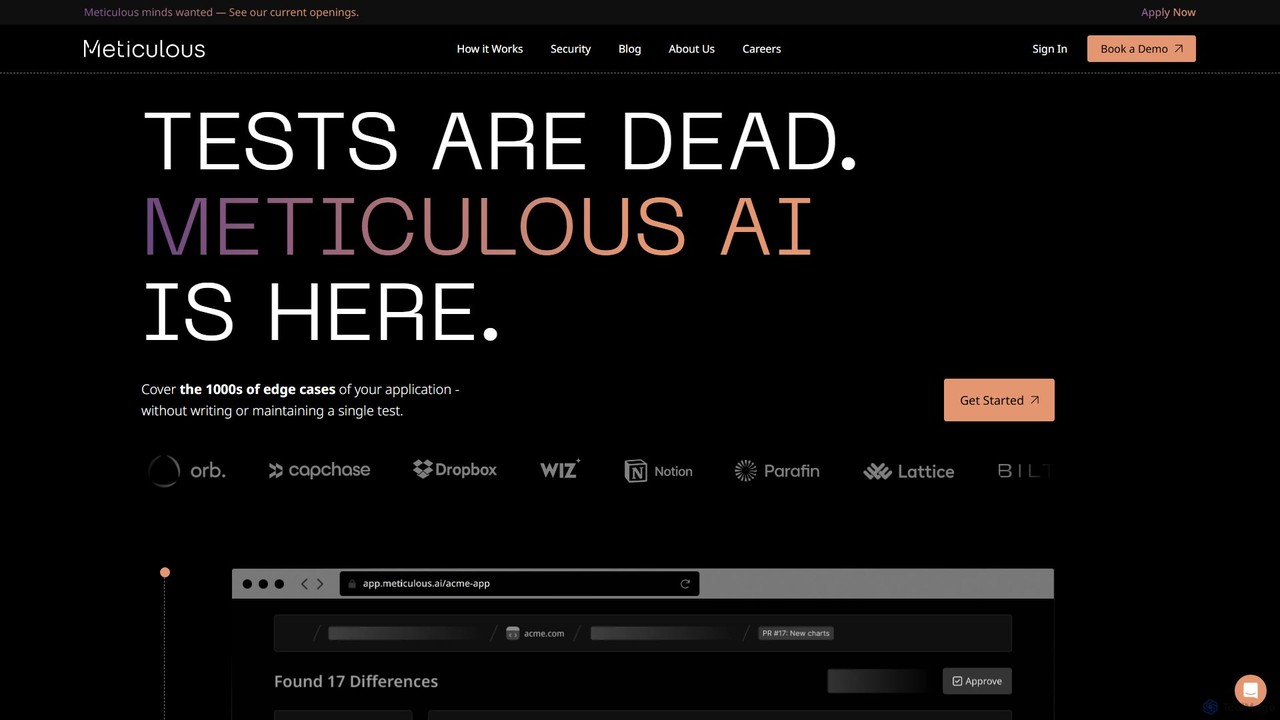
Meticulous is an AI-powered tool that revolutionizes front-end testing. It automatically generates and maintains visual end-to-end tests by …

59.1K
crevcli

crevcli

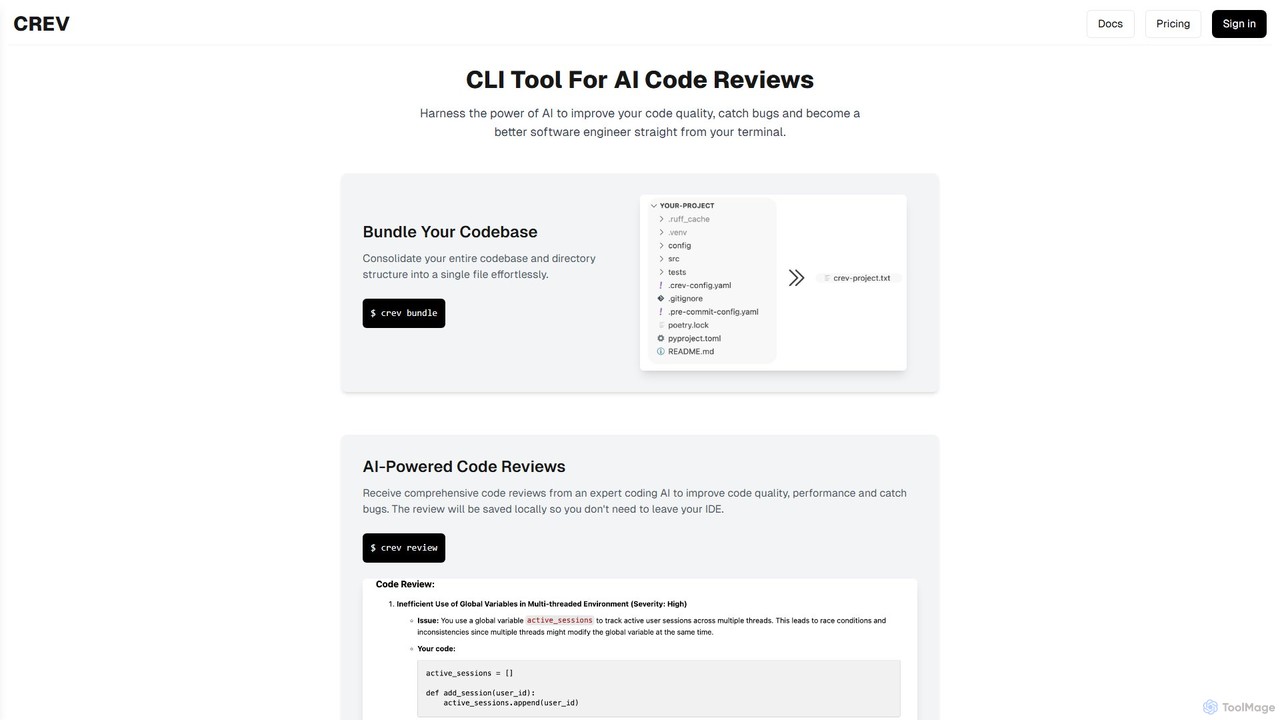
crevcli is a powerful command-line interface (CLI) tool that leverages AI to provide comprehensive code reviews. It helps …

3.5K
Bugster

Bugster

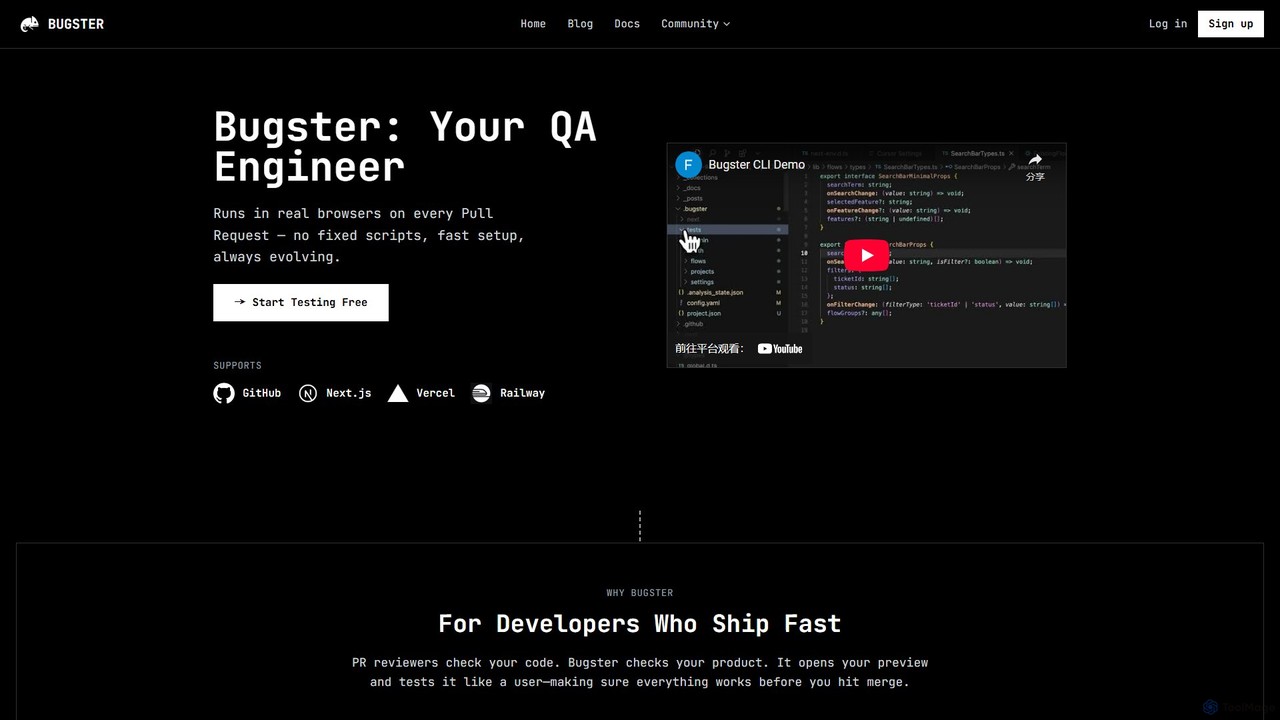
Bugster is an AI-powered QA engineer for developers that automates end-to-end testing. It runs on every pull request, …

6.4K
Bito

Bito

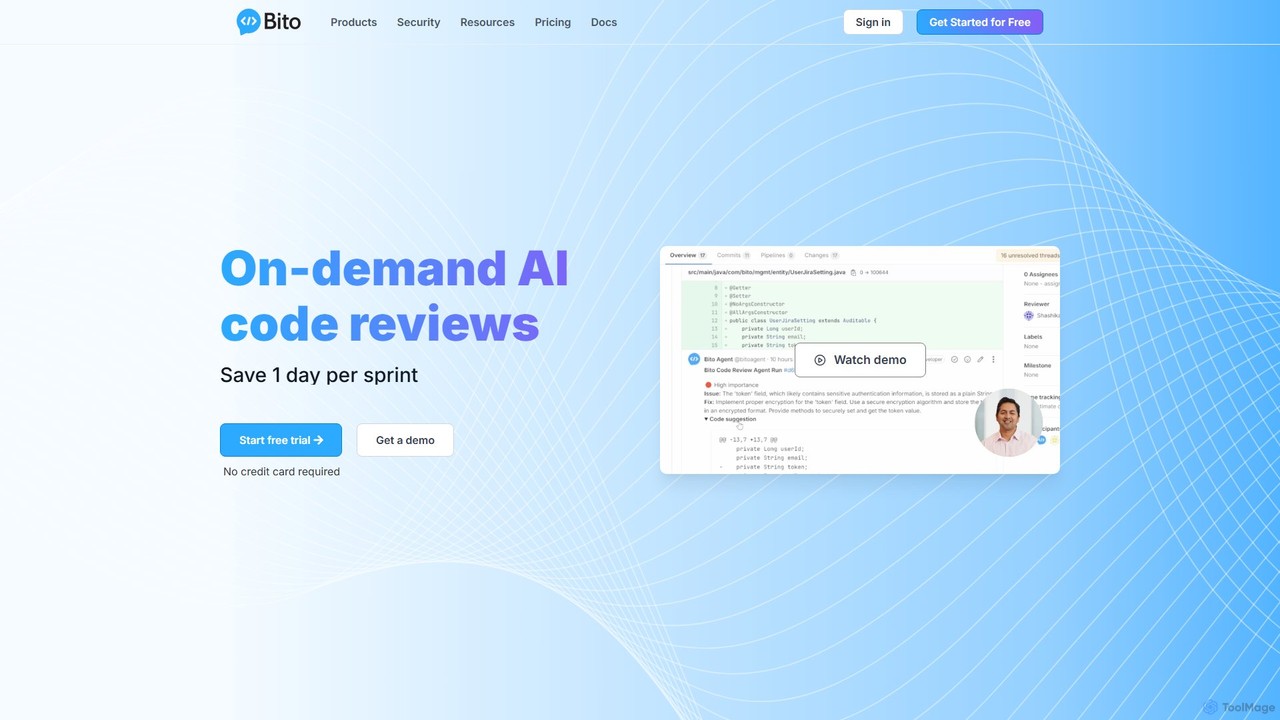
Bito is an AI-powered code review assistant that integrates directly into your IDE and Git provider. It helps …

100.6K
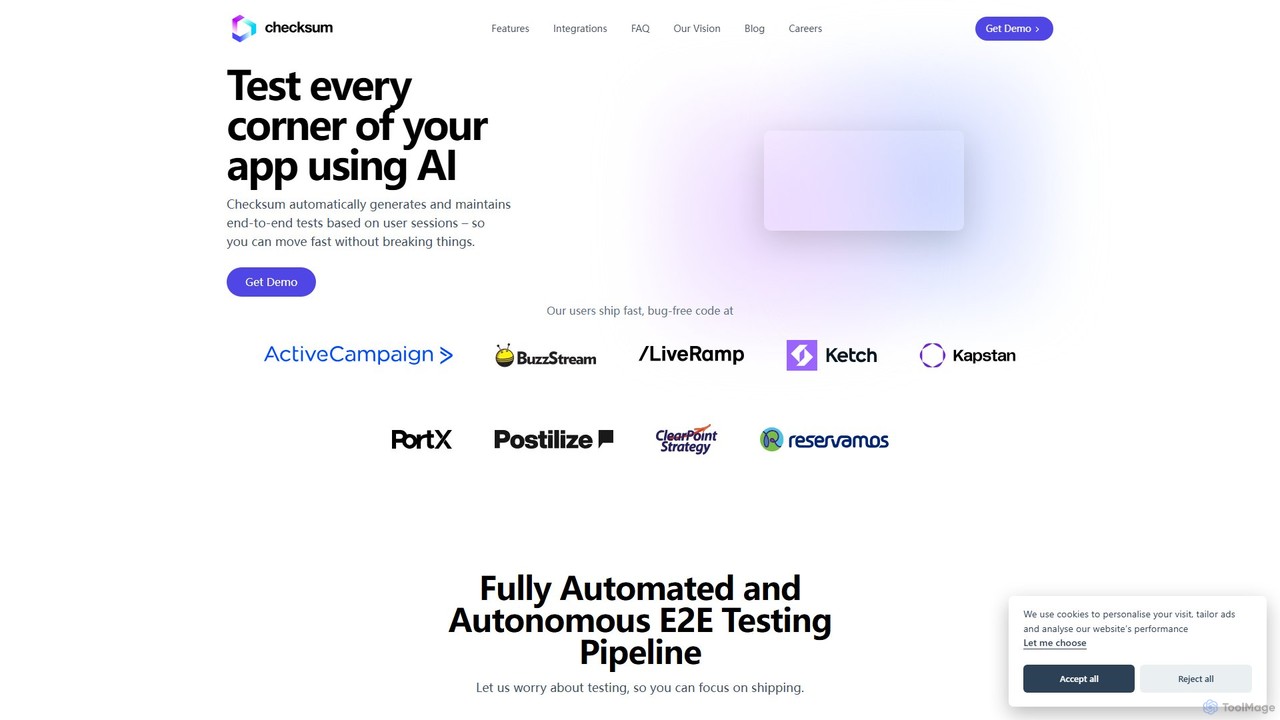
Checksum.ai

Checksum.ai

Checksum.ai is an AI-powered platform that automates end-to-end (E2E) testing by analyzing real user behavior. It automatically generates, …

8.7K

About Code Quality

Code Quality tools are AI-powered solutions designed to analyze source code, identify potential issues, and ensure adherence to coding standards. These tools leverage advanced algorithms, including machine learning, to detect bugs, security vulnerabilities, code smells, and maintainability problems within the broader 'Code' development lifecycle. Their primary value lies in automating the code review process, improving software reliability, and fostering consistent development practices across teams.

Core Features

  • Static Code Analysis: Automatically scans code without execution to find errors, vulnerabilities, and style violations.
  • Bug and Vulnerability Detection: Identifies common programming errors, security flaws (e.g., SQL injection, XSS), and potential runtime issues.
  • Code Style Enforcement: Ensures consistency in formatting, naming conventions, and structural patterns according to predefined rules.
  • Complexity Measurement: Calculates metrics like cyclomatic complexity to highlight hard-to-maintain or test code sections.
  • Refactoring Suggestions: Provides actionable recommendations to improve code structure, readability, and performance.

Applicable Scenarios

Software development teams integrate Code Quality tools into their CI/CD pipelines for continuous feedback, ensuring that every code commit meets quality standards before deployment. They are also crucial for security audits, helping identify and remediate vulnerabilities early in the development process, and for maintaining large, complex legacy codebases by pinpointing areas for improvement and modernization.

How to Choose

When selecting a Code Quality tool, consider its support for your primary programming languages, its integration capabilities with your existing IDEs and CI/CD systems, and the flexibility to customize coding rules and standards. Evaluate the accuracy of its issue detection, the clarity of its reporting, and its ability to minimize false positives. Also, assess the tool's performance on large codebases and its pricing model relative to your team's size and needs.

Code QualityUse Cases

1

Automated Code Review in CI/CD Pipelines

Software development teams integrate Code Quality tools into their Continuous Integration/Continuous Deployment (CI/CD) pipelines. Before any code is merged or deployed, the tool automatically scans for bugs, vulnerabilities, and style violations. This ensures that only high-quality, compliant code proceeds, catching issues early and reducing manual review effort, ultimately accelerating delivery while maintaining standards.

2

Identifying and Remediating Security Vulnerabilities

Security engineers and developers use Code Quality tools to proactively scan applications for common security vulnerabilities, such as SQL injection, cross-site scripting (XSS), and insecure configurations. The tools provide detailed reports and remediation suggestions, allowing teams to fix critical flaws early in the development cycle, significantly reducing the risk of security breaches in production environments.

3

Enforcing Consistent Coding Standards Across Teams

Development leads and architects configure Code Quality tools with specific coding standards, style guides, and best practices relevant to their organization. The tools then automatically check all submitted code against these rules, providing immediate feedback to developers. This ensures uniformity in the codebase, making it easier for new team members to onboard and for existing developers to collaborate effectively, regardless of individual coding habits.

4

Refactoring and Modernizing Legacy Codebases

Engineers working with large, aging codebases utilize Code Quality tools to identify areas of high complexity, duplication, or technical debt. The tools provide insights into code structure, dependencies, and potential refactoring opportunities. This guidance helps developers systematically improve the maintainability, performance, and scalability of legacy systems, making them easier to update and extend without introducing new bugs.

5

Onboarding New Developers to Existing Projects

When new developers join a project, Code Quality tools can significantly accelerate their onboarding process. By running the tools on the existing codebase, new team members can quickly identify areas that deviate from established standards, understand common patterns, and learn best practices. This immediate feedback helps them write compliant code from day one, reducing the learning curve and ensuring consistent quality from the start.

6

Measuring and Tracking Code Health Over Time

Project managers and technical leads use Code Quality tools to generate metrics on code complexity, technical debt, test coverage, and overall code health. By regularly analyzing these metrics, they can track the evolution of code quality over time, identify trends, and make data-driven decisions about resource allocation for refactoring or bug fixing. This helps in maintaining a healthy codebase and preventing the accumulation of unmanageable technical debt.

Code QualityFrequently Asked Questions