Crowdbotics
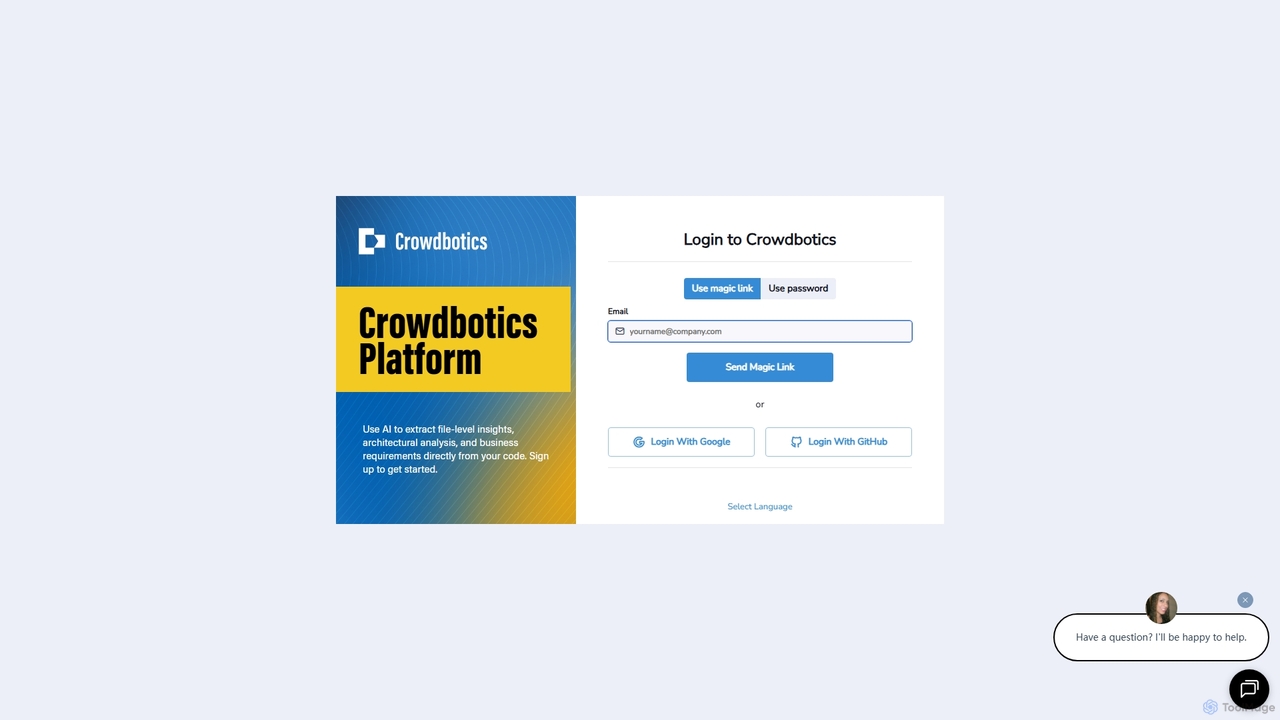
Crowdbotics is an AI-powered platform that transforms software development by analyzing codebases to extract deep insights. It automatically …
Crowdbotics is an AI-powered platform that transforms software development by analyzing codebases to extract deep insights. It automatically generates architectural diagrams, business requirements, and file-level analysis, helping engineering teams understand complex systems, reduce technical debt, and accelerate development cycles. Ideal for modernizing legacy code and onboarding new developers.
DeepWiki
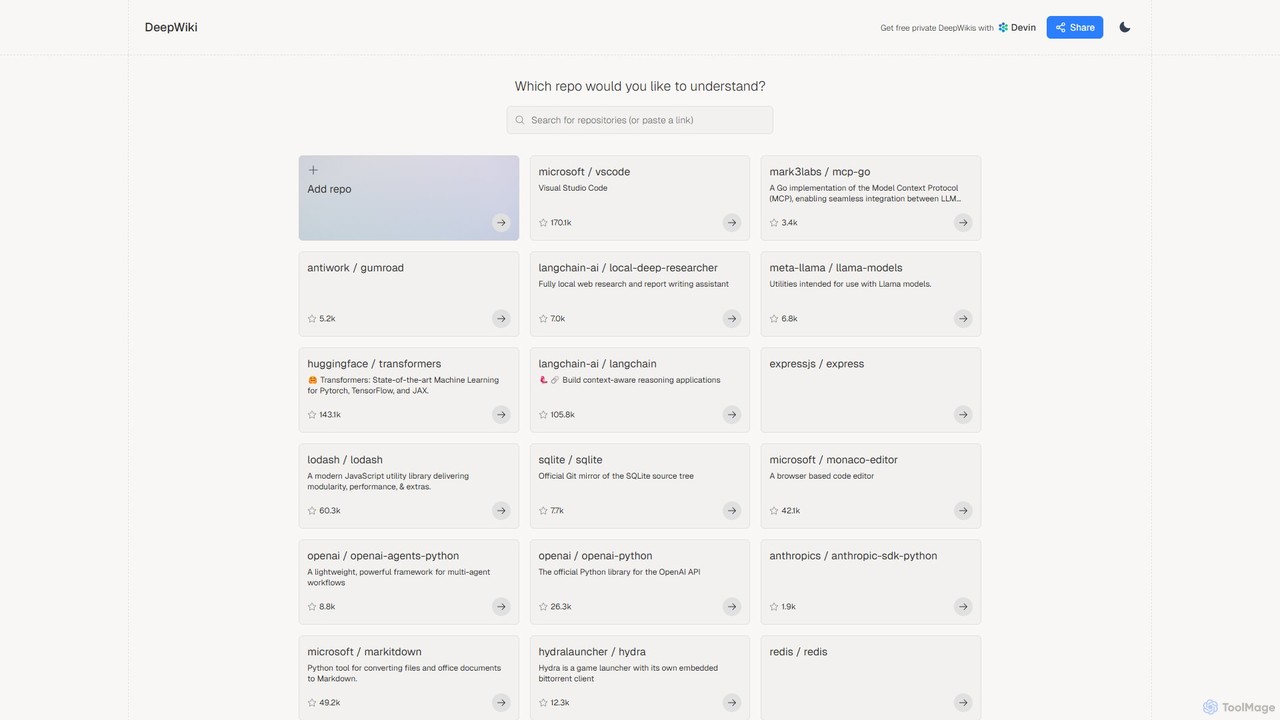
DeepWiki is an AI-powered tool that automatically generates interactive, conversational documentation for any GitHub repository. It analyzes codebases …
DeepWiki is an AI-powered tool that automatically generates interactive, conversational documentation for any GitHub repository. It analyzes codebases to create a structured, searchable wiki, allowing developers to ask natural language questions and quickly understand complex projects.
About Code Analysis
Code Analysis tools are AI-powered solutions designed to automatically examine source code for potential issues, vulnerabilities, and quality improvements. These tools leverage advanced algorithms, including machine learning, to identify patterns, enforce coding standards, and detect complex bugs that human review might miss. They significantly enhance software development by ensuring code reliability, security, and maintainability throughout the development lifecycle.
Core Features
- Automated Bug Detection: Identifies common programming errors, logical flaws, and runtime issues before execution.
- Vulnerability Scanning: Scans code for security weaknesses, such as SQL injection, cross-site scripting, and insecure configurations.
- Code Quality Metrics: Provides insights into code complexity, maintainability index, and adherence to coding standards.
- Performance Optimization Suggestions: Suggests improvements to code structure and algorithms to enhance application performance.
- Dependency Analysis: Maps out external libraries and packages, highlighting potential conflicts or outdated versions.
Applicable Scenarios
Software development teams use code analysis tools to integrate quality checks into their CI/CD pipelines, ensuring every commit meets predefined standards. Security engineers leverage them for proactive vulnerability assessments, identifying and remediating risks early. Project managers utilize the generated reports to monitor code health and track improvements over time, fostering a culture of high-quality software delivery.
How to Choose
When selecting a code analysis tool, consider its integration capabilities with your existing development environment (IDEs, CI/CD). Evaluate the range of programming languages it supports and the depth of its analysis (static vs. dynamic). Assess its reporting features for clarity and actionability, and compare its false positive rate. Finally, consider the scalability for your team size and project complexity, alongside pricing models.

Code AnalysisUse Cases
Automating Code Review in CI/CD Pipelines
Development teams integrate AI code analysis tools into their continuous integration/continuous deployment (CI/CD) pipelines. Before merging code, the tool automatically scans for bugs, security vulnerabilities, and style violations. This ensures that only high-quality, secure code proceeds to deployment, significantly reducing manual review time and preventing issues from reaching production environments.
Enhancing Software Security Posture
Security engineers utilize code analysis tools to proactively identify and mitigate security risks within applications. The tools perform deep scans for common vulnerabilities like injection flaws, insecure deserialization, and weak cryptographic practices. This allows developers to fix security issues early in the development cycle, making the software more resilient against cyber threats and complying with security standards.
Maintaining Code Quality and Standards
Project leads and architects employ code analysis tools to enforce consistent coding standards and improve overall code quality across large projects or multiple teams. The tools generate metrics on code complexity, duplication, and maintainability, providing actionable insights. This helps maintain a clean, understandable, and easily modifiable codebase, crucial for long-term project health and onboarding new team members.
Refactoring Legacy Codebases
Developers working with legacy systems use code analysis tools to understand complex, undocumented code. The tools can identify dead code, redundant logic, and areas of high complexity, guiding refactoring efforts. This process helps modernize older applications, improve their performance, and make them easier to maintain and extend, reducing technical debt.
Onboarding New Developers Efficiently
New team members can quickly get up to speed on a project's codebase by leveraging code analysis reports. These reports highlight critical areas, potential issues, and adherence to established coding patterns. This accelerates their understanding of the project's structure and quality expectations, enabling them to contribute effectively much faster than traditional manual code exploration.
Optimizing Application Performance
Performance engineers and developers use code analysis tools to pinpoint inefficient code segments or algorithmic bottlenecks that impact application speed. The tools can suggest optimizations, such as better data structures, more efficient loops, or improved resource management. By implementing these suggestions, teams can significantly enhance the responsiveness and scalability of their applications.