Free
Emdash
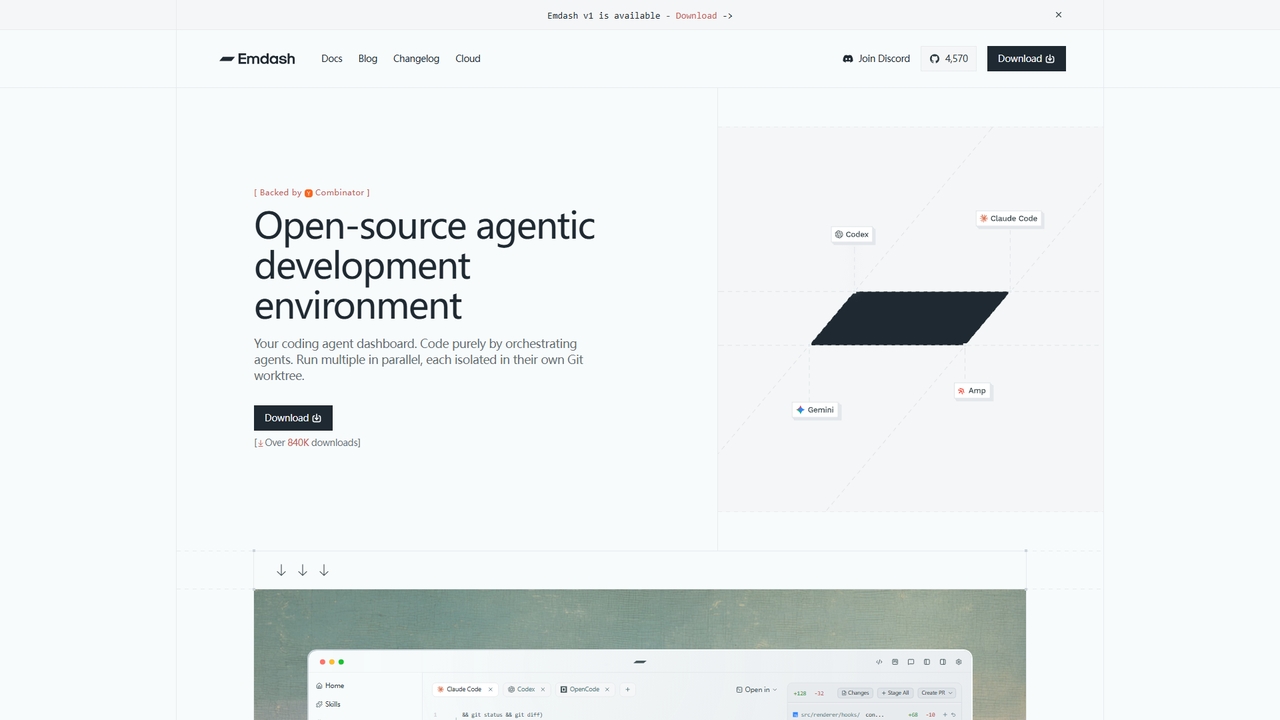
An open-source desktop application for developers to run and orchestrate multiple coding agents (like Codex, Cursor, Claude Code) in parallel, each within its own isolated Git worktree.
Code ReviewVisits 57KFavorites 53Likes 55
Popular Code Review AI tools in Developer Tools include CodeRabbit, Greptile, CodeAnt AI, Bito, Sourcery, CodePal, Emdash, Codiga, Kodus, and Haystack, helping you work more efficiently.
An open-source desktop application for developers to run and orchestrate multiple coding agents (like Codex, Cursor, Claude Code) in parallel, each within its own isolated Git worktree.
Code Review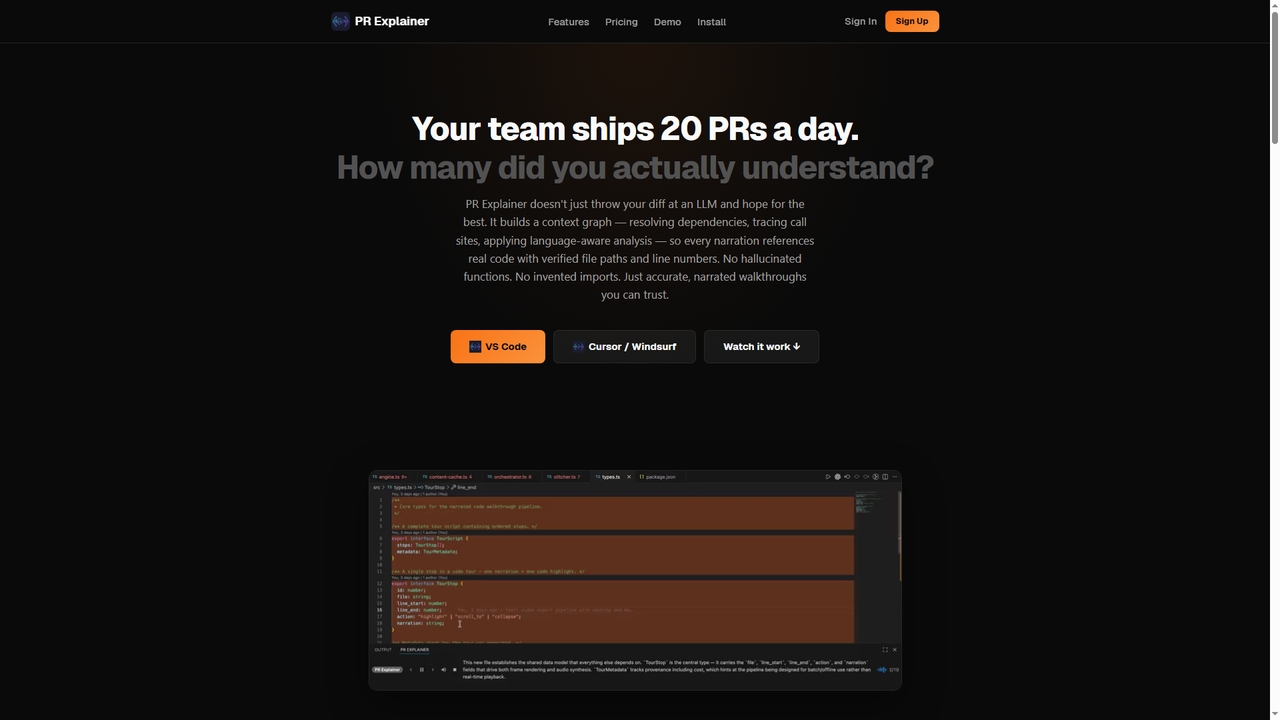
Prexplainer is an AI-powered developer tool that automatically generates narrated code walkthroughs for pull requests (PRs). It transforms code diffs into engaging audio-visual tours with synchronized highlighting, helping teams understand changes faster without context switching.
Code Review
Command Center is a "Post-IDE" designed for AI agents, enabling developers to maintain high code quality, understand AI-generated changes, and efficiently refactor code. It provides real-time diff viewing, one-click extension installation, and tools to make any codebase agent-native, ensuring AI contributions are clean and comprehensible.
Code Generation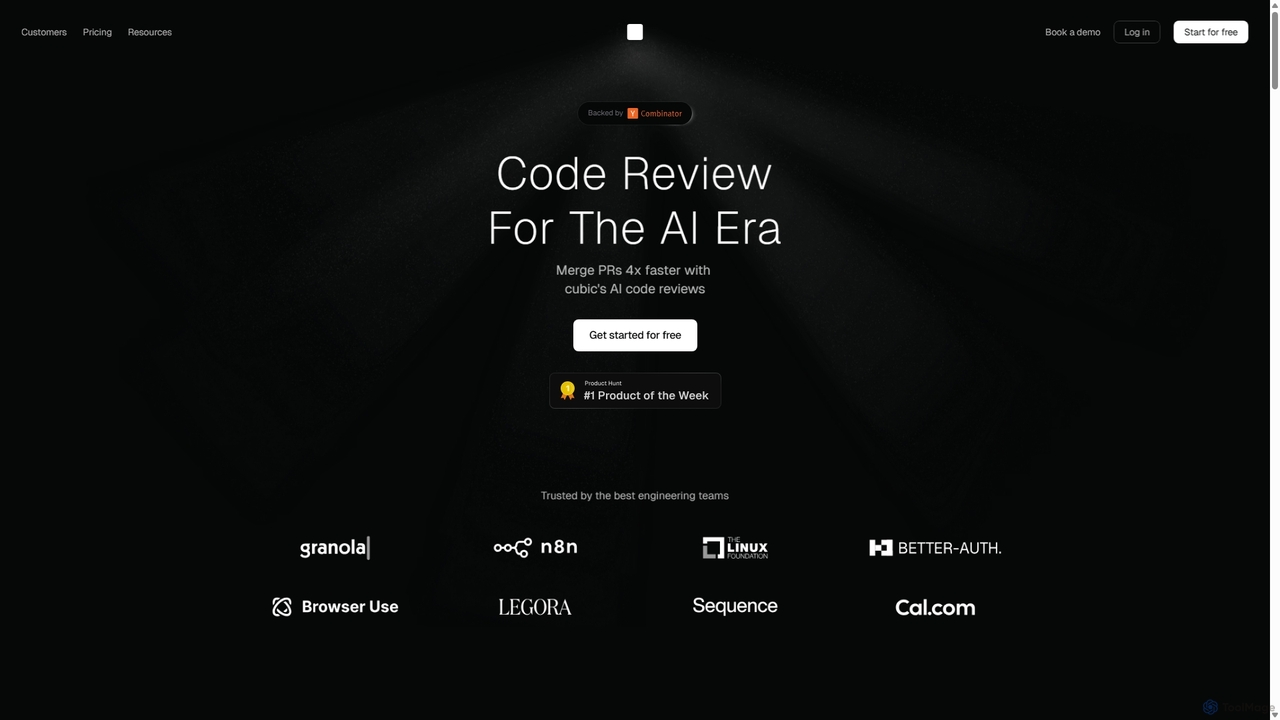
Cubic is an AI-powered code review platform designed to accelerate development cycles. It integrates with GitHub to automatically review pull requests, catch bugs, enforce coding standards, and provide one-click fixes, helping engineering teams merge PRs up to 4x faster while improving code quality.
Code Assistant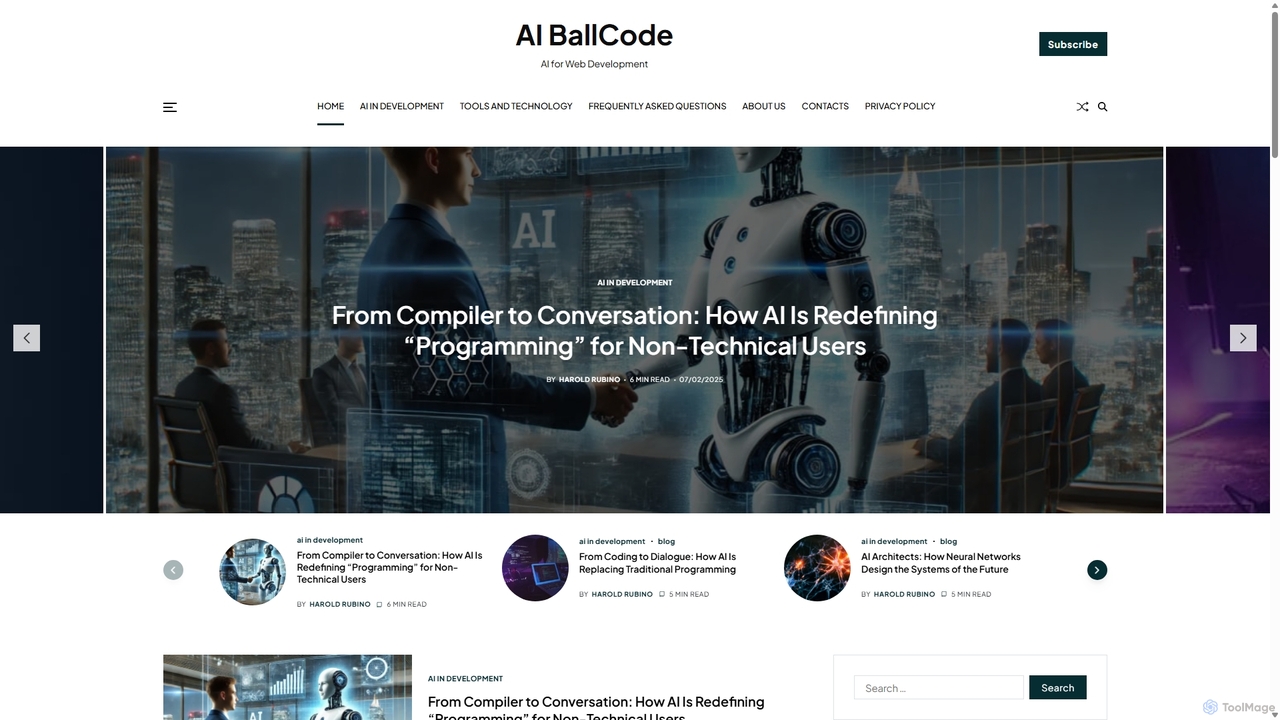
Codeball is an AI-powered code review assistant that integrates with GitHub to automatically analyze pull requests. It helps development teams ship better code faster by identifying bugs, suggesting improvements, and ensuring code quality without manual intervention.
Code Review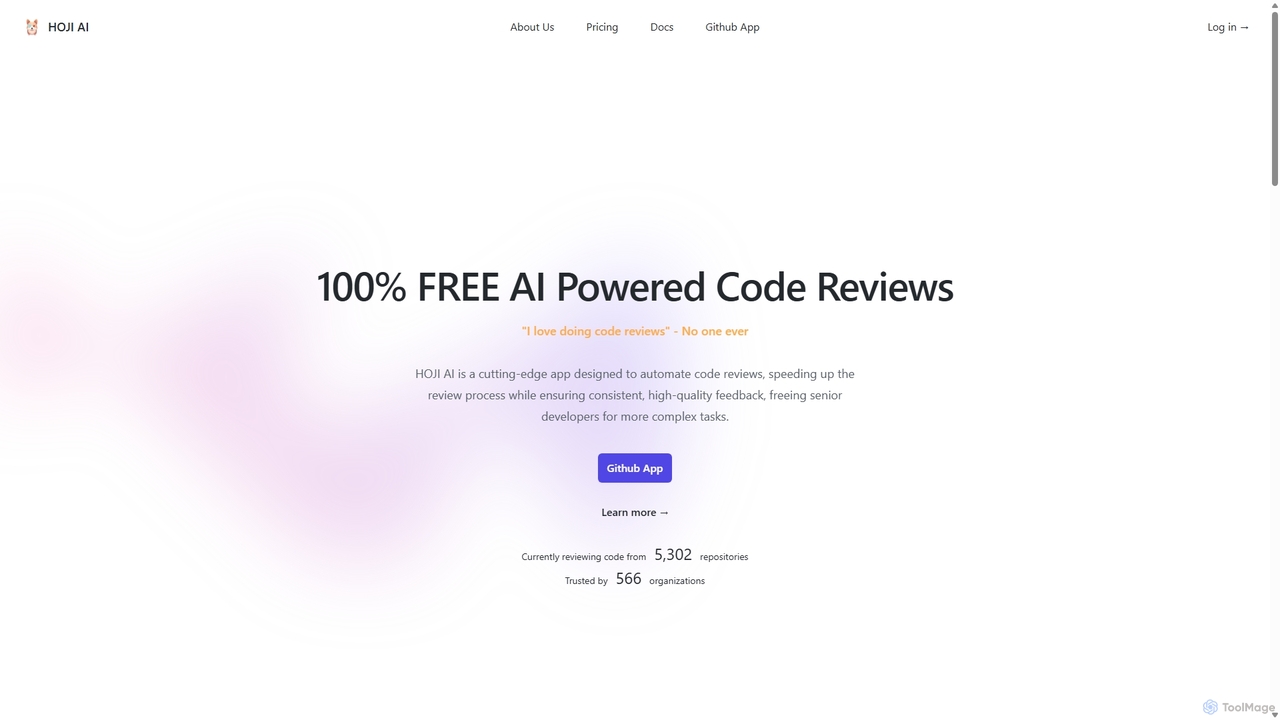
HOJI AI is a free, AI-powered tool that automates code reviews directly within GitHub. It provides instant, consistent, and high-quality feedback on pull requests, helping development teams increase productivity, improve code quality, and accelerate their development cycles by freeing up senior engineers.
Code Assistant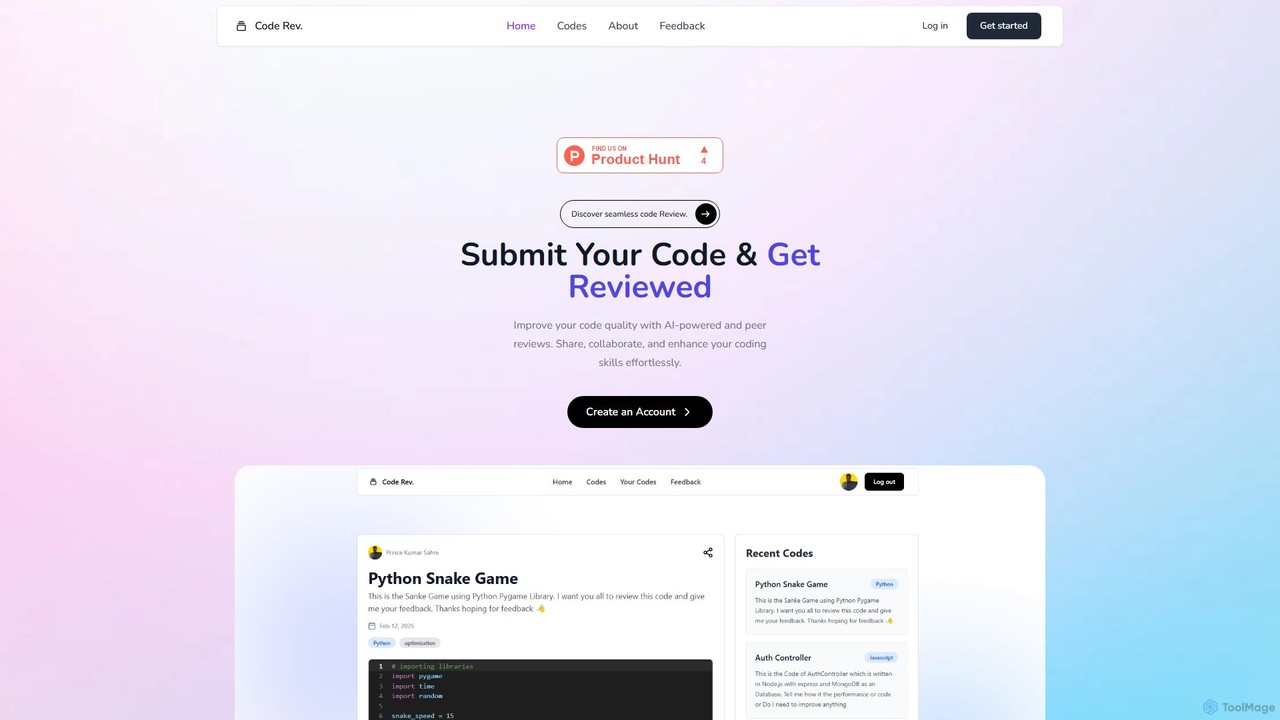
Code Rev. is an AI-powered platform designed to enhance code quality through automated analysis and collaborative peer feedback. Developers can submit code to receive instant, AI-driven suggestions on efficiency, readability, and best practices. The platform also facilitates peer and expert reviews, fostering a community where developers can share knowledge, collaborate on improvements, and elevate their coding skills.
Code Review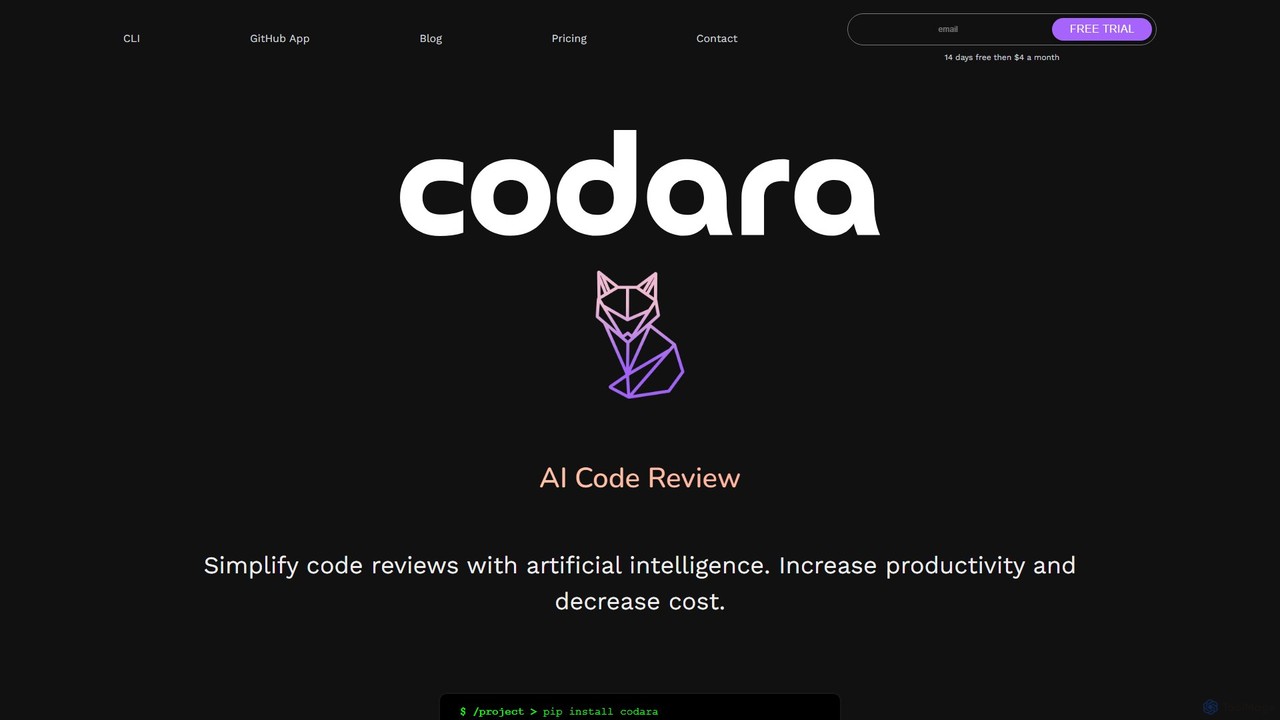
Codara is an AI-powered command-line tool designed to streamline software development. It automates code reviews and diagnoses errors, helping developers increase productivity, improve code quality, and accelerate release cycles. It integrates seamlessly into existing workflows, providing real-time feedback and actionable suggestions.
Code Review
compar.ai is an advanced AI-powered comparison tool designed to intelligently analyze and highlight differences between text, documents, code, and more. It goes beyond simple text matching to provide semantic and contextual comparisons, saving time for professionals in various fields.
Code Review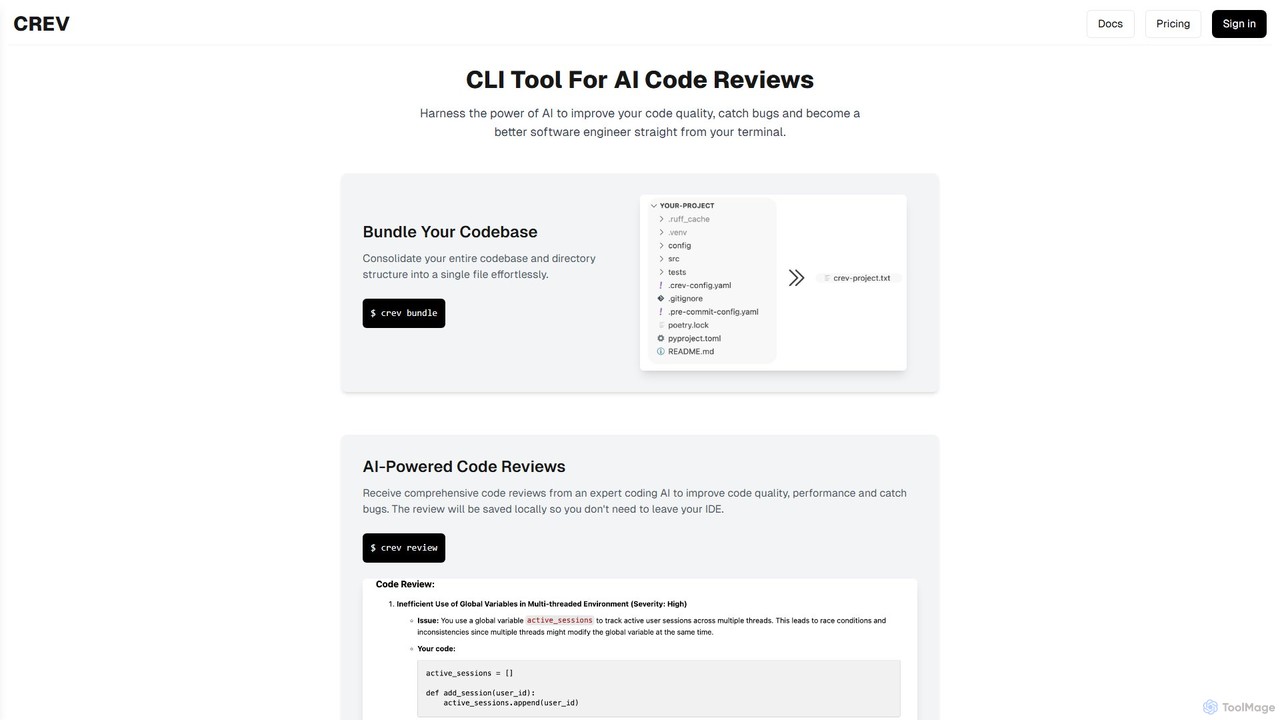
crevcli is a powerful command-line interface (CLI) tool that leverages AI to provide comprehensive code reviews. It helps developers improve code quality, catch bugs early, and enhance their programming skills directly from the terminal. By bundling your entire codebase for analysis, crevcli offers a seamless and efficient workflow, integrating AI feedback into your daily development process without ever leaving your IDE.
Code Quality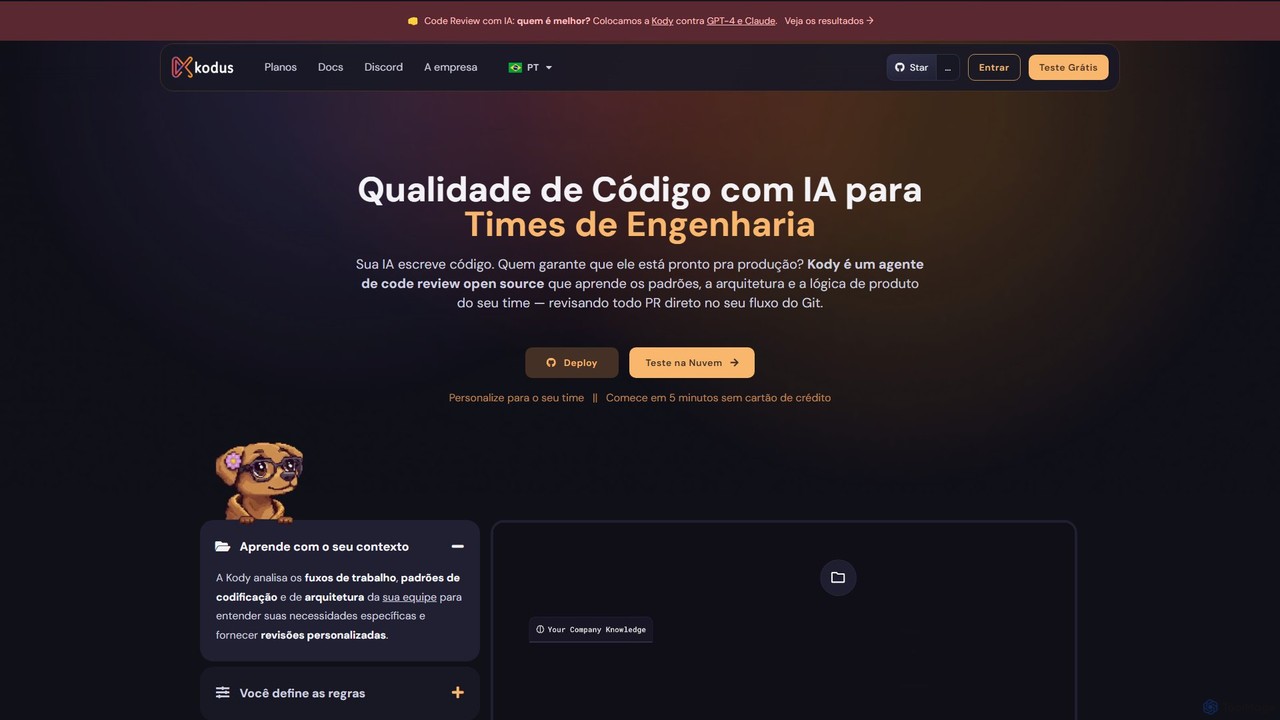
Kodus is an AI-powered code review tool that acts like a senior developer on your team. It automatically analyzes pull requests in Git, providing actionable feedback on code quality, security, and performance. It helps teams reduce review time, ship faster, and decrease bugs in production.
Code Quality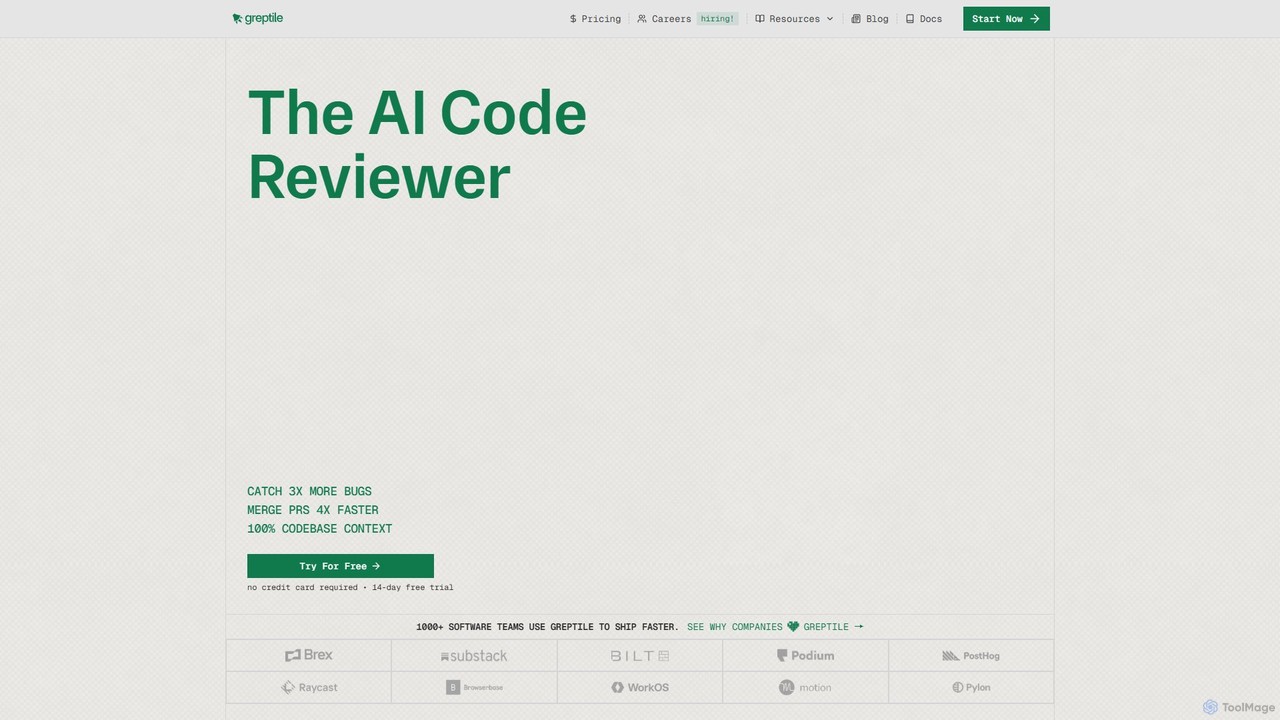
Greptile is an AI-powered code review tool that integrates with GitHub and GitLab to help development teams merge pull requests 4x faster and catch 3x more bugs. By understanding the full context of your codebase, it provides in-line comments, actionable suggestions, and natural-language summaries for every PR. It supports over 30 programming languages and can be customized with specific rules and style guides to enhance code quality and consistency.
Code Review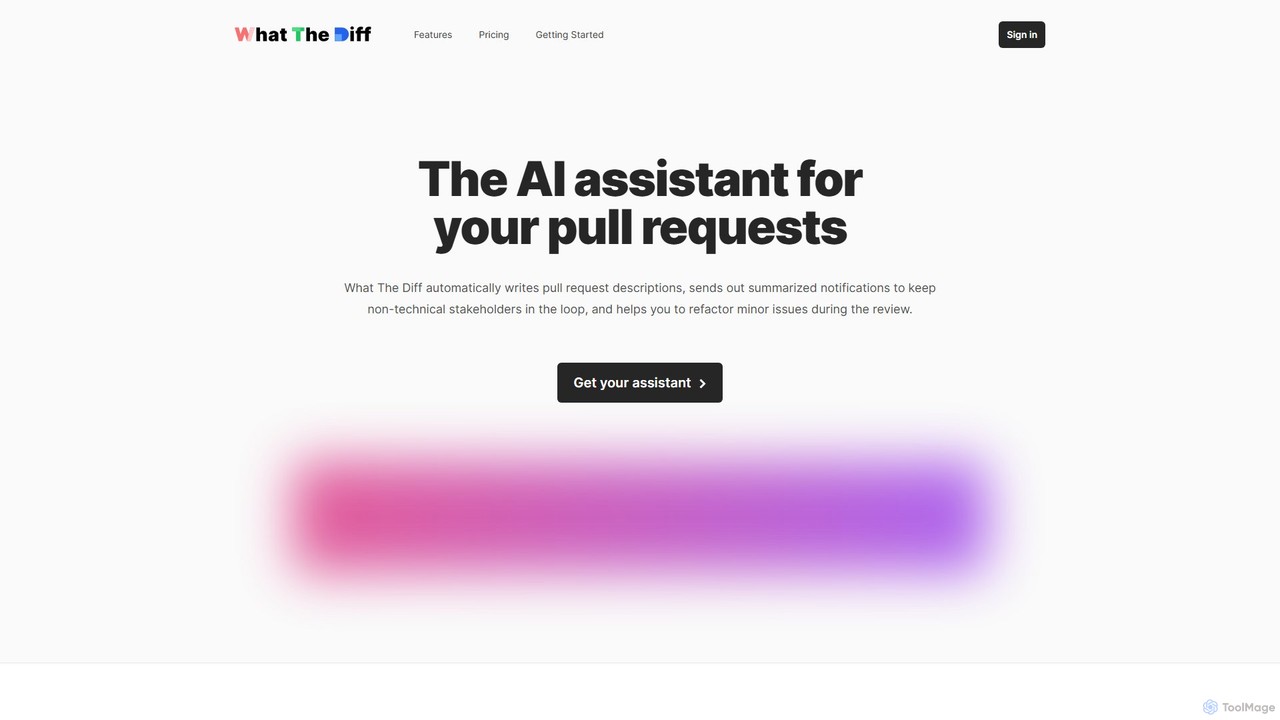
What The Diff is an AI-powered code review assistant that integrates with GitHub and GitLab. It automatically generates pull request descriptions, sends summarized notifications to stakeholders, and helps refactor code directly within the review process, streamlining development workflows.
Code Review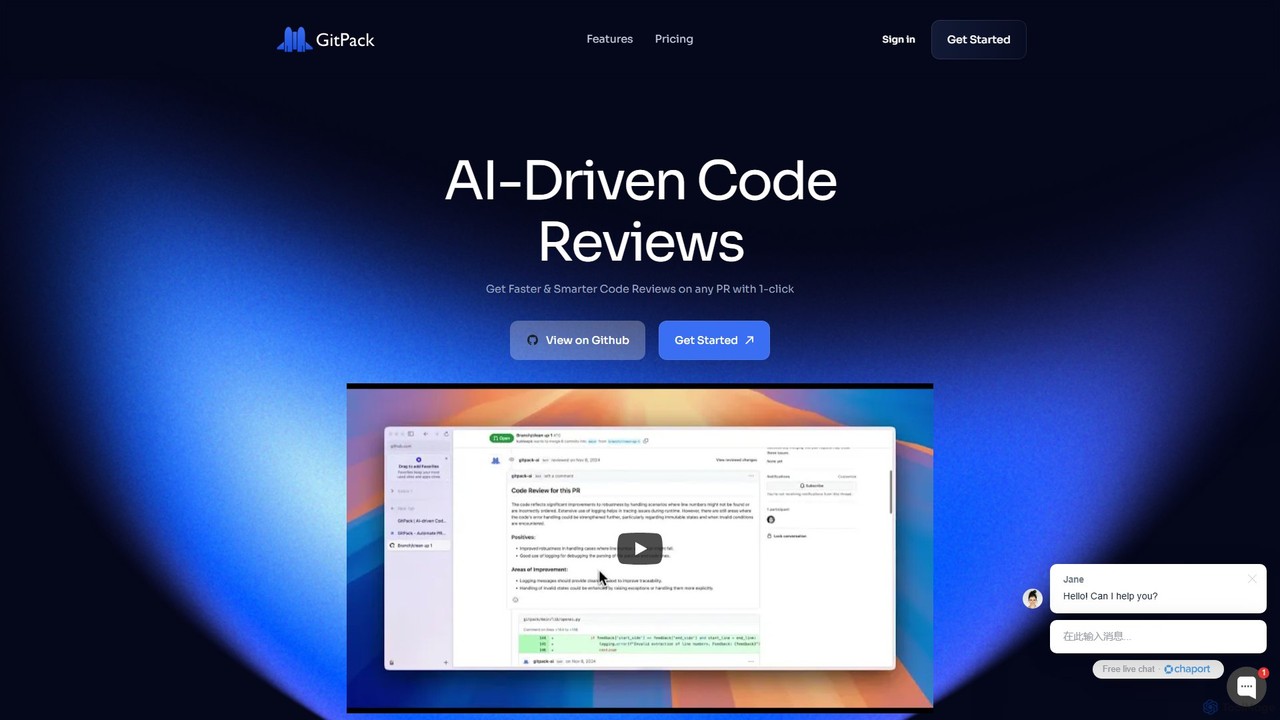
GitPack is an AI-driven tool that automates code reviews on GitHub. It analyzes pull requests, provides context-aware feedback, and helps improve code quality, allowing developers to save time and streamline their workflow.
Code Assistant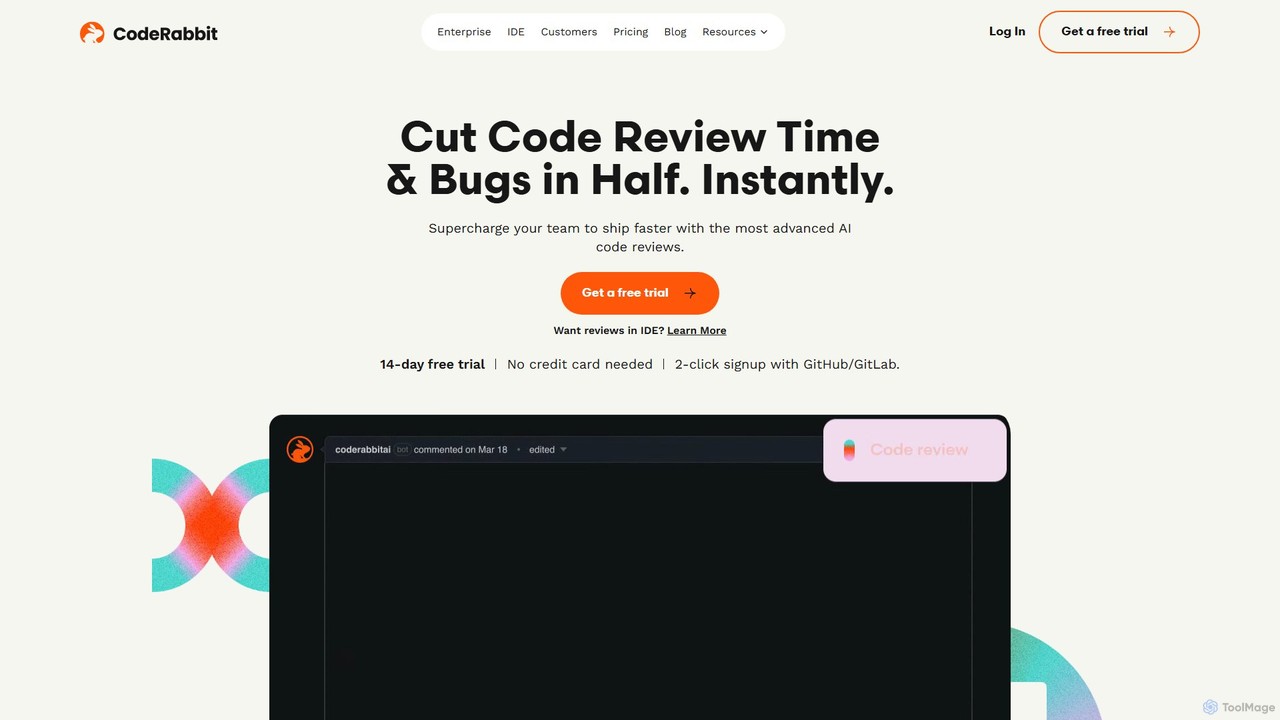
CodeRabbit is an AI-powered code review tool that supercharges development teams to ship faster and reduce bugs. It provides instant, context-aware reviews, pull request summaries, and security analysis directly within GitHub, GitLab, and IDEs like VS Code.
Code Review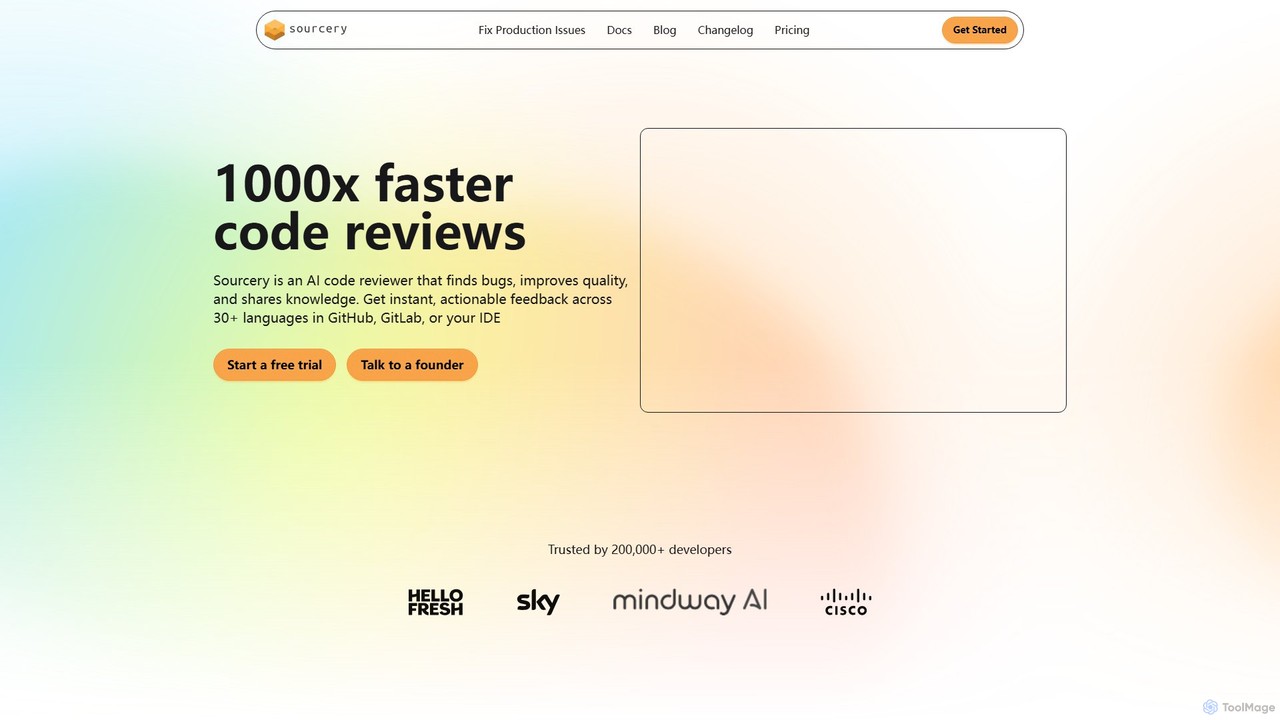
Sourcery is an AI-powered code reviewer that automates code reviews, finds bugs, improves code quality, and accelerates knowledge sharing. It integrates directly into your IDE, GitHub, and GitLab workflows, providing instant feedback and refactoring suggestions for over 30 languages.
Code Assistant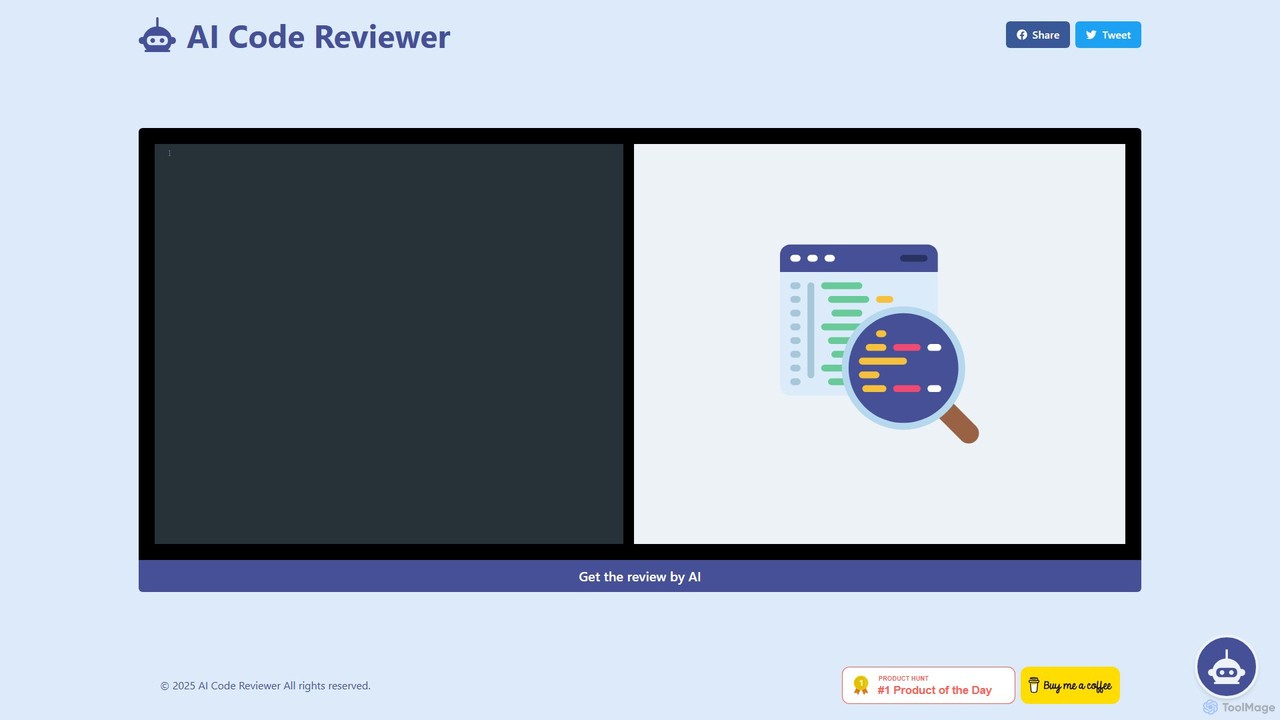
AI Code Reviewer is an automated tool that uses artificial intelligence to analyze your code. It integrates with your development workflow, like GitHub, to automatically review pull requests. The tool identifies bugs, security vulnerabilities, and style issues, providing instant, actionable feedback to help developers improve code quality and accelerate the development cycle.
Code Review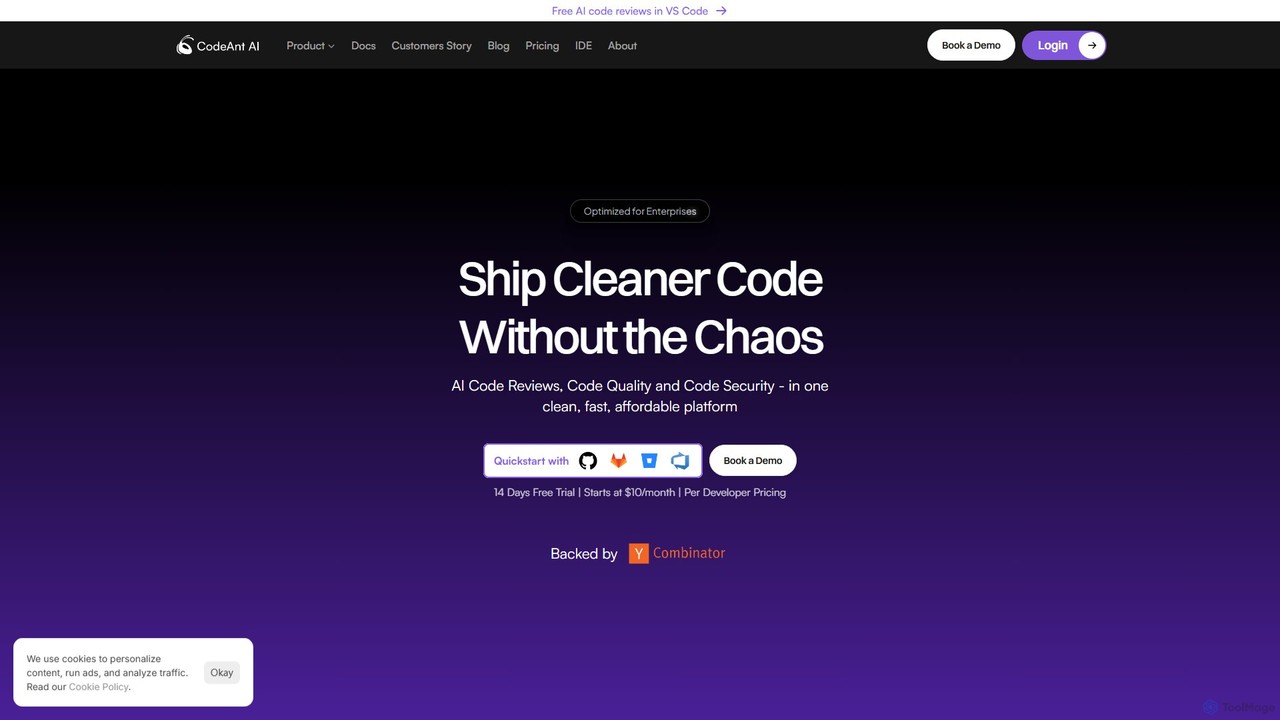
CodeAnt AI is an AI-powered platform that automates code reviews, enhances code quality, and ensures application security. It integrates seamlessly into developer workflows, providing AI-generated pull request summaries, one-click fixes, and continuous scanning for vulnerabilities, helping teams ship cleaner, more secure code faster.
Code Quality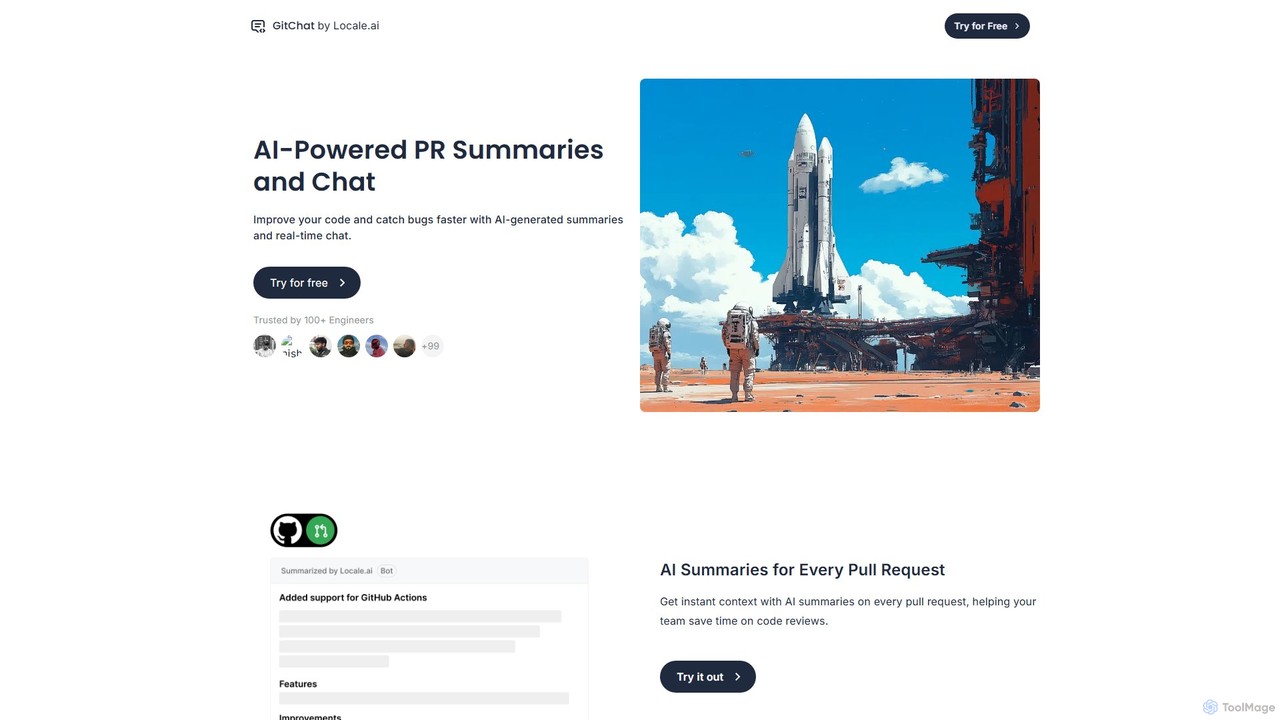
GitChat is an AI-powered assistant for GitHub that supercharges code reviews. It automatically generates summaries for Pull Requests, provides instant feedback on code, and allows developers to chat with an AI directly within PR comments to improve code quality and accelerate development.
Code Assistant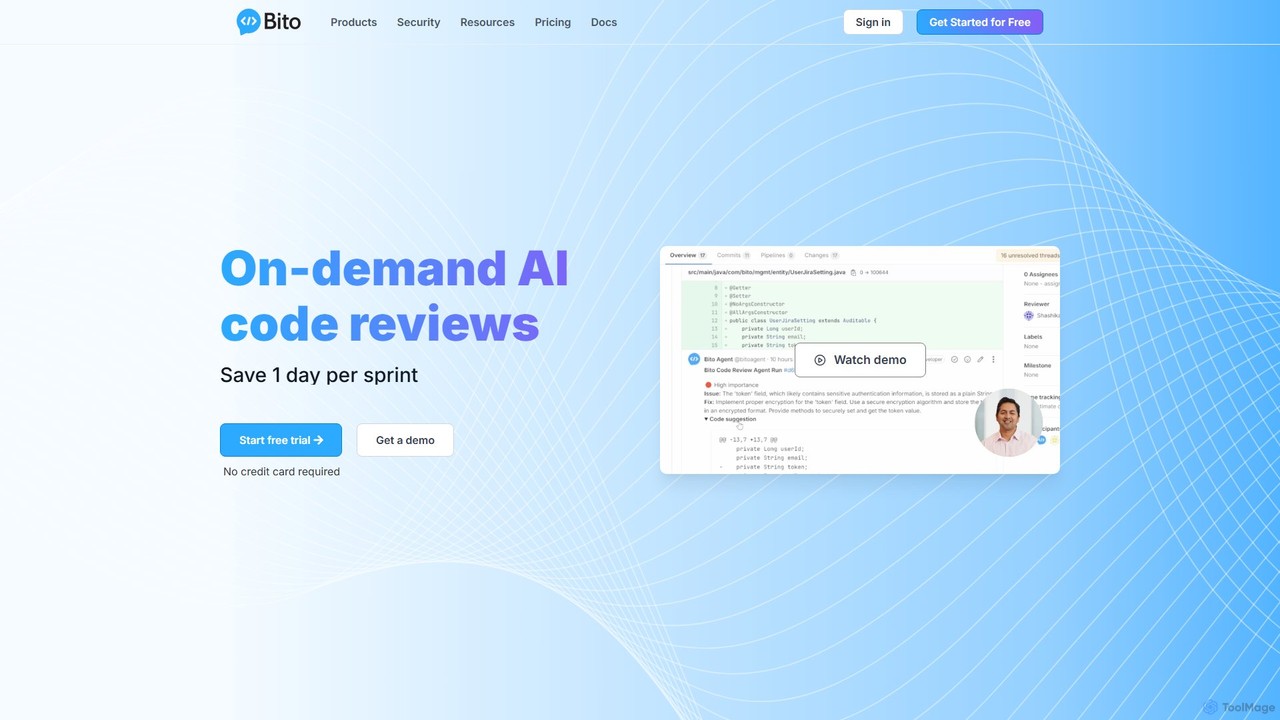
Bito is an AI-powered code review assistant that integrates directly into your IDE and Git provider. It helps development teams accelerate their workflow, improve code quality, and reduce regressions by providing on-demand, context-aware feedback and suggestions. Bito is designed to save time, upskill junior engineers, and ensure enterprise-grade security.
Code Quality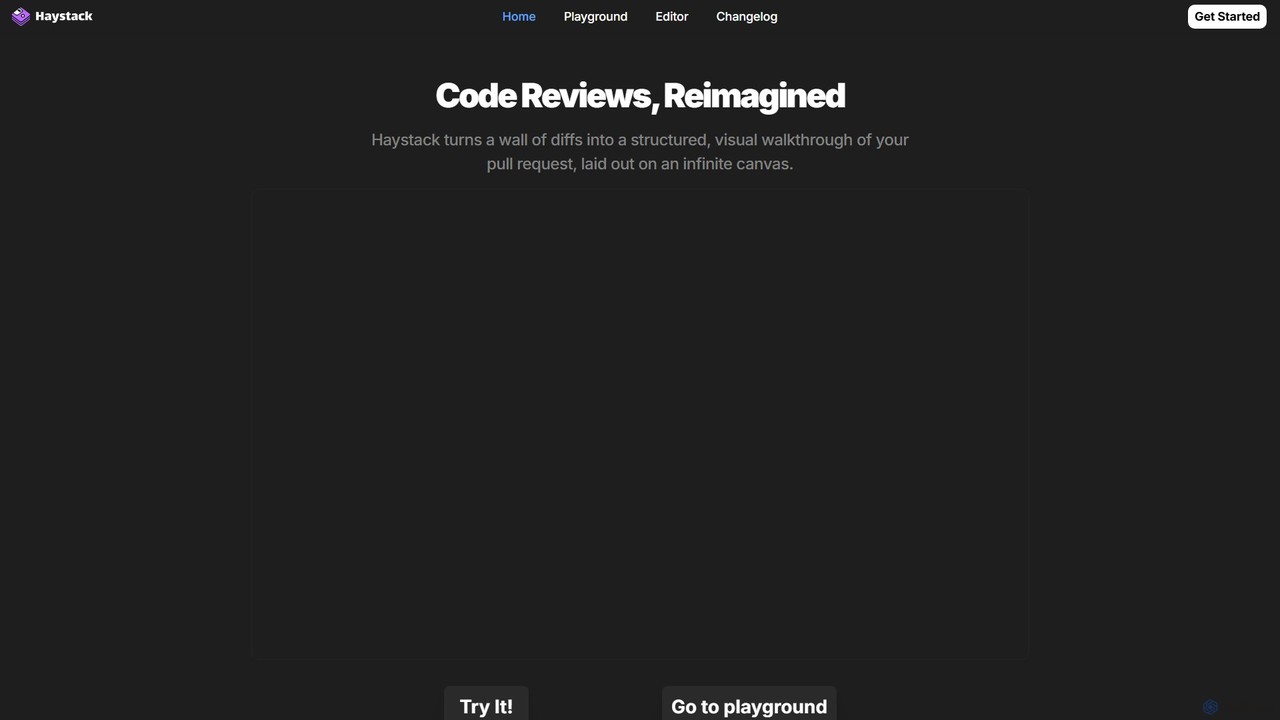
Haystack is an AI-powered code review platform that transforms complex pull requests into an interactive, visual canvas. It intelligently guides reviewers through code changes, enabling faster comprehension, in-context collaboration, and more efficient merging, supporting a wide range of programming languages.
Code Assistant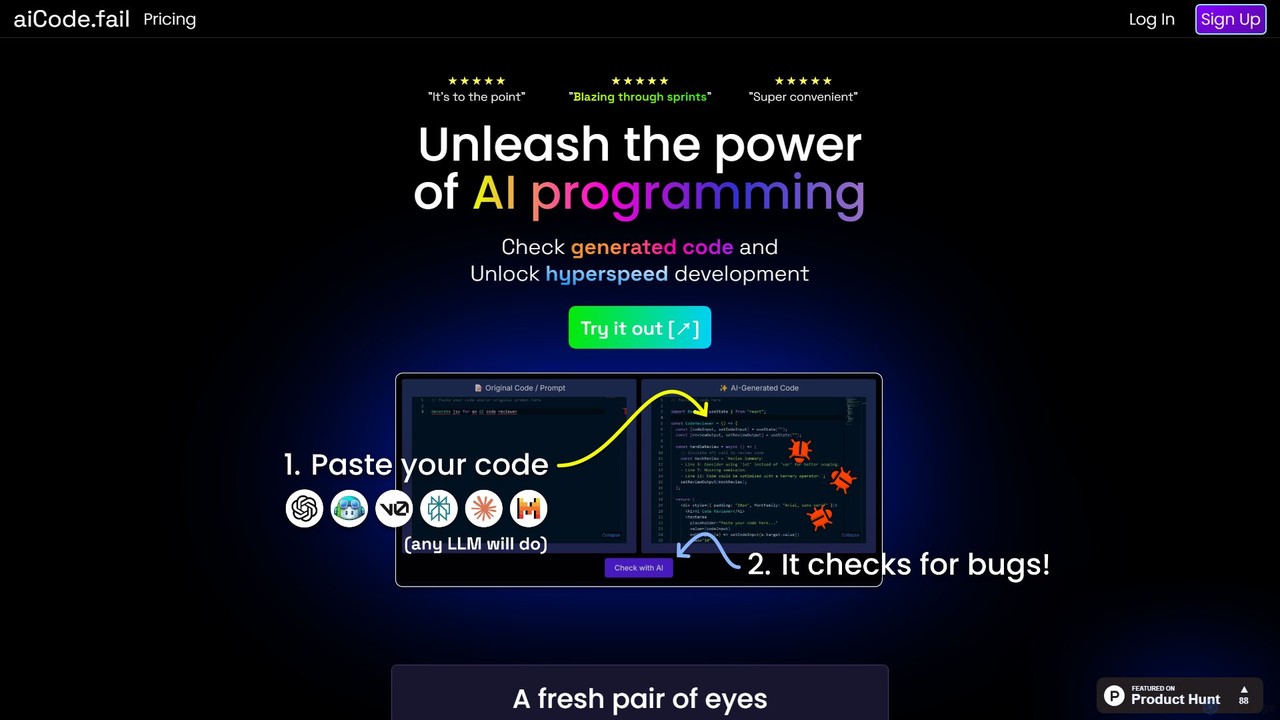
aiCode.fail is a specialized AI-powered code checker designed to audit, debug, and secure code generated by LLMs like GPT. It acts as a critical 'second pair of eyes' to detect hallucinations, expose security vulnerabilities, and accelerate the development process for any programming language, ensuring higher code quality and reliability.
Code Assistant
Pierre is an AI-powered code review assistant designed to streamline the development workflow. It automatically analyzes pull requests, identifies bugs, suggests improvements, and summarizes changes, helping teams ship higher-quality code faster and reduce developer frustration.
Code Quality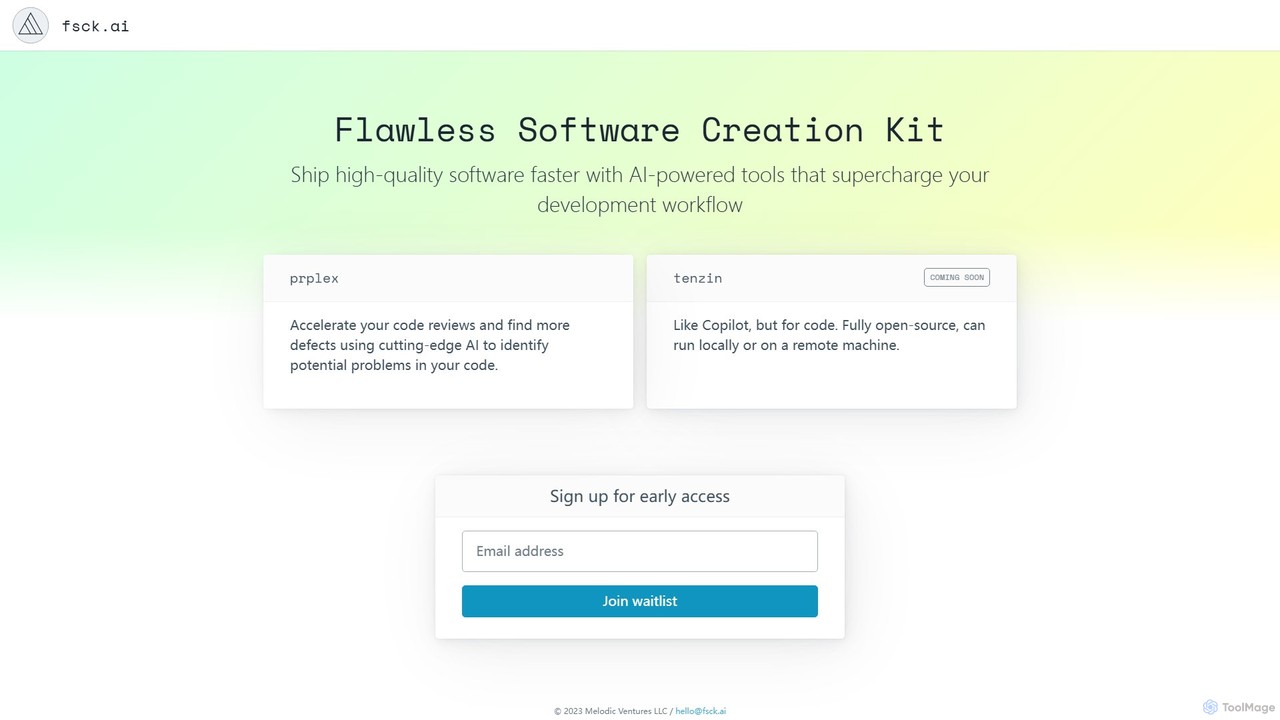
fsck.ai is an open-source AI-powered code review assistant designed to accelerate development workflows. It automatically analyzes pull requests, identifies potential defects and bugs, and provides direct feedback within GitHub, much like a Copilot for code quality.
Code AssistantAI Code Review tools are a specialized category of developer utilities that automate the analysis of source code to identify bugs, security vulnerabilities, and style inconsistencies. These tools leverage machine learning, static analysis, and large language models to understand code context and logic, going beyond traditional linters. They provide developers with instant, actionable feedback directly within their workflow, significantly accelerating development cycles and improving overall code quality. By catching potential issues early, these tools help teams build more robust, secure, and maintainable software.
AI Code Review tools are widely used by DevOps teams to streamline CI/CD pipelines, by security-focused organizations to enforce secure coding practices, and by large development teams to maintain high standards of code quality and consistency. They are particularly valuable in projects with rapid iteration cycles, complex codebases, or distributed teams where manual review can become a bottleneck.
When selecting an AI Code Review tool, consider the programming languages it supports, its integration capabilities with your version control system (e.g., GitHub, GitLab), and the depth of its analysis (security, performance, style). Also evaluate its customizability for rule sets, the quality of its suggestions, and its pricing model (per user, per repository, or per analysis) to find the best fit for your team's needs and workflow.
A DevOps team integrates an AI Code Review tool into their GitHub Actions workflow. For every new pull request, the tool automatically runs, analyzing the changes for potential bugs, security risks, and style violations. It posts comments directly on the pull request, flagging a risky regular expression and suggesting a more performant alternative. This provides the developer with instant feedback, allowing them to fix the issue before a senior engineer even begins a manual review, reducing the review cycle time by an average of 30%.
A security engineer at a fintech company configures an AI Code Review tool to specifically scan for OWASP Top 10 vulnerabilities. Before any code is merged into the main branch, the tool performs a deep security analysis. It discovers a potential SQL injection vulnerability in a new API endpoint. The tool not only flags the issue but also provides a code snippet demonstrating the correct way to use parameterized queries to prevent it. This proactive approach helps the company maintain regulatory compliance and protect sensitive customer data by catching critical vulnerabilities before deployment.
A junior developer joins a large project and submits their first pull request. The AI Code Review tool, configured with the team's specific style guide, immediately provides feedback. It points out that they used a deprecated function and suggests the modern alternative, explains a minor performance issue in a loop, and flags several formatting inconsistencies. This feedback is private and instant, allowing the new developer to learn and correct their code independently without feeling scrutinized. It accelerates their learning curve and ensures their contributions align with team standards from day one.
A team is tasked with modernizing a large, aging codebase. They use an AI Code Review tool to perform an initial analysis. The tool identifies several 'god classes' with low cohesion and high complexity. It suggests breaking them down into smaller, more manageable modules and even provides boilerplate code for the new classes. It also flags duplicated code blocks across different parts of the application, recommending their extraction into shared utility functions. This automated analysis provides a clear, actionable roadmap for the refactoring effort, saving weeks of manual investigation.
A backend developer is working on an e-commerce API that experiences high traffic during sales events. They use an AI Code Review tool that specializes in performance analysis. The tool scans the code and identifies an N+1 query problem in a product retrieval endpoint, where the code was making a separate database call for each product in a list. It suggests refactoring the code to use a single, more efficient query with a JOIN statement. Implementing this change significantly reduces database load and cuts the API response time for that endpoint by 70%, preventing timeouts during peak traffic.
The maintainer of a popular open-source library struggles with inconsistent code styles from various contributors. They set up an AI Code Review tool with a strict linting configuration based on the project's contribution guidelines. Now, when a new contributor opens a pull request, the tool automatically comments on any style deviations, such as incorrect indentation or naming conventions. This automates the tedious part of the review process, allowing the maintainer to focus on the logic and functionality of the contribution. It also provides a consistent and impartial standard for all contributors, improving the overall code quality and readability of the project.
AI Code Review tools are software applications that use artificial intelligence, particularly machine learning and large language models, to automatically analyze source code for errors, vulnerabilities, and quality issues. Unlike traditional linters that rely on fixed rules, these tools can understand code context, detect complex logical errors, identify security risks, and suggest performance optimizations. They integrate into the development workflow, often by commenting on pull requests, to provide developers with immediate and intelligent feedback.
The main difference lies in the depth and context of analysis. A linter checks code against a predefined set of rules for style, formatting, and simple syntax errors. An AI Code Review tool goes further by:
In short, a linter enforces style, while an AI reviewer acts more like an experienced developer, checking for deeper issues in logic, security, and performance.
No, AI is best viewed as a powerful assistant, not a replacement for human reviewers. While AI excels at finding common bugs, security flaws, and style issues with speed and consistency, it often lacks the ability to understand the broader business context, architectural goals, or the intent behind a specific implementation. Human reviewers are essential for validating business logic, assessing architectural decisions, mentoring junior developers, and providing nuanced feedback that requires a deep understanding of the project's long-term vision. The most effective approach combines AI for automated checks with human oversight for strategic review.
Choosing the right tool depends on your team's specific needs. Consider these key factors:
The primary benefits of integrating an AI Code Review tool into your development process include: