Ai Assistant Best in category 3 results Code Generation AI Tool

Popular AI tools in the Code Generation field of Ai Assistant include Command Center、Layrr、WP Snippets AI, etc., helping you quickly improve efficiency.

Free
Layrr

Layrr

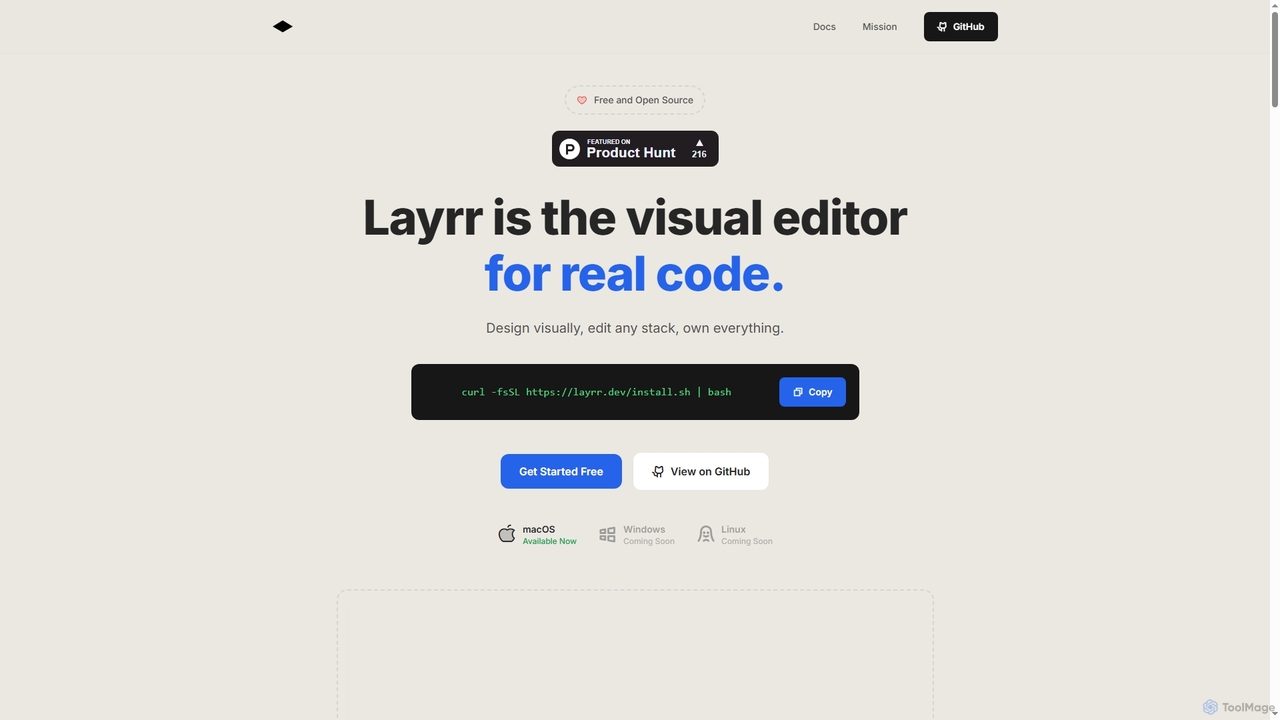
Layrr is a free and open-source visual editor that allows developers and designers to create and edit real …

3.1K
WP Snippets AI

WP Snippets AI

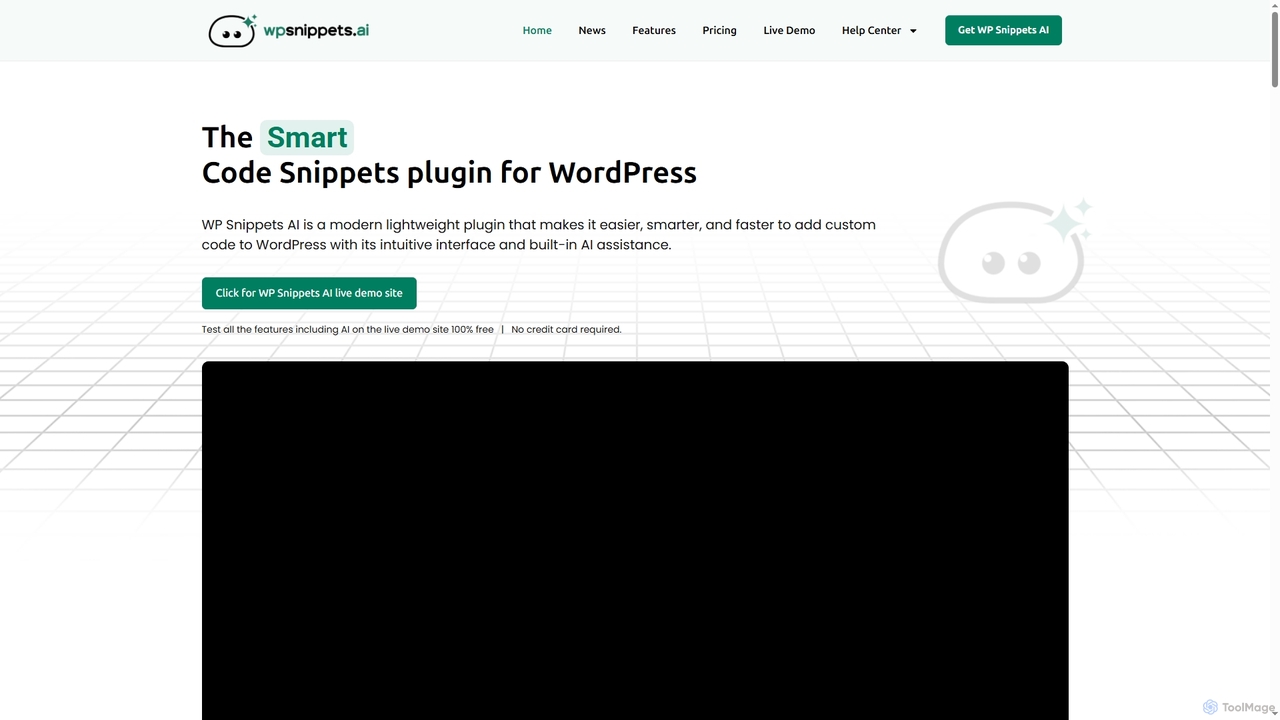
WP Snippets AI is a fast, modern, and lightweight WordPress plugin designed to simplify custom code management. It …

2.1K
Command Center

Command Center

Command Center is a "Post-IDE" designed for AI agents, enabling developers to maintain high code quality, understand AI-generated …

8.8K

About Code Generation

AI Code Generation tools are specialized AI assistants that translate natural language descriptions, comments, or existing code snippets into functional source code. They leverage large language models (LLMs) trained on vast repositories of public code to understand context, syntax, and programming patterns. This enables developers to accelerate workflows, reduce boilerplate code, and tackle complex programming challenges more efficiently. These tools act as intelligent pair programmers, offering suggestions, completing functions, and even generating entire code blocks from simple prompts.

Core Features

  • Natural Language to Code: Converts plain text descriptions (e.g., "create a Python function to fetch user data from an API") into ready-to-use code.
  • Intelligent Code Completion: Provides context-aware, multi-line code suggestions that go far beyond traditional autocomplete.
  • Code Refactoring & Optimization: Analyzes existing code and suggests improvements for performance, readability, and adherence to best practices.
  • Automated Test Generation: Creates unit tests and test cases for functions and methods, improving code quality and coverage.
  • Code Explanation & Documentation: Generates comments or provides clear explanations for complex code snippets, aiding in learning and code reviews.

Use Cases

These tools are widely used by software developers, data scientists, and students across the entire software development lifecycle. They are particularly effective for rapid prototyping, automating the creation of repetitive code structures like API endpoints or data models, and assisting developers in learning new programming languages or frameworks by providing instant examples and translations.

How to Choose

When selecting an AI Code Generation tool, consider its language and framework support to ensure it matches your tech stack. Evaluate the quality of its IDE integration (e.g., for VS Code, JetBrains) for a seamless workflow. Assess its context awareness—how well it understands your entire project's codebase. Finally, review its security and privacy policies, especially regarding how your proprietary code is handled.

Code GenerationUse Cases

1

Accelerate Backend API Development

A backend developer is tasked with creating a new REST API endpoint for user profile management. Instead of writing the boilerplate code for request handling, validation, and database interaction from scratch, they use an AI code generation tool. By writing a simple comment like // Create a POST endpoint /users to add a new user with name, email, and password, the tool generates a complete, functional code block in their chosen framework (e.g., Express.js or Django). The developer then reviews, refines, and integrates the code, reducing development time for this task by over 60% and ensuring adherence to framework conventions.

2

Automate Unit Test Generation

A software engineer has just finished writing a complex function for calculating shipping costs based on weight, distance, and user subscription level. To ensure its reliability, they need to write comprehensive unit tests covering various edge cases. Using an AI code assistant integrated into their IDE, they highlight the function and prompt the tool to "generate unit tests for this function." The AI analyzes the function's logic and parameters, then produces a suite of tests covering normal inputs, zero values, negative values, and different subscription types. This automates a tedious process, improves test coverage, and allows the engineer to focus on developing new features.

3

Refactor and Document Legacy Code

A maintenance team inherits a legacy system with poorly documented and inefficient code. A developer is assigned to improve a critical, yet confusing, function. They paste the code into an AI tool and ask it to "refactor this code for readability and performance." The AI rewrites the function using modern syntax, clearer variable names, and more efficient algorithms. The developer then asks the tool to "add detailed comments explaining this code." The AI generates line-by-line documentation, making the code understandable for future maintenance. This process significantly reduces the technical debt and the time required to onboard new developers to the project.

4

Generate Complex SQL or NoSQL Queries

A data analyst needs to extract specific insights from a large customer database for a marketing report. Crafting the complex SQL query with multiple joins, aggregations, and filtering conditions is time-consuming. Instead, they type a natural language request into an AI code generator: "Show me the total spending of customers from California who signed up in the last 6 months, grouped by city." The tool instantly translates this into an optimized SQL query. This allows the analyst to focus on data interpretation rather than query syntax, enabling faster and more complex data exploration without needing to be an SQL expert.

5

Learning a New Programming Language

A developer proficient in Python needs to start working on a project written in Go. To quickly get up to speed, they use an AI code generation tool as a learning companion. When they know how to write a piece of logic in Python, they ask the tool, "How do I write this Python code in Go?" and provide the snippet. The tool not only provides the direct Go translation but can also explain the syntactic differences and idiomatic Go conventions, such as error handling. This interactive, context-specific learning method is far more efficient than reading generic tutorials, accelerating their onboarding process onto the new project.

6

Debug and Explain Code Snippets

A junior developer encounters a cryptic error message from a block of code they didn't write. They are unsure of the code's purpose or why it's failing. They copy the snippet and the error message into an AI code assistant and ask, "What does this code do, and why am I getting this error?" The AI first explains the code's logic in plain English, then identifies the likely cause of the error (e.g., a null pointer exception or an incorrect data type). It often provides a corrected version of the code. This not only solves the immediate problem but also serves as a valuable, personalized learning experience, helping the developer understand the root cause.

Code GenerationFrequently Asked Questions