ToolMage
Sign in

Best 14 Code Quality AI tools for Developer Tools

Popular Code Quality AI tools in Developer Tools include CodeAnt AI, LinearB, devActivity, Waydev, Codiga, PlayerZero, Ultracite, Kodus, Typo, and Pierre, helping you work more efficiently.

Aivory
Freemium

Aivory

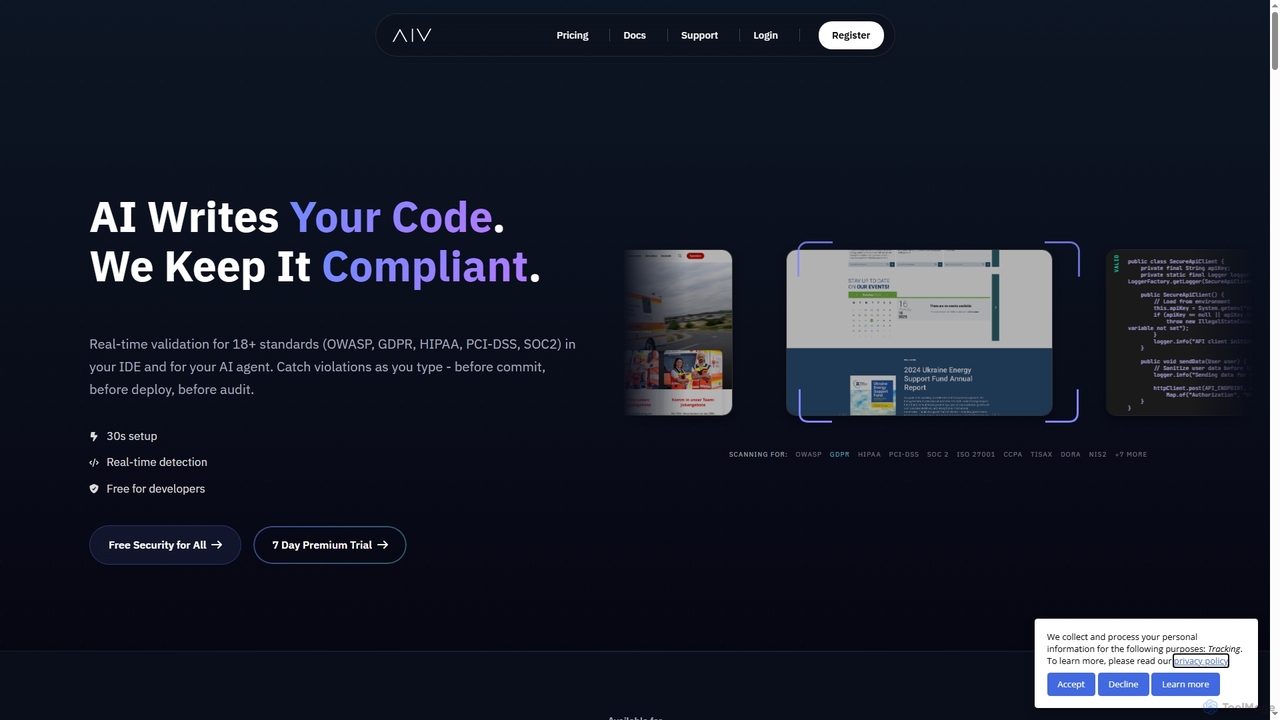
Aivory is a real-time compliance and security validation tool for developers. It integrates into IDEs like VS Code and JetBrains to scan AI-generated and human-written code as you type, catching violations against 18+ standards (GDPR, HIPAA, OWASP) before they are committed, saving significant time and cost.

Code Quality
Visits 5.2KFavorites 120Likes 131
Typo
Freemium

Typo

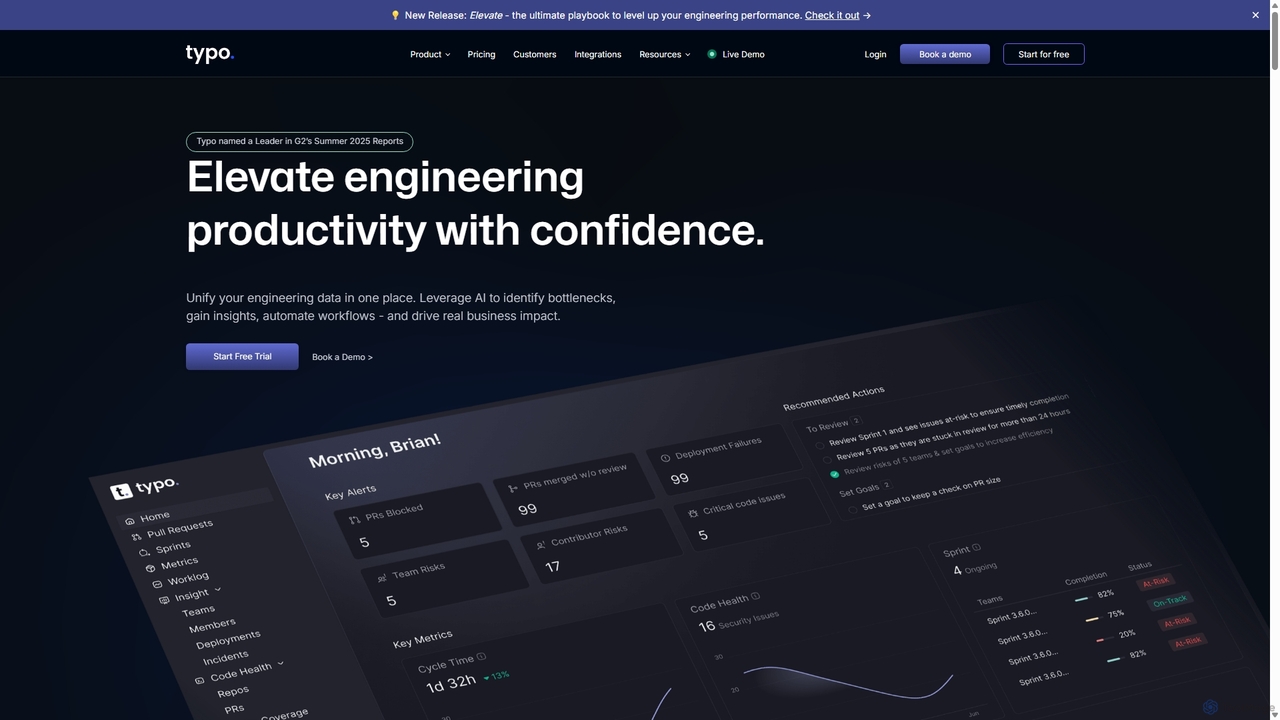
Typo is an AI-powered engineering intelligence platform designed to enhance software delivery and developer productivity. It centralizes data from across the SDLC, providing engineering leaders with actionable insights through DORA metrics, cycle time analysis, and DevEx surveys. With features like AI code reviews and burnout alerts, Typo helps teams identify bottlenecks, improve workflows, and build a high-performing, data-driven engineering culture.

Business Intelligence
Visits 12.3KFavorites 150Likes 152
Waydev
Paid

Waydev

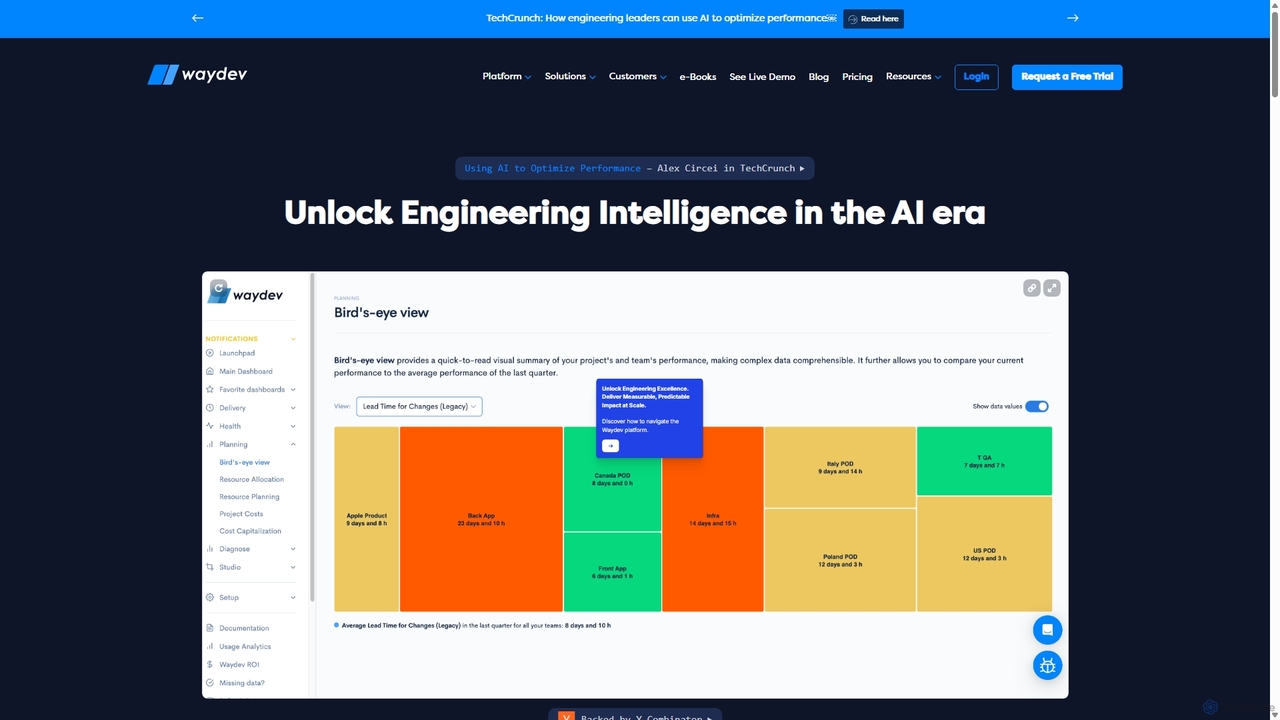
Waydev is an AI-powered engineering intelligence platform that provides visibility into software development processes. It analyzes data from Git, CI/CD, and project management tools to deliver insights based on DORA and SPACE frameworks, helping teams optimize productivity, accelerate delivery, and align engineering work with business goals.

Business Intelligence
Visits 45.1KFavorites 129Likes 127
Ultracite
Free

Ultracite

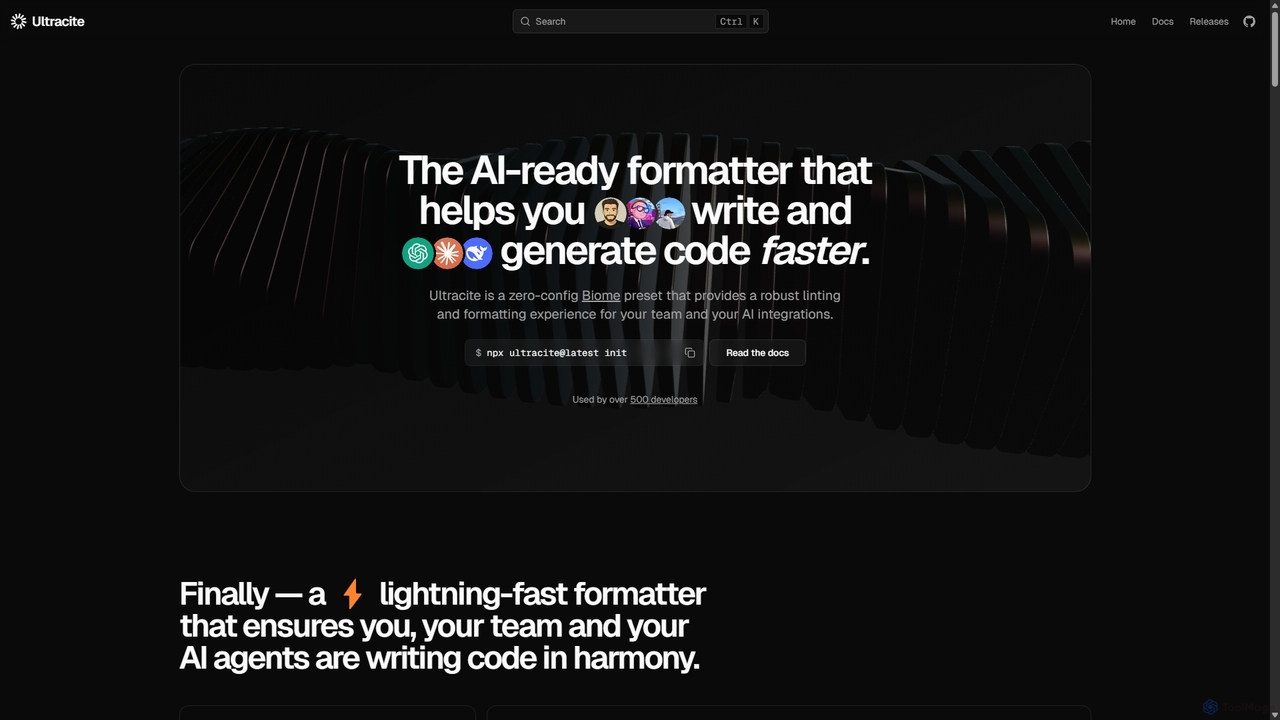
Ultracite is a lightning-fast, zero-config code formatter and linter built on Biome. It's designed to ensure consistent code style for both human developers and AI agents, automating formatting, fixing issues on save, and enforcing best practices for modern TypeScript, React, and Next.js projects.

Code Quality
Visits 23.2KFavorites 112Likes 115
Adadot
Paid

Adadot

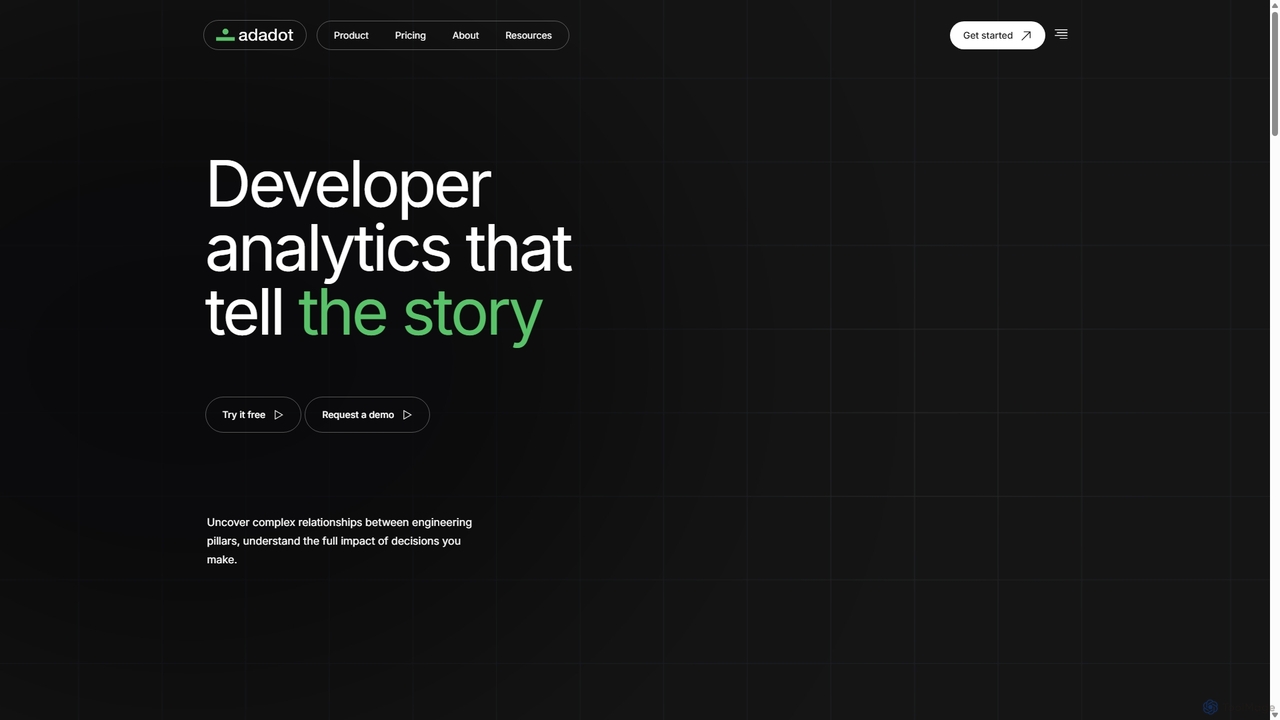
Adadot is an AI-powered engineering intelligence platform that analyzes productivity and wellbeing for software development teams. By integrating with tools like Git and Slack, it provides deep, actionable insights into workflow, collaboration health, and developer experience. It helps leaders optimize processes, prevent burnout, and make data-driven decisions, while empowering developers with a personal 'fitness tracker' for their work.

Business Intelligence
Visits 6.5KFavorites 114Likes 105
PlayerZero
Paid

PlayerZero

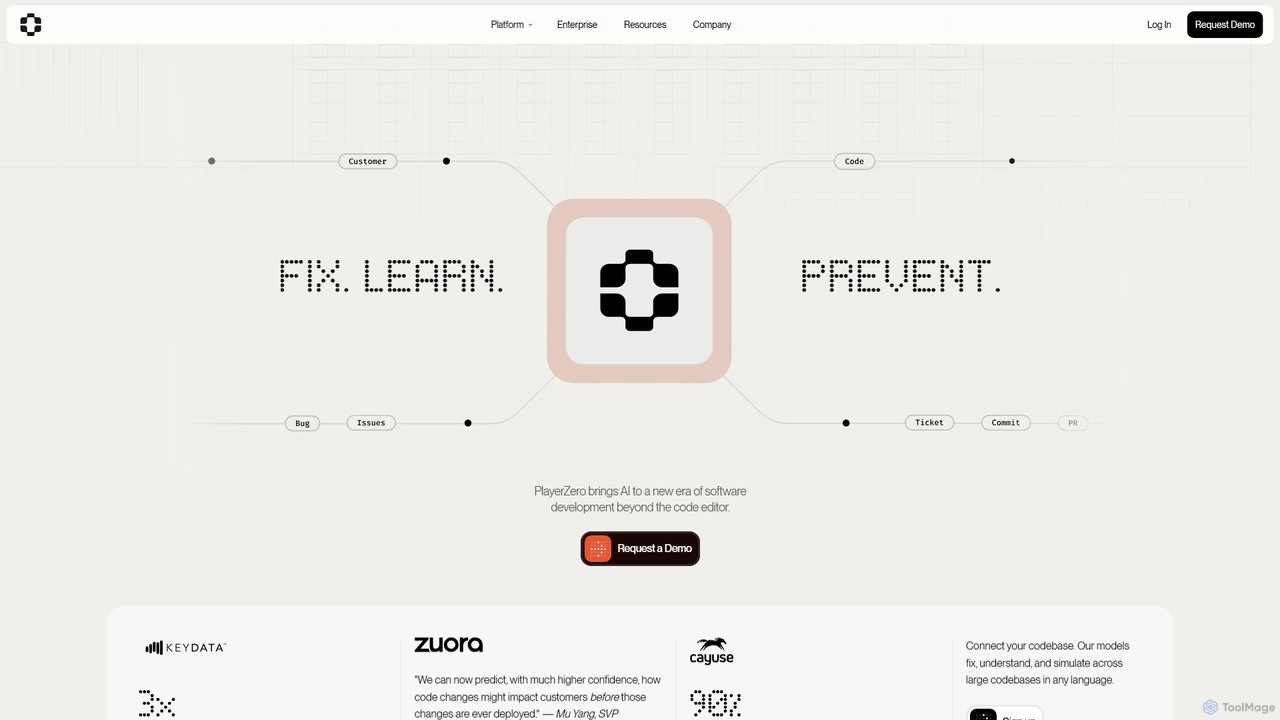
PlayerZero is an AI-powered platform for predictive software quality. It helps engineering teams ship flawless software faster by using AI agents to simulate code, debug issues, and review pull requests, proactively identifying and preventing bugs before they impact users.

Code Assistant
Visits 31.6KFavorites 114Likes 104
Kodus
Freemium

Kodus

Kodus is an AI-powered code review tool that acts like a senior developer on your team. It automatically analyzes pull requests in Git, providing actionable feedback on code quality, security, and performance. It helps teams reduce review time, ship faster, and decrease bugs in production.

Code Quality
Visits 23.2KFavorites 158Likes 142
devActivity
Freemium

devActivity

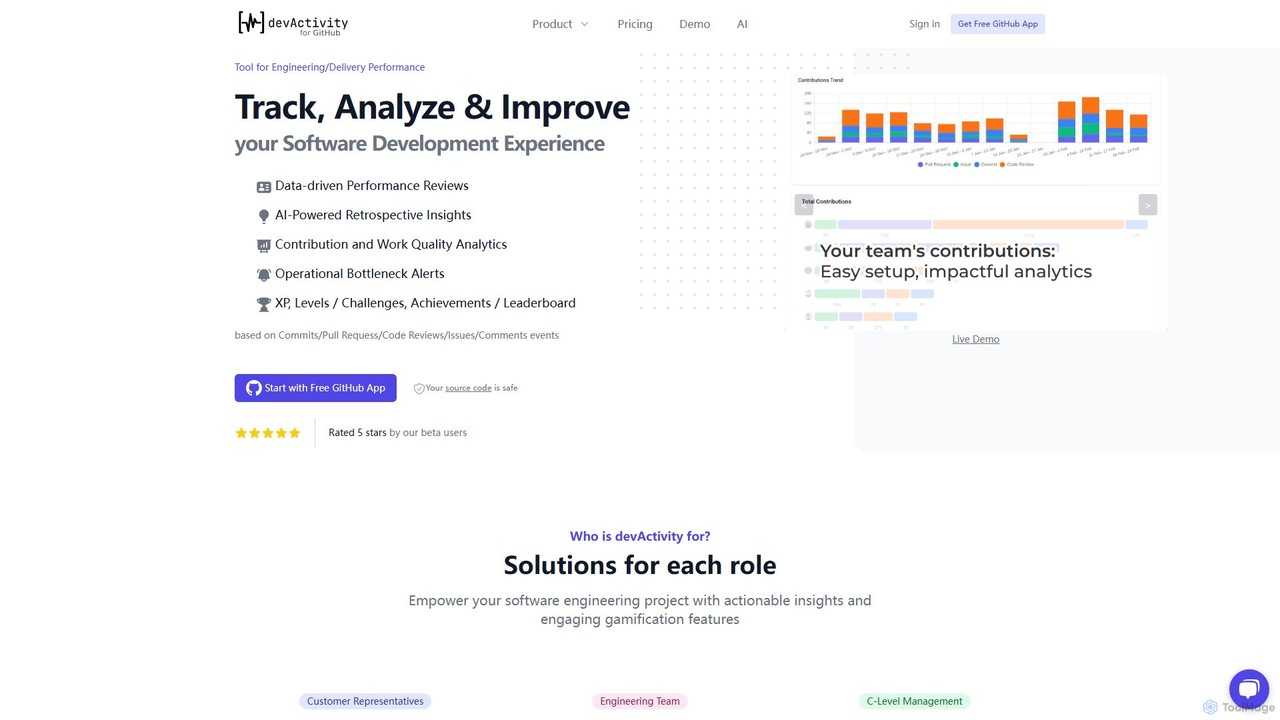
devActivity is an AI-powered platform for GitHub that tracks, analyzes, and improves the developer experience (DevEx). It provides engineering performance analytics, identifies operational bottlenecks, and uses gamification to boost team motivation and productivity. By analyzing Git metadata without accessing source code, it offers data-driven insights for performance reviews and retrospectives, helping teams of all sizes optimize their development process.

Code Quality
Visits 56.6KFavorites 123Likes 110
LinearB
Freemium

LinearB

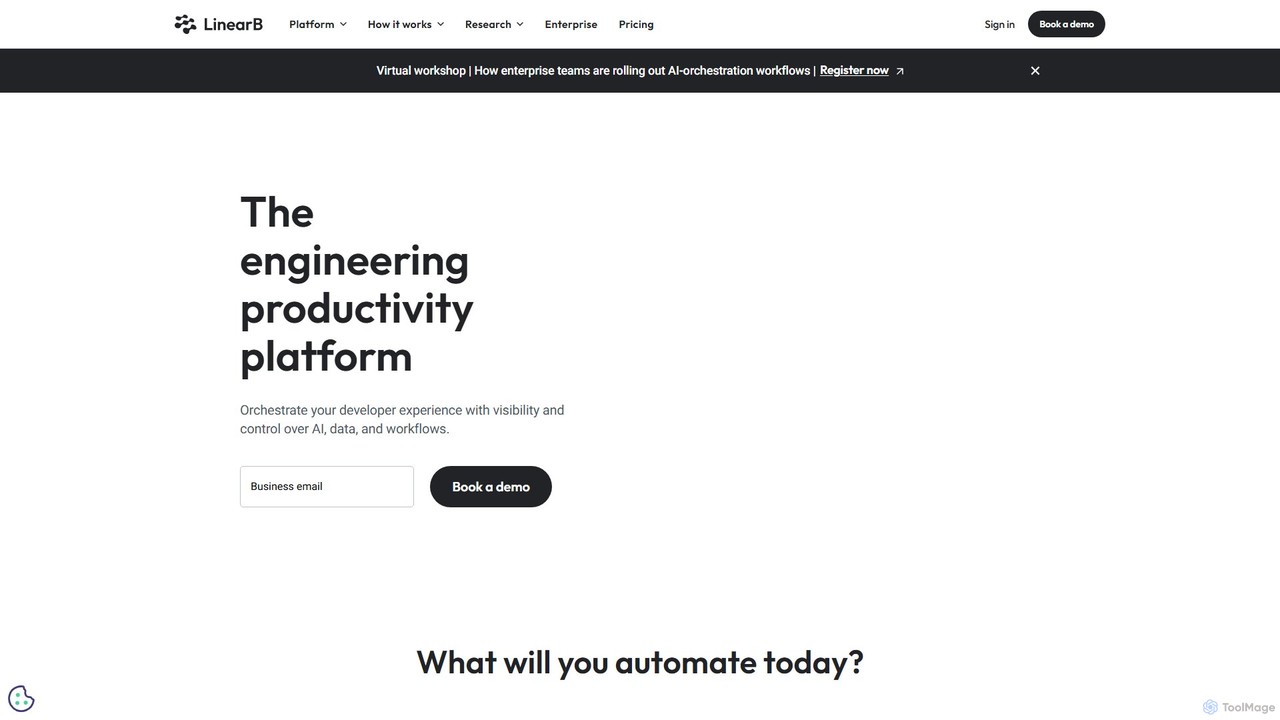
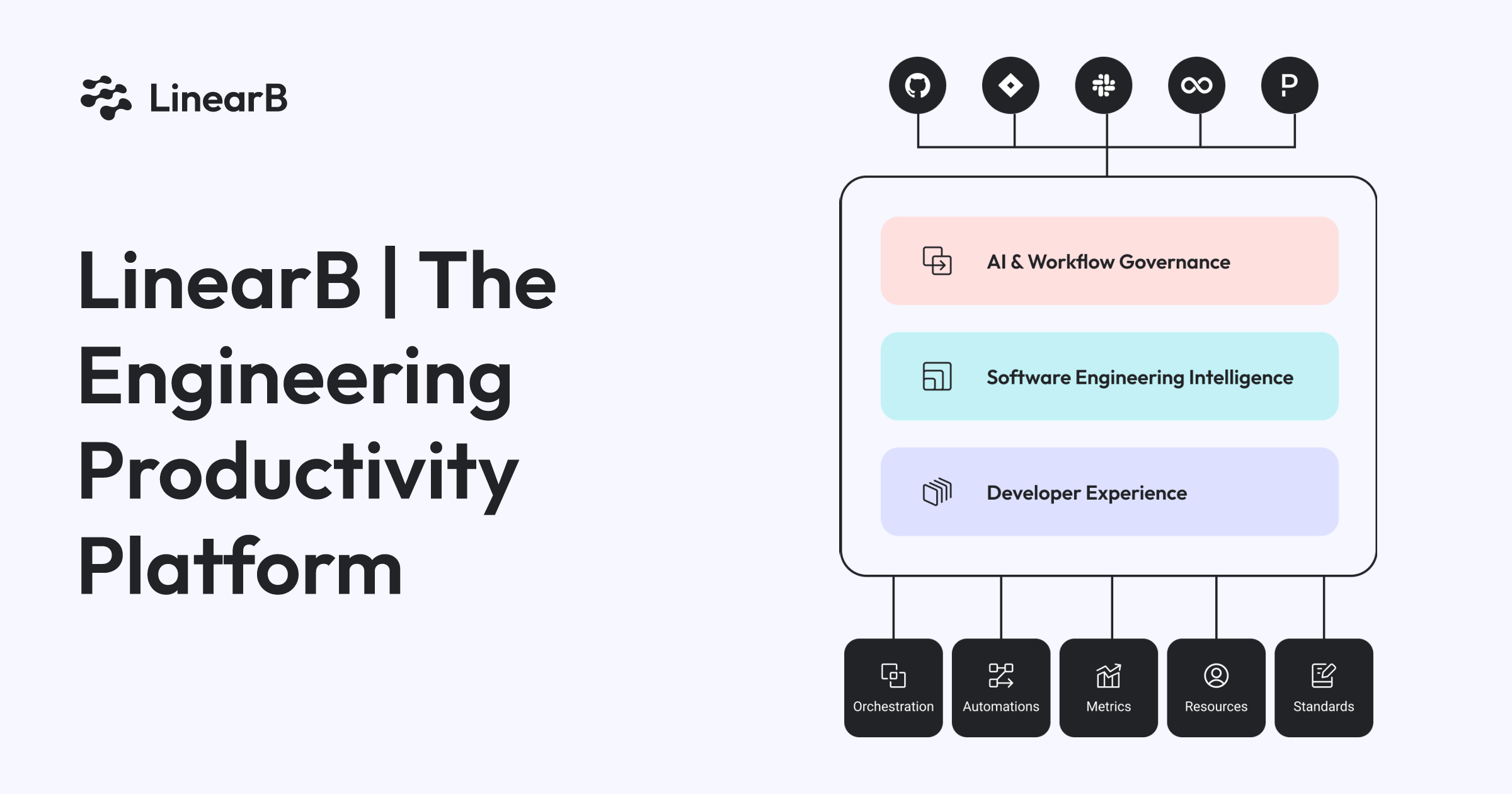
LinearB is an AI-powered engineering productivity platform that provides visibility and control over the entire software development lifecycle. It helps teams measure performance with DORA & SPACE metrics, automate workflows like AI code reviews, and align engineering efforts with business outcomes, ultimately enhancing developer experience (DevEx).

Business Intelligence
Visits 80.3KFavorites 132Likes 136
flushai
Freemium

flushai

FlushAI is an AI-powered platform that automatically cleans and optimizes code and datasets. It intelligently detects bugs, security vulnerabilities, and data inconsistencies, helping developers and data scientists build more robust and reliable applications faster.

Data Cleaning
Visits 5.2KFavorites 95Likes 86
CodeAnt AI
Freemium

CodeAnt AI

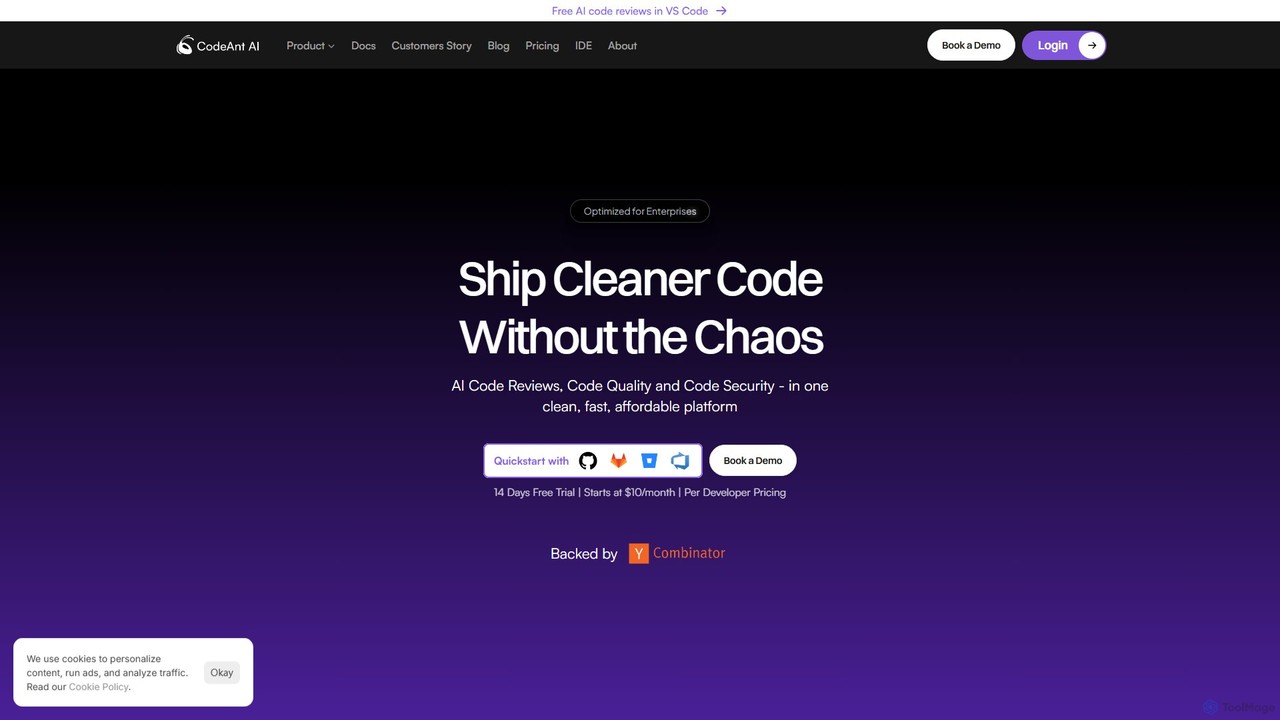
CodeAnt AI is an AI-powered platform that automates code reviews, enhances code quality, and ensures application security. It integrates seamlessly into developer workflows, providing AI-generated pull request summaries, one-click fixes, and continuous scanning for vulnerabilities, helping teams ship cleaner, more secure code faster.

Code Quality
Visits 138.8KFavorites 122Likes 129
Pierre
Freemium

Pierre

Pierre is an AI-powered code review assistant designed to streamline the development workflow. It automatically analyzes pull requests, identifies bugs, suggests improvements, and summarizes changes, helping teams ship higher-quality code faster and reduce developer frustration.

Code Quality
Visits 11.7KFavorites 158Likes 151
Codiga

Codiga

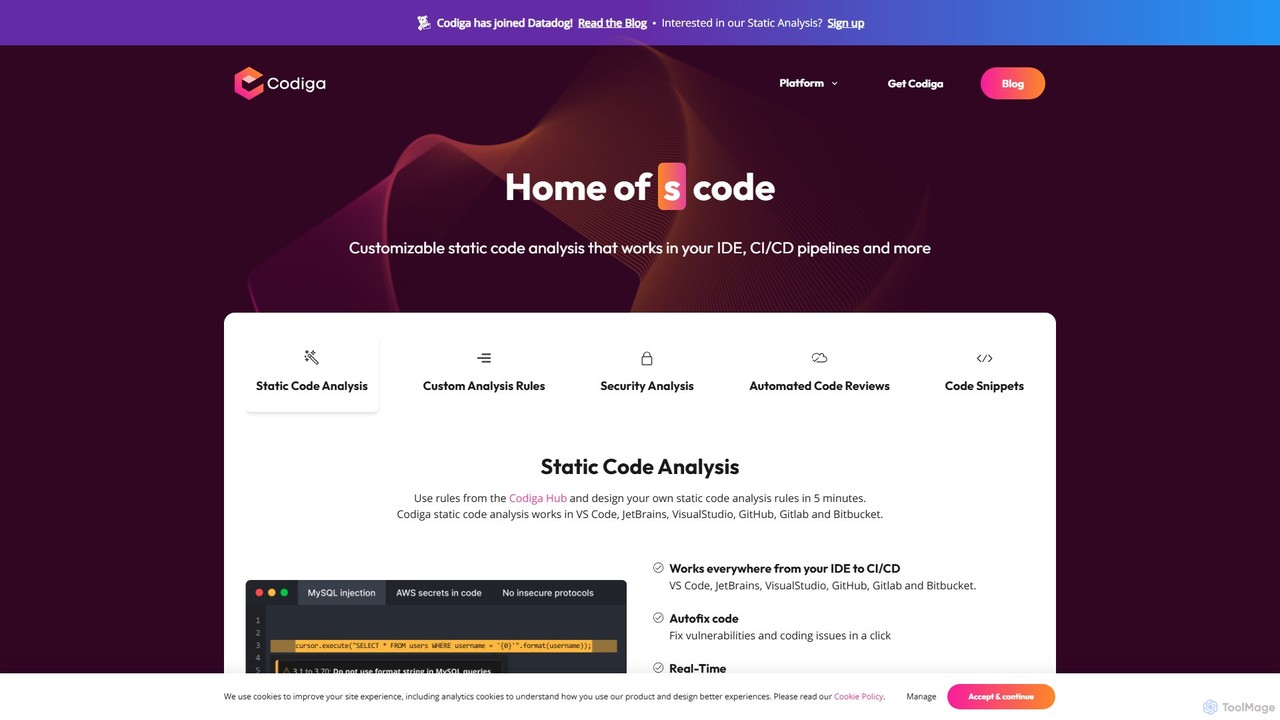
Codiga is a static code analysis platform that helps developers write better and more secure code in real-time. It integrates directly into IDEs and CI/CD pipelines, offering automated code reviews, security scanning, and one-click fixes. NOTE: Codiga was acquired by Datadog and its standalone services were discontinued.

Code Quality
Visits 33.3KFavorites 123Likes 125
AIDE
Freemium

AIDE

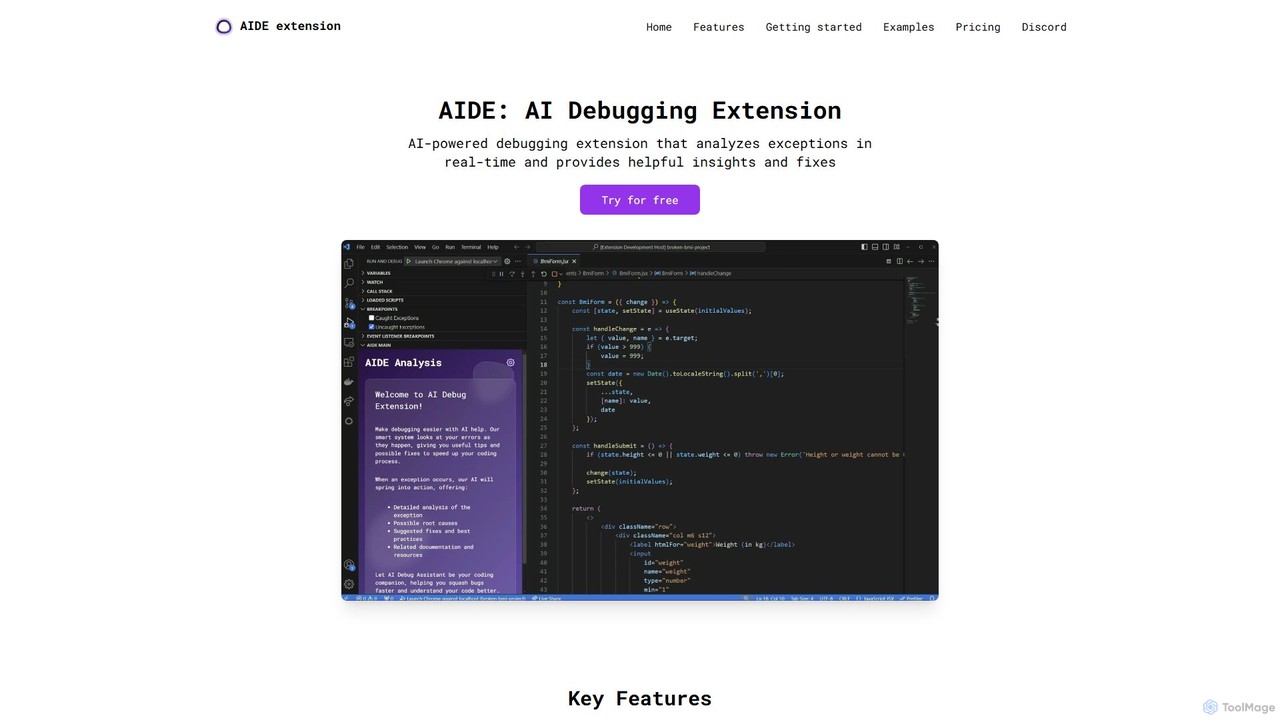
AIDE is an AI-powered debugging extension for VS Code that automatically analyzes errors, identifies their root causes, and suggests concrete code solutions. It streamlines the development workflow by providing instant, context-aware fixes for common issues in JavaScript, React, and more, directly within your editor.

Code Quality
Visits 5.6KFavorites 122Likes 133

About Code Quality

Code Quality tools are AI-powered solutions designed to analyze source code for potential issues, enforce coding standards, and identify areas for improvement. These tools leverage static analysis, machine learning, and rule-based engines to automatically detect bugs, security vulnerabilities, and maintainability problems. By integrating into the development workflow, they help developers write cleaner, more reliable, and secure code, ultimately contributing to robust software within the broader developer tools ecosystem.

Core Features

  • Static Code Analysis: Automatically scans code without execution to find errors, style violations, and potential bugs.
  • Coding Standard Enforcement: Ensures adherence to predefined coding styles and best practices across a development team.
  • Security Vulnerability Detection: Identifies common security flaws like SQL injection, cross-site scripting (XSS), and insecure configurations.
  • Code Complexity Metrics: Measures and reports on code complexity, helping to pinpoint hard-to-maintain or test sections.
  • Automated Code Review Feedback: Provides instant, actionable feedback on pull requests, streamlining the code review process.

Use Cases

These tools are indispensable for development teams aiming to maintain high standards. They are used to integrate automated checks into CI/CD pipelines, ensuring that only quality-approved code is merged, and to provide immediate feedback to developers in their IDEs, catching issues early. Furthermore, they assist in large-scale refactoring projects by highlighting technical debt and areas requiring attention.

How to Choose

When selecting a Code Quality tool, consider its compatibility with your programming languages and frameworks, its integration capabilities with your existing IDEs, version control systems, and CI/CD pipelines. Evaluate the customization options for rulesets, the clarity and actionability of its reporting, and the level of community or vendor support available. Scalability for your team size and codebase complexity is also a crucial factor.

Featured tool rankings

Code Quality use cases

1

Automated Pre-Commit Code Checks

Developers integrate code quality tools into their local development environment to automatically scan code for style violations, potential bugs, and minor errors before committing changes. This proactive approach ensures that only clean, compliant code enters the version control system, reducing the need for later corrections and streamlining the overall development process.

2

CI/CD Pipeline Quality Gates

DevOps engineers configure code quality tools within their Continuous Integration/Continuous Delivery pipelines to act as quality gates. If the code fails to meet predefined quality thresholds (e.g., too many critical bugs, low test coverage, or security vulnerabilities), the build or deployment process is automatically halted, preventing low-quality or insecure code from reaching production.

3

Identifying Technical Debt in Legacy Systems

Engineering managers and architects utilize code quality tools to analyze large, aging codebases. The tools help identify areas of high complexity, duplicated code, and potential design flaws, providing data-driven insights to prioritize refactoring efforts and reduce technical debt, making the system more maintainable and extensible.

4

Onboarding New Developers with Standardized Code

Team leads employ code quality tools to enforce consistent coding standards across the team, which is especially beneficial when onboarding new developers. By automatically flagging deviations from established conventions, new team members quickly learn and adhere to the project's style guides, ensuring uniformity and readability from day one.

5

Proactive Security Vulnerability Scanning

Security teams or individual developers use these tools to perform static application security testing (SAST) early in the development lifecycle. This helps to automatically detect common security vulnerabilities such as injection flaws, insecure deserialization, or broken authentication, allowing for remediation before the code is deployed, significantly reducing security risks.

6

Maintaining Open Source Project Health

Open source project maintainers leverage code quality tools to ensure a consistent level of quality and style across contributions from a diverse global community. Automated checks help to review pull requests efficiently, providing objective feedback to contributors and ensuring the project's codebase remains clean, stable, and easy to contribute to.

Code Quality FAQ

What are Code Quality tools?

Code Quality tools are software applications designed to analyze source code to identify potential issues, enforce coding standards, and improve overall code health. They use techniques like static analysis to detect bugs, security vulnerabilities, style violations, and complexity metrics without executing the code. Their primary goal is to help developers write more reliable, maintainable, and secure software.

How do Code Quality tools differ from traditional testing tools?

Code Quality tools primarily focus on static analysis, examining the code's structure and syntax without running it, to find potential problems like style inconsistencies, dead code, or security flaws. Traditional testing tools (e.g., unit, integration, end-to-end tests) involve executing the code to verify its behavior and functionality at runtime. While both aim for better software, quality tools focus on the "how" (code structure), and testing tools focus on the "what" (code behavior).

What are the main benefits of using AI-powered Code Quality tools?

AI-powered Code Quality tools offer enhanced capabilities beyond traditional rule-based systems. They can learn from vast codebases to identify complex patterns, predict potential issues with higher accuracy, and reduce false positives. AI can also suggest more intelligent refactoring options, adapt to evolving coding styles, and provide more context-aware feedback, leading to more efficient and effective code improvement.

How can Code Quality tools be integrated into a development workflow?

Code Quality tools can be integrated at various stages of the development workflow. They can be used as pre-commit hooks in version control systems (like Git) to check code before it's committed, as plugins in Integrated Development Environments (IDEs) for real-time feedback, and most commonly, within Continuous Integration/Continuous Delivery (CI/CD) pipelines to automate quality checks on every build, ensuring continuous quality assurance.

What factors should be considered when choosing a Code Quality tool?

When selecting a Code Quality tool, key factors include the programming languages and frameworks it supports, its integration capabilities with your existing development ecosystem (IDEs, VCS, CI/CD), and the flexibility to customize coding rules and standards. Also, consider the accuracy of its issue detection, the clarity of its reports, the level of community or commercial support, and its pricing model to ensure it aligns with your team's needs and budget.