Developer Tools Best in category 14 results Platform As A Service AI Tool

Popular AI tools in the Platform As A Service field of Developer Tools include DataRobot AI Platform (formerly Algorithmia)、ClawCloud Run、Iris.ai、Cloudflare Agents、HIVE Digital Technologies、OnDemand AI Agents、HelixML、Steamship、Ratio1、Trelent, etc., helping you quickly improve efficiency.

Iris.ai

Iris.ai

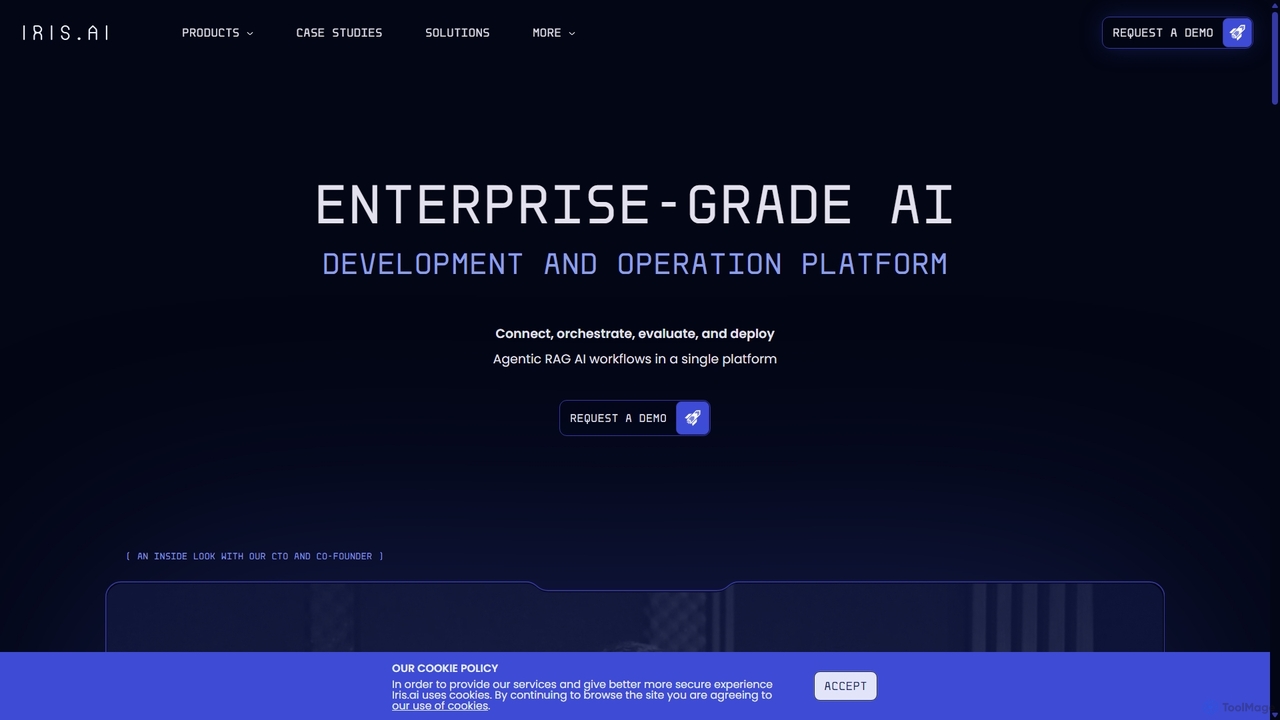
Iris.ai is an enterprise-grade AI platform for developing and operating Agentic RAG (Retrieval-Augmented Generation) workflows. It enables businesses …

58.9K
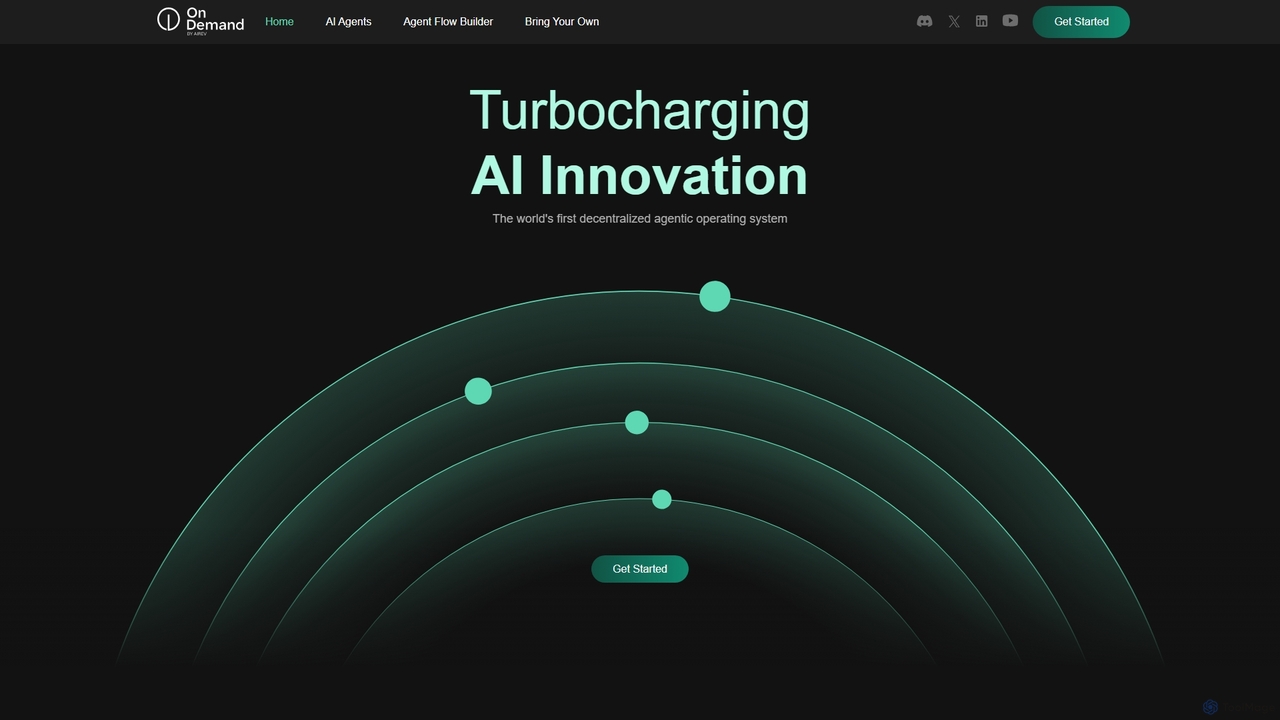
OnDemand AI Agents

OnDemand AI Agents

OnDemand AI Agents is a decentralized, RAG-powered Platform-as-a-Service (PaaS) designed to revolutionize business operations. It provides a comprehensive …

26.4K
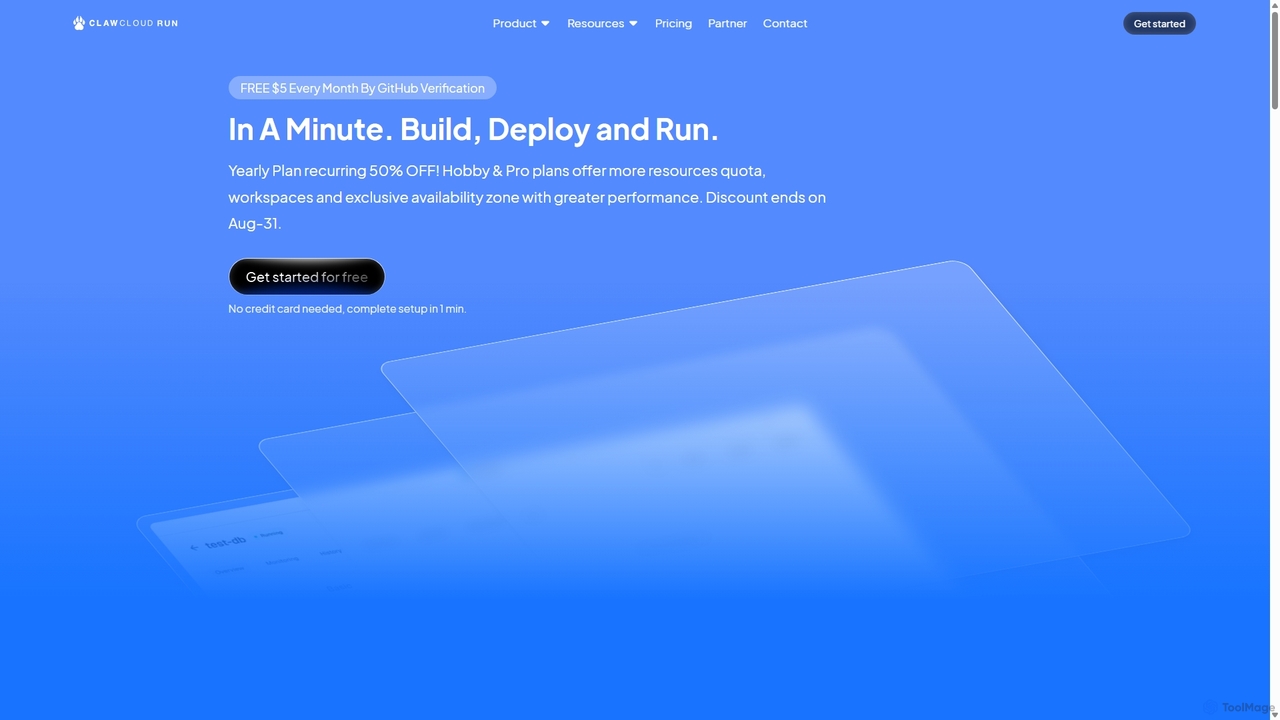
ClawCloud Run

ClawCloud Run

ClawCloud Run is a cloud-native development platform designed to simplify the application lifecycle. It enables developers to build, …

109.8K
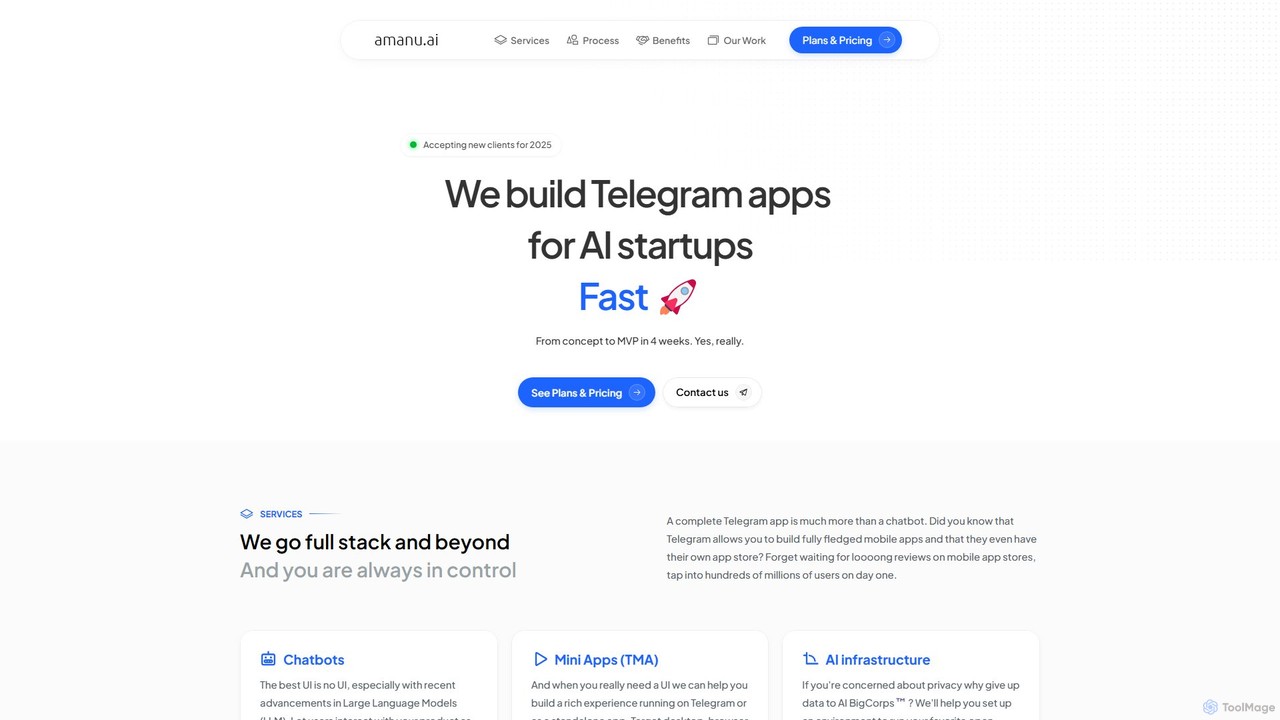
Amanu

Amanu

Amanu is a development service that builds custom AI-powered Telegram applications for startups. They specialize in rapidly creating …

3.4K
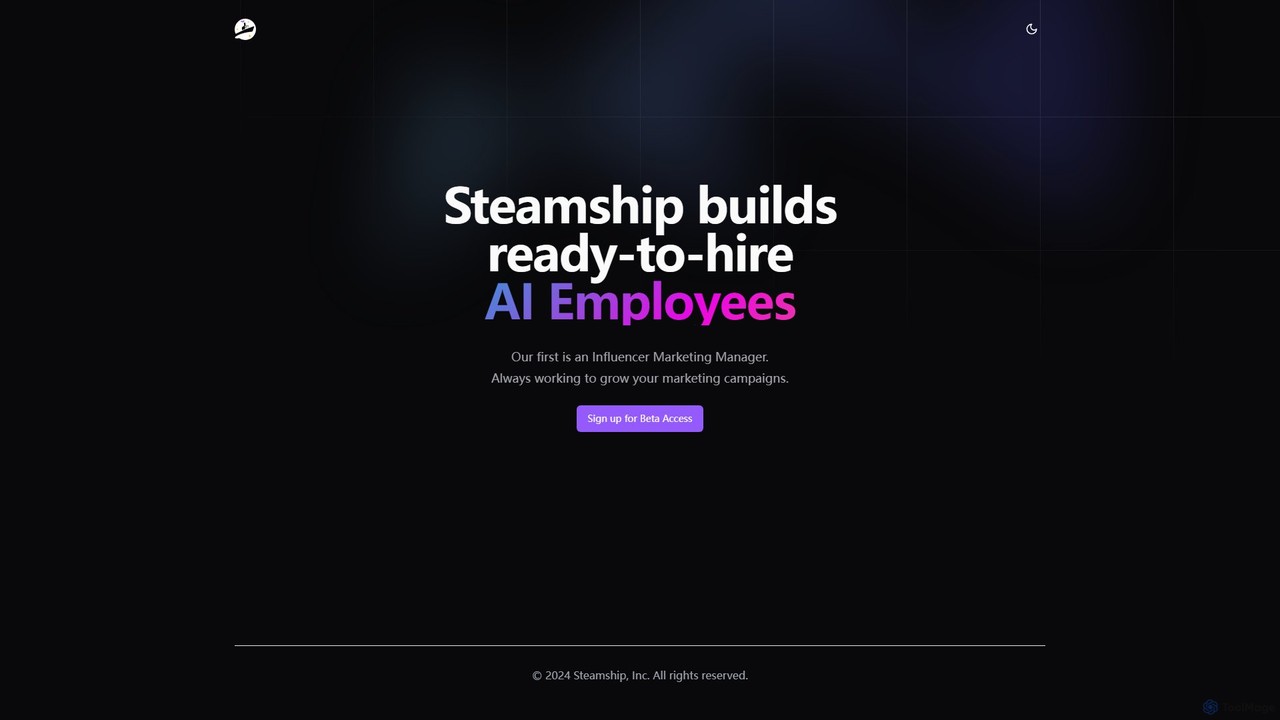
Steamship

Steamship

Steamship is a developer platform for building and deploying autonomous AI agents, often referred to as "AI Employees." …

3.9K
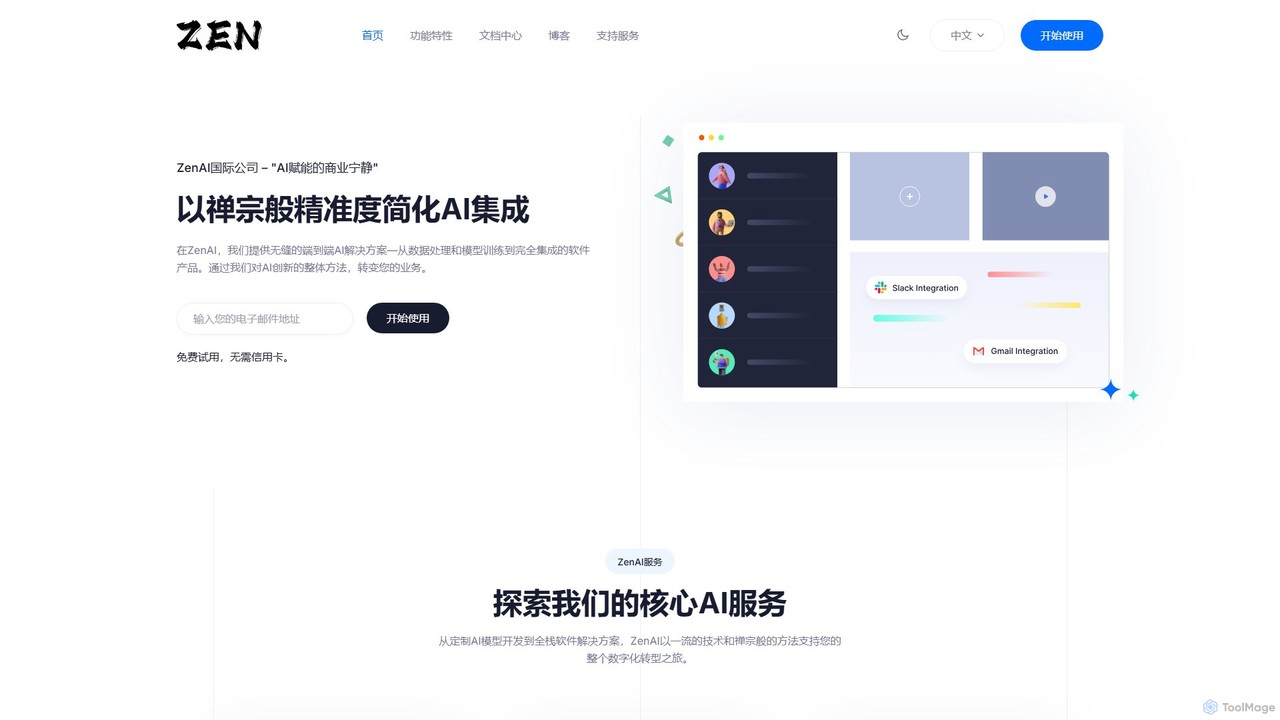
ZenAI

ZenAI

ZenAI is an end-to-end AI solutions provider for businesses, offering custom AI model development, full-stack software integration, and …

3.3K
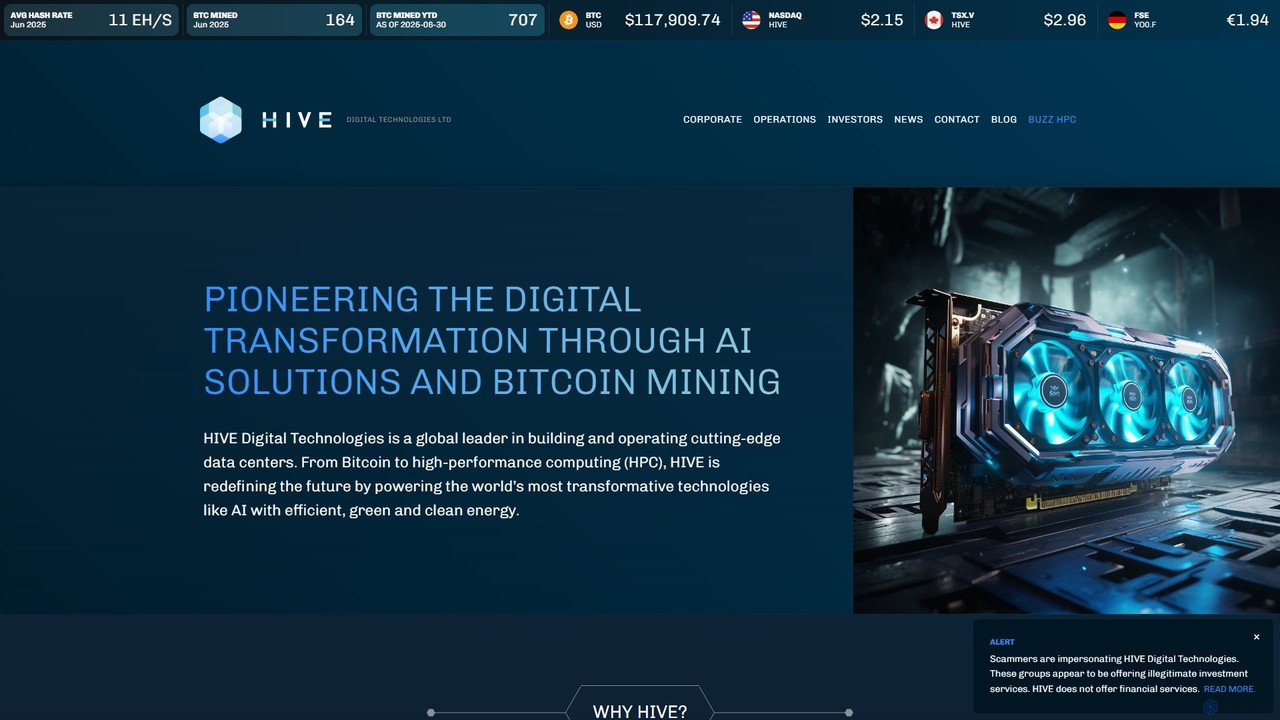
HIVE Digital Technologies

HIVE Digital Technologies

HIVE Digital Technologies is a global leader in building and operating cutting-edge, green energy-powered data centers. It provides …

33.6K
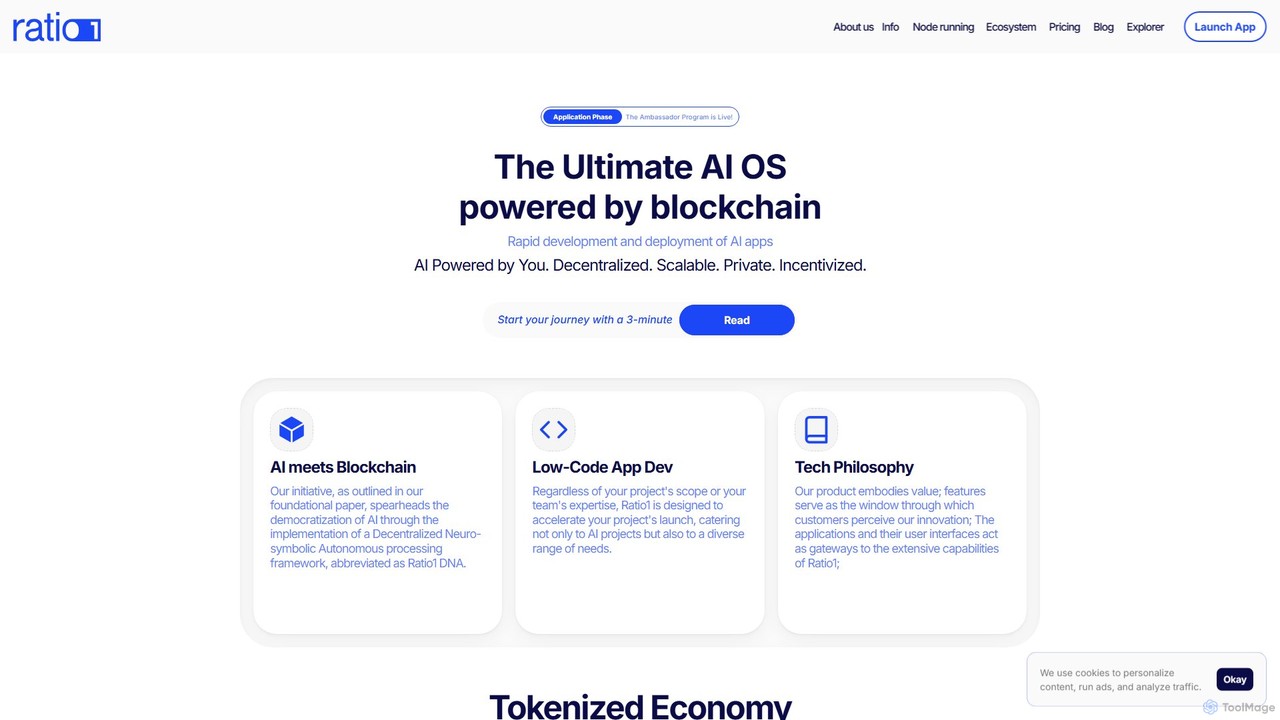
Ratio1

Ratio1

Ratio1 is a decentralized AI operating system powered by blockchain. It creates a global supercomputer by connecting idle …

3.5K
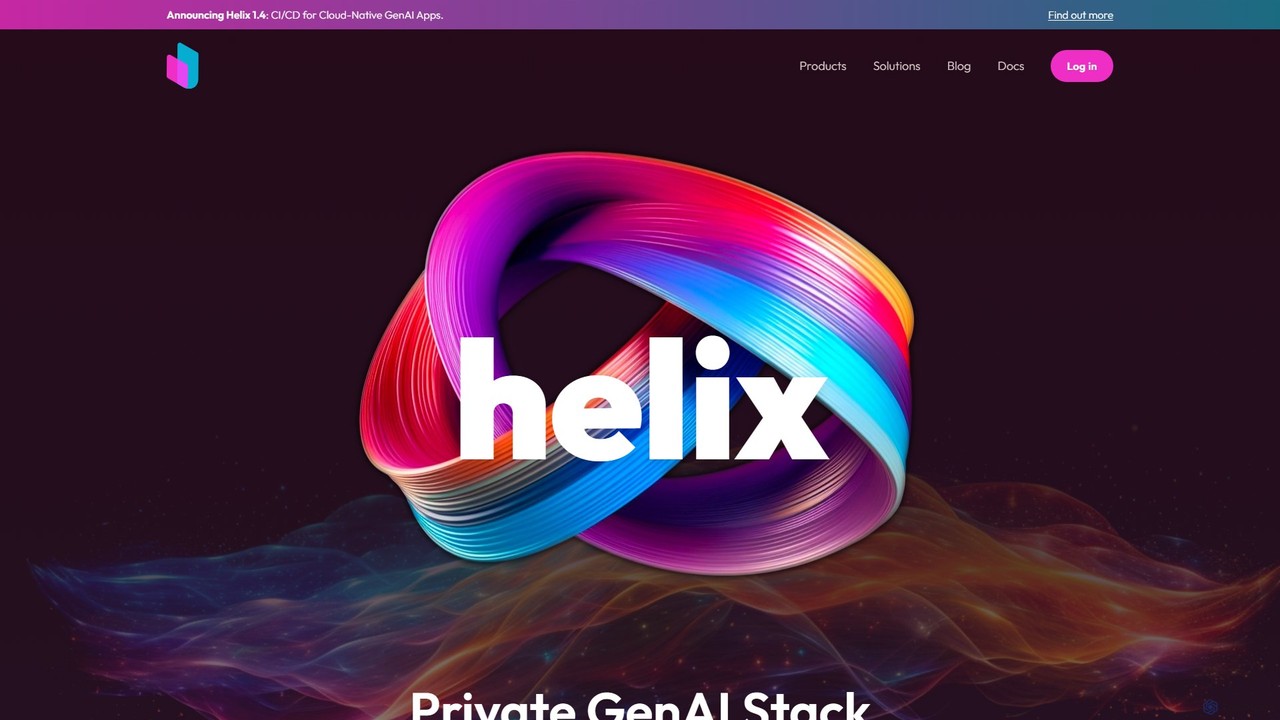
HelixML

HelixML

HelixML is a private Generative AI platform designed for enterprises. It enables businesses to build, deploy, and manage …

4.2K
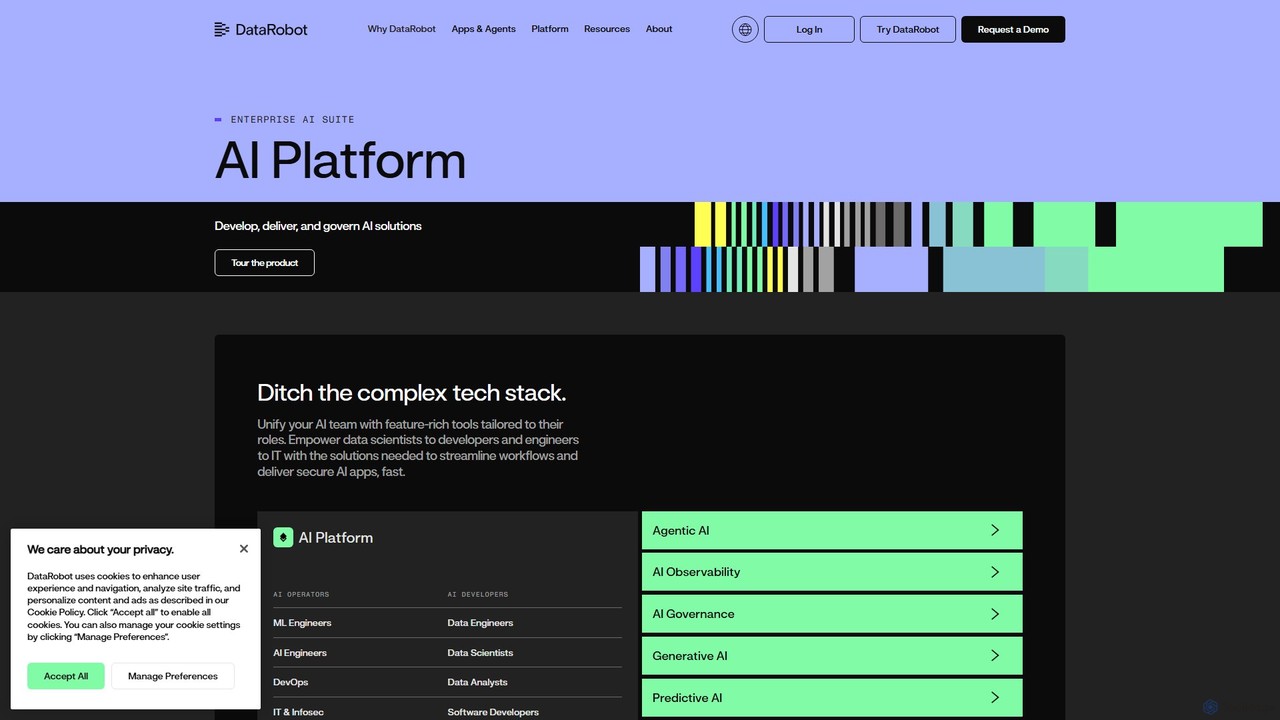
DataRobot AI Platform (formerly Algorithmia)

DataRobot AI Platform (formerly Algorithmia)

DataRobot AI Platform, which has integrated Algorithmia's powerful MLOps technology, is an end-to-end enterprise solution for the entire …

121.9K
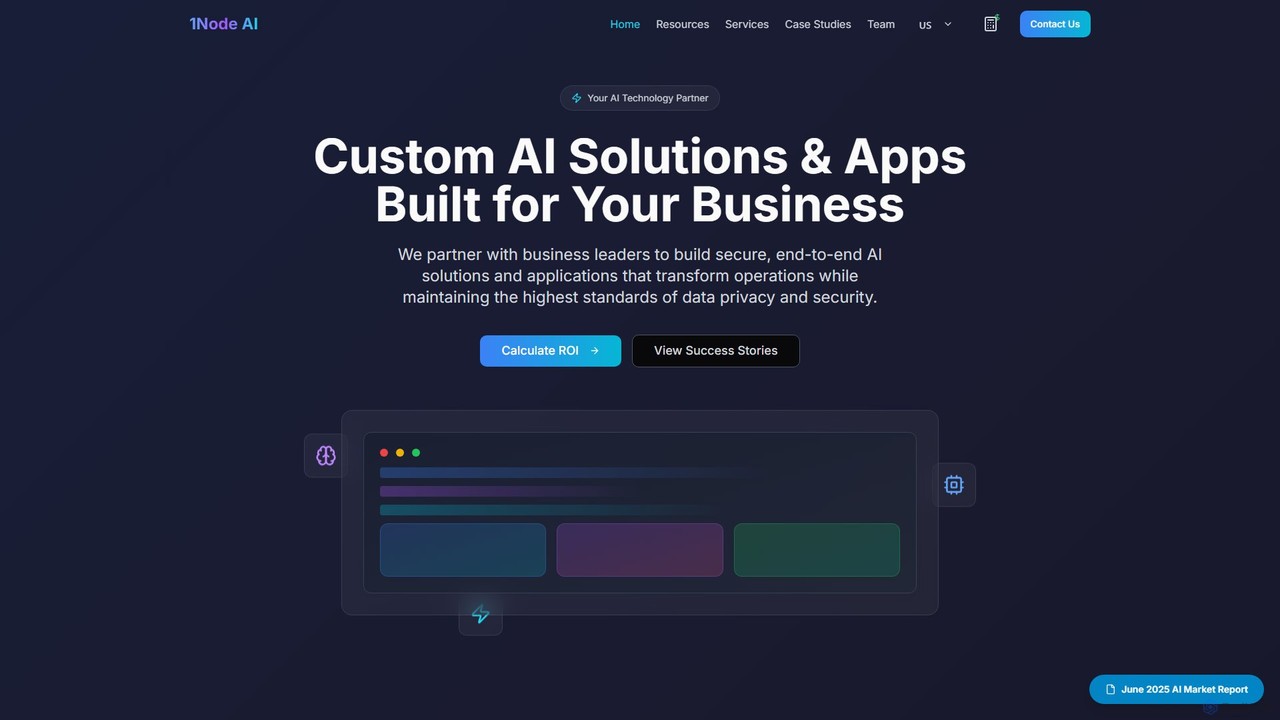
1Node AI

1Node AI

1Node AI is an advanced AI technology partner for businesses, specializing in creating secure, end-to-end custom AI solutions …

3.2K
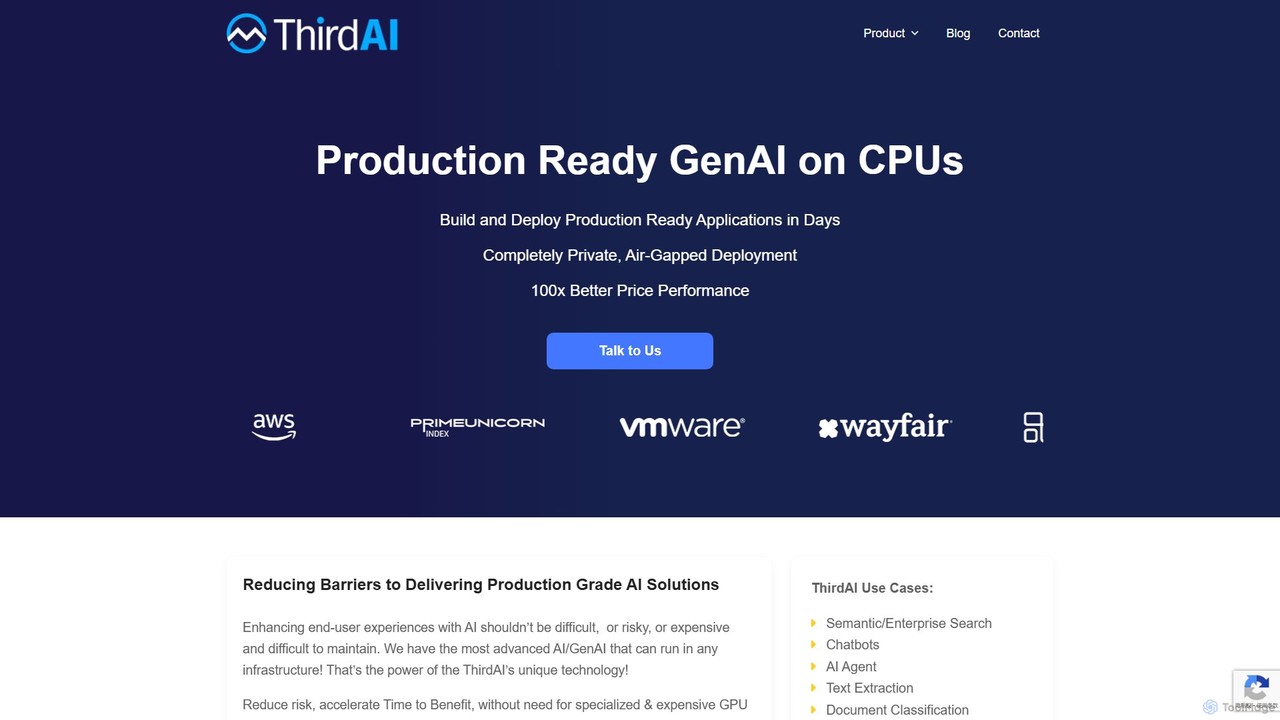
ThirdAI

ThirdAI

ThirdAI is an enterprise-grade Generative AI platform that enables building and deploying private, secure, and production-ready AI applications …

3.3K
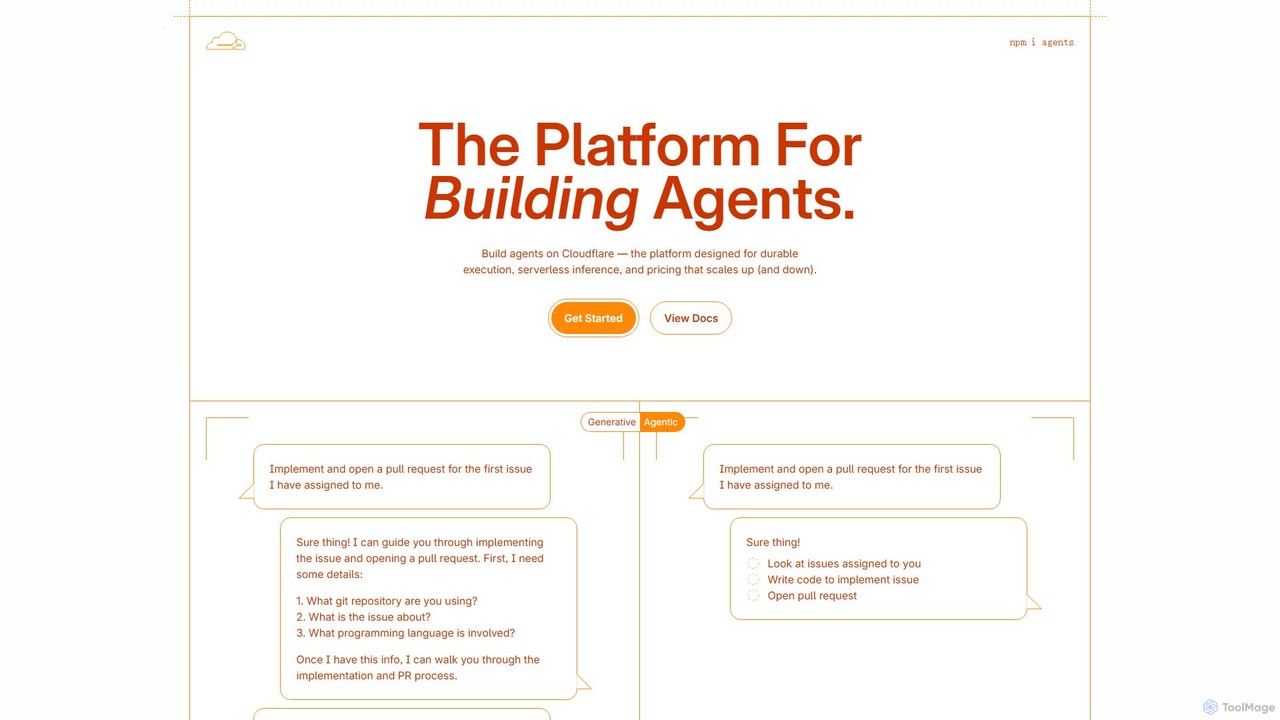
Cloudflare Agents

Cloudflare Agents

A comprehensive developer platform for building, deploying, and scaling autonomous AI agents. It leverages Cloudflare's serverless infrastructure for …

37.7K
Trelent

Trelent

Trelent is an enterprise AI platform that accelerates the deployment of custom AI solutions from months to weeks. …

3.4K

About Platform As A Service

Platform as a Service (PaaS) is a cloud computing model that provides developers with a complete framework to build, test, deploy, and manage applications. These platforms abstract away the underlying infrastructure, such as servers, storage, and networking, allowing teams to focus exclusively on application code and data. By offering integrated development tools, databases, and often pre-built AI/ML services, PaaS significantly accelerates the development lifecycle. This approach streamlines the path from concept to deployment for scalable, modern software.

Core Features

  • Managed Infrastructure: The provider manages servers, virtualization, storage, and networking, freeing developers from infrastructure concerns.
  • Development Tooling: Includes integrated development environments (IDEs), APIs, SDKs, and other tools to support the entire application lifecycle.
  • Automatic Scaling: Resources are automatically adjusted to meet application demand, ensuring performance and cost-efficiency.
  • Service Integration: Offers easy integration with databases, messaging systems, and advanced services like machine learning APIs.
  • Deployment Automation: Provides tools for continuous integration and continuous deployment (CI/CD) to automate software releases.

Use Cases

PaaS is widely used by development teams in startups and large enterprises for rapid application development. It is ideal for building scalable web applications, mobile backends, and API services without the complexity of infrastructure management. Data science teams also leverage PaaS to build and deploy machine learning models with integrated data processing and analytics capabilities.

How to Choose

When selecting a PaaS solution, consider the supported programming languages and frameworks to ensure compatibility with your tech stack. Evaluate the portfolio of integrated services, especially databases and AI/ML capabilities. Assess the platform's scalability, performance guarantees, and pricing model (e.g., pay-as-you-go vs. subscription). Finally, consider the potential for vendor lock-in and the ease of migrating applications if needed.

Platform As A ServiceUse Cases

1

Rapid Prototyping of an AI Application

A startup team needs to build a proof-of-concept for an AI-powered recommendation engine. Instead of spending weeks setting up servers and databases, they use a PaaS. They deploy their Python application code directly to the platform, connect to a managed database service with a few clicks, and integrate a pre-built machine learning API for generating recommendations. This allows them to launch a functional prototype for investor demos in days, not months, focusing their resources on algorithm refinement rather than infrastructure management.

2

Developing a Scalable E-commerce Backend

An e-commerce business needs a robust backend to handle fluctuating traffic, especially during sales events. A developer uses a PaaS to build and host the application. The platform's auto-scaling feature automatically allocates more resources during peak shopping hours and scales down during quiet periods, optimizing costs. The developer integrates with the platform's managed database for product catalogs and user data, ensuring high availability and data durability without needing a dedicated database administrator.

3

Deploying a Serverless API for IoT Data

An IoT company collects data from thousands of sensors. A DevOps engineer uses a PaaS to create a serverless API endpoint. This endpoint receives data streams, processes them in real-time, and stores the results in a data warehouse. Because it's serverless, the company only pays for the compute time used to process the data, making it highly cost-effective. The PaaS handles all the underlying server management and scaling, allowing the engineer to focus on the data processing logic.

4

Building a Collaborative Development Environment

A distributed software team needs a unified environment for coding, testing, and deployment. They adopt a PaaS that offers collaborative features. Each developer gets a consistent, cloud-based workspace with pre-configured tools. They can share environments, review code, and push changes through an integrated CI/CD pipeline. This eliminates the 'it works on my machine' problem and streamlines the entire development workflow, improving team productivity and reducing time-to-market for new features.

5

Creating a Data Processing Pipeline

A data analytics firm needs to process large volumes of unstructured data daily. A data engineer uses a PaaS to construct a processing pipeline. They use managed services on the platform to ingest data from various sources, transform it into a structured format, and load it into an analytics database. The entire pipeline is defined as code and managed by the PaaS, which handles execution, monitoring, and error handling. This allows the firm to process data reliably and at scale without building and maintaining a complex data infrastructure.

6

Hosting a Backend for a Mobile Application

A mobile app developer is launching a new social networking app. They use a PaaS to host the backend API. The platform provides essential services out-of-the-box, such as user authentication, push notifications, and a managed database for storing user profiles and posts. This allows the developer to focus on building the frontend mobile app's features and user experience, knowing that the backend is running on a reliable, scalable, and secure infrastructure managed by the PaaS provider.

Platform As A ServiceFrequently Asked Questions