Cloud Computing Best in category 3 results Infrastructure As Code AI Tool

Popular AI tools in the Infrastructure As Code field of Cloud Computing include Ansible Collaborative、Qovery、AutoRail, etc., helping you quickly improve efficiency.

AutoRail

AutoRail

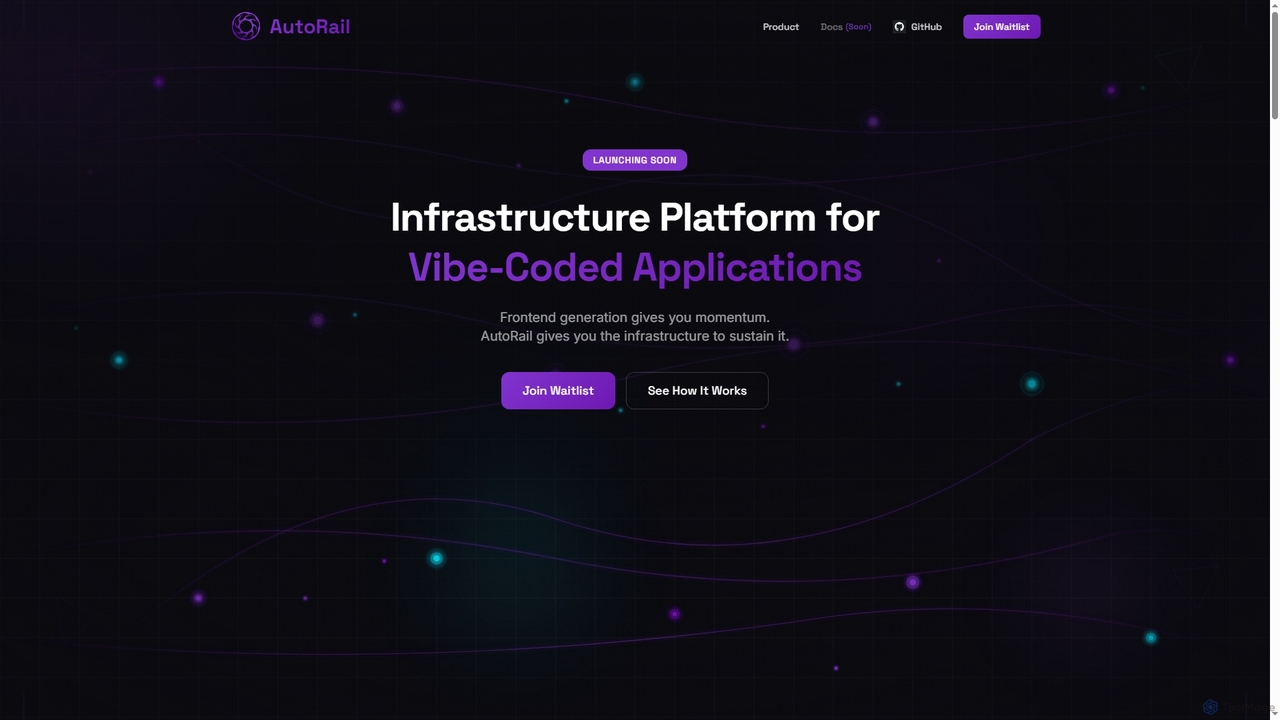
AutoRail is an infrastructure platform designed to transform "vibe-coded" prototypes into production-ready applications. It automatically provisions essential backend …

2.1K
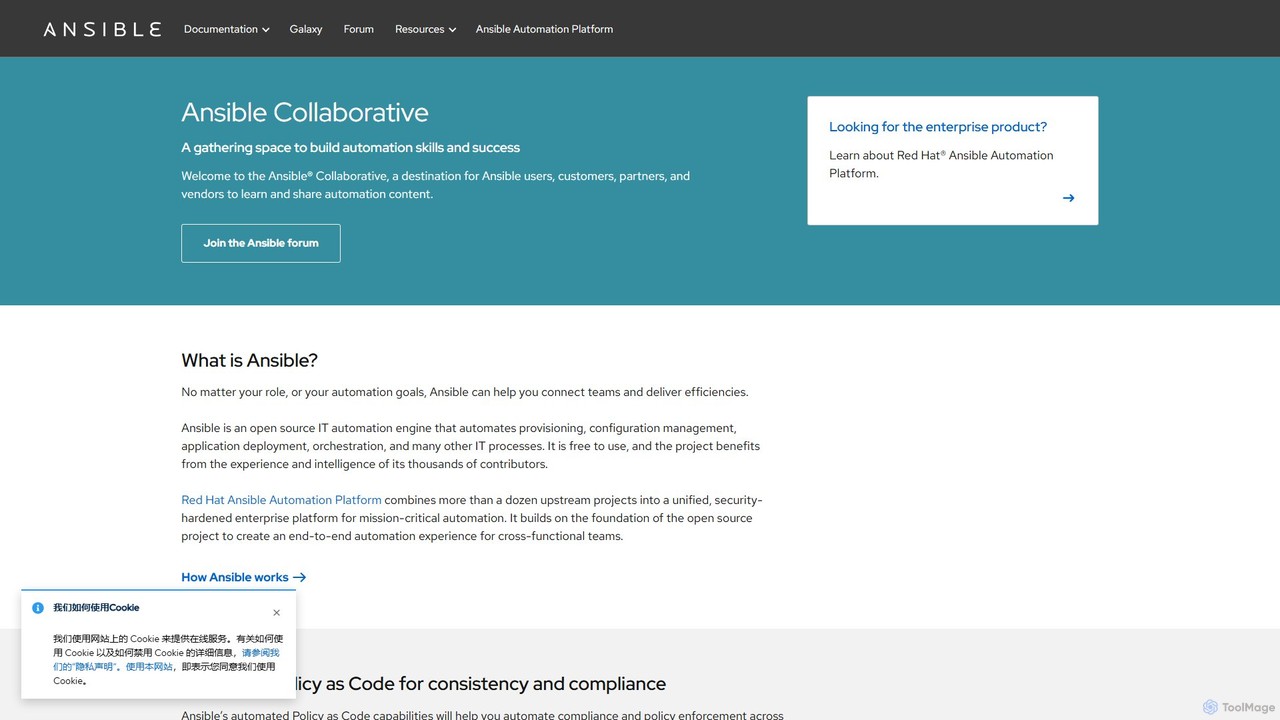
Ansible Collaborative

Ansible Collaborative

Ansible Collaborative is a central hub for the Ansible open-source community, providing resources for IT automation. It offers …

3.5M
Qovery

Qovery

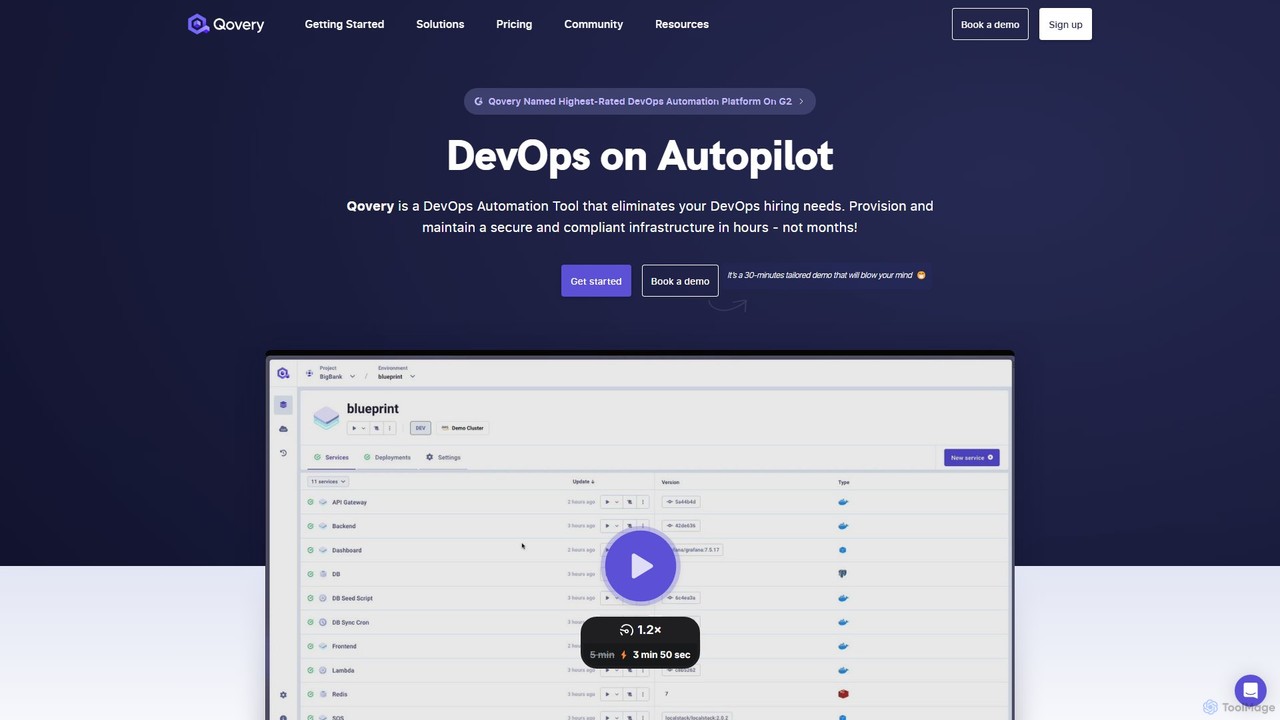
Qovery is a DevOps Automation Platform that provides self-service infrastructure for developers. It automates environment provisioning, accelerates deployment …

82.9K

About Infrastructure As Code

Infrastructure as Code (IaC) is a practice for managing and provisioning computing infrastructure through machine-readable definition files, rather than manual processes. These tools treat infrastructure components like servers, networks, and databases as software, enabling versioning, automated testing, and repeatable deployments. This approach, central to modern cloud computing and DevOps, significantly improves consistency, reduces human error, and accelerates the delivery of complex environments. By using declarative or imperative scripts, teams can define their entire technology stack in version-controlled code.

Core Features

  • Declarative Syntax: Define the desired final state of the infrastructure, and the tool determines how to achieve it.
  • Version Control Integration: Store infrastructure definitions in systems like Git to track changes, collaborate, and enable rollbacks.
  • Automated Provisioning: Automatically create, update, and delete cloud resources based on code changes, often within a CI/CD pipeline.
  • Idempotency: Ensures that applying the same configuration multiple times results in the same system state, preventing unintended changes.
  • Modularity and Reusability: Package infrastructure patterns into reusable modules to build complex systems efficiently and consistently.

Use Cases

Infrastructure as Code is widely adopted by DevOps engineers, cloud architects, and system administrators. It is essential for organizations that need to manage scalable cloud environments on platforms like AWS, Azure, or Google Cloud. Common applications include creating identical development, staging, and production environments, automating disaster recovery setups, and managing multi-cloud deployments from a single codebase.

How to Choose

When selecting an Infrastructure as Code tool, consider its supported cloud providers and services. Evaluate the syntax style (declarative vs. imperative) and its learning curve. Assess the size of its community, the availability of pre-built modules, and its ability to manage state. Finally, check for seamless integration with your existing CI/CD tools and version control systems.

Infrastructure As CodeUse Cases

1

Automated Provisioning of Testing Environments

A DevOps team needs to create a consistent staging environment for every new feature branch to enable isolated testing. Using an Infrastructure as Code tool, they define the required virtual machines, databases, and networking rules in a configuration file stored in Git. When a new branch is created, a CI/CD pipeline automatically triggers the IaC tool to build a complete, isolated environment. This process ensures every developer tests against an identical setup, eliminating 'it works on my machine' issues and reducing environment setup time from hours to minutes.

2

Managing Multi-Cloud Deployments

An enterprise organization operates across multiple cloud providers (e.g., AWS and Azure) to avoid vendor lock-in and leverage unique services. An Infrastructure as Code tool with multi-cloud support allows their platform engineering team to use a single syntax and workflow to manage resources on both clouds. They create reusable modules for common components like Kubernetes clusters and databases. This unified approach simplifies management, reduces the need for specialized skills for each cloud, and ensures consistent security and compliance policies are applied across their entire infrastructure, regardless of the provider.

3

Automating Disaster Recovery Infrastructure

A financial services company must ensure high availability and have a robust disaster recovery (DR) plan. Their system administrators use IaC to define their entire production infrastructure in code, including networking, servers, and data replication settings. This code is stored in a separate, geo-redundant repository. In the event of a primary site failure, they can execute the IaC scripts to automatically and rapidly provision a complete, identical infrastructure in a secondary region. This automates a complex and error-prone process, significantly reducing the Recovery Time Objective (RTO) and ensuring business continuity.

4

Enforcing Security Policies as Code

A security engineer is tasked with ensuring all cloud resources comply with company security standards, such as encrypting all storage volumes and restricting public network access. Instead of manually auditing resources, they use an IaC framework with policy-as-code capabilities. They write policies that automatically check the IaC definitions before they are applied. If a developer tries to provision a non-compliant resource (e.g., an unencrypted S3 bucket), the pipeline fails with an error. This 'shift-left' approach embeds security directly into the development workflow, preventing misconfigurations before they happen.

5

Self-Service Infrastructure for Developers

A platform engineering team wants to empower application developers to provision their own infrastructure without needing deep cloud expertise. They create a catalog of standardized, pre-approved IaC modules for common needs like a web server, a database, or a caching layer. Developers can then compose these modules in a simple configuration file, specifying only the parameters they need (e.g., application name, instance size). When they commit their file, a CI/CD system runs the IaC tool to provision the requested stack. This provides developers with autonomy and speed while ensuring all infrastructure adheres to organizational best practices for security, cost, and operations.

6

Cost Management and Optimization

A cloud financial analyst (FinOps) needs to track and control infrastructure spending. By using Infrastructure as Code, all resources are defined in version-controlled files, creating a single source of truth for what should be running. The analyst can use static analysis tools to scan these files to estimate costs before deployment. They can also enforce cost-saving policies, such as requiring specific instance types or adding mandatory cost-allocation tags to all resources. This proactive approach to cost management helps prevent budget overruns and provides clear visibility into the cost of each application or team.

Infrastructure As CodeFrequently Asked Questions