

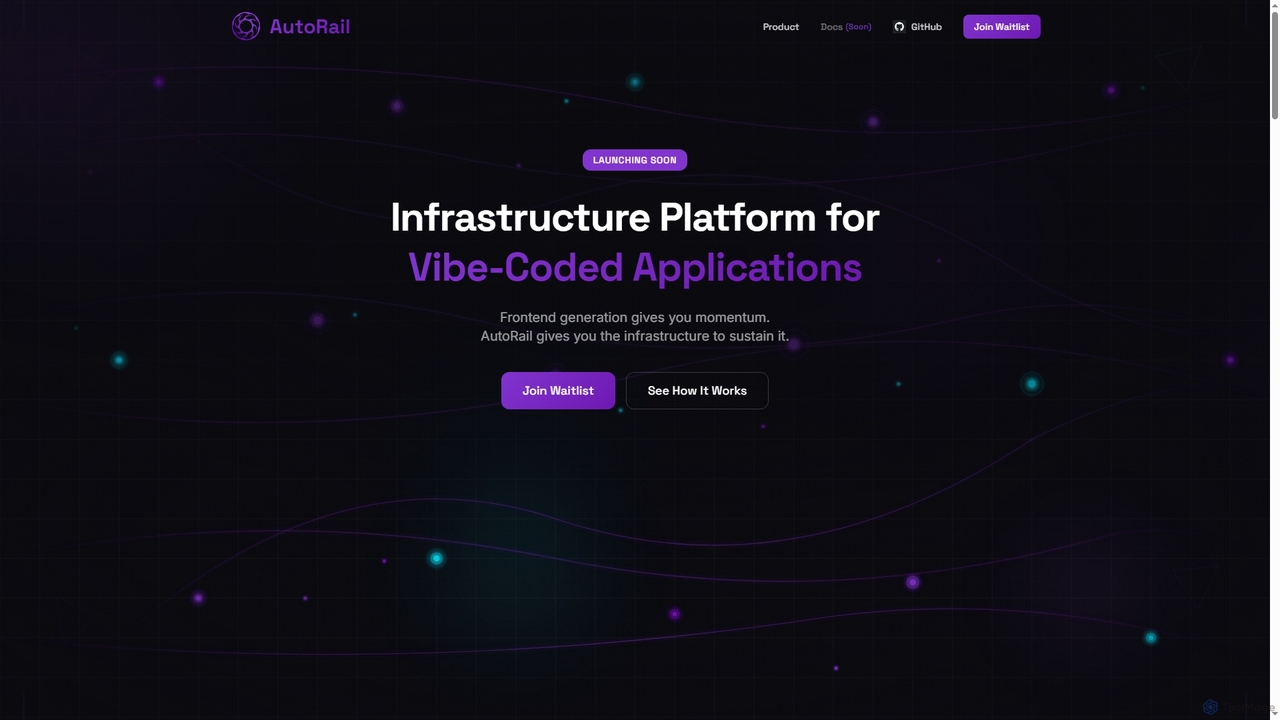
AutoRail Overview
AutoRail is an innovative infrastructure platform that empowers developers to seamlessly transition their "vibe-coded" prototypes into fully production-ready applications. While tools like Lovable, Bolt.new, and Replit excel at generating frontends quickly, they often fall short when applications need to scale, leading to issues such as lost user context, collapsed parallel workflows, and cascading failures. AutoRail addresses these challenges by intelligently interpreting generated code and automatically provisioning the necessary backend primitives, eliminating the need for complex configuration files and infrastructure wrestling.
How to use AutoRail
Using AutoRail involves a straightforward four-step process. First, you connect your codebase by importing your scaffold from platforms like Bolt.new, Lovable, Replit, or by pasting a GitHub URL. AutoRail is designed to support any vibe-coded output, from AI agents to SaaS dashboards and e-commerce tools. Second, AutoRail analyzes your code to identify infrastructure needs, such as user session management, external API calls, asynchronous tasks, or payment processing, pinpointing gaps in memory, orchestration, and reliability. Third, with a single click, AutoRail automatically provisions tailored primitives like Redis for state, Temporal for workflows, and Sentry for observability, all cloud-agnostic and optimized for your specific application requirements. Finally, the platform continuously monitors and scales your application, using built-in evaluation loops to catch issues proactively and auto-tuning infrastructure for traffic spikes or code updates.
Core Features of AutoRail
- Stateful Memory: Provides persistent context across user sessions, ensuring users can pick up exactly where they left off in applications like shopping carts, AI conversations, or CRM workflows.
- Workflow Orchestration: Coordinates complex asynchronous operations, including email sequences, payment processing, and multi-step AI workflows, with built-in retries, fallbacks, and human-in-the-loop patterns.
- Production Guardrails: Implements rate limiting, cost caps, and safety checks to protect applications from abuse, runaway costs, and to block bad data before it enters the system.
- Deploy Engine: Offers zero-config deployment to production, supporting custom domains, HTTPS, and CI/CD hooks in minutes, with cloud-agnostic deployment options (AWS, Vercel, or self-hosted infrastructure).
- Observability: Delivers comprehensive traces, logs, and metrics for every request, providing Sentry-level error tracking without complex integration.
- Auto-Scale: Automatically adapts infrastructure to traffic fluctuations, preventing over-provisioning and surprise bills by scaling compute resources up for spikes and down during quiet periods.
Use Cases for AutoRail
AutoRail is built for a diverse range of builders who need to scale their applications reliably. Indie hackers and solo makers can ship revenue-ready MVPs without extensive backend expertise, ensuring persistent state and session management for SaaS dashboards. Startup product teams can scale their prototypes from initial demos to thousands of users, relying on AutoRail for workflow orchestration, rate limiting, and auto-scaling under concurrent loads. AI engineers and agent builders can create reliable agentic workflows that handle numerous tasks, benefiting from agent-specific memory, orchestration, and guardrails that prevent systems from getting stuck or losing context. Development agencies can deliver client applications faster with guaranteed reliability, enabling white-label vibe-coding services with production-grade delivery.
Advantages of AutoRail
The primary advantage of AutoRail lies in its ability to bridge the critical gap between rapid prototyping and production readiness. It eliminates the complexities of backend infrastructure management, allowing developers to focus on their core application logic. By automatically provisioning robust primitives, AutoRail ensures applications are production-grade from day one, offering persistent context, reliable workflow execution, protection against abuse, seamless deployment, comprehensive monitoring, and adaptive scaling. This significantly reduces development time, operational overhead, and the risk of scalability issues, making it ideal for quickly launching and growing sophisticated applications.
AutoRail FAQ
AutoRail Alternatives
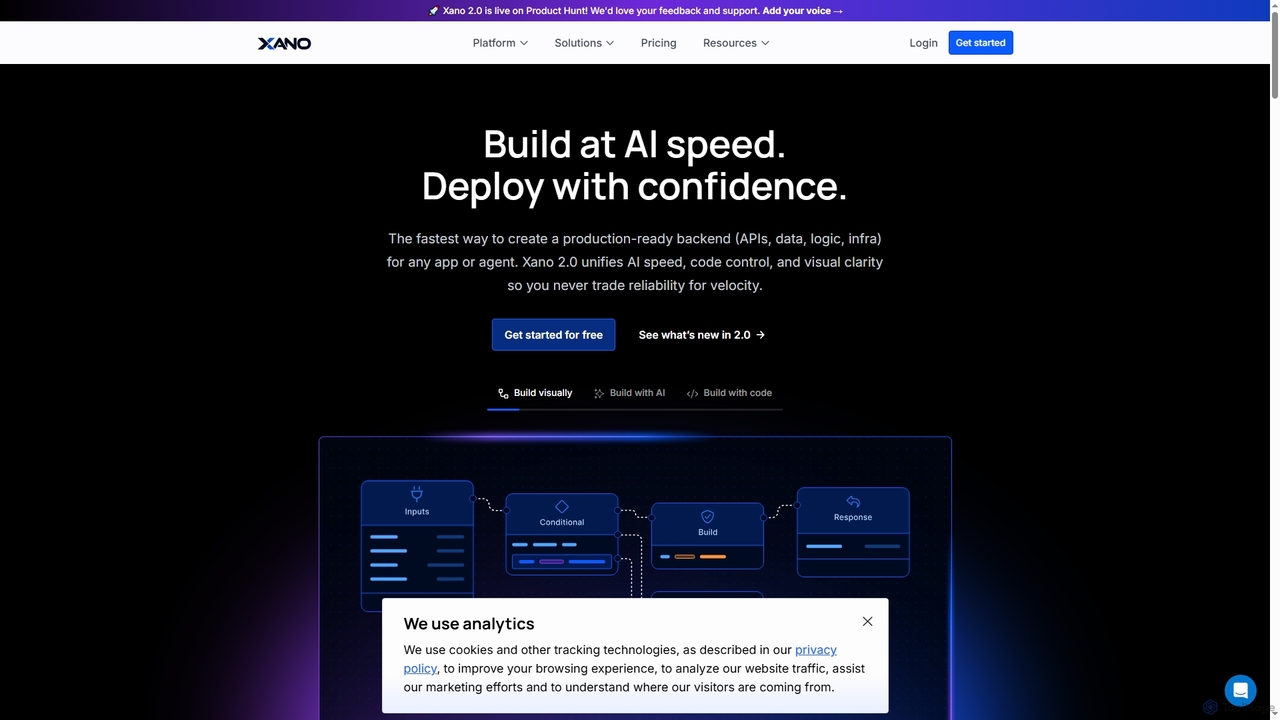
Xano
Xano is a scalable no-code backend platform that empowers developers and teams to build production-ready applications and AI agents at speed. It provides a unified solution for APIs, a managed Postgres database, visual logic, and auto-scaling infrastructure, eliminating the need for complex DevOps.
Agent Building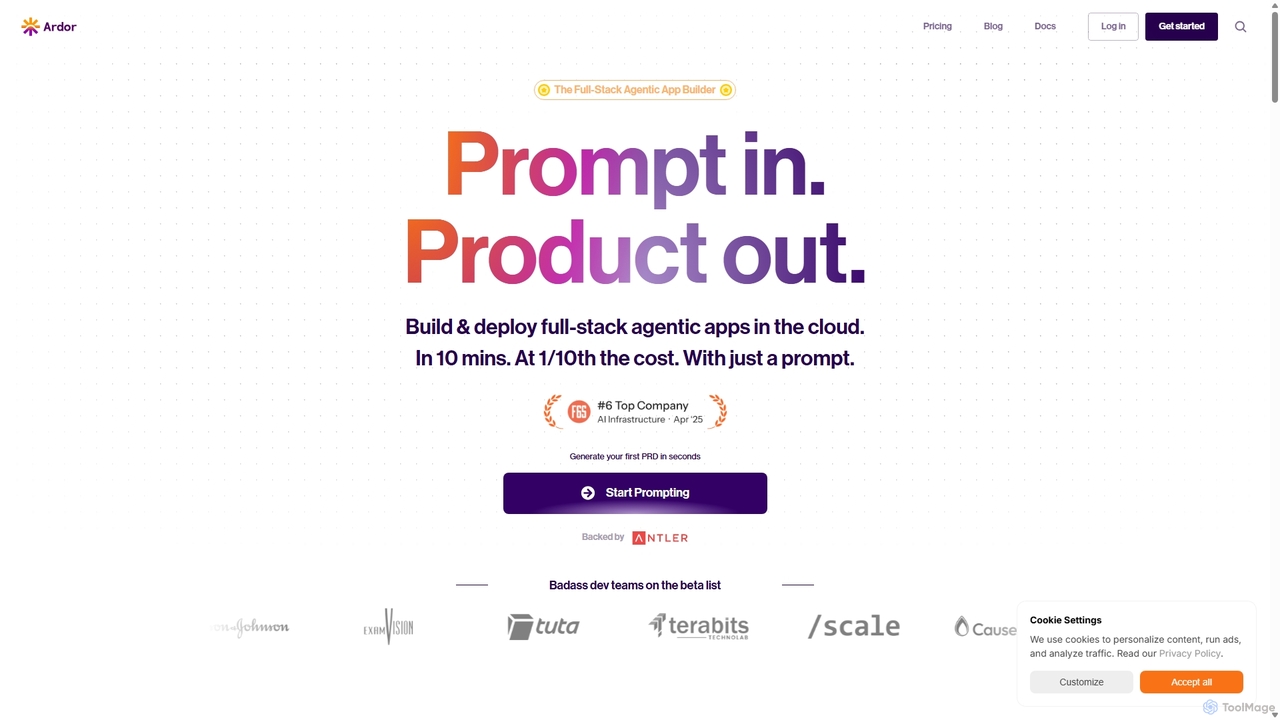
Ardor
Ardor is a full-stack, multi-agent platform that revolutionizes software development by enabling users to build, deploy, and monitor complete agentic AI applications from a single prompt. It automates the entire software development lifecycle (SDLC), drastically reducing development time from months to minutes and cutting costs by up to 90%. Ideal for developers, startups, and enterprises looking to accelerate innovation.
Agent Builder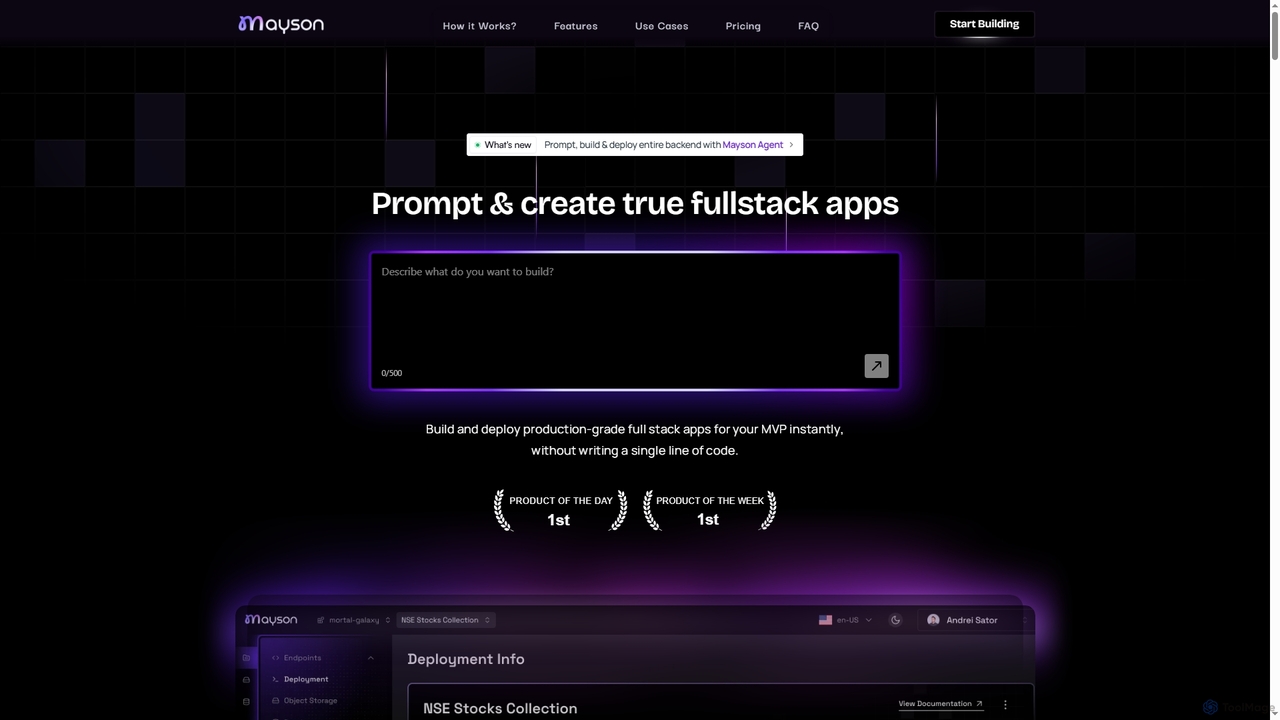
Mayson
Mayson is a no-code Backend-as-a-Service (BaaS) platform that empowers developers and teams to build, deploy, and scale production-grade full-stack applications instantly. It eliminates the need for manual API development, offering a streamlined process to create robust backends with enterprise-grade security and no vendor lock-in.
Baas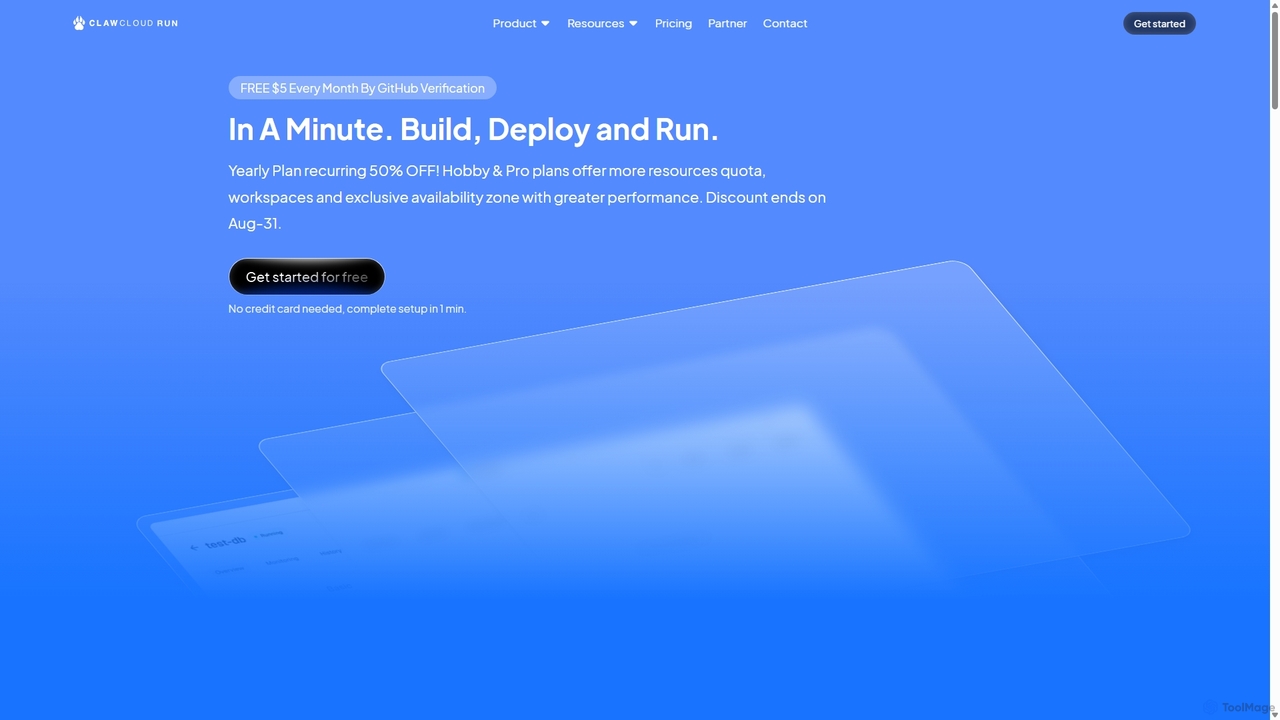
ClawCloud Run
ClawCloud Run is a cloud-native development platform designed to simplify the application lifecycle. It enables developers to build, deploy, manage, and run applications in a unified cloud environment without writing complex YAML files. Featuring a visual canvas, one-click templates, and integrated database management, it accelerates the go-to-market process.
Platform As A Service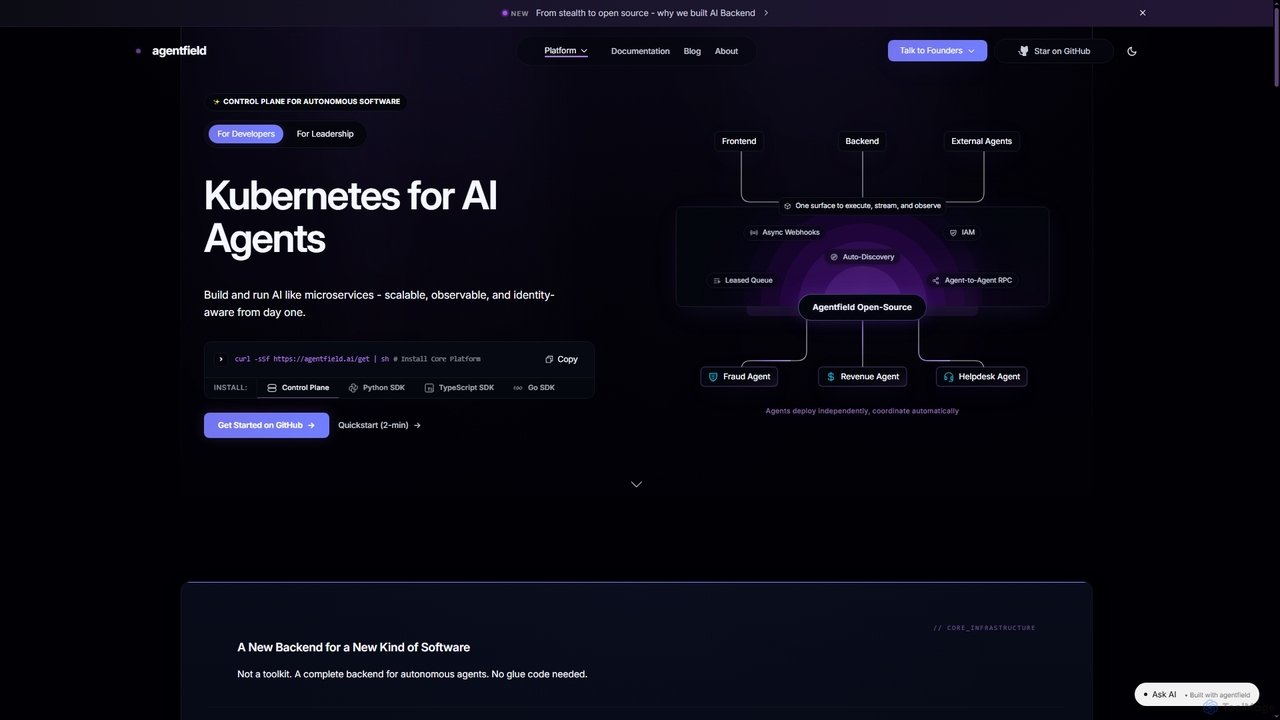
Agentfield
Agentfield is an open-source control plane designed for building and running autonomous AI agents as scalable, observable, and identity-aware microservices. It provides Kubernetes-like orchestration, cryptographic identity management, and production-ready infrastructure to bridge the gap between AI prototypes and robust, trustworthy production deployments.
OrchestrationAutoRail Categories
AutoRail Jobs
AutoRail Embed Widget
Copy this embed code to place the badge on your blog, article, or product site and send readers directly to this ToolMage detail page.

Related AI tools
Xano
Xano is a scalable no-code backend platform that empowers developers and teams to build production-ready applications and AI agents at speed. It provides a unified solution for APIs, a managed Postgres database, visual logic, and auto-scaling infrastructure, eliminating the need for complex DevOps.
Agent BuildingAgentfield
Agentfield is an open-source control plane designed for building and running autonomous AI agents as scalable, observable, and identity-aware microservices. It provides Kubernetes-like orchestration, cryptographic identity management, and production-ready infrastructure to bridge the gap between AI prototypes and robust, trustworthy production deployments.
OrchestrationClawCloud Run
ClawCloud Run is a cloud-native development platform designed to simplify the application lifecycle. It enables developers to build, deploy, manage, and run applications in a unified cloud environment without writing complex YAML files. Featuring a visual canvas, one-click templates, and integrated database management, it accelerates the go-to-market process.
Platform As A Service
Dank
Dank is a JavaScript-native, open-source framework for orchestrating and deploying containerized AI agents. It enables developers to build, manage, and scale multiple AI agents as microservices across any cloud infrastructure, simplifying complex AI deployments with Docker-native architecture and real-time monitoring.
Agent Frameworks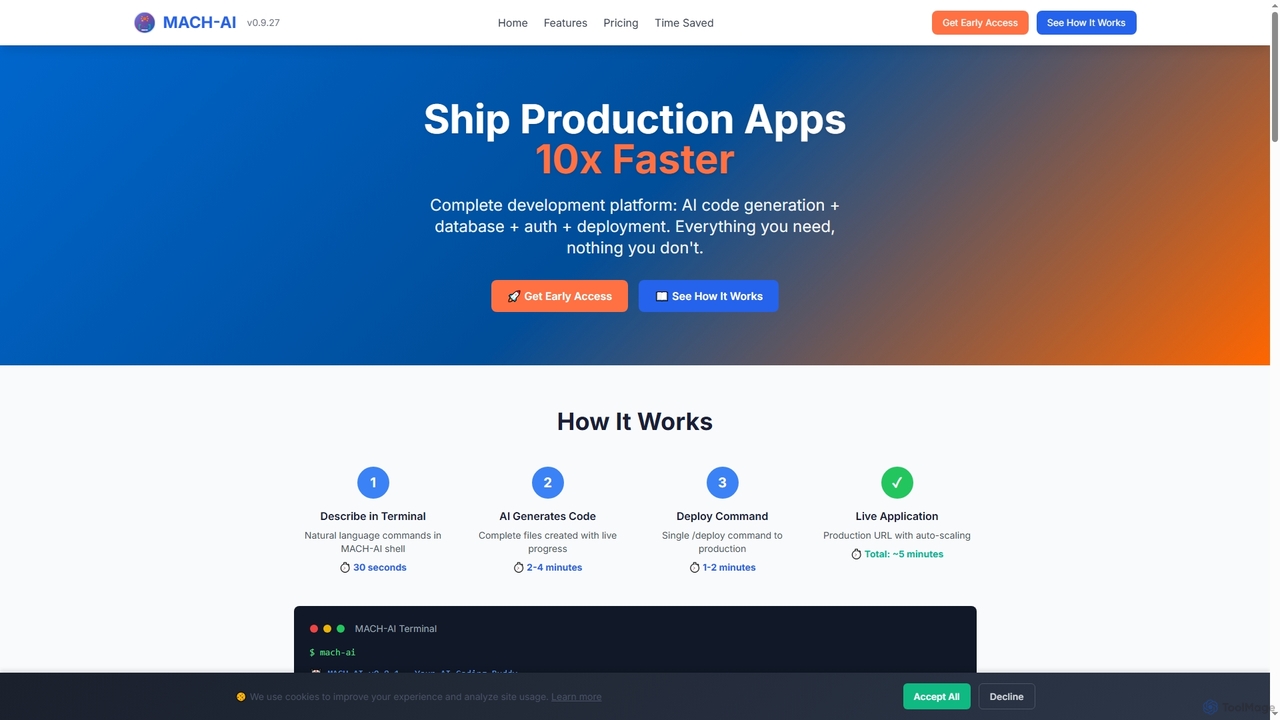
MACH-AI
MACH-AI is an AI coding assistant and complete development platform that transforms concepts into production-ready cloud applications in minutes. It integrates AI code generation, built-in database, authentication, and one-command deployment, enabling developers to build and launch scalable web applications 10x faster across Python, JavaScript, and TypeScript.
Application Deployment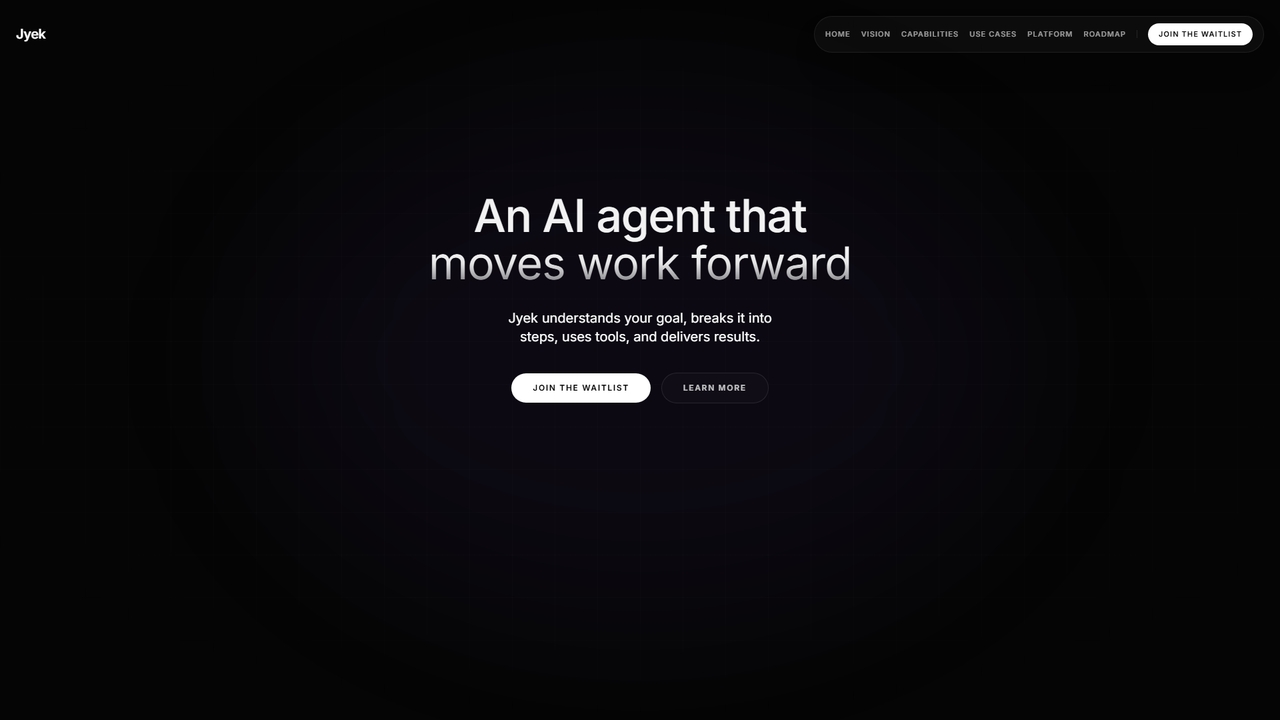
Jyek
Jyek is an AI agent platform that understands objectives, creates execution plans, uses tools, and delivers verifiable results for complex, multi-step tasks.
AutomationArdor
Ardor is a full-stack, multi-agent platform that revolutionizes software development by enabling users to build, deploy, and monitor complete agentic AI applications from a single prompt. It automates the entire software development lifecycle (SDLC), drastically reducing development time from months to minutes and cutting costs by up to 90%. Ideal for developers, startups, and enterprises looking to accelerate innovation.
Agent Builder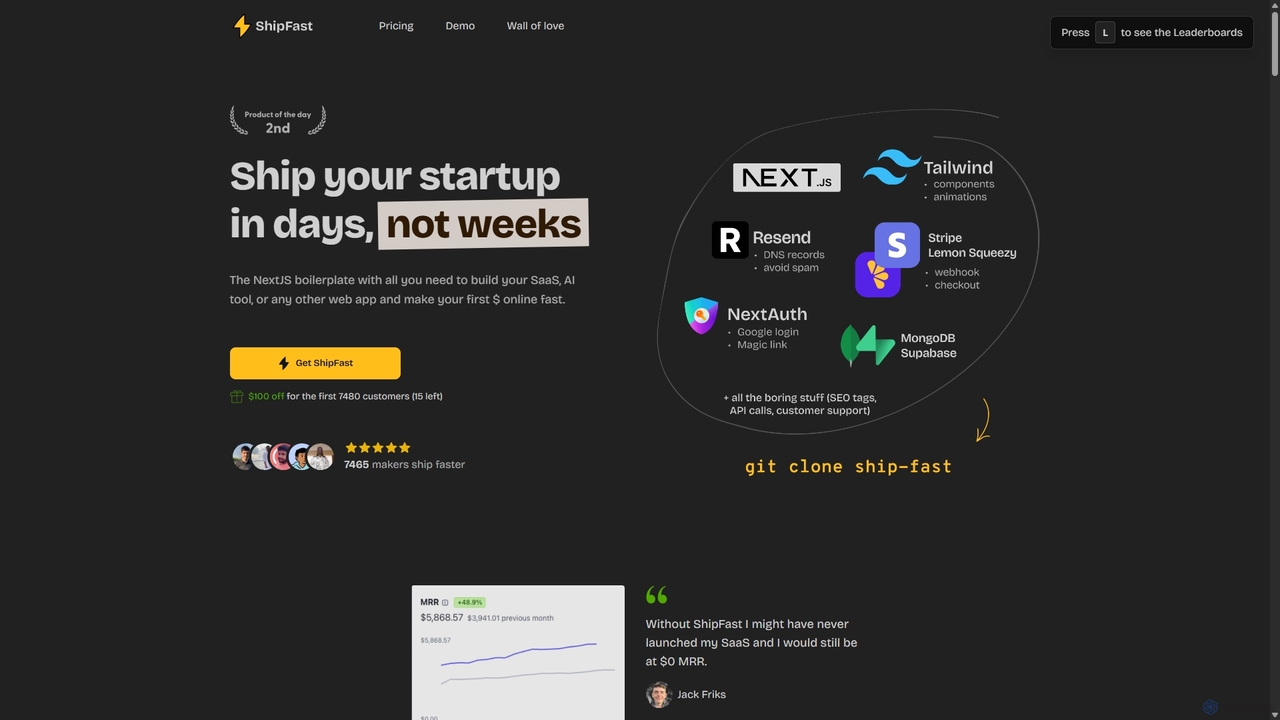
ShipFast
ShipFast is a Next.js boilerplate designed for developers and entrepreneurs to launch SaaS, AI tools, and web applications in days instead of weeks. It includes pre-built features for payments, user authentication, database integration, and email, allowing you to focus on your core product and monetize faster.
Boilerplate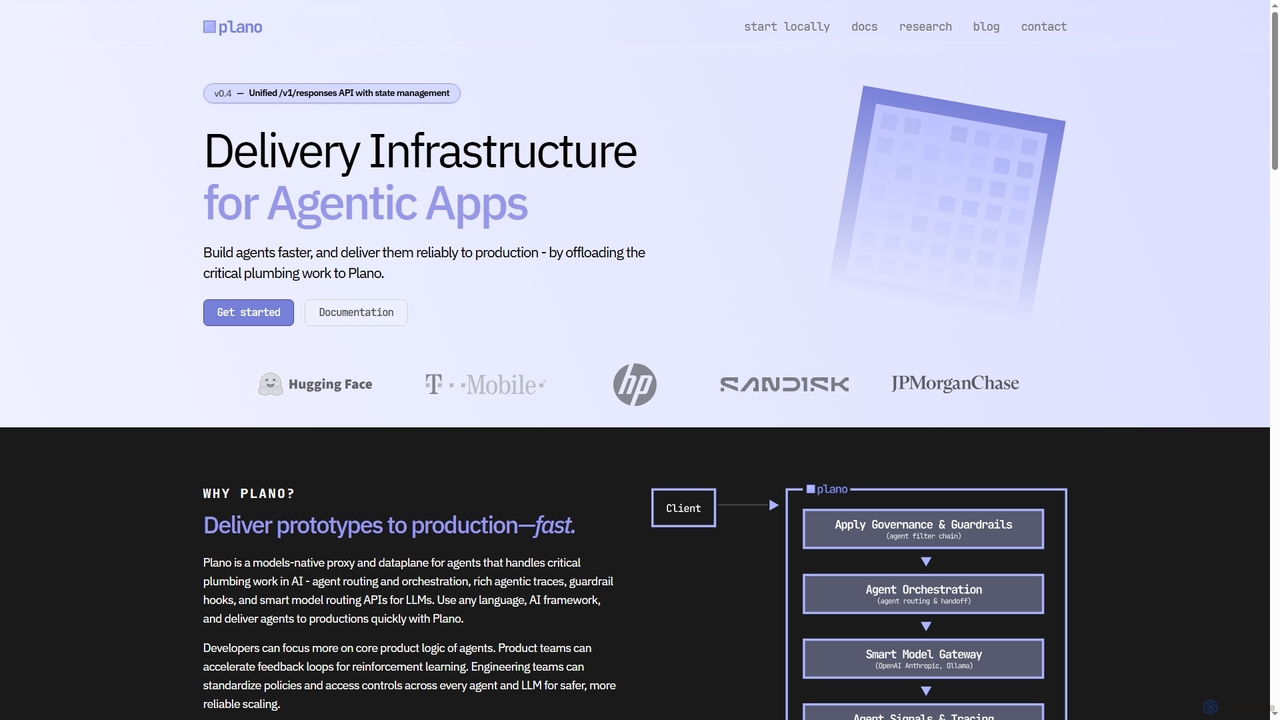
Plano
Plano is a models-native delivery infrastructure for agentic AI applications, offloading critical plumbing work such as agent routing, orchestration, rich observability, and guardrail hooks. It accelerates the development and reliable deployment of AI agents to production, allowing developers to focus on core product logic. Designed for speed and reliability, Plano simplifies complex AI infrastructure challenges.
Agent Orchestration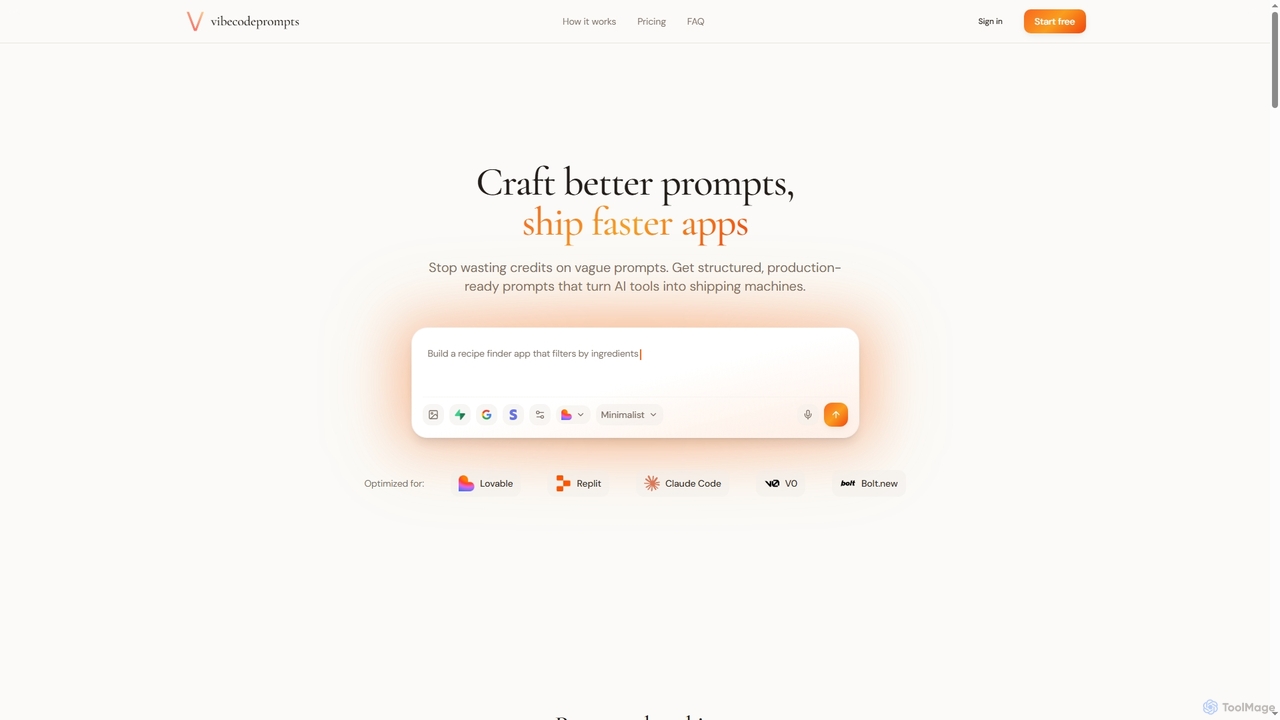
Vibecodeprompts
Vibecodeprompts is an AI-powered tool designed to transform your ideas into structured, production-ready prompts for various AI coding assistants. It helps developers and builders ship applications faster by generating optimized prompts tailored for specific tools like Lovable, Replit, Claude Code, V0, and Bolt.new, saving time and resources.
Code Generation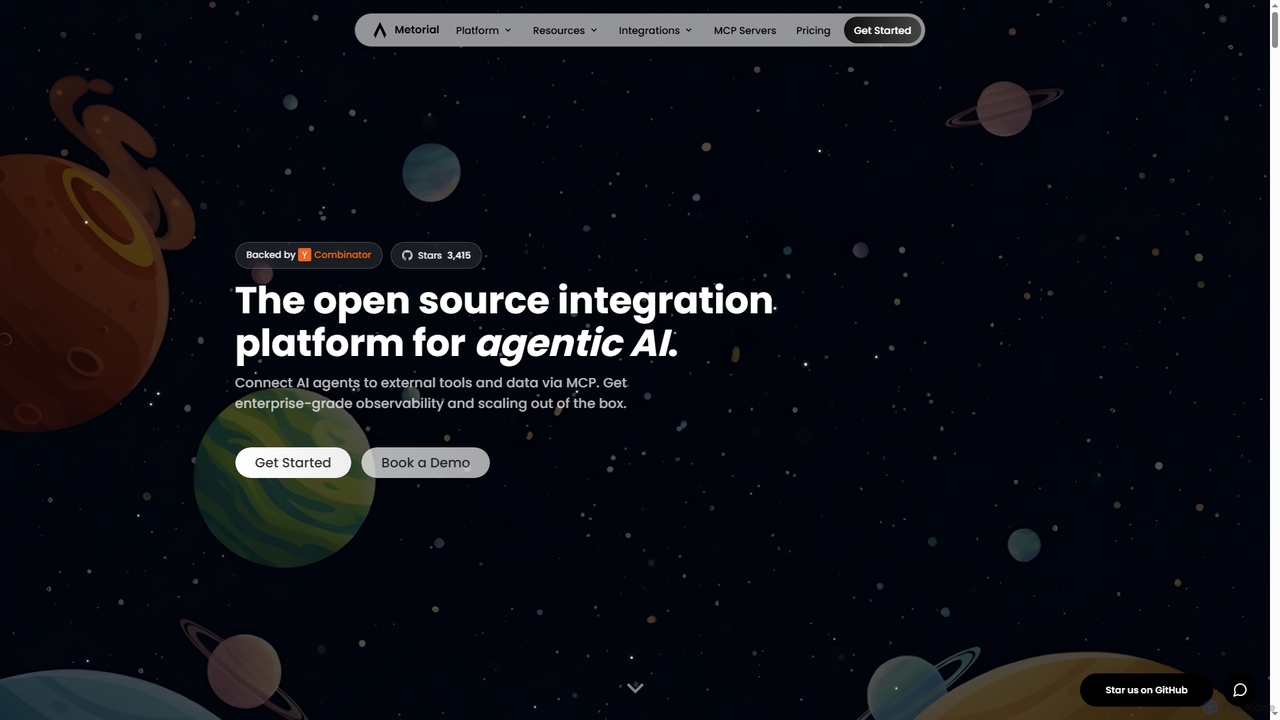
Metorial
Metorial is an integration platform for AI agents, enabling developers to quickly build, deploy, and monitor powerful agentic AI applications. It provides seamless connections to hundreds of tools, data sources, and APIs via its serverless Model Context Protocol (MCP) platform, offering robust SDKs, observability, and enterprise-grade security for scalable AI solutions.
Agentic Ai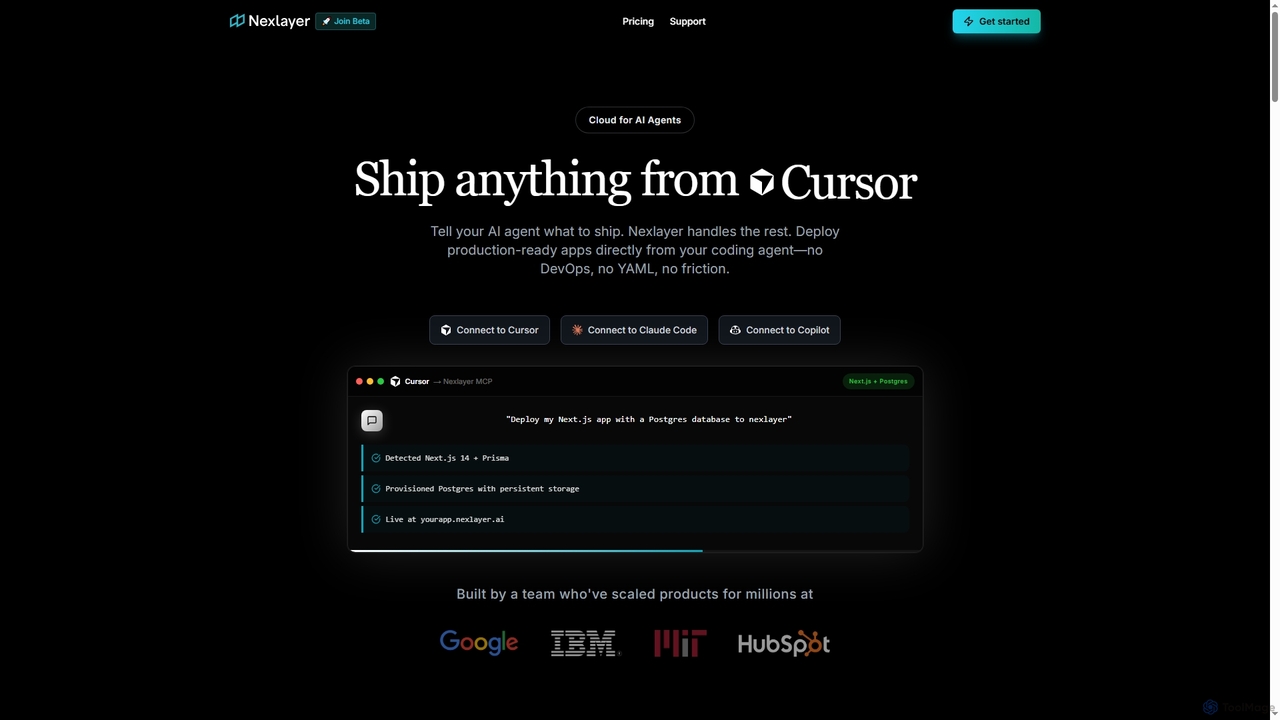
Nexlayer
Nexlayer is the first agent-native cloud platform designed to empower AI coding agents to deploy production-ready applications swiftly. It automates complex infrastructure, enabling developers and founders to ship full-stack apps, APIs, and databases in minutes without DevOps overhead.
Application Development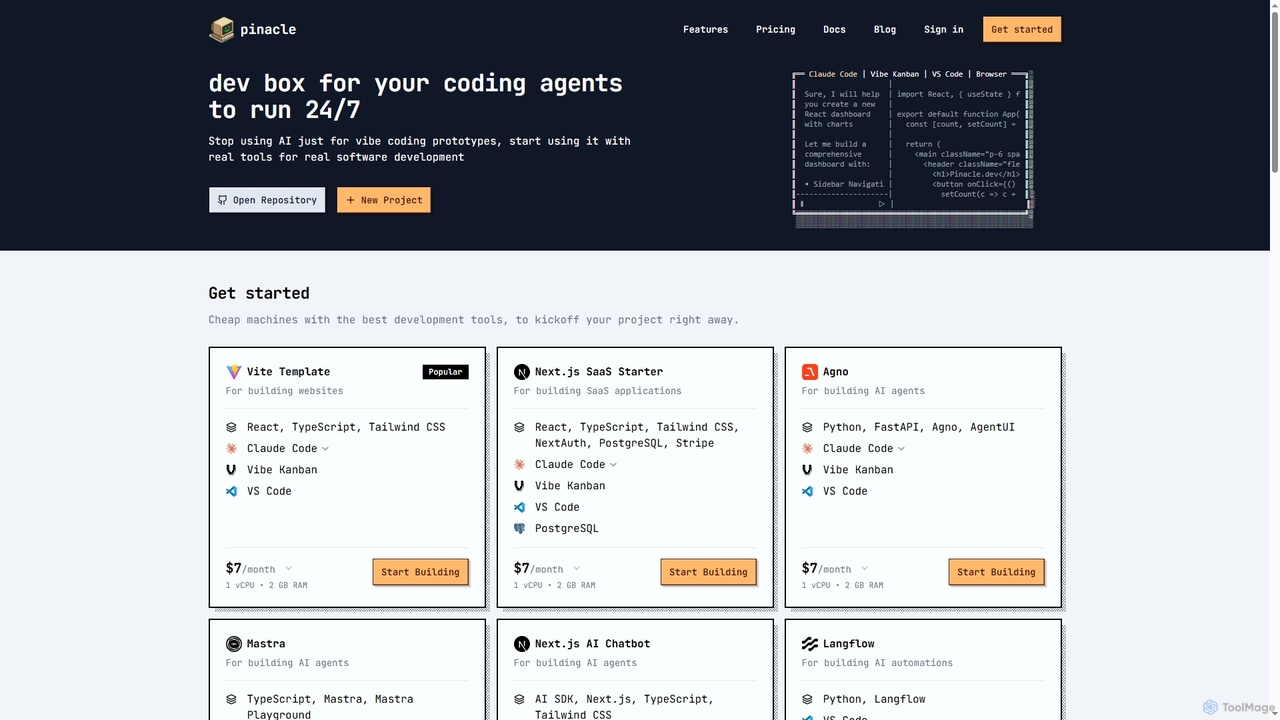
Pinacle
Pinacle provides instant, browser-based cloud development environments (VMs) designed for real software development and 24/7 AI agent operations. It offers pre-configured stacks, root access, and integrates popular tools like VS Code, enabling developers to build, test, and deploy projects without local setup complexities.
Code Collaboration
Backengine
Backengine is a platform that enables developers to build and deploy scalable, LLM-powered backend APIs in minutes. Define your API logic using natural language prompts and let Backengine handle the entire serverless infrastructure, from deployment to auto-scaling.
Api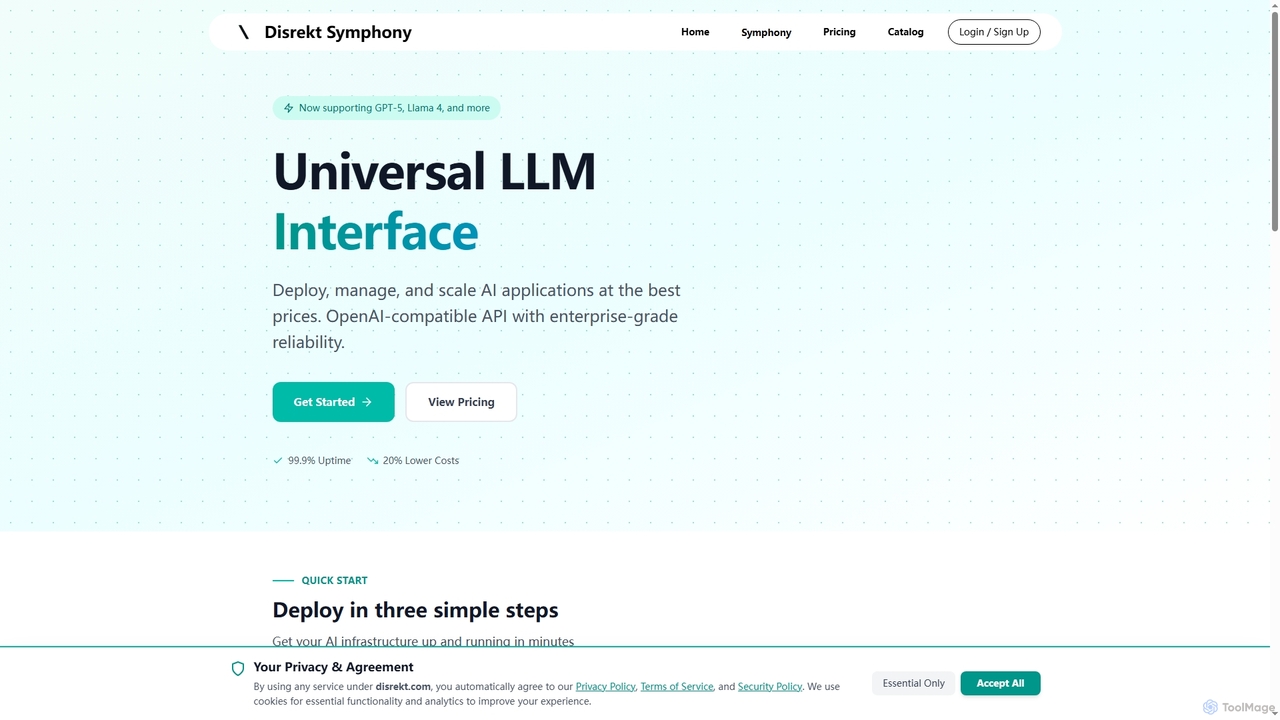
Symphony
Symphony is a universal LLM interface providing an OpenAI-compatible API for deploying, managing, and scaling AI applications. It offers enterprise-grade reliability, up to 20% lower costs, and supports over 100 major AI models like GPT-5 and Llama 4, making it an ideal solution for developers and enterprises seeking efficient and robust AI infrastructure.
Api Management
AutoRail Comments (0)
Sign in to comment.
Sign inNo comments yet.