ToolMage
Sign in

Best 67 No Code & Low Code AI tools for Productivity

Popular No Code & Low Code AI tools in Productivity include Supabase, Airtable, Supervised.co, Astrocade, Inworld, Zeabur, GuidedTrack, LambdaTest, Descope, and Testsigma, helping you work more efficiently.

Orcaengine
Freemium

Orcaengine

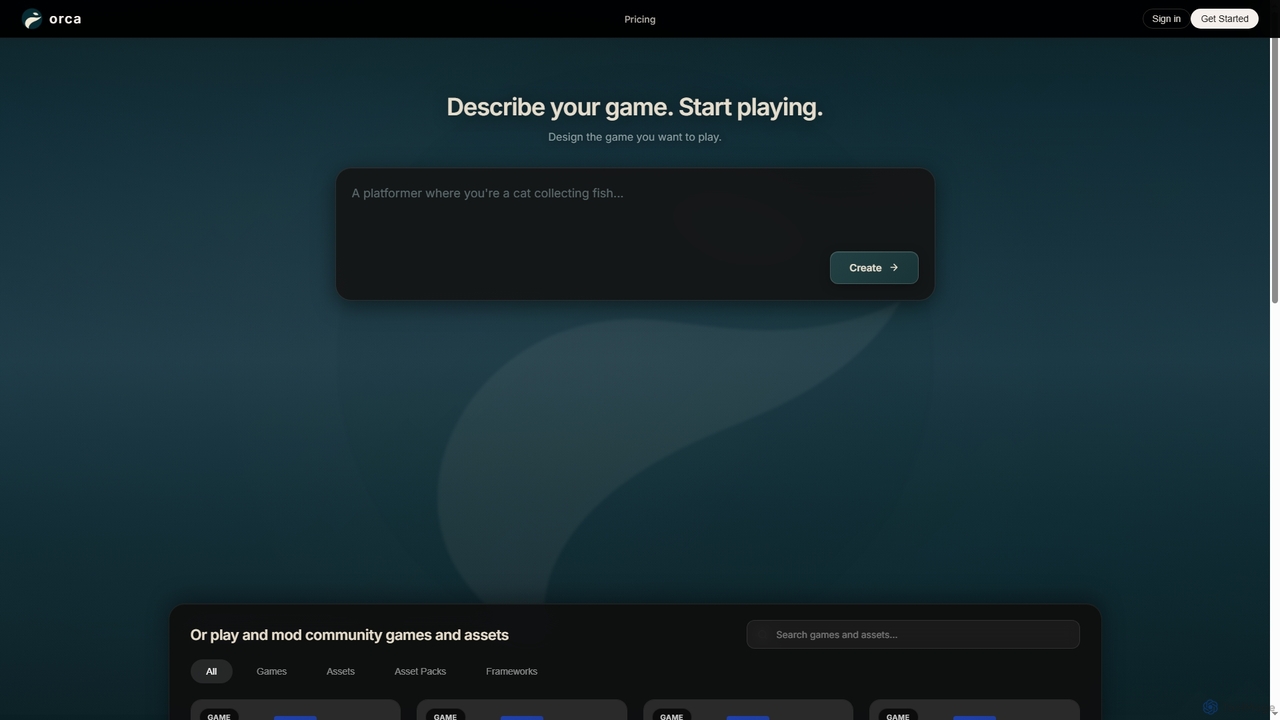
Orcaengine is an AI-powered game development agent that allows anyone to create, play, and modify games using simple text descriptions. No coding is required. Explore a community of user-generated games or bring your own ideas to life instantly.

Generative
Visits 6.8KFavorites 127Likes 131
Crow
Freemium

Crow

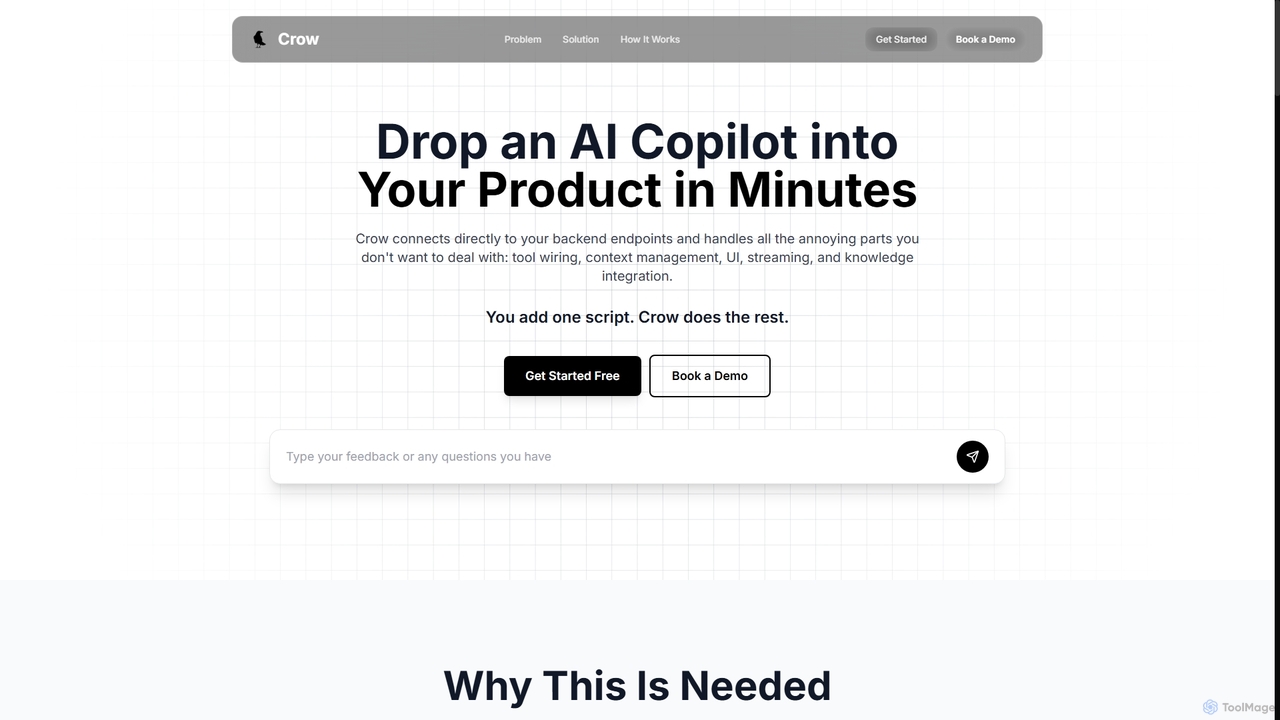
Crow is a platform that enables developers to integrate a powerful AI Copilot into their applications in minutes. It simplifies development by handling backend endpoint connections, context management, UI, and tool integration, allowing teams to deploy a fully functional AI assistant with a single script.

Customer Support
Visits 6.4KFavorites 123Likes 140
Vueform
Freemium

Vueform

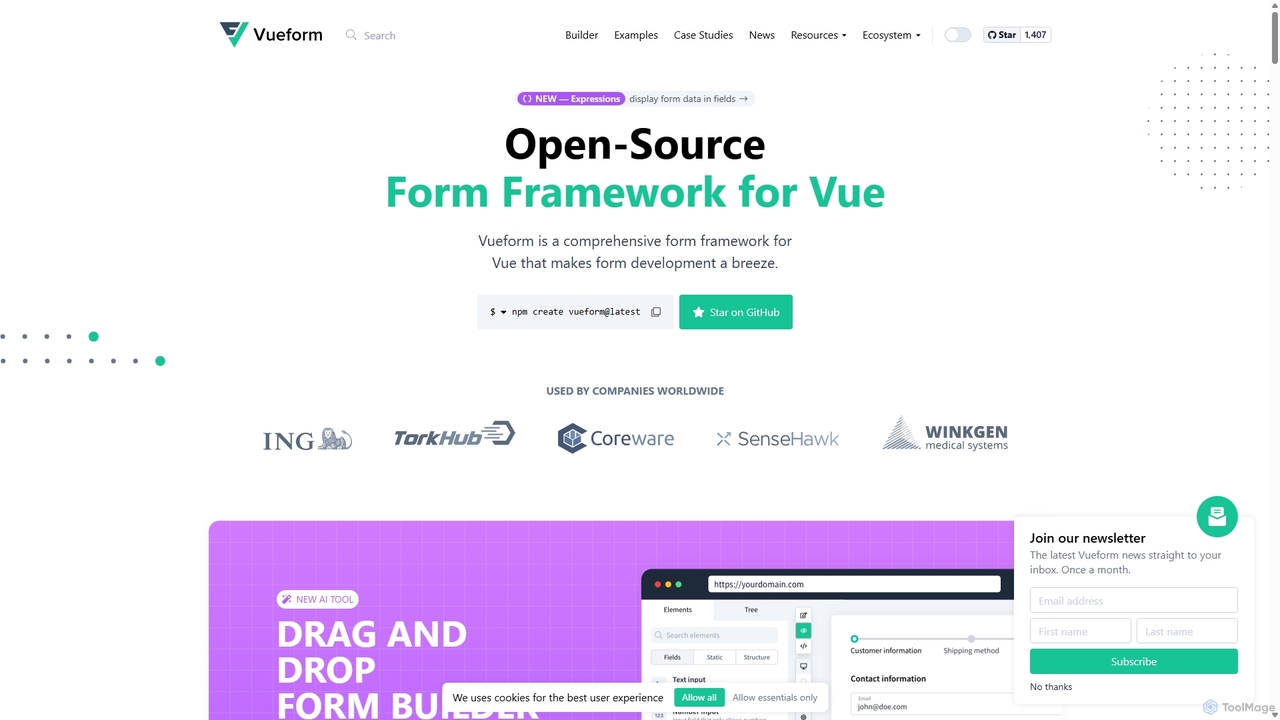
Vueform is an open-source form framework for Vue.js, designed to streamline form development. It features a drag-and-drop builder, an AI Assistant for instant form generation, over 50 validation rules, complex conditional logic, and extensive pre-built elements. It simplifies handling nested data, multi-step wizards, and internationalization, making it a comprehensive solution for any Vue application.

Libraries & Frameworks
Visits 17.8KFavorites 132Likes 135
Assistant-ui
Freemium

Assistant-ui

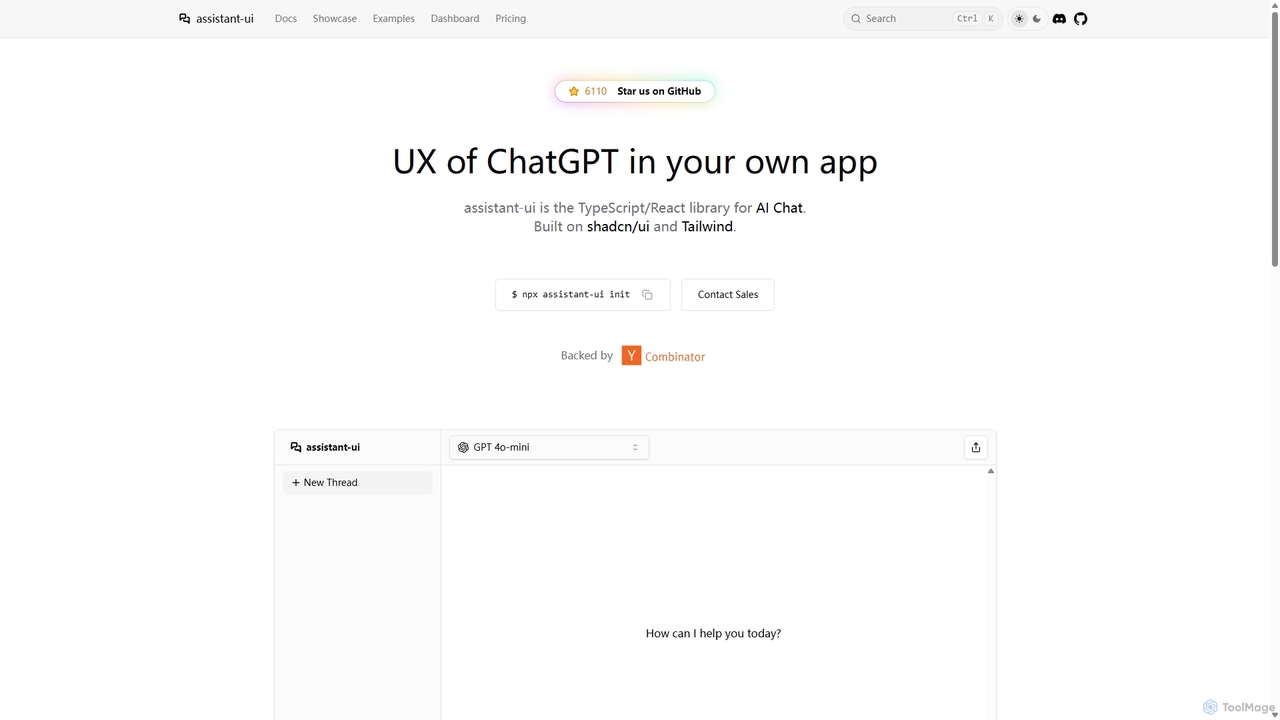
Assistant-ui is an open-source TypeScript/React library for rapidly building high-quality, customizable AI chat interfaces. Built on shadcn/ui and Tailwind CSS, it provides developers with pre-built components to integrate a ChatGPT-like experience into any application, supporting various backends and advanced features like generative UI.

Libraries
Visits 84.9KFavorites 154Likes 144
Codenull.ai

Codenull.ai

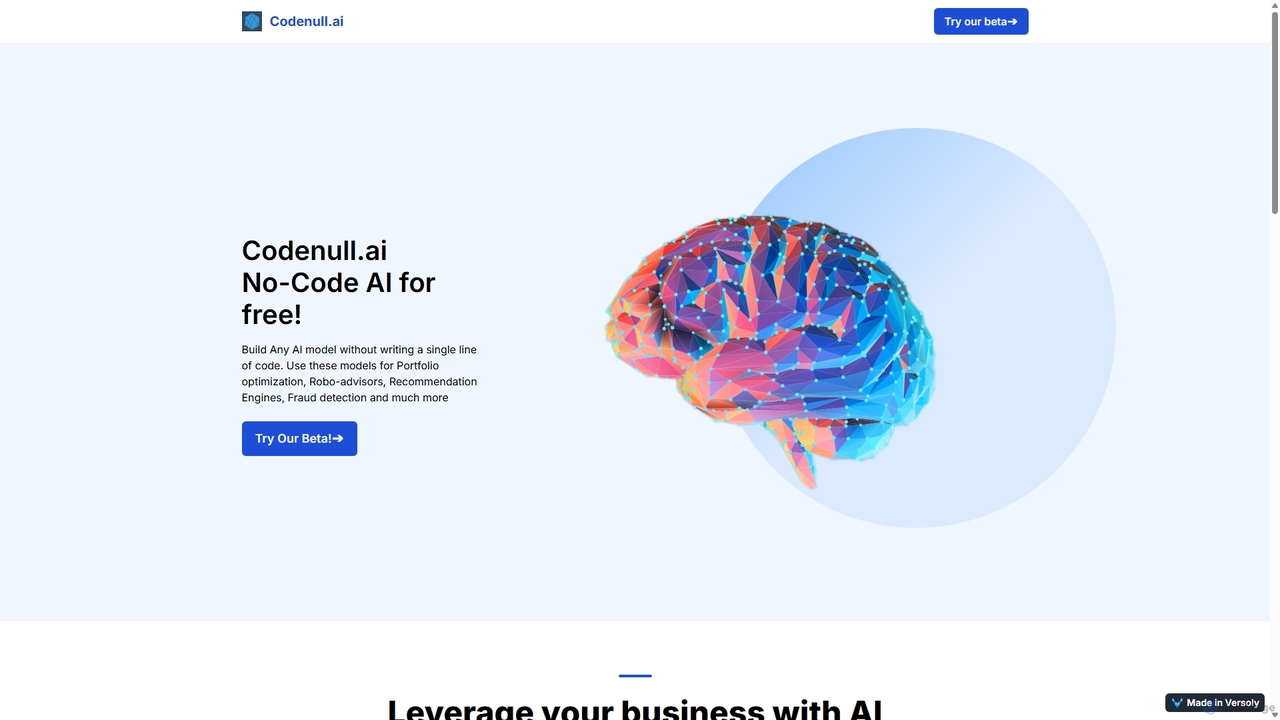
Codenull.ai is a no-code AI platform that empowers businesses to build, train, and deploy custom machine learning models without writing a single line of code. It transforms your business data into actionable predictions for sales forecasting, medical classification, portfolio optimization, and more, making advanced AI accessible to everyone.

Predictive Analytics
Visits 6.5KFavorites 153Likes 129
Airtable
Freemium

Airtable

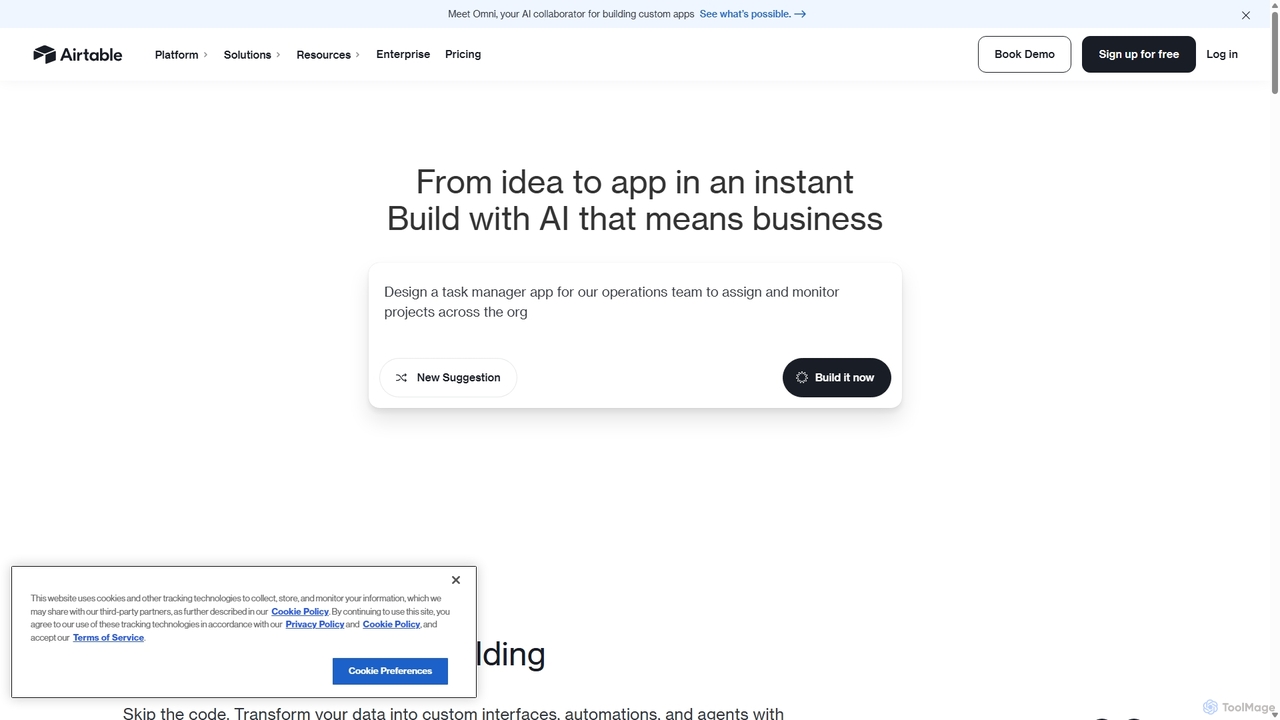
Airtable is an AI-native app building platform for enterprises, combining the flexibility of a spreadsheet with the power of a database. It enables teams to create custom applications, automate complex workflows, and deploy intelligent AI agents without writing code, transforming critical data into actionable insights and streamlined operations.

Project Management
Visits 26.6MFavorites 157Likes 172
Astrocade
Freemium

Astrocade

Astrocade is a revolutionary AI-powered platform that enables anyone to create games instantly using simple text prompts. It automates the entire game creation process, from art and animation to music and gameplay mechanics, making game design accessible to creators of all skill levels. No coding required.

Generative Art
Visits 1.1MFavorites 161Likes 145
Supanext
Paid

Supanext

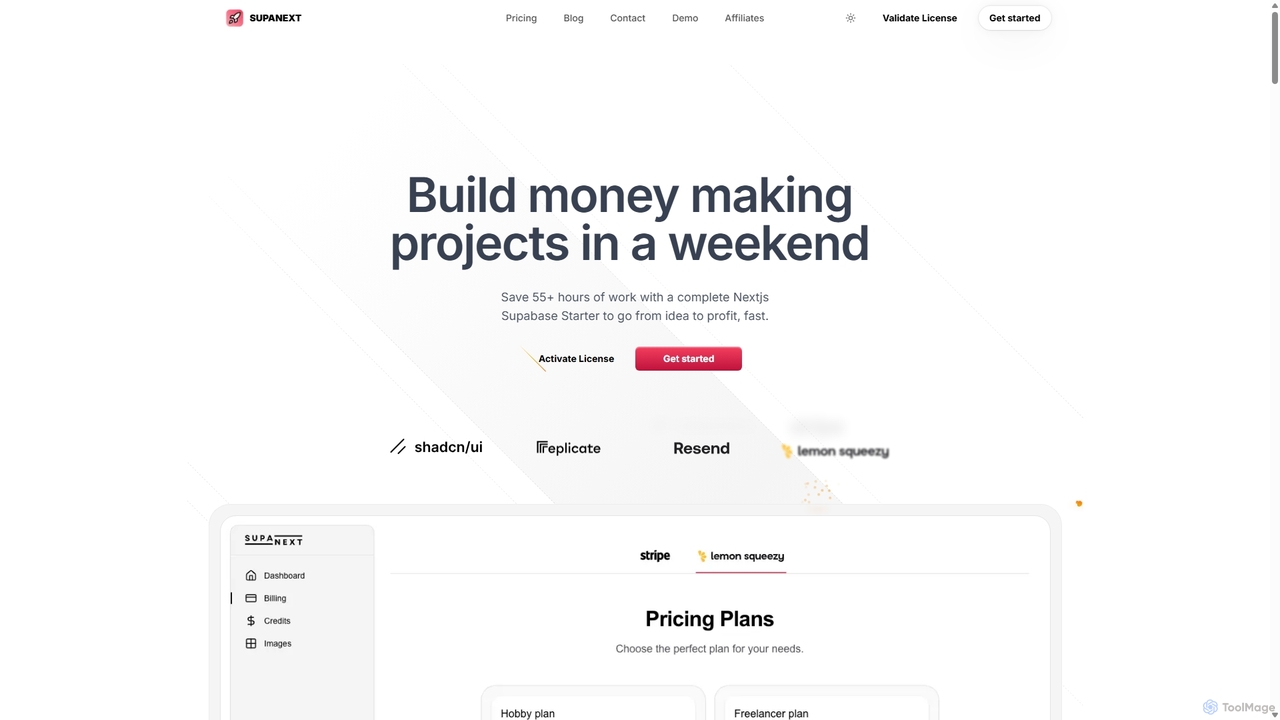
Supanext is a comprehensive Next.js Supabase SaaS starter kit designed for developers to rapidly build and launch AI and SaaS applications. It saves over 55 hours of development time by providing pre-built components for authentication, payments, database integration, AI examples, and an SEO-optimized landing page and blog, enabling a fast transition from idea to profit.

Boilerplates
Visits 7.3KFavorites 160Likes 173
StartupBolt
Paid

StartupBolt

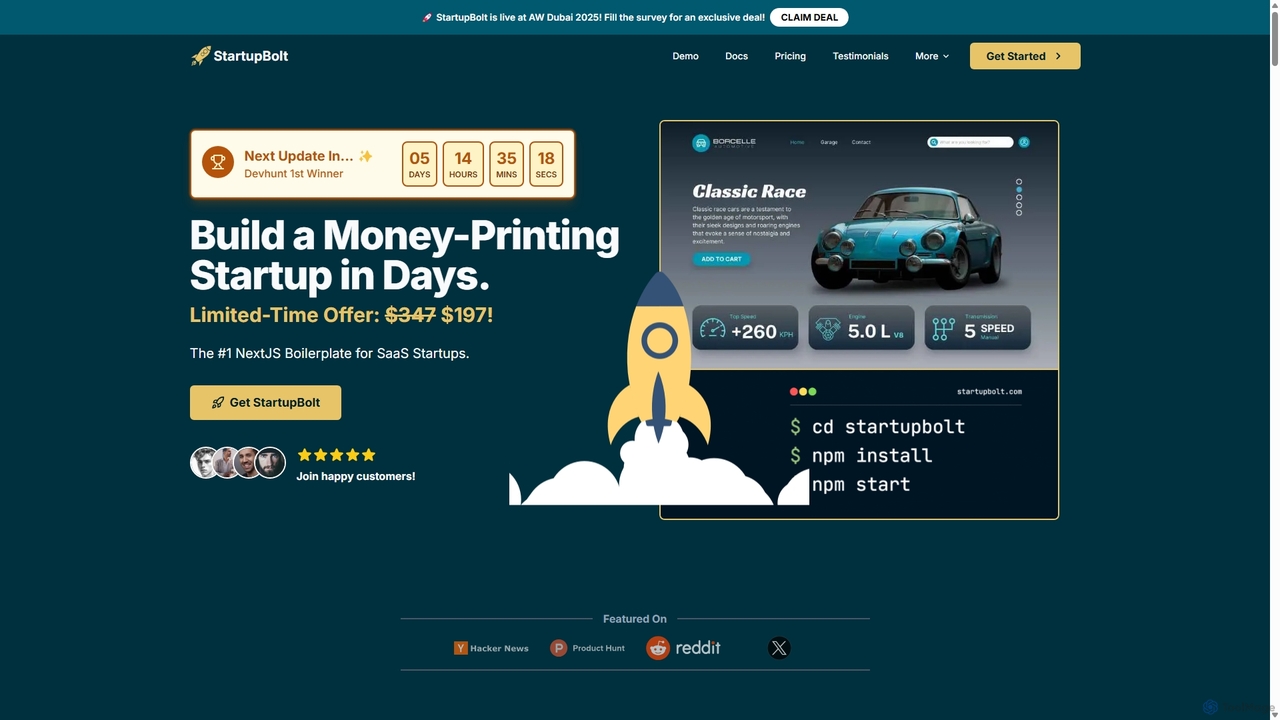
StartupBolt is the #1 Next.js boilerplate designed for SaaS startups, enabling developers and founders to launch products in days instead of months. It provides a complete, ready-to-use codebase with pre-built integrations for payments, authentication, databases, SEO, and modern UI components, saving hundreds of hours of development time.

Startup Tools
Visits 6.5KFavorites 156Likes 152
Brancher.ai
Freemium

Brancher.ai

Brancher.ai is a no-code platform that empowers users to build and monetize custom AI applications by connecting various AI models. Create complex workflows and innovative tools with a simple drag-and-drop interface, without writing a single line of code. Share your creations with a community and unlock new revenue streams.

Application Builder
Visits 14.6KFavorites 136Likes 163
WrapFast
Paid

WrapFast

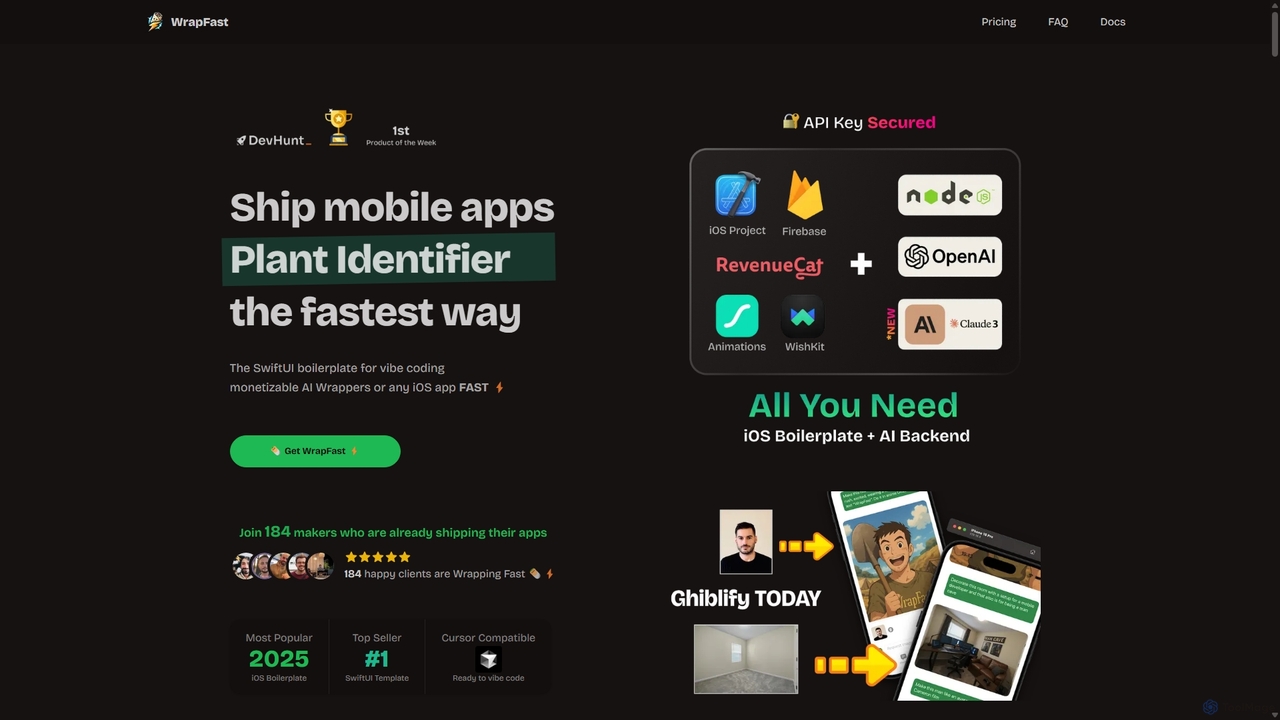
WrapFast is an iOS SwiftUI boilerplate designed for developers to rapidly build and launch monetizable AI wrapper applications. It provides a complete starter kit with pre-built features like user authentication, in-app purchases, secure AI API integration (OpenAI & Anthropic), a Node.js backend, and a cloud database. This allows developers to focus on creating unique app experiences instead of writing repetitive boilerplate code, significantly accelerating the development-to-launch cycle for any iOS app, especially those powered by AI.

Mobile Development
Visits 9.7KFavorites 155Likes 145
Backengine
Freemium

Backengine

Backengine is a platform that enables developers to build and deploy scalable, LLM-powered backend APIs in minutes. Define your API logic using natural language prompts and let Backengine handle the entire serverless infrastructure, from deployment to auto-scaling.

Api
Visits 6.3KFavorites 142Likes 125
Unbody
Freemium

Unbody

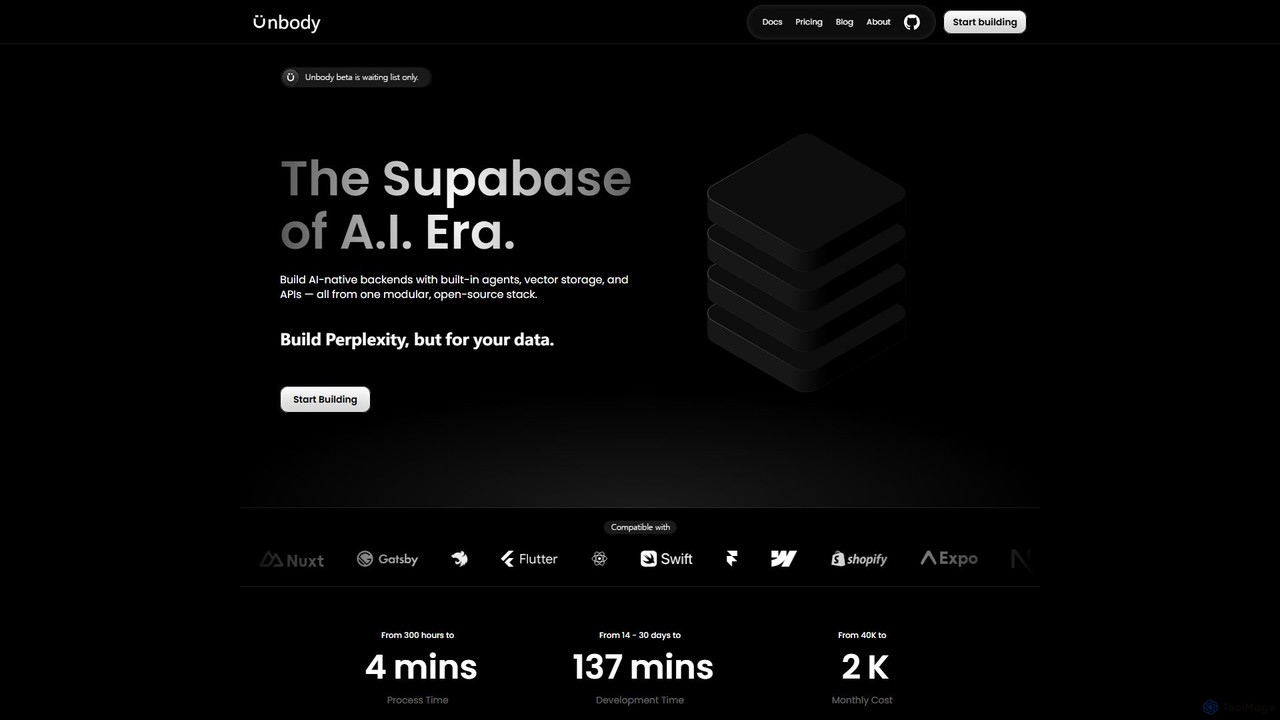
Unbody is an AI-native development stack, described as the "Supabase of the AI Era." It provides developers with a modular, open-source backend featuring built-in agents, vector storage, and a unified API. This allows for the rapid and cost-effective creation of intelligent, adaptive applications by transforming any data into a queryable knowledge base, eliminating the need for fragmented systems and complex AI pipelines.

Vector Database
Visits 6.5KFavorites 171Likes 169
NextStarterAI
Paid

NextStarterAI

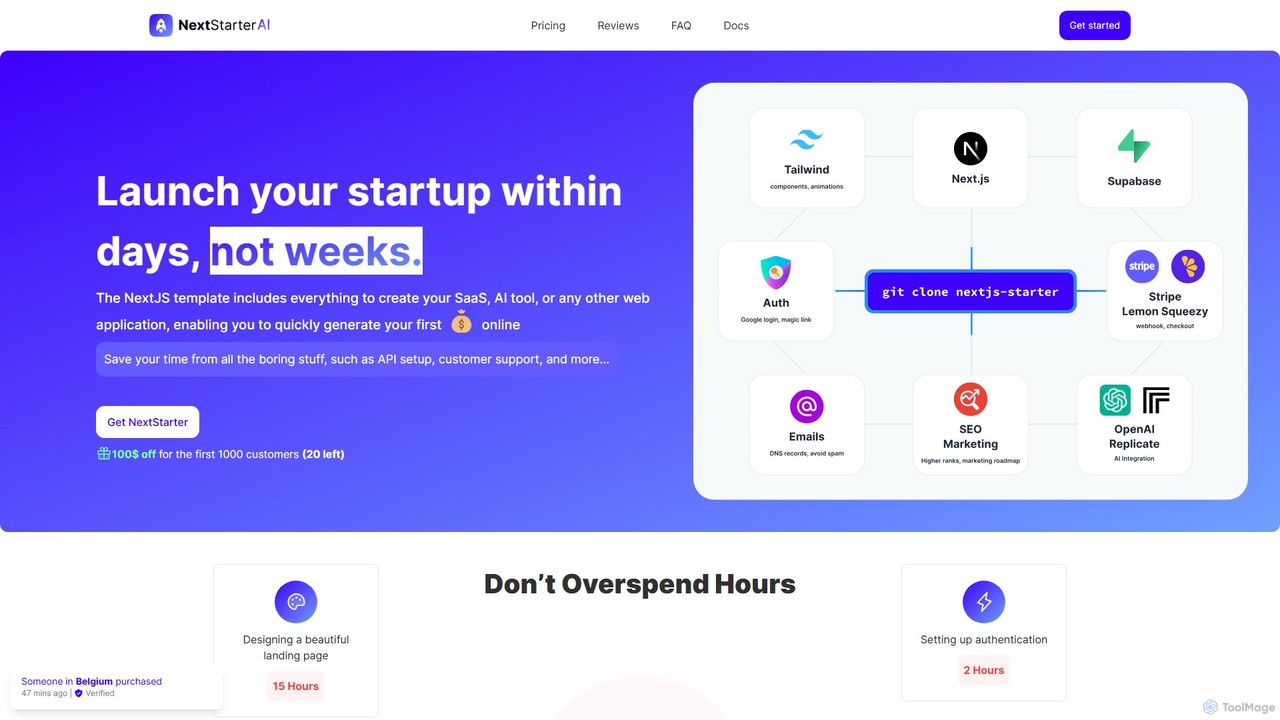
NextStarterAI is a comprehensive Next.js boilerplate designed for developers and startups to rapidly launch SaaS, AI tools, and web applications. It includes pre-built integrations for payments, authentication, databases, and AI APIs, along with a rich set of UI components, saving hundreds of hours in setup and development time.

Startup Tools
Visits 7.7KFavorites 141Likes 136
supastarter
Paid

supastarter

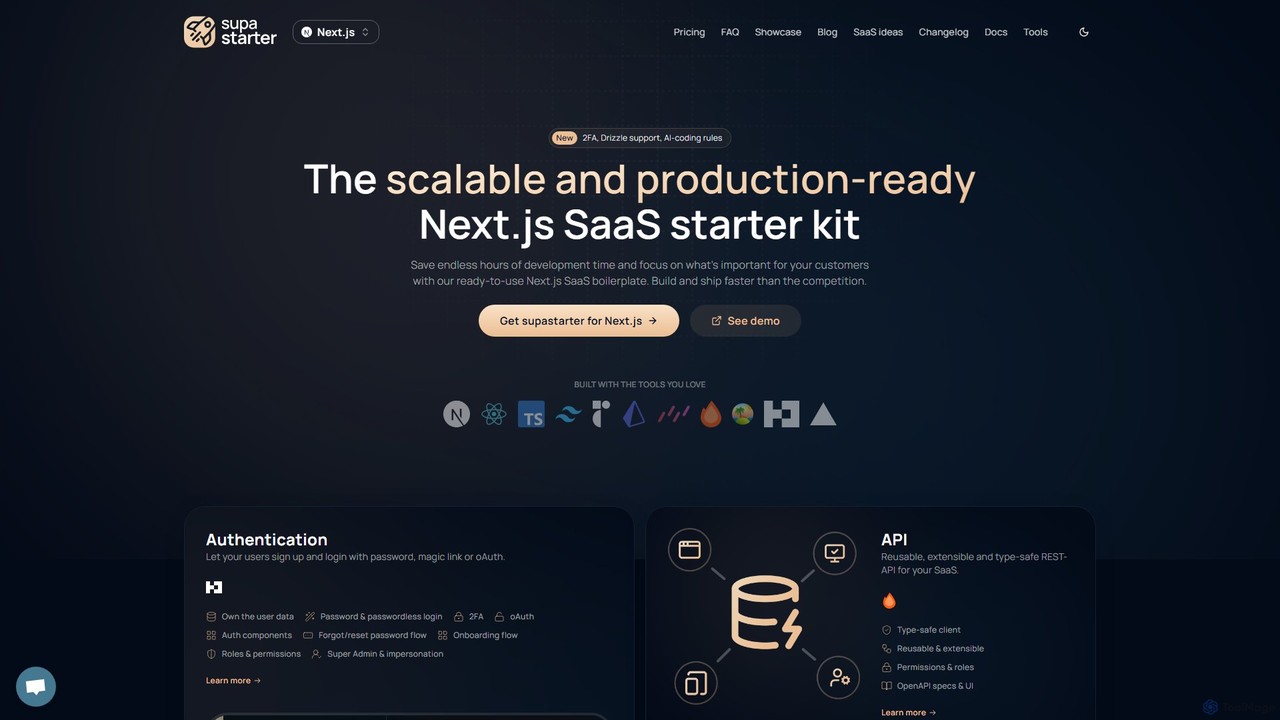
A scalable, production-ready SaaS starter kit for Next.js, Nuxt, and SvelteKit. It saves developers hundreds of hours by providing pre-built features like authentication, payments, multi-language support, and AI integration, allowing them to focus on core business logic and ship products faster.

Startup Tools
Visits 44.8KFavorites 165Likes 152
AI Dev Codes
Freemium

AI Dev Codes

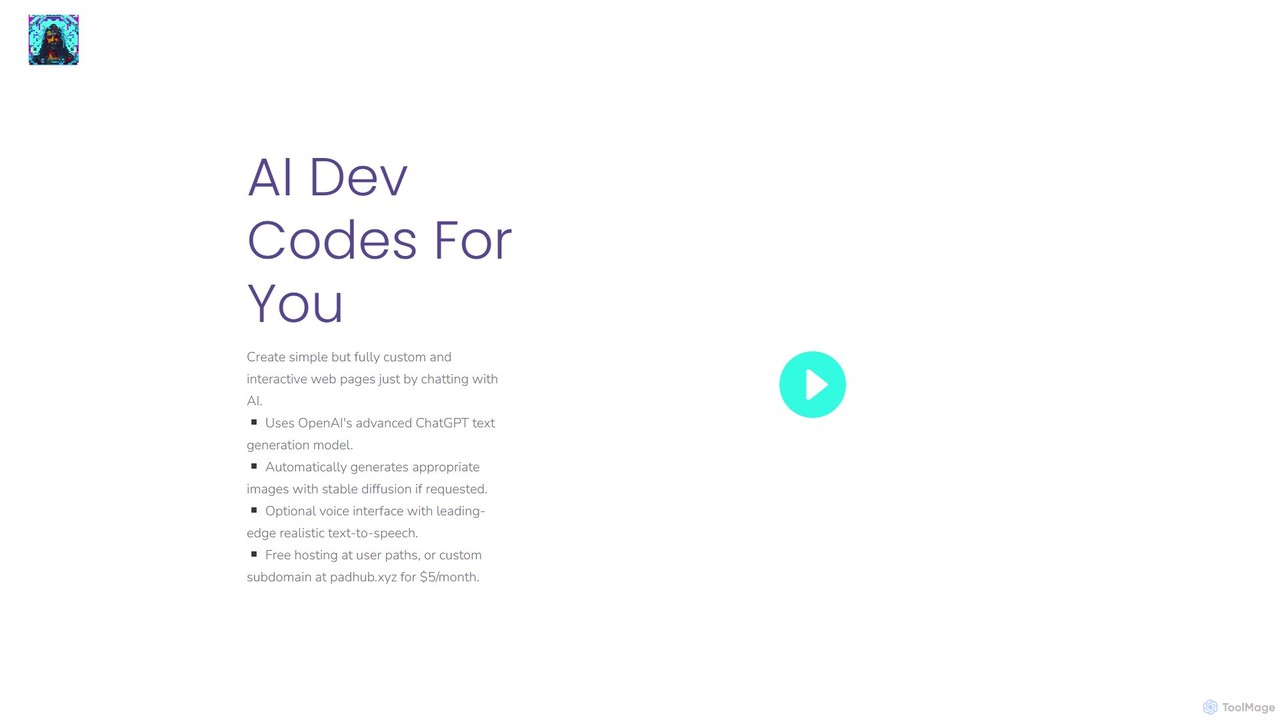
AI Dev Codes is a conversational web development tool that allows users to create custom, interactive web pages simply by chatting with an AI. It leverages models like ChatGPT and Stable Diffusion to generate code, text, and images, turning natural language prompts into functional websites.

Image Generation
Visits 9.2KFavorites 154Likes 143
RestoGPT
Freemium

RestoGPT

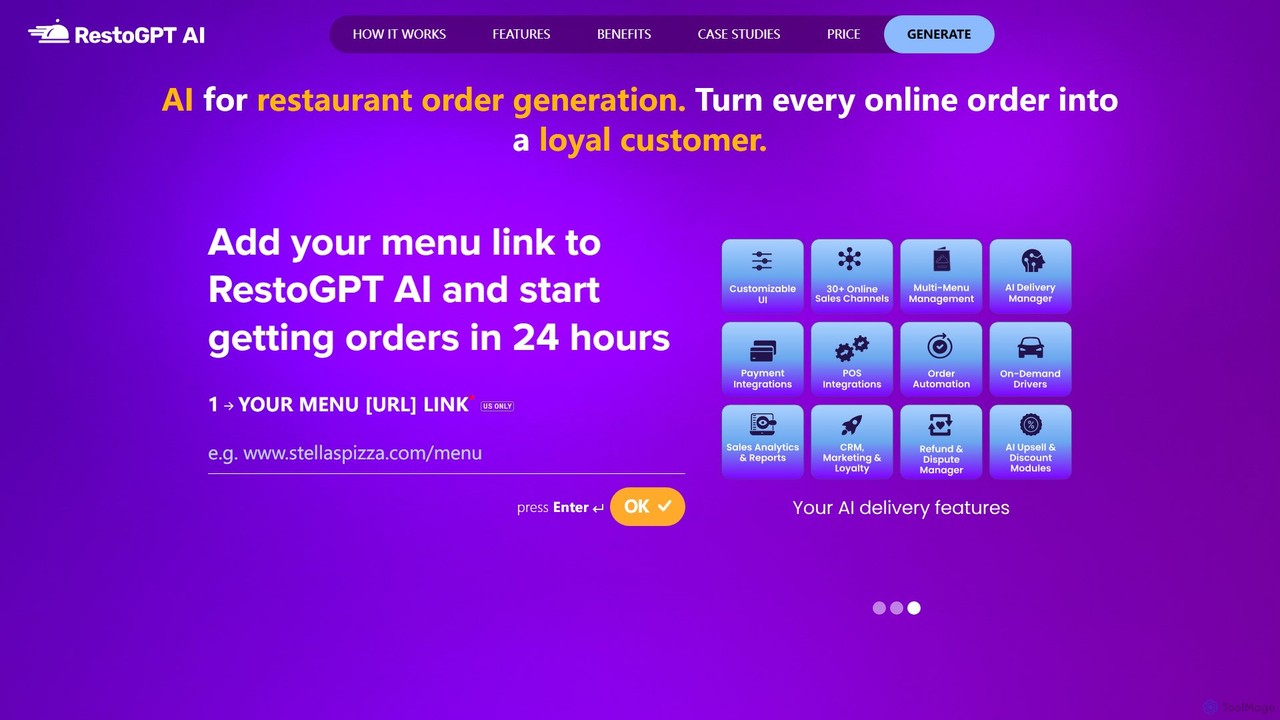
RestoGPT is an AI-powered marketing and sales platform for local restaurants. It automates online ordering, delivery, and customer engagement by creating a branded storefront, managing orders, and running data-driven marketing campaigns to boost direct sales and customer loyalty.

Restaurant Management
Visits 9.6KFavorites 159Likes 170
Leapwork
Paid

Leapwork

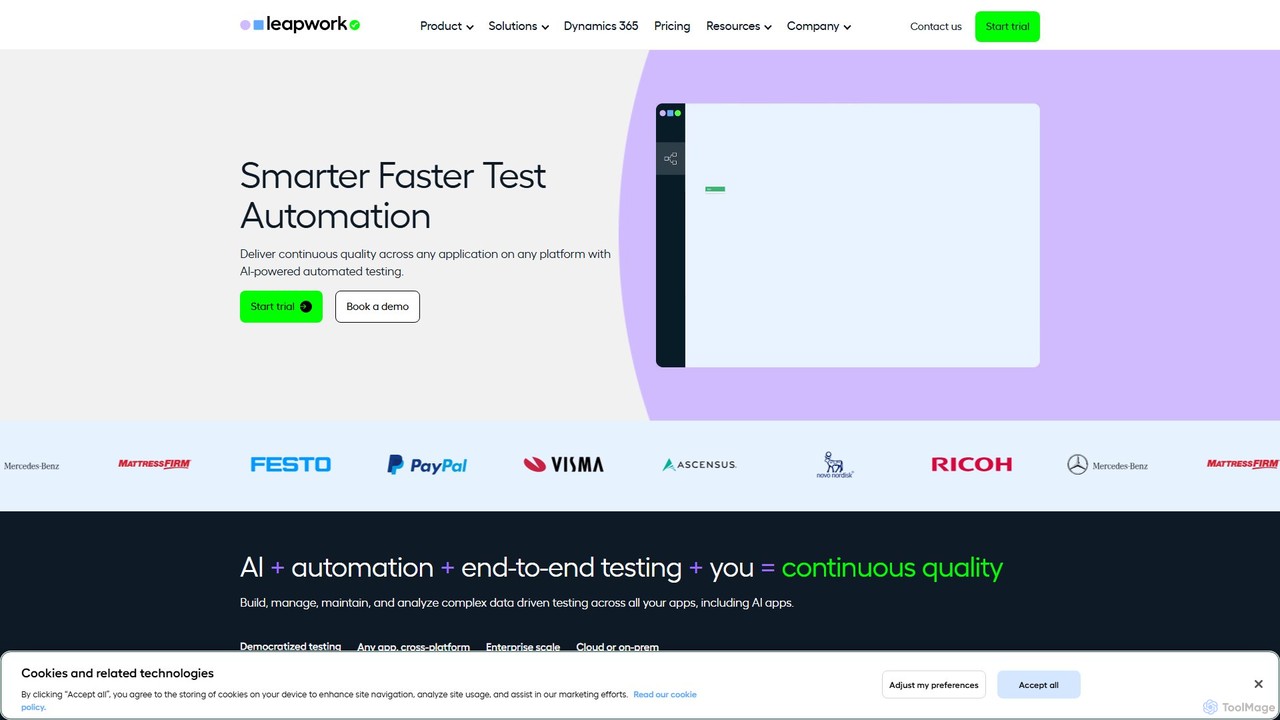
Leapwork is an AI-powered, no-code test automation platform designed to accelerate software testing and ensure continuous quality. It enables both technical and non-technical users to build, manage, and maintain complex automated tests across any application, including web, desktop, and AI-powered systems like Microsoft Copilot. With its visual interface, reusable components, and generative AI capabilities, Leapwork democratizes testing, reduces maintenance, and integrates seamlessly into existing DevOps pipelines, helping enterprises achieve faster releases and higher quality software.

Data
Visits 45.2KFavorites 120Likes 135
Descope
Freemium

Descope

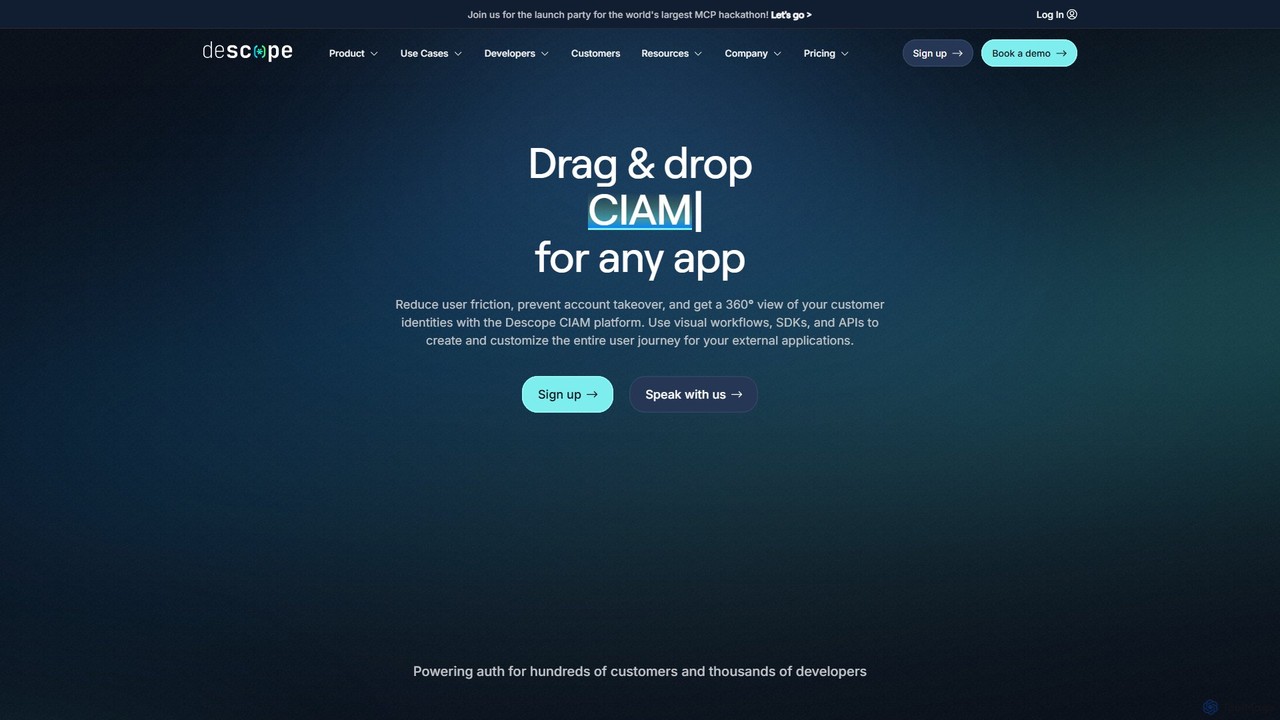
Descope is a customer identity and access management (CIAM) platform that enables developers to easily add authentication, user management, and authorization to any application. It offers a visual drag-and-drop workflow builder, comprehensive SDKs, and APIs to create secure and frictionless user journeys, from passwordless login to enterprise-grade SSO.

Authentication
Visits 295.6KFavorites 140Likes 124
Inferless
Freemium

Inferless

Inferless is a serverless GPU platform designed for developers to deploy machine learning models in minutes. It eliminates infrastructure management, offering automatic scaling from zero to handle spiky workloads. The platform is optimized for lightning-fast cold starts and cost-efficiency, allowing users to save up to 90% on GPU bills by paying only for what they use.

Machine Learning Deployment
Visits 14.8KFavorites 133Likes 136
QuickStartJS
Paid

QuickStartJS

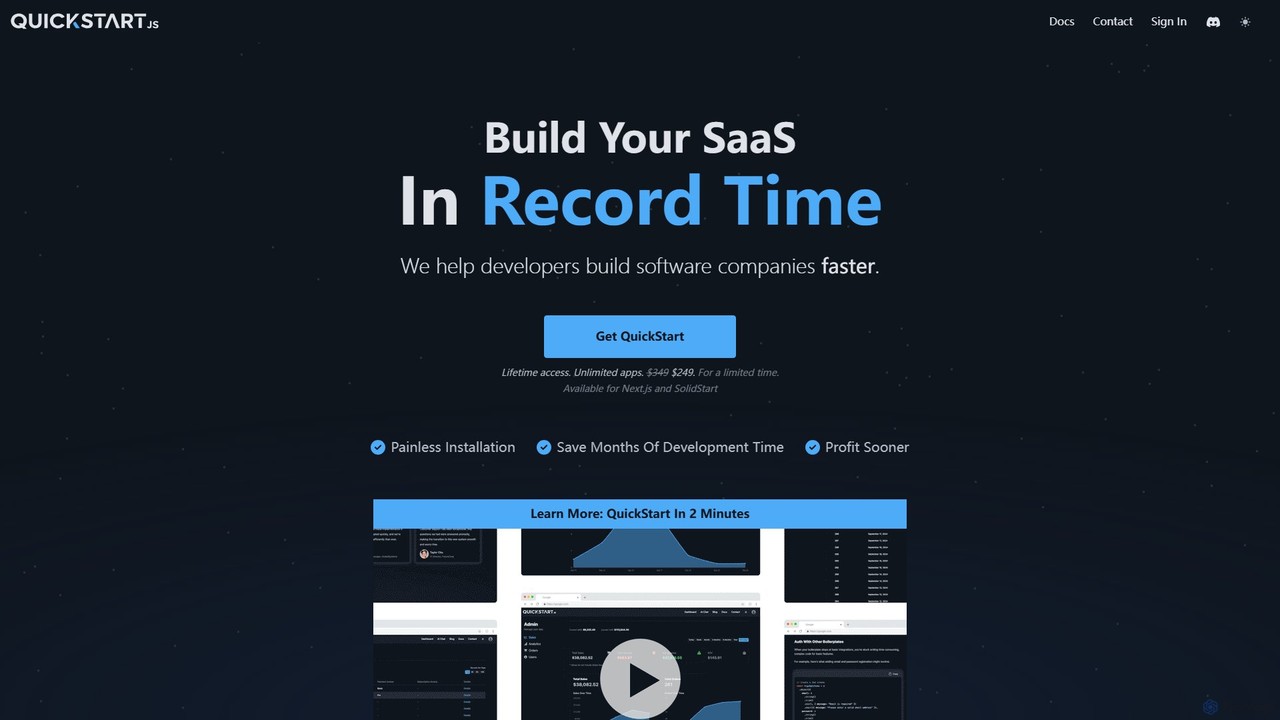
QuickStartJS is a production-ready SaaS boilerplate for Next.js and SolidStart, designed to help developers launch software companies in record time. It provides pre-built features like authentication, payments, AI chat, and an admin dashboard, saving months of development effort on boilerplate code.

Saas
Visits 6.3KFavorites 117Likes 125
Zeabur
Freemium

Zeabur

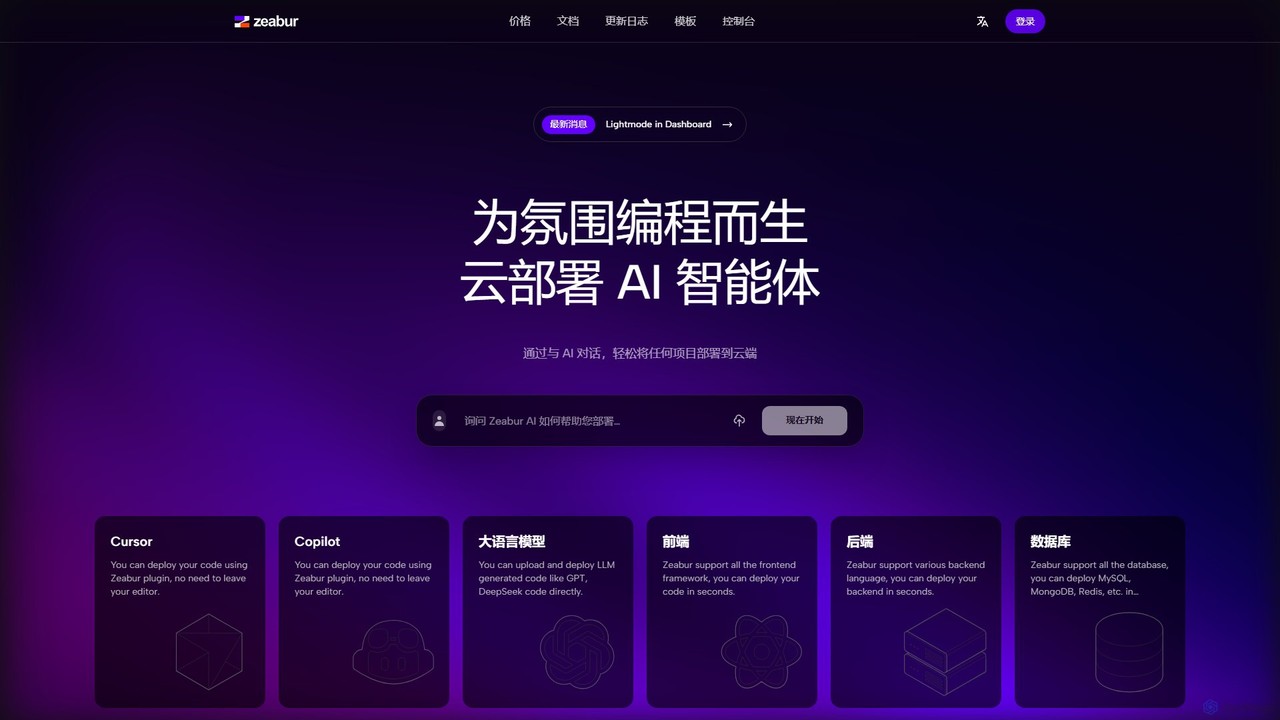
Zeabur is an AI-powered deployment platform (PaaS) designed for developers. It enables one-click deployment for any project, including front-end, back-end, databases, and AI agents, directly from code or through conversational AI. Featuring a pay-as-you-go model, automatic configuration, and auto-scaling, Zeabur simplifies cloud infrastructure, allowing developers to focus solely on coding.

Deployment
Visits 461.6KFavorites 154Likes 159
TableSprint
Freemium

TableSprint

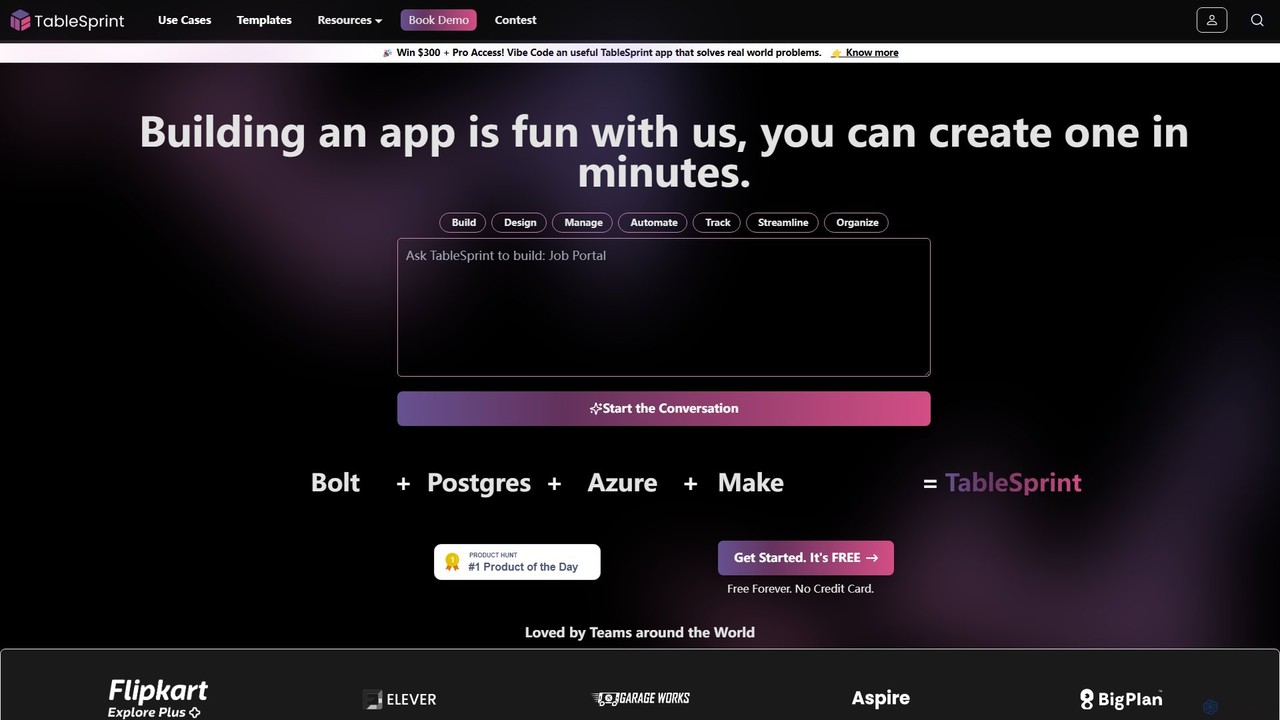
TableSprint is an AI-powered, no-code platform that enables businesses to build custom enterprise applications in minutes. With an intuitive Excel-like interface, users can create, manage, and automate workflows for tasks like project management, lead generation, and HR onboarding. It offers an all-in-one solution with a built-in database, AI assistance, and powerful integrations, eliminating the need for complex, multi-tool setups and empowering teams to build scalable solutions without technical expertise.

Application Builder
Visits 25.6KFavorites 157Likes 182
JIFFY.ai
Paid

JIFFY.ai

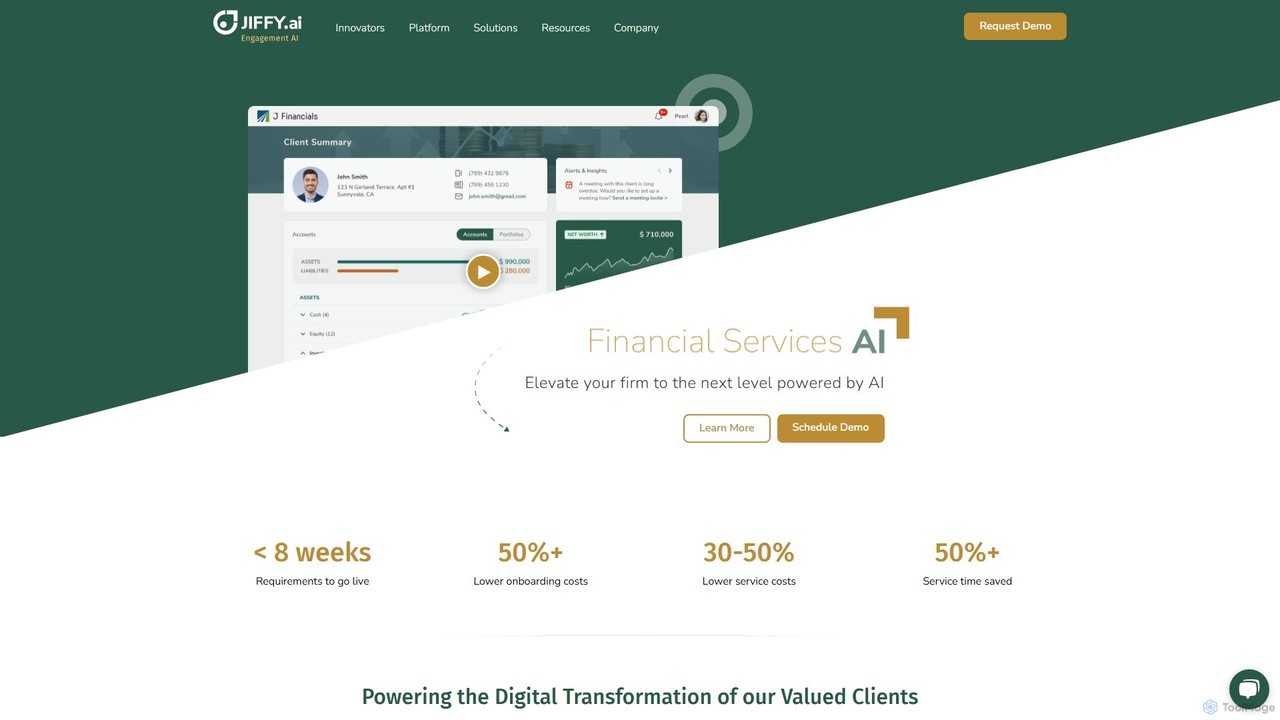
JIFFY.ai is an AI-powered, no-code intelligent automation platform designed for enterprise digital transformation. It empowers businesses, particularly in financial services, to automate complex processes, streamline operations, and enhance client engagement without writing a single line of code.

Automation
Visits 27.2KFavorites 171Likes 145

About No Code & Low Code

No-Code & Low-Code platforms are tools that enable users to build applications and automate workflows using visual interfaces with minimal to no traditional programming. These platforms utilize drag-and-drop components, pre-built templates, and visual logic builders to abstract away complex code. This approach dramatically accelerates the development cycle, empowers non-technical users to create their own solutions, and reduces the dependency on specialized development teams. As a key part of the Productivity ecosystem, these tools democratize software creation, allowing businesses to rapidly build and deploy internal tools, customer-facing websites, and mobile applications.

Core Features

  • Visual Development Interface: Build user interfaces and application logic using drag-and-drop editors instead of writing code.
  • Pre-built Components & Templates: Access a library of ready-to-use elements for forms, databases, user authentication, and more to speed up development.
  • Workflow Automation Builder: Visually map out business processes and automate tasks with conditional logic (if-this-then-that).
  • API & Data Integration: Easily connect to third-party services, databases, and APIs through pre-built connectors.
  • One-Click Deployment: Publish applications to the web or mobile app stores with a simplified, integrated process.

Use Cases

These tools are widely used by business analysts, marketing teams, operations managers, and entrepreneurs. Common applications include building custom internal dashboards, creating client relationship management (CRM) systems, launching marketing landing pages, automating data entry, and developing minimum viable products (MVPs) for startups.

How to Choose

When selecting a platform, consider the technical skill level of your team; pure no-code is for business users, while low-code offers more customization for developers. Evaluate the platform's scalability to handle future growth, its ecosystem of integrations with your existing tools, and the degree of customization it allows. Finally, analyze the pricing model (per user, per app, or usage-based) to ensure it aligns with your budget.

Featured tool rankings

No Code & Low Code use cases

1

Build a Custom Internal Tool for Inventory Management

An operations manager in a small e-commerce business struggles with tracking inventory using spreadsheets, leading to stockouts and manual errors. Using a no-code platform, they build a custom inventory management app. The app features a simple database to log products, forms to update stock levels, and a dashboard that displays real-time inventory data. Automated alerts are set up to notify the team when stock for a popular item drops below a certain threshold. This solution centralizes all inventory information, reduces manual data entry errors by over 90%, and provides the entire team with immediate, accurate stock visibility.

2

Automate a Lead Nurturing Marketing Workflow

A marketing specialist spends hours each week manually transferring leads from website forms to a CRM and then sending out initial welcome emails. This delay results in lost opportunities. By using a no-code automation tool, they create a visual workflow that connects their website, CRM, and email marketing service. The automation instantly triggers when a new form is submitted: it creates a new contact in the CRM, tags them based on their interests, and sends a personalized welcome email. This frees up several hours of manual work per week and ensures every new lead receives an immediate response, improving conversion rates.

3

Develop a Minimum Viable Product (MVP) for a Startup

A non-technical startup founder has an idea for a new service but lacks the budget to hire a full development team. To validate the concept quickly, they use a no-code app builder to create an MVP. They design the user interface, set up a database to manage user data, and integrate a payment gateway to test the business model. Within a few weeks, they launch a functional product to a small group of early adopters. This allows them to gather real-world user feedback and demonstrate traction to potential investors, all without writing a single line of code and at a fraction of the cost of traditional development.

4

Create an Interactive Client Portal for an Agency

A project manager at a creative agency finds that communicating project updates and sharing files via email is inefficient and leads to confusion. To streamline this process, they use a low-code platform to build a secure client portal. The portal allows clients to log in and view project timelines, access shared files, leave feedback directly on deliverables, and see real-time progress reports. The low-code aspect allows for custom branding and integration with their existing project management software. This portal centralizes communication, improves client transparency, and presents a more professional image for the agency.

5

Digitize a Paper-Based HR Onboarding Process

An HR coordinator is overwhelmed by the paperwork involved in onboarding new employees, from collecting personal information to getting policy acknowledgments. This manual process is slow and prone to errors. Using a no-code workflow automation tool, they design a digital onboarding journey. New hires receive a link to a secure online form where they can submit all necessary information and electronically sign documents. The submitted data automatically populates the HR system, and tasks are created for IT to set up equipment and for managers to schedule orientation. This digitizes the entire process, reducing onboarding time by 75% and eliminating paper waste.

6

Build a Dynamic Landing Page for a Marketing Campaign

A content marketer needs to launch a new landing page for a time-sensitive campaign but the development team has a long backlog. Waiting would mean missing the opportunity. Using a no-code website builder, the marketer designs and builds a professional landing page in a single day. They integrate a lead capture form that connects directly to their email marketing tool, embed a promotional video, and add analytics tracking. This empowers the marketing team to be more agile, allowing them to launch campaigns independently and A/B test different page variations quickly to optimize for conversions, without any reliance on technical resources.

No Code & Low Code FAQ

What are No-Code and Low-Code platforms?

No-Code and Low-Code platforms are software development environments that allow users to create applications through graphical user interfaces and configuration instead of traditional computer programming. No-code platforms are designed for business users with no coding knowledge, enabling them to build simple apps and automate workflows using drag-and-drop interfaces. Low-code platforms are for developers, providing a similar visual approach to accelerate development but also allowing them to write custom code for more complex functionality and integrations.

What is the main difference between No-Code and Low-Code?

The primary difference lies in the target user and the degree of customization allowed.

  • No-Code: Is strictly for non-technical users. It uses a purely visual, declarative approach where you define 'what' the app should do, not 'how'. Customization is limited to the platform's pre-built options.
  • Low-Code: Is for professional developers or technical users. It accelerates development with visual tools but allows for custom code to be added for complex logic, integrations, or unique UI elements. It offers a higher ceiling for scalability and customization.
In short, no-code is about empowerment, while low-code is about acceleration.

How do I choose the right No-Code or Low-Code tool?

To choose the right tool, evaluate your needs against these key factors:

  • Project Complexity: For simple internal tools, forms, or basic websites, a no-code platform is often sufficient. For complex applications with custom logic and high scalability needs, a low-code platform is more appropriate.
  • User Skillset: Who will be building and maintaining the application? If it's business users, choose a user-friendly no-code tool. If developers are involved, a low-code platform will better leverage their skills.
  • Integration Requirements: List all the other software (like CRMs, databases, or APIs) your application needs to connect with. Check if the platform has pre-built connectors for them.
  • Scalability and Security: Consider your future growth. Ensure the platform can handle an increase in users and data, and that it meets your organization's security and compliance standards.
What are the key benefits of using No-Code/Low-Code tools?

The primary benefits of adopting no-code and low-code platforms are centered around speed, cost, and accessibility. Key advantages include:

  • Increased Agility: Teams can build, test, and deploy applications in a fraction of the time it takes with traditional development, allowing for faster response to market changes.
  • Reduced Costs: Lowers the reliance on expensive, specialized developers and reduces the overall development and maintenance budget.
  • Empowerment of Business Users: Enables non-technical employees ('citizen developers') to solve their own problems by building the tools they need, reducing the burden on IT departments.
  • Improved Collaboration: The visual nature of these platforms makes it easier for business stakeholders and developers to collaborate on application design and functionality.
Are there any limitations to No-Code/Low-Code platforms?

Yes, while powerful, these platforms have potential limitations. It's important to be aware of them:

  • Vendor Lock-in: Applications built on a specific platform are often difficult or impossible to migrate to another service or host independently.
  • Customization Constraints: No-code platforms, in particular, may not support highly unique or complex functionalities that fall outside their pre-built capabilities.
  • Performance at Scale: For applications with extremely high user loads or complex data processing, a solution built with traditional code may offer better performance and optimization.
  • Security and Governance: The ease of creation can lead to 'shadow IT,' where departments build apps without IT oversight, potentially creating security vulnerabilities or data silos.