Development Best in category 4 results Boilerplates AI Tool

Popular AI tools in the Boilerplates field of Development include SaaS Boilerplates、Supanext、Bullship、launchpadquick, etc., helping you quickly improve efficiency.

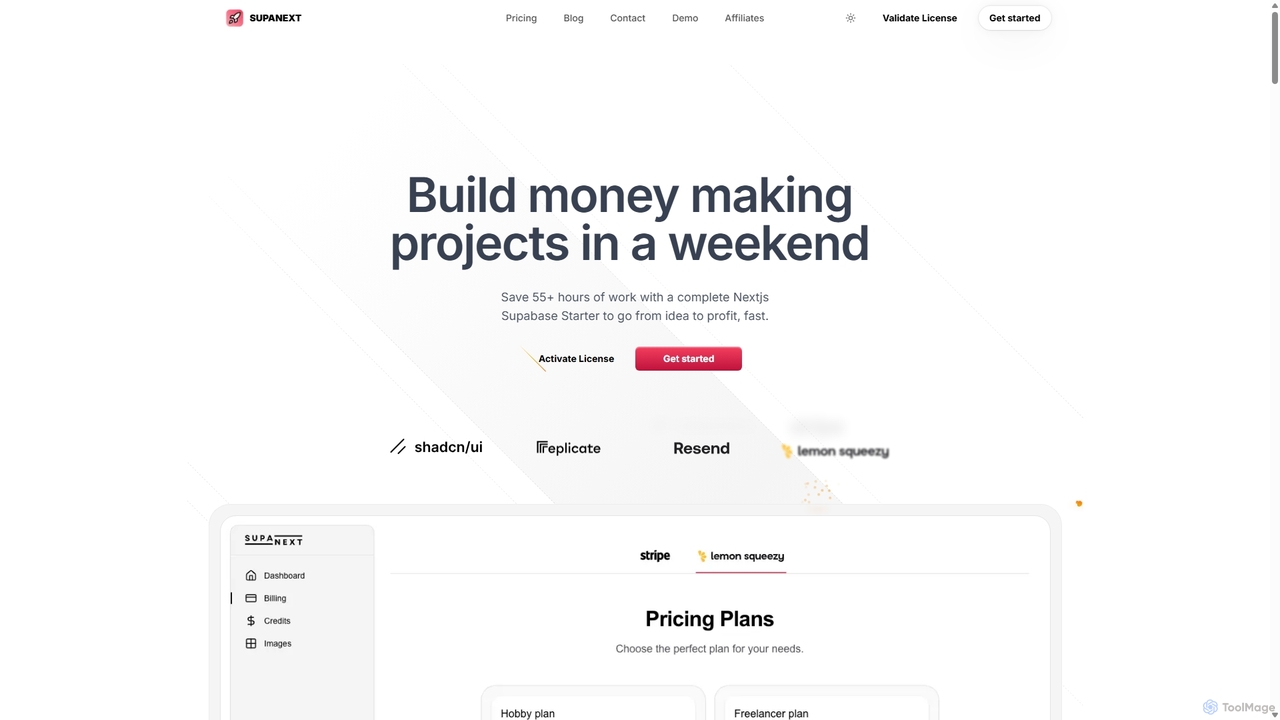
Supanext

Supanext

Supanext is a comprehensive Next.js Supabase SaaS starter kit designed for developers to rapidly build and launch AI …

2.9K
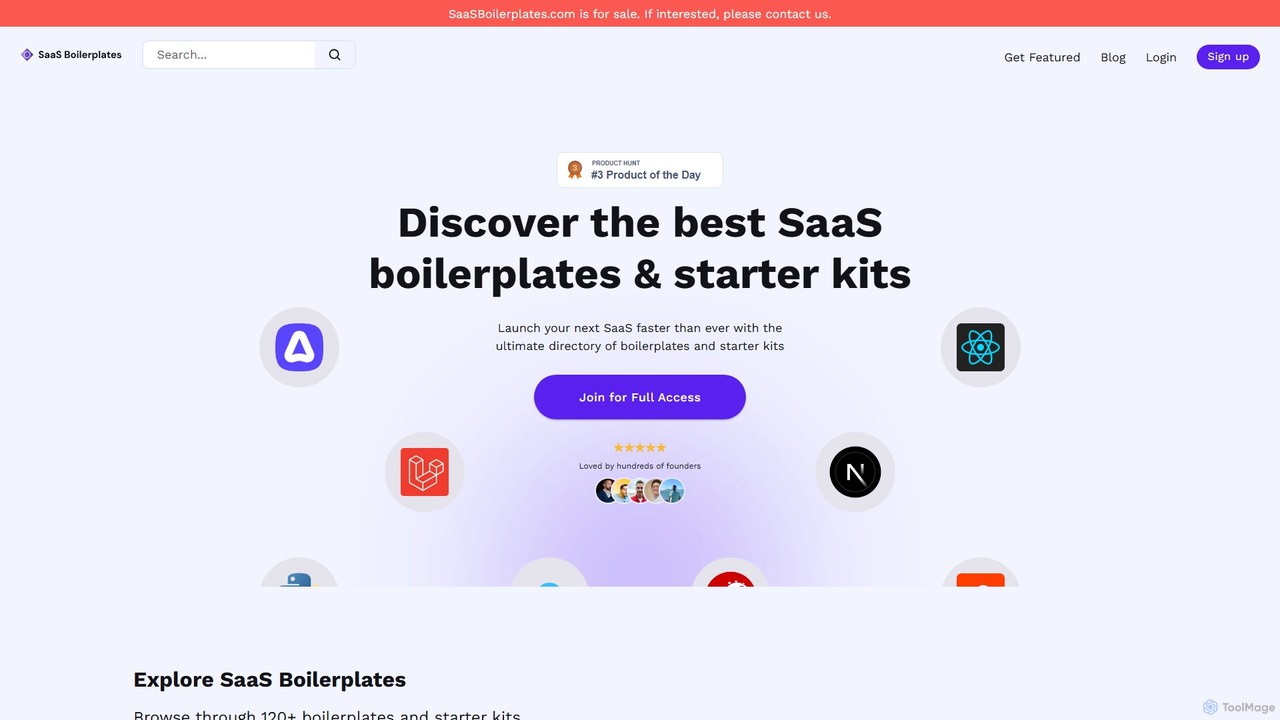
SaaS Boilerplates

SaaS Boilerplates

An extensive directory of SaaS boilerplates and starter kits designed to help developers and founders launch their applications …

3.5K
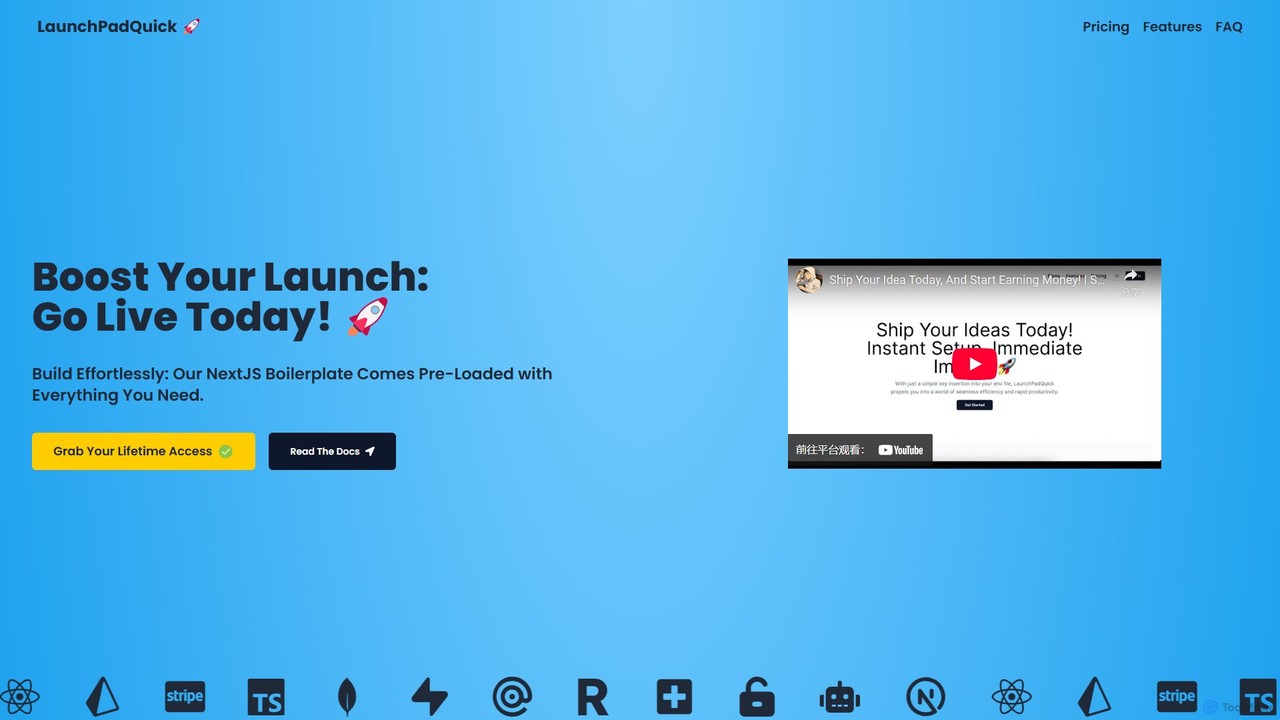
launchpadquick

launchpadquick

LaunchPadQuick is a production-ready Next.js 14 SaaS boilerplate designed to help developers launch AI-powered applications rapidly. It comes …

2.3K
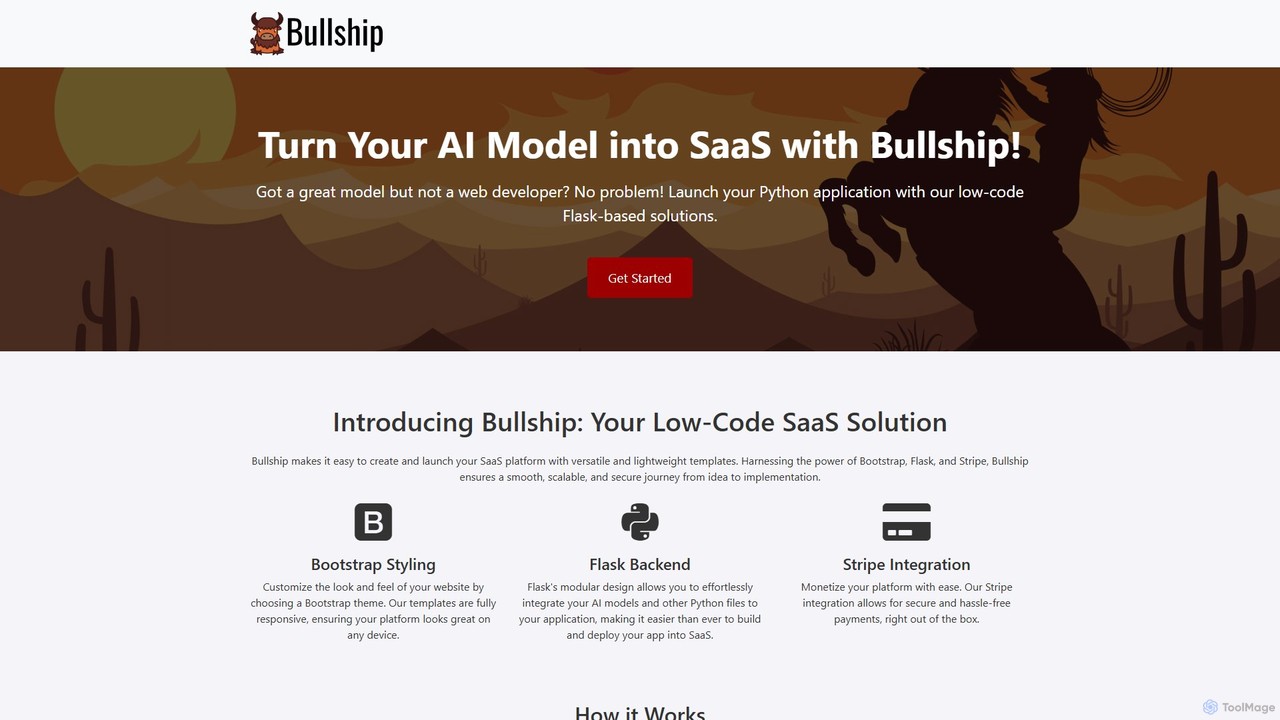
Bullship

Bullship

Bullship is a low-code platform designed to help developers and entrepreneurs quickly transform their AI models and Python …

2.4K

About Boilerplates

AI Boilerplates are advanced, pre-configured code templates designed to accelerate the initial setup of software projects. They leverage AI to generate and customize foundational code, including project structure, build scripts, and essential integrations. This allows developers to bypass repetitive setup tasks and focus directly on building unique application features. These boilerplates often come with pre-integrated technology stacks, such as authentication, database connections, and payment gateways.

Core Features

  • Automated Scaffolding: Generates a complete project structure with necessary files and configurations based on user-defined parameters.
  • Integrated Tech Stacks: Provides ready-to-use integrations for popular services like authentication (e.g., Clerk, Auth0), databases (e.g., Supabase, PostgreSQL), and payment processing (e.g., Stripe).
  • AI-Powered Customization: Utilizes AI to suggest or generate code snippets, API routes, or data models based on natural language prompts.
  • Deployment-Ready Configurations: Includes pre-configured CI/CD pipelines and deployment scripts for platforms like Vercel, Netlify, or AWS.

Use Cases

AI Boilerplates are primarily used by software developers, startups, and freelance engineers. They are particularly valuable for rapidly building Minimum Viable Products (MVPs), prototyping new ideas, or starting new client projects. Enterprise teams also use them to standardize their technology stack and development practices across multiple projects, ensuring consistency and quality.

How to Choose

When selecting an AI Boilerplate, consider the supported technology stack (e.g., Next.js, Python, Go) to ensure it matches your project's needs. Evaluate the scope of pre-built features, such as user authentication, subscription management, and admin dashboards. Also, assess the level of AI integration, the quality of documentation, community support, and the pricing model (one-time purchase vs. subscription).

BoilerplatesUse Cases

1

Launch a SaaS MVP in Days, Not Months

A startup founder with a great idea but limited time and resources can use an AI Boilerplate to build a Minimum Viable Product (MVP). Instead of spending weeks setting up user authentication, database schemas, and payment processing, they select a boilerplate with these features pre-integrated. The boilerplate generates a fully functional codebase, allowing the founder to immediately start developing the core, unique features of their SaaS application. This approach can reduce initial development time by up to 80%, enabling faster market validation.

2

Rapid Prototyping for Hackathons and Demos

A development team participating in a hackathon needs to build a functional prototype within 48 hours. By using an AI Boilerplate, they can skip the entire environment setup process. They choose a template that matches their preferred tech stack (e.g., Next.js and Supabase). Within minutes, they have a running application with a connected database and user login capabilities. This allows the team to dedicate nearly all their time to implementing the innovative features for their hackathon project, significantly increasing their chances of delivering a compelling demo.

3

Standardize Enterprise Development Practices

A tech lead at a large corporation wants to ensure all new web applications follow a consistent architectural pattern and security standard. They customize an AI Boilerplate to include the company's specific logging libraries, design system components, and security protocols. This customized boilerplate is then distributed to all development teams. When a new project starts, the team uses this standard template, ensuring every application is built on an approved, secure, and consistent foundation, which simplifies maintenance and onboarding of new developers.

4

Build an AI-Native Application with Integrated SDKs

A developer is creating an application that heavily relies on AI, such as a content generation platform. They choose an AI Boilerplate specifically designed for AI-native apps. This boilerplate comes with pre-installed and configured SDKs for large language models (like OpenAI's API), vector databases, and other machine learning tools. It also includes example code for common AI tasks, such as creating embeddings or setting up a RAG pipeline. This saves the developer significant time on integration and allows them to focus on the novel AI logic of their application.

5

Accelerate Freelance Client Projects

A freelance web developer takes on multiple client projects simultaneously. To maintain high quality and meet tight deadlines, they use an AI Boilerplate as the starting point for each new project. This allows them to quickly set up common features like a contact form, a blog, and SEO metadata. For a client needing an e-commerce site, they choose a boilerplate with Stripe integration. This standardization streamlines their workflow, reduces the chance of errors, and allows them to deliver projects faster, increasing their overall profitability.

6

Create a Personal Blog or Portfolio Site

A software developer wants to create a personal portfolio website to showcase their projects and write technical articles. They choose a boilerplate based on a modern static site generator like Next.js or Astro. The boilerplate provides a clean, responsive design, integration with a headless CMS (like Sanity or Contentful) for easy content management, and built-in SEO optimizations. Using this template, the developer can have a professional-looking and high-performing site live in just a few hours, focusing their effort on writing content rather than on web development intricacies.

BoilerplatesFrequently Asked Questions