ToolMage
Sign in

Best 10 Ai Development AI tools for Development

Popular Ai Development AI tools in Development include AI SDK Agents, Jentic, Draftnrun, Sparrow Studio, BuildFastWithAI, Modaic, Shakespeare, Varchive, Dank, and Pinacle, helping you work more efficiently.

Jentic
Freemium

Jentic

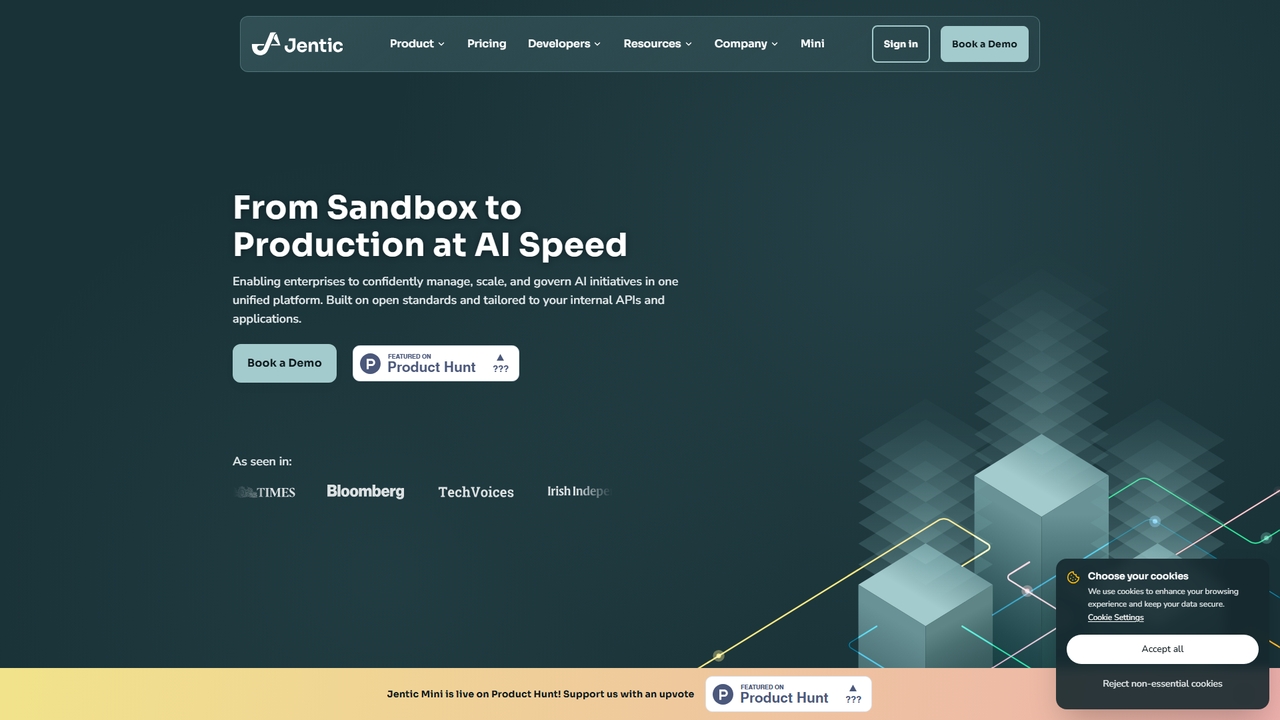
Jentic is an enterprise AI automation platform that provides the secure execution layer between AI agents and internal APIs. It enables organizations to safely manage, scale, and govern AI initiatives by unifying API integration, workflow orchestration, and centralized governance within a single, vendor-neutral platform built on open standards like OpenAPI and Arazzo.

Enterprise Software
Visits 12.7KFavorites 41Likes 56
Modaic

Modaic

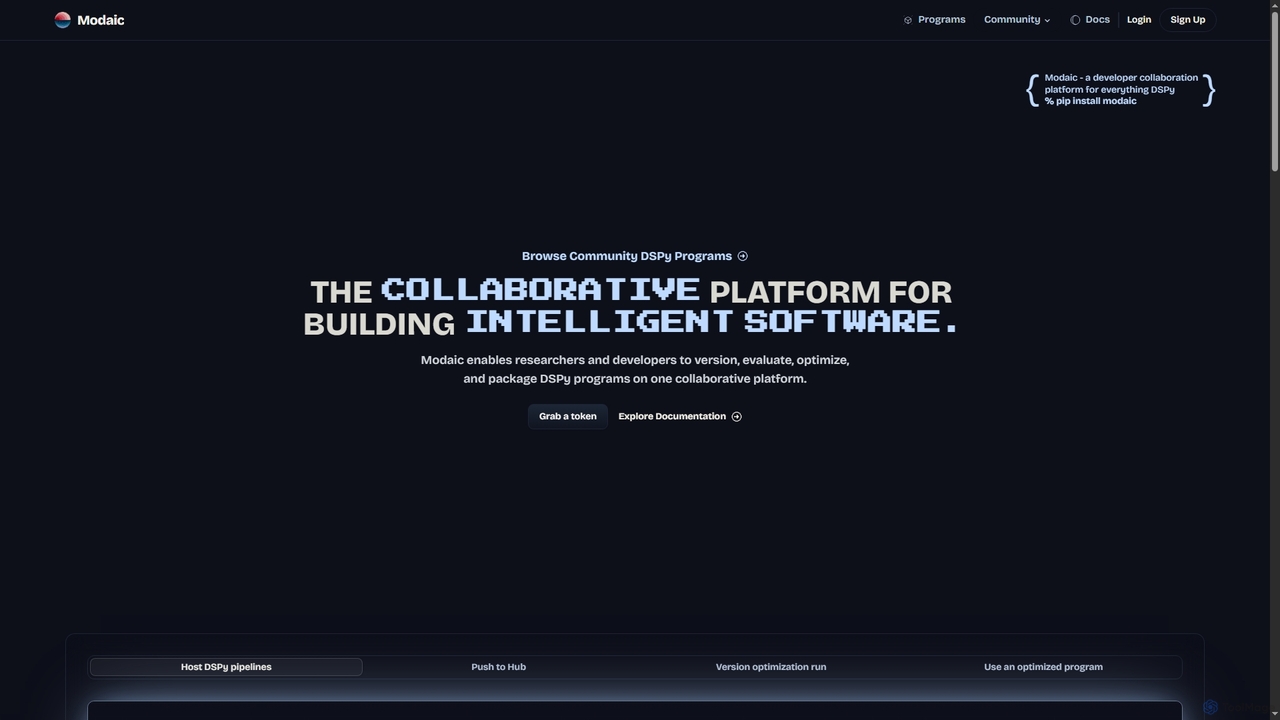
Modaic is a collaborative platform designed for researchers and developers to build, version, evaluate, optimize, and package DSPy programs and intelligent software. It accelerates the entire AI development workflow from code to deployment, focusing on declarative AI.

Developer Collaboration
Visits 7.1KFavorites 46Likes 58
BuildFastWithAI
Paid

BuildFastWithAI

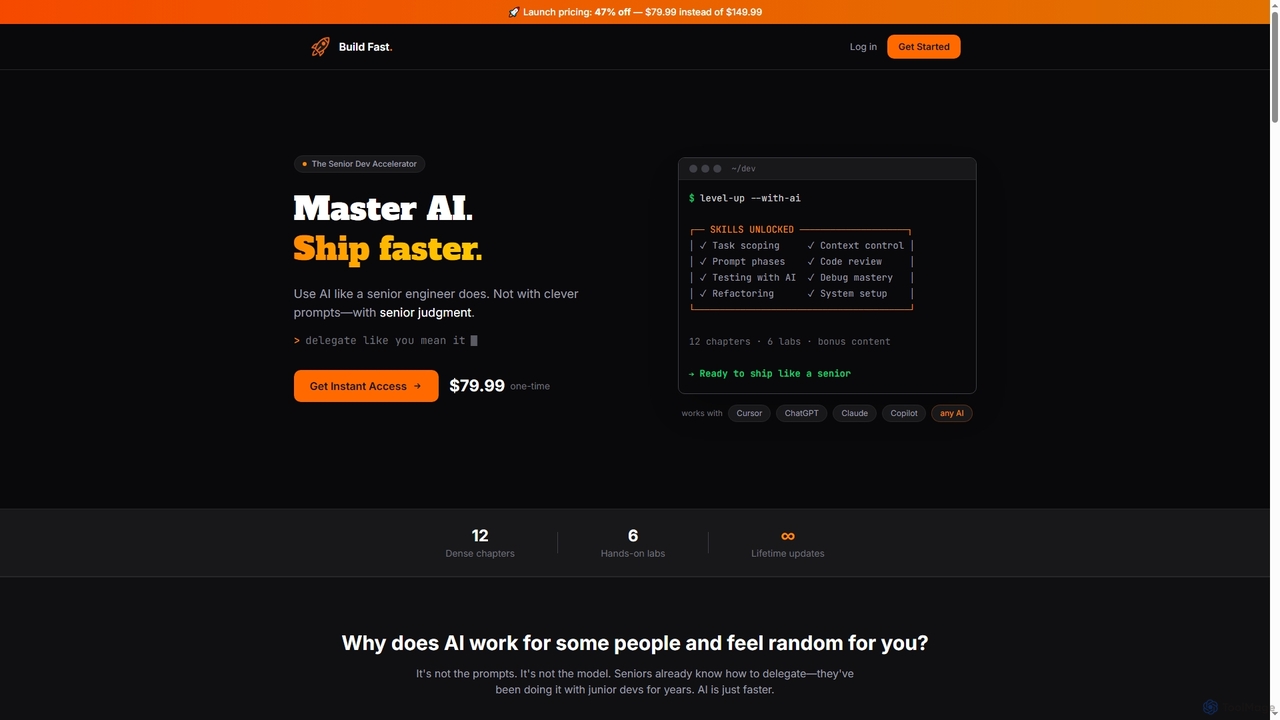
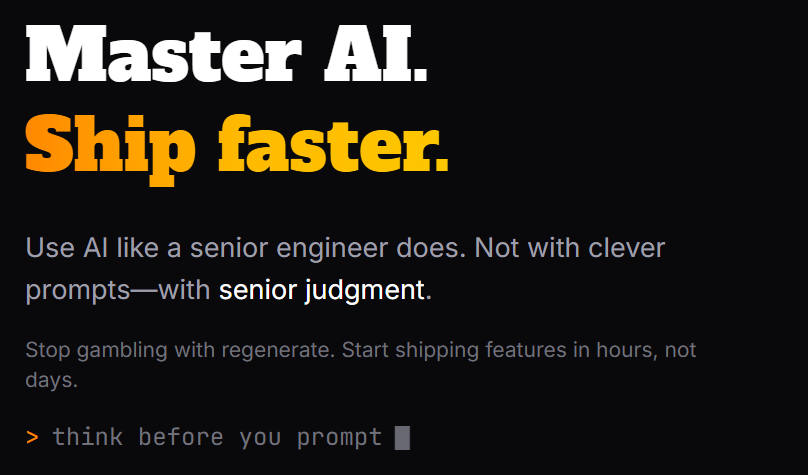
BuildFastWithAI is an online accelerator designed for experienced developers to master AI coding. Learn senior engineer mental models and frameworks to ship features 5-10x faster, get consistent AI outputs, and confidently review AI-generated code, working with any AI tool.

Ai Development
Visits 7.4KFavorites 54Likes 65
Varchive

Varchive

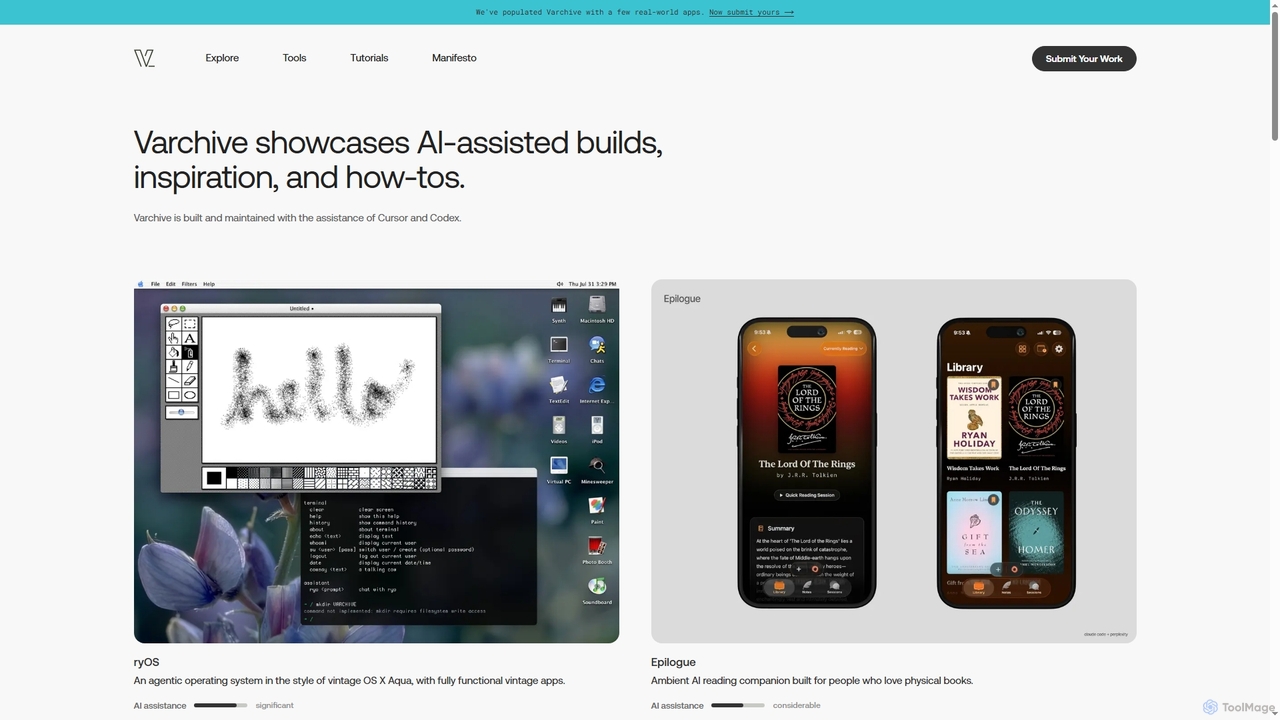
Varchive is a curated directory showcasing AI-assisted products, projects, and experiments. It serves as a comprehensive resource hub offering interactive tutorials and a catalog of AI tools for building, generating, and writing. It also functions as an experimental platform for AI-assisted development.

Ai Development
Visits 6.5KFavorites 82Likes 76
Dank
Freemium

Dank

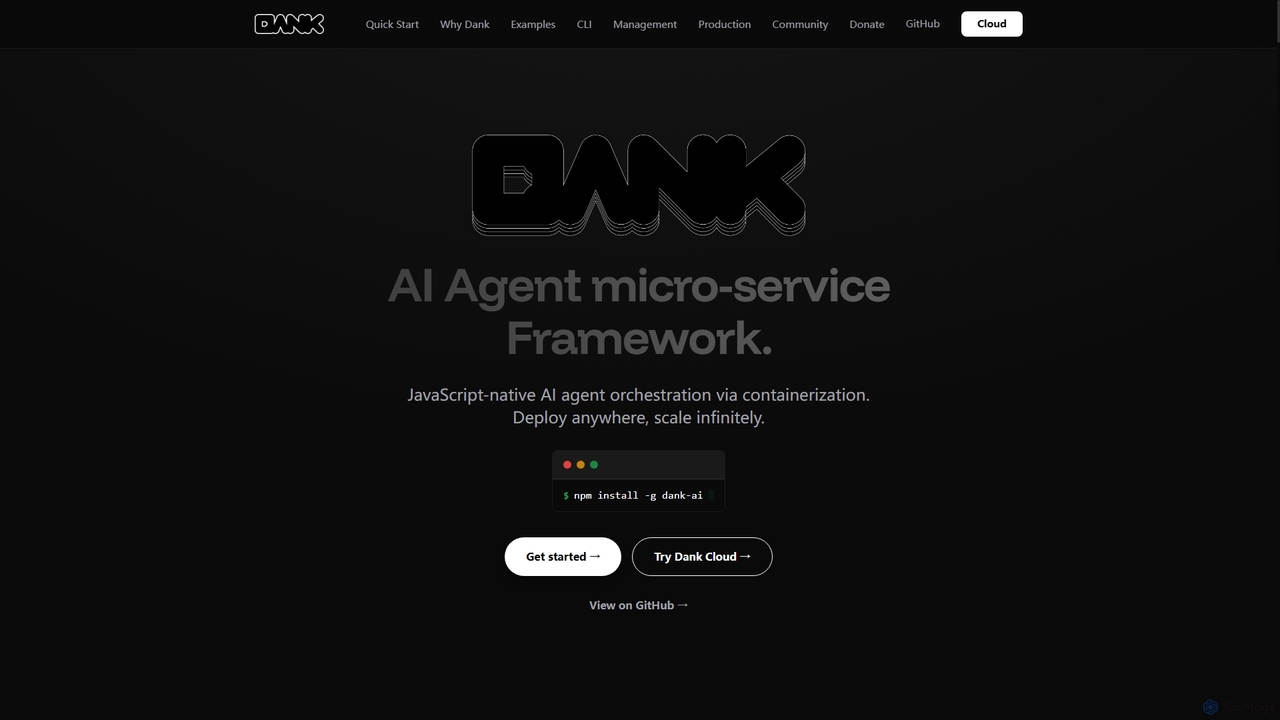
Dank is a JavaScript-native, open-source framework for orchestrating and deploying containerized AI agents. It enables developers to build, manage, and scale multiple AI agents as microservices across any cloud infrastructure, simplifying complex AI deployments with Docker-native architecture and real-time monitoring.

Agent Frameworks
Visits 6.4KFavorites 153Likes 160
Pinacle
Paid

Pinacle

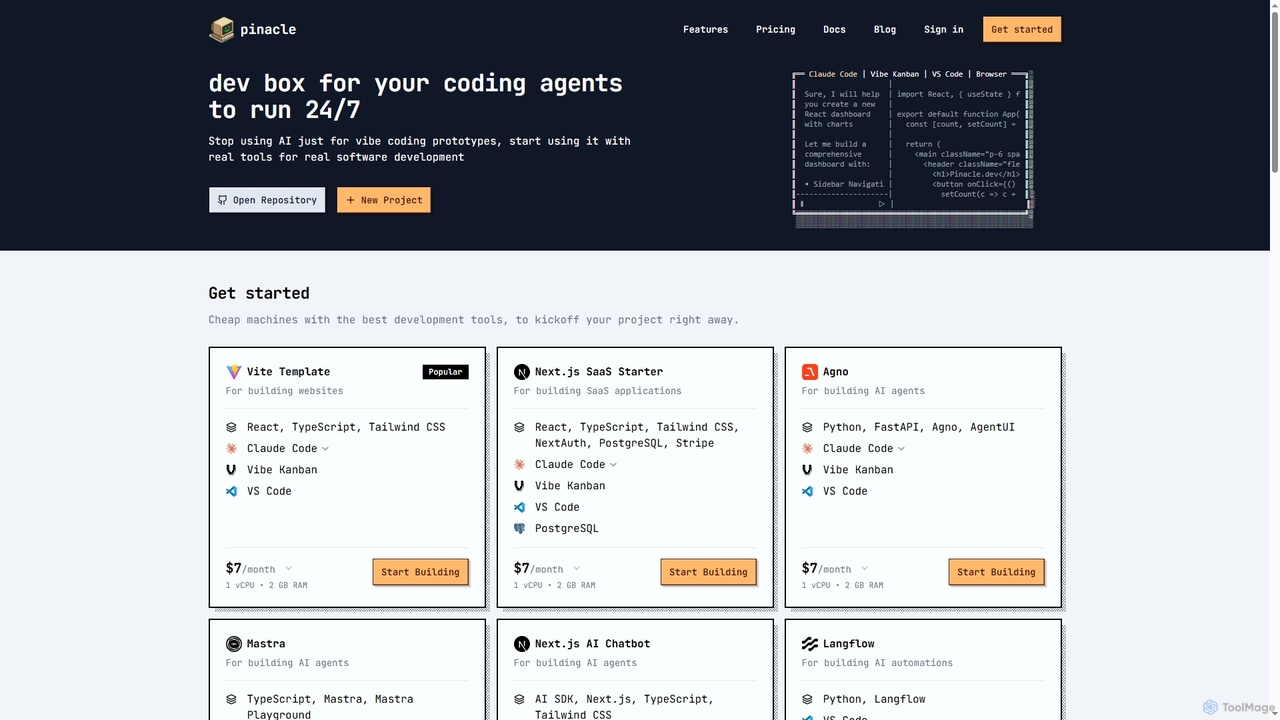
Pinacle provides instant, browser-based cloud development environments (VMs) designed for real software development and 24/7 AI agent operations. It offers pre-configured stacks, root access, and integrates popular tools like VS Code, enabling developers to build, test, and deploy projects without local setup complexities.

Code Collaboration
Visits 6.4KFavorites 111Likes 117
Draftnrun
Freemium

Draftnrun

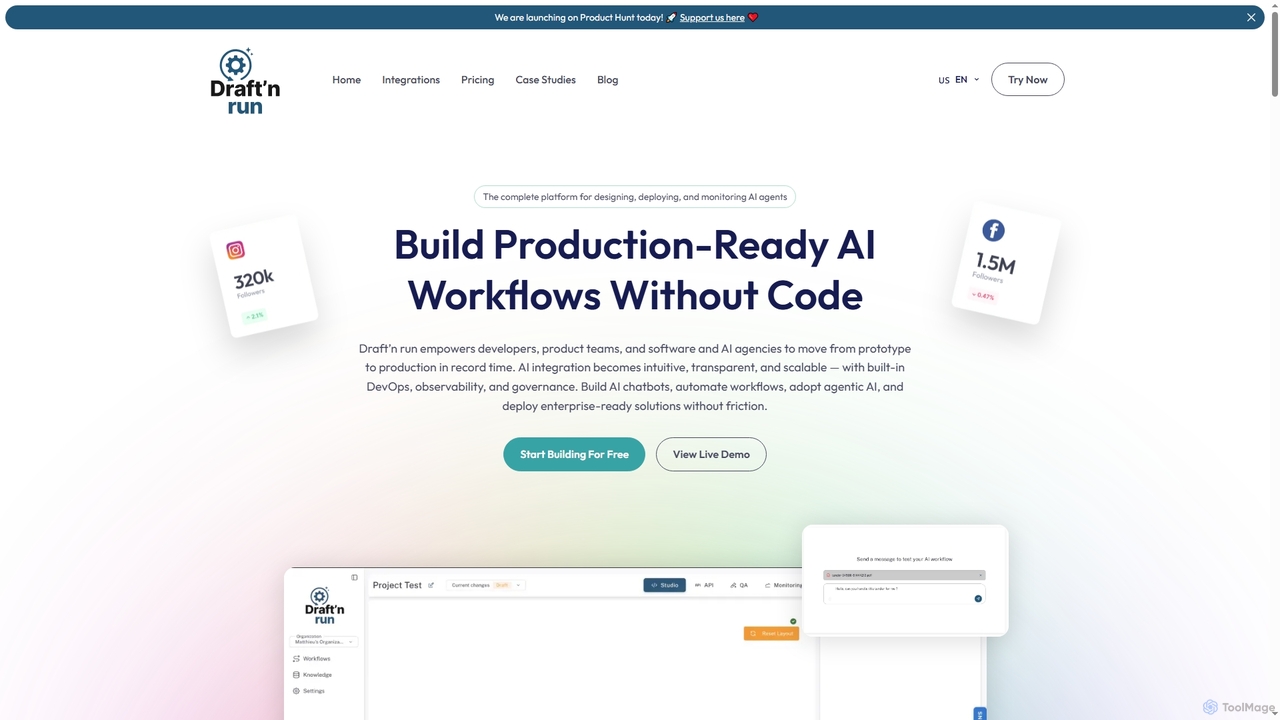
Draftnrun is an open-source AI agent platform that empowers developers, product teams, and agencies to design, deploy, and monitor production-ready AI workflows without code. It offers a visual builder, comprehensive observability, and flexible deployment options, accelerating AI integration and ensuring full control.

Chatbot
Visits 8.7KFavorites 122Likes 123
Shakespeare

Shakespeare

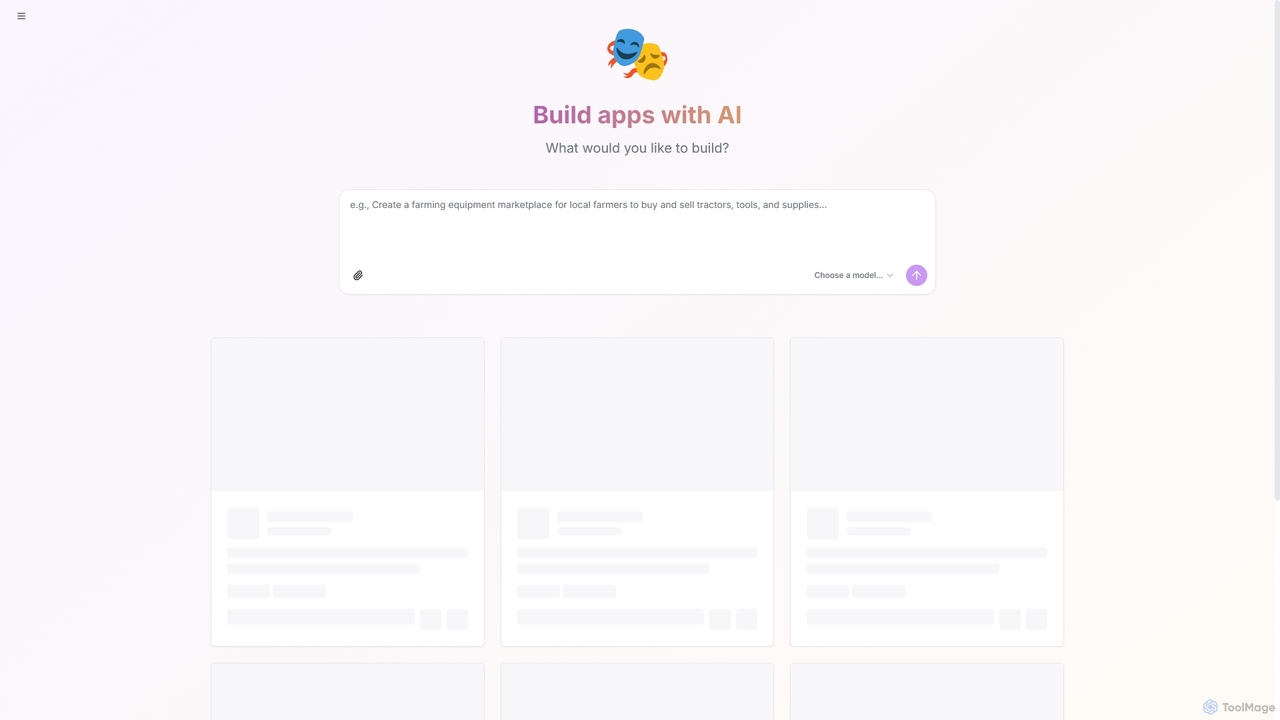
Shakespeare is an open-source AI builder designed for developers to create custom AI applications. It provides a platform to select and utilize various AI models, enabling the rapid development and deployment of intelligent solutions.

Ai Development
Visits 6.6KFavorites 126Likes 107
AI SDK Agents
Paid

AI SDK Agents

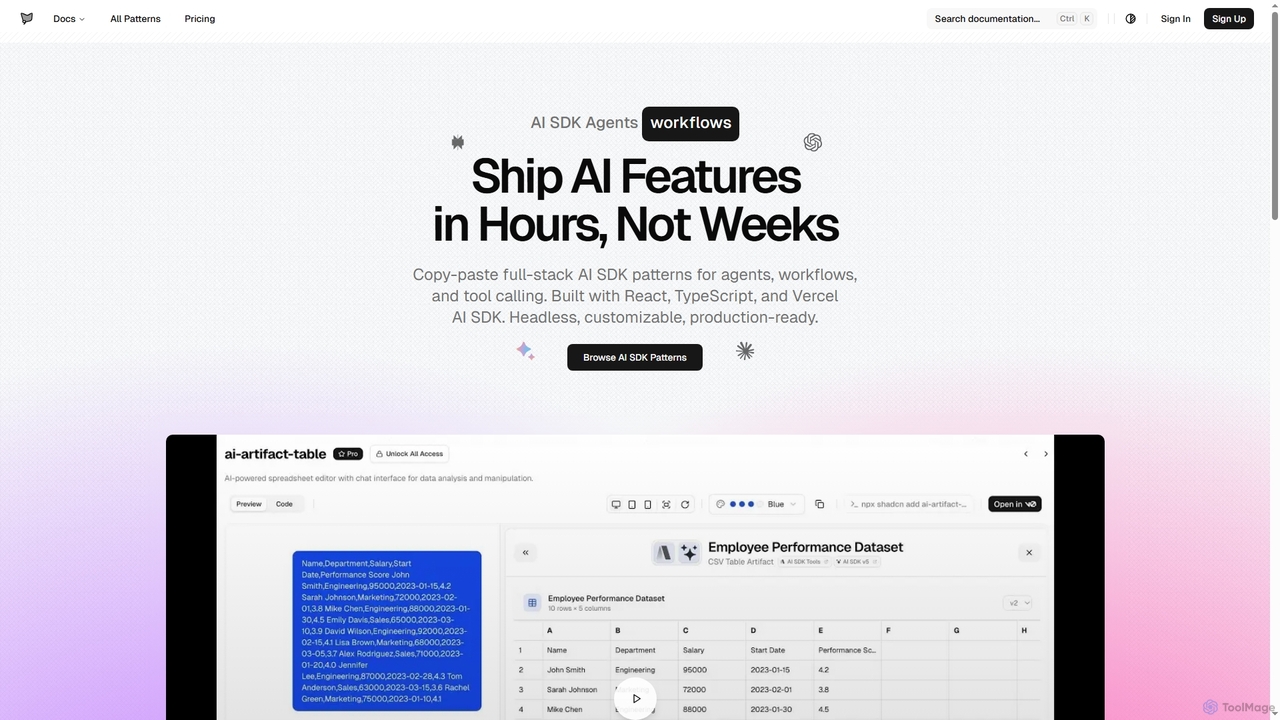
AI SDK Agents provides production-ready React components for rapidly building AI applications. Leverage copy-paste patterns for agents, workflows, tool calling, and streaming responses, built with React, TypeScript, and Vercel AI SDK. Accelerate your AI feature development from weeks to hours, ensuring customizable and headless integration into your projects.

Ui Components
Visits 65.1KFavorites 139Likes 159
Sparrow Studio
Paid

Sparrow Studio

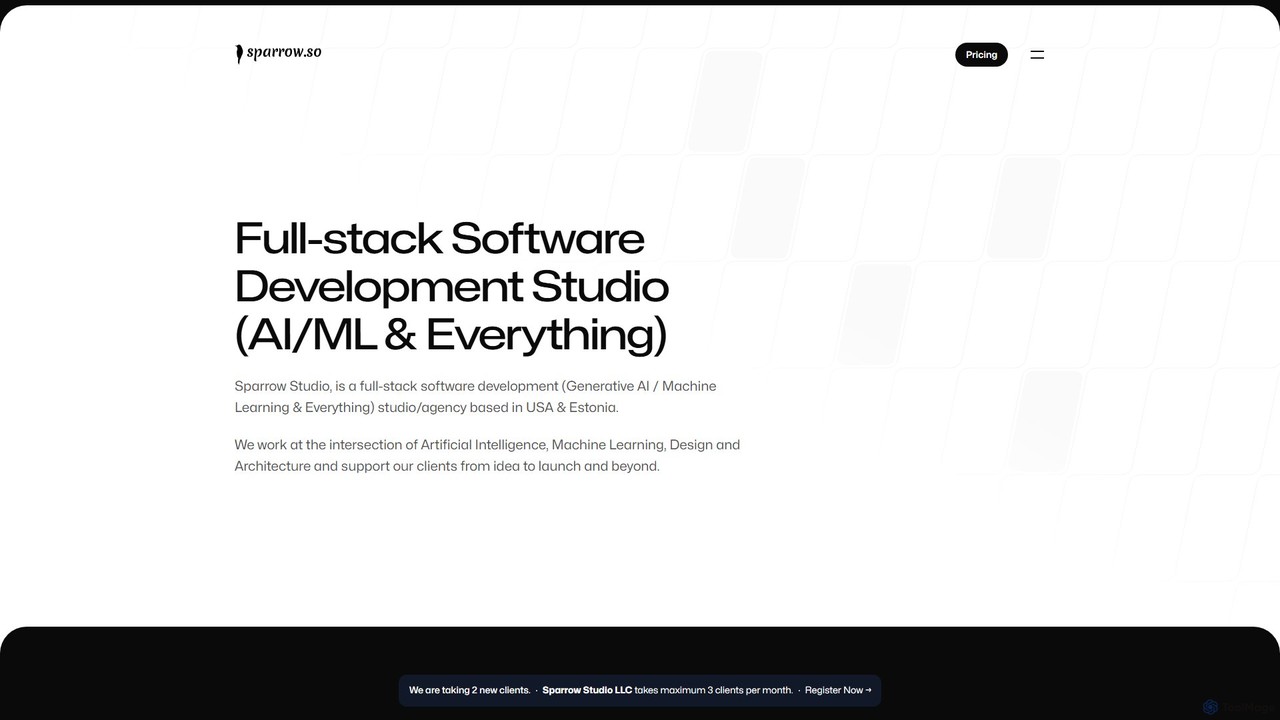
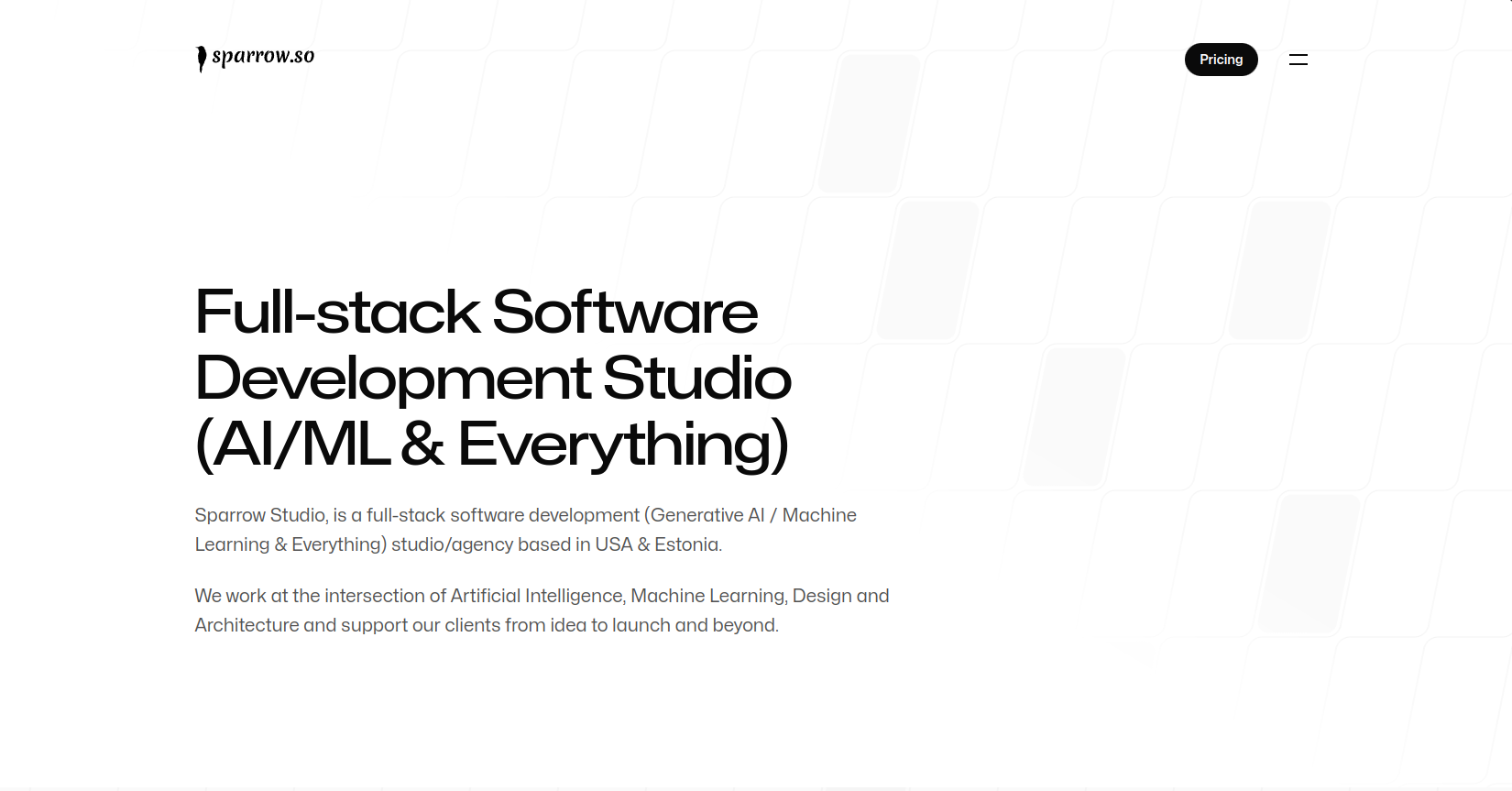
Sparrow Studio is a full-stack software development agency specializing in creating custom Generative AI and Machine Learning applications. Led by a senior software engineer, they offer end-to-end services from idea to launch, including MVP development, cloud engineering, and legacy system modernization. They provide flexible, subscription-based development services for startups and established businesses, transforming complex ideas into scalable, intelligent software solutions.

Consulting
Visits 8.2KFavorites 134Likes 146

About Ai Development

AI Development tools are specialized platforms, libraries, and frameworks designed to build, train, and deploy machine learning models. These tools provide the essential infrastructure for the entire MLOps (Machine Learning Operations) lifecycle, from data preprocessing and experiment tracking to model versioning and scalable deployment. They empower developers and data scientists to create custom AI solutions, automate complex tasks, and integrate intelligence into applications. By streamlining technical workflows, these tools significantly accelerate the path from a conceptual AI model to a production-ready service.

Core Features

  • Integrated Development Environments (IDEs): Provides specialized coding environments, often with Jupyter Notebook support, optimized for data science and model experimentation.
  • Model Training & Optimization: Offers frameworks and computing resources (like GPU access) to efficiently train complex neural networks and other machine learning models.
  • MLOps & Deployment: Includes tools for versioning datasets and models, monitoring performance in production, and deploying models as scalable APIs.
  • Data Preprocessing & Management: Features functionalities for cleaning, labeling, augmenting, and transforming large datasets to prepare them for training.
  • Pre-built Models & APIs: Often provides access to foundational models or pre-trained algorithms that can be fine-tuned for specific tasks, reducing development time.

Applicable Scenarios

AI Development tools are crucial for technology companies, research institutions, and enterprises aiming to build proprietary AI capabilities. They are used by machine learning engineers to create fraud detection systems in finance, by data scientists to build recommendation engines for e-commerce, and by researchers to explore new deep learning architectures. Any project that requires a custom-trained model beyond simple API calls will rely on these tools.

Selection Criteria

When choosing an AI Development tool, consider the required programming languages and frameworks (e.g., Python, TensorFlow, PyTorch). Evaluate its scalability and whether it supports cloud, on-premise, or hybrid deployments. Assess the comprehensiveness of its MLOps features for managing the model lifecycle. Finally, consider the team's expertise; some platforms offer low-code interfaces for faster prototyping, while others provide deep control for expert users.

Featured tool rankings

Ai Development use cases

1

Build a Custom Customer Service Chatbot

A machine learning engineer at an e-commerce company needs to create a chatbot that understands company-specific product queries. Using an AI development platform, they access a pre-trained language model and fine-tune it on their internal knowledge base and past customer service transcripts. The platform's integrated environment allows for rapid experimentation with different model parameters. Once trained, the model is deployed as a scalable API endpoint via the platform's MLOps features, handling thousands of customer queries daily with high accuracy.

2

Develop a Medical Image Analysis Model

A data scientist at a healthcare tech startup is tasked with creating a model to detect anomalies in MRI scans. They use an AI development framework with strong support for computer vision, like PyTorch or TensorFlow. The framework provides tools for data augmentation to expand their limited dataset of medical images. They train a convolutional neural network (CNN) on a cloud-based GPU instance managed by the platform. The platform's experiment tracking feature logs every training run, allowing them to compare results and select the best-performing model for further validation.

3

Create a Real-Time Fraud Detection System

A developer at a fintech company is building a system to identify fraudulent transactions. Using a machine learning library like Scikit-learn within an AI development platform, they train a classification model on a historical dataset of transactions. The platform helps manage the entire workflow, from feature engineering to model evaluation. After achieving satisfactory performance, the model is packaged and deployed into the company's production environment using the platform's deployment tools, allowing it to score millions of transactions in real-time and flag suspicious activity instantly.

4

Optimize Supply Chain with Demand Forecasting

A data analyst for a large retail corporation needs to predict product demand to optimize inventory levels. They use an AI development platform that integrates with their existing data warehouses. They build a time-series forecasting model using libraries like Prophet or ARIMA. The platform's notebook environment allows them to visualize historical sales data, identify trends, and validate the model's accuracy. The resulting forecasts are then fed into the inventory management system, reducing overstocking by 15% and minimizing stockouts during peak seasons.

5

Automate Document Classification and Data Extraction

An operations manager at a law firm wants to automate the process of sorting and extracting information from legal documents. Using a low-code AI development platform, they train a custom text classification model to categorize documents (e.g., contracts, motions, discovery). They also build a named-entity recognition (NER) model to extract key information like names, dates, and case numbers. The platform allows them to build this workflow with minimal coding, and the deployed solution reduces manual document processing time by over 70%.

6

Personalize E-commerce User Experience

A data science team at an online retailer aims to improve product recommendations. They use an AI development platform to build and train a collaborative filtering model based on user browsing history and purchase data. The platform provides scalable computing resources to process terabytes of data. After training, the model is A/B tested using the platform's deployment features. The new recommendation engine, deployed as a microservice, leads to a 10% increase in user engagement and a 5% uplift in conversion rates by showing more relevant products to each user.

Ai Development FAQ

What are AI Development tools?

AI Development tools are a broad category of software that facilitates the creation, training, and deployment of machine learning models. Unlike general-purpose coding editors, they provide specialized environments and functionalities for the entire AI lifecycle. This includes data preprocessing, model building with frameworks like TensorFlow or PyTorch, experiment tracking, and deploying models into production environments. They are essential for anyone building custom AI solutions, from data scientists to ML engineers.

How to choose the right AI Development tool?

Choosing the right tool depends on several factors. Consider the following:

  • Project Complexity: For simple tasks, a low-code platform might suffice. For complex, custom models, you'll need a powerful framework like PyTorch or a comprehensive MLOps platform.
  • Team Expertise: Select a tool that matches your team's programming skills (e.g., Python, R) and familiarity with machine learning concepts.
  • Scalability: Ensure the tool can handle your data volume and provides scalable computing resources (e.g., cloud GPUs) for training and deployment.
  • Ecosystem & Integration: Check for compatibility with your existing data sources, cloud providers, and other development tools.
What's the difference between an AI Development platform and a general IDE?

A general IDE (Integrated Development Environment) like VS Code or PyCharm is designed for broad software development. While you can write AI code in them, an AI Development platform is specifically tailored for the machine learning workflow. Key differences include integrated MLOps features for experiment tracking and deployment, built-in support for large dataset management, and seamless access to specialized hardware like GPUs and TPUs. AI platforms aim to unify the entire process from data to deployment, whereas a general IDE is just one component of that process.

Who are AI Development tools for?

These tools serve a range of professionals involved in creating AI-powered products. The primary users are:

  • Machine Learning Engineers: They use these tools to build, train, and deploy robust, production-grade models.
  • Data Scientists: They leverage them for experimentation, data analysis, and developing predictive models.
  • AI Researchers: They use frameworks and platforms to implement and test new algorithms and architectures.
  • Software Developers: They use these tools to integrate pre-trained models or custom AI functionalities into their applications.
  • Data Analysts: Increasingly, they use low-code AI platforms to build simple models for forecasting and classification without deep coding knowledge.
Do I need to be a machine learning expert to use these tools?

Not necessarily. The field of AI development tools spans a wide spectrum of complexity. While core libraries like TensorFlow and PyTorch require a strong understanding of machine learning and programming, there is a growing number of low-code and no-code AI platforms. These platforms abstract away much of the complexity, allowing users with domain expertise but less technical skill (like business analysts or product managers) to build and deploy simple AI models for tasks like classification or forecasting. The choice of tool should align with your skill level and project goals.