Development Best in category 1 results Agile Development AI Tool

Popular AI tools in the Agile Development field of Development include User Story Generator, etc., helping you quickly improve efficiency.

Free
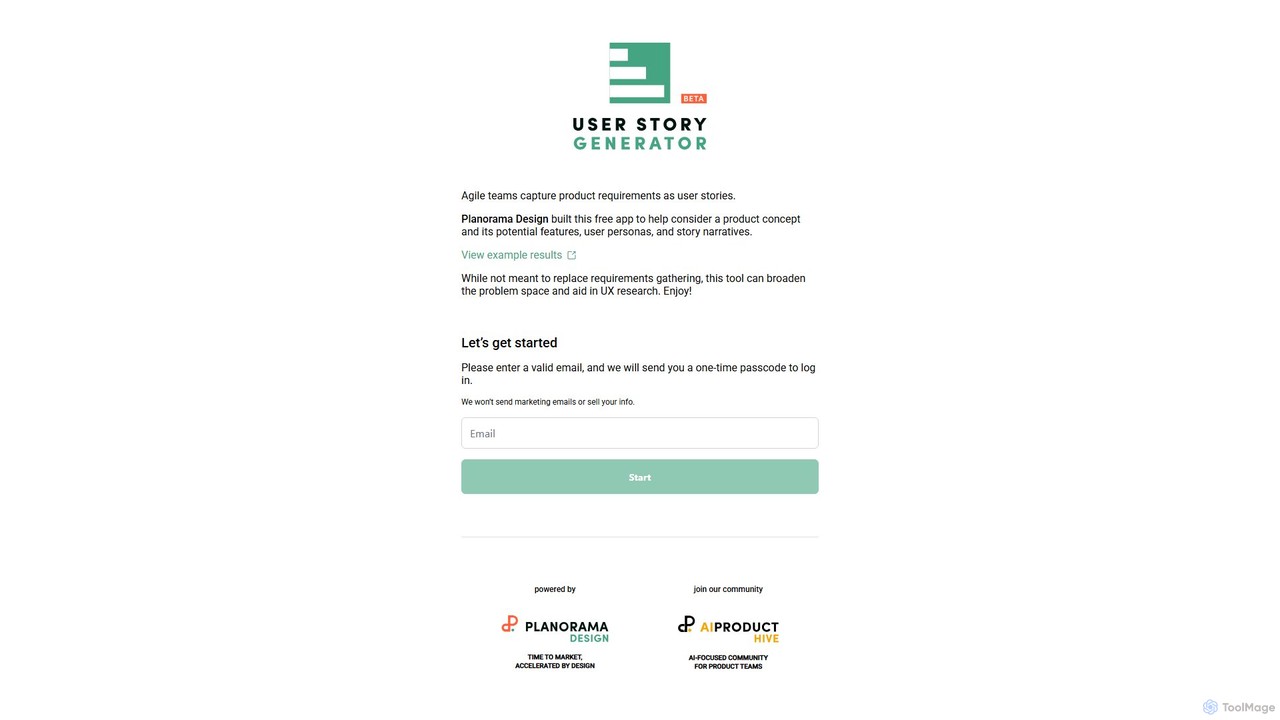
User Story Generator

User Story Generator

An AI-powered tool designed for agile teams to streamline the creation of user stories, personas, and feature narratives. …

3.1K

About Agile Development

Agile Development AI tools are a specialized category of software designed to enhance and automate the agile software development lifecycle. These tools leverage artificial intelligence, machine learning, and data analytics to provide predictive insights, streamline workflows, and improve team productivity. They go beyond traditional project management by actively assisting in tasks like sprint planning, task estimation, and risk identification. This enables development teams to deliver high-quality software faster and more reliably.

Core Features

  • AI-Powered Backlog Grooming: Automatically suggests, prioritizes, and refines user stories based on project goals and historical data.
  • Predictive Sprint Planning: Forecasts team velocity, estimates task completion times with greater accuracy, and identifies potential bottlenecks.
  • Intelligent Code Assistance: Offers real-time code suggestions, automates the generation of unit tests, and performs AI-driven code reviews for quality assurance.
  • Automated Progress Reporting: Generates dynamic dashboards and reports on key agile metrics like burndown charts, cycle time, and project health.
  • Risk Detection and Analysis: Proactively identifies potential risks in a sprint or release by analyzing code complexity, dependencies, and team performance patterns.

Use Cases

These tools are primarily used by software development teams, product managers, Scrum masters, and engineering leads in technology companies and enterprise IT departments. They are particularly valuable in fast-paced environments that require rapid iteration, data-driven decision-making, and continuous improvement of the development process. Common scenarios include optimizing sprint planning for complex projects and improving code quality in large, distributed teams.

How to Choose

When selecting an AI Agile Development tool, consider its integration capabilities with your existing toolchain, such as Jira, GitHub, or Slack. Evaluate the specific AI features offered—whether you need more support in project management, code generation, or testing. Assess the tool's scalability to support your team's size and workflow complexity. Finally, review its data security and privacy policies, especially if you work with sensitive codebases.

Agile DevelopmentUse Cases

1

Automating User Story Creation

A Product Manager preparing for a new feature launch uses an AI Agile tool to streamline backlog creation. By inputting high-level feature requirements and target user personas, the tool automatically generates a set of detailed user stories. Each story includes a standard format, acceptance criteria, and initial effort estimates. This process reduces the manual writing time by over 60%, ensures consistency across all stories, and allows the Product Manager to focus on strategic planning rather than administrative tasks.

2

AI-Assisted Sprint Planning and Forecasting

A Scrum Master for a distributed team uses an AI tool to plan their upcoming sprint. The tool analyzes the team's historical velocity, individual developer capacity, and the complexity of tasks in the backlog. It then recommends an optimal sprint scope and highlights tasks that are at high risk of delay. This data-driven approach replaces subjective estimation, leading to more predictable sprint outcomes and a 20% improvement in meeting sprint goals. The team can confidently commit to a realistic workload.

3

Intelligent Code Review and Quality Assurance

A senior developer uses an AI-powered coding assistant integrated into their IDE. As they write code, the AI provides real-time suggestions for optimization and adherence to best practices. When a pull request is created, the AI automatically reviews the code for potential bugs, security vulnerabilities, and style inconsistencies. It provides a summary report, allowing human reviewers to focus on logic and architecture. This reduces code review time by 30% and helps catch critical issues before they reach production.

4

Predictive Risk Analysis for Project Releases

An Engineering Manager uses an AI platform to assess the health of an upcoming major release. The tool analyzes data from multiple sources, including code commits, task progress in Jira, and communication patterns in Slack. It identifies potential risks, such as an under-tested module or a team member with an unsustainable workload, and flags them on a dashboard. This proactive insight allows the manager to reallocate resources and adjust timelines early, preventing last-minute crises and ensuring a smoother release process.

5

Automating Test Case Generation

A QA Engineer is tasked with increasing test coverage for a new API. Instead of manually writing dozens of test cases, they use an AI tool that analyzes the API's code and documentation. The tool automatically generates a comprehensive suite of unit and integration tests, including edge cases and negative tests that a human might overlook. This accelerates the testing cycle significantly, increases test coverage from 70% to 95%, and frees up the QA team to focus on more complex exploratory and performance testing.

6

Optimizing Team Workflow with AI Analytics

A development team lead wants to identify and resolve bottlenecks in their Kanban workflow. They connect their project management tool to an AI analytics platform. The platform visualizes the entire workflow, highlighting stages where tasks tend to stall (e.g., 'In Review'). It provides actionable insights, such as suggesting that more developer time should be allocated to code reviews. By implementing these AI-driven recommendations, the team reduces their average cycle time by 15% within two sprints, leading to a more consistent and efficient delivery cadence.

Agile DevelopmentFrequently Asked Questions