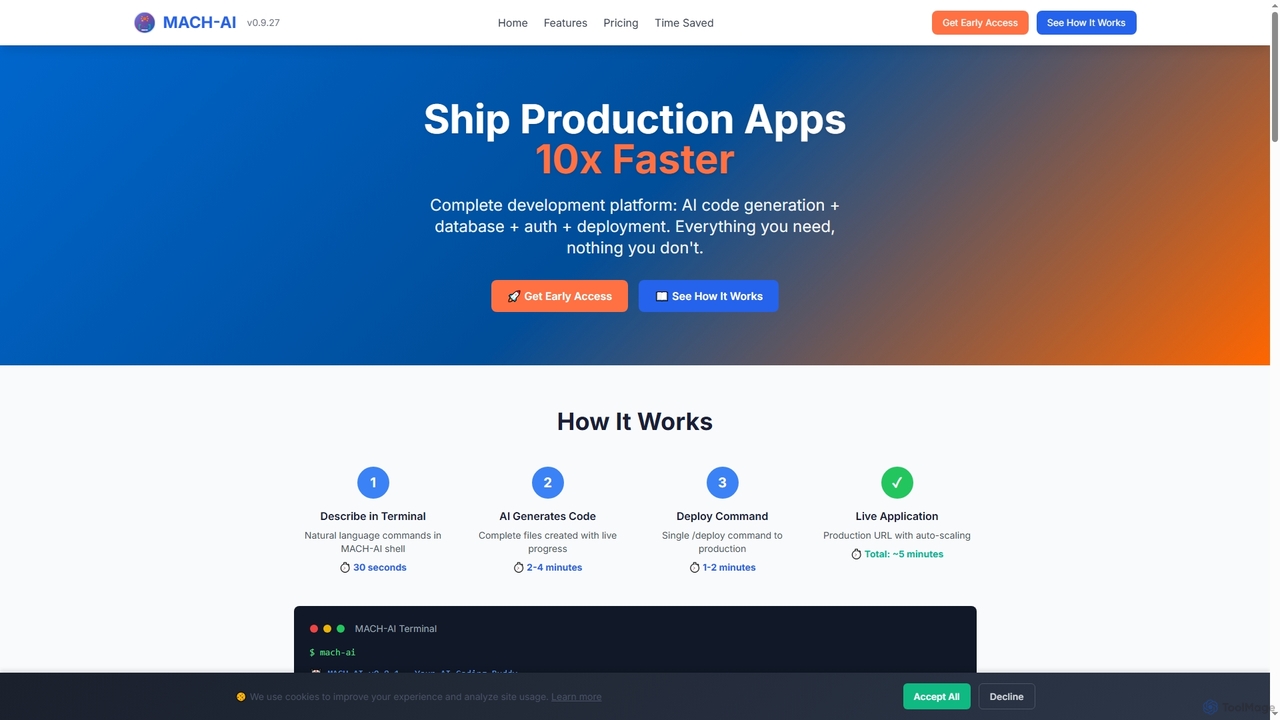
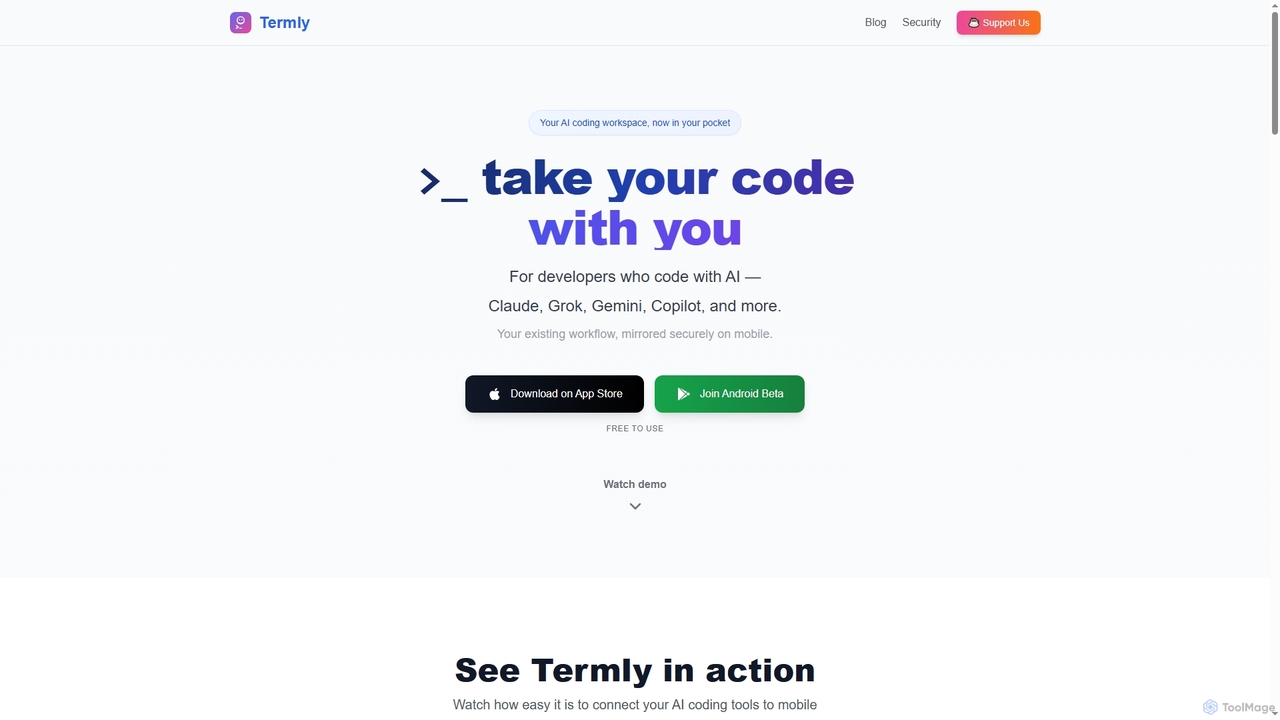
AI Coding Assistant tools are advanced software applications that leverage artificial intelligence to aid developers in writing, debugging, and optimizing code. These assistants utilize machine learning models, often trained on vast codebases, to understand programming contexts and generate relevant suggestions, completions, or even entire code blocks. Their primary value lies in accelerating the development lifecycle, reducing repetitive tasks, and enhancing code quality, making the coding process more efficient and less prone to errors.
Core Features
- Code Generation: Automatically generates code snippets, functions, or boilerplate based on natural language prompts or existing code context.
- Intelligent Code Completion: Provides highly accurate and context-aware suggestions for variables, functions, and syntax as developers type.
- Real-time Debugging & Error Detection: Identifies potential bugs, syntax errors, and logical flaws, often suggesting immediate fixes.
- Code Refactoring & Optimization: Analyzes code for inefficiencies and suggests improvements for readability, performance, and maintainability.
- Language Translation: Assists in converting code snippets or logic between different programming languages.
Use Cases
AI Coding Assistants are invaluable for individual developers, software teams, and even students learning to code. They streamline routine coding tasks, help in navigating unfamiliar codebases, and provide expert-level suggestions. For instance, a backend developer might use an AI assistant to quickly generate API endpoints, while a frontend developer could leverage it for UI component scaffolding, significantly speeding up project initiation and feature implementation.
How to Choose
When selecting an AI Coding Assistant, consider its integration capabilities with your preferred IDE (e.g., VS Code, IntelliJ), the range of programming languages it supports, and the accuracy of its code suggestions. Evaluate its specific features like code generation quality, debugging prowess, and refactoring suggestions. Additionally, assess its pricing model, community support, and how well it handles complex, domain-specific code versus generic tasks to ensure it aligns with your development workflow and project needs.