Astrocade
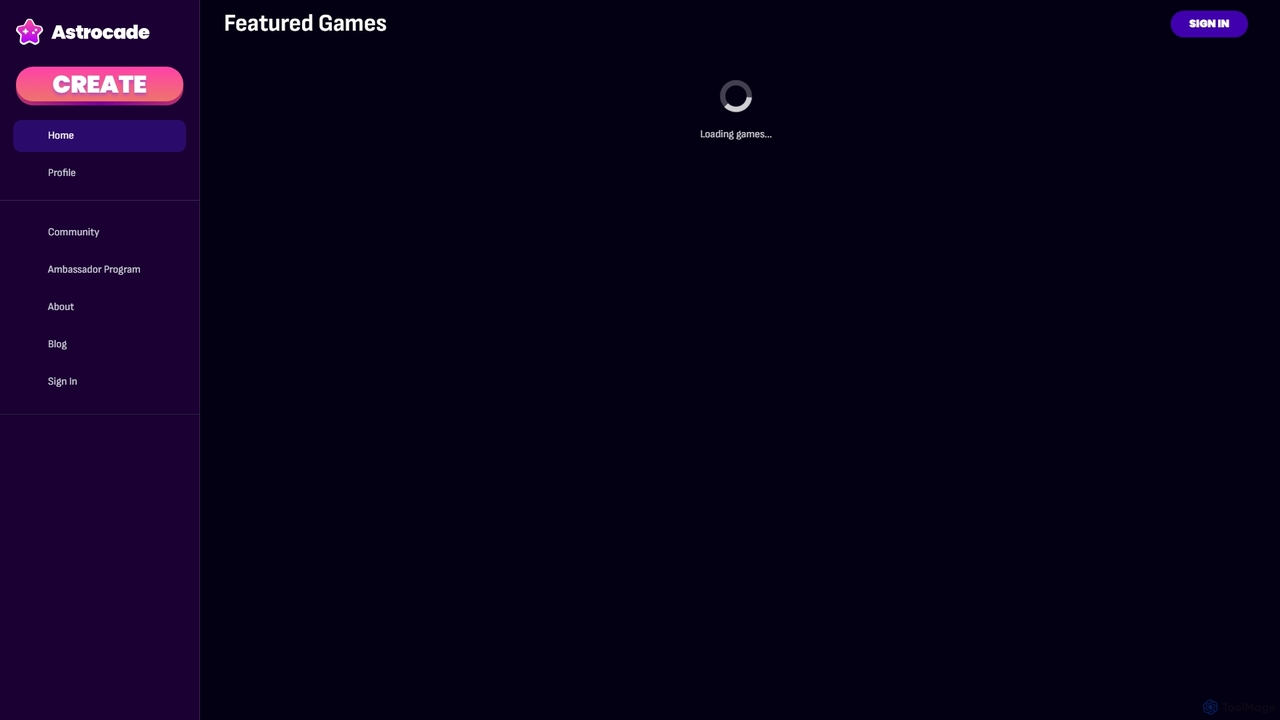
Astrocade is a revolutionary AI-powered platform that enables anyone to create games instantly using simple text prompts. It …
Astrocade is a revolutionary AI-powered platform that enables anyone to create games instantly using simple text prompts. It automates the entire game creation process, from art and animation to music and gameplay mechanics, making game design accessible to creators of all skill levels. No coding required.
SkyFrom
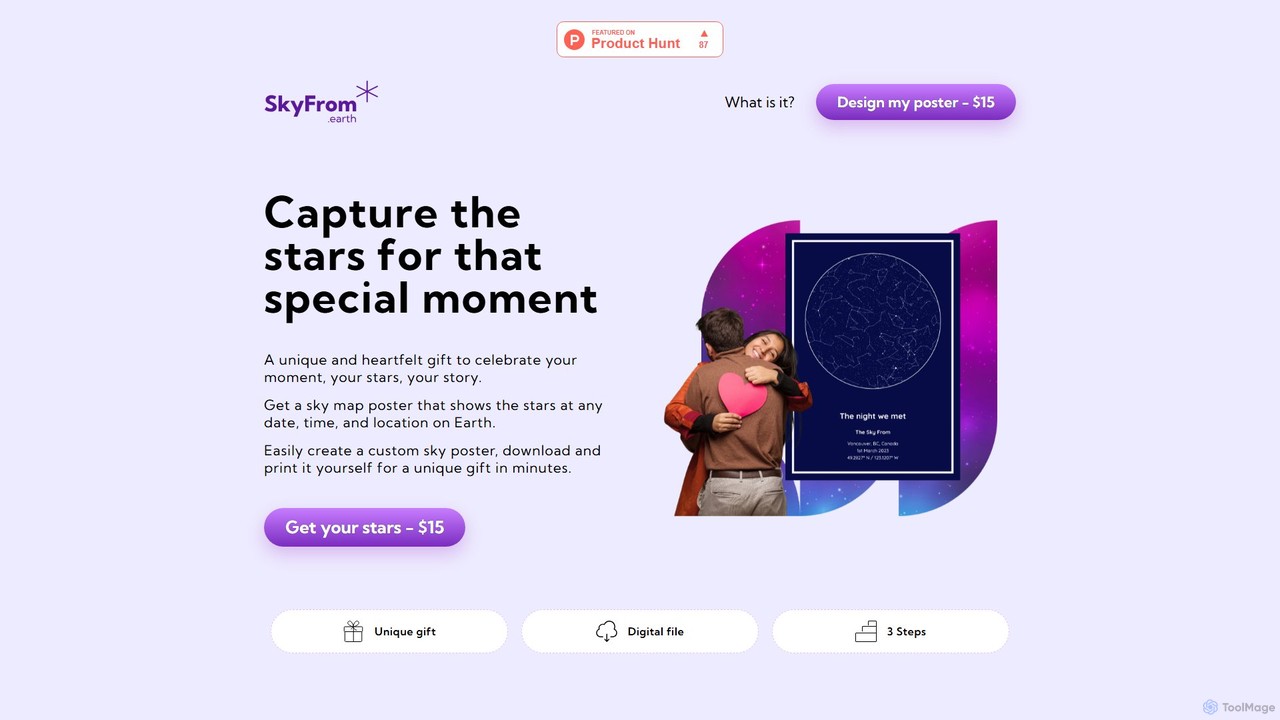
SkyFrom is an AI-powered tool that generates beautiful, custom star maps for any special moment. By providing a …
SkyFrom is an AI-powered tool that generates beautiful, custom star maps for any special moment. By providing a specific date, time, and location, you can create a high-resolution poster of the night sky as it appeared at that exact instant. It's a unique and heartfelt digital gift for anniversaries, birthdays, and other milestones. The process is simple and fast, delivering a print-ready file in minutes, allowing you to create a timeless keepsake that captures your personal story in the stars.
PromptBase
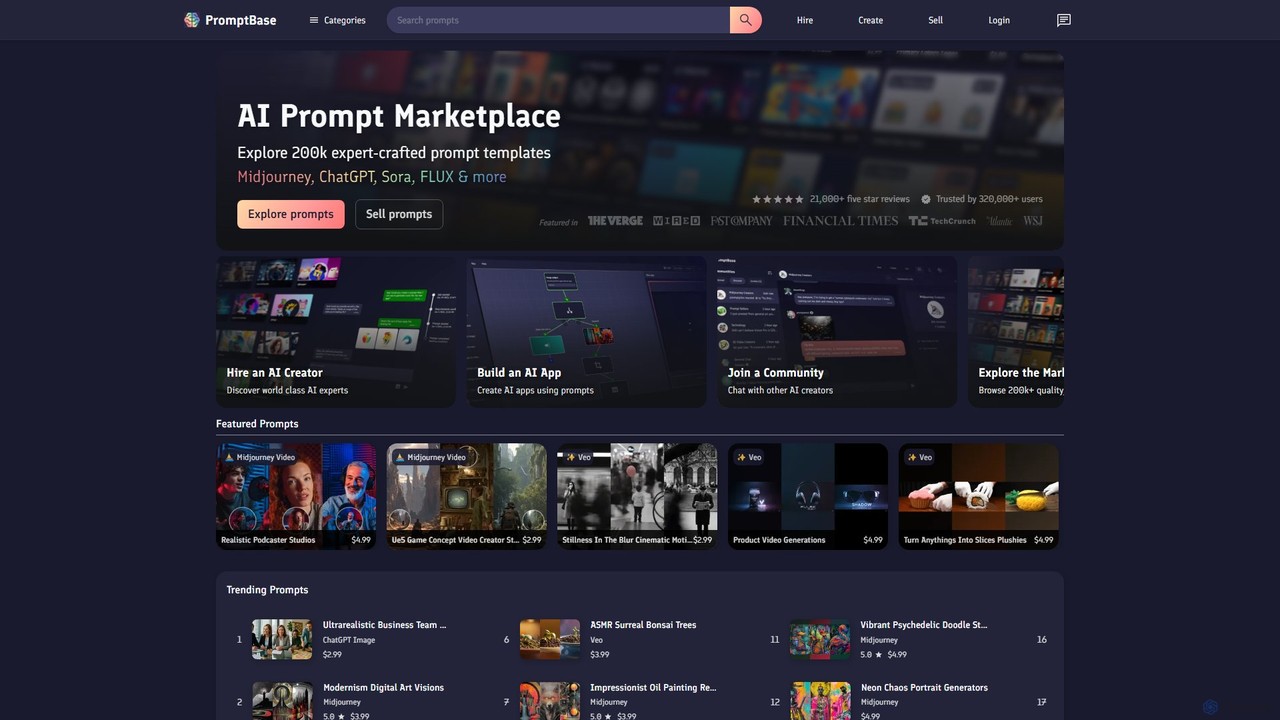
PromptBase is a leading marketplace for buying and selling high-quality AI prompts. It supports a wide range of …
PromptBase is a leading marketplace for buying and selling high-quality AI prompts. It supports a wide range of models like Midjourney, ChatGPT, Sora, and DALL-E, allowing users to achieve superior results and prompt engineers to monetize their expertise. It also features a platform to hire AI creators and build simple AI apps.
About Generative Art
Generative Art tools are AI-powered platforms that create original artistic works by following a set of autonomous rules or algorithms. These tools often utilize models like Generative Adversarial Networks (GANs) or diffusion models, allowing users to generate complex visuals, patterns, and abstract forms from simple text prompts or parameters. They empower artists and designers to explore new creative frontiers, rapidly prototype visual concepts, and produce unique digital assets. Unlike traditional digital art software that relies on direct manipulation, Generative Art tools act as a collaborative partner, introducing elements of randomness and algorithmic surprise into the creative process.
Core Features
- Algorithmic Creation: Generates art based on mathematical rules, algorithms, and user-defined parameters.
- Text-to-Image Synthesis: Transforms descriptive text prompts into detailed and complex visual artworks.
- Style Transfer & Remixing: Applies the aesthetic style of one image to another or combines multiple artistic concepts.
- Parameter Control: Fine-tunes variables like color palettes, complexity, and randomness to guide the generation process.
- Interactive Generation: Creates art that evolves or changes in real-time based on user input or external data streams.
Use Cases
Generative Art tools are widely used by digital artists for creating unique NFT collections, abstract art, and conceptual pieces. Graphic designers employ them to generate unique patterns, textures, and background visuals for branding and web design. Additionally, game developers utilize these tools for procedural content generation, creating vast and varied game worlds efficiently.
How to Choose
When selecting a Generative Art tool, consider the underlying algorithm (e.g., GANs, Diffusion Models) as it dictates the artistic style. Evaluate the level of parameter control and customization offered. Check the maximum output resolution and supported file formats. Finally, assess the platform's community and support resources for learning and inspiration.

Generative ArtUse Cases
Creating Unique NFT Art Collections
A digital artist aims to launch a collection of 1,000 unique but thematically consistent art pieces. Using a Generative Art tool, they define a core theme, such as 'cyberpunk cityscapes in a Van Gogh style,' and set parameters for variation. The tool then autonomously generates hundreds of unique versions, each with different details, lighting, and compositions. This process allows the artist to curate the best results, saving hundreds of hours of manual creation time and ensuring each piece in the collection is verifiably unique and algorithmically generated.
Generating Abstract Backgrounds and Textures
A graphic designer needs a unique, non-stock background for a website or branding project. Instead of searching through stock photo libraries, they input parameters like 'fluid, organic, pastel color palette, high-contrast' into a generative art tool. The tool produces a series of high-resolution abstract images. The designer can then select the most suitable option, ensuring they have a completely original, royalty-free visual asset that perfectly matches the brand's aesthetic in minutes, avoiding generic visuals.
Conceptual Art for Game and Film Development
An art director is brainstorming visual ideas for a new fantasy world. The art team inputs descriptive prompts like 'ancient alien temple, overgrown with bioluminescent flora, atmospheric fog' into a generative tool. Within moments, the tool generates dozens of visual interpretations of this concept. This process rapidly visualizes ideas, accelerates the ideation phase, and provides a rich pool of concepts for human artists to refine, helping to overcome creative blocks and establish a visual direction much faster than traditional sketching.
Algorithmic Fashion and Textile Design
A textile designer is developing a new fabric line with intricate, non-repeating patterns. They use a generative tool to create complex geometric or organic patterns based on mathematical formulas or style prompts. By adjusting parameters like pattern density, colorways, and scale, they can explore an infinite variety of unique designs. This allows for the creation of innovative and distinctive textile patterns that would be extremely time-consuming to design manually, pushing the boundaries of fashion design.
Data Visualization as Artistic Expression
A data artist wants to transform a complex dataset, such as climate change trends, into a compelling visual narrative. They connect the dataset to a generative art system, mapping data points to visual elements like color, shape, and motion. The algorithm then translates the data into an evolving, aesthetic artwork. The result is not just a chart but an engaging piece of art that communicates complex information in an intuitive and emotionally resonant way, making abstract data accessible to a broader audience.
Live Visuals for Music and Events (VJing)
A VJ (Video Jockey) needs to create dynamic, real-time visuals that react to music during a live concert. Using an interactive generative art tool, they can analyze audio input like beat, frequency, and volume in real-time. The tool's algorithms then generate visuals that pulse, change color, and morph in sync with the music. This creates a deeply immersive and synchronized audio-visual experience for the audience, where every performance is visually unique and responsive to the live sound.