Business Best in category 12 results Restaurant Management AI Tool

Popular AI tools in the Restaurant Management field of Business include OpenTable、Chowdeck、Loman、Presto、Hellometer、foreva、RestoGPT、posdish、BillMaster、Coursini Concierge, etc., helping you quickly improve efficiency.

MenuKit

MenuKit

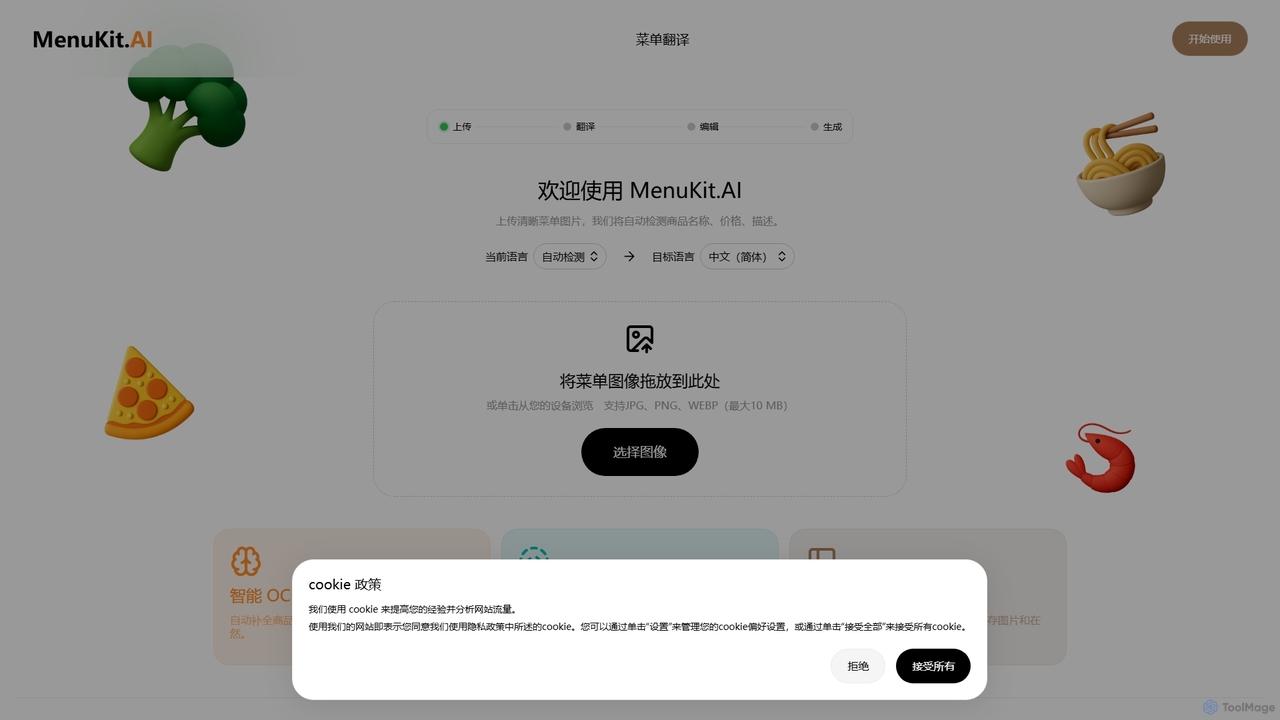
MenuKit is an AI-powered tool designed for restaurants to effortlessly translate and design their menus. It uses smart …

1.8K
BillMaster

BillMaster

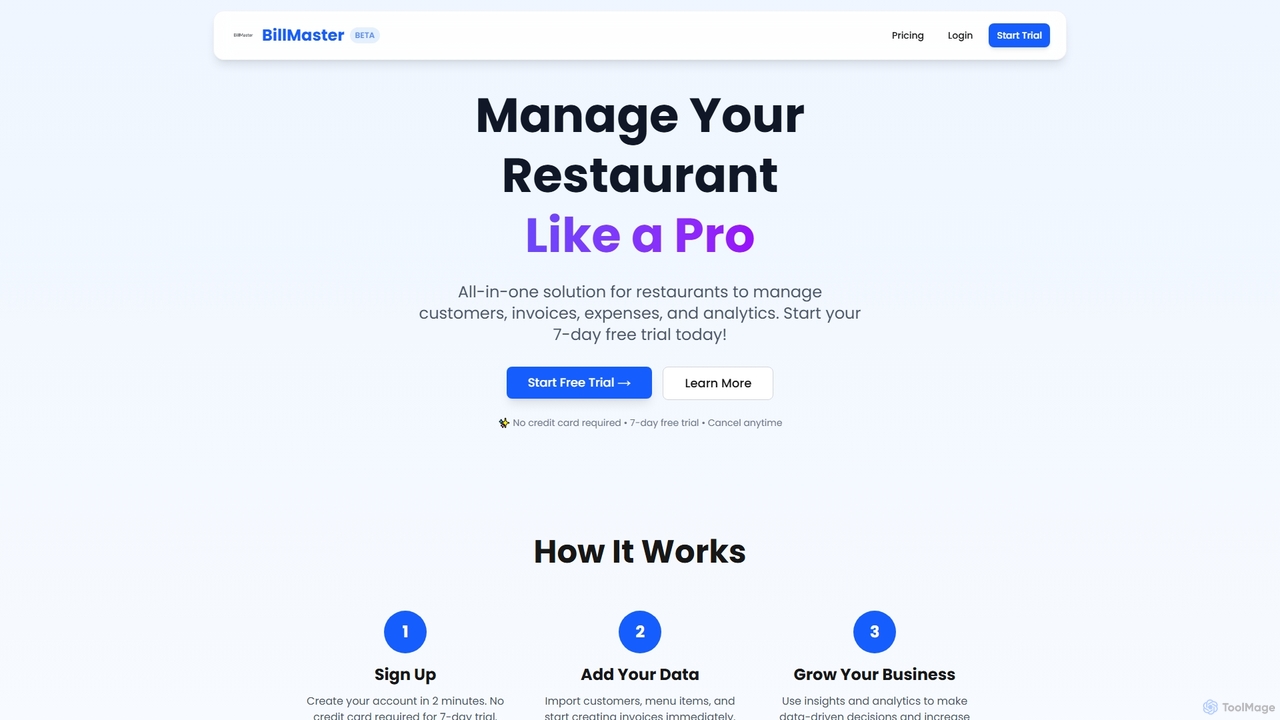
BillMaster is an all-in-one restaurant CRM solution designed to streamline operations. It helps restaurants manage customers, generate invoices, …

1.8K
Coursini Concierge

Coursini Concierge

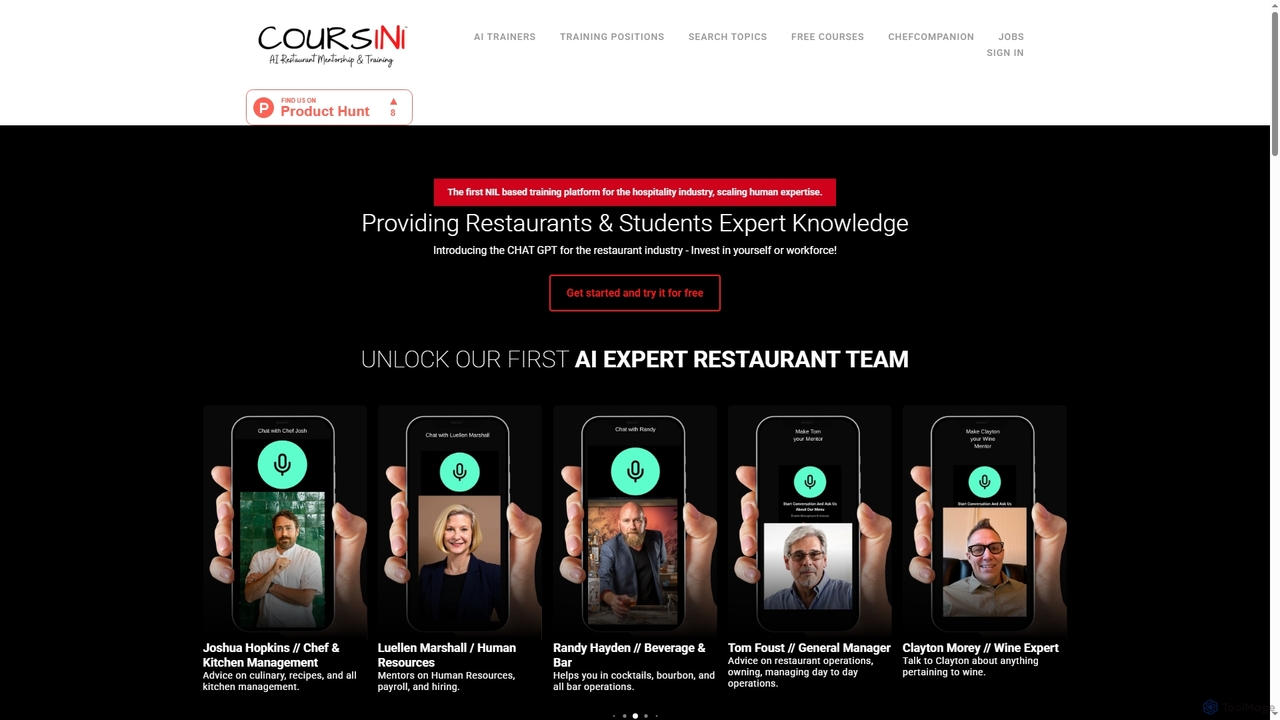
Coursini Concierge is an AI-powered conversational platform for the hospitality industry, offering instant, on-demand expert advice and training. …

1.8K
OpenTable

OpenTable

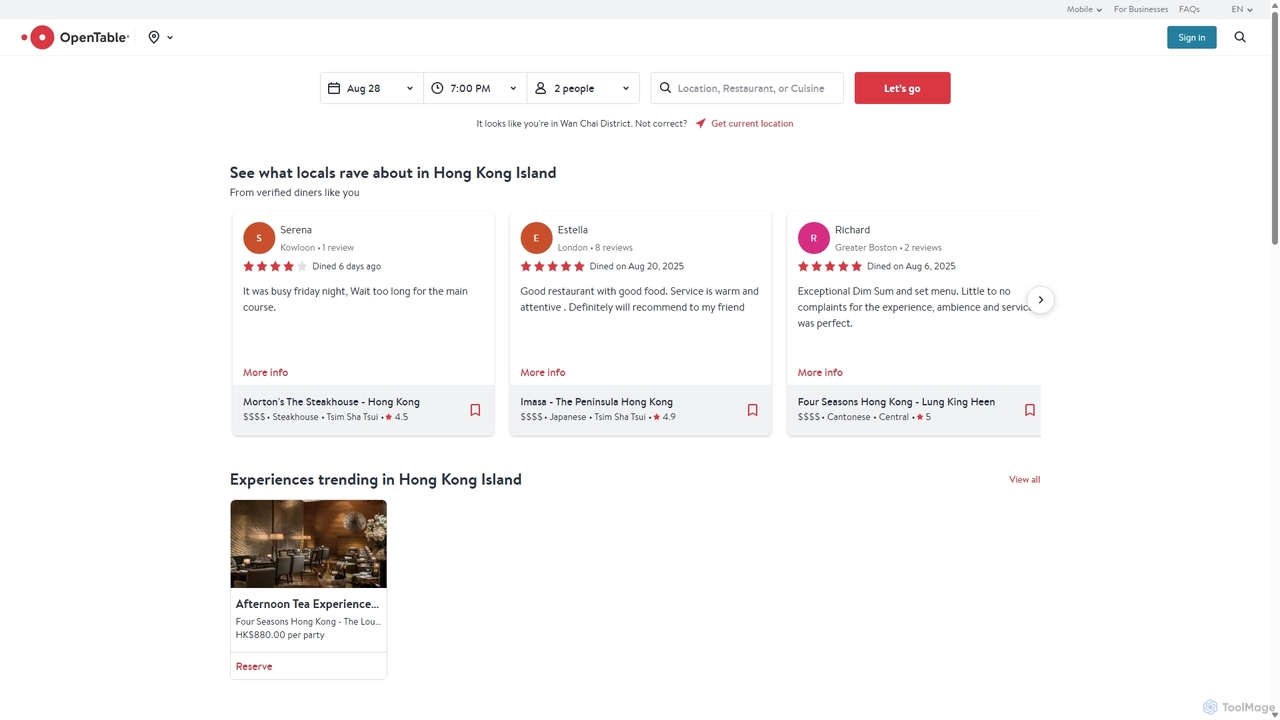
OpenTable is the world's leading platform for online restaurant reservations. Discover and book tables at over 60,000 restaurants …

41.0M
Bakersfamouspizza

Bakersfamouspizza

An all-in-one AI-powered management platform designed specifically for pizzerias. Streamline operations, automate marketing, and boost profitability with intelligent …

1.8K
RestoGPT

RestoGPT

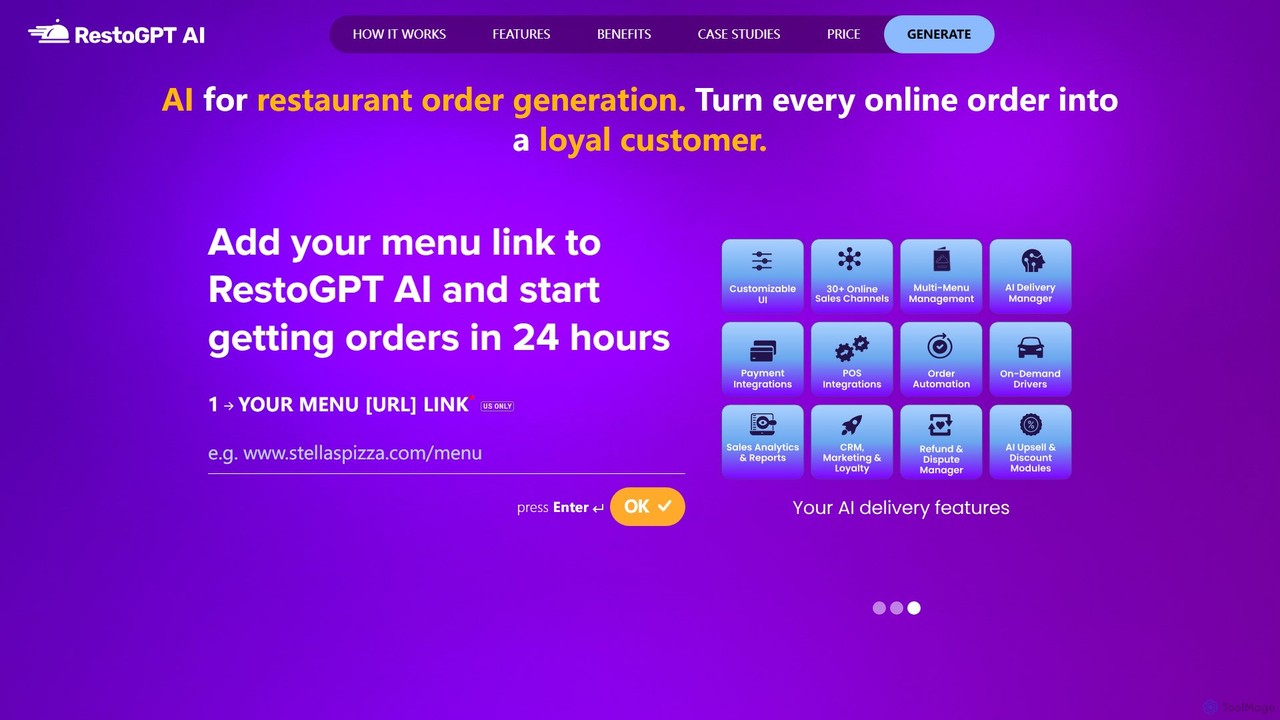
RestoGPT is an AI-powered marketing and sales platform for local restaurants. It automates online ordering, delivery, and customer …

3.3K
Hellometer

Hellometer

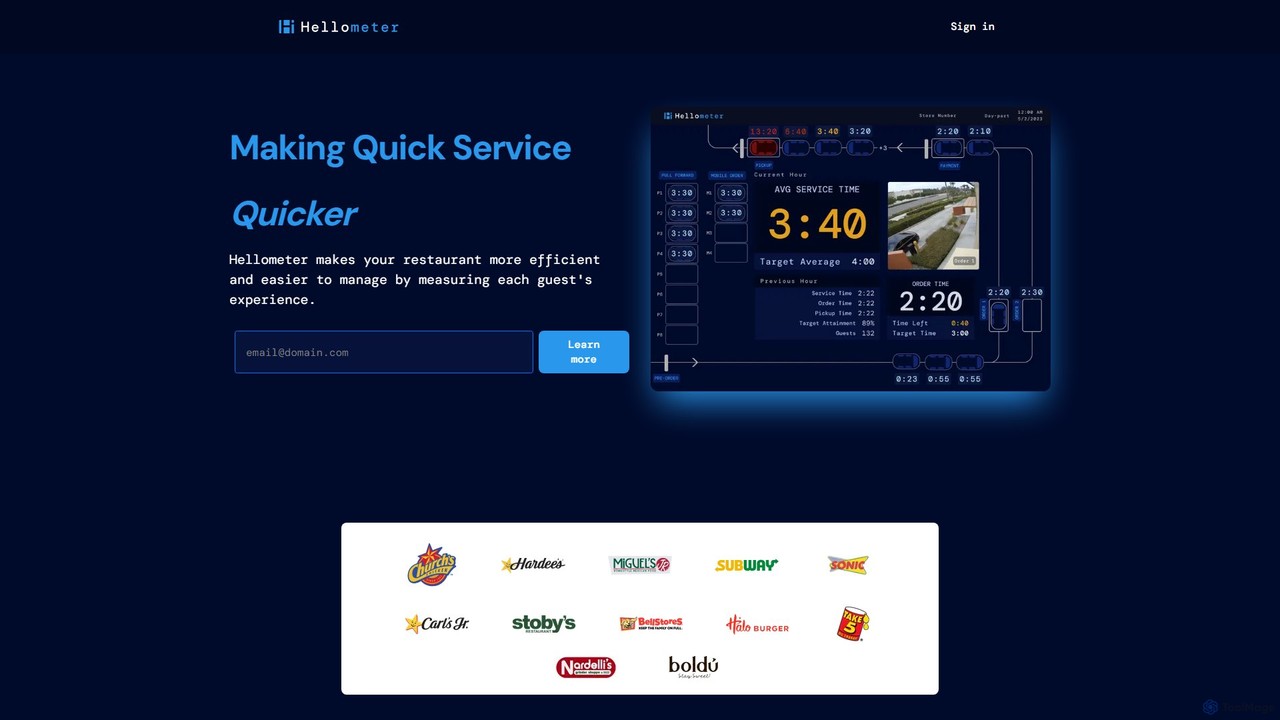
Hellometer is an AI-powered platform that uses computer vision to analyze camera feeds in quick-service restaurants (QSRs). It …

9.3K
Chowdeck

Chowdeck

Chowdeck is an AI-powered food delivery and logistics platform operating in Africa. It connects users with a wide …

245.5K
Loman

Loman

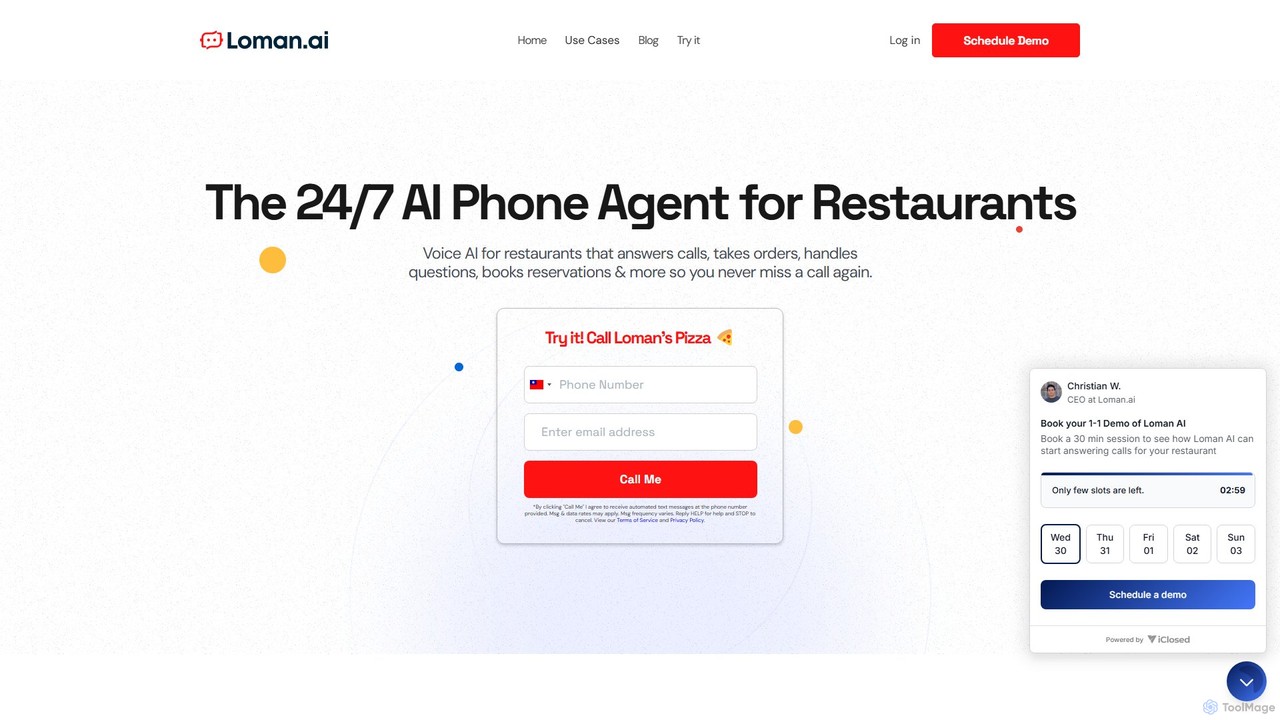
Loman is a 24/7 AI phone agent designed for restaurants. It automates call handling by answering every call, …

38.9K
Presto

Presto

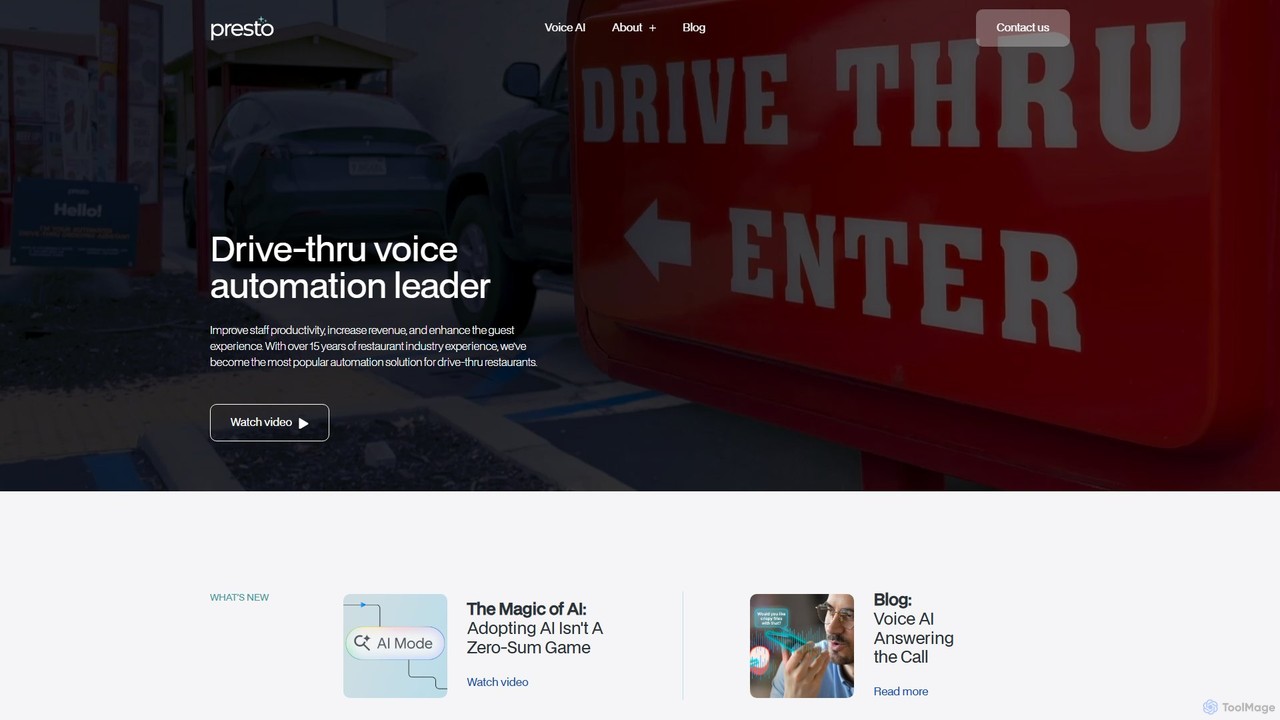
Presto is an AI-driven automation platform designed for the restaurant industry, specializing in revolutionizing drive-thru operations. Its flagship …

36.4K
foreva

foreva

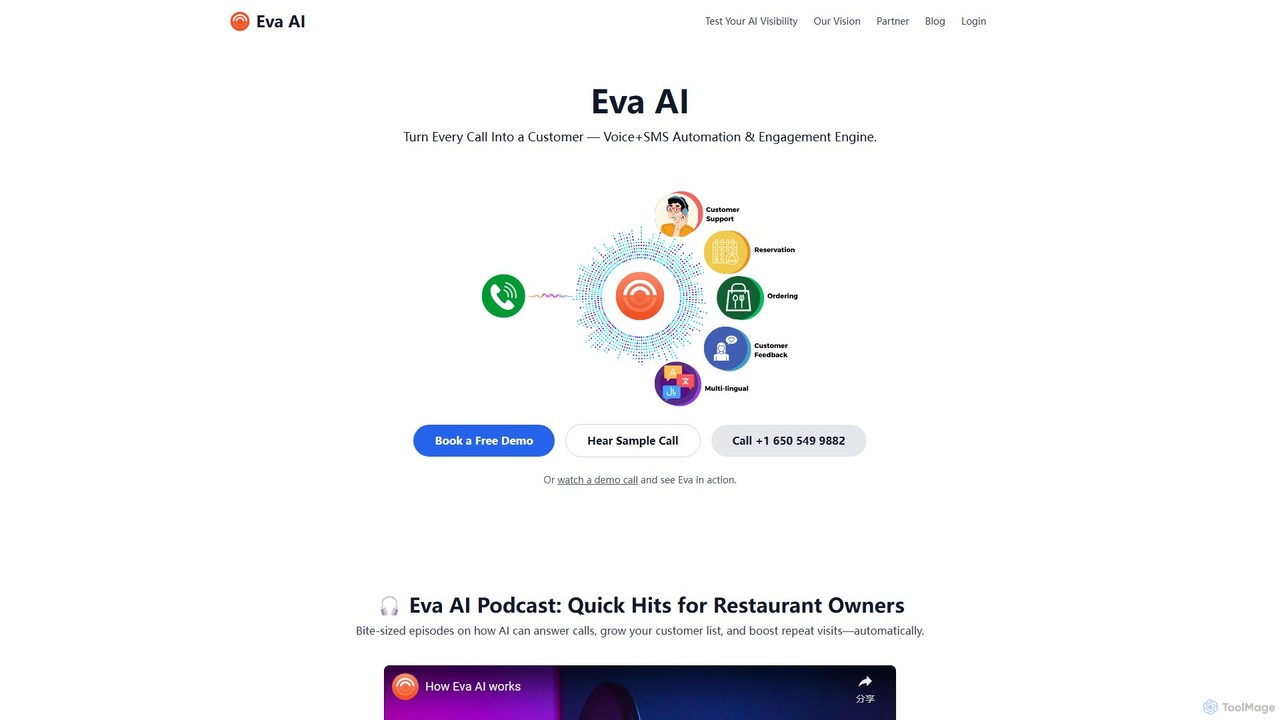
foreva (Eva AI) is an AI agent system designed for restaurants to automate phone calls, orders, and reservations …

4.1K
posdish

posdish

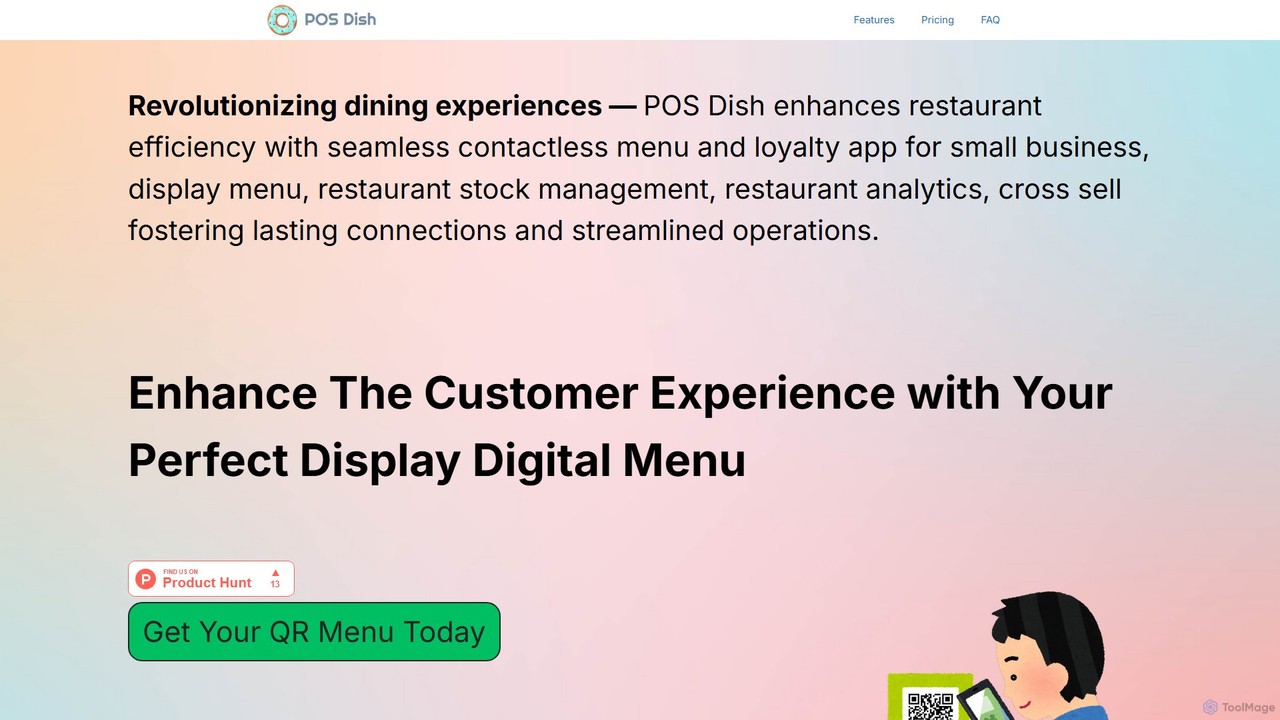
posdish is an AI-powered restaurant management platform that revolutionizes the dining experience. It provides a comprehensive solution including …

2.3K

About Restaurant Management

Restaurant Management AI tools are specialized software solutions that leverage artificial intelligence to optimize various aspects of restaurant operations. These tools utilize data analytics, machine learning, and automation to streamline processes from front-of-house to back-of-house. They aim to enhance efficiency, reduce costs, improve customer experience, and drive profitability for food service businesses, fitting within the broader category of Business AI solutions.

Core Features

  • Inventory Management: Automates stock tracking, predicts ingredient needs, and minimizes waste based on sales data.
  • Staff Scheduling Optimization: Generates efficient employee schedules considering demand forecasts, staff availability, and labor costs.
  • Customer Relationship Management (CRM): Analyzes customer preferences, manages loyalty programs, and personalizes dining experiences.
  • Predictive Analytics: Forecasts demand, sales trends, and peak hours to optimize staffing, inventory, and marketing efforts.
  • Online Order & Table Management: Integrates online ordering platforms, manages table reservations, and streamlines kitchen workflows.

Use Cases

Restaurant Management AI tools are invaluable for restaurant owners, managers, and hospitality groups seeking to modernize their operations. They are used in fine dining, casual eateries, fast-food chains, and cafes to automate routine tasks, gain insights from operational data, and make informed business decisions. These tools help businesses adapt to changing market demands and improve overall service quality.

How to Choose

When selecting an AI restaurant management tool, consider its integration capabilities with existing POS systems and other software. Evaluate the breadth of features, ensuring it covers critical areas like inventory, scheduling, and customer management. Assess the scalability to match your business growth and review the vendor's support and training options. Finally, compare pricing models and ensure the solution offers a clear return on investment.

Restaurant ManagementUse Cases

1

Optimizing Food Inventory and Reducing Waste

A restaurant manager uses AI-powered inventory management to predict daily ingredient needs based on historical sales data, seasonal trends, and upcoming events. The system automatically adjusts order quantities, identifies slow-moving items, and suggests optimal storage conditions, significantly reducing food spoilage and waste, leading to substantial cost savings and improved sustainability.

2

Automating Staff Scheduling for Peak Efficiency

A cafe owner employs AI staff scheduling software to create weekly rosters. The AI analyzes predicted customer traffic, employee availability, skill sets, and labor cost targets to generate optimized schedules. This ensures adequate staffing during peak hours, minimizes overtime, and reduces the time spent on manual scheduling, allowing managers to focus on customer service and operations.

3

Personalizing Customer Dining Experiences

A fine dining restaurant utilizes AI-driven CRM to analyze customer preferences, dietary restrictions, and past orders. When a returning guest makes a reservation, the system provides staff with insights to offer personalized recommendations, remember special occasions, and tailor service. This enhances customer loyalty, encourages repeat visits, and creates memorable dining moments.

4

Predicting Demand for Resource Allocation

A chain restaurant's operations team uses AI demand forecasting to anticipate customer volume for each location. By analyzing weather patterns, local events, marketing campaigns, and historical data, the AI predicts busy periods and slow times. This allows for precise adjustments in ingredient procurement, staff deployment, and kitchen preparation, preventing shortages or overproduction.

5

Streamlining Online Order and Delivery Management

A fast-casual restaurant integrates an AI-powered system to manage its high volume of online orders from various platforms. The AI automatically routes orders to the kitchen, estimates preparation times, and coordinates with delivery drivers. This minimizes errors, speeds up order fulfillment, and ensures a smooth customer experience from order placement to delivery, even during peak times.

6

Optimizing Menu Pricing and Item Performance

A restaurant group leverages AI to analyze the profitability and popularity of each menu item across its locations. The AI considers ingredient costs, sales volume, customer feedback, and competitor pricing to recommend optimal pricing strategies and identify underperforming dishes. This data-driven approach helps maximize revenue and ensures the menu remains attractive and profitable.

Restaurant ManagementFrequently Asked Questions