Analytics Best in category 1 results Sales Analytics AI Tool

Popular AI tools in the Sales Analytics field of Analytics include BillMaster, etc., helping you quickly improve efficiency.

BillMaster

BillMaster

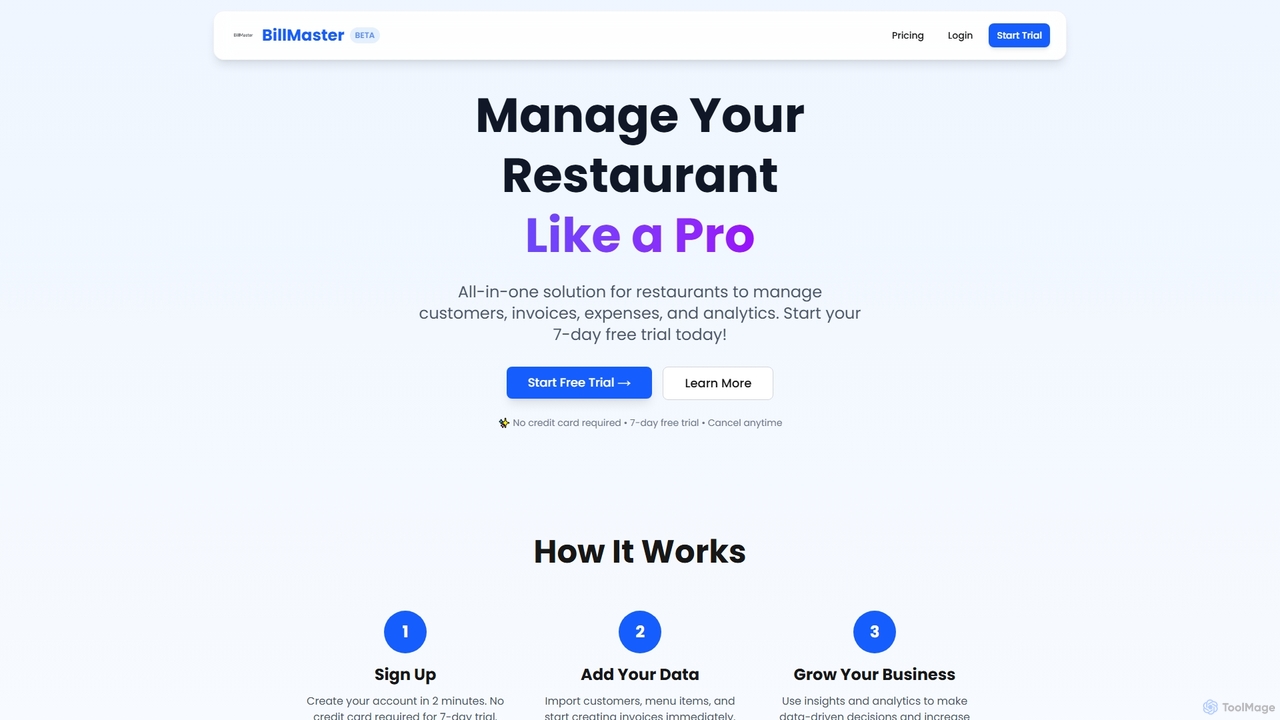
BillMaster is an all-in-one restaurant CRM solution designed to streamline operations. It helps restaurants manage customers, generate invoices, …

2.3K

About Sales Analytics

Sales Analytics AI tools are specialized platforms that leverage artificial intelligence to process, analyze, and interpret vast amounts of sales data. These tools utilize machine learning, predictive modeling, and natural language processing to uncover hidden patterns, forecast future sales trends, and provide actionable insights. Their primary value lies in empowering sales teams and leaders to make data-driven decisions, optimize sales strategies, and significantly improve overall sales performance and revenue generation.

Core Features

  • Predictive Sales Forecasting: Accurately predicts future sales volumes, revenue, and market trends based on historical data and external factors.
  • Lead Scoring & Prioritization: Automatically scores leads based on their likelihood to convert, helping sales teams focus on the most promising opportunities.
  • Churn Prediction & Retention: Identifies customers at risk of churning and suggests proactive strategies to improve retention rates.
  • Sales Performance Optimization: Analyzes individual and team performance, highlighting areas for improvement and coaching opportunities.
  • Cross-sell & Upsell Recommendations: Suggests relevant products or services to existing customers, maximizing customer lifetime value.

Use Cases

Sales Analytics AI tools are indispensable for sales managers, marketing professionals, and business development teams across various industries, from B2B SaaS to e-commerce. They are used to refine sales processes, identify growth opportunities, and personalize customer interactions. For instance, a sales director might use these tools to reallocate resources to underperforming territories or a marketing team could leverage insights to tailor campaigns for high-potential customer segments.

How to Choose

When selecting a Sales Analytics AI tool, consider its data integration capabilities with existing CRM and ERP systems, the accuracy and transparency of its predictive models, and the depth of its reporting and visualization features. Evaluate its customization options to align with specific sales processes, assess its scalability for future growth, and ensure it offers intuitive user interfaces for easy adoption by your sales team. Support for mobile access and robust security features are also crucial.

Sales AnalyticsUse Cases

1

Predictive Lead Scoring and Prioritization

A B2B sales development representative (SDR) often faces a large volume of inbound leads. Using an AI Sales Analytics tool, the SDR can automatically score each lead based on historical conversion data, engagement patterns, and demographic information. This allows them to prioritize outreach to leads with the highest propensity to convert, significantly increasing their efficiency and improving conversion rates by focusing efforts where they matter most.

2

Accurate Sales Forecasting for Resource Allocation

A regional sales manager needs to set realistic quarterly targets and allocate resources effectively. An AI Sales Analytics tool provides highly accurate sales forecasts by analyzing past performance, market trends, seasonality, and external economic indicators. This enables the manager to make informed decisions on staffing, inventory, and marketing spend, ensuring resources are optimally deployed to meet or exceed revenue goals.

3

Identifying Cross-sell and Upsell Opportunities

For an account manager managing a portfolio of existing clients, maximizing customer lifetime value is key. AI Sales Analytics tools analyze customer purchase history, product usage, and behavioral data to identify patterns indicating readiness for additional products (cross-sell) or higher-tier services (upsell). The tool then generates personalized recommendations, allowing the account manager to proactively engage clients with relevant offers, boosting revenue and customer satisfaction.

4

Optimizing Sales Territory and Quota Management

A sales operations team struggles with balancing sales territories and setting fair quotas. An AI Sales Analytics solution analyzes historical sales data, market potential, and salesperson performance across different regions. It then recommends optimized territory assignments and individualized quotas that are both challenging and achievable, leading to improved sales equity, motivation, and overall team performance.

5

Proactive Customer Churn Prediction and Prevention

A customer success team aims to reduce customer attrition. An AI Sales Analytics tool continuously monitors customer usage patterns, support interactions, and sentiment data to predict which customers are at high risk of churning. By flagging these accounts early, the customer success team can intervene proactively with targeted support, special offers, or personalized engagement strategies, significantly improving customer retention rates.

6

Personalized Sales Outreach and Content Recommendations

A sales representative wants to make their outreach more effective and relevant. An AI Sales Analytics tool integrates with CRM data to analyze a prospect's industry, company size, recent activities, and pain points. It then recommends the most effective messaging, content (e.g., case studies, whitepapers), and communication channels for that specific prospect, leading to higher engagement rates and more successful sales conversations.

Sales AnalyticsFrequently Asked Questions