Business Best in category 12 results Logistics AI Tool

Popular AI tools in the Logistics field of Business include Chowdeck、WareIQ、Datatruck、Axle Health、May Mobility、clicoh、Pidge、FleetWorks、Levity、Reform, etc., helping you quickly improve efficiency.

Reform

Reform

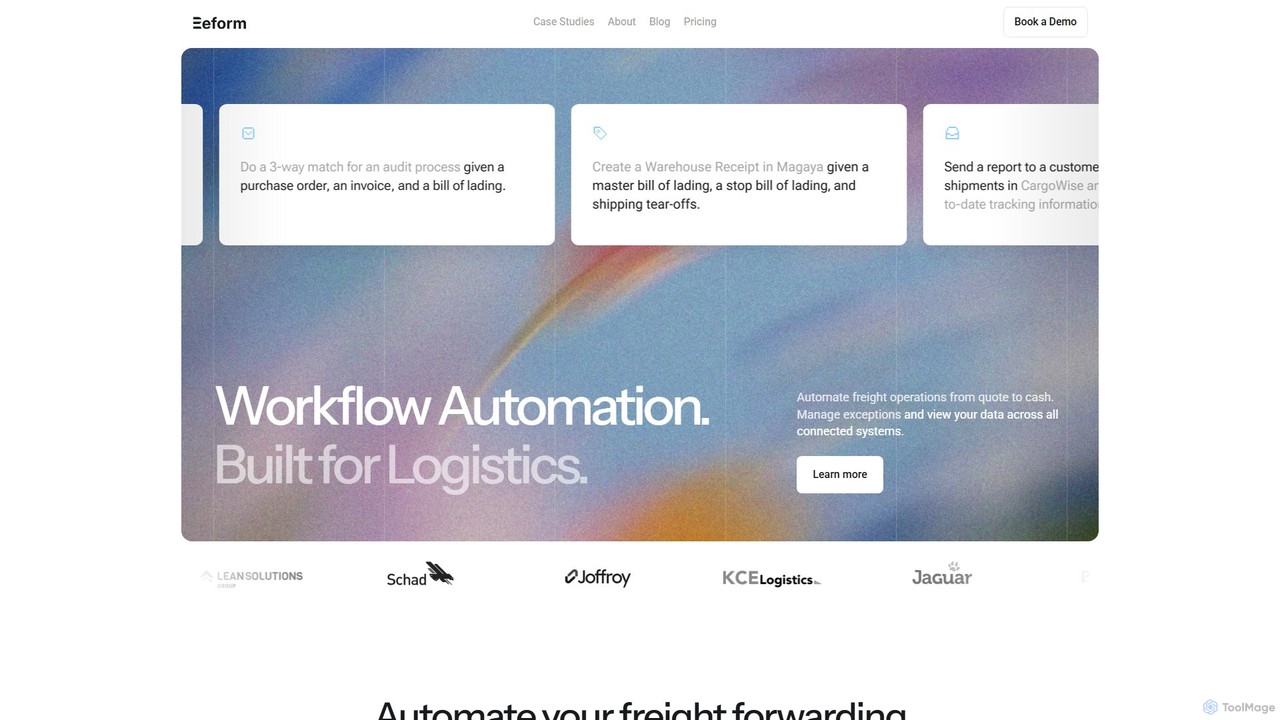
Reform is a specialized AI automation platform designed for the freight forwarding and logistics industry. It automates complex …

7.4K
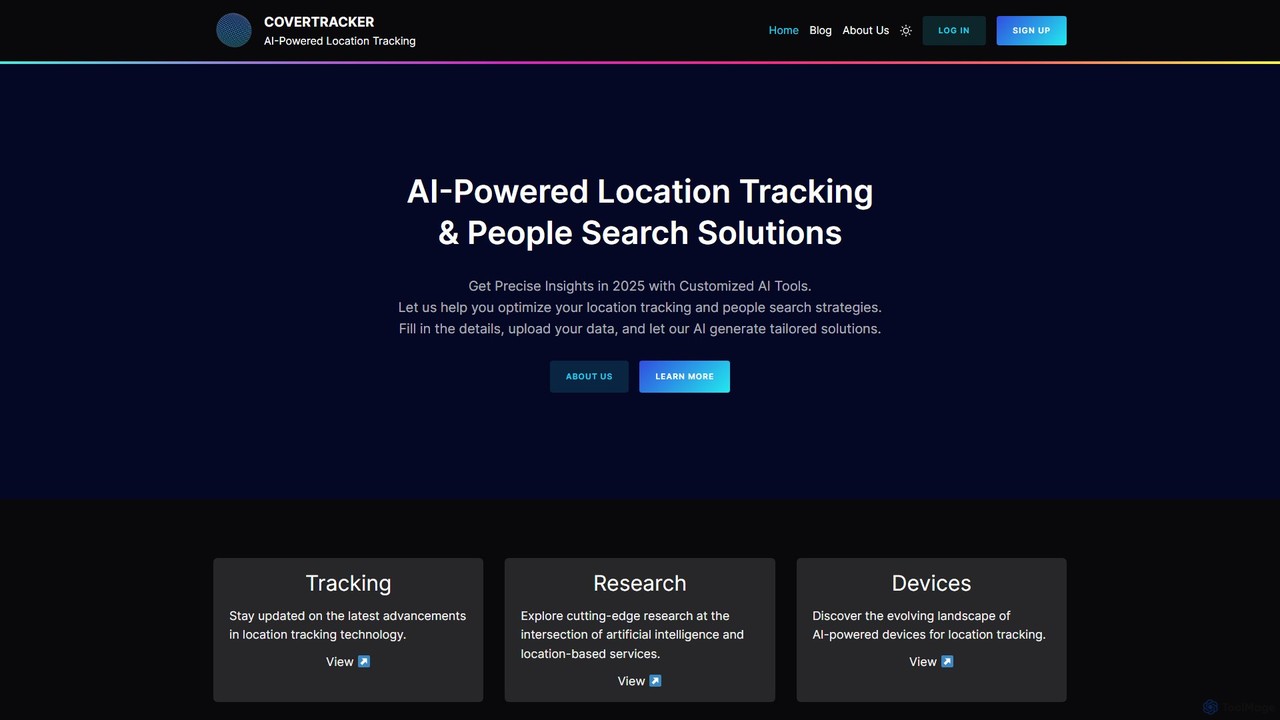
CoverTracker

CoverTracker

CoverTracker is an advanced AI-powered platform designed for precise location tracking and people search. It leverages sophisticated algorithms …

2.9K
Hemut

Hemut

Hemut is an AI-powered Transport Management System (TMS) designed for modern logistics. It automates and optimizes fleet operations, …

5.8K
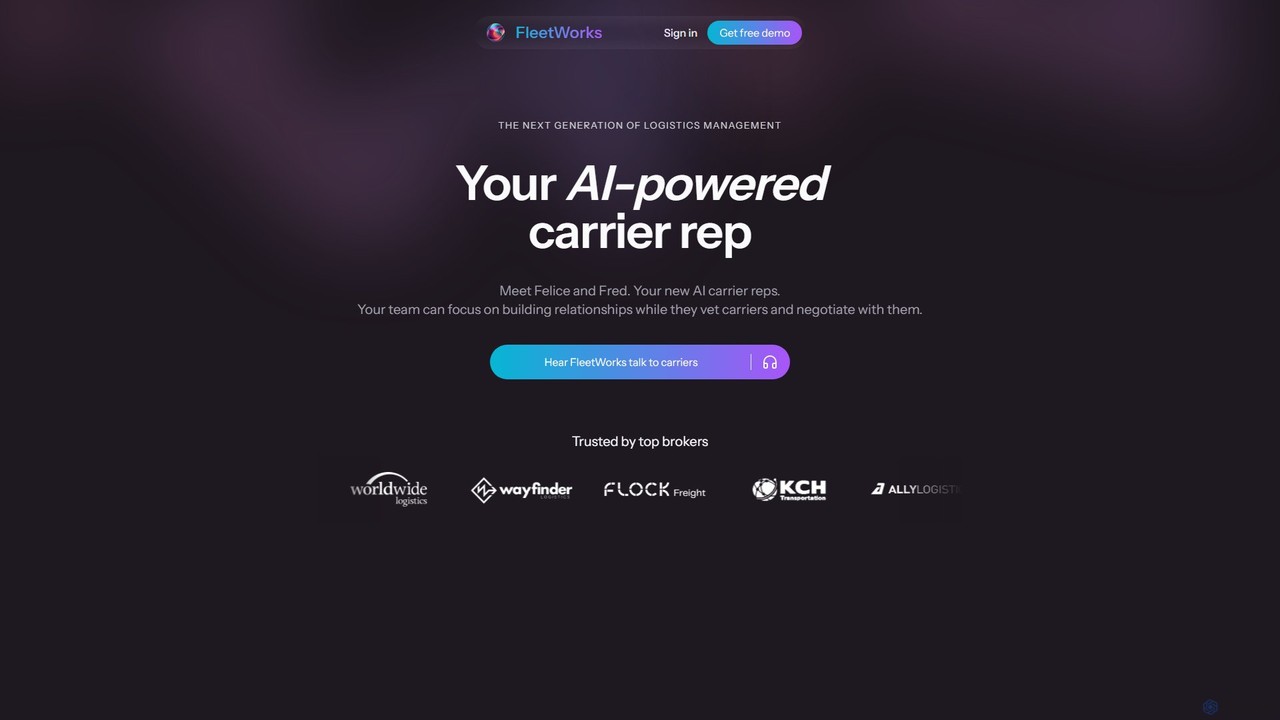
FleetWorks

FleetWorks

FleetWorks provides AI-powered carrier representatives, Felice and Fred, to automate freight brokerage operations. It handles carrier vetting, negotiation, …

18.1K
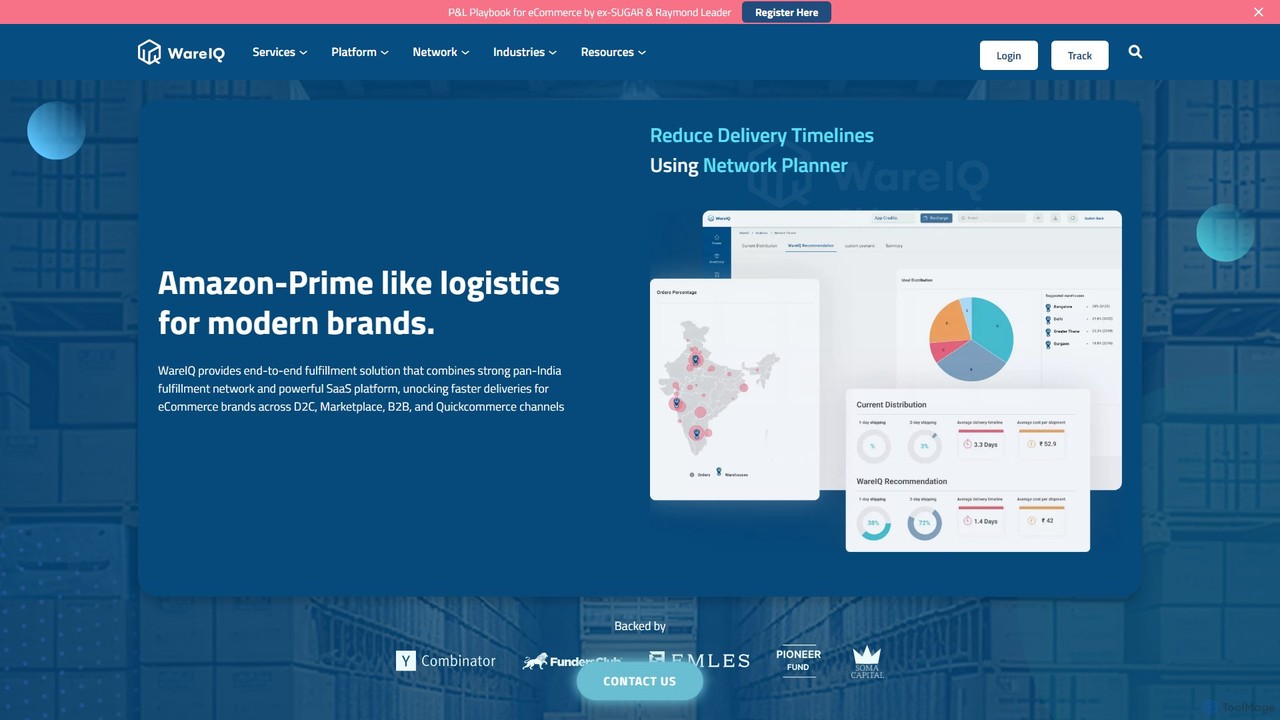
WareIQ

WareIQ

WareIQ is an AI-powered, tech-first fulfillment platform for eCommerce brands in India. It provides an end-to-end logistics solution, …

86.4K
Chowdeck

Chowdeck

Chowdeck is an AI-powered food delivery and logistics platform operating in Africa. It connects users with a wide …

246.5K
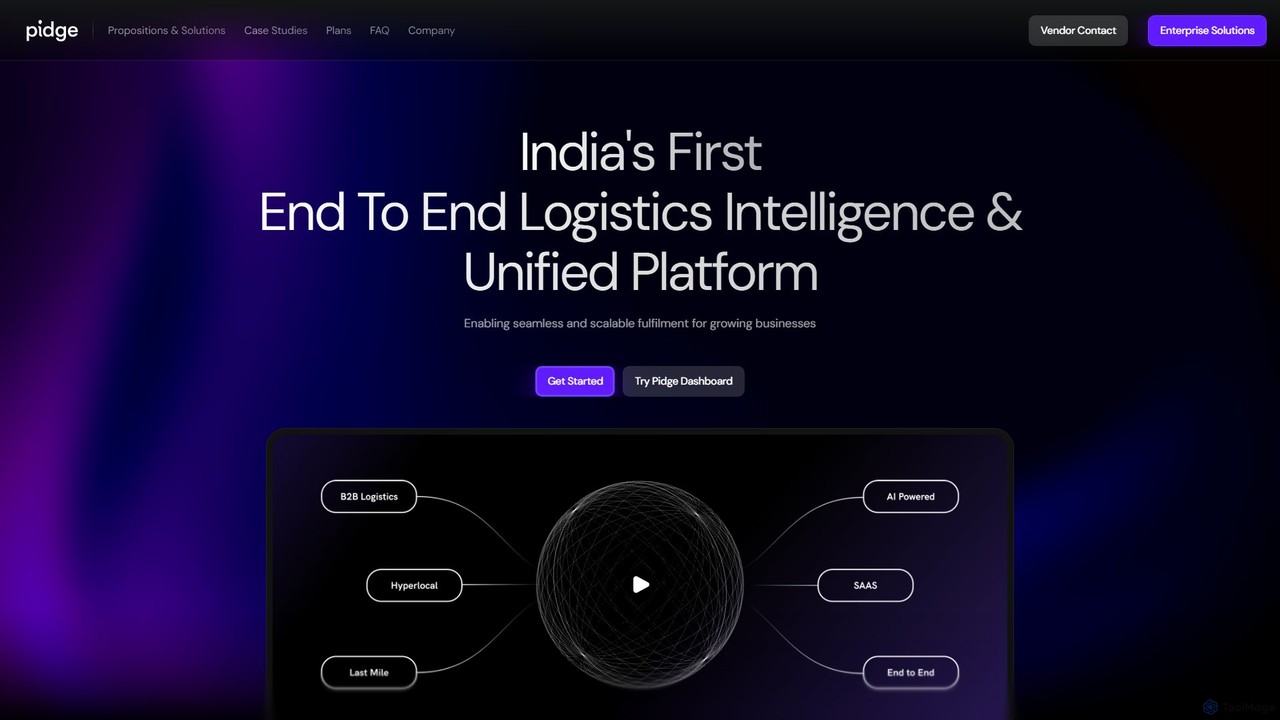
Pidge

Pidge

Pidge is an AI-powered logistics intelligence platform designed to streamline and optimize last-mile delivery for businesses. It offers …

18.9K
clicoh

clicoh

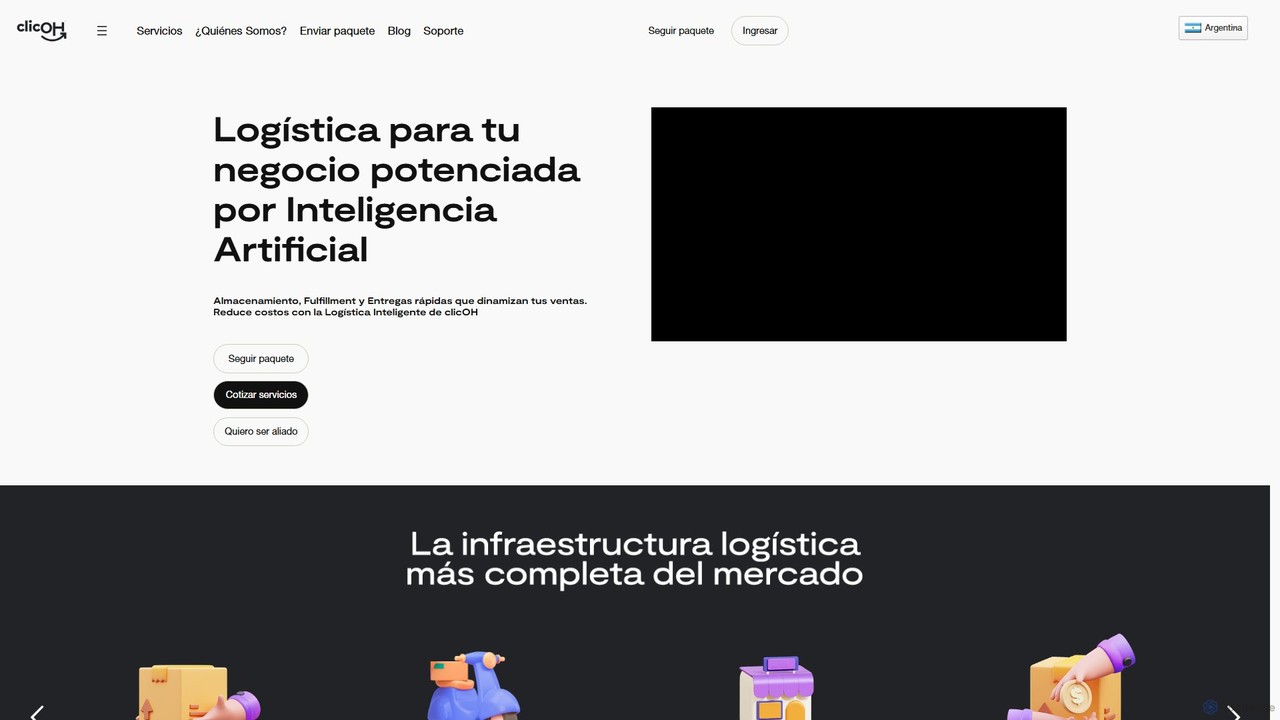
clicoh is an AI-powered logistics platform for e-commerce businesses. It offers end-to-end solutions, including intelligent warehousing, fulfillment services, …

20.1K
Datatruck

Datatruck

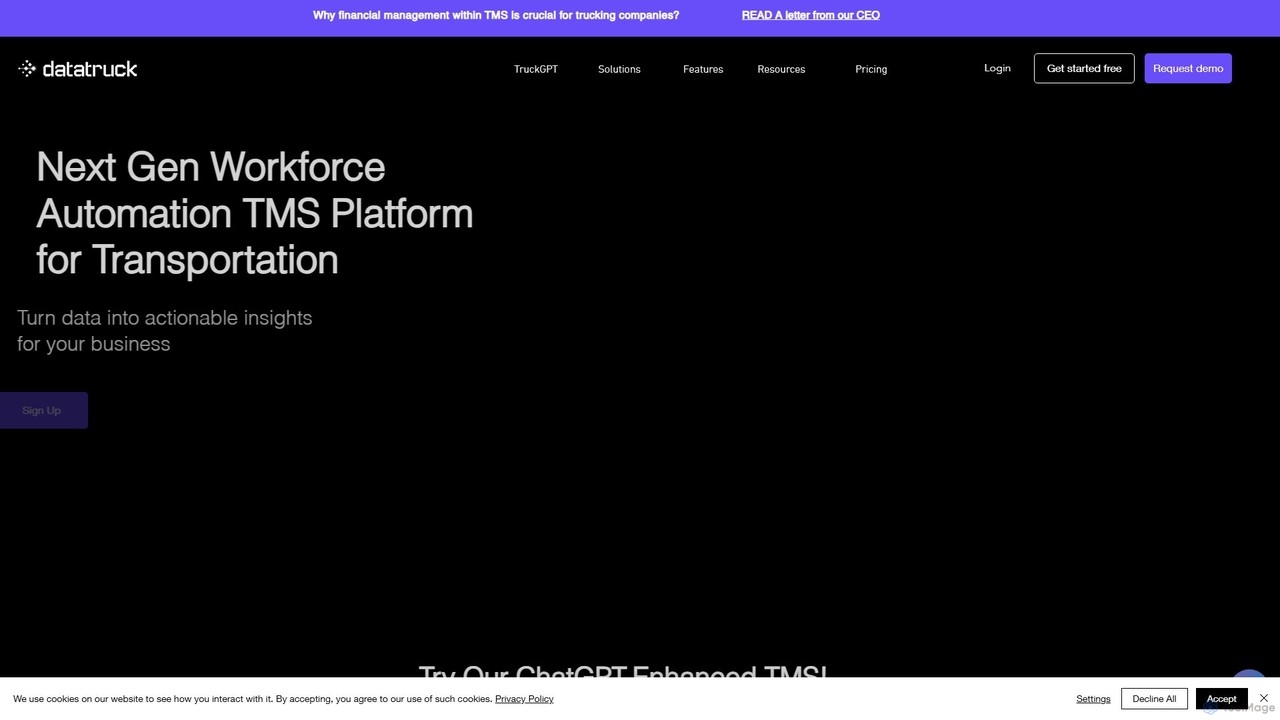
Datatruck is a next-generation, AI-powered Transportation Management System (TMS) for the trucking industry. It leverages workforce automation, AI/ML …

58.6K
May Mobility

May Mobility

May Mobility is an autonomous vehicle (AV) technology company that develops and deploys self-driving transit solutions. Leveraging its …

22.1K
Levity

Levity

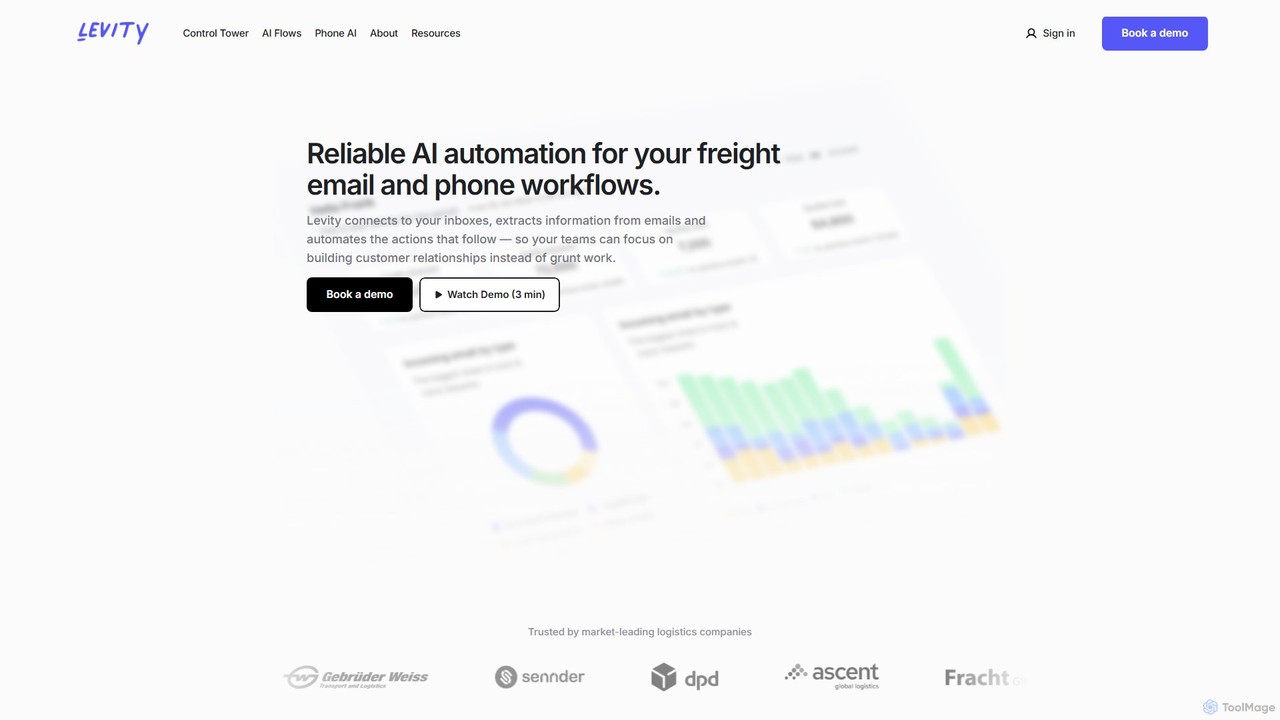
Levity is an AI-powered automation platform designed for the freight and logistics industry. It streamlines email and phone …

15.9K
Axle Health

Axle Health

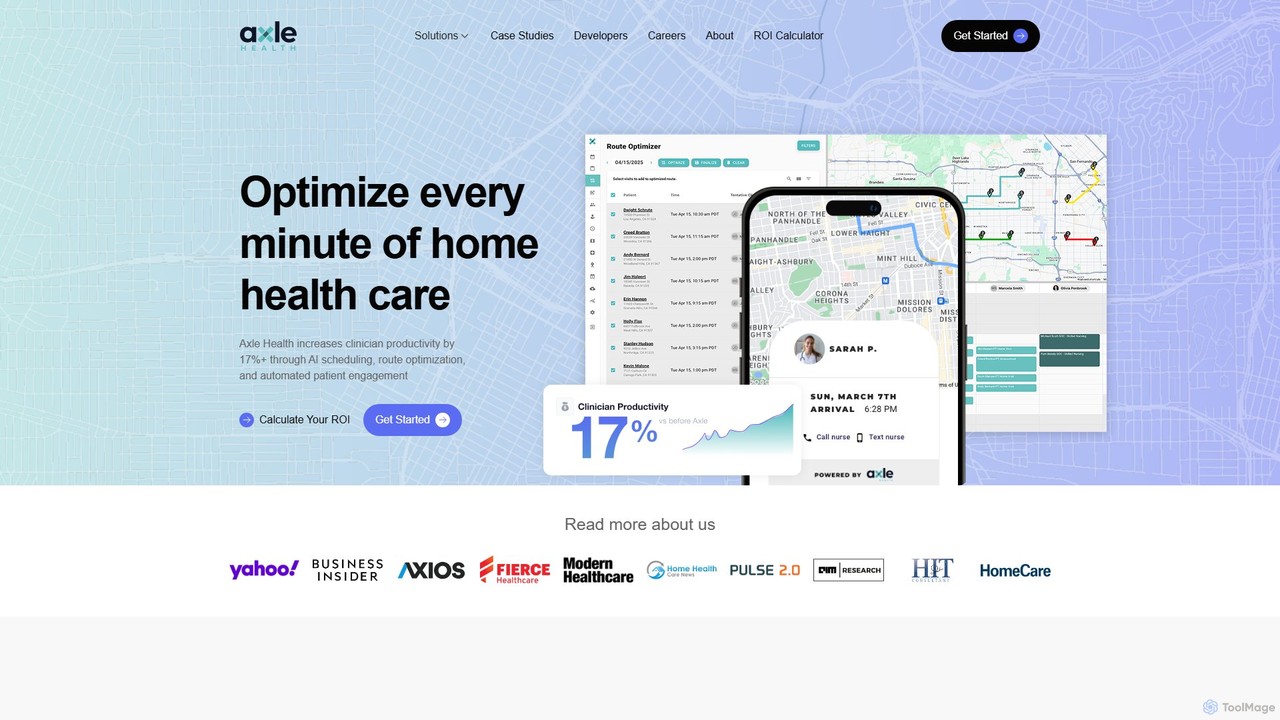
Axle Health is an AI-powered platform for home healthcare agencies, designed to optimize operations and increase efficiency. It …

45.7K

About Logistics

Logistics AI tools are specialized artificial intelligence applications designed to optimize and automate various processes within the supply chain. Leveraging machine learning, predictive analytics, and computer vision, these tools enhance efficiency, reduce costs, and improve decision-making across warehousing, transportation, and inventory management. They provide businesses with real-time insights and intelligent automation to navigate complex operational challenges and improve service delivery.

Core Features

  • Demand Forecasting: Accurately predicts future product demand based on historical data, market trends, and external factors.
  • Route Optimization: Calculates the most efficient delivery routes considering traffic, weather, vehicle capacity, and delivery windows.
  • Warehouse Automation: Manages and optimizes warehouse operations, including picking, packing, sorting, and storage, often with robotics.
  • Inventory Management: Monitors stock levels, automates reordering, and minimizes overstocking or stockouts across multiple locations.
  • Predictive Maintenance: Analyzes sensor data from vehicles and equipment to anticipate failures and schedule proactive maintenance.

Use Cases

Logistics AI tools are crucial for businesses aiming to streamline their supply chain. E-commerce companies use them to manage vast inventories and ensure timely last-mile deliveries. Manufacturing firms apply AI for optimizing raw material procurement and production scheduling. Retailers leverage these tools for efficient stock replenishment and managing complex distribution networks.

How to Choose

When selecting Logistics AI tools, consider their integration capabilities with existing ERP/WMS systems, scalability to handle growing operations, and the accuracy of their predictive models. Evaluate the level of automation offered, data security protocols, and the vendor's support for customization and implementation. User-friendliness and a clear return on investment are also vital factors.

LogisticsUse Cases

1

Optimizing Last-Mile Delivery Routes

E-commerce logistics managers utilize AI tools to analyze real-time traffic, weather conditions, and customer delivery windows. The AI generates the most efficient routes for delivery fleets, reducing fuel consumption by up to 20% and ensuring timely deliveries, which significantly enhances customer satisfaction and operational cost-effectiveness.

2

Automating Warehouse Inventory Management

Warehouse supervisors deploy AI-powered systems to track stock levels, predict demand fluctuations, and automate reordering processes. This reduces manual errors by 90%, minimizes overstocking and stockouts, and ensures optimal inventory levels, leading to significant savings in storage costs and improved order fulfillment rates.

3

Predictive Maintenance for Fleet Vehicles

Fleet managers leverage AI to analyze sensor data from trucks and delivery vans, predicting potential equipment failures before they occur. This enables proactive scheduling of maintenance, reducing unexpected breakdowns by 30% and minimizing costly downtime, thereby extending vehicle lifespan and ensuring consistent service delivery.

4

Enhancing Demand Forecasting Accuracy

Supply chain planners use AI-powered demand forecasting tools to analyze vast datasets, including sales history, promotional activities, and external factors like weather or economic indicators. This improves forecast accuracy by 15-25%, leading to better inventory planning, reduced waste, and optimized production schedules for manufacturers and retailers.

5

Automating Freight and Shipping Documentation

Logistics administrators use AI-powered document processing to automate the creation and verification of shipping manifests, customs declarations, and bills of lading. This reduces manual data entry errors by 80% and accelerates processing times, ensuring compliance and faster movement of goods across borders and within complex supply chains.

6

Optimizing Cold Chain Logistics for Perishables

Food and pharmaceutical companies leverage AI to monitor and control temperature, humidity, and other environmental factors throughout the cold chain. AI systems predict potential deviations, alert operators, and suggest corrective actions, ensuring product integrity and compliance with strict regulations, thereby minimizing spoilage and maintaining product quality.

LogisticsFrequently Asked Questions