Business Best in category 11 results Predictive Analytics AI Tool

Popular AI tools in the Predictive Analytics field of Business include Genius、Jungle AI、Breadcrumbs、Plat.AI、Analyzr、Codenull.ai、Infer、pythia、klynk、vaultai, etc., helping you quickly improve efficiency.

Genius

Genius

Genius is an agentic enterprise intelligence platform by VERSES AI, designed for building reliable, domain-specific predictive models. It …

22.1K
Codenull.ai

Codenull.ai

Codenull.ai is a no-code AI platform that empowers businesses to build, train, and deploy custom machine learning models …

2.6K
Plat.AI

Plat.AI

Plat.AI is an automated predictive analytics platform for businesses. It transforms existing company data into real-time, actionable insights …

7.3K
Breadcrumbs

Breadcrumbs

Breadcrumbs is an AI-powered revenue acceleration platform that provides enterprise-grade lead scoring. It connects to your entire tech …

8.4K
vaultai

vaultai

VaultAI is a predictive analytics platform for the entertainment industry. It uses AI to analyze content like scripts …

2.5K
klynk

klynk

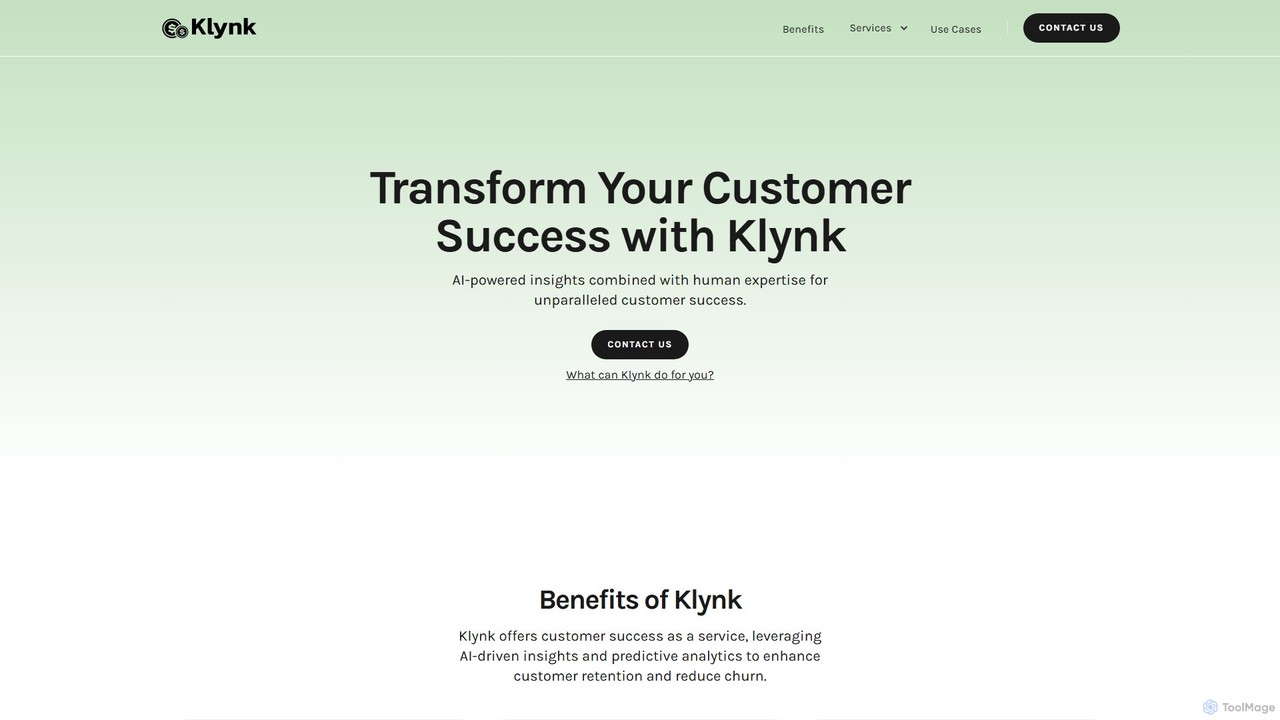
Klynk is a Customer Success as a Service (CSaaS) platform that combines AI-powered insights with human expertise. It …

2.5K
PI.EXCHANGE

PI.EXCHANGE

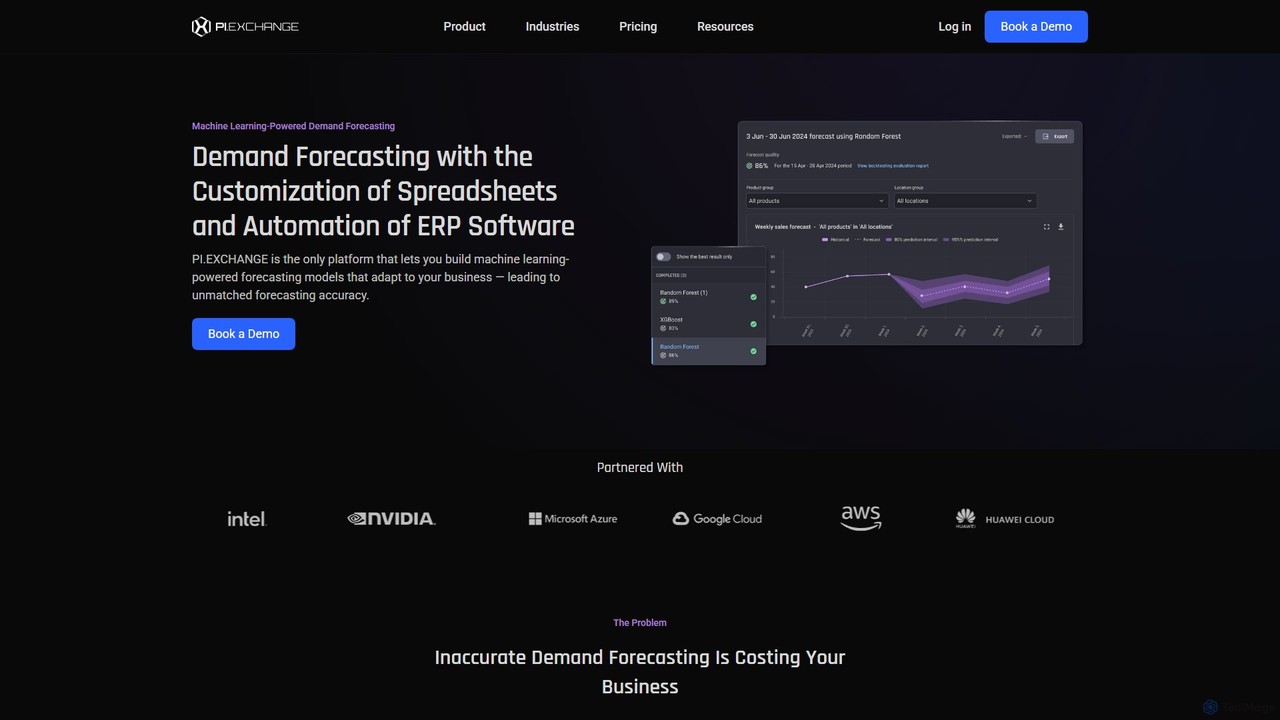
PI.EXCHANGE is an enterprise-grade, no-code machine learning platform designed for businesses. It offers specialized studios for demand forecasting, …

2.5K
pythia

pythia

Pythia is an AI-powered predictive analytics and strategic intelligence platform. It empowers businesses to analyze complex data, forecast …

2.6K
Analyzr

Analyzr

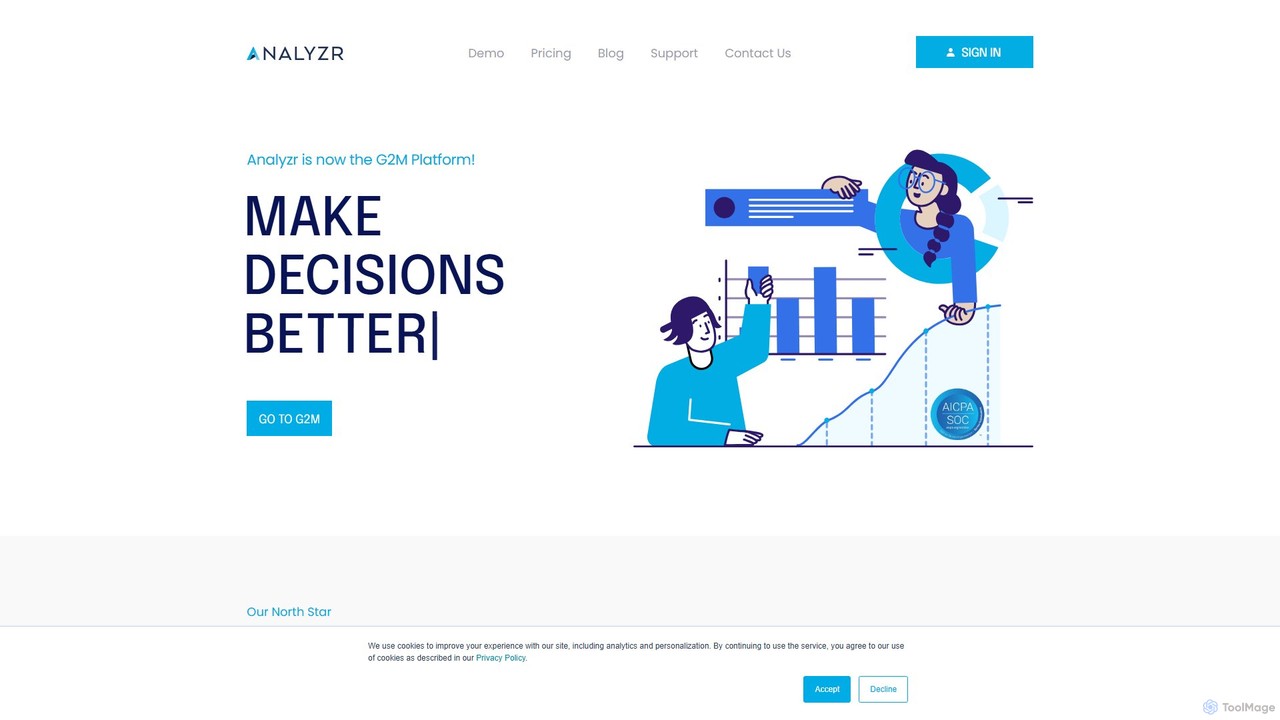
Analyzr is a no-code predictive analytics platform that empowers businesses to build custom machine learning models. It simplifies …

4.0K
Jungle AI

Jungle AI

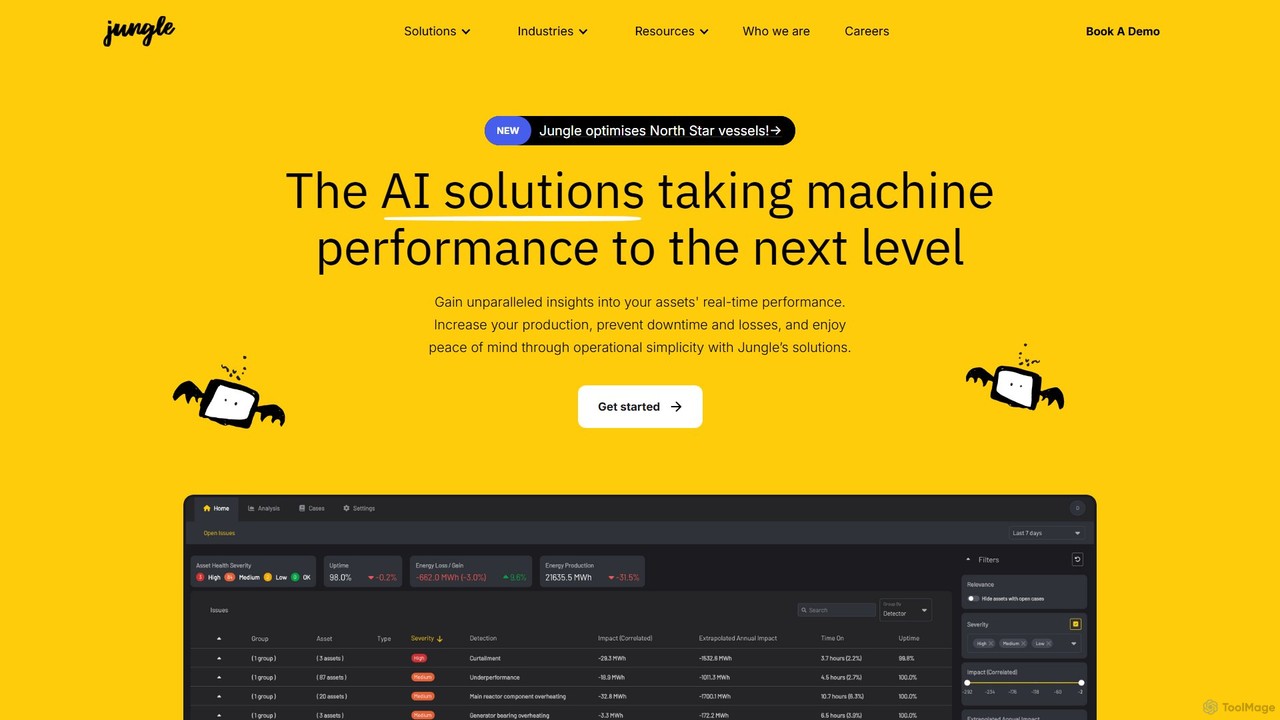
Jungle AI provides advanced AI solutions to optimize the performance and reliability of industrial assets, particularly in the …

12.3K
Infer

Infer

Infer is a predictive analytics platform designed for RevOps and GTM teams. It creates custom machine learning models …

2.6K

About Predictive Analytics

Predictive Analytics tools are a class of AI-powered software that use historical data, statistical algorithms, and machine learning to identify the likelihood of future outcomes. They analyze patterns in large datasets to build models that can forecast trends, behaviors, and events. Businesses use these tools to make proactive, data-driven decisions, from anticipating customer needs to optimizing inventory and mitigating risks. Unlike traditional business intelligence which focuses on past events, predictive analytics provides actionable, forward-looking insights.

Core Features

  • Data Modeling: Create, train, and validate statistical models based on historical data to make predictions.
  • Trend Forecasting: Identify and project future trends in sales, market behavior, or operational demand.
  • Risk Scoring: Quantify the probability of specific negative events, such as customer churn, fraud, or loan default.
  • Pattern Recognition: Automatically detect significant patterns, anomalies, and correlations within complex datasets.
  • Scenario Simulation: Test the potential outcomes of different business strategies or market conditions before implementation.

Use Cases

Predictive Analytics is widely applied across various industries. In finance, it's used for credit scoring and fraud detection. Retailers use it for demand forecasting and price optimization. In marketing, it helps predict customer lifetime value and churn rates. Manufacturing sectors apply it for predictive maintenance to prevent equipment failure.

How to Choose

When selecting a predictive analytics tool, evaluate its integration capabilities with your existing data sources (e.g., CRM, ERP). Consider the complexity of its modeling features and whether it requires specialized data science skills or offers a user-friendly interface. Also, assess its scalability to handle growing data volumes and the quality of its data visualization and reporting features.

Predictive AnalyticsUse Cases

1

Predicting Customer Churn for Subscription Services

A marketing manager at a SaaS company needs to reduce the monthly customer churn rate. By using a predictive analytics tool, they can analyze user behavior data such as login frequency, feature usage, and support ticket history. The tool builds a model that identifies patterns preceding cancellations and assigns a 'churn risk score' to each customer. This allows the marketing team to proactively target high-risk users with retention campaigns, such as personalized offers or additional support, measurably reducing churn.

2

Optimizing Retail Inventory with Demand Forecasting

A supply chain manager for a retail chain aims to prevent stockouts and reduce overstocking costs. They use a predictive analytics platform to analyze historical sales data, seasonality, promotional events, and external factors like holidays. The platform generates precise demand forecasts for each product at every store location. Based on these predictions, the manager can automate and optimize inventory ordering, ensuring popular items are always in stock while minimizing capital tied up in slow-moving goods, thus improving overall profitability.

3

Implementing Predictive Maintenance for Manufacturing

An operations manager in a manufacturing plant wants to minimize unplanned downtime caused by equipment failure. They deploy sensors on critical machinery to collect real-time data like temperature and vibration. This data is fed into a predictive analytics tool, which learns the normal operating patterns. The model can then predict when a machine component is likely to fail, allowing the maintenance team to schedule repairs proactively. This shifts the strategy from reactive to predictive maintenance, extending equipment lifespan and maximizing production uptime.

4

Assessing Credit Risk for Financial Institutions

A risk analyst at a bank needs to make faster and more accurate loan approval decisions. They use a predictive analytics model that analyzes thousands of data points for each applicant, including credit history, income stability, and transaction behavior. The model compares this profile against historical data of past borrowers to generate a precise risk score. This score quantifies the likelihood of default, enabling the analyst to approve, deny, or adjust loan terms with higher confidence and consistency, thereby reducing the institution's exposure to bad debt.

5

Optimizing Marketing Campaigns with Lead Scoring

A sales team is struggling to prioritize a high volume of incoming leads. A marketing operations specialist implements a predictive lead scoring tool. The tool connects to the CRM and analyzes lead attributes (like company size and job title) and behaviors (like website visits and email opens). It builds a model to predict which leads are most likely to convert. Each lead is automatically assigned a score, allowing the sales team to focus their efforts on the highest-potential prospects, increasing conversion rates and overall sales efficiency.

6

Detecting Fraudulent Transactions in Real-Time

An e-commerce platform needs to protect its customers and itself from fraudulent credit card transactions. A fraud analyst uses a predictive analytics system that monitors transactions as they occur. The system's model is trained on millions of historical transactions, learning the characteristics of both legitimate and fraudulent activities. When a new transaction comes in, the model scores it in milliseconds based on factors like purchase amount, location, and user behavior. High-risk transactions are automatically flagged for review or blocked, preventing financial loss.

Predictive AnalyticsFrequently Asked Questions