Customer Support Best in category 11 results Customer Success AI Tool

Popular AI tools in the Customer Success field of Customer Support include Velaris、trainn、June、EverAfter、Wudpecker、Distribute、asktosell、Cust、klynk, etc., helping you quickly improve efficiency.

Wudpecker

Wudpecker

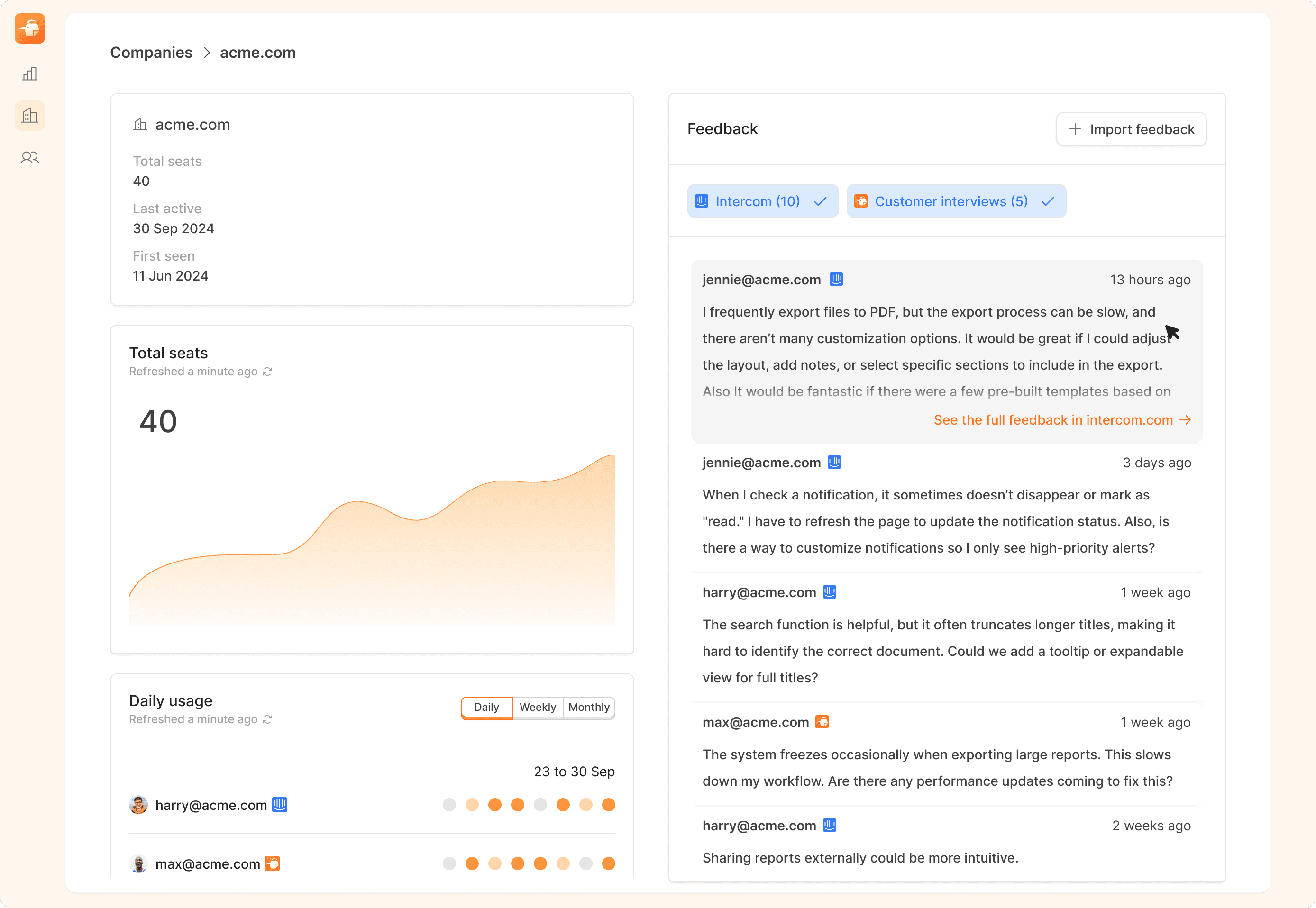
Wudpecker is an AI-powered platform offering two core solutions: an AI Meeting Assistant for automated recording, transcription, and …

10.1K
Cust

Cust

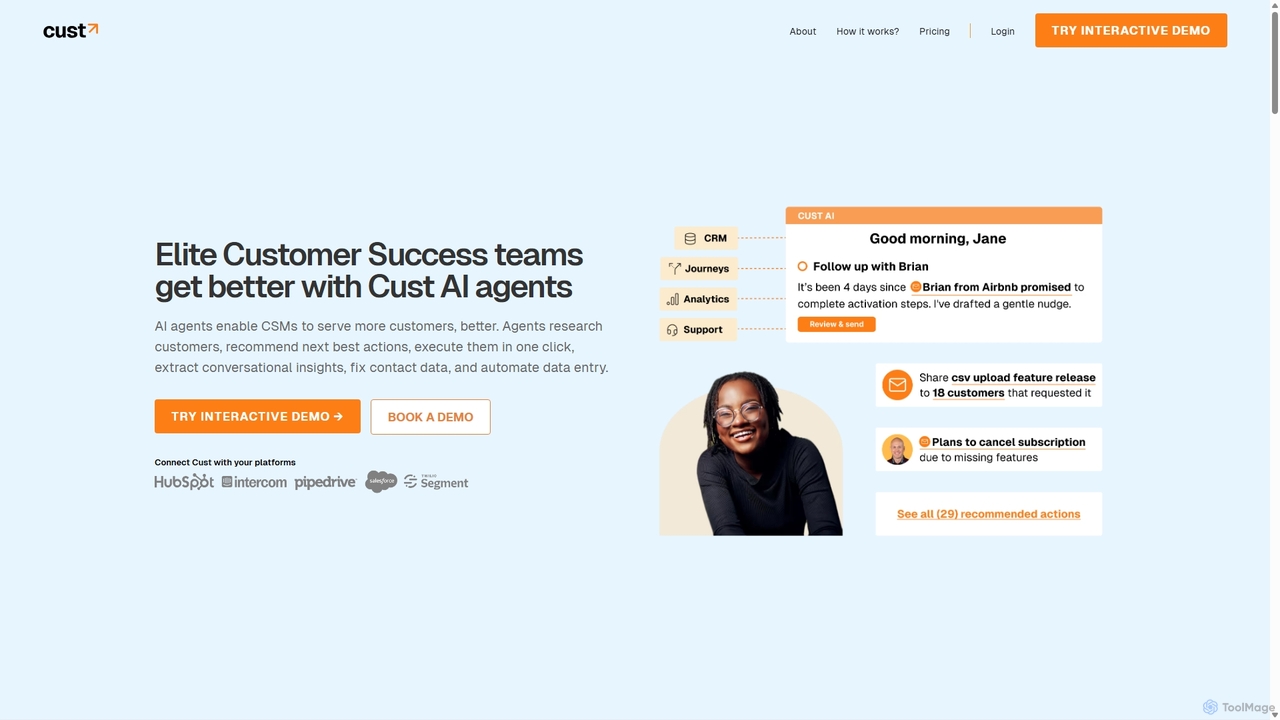
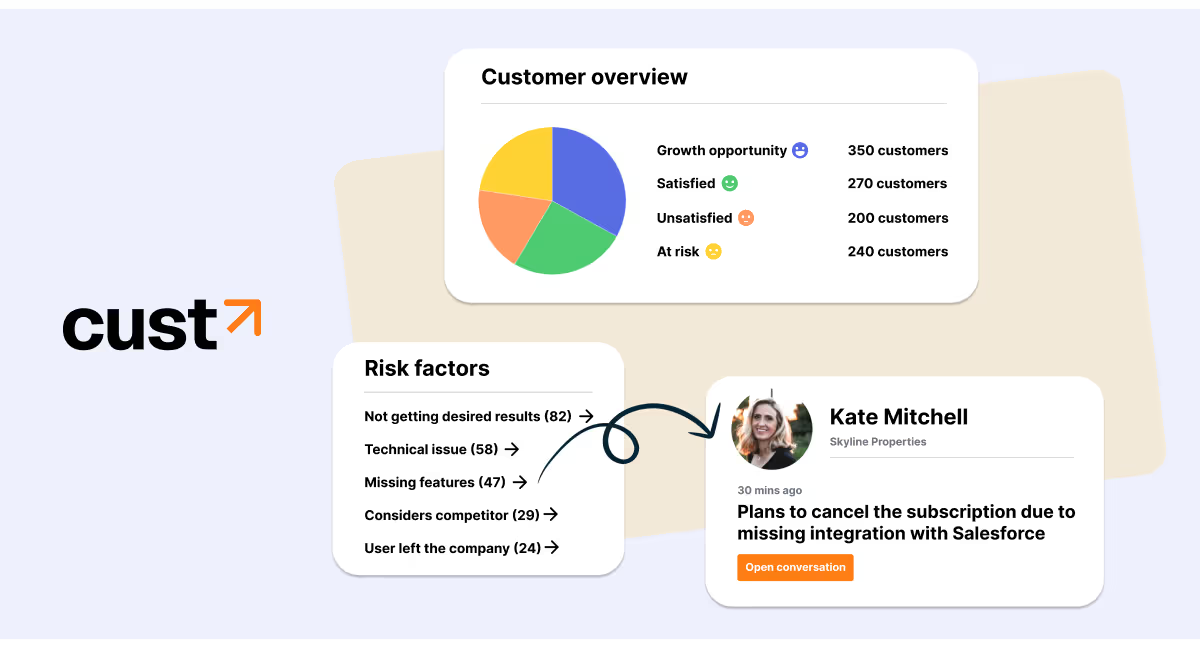
Cust is an AI agent platform designed for elite customer success teams. It empowers CSMs to scale personalized, …

3.1K
trainn

trainn

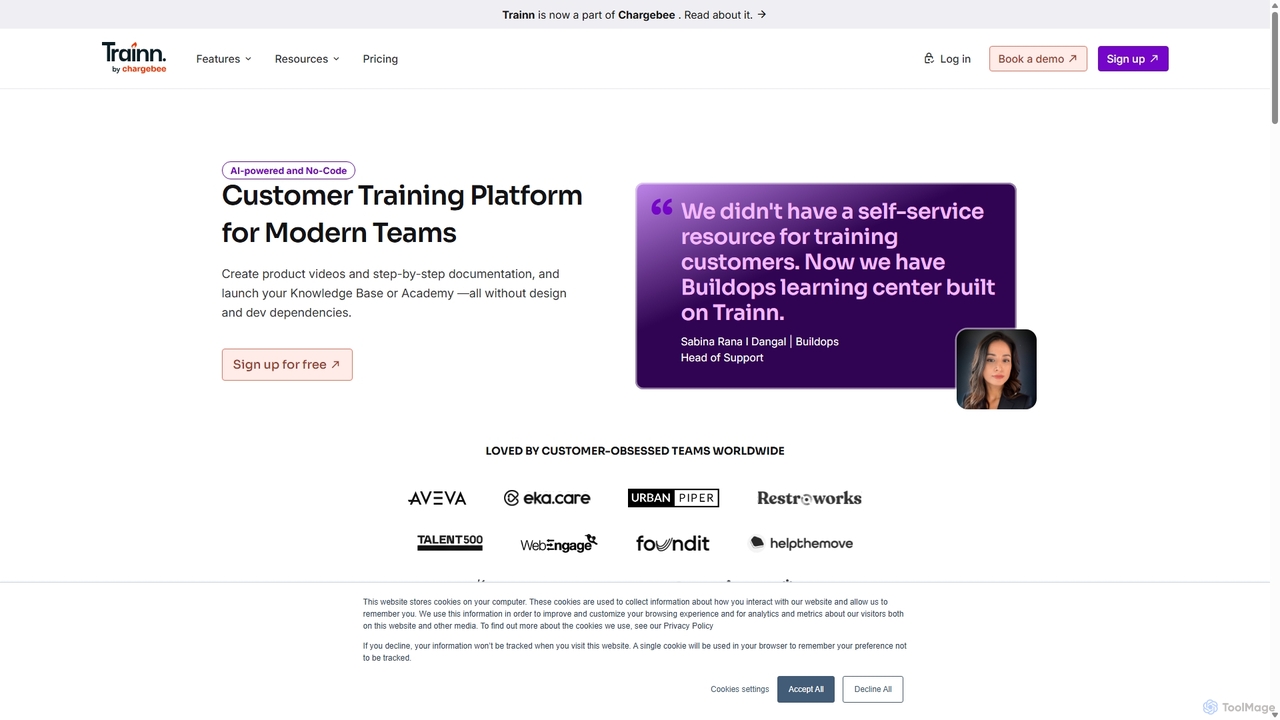
Trainn is an AI-powered, no-code customer education platform for SaaS businesses. It enables teams to effortlessly create professional …

74.4K
Distribute

Distribute

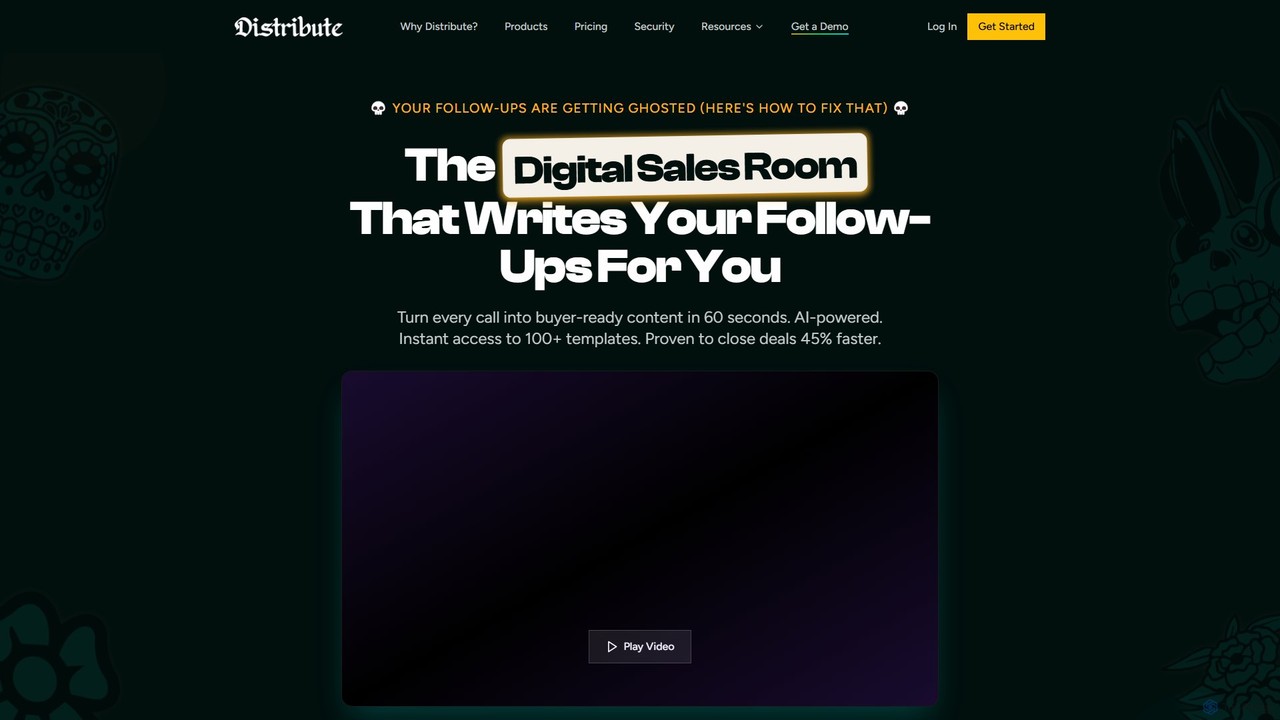
Distribute is an AI-powered Go-To-Market platform that creates Digital Sales Rooms (DSRs) from your sales calls. It automates …

13.0K
EverAfter

EverAfter

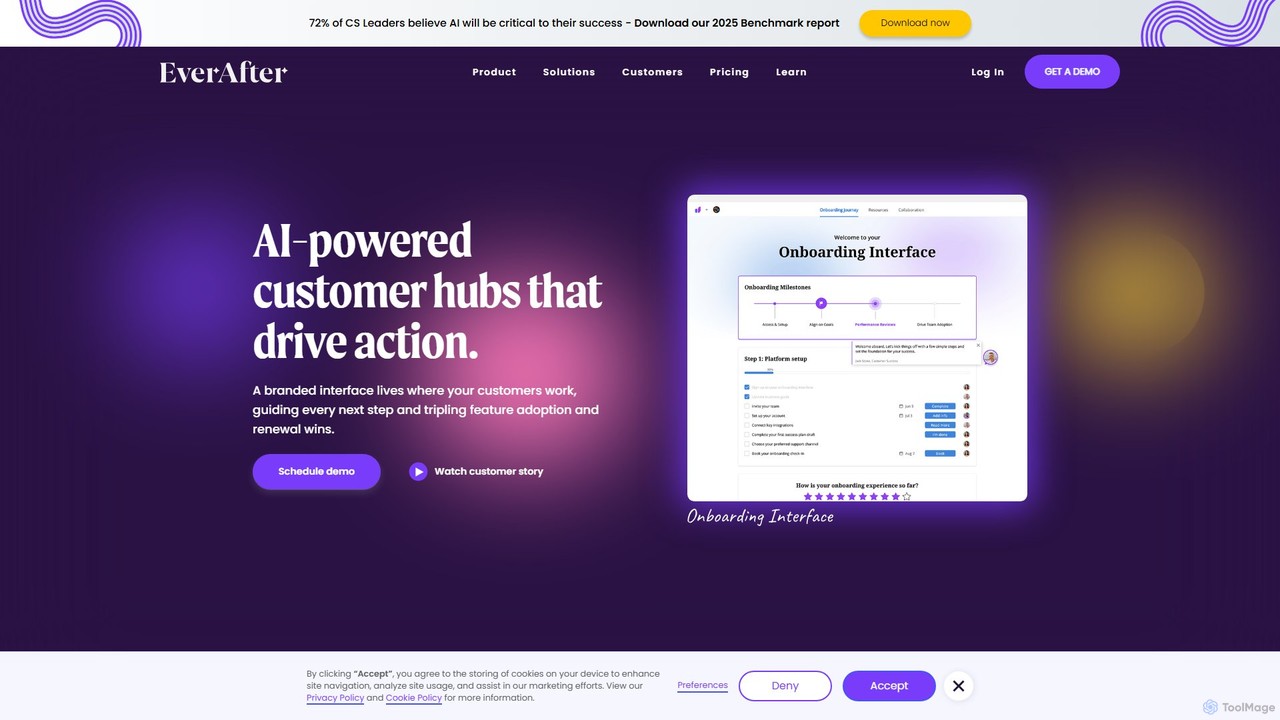
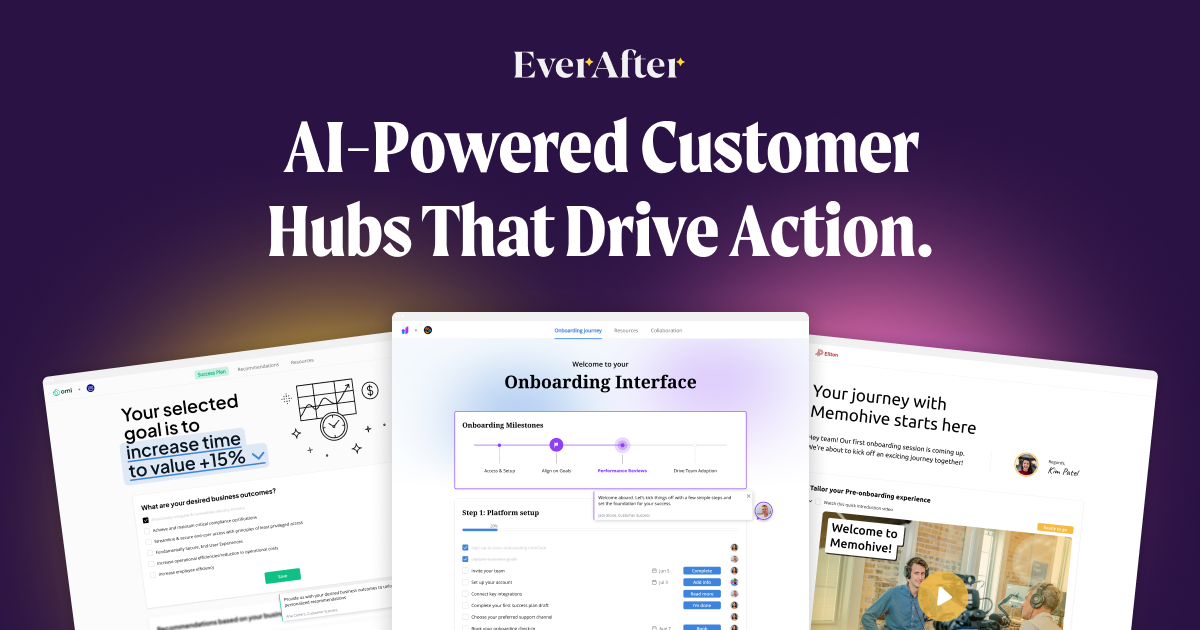
EverAfter is an AI-powered customer success platform that enables B2B companies to create branded, collaborative customer hubs. It …

17.9K
klynk

klynk

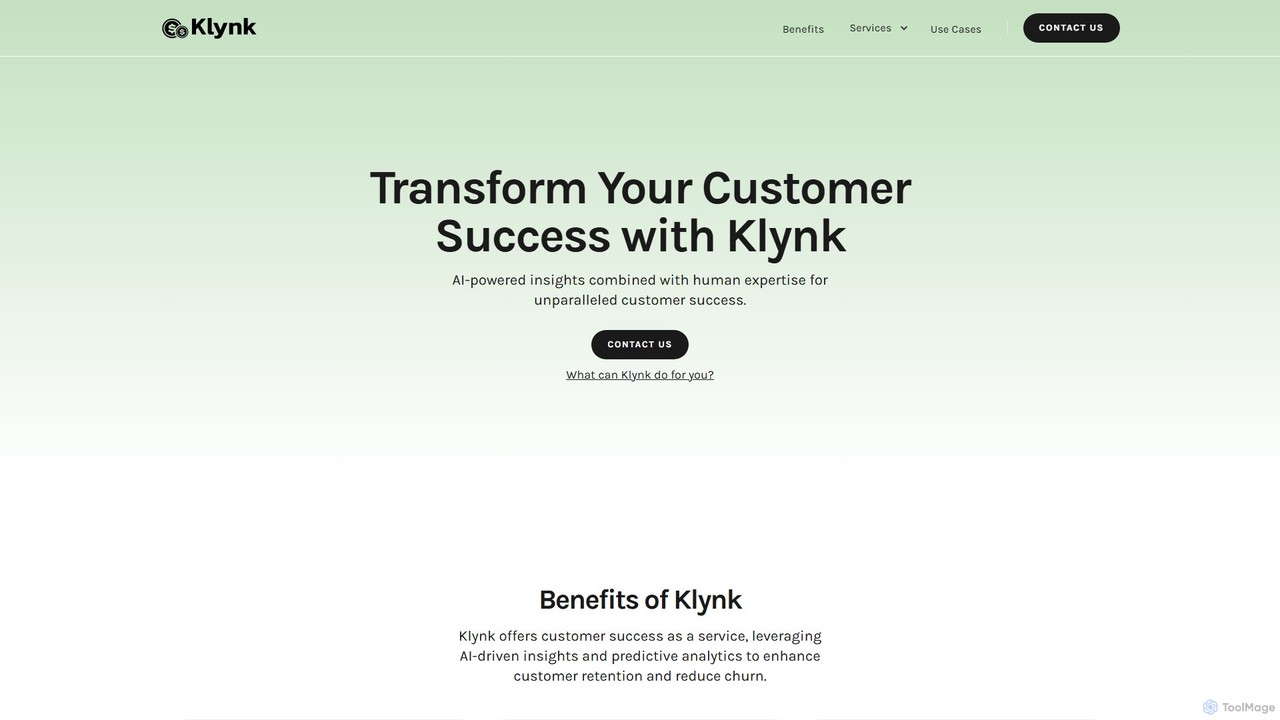
Klynk is a Customer Success as a Service (CSaaS) platform that combines AI-powered insights with human expertise. It …

3.0K
Velaris

Velaris

Velaris is an AI-powered Customer Success platform designed for post-sales teams. It provides complete customer visibility, predicts churn …

118.4K
Wudpecker

Wudpecker

Wudpecker is a comprehensive AI platform that combines an intelligent meeting assistant with a powerful customer success solution, …

14.9K
CSCopilot

CSCopilot

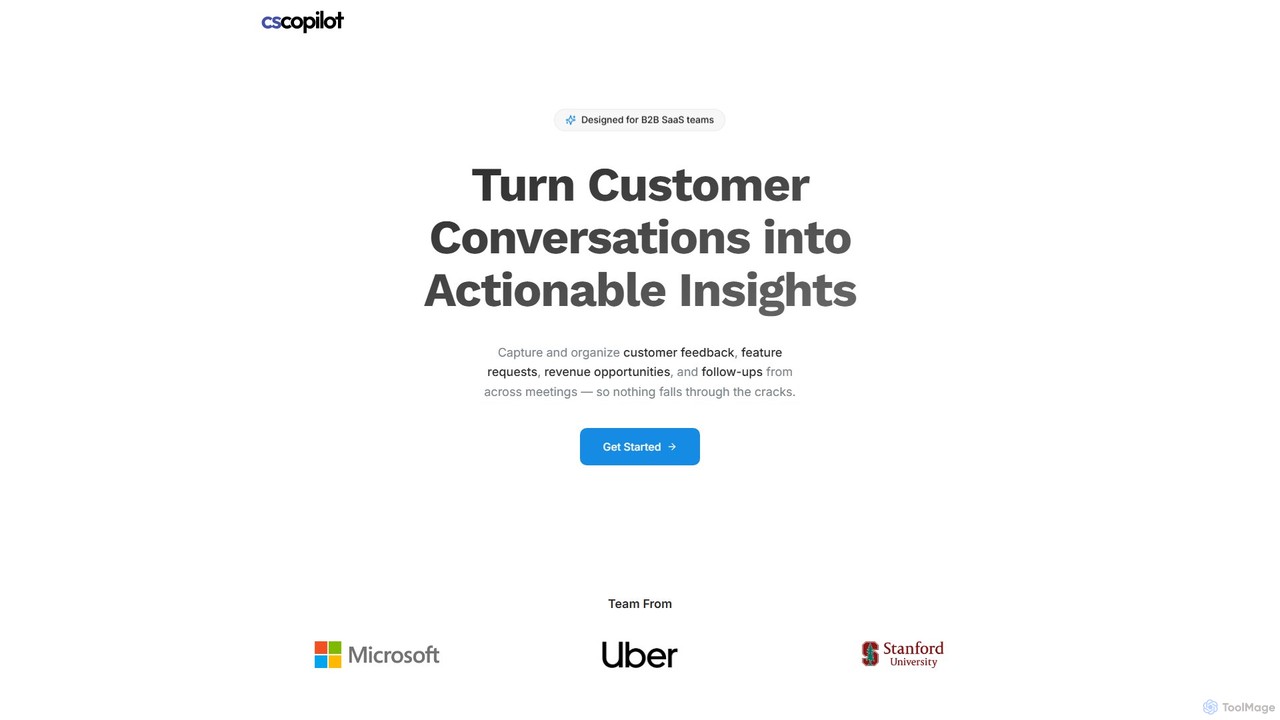
CSCopilot is an AI-powered platform for B2B SaaS teams that transforms customer conversations into actionable insights. It automatically …

3.0K
June

June

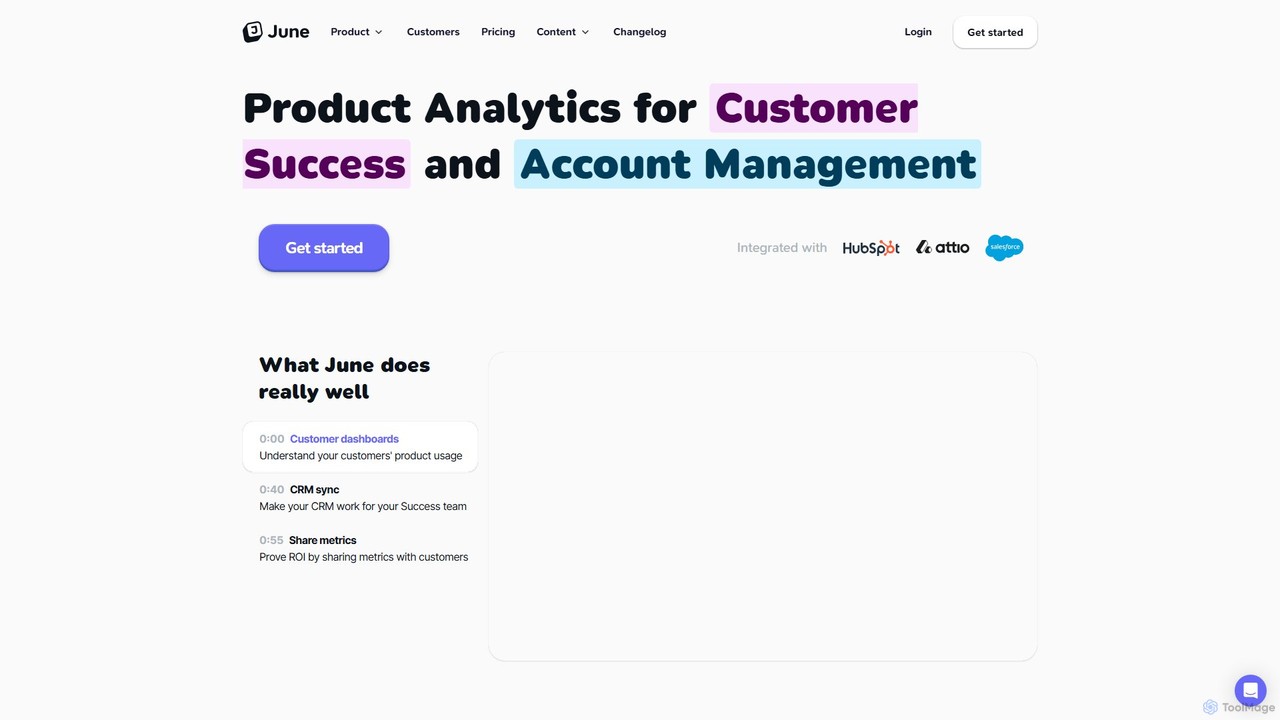
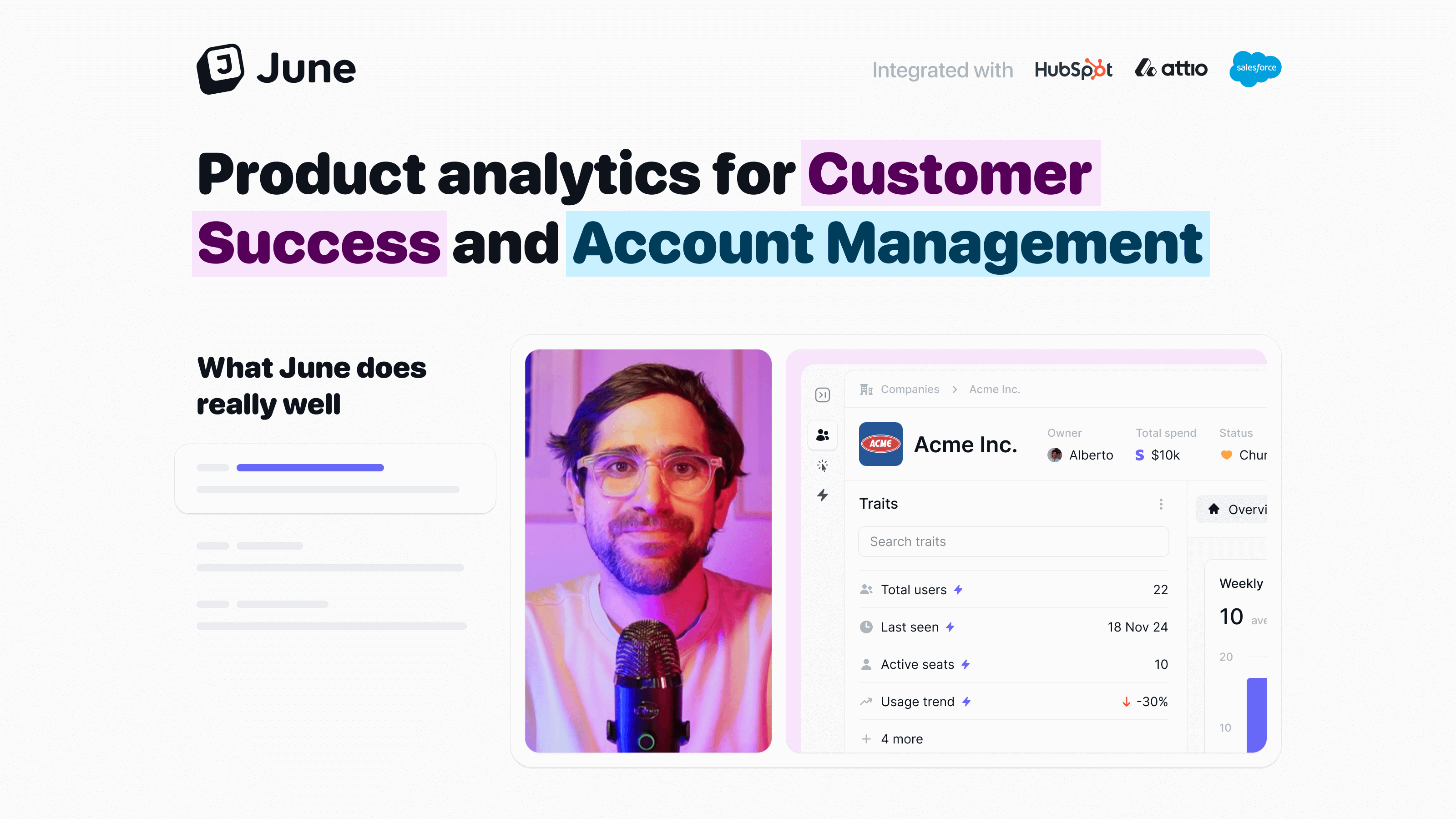
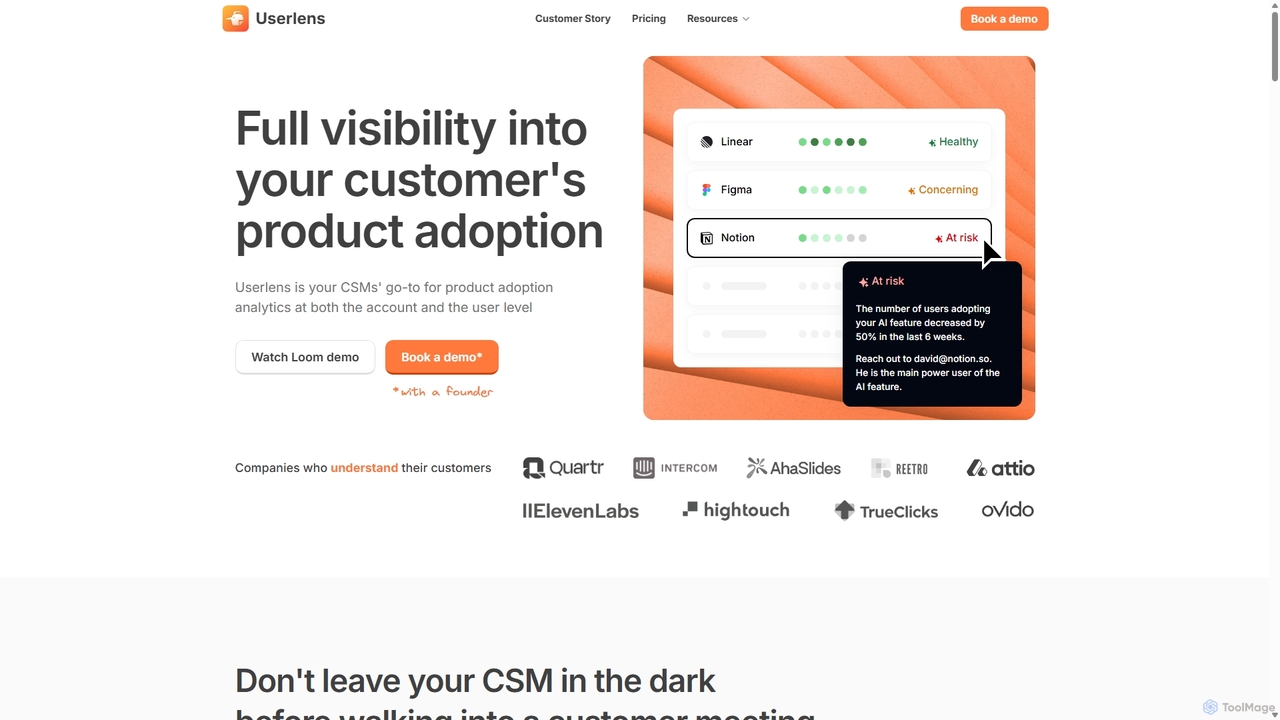
June is a product analytics platform designed for B2B SaaS companies. It helps customer success and account management …

36.3K
asktosell

asktosell

asktosell (now Cust) is an AI agent platform for elite customer success teams. It empowers CSMs to scale …

6.5K

About Customer Success

AI Customer Success tools are platforms designed to proactively maximize customer value and prevent churn. They leverage machine learning to analyze user behavior, calculate customer health scores, and automate personalized engagement. This data-driven approach helps businesses shift from reactive problem-solving to proactive value delivery, ensuring customers achieve their desired outcomes. These tools are essential for subscription-based businesses aiming to increase retention and identify expansion opportunities.

Core Features

  • Customer Health Scoring: Automatically calculates and tracks a score indicating an account's likelihood to renew or churn based on various data points.
  • Churn Prediction: Uses predictive analytics to identify customers at high risk of leaving, allowing for timely intervention.
  • Automated Playbooks: Triggers pre-defined sequences of actions (e.g., emails, tasks for CSMs) based on customer behavior or health score changes.
  • Usage Pattern Analysis: Provides deep insights into how customers are using a product, highlighting feature adoption and engagement levels.
  • Proactive Engagement: Enables automated, personalized outreach to guide users, offer help, or suggest new features before they ask.

Use Cases

These tools are primarily used by B2B SaaS companies, subscription service providers, and enterprises with complex products. Customer Success Managers (CSMs), account managers, and product teams use them to monitor the entire customer lifecycle, from onboarding to renewal, ensuring long-term customer loyalty and growth.

How to Choose

When selecting an AI Customer Success tool, consider its integration capabilities with your existing CRM and support systems. Evaluate the sophistication of its analytics and the customizability of its health scoring models. Also, assess the scalability of its automation features and whether its pricing model aligns with your business growth.

Customer SuccessUse Cases

1

Automating New User Onboarding for SaaS

A Customer Success Manager (CSM) at a growing SaaS company uses an AI tool to create an automated onboarding playbook. When a new user signs up, the system triggers a series of personalized emails and in-app messages that guide them through key features. The AI analyzes their initial actions to tailor the guidance, ensuring they reach their 'aha' moment quickly. This process reduces manual effort for the CSM team, improves initial product adoption rates, and decreases early-stage churn by ensuring users see value immediately.

2

Proactively Identifying At-Risk Accounts

An account manager for a B2B software company monitors a dashboard powered by an AI Customer Success tool. The platform continuously analyzes product usage data, support ticket volume, and recent survey feedback for all clients. It flags an account with a declining health score due to low feature adoption and a recent negative support interaction. The manager receives an automated alert, reviews the AI-generated insights, and proactively reaches out with a tailored training session, preventing potential churn before the customer even considers leaving.

3

Driving Product Adoption and Upsell Opportunities

A product team uses an AI Customer Success platform to track feature adoption across their user base. The AI identifies a segment of power users who have mastered core features but haven't adopted a new premium module. Based on this insight, the system triggers an in-app campaign offering these specific users a free trial of the premium module. This targeted approach increases the adoption of new features and surfaces qualified upsell leads for the sales team, directly linking customer success activities to revenue growth.

4

Scaling Customer Health Monitoring for Startups

A startup with a small Customer Success team needs to manage a rapidly growing customer base. They implement an AI Customer Success tool to automate health monitoring. The tool aggregates data from their app, CRM, and billing system into a single health score for each customer. This allows the small team to move away from manual check-ins and focus their limited time on the accounts that the AI identifies as needing immediate attention, whether due to risk or opportunity. It enables them to scale their operations efficiently without a proportional increase in headcount.

5

Personalizing Customer Communication at Scale

A marketing team at a subscription e-learning platform wants to increase user engagement. Using an AI Customer Success tool, they segment users based on their learning paths and content consumption patterns. The AI then helps craft and automate personalized email campaigns. For example, a user who frequently watches video editing courses receives an automated email about a new advanced lighting workshop. This level of personalization, managed automatically, makes communication more relevant, boosts engagement, and strengthens the customer's relationship with the brand.

6

Gathering Actionable Feedback for Product Development

A product manager wants to understand why users are not adopting a specific feature. They use an AI Customer Success tool to analyze usage data and identify users who have tried the feature but stopped using it. The system then automatically triggers a short, targeted in-app survey to this specific user segment asking for feedback. The AI can also analyze the sentiment of open-text responses. This provides the product team with highly relevant, contextual feedback, enabling them to make data-informed decisions to improve the feature or its documentation.

Customer SuccessFrequently Asked Questions