Cloud Computing Best in category 2 results Multi Cloud Management AI Tool

Popular AI tools in the Multi Cloud Management field of Cloud Computing include Plural、Devozy.ai, etc., helping you quickly improve efficiency.

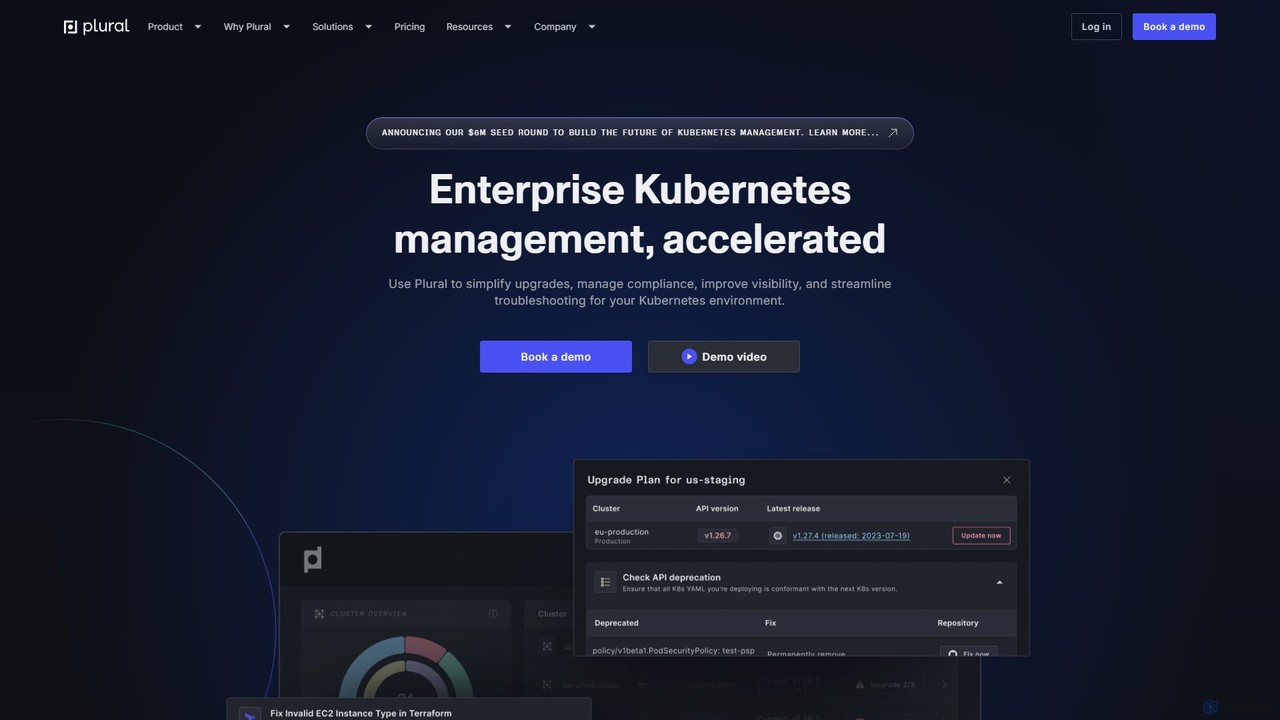
Plural

Plural

Plural is an AI-powered enterprise Kubernetes management platform designed to accelerate and simplify operations. It provides multi-cloud visibility, …

67.6K
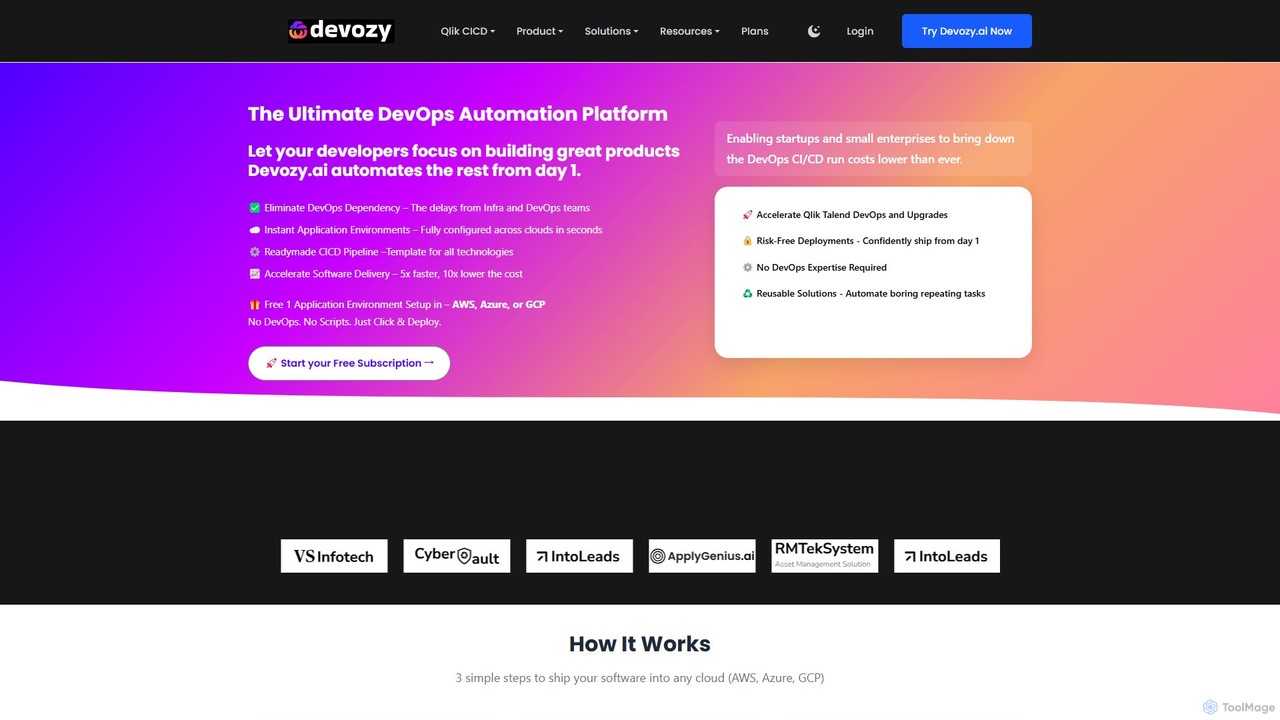
Devozy.ai

Devozy.ai

Devozy.ai is a self-service DevOps automation platform designed for IT engineering teams. It streamlines software deployment to multi-cloud …

2.1K

About Multi Cloud Management

Multi Cloud Management refers to tools and strategies designed to unify the oversight and optimization of resources and services across two or more distinct cloud platforms. These solutions provide a centralized view, automated operations, and policy enforcement, enabling organizations to leverage the unique strengths of various cloud providers. It addresses the complexities, cost control, and security compliance challenges inherent in hybrid or multi-cloud environments, thereby enhancing IT operational efficiency and business agility.

Core Features

  • Unified Resource Visibility: Offers a single pane of glass for monitoring and managing compute, storage, and network resources across different cloud vendors.
  • Cost Optimization & Analytics: Tracks and analyzes spending across multi-cloud setups, identifying waste and providing recommendations for cost reduction.
  • Automated Deployment & Orchestration: Facilitates automated deployment, configuration, and scaling of applications and infrastructure across diverse cloud environments.
  • Security & Compliance Management: Centralizes the management of security policies, identity access, and regulatory compliance requirements for all cloud platforms.
  • Performance Monitoring & Optimization: Provides real-time performance insights for cross-cloud applications and enables automated resource adjustments based on load.

Applicable Scenarios

Multi Cloud Management is crucial for enterprises seeking to avoid vendor lock-in, optimize costs by selecting the best cloud for each workload, or enhance resilience through distributed deployments. It supports organizations in industries like finance, healthcare, and e-commerce that require stringent compliance, high availability, and specialized cloud services.

How to Choose

When selecting a Multi Cloud Management platform, consider its integration capabilities with your existing cloud providers (AWS, Azure, GCP, private clouds) and its functional breadth, including cost management, security, automation, and monitoring. Evaluate the platform's ease of use, intuitive dashboards, and its scalability and API support for future growth and integration with other IT tools.

Multi Cloud ManagementUse Cases

1

Optimizing Cloud Spending Across Multiple Providers

A finance manager uses a multi-cloud management platform to gain a consolidated view of spending across AWS, Azure, and GCP. The platform automatically identifies idle resources, suggests rightsizing opportunities, and applies cost-saving policies, leading to a 20% reduction in overall cloud expenditure by eliminating waste and optimizing resource allocation.

2

Automated Cross-Cloud Application Deployment

A DevOps team leverages multi-cloud management tools to automate the deployment of containerized applications across AWS EKS and Azure AKS. By defining deployment pipelines once, they can push updates to both environments simultaneously, reducing manual effort by 70% and ensuring consistent configurations, accelerating time-to-market for new features.

3

Ensuring Business Continuity with Cross-Cloud Disaster Recovery

An enterprise implements a multi-cloud disaster recovery strategy by replicating critical data and applications from their primary AWS region to a secondary Azure region using a multi-cloud management solution. In the event of a major outage in AWS, the system automatically fails over to Azure, ensuring minimal downtime and maintaining business operations, significantly enhancing resilience.

4

Unified Security and Compliance Across Heterogeneous Clouds

A security operations team uses a multi-cloud management platform to enforce consistent security policies and compliance standards (e.g., GDPR, HIPAA) across their AWS, GCP, and on-premise private cloud environments. This centralizes identity and access management, network segmentation, and threat detection, reducing the risk of misconfigurations and ensuring regulatory adherence with 95% consistency.

5

Leveraging Specialized Services from Different Cloud Providers

A data science team uses a multi-cloud management solution to orchestrate complex AI/ML workflows. They run large-scale data processing on Google Cloud's BigQuery, train machine learning models on AWS SageMaker, and deploy inference services on Azure Kubernetes Service. The management platform seamlessly connects these services, allowing the team to utilize best-of-breed tools without vendor lock-in, accelerating model development by 30%.

6

Centralized Monitoring and Alerting for Distributed Applications

An IT operations team manages a distributed e-commerce application with components running on AWS Lambda, Azure Functions, and a private Kubernetes cluster. A multi-cloud management platform provides a unified dashboard for real-time performance monitoring, log aggregation, and custom alerting across all these environments. This enables proactive issue detection and resolution, reducing mean time to recovery (MTTR) by 40%.

Multi Cloud ManagementFrequently Asked Questions