ToolMage
Sign in

Best 10 Code Generation AI tools for Ai

Popular Code Generation AI tools in Ai include GitHub Copilot, Baidu Comate, Sweep, Plandex, Aide, Movestax, Mermaid Chart, CodexAtlas, PAS Code, and DocDriven, helping you work more efficiently.

GitHub Copilot
Freemium

GitHub Copilot

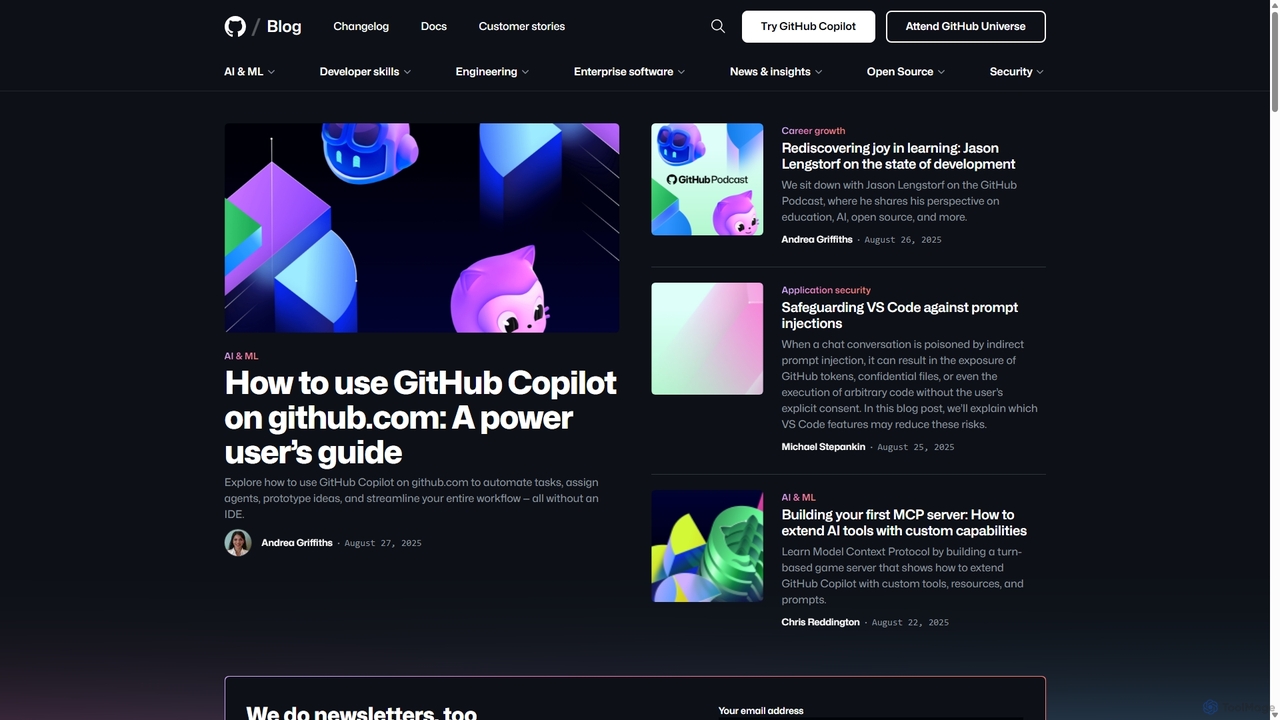
GitHub Copilot is an AI pair programmer that offers intelligent code completions and suggestions directly in your editor. It helps you write code faster, learn new languages, and stay in the flow by turning natural language prompts into coding suggestions across dozens of languages.

Code Generation
Visits 3MFavorites 153Likes 140
Plandex
Freemium

Plandex

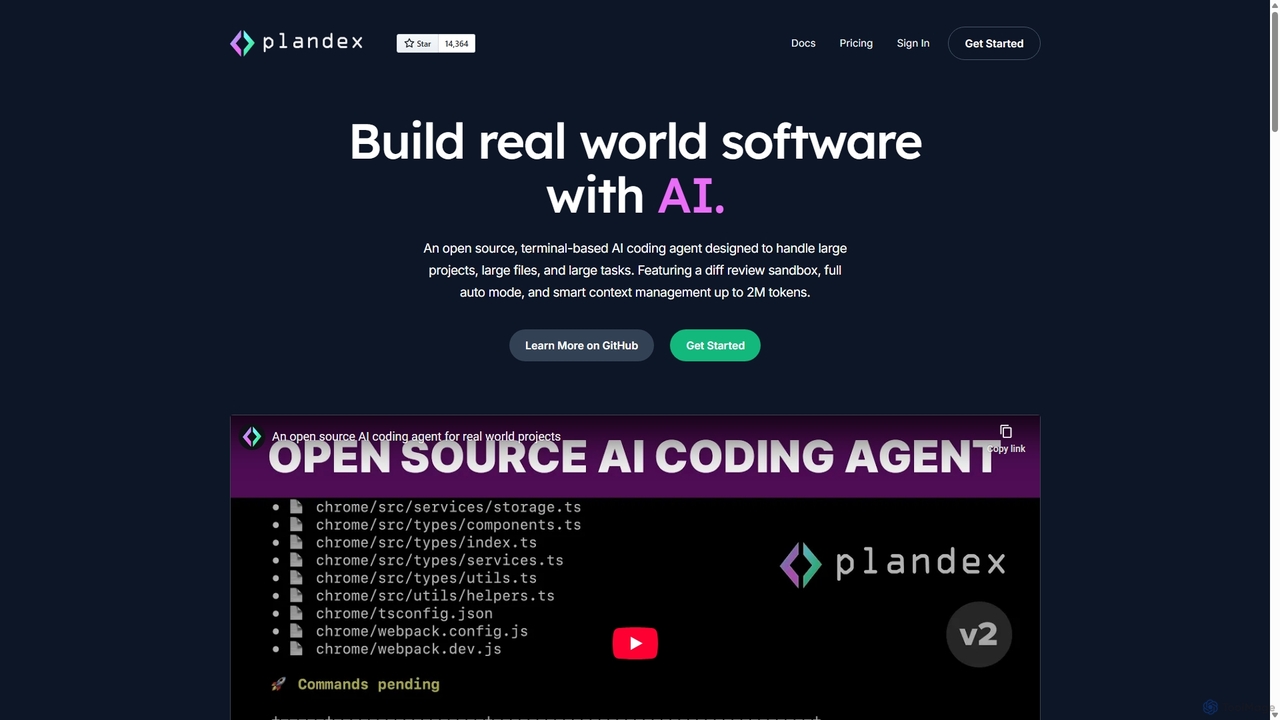
Plandex is an open-source, terminal-based AI coding agent designed for complex, large-scale software development tasks. It excels at handling large projects and files with its 2M token context window. Featuring a diff review sandbox, configurable autonomy, and multi-model support, Plandex empowers developers to build, debug, and refactor entire applications with AI assistance, ensuring control and productivity in a dev-friendly workflow.

Code Generation
Visits 27.7KFavorites 114Likes 117
Movestax
Freemium

Movestax

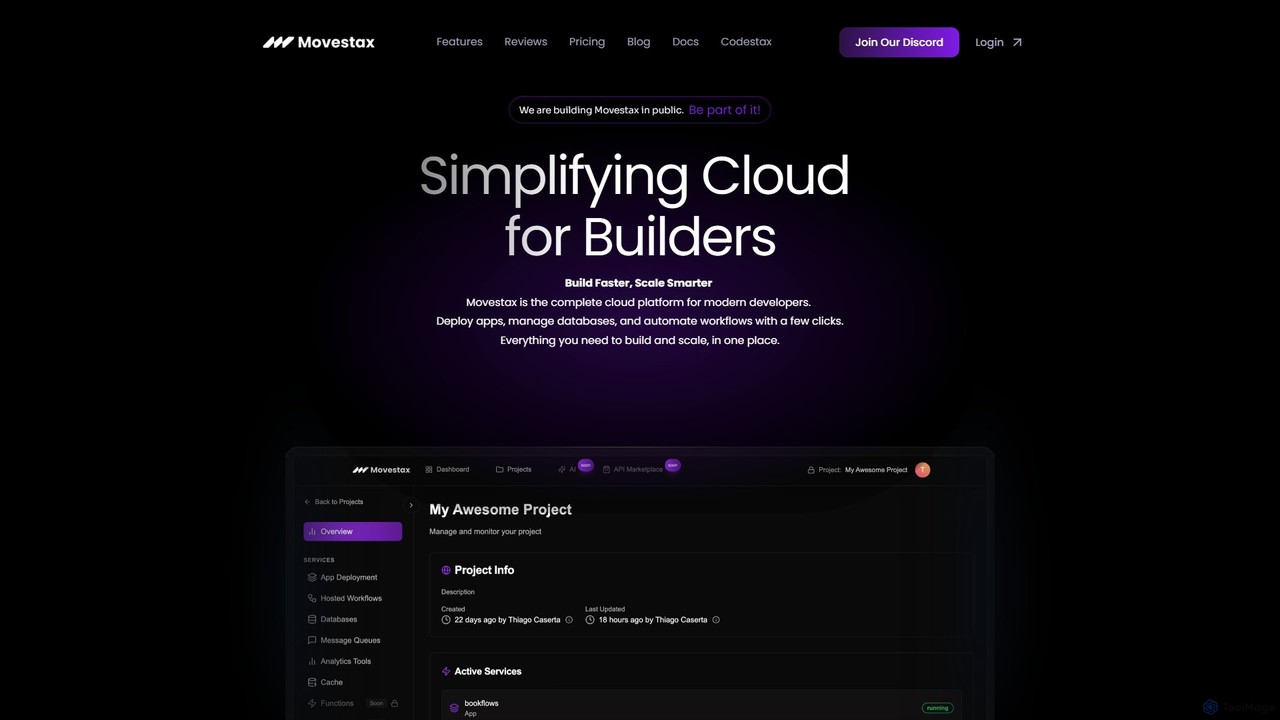
Movestax is an AI-powered, serverless-first cloud platform designed for modern developers. It simplifies infrastructure management by unifying app deployment, serverless databases, and automated workflows. With its integrated AI assistant, CodeStax, you can generate and deploy full-stack applications from natural language prompts, drastically accelerating the development lifecycle from idea to production.

Code Generation
Visits 8.8KFavorites 117Likes 105
Sweep
Freemium

Sweep

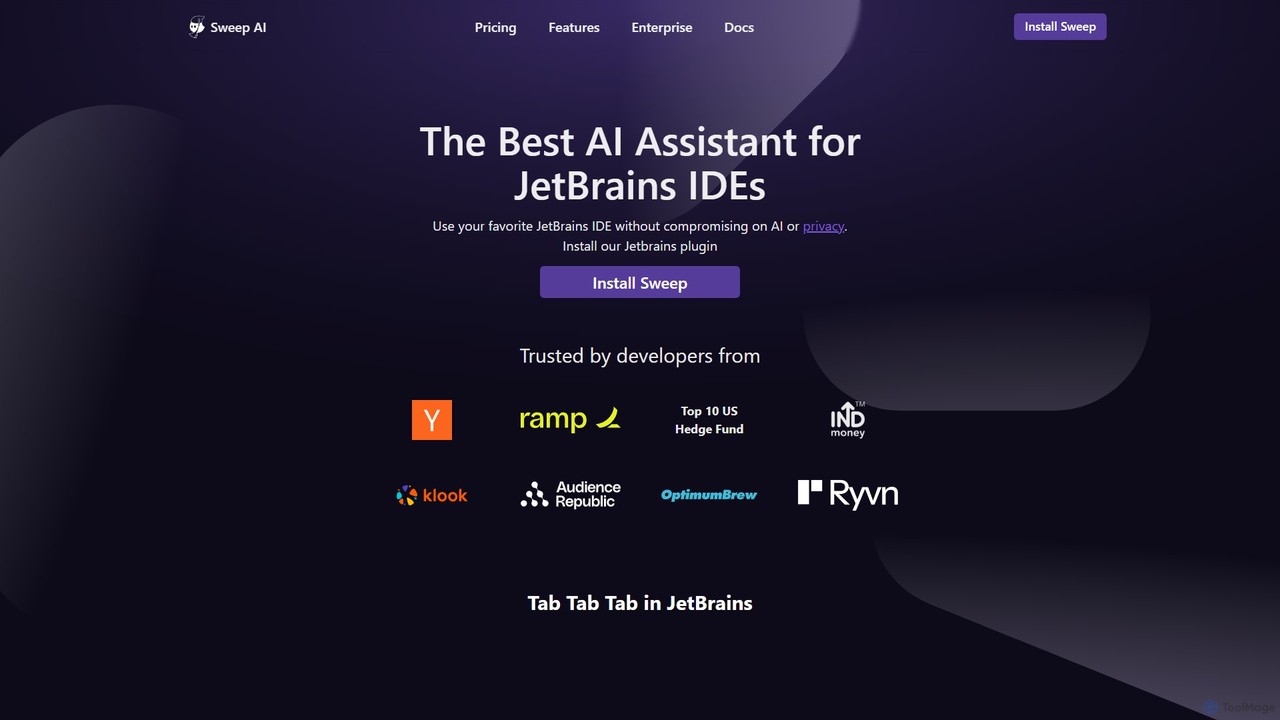
Sweep is an AI-powered developer assistant designed as a plugin for JetBrains IDEs. It enhances coding productivity with intelligent 'next-edit' autocomplete and an AI agent that understands your entire codebase to handle complex, multi-file changes, run tests, and fix bugs. Sweep prioritizes privacy with a zero data retention policy and offers on-premise deployment for enterprises.

Code Generation
Visits 33.4KFavorites 139Likes 143
Aide
Freemium

Aide

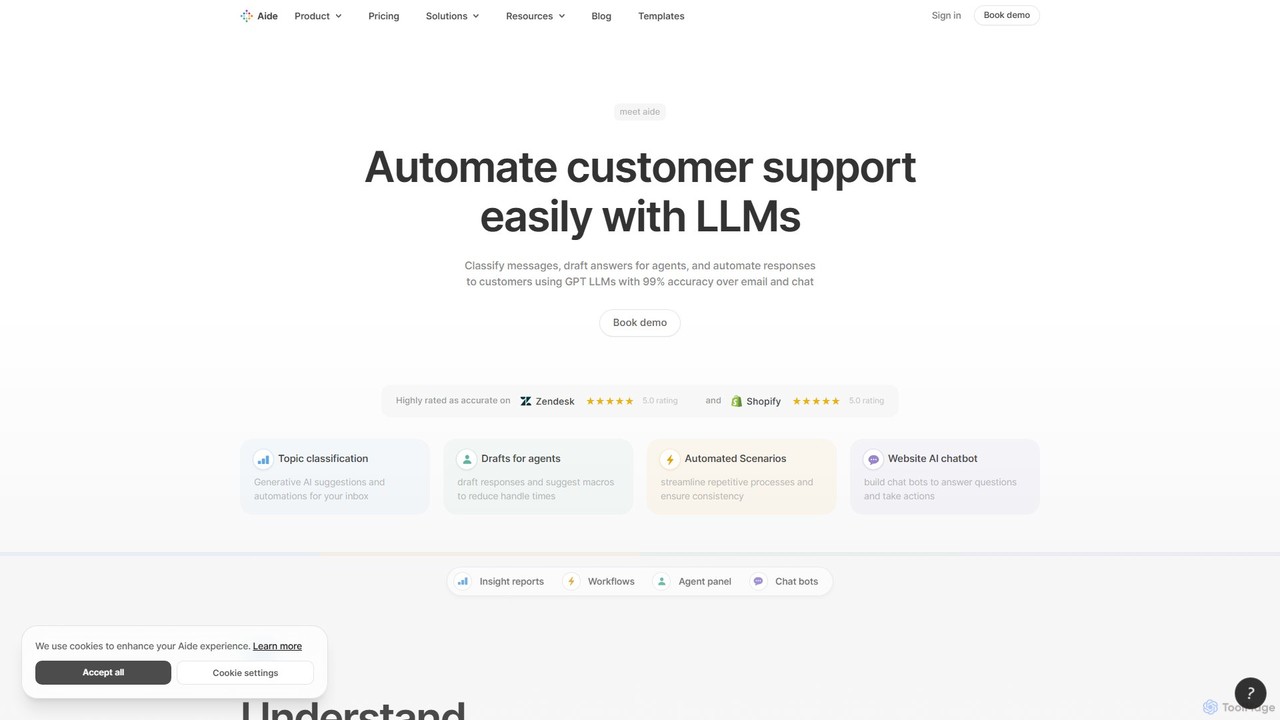
Aide is an AI-powered multi-agent coding assistant that automates software development directly within your GitHub workflow. It interprets GitHub issues, autonomously generates code, creates pull requests, and iterates based on your feedback, effectively acting as a team of AI engineers on your codebase.

Code Generation
Visits 14.2KFavorites 143Likes 166
CodexAtlas
Paid

CodexAtlas

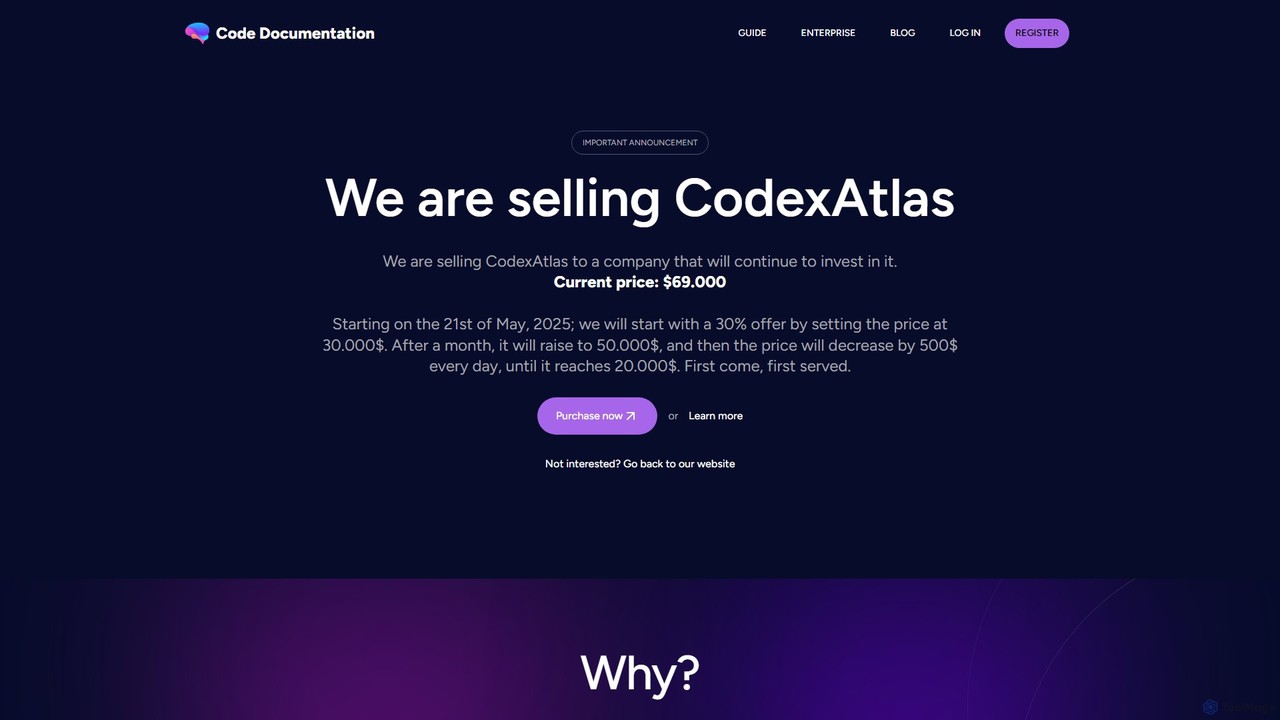
CodexAtlas is an AI-powered platform that automates the creation of code documentation. It integrates with GitHub, GitLab, and Bitbucket to analyze your codebase and generate clear, comprehensive, and consistent documentation, saving developers countless hours and improving project maintainability.

Code Generation
Visits 6.5KFavorites 130Likes 146
PAS Code
Freemium

PAS Code

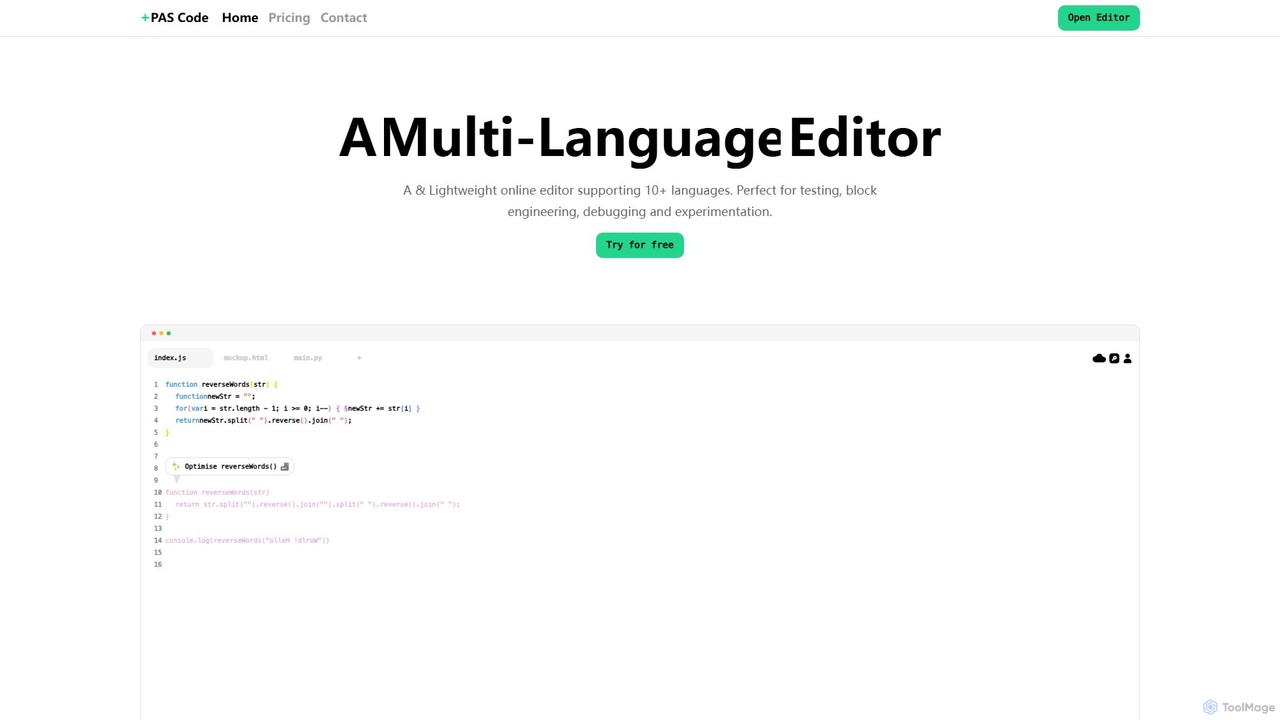
PAS Code is a lightweight, customizable online code editor designed for developers. It supports over 10 languages and features AI-powered autofill, smart prompts, and seamless cloud syncing. With features like a block editor for notes, live HTML previews, and secure compilation, it's perfect for testing, debugging, and rapid prototyping. It offers a free tier to get started.

Code Generation
Visits 6.4KFavorites 129Likes 127
Baidu Comate
Freemium

Baidu Comate

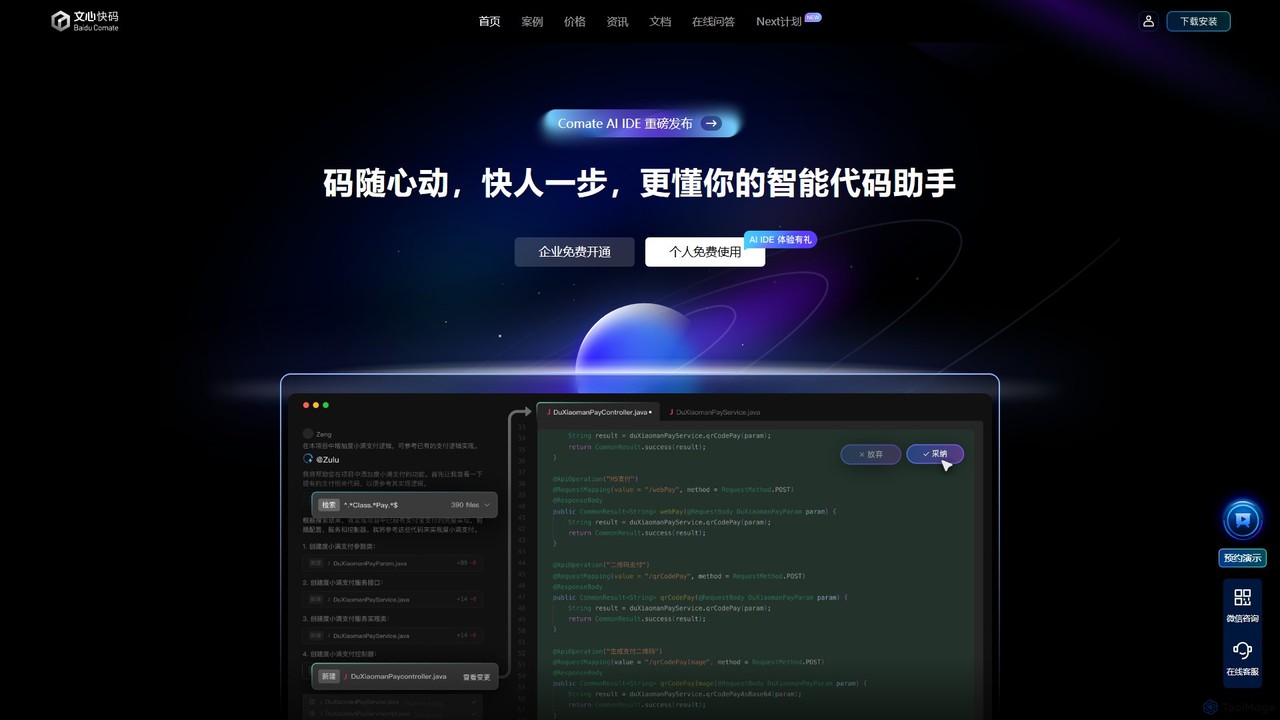
Baidu Comate is an intelligent AI code assistant powered by Baidu's Wenxin large language model. It integrates seamlessly into IDEs like VS Code and JetBrains to provide real-time code completion, code generation from natural language, bug fixing, and unit test creation, significantly boosting developer productivity.

Code Generation
Visits 1.4MFavorites 156Likes 141
DocDriven
Freemium

DocDriven

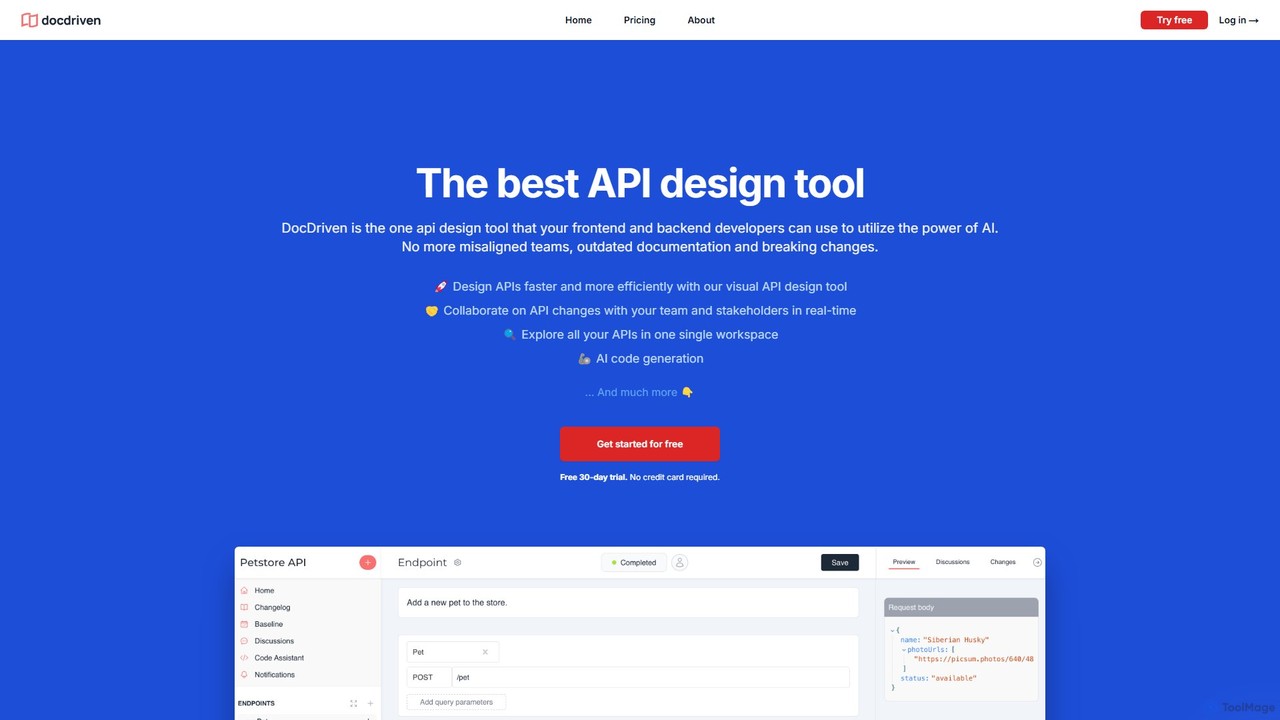
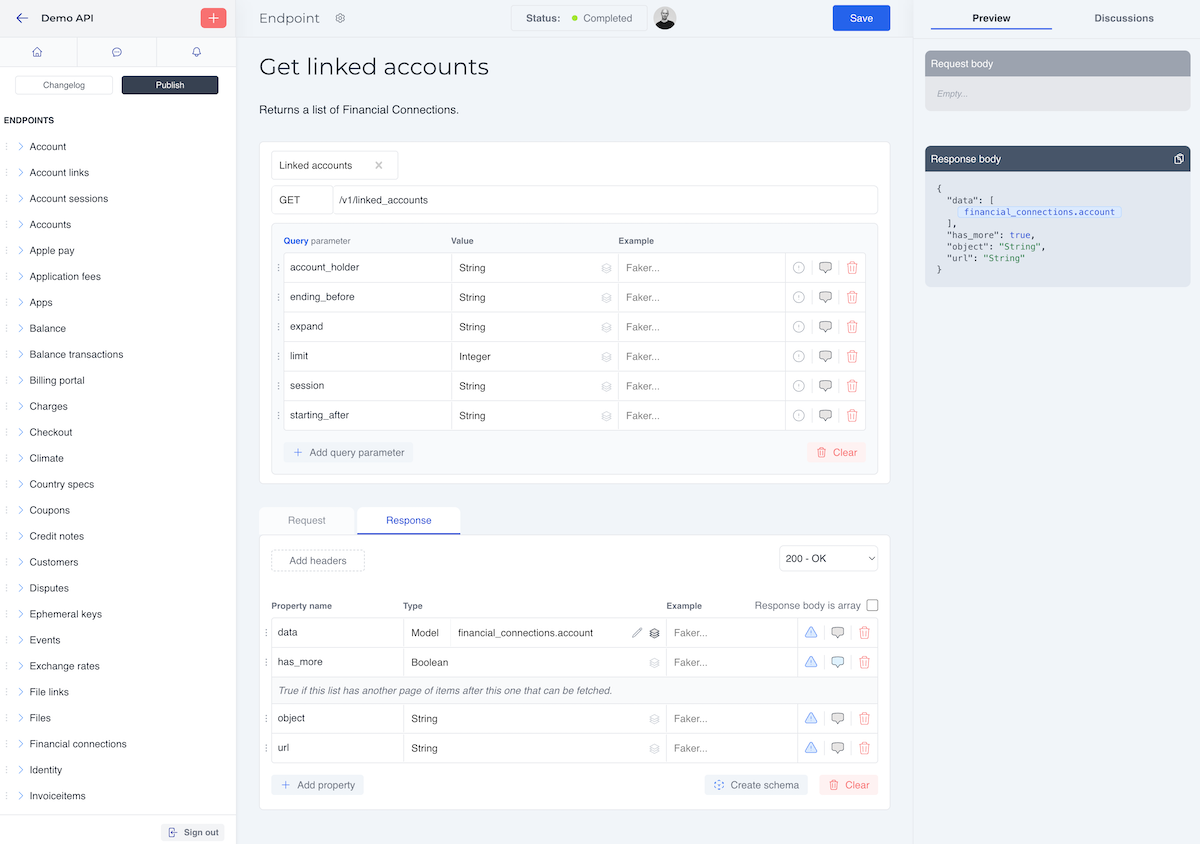
DocDriven is an AI-powered visual API design tool for frontend and backend teams. It streamlines the API development lifecycle by providing a collaborative platform with a visual editor, real-time mock servers, and AI-driven code generation. This helps teams design APIs faster, prevent breaking changes, maintain up-to-date documentation, and improve communication between developers, designers, and product managers, ensuring a single source of truth for all API specifications.

Code Generation
Visits 6.4KFavorites 150Likes 153
Mermaid Chart
Freemium

Mermaid Chart

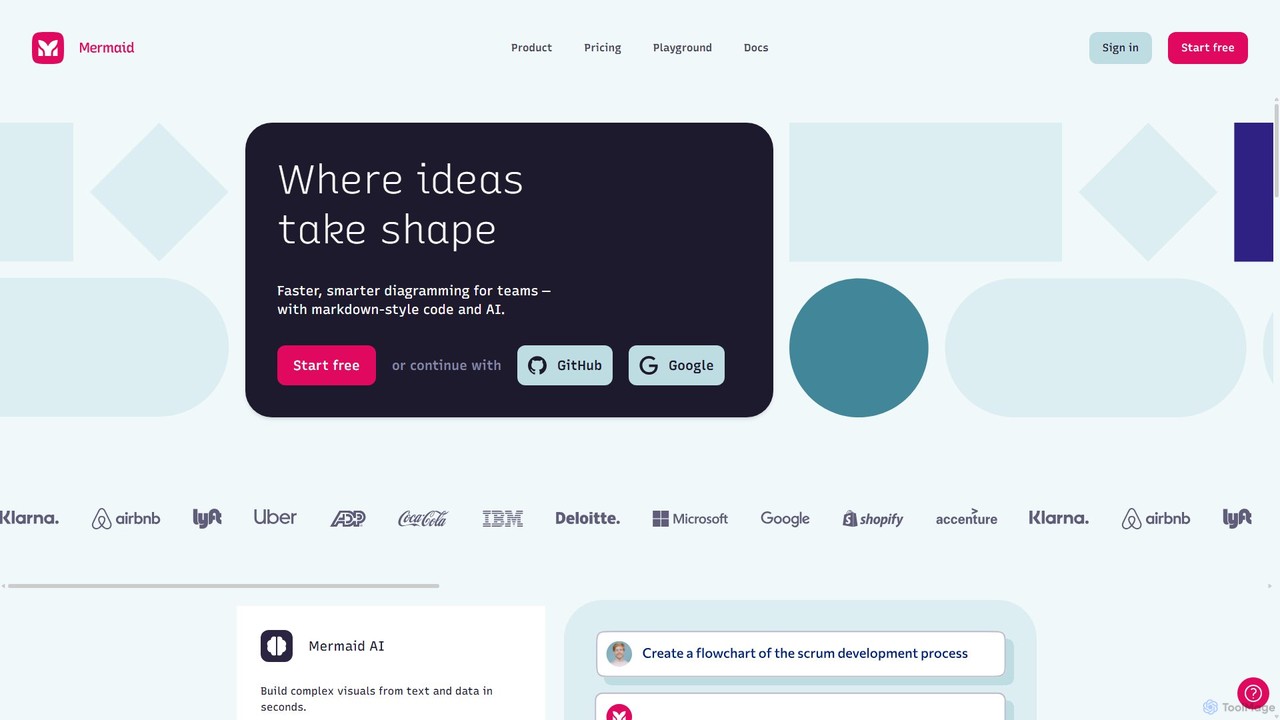
Mermaid Chart is an AI-powered diagramming tool that enables teams to create complex visuals like flowcharts, sequence diagrams, and mind maps using markdown-style code, natural language prompts, or a visual editor. It's designed for faster, smarter diagramming and seamless collaboration.

Code Generation
Visits 8.2KFavorites 152Likes 146

About Code Generation

AI Code Generation tools are applications that automatically write, complete, or translate source code from natural language prompts or existing code context. These tools leverage large language models (LLMs) trained on vast public code repositories to understand syntax, programming logic, and common software patterns. They are designed to accelerate the development process, reduce repetitive boilerplate coding, and assist developers in debugging or learning new programming languages. Advanced tools can generate entire functions, unit tests, and even complex algorithms, acting as a powerful pair programmer.

Core Features

  • Natural Language to Code: Converts plain text descriptions or requirements into functional code snippets in various languages.
  • Intelligent Code Completion: Provides context-aware suggestions for completing lines of code, functions, or entire blocks.
  • Code Refactoring and Optimization: Analyzes existing code and suggests improvements for performance, readability, or modernizing syntax.
  • Automated Test Generation: Creates unit tests and test cases based on the logic of a given function or class.
  • Code Translation: Translates code from one programming language to another, facilitating migrations or cross-language development.

Use Cases

AI Code Generation tools are primarily used by software developers, data scientists, and students across all experience levels. They are integrated into Integrated Development Environments (IDEs) for real-time assistance in daily coding, used for rapid prototyping of new applications, and serve as an educational aid for understanding unfamiliar libraries or frameworks.

How to Choose

When selecting an AI Code Generation tool, consider the supported programming languages and frameworks. Evaluate its integration capabilities with your preferred IDE (e.g., VS Code, JetBrains). Assess the model's accuracy, speed, and security policies, especially regarding how it handles your proprietary code. Finally, compare pricing models, from free tiers to subscription-based plans for teams.

Featured tool rankings

Code Generation use cases

1

Accelerate Application Prototyping

A startup developer needs to build a functional proof-of-concept for an investor demo within a tight deadline. Instead of writing all the boilerplate code from scratch, they use an AI code generation tool. By providing high-level prompts like 'Create a REST API endpoint for user registration with name, email, and password fields' or 'Generate a React login form component,' the developer can produce the foundational backend and frontend code in minutes. This allows them to focus on implementing the core business logic and unique features, significantly reducing the time to a working prototype.

2

Automate Unit Test Creation

A software engineer on a large project is tasked with increasing code coverage for a legacy module that has few tests. Manually writing tests for hundreds of functions is time-consuming and tedious. The engineer uses an AI code generation tool that can analyze a function's code and automatically generate relevant unit tests. It creates tests for successful execution paths, edge cases (e.g., null inputs, empty arrays), and error handling. While the engineer still reviews and refines the generated tests, the tool automates about 80% of the initial writing, freeing them up to focus on more complex integration testing.

3

Translate Codebase to a Modern Language

A company needs to migrate a critical application from an outdated language like COBOL to a modern one like Python to improve maintainability and hire new talent. A full manual rewrite would take years and be prone to errors. The development team uses an AI code generation tool specializing in code translation. The tool ingests the COBOL source code and produces an equivalent Python version, preserving the business logic. While the output requires significant review and testing by experienced developers, it provides a solid foundation and accelerates the migration project by months or even years, reducing risk and cost.

4

Generate Complex SQL Queries from Natural Language

A business analyst needs to pull a specific dataset for a quarterly report but is not an expert in writing complex SQL joins and subqueries. Instead of waiting for a data engineer, they use an AI code generation tool with a natural language interface. They type a request like, 'Show me the total sales per product category for customers in the Northeast region who signed up in the last 6 months.' The tool translates this into a well-structured, optimized SQL query. The analyst can then run this query directly against the database, getting the data they need in minutes instead of days.

5

Assist in Learning a New Programming Language

A seasoned Java developer is transitioning to a project that uses Go. While they understand programming concepts, they are unfamiliar with Go's specific syntax and idioms. They use an AI code generation tool as a learning companion. When they know what they want to do logically, they can write a comment or a pseudocode version and ask the AI to generate the idiomatic Go code. For example, they might write 'create a concurrent worker pool to process jobs' and the tool will generate the correct Go code using goroutines and channels, helping them learn best practices faster than by reading documentation alone.

6

Refactor and Document Legacy Code

A maintenance team inherits a large, poorly documented codebase. Understanding the complex functions is a major bottleneck. They use an AI code generation tool to assist with refactoring and documentation. By highlighting a complex block of code, they can ask the tool to 'explain this code,' 'suggest a more efficient implementation,' or 'add detailed comments and docstrings.' The AI can identify anti-patterns, propose modern alternatives, and generate clear explanations of the code's purpose and logic. This process makes the legacy code more readable, maintainable, and easier for new team members to understand.

Code Generation FAQ

What is AI Code Generation?

AI Code Generation refers to tools that use artificial intelligence, specifically large language models (LLMs), to automatically write, complete, and debug source code. These tools are trained on billions of lines of public code, allowing them to understand programming patterns, syntax, and logic across many languages. They function as intelligent assistants within a developer's coding environment, capable of turning natural language prompts into code, suggesting completions for lines in progress, and even generating entire functions or test suites.

How to choose the right AI code generation tool?

Choosing the right tool depends on your specific needs. Consider the following factors:

  • Language & Framework Support: Ensure the tool excels in the programming languages and frameworks you use daily.
  • IDE Integration: A seamless integration into your preferred code editor (like VS Code, JetBrains, or Vim) is crucial for a smooth workflow.
  • Performance and Accuracy: Evaluate the speed and relevance of its suggestions. A slow or inaccurate tool can hinder productivity more than it helps.
  • Security & Privacy: Understand how the tool handles your code. Does it send code to the cloud? Are there options for on-premise or local models for sensitive projects?
  • Features: Look for features beyond basic completion, such as code refactoring, test generation, or natural language-to-code capabilities.
What is the difference between AI code generation and traditional code snippets?

The key difference is context and dynamism. Traditional code snippets are static, pre-written blocks of code that a developer manually inserts. They are not aware of the surrounding code and do not adapt.

AI code generation, on the other hand, is dynamic and context-aware. It analyzes the code you've already written, understands your intent from comments or variable names, and generates new, unique code that fits perfectly into the current context. It's like having a partner that understands the project, rather than just a library of static templates.

Will AI code generation replace human developers?

It is unlikely to replace developers, but it is fundamentally changing their role. AI code generation tools are best viewed as powerful assistants or 'pair programmers.' They excel at automating repetitive, boilerplate tasks, allowing developers to focus on higher-level problem-solving, system architecture, creative solutions, and critical code review. The role of a developer is shifting from writing every line of code to designing systems and expertly guiding, reviewing, and integrating AI-generated code. It's a tool for augmentation, not replacement.

Is the code generated by AI tools secure and reliable?

The security and reliability of AI-generated code are not guaranteed and require human oversight. These tools learn from vast amounts of public code, which may include code with bugs, inefficiencies, or security vulnerabilities. Therefore, it is critical for developers to treat AI-generated code as a first draft. All code produced by these tools should be carefully reviewed, tested, and understood before being integrated into a production environment. Using these tools effectively means combining their speed with a developer's critical judgment and rigorous testing practices.