Ai Best in category 1 results 3D Generation AI Tool

Popular AI tools in the 3D Generation field of Ai include Ready Player Me, etc., helping you quickly improve efficiency.

Ready Player Me

Ready Player Me

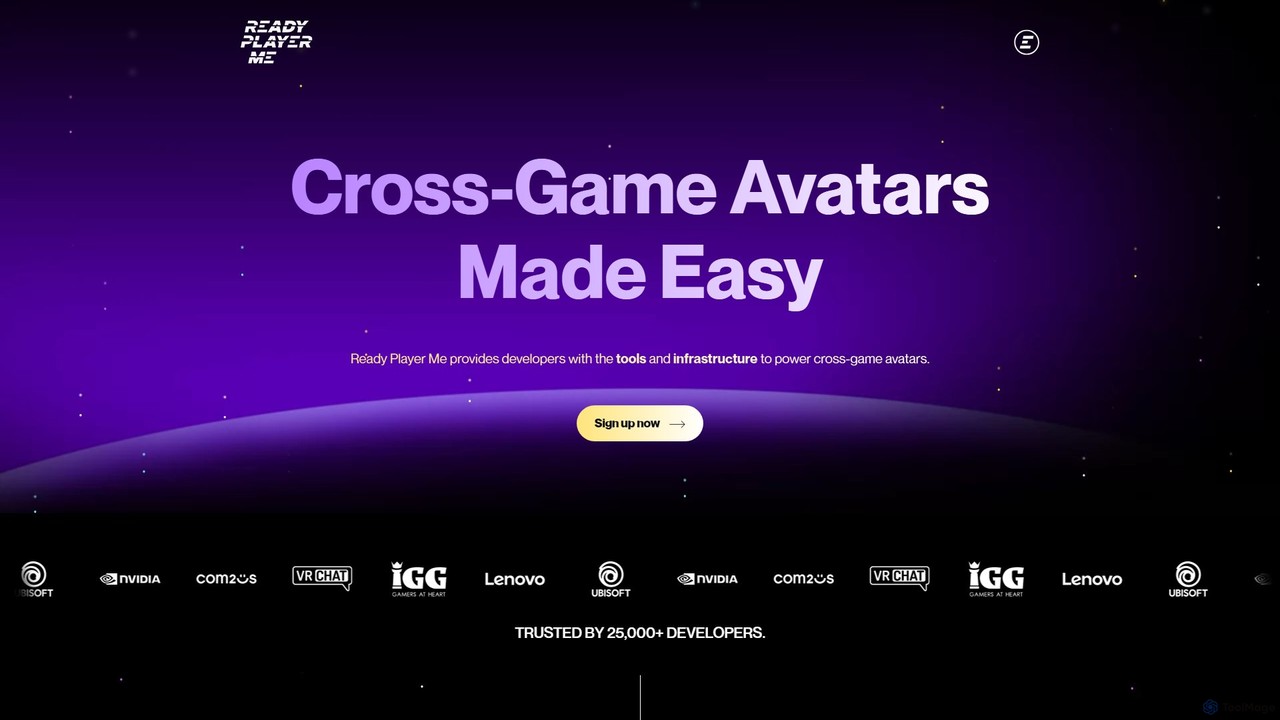
Ready Player Me is a cross-game avatar platform for developers, providing SDKs and tools to integrate a highly …

83.2K

About 3D Generation

AI 3D Generation tools are a class of software that automatically create three-dimensional models from various inputs like text descriptions or 2D images. These tools leverage advanced generative models, such as NeRFs (Neural Radiance Fields) and diffusion models, to interpret input data and construct complex 3D geometry and textures. They significantly accelerate the creation of digital assets for industries like gaming, virtual reality, and product design. This technology streamlines workflows that traditionally require extensive manual modeling, making 3D content creation more accessible and efficient.

Core Features

  • Text-to-3D Conversion: Generates 3D models directly from a written description or prompt.
  • Image-to-3D Modeling: Creates a three-dimensional object based on one or more 2D images.
  • Automatic Texturing & UV Mapping: Applies realistic textures and materials to the generated model's surface.
  • Mesh Optimization: Refines the generated 3D model's polygon mesh for better performance in real-time applications.
  • Style Transfer: Applies the artistic style of a reference image to the texture or shape of a 3D model.

Use Cases

These tools are widely used in game development for rapid asset prototyping, in e-commerce for creating product visualizations, and in architecture for conceptual modeling. They also serve creators in the AR/VR and metaverse spaces by enabling the quick generation of custom avatars, environments, and interactive objects, reducing development time and costs.

How to Choose

When selecting an AI 3D Generation tool, consider the quality and detail of the generated models. Evaluate the supported output formats (e.g., OBJ, FBX, glTF) to ensure compatibility with your existing workflow. Also, assess the generation speed, control over the creative process (e.g., prompt refinement, model editing), and the tool's pricing model, whether it's subscription-based or pay-per-generation.

3D GenerationUse Cases

1

Rapid Prototyping for Game Assets

A solo game developer needs a variety of unique props for a fantasy world but lacks the time and budget for manual 3D modeling. Using a text-to-3D generation tool, the developer inputs descriptive prompts like 'glowing ethereal sword' or 'ancient mossy stone altar'. The AI generates multiple 3D model variations in minutes. The developer can then select the best options, perform minor tweaks in a standard 3D editor, and quickly populate their game world, reducing asset creation time from days to hours.

2

Creating 3D Product Visualizations for E-commerce

An online furniture store wants to offer a 360-degree view of its products. Instead of costly photoshoots from every angle, the marketing team uses an image-to-3D tool. They upload a few high-quality product photos (e.g., a chair from the front, side, and back). The AI processes these images to generate a detailed 3D model of the chair. This model can then be embedded on the product page, allowing customers to rotate and inspect the item from all angles, which can improve engagement and conversion rates.

3

Conceptual Modeling for Architecture

An architect is in the early stages of designing a futuristic building and wants to explore multiple design concepts quickly. They use an AI 3D generator with a prompt like 'a sustainable skyscraper with organic curves and vertical gardens'. The AI produces several distinct 3D concept models. While not architecturally precise, these models serve as powerful visual aids for client presentations and internal brainstorming, allowing the team to iterate on ideas much faster than with traditional sketching or basic CAD modeling.

4

Generating Custom Avatars for the Metaverse

A user wants to create a unique digital identity for a VR social platform. Instead of using pre-made avatar templates, they upload a selfie to an AI 3D generation tool. The AI analyzes the facial features from the photo and generates a stylized 3D avatar that resembles the user. The user can then further customize the avatar by adding fantasy elements via text prompts, such as 'add elven ears' or 'give cyberpunk-style glowing tattoos'. This process provides a highly personalized and creative way to build a metaverse presence.

5

Creating Educational 3D Models

A history teacher wants to create an interactive lesson about ancient Rome. They use an AI 3D generator to create models of artifacts that are difficult to find or photograph, such as a 'Roman legionary's helmet' or a 'detailed model of the Colosseum'. These generated 3D models can be integrated into presentations or virtual reality applications, allowing students to explore historical objects from all angles. This makes learning more engaging and provides a deeper understanding than static images or text alone.

6

Industrial Design Concept Generation

A product designer is brainstorming ideas for a new ergonomic computer mouse. They use an AI 3D tool to generate a wide array of initial shapes by providing prompts like 'sleek futuristic mouse inspired by a sports car' and 'biomorphic mouse with a textured grip'. The AI quickly produces dozens of rough 3D concepts. This allows the designer to visually evaluate many different directions at the very beginning of the design process, helping to identify promising forms that can then be refined using traditional CAD software for engineering and manufacturing.

3D GenerationFrequently Asked Questions