Ai Best in category 1 results Ai Chatbots AI Tool

Popular AI tools in the Ai Chatbots field of Ai include Aceify, etc., helping you quickly improve efficiency.

Aceify

Aceify

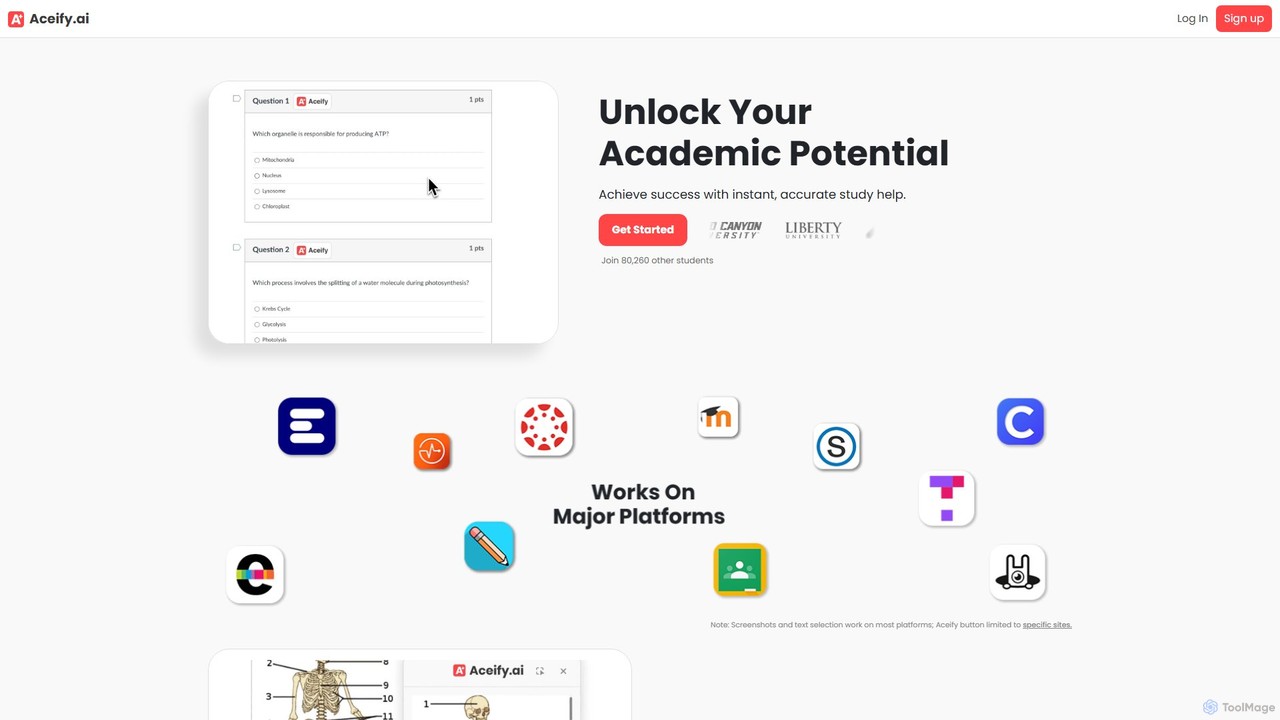
Aceify is an AI-powered academic assistant that provides instant homework help. Using its 'Snap & Solve' feature, students …

14.3K

About Ai Chatbots

AI Chatbots are conversational software applications that simulate human-like dialogue through text or voice. Powered by Natural Language Processing (NLP), machine learning, and large language models, they can understand user intent, context, and sentiment, going far beyond simple keyword matching. Their primary value lies in automating communication, providing instant 24/7 support, and handling a high volume of interactions simultaneously. This allows businesses to enhance customer service, streamline sales processes, and improve internal operational efficiency.

Core Features

  • Natural Language Understanding (NLU): Accurately interprets user intent, entities, and sentiment from unstructured language.
  • Context Awareness: Maintains memory of the conversation to provide relevant and coherent responses.
  • Omnichannel Deployment: Integrates seamlessly across websites, mobile apps, social media, and messaging platforms.
  • Backend System Integration: Connects with CRM, ERP, and helpdesk software to perform actions like checking order status or booking appointments.
  • Analytics and Reporting: Provides detailed insights into conversation performance, user satisfaction, and common queries.

Use Cases

AI Chatbots are widely adopted across various industries. In e-commerce, they act as personal shopping assistants, recommending products and guiding users to checkout. For customer service, they serve as the first line of support, resolving common issues and escalating complex cases to human agents. In HR and IT, they function as internal helpdesks, answering employee queries about policies or technical problems.

How to Choose

When selecting an AI Chatbot, first evaluate its NLU capabilities and language support. Consider its integration options with your existing software stack (e.g., Salesforce, Zendesk). Assess the ease of use of its conversation builder and training interface, as this impacts maintenance effort. Finally, review the analytics features to ensure you can measure performance and gather user insights effectively.

Ai ChatbotsUse Cases

1

Automate 24/7 Customer Service Inquiries

An e-commerce company's support team uses an AI chatbot on their website to instantly answer common customer questions about order tracking, return policies, and shipping details. This frees up human agents to focus on complex, high-value issues like damaged goods or payment disputes. The chatbot successfully resolves over 70% of incoming queries, significantly reducing wait times and operating costs while improving overall customer satisfaction.

2

Qualify Website Leads for Sales Teams

A B2B software company deploys an AI chatbot to engage website visitors proactively. The bot asks targeted questions to understand the visitor's needs, company size, and role. Based on the responses, it qualifies them as a potential lead and, if appropriate, automatically schedules a demo with the correct sales representative. This process filters out unqualified traffic and ensures the sales team only spends time on high-potential prospects.

3

Internal Employee IT & HR Support

A large corporation integrates an AI chatbot into its internal messaging platform (like Slack or Microsoft Teams). Employees can ask the bot for immediate help with common IT issues, such as password resets or software access requests. It also serves as an HR assistant, providing instant answers to questions about company policies, vacation balances, and benefits information. This reduces the ticket volume for IT and HR departments, allowing them to focus on more strategic tasks.

4

Interactive Product Recommendations in E-commerce

An online fashion retailer uses an AI chatbot as a personal stylist. Instead of just showing a static catalog, the chatbot engages customers in a conversation, asking about their style preferences, favorite colors, and the occasion they're shopping for. Based on this interactive dialogue, it provides personalized product recommendations, mimicking the experience of an in-store sales associate. This conversational approach increases user engagement and boosts conversion rates by helping customers find exactly what they want.

5

Automate Appointment and Reservation Booking

A healthcare clinic uses an AI chatbot on its website and messaging apps to manage patient appointments. Patients can interact with the bot to find available slots, book new appointments, reschedule existing ones, or cancel. The bot integrates with the clinic's calendar system in real-time to prevent double bookings. This automation reduces the administrative workload on reception staff and provides patients with a convenient, 24/7 self-service option.

6

Gathering Customer Feedback and Surveys

A SaaS company uses an AI chatbot to collect user feedback in a conversational way. After a user completes a key action in the app, the chatbot initiates a brief, friendly conversation to ask about their experience. Instead of a static form, the bot asks open-ended questions and can probe for more details based on the user's answers. This method feels more personal, leading to higher response rates and more detailed, qualitative feedback compared to traditional survey methods.

Ai ChatbotsFrequently Asked Questions