Browserarena
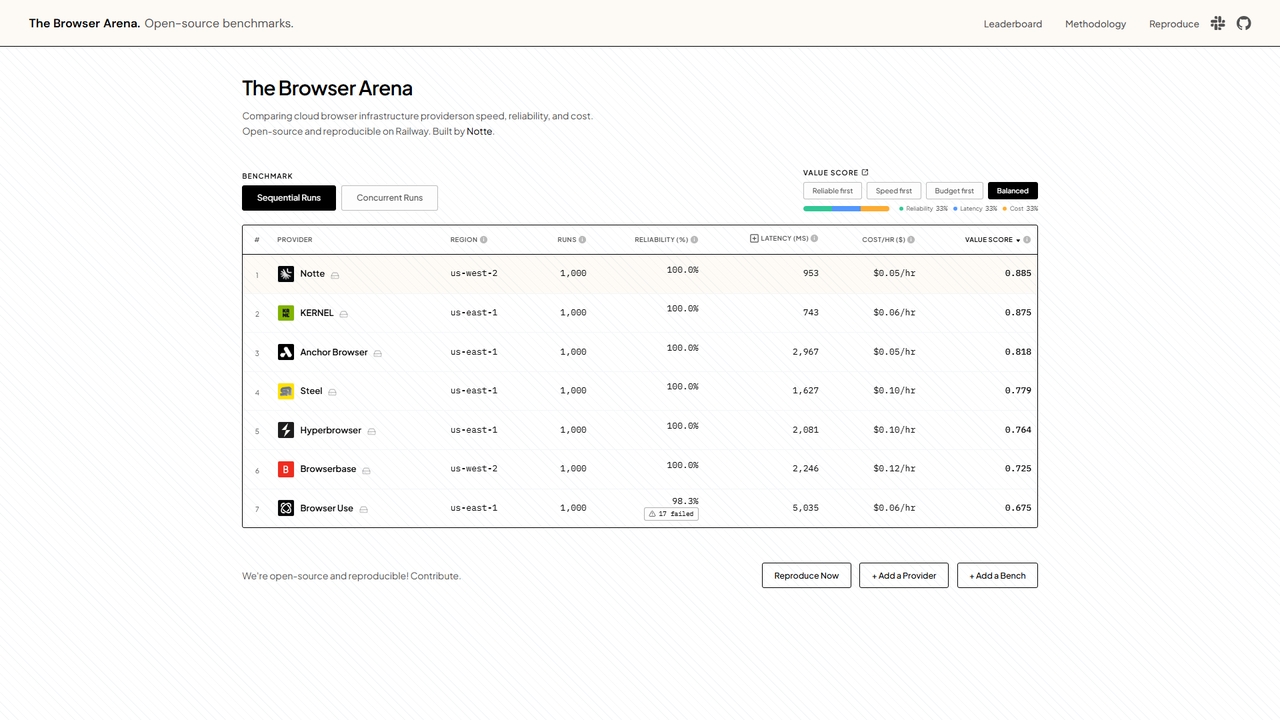
Browserarena is an open-source benchmarking and comparison platform for cloud browser infrastructure providers. It objectively evaluates and ranks …
Browserarena is an open-source benchmarking and comparison platform for cloud browser infrastructure providers. It objectively evaluates and ranks providers based on key performance metrics including speed (latency), reliability (success rate), and cost per hour, helping developers and businesses make data-driven decisions for their browser automation and testing needs.
Portkey AI
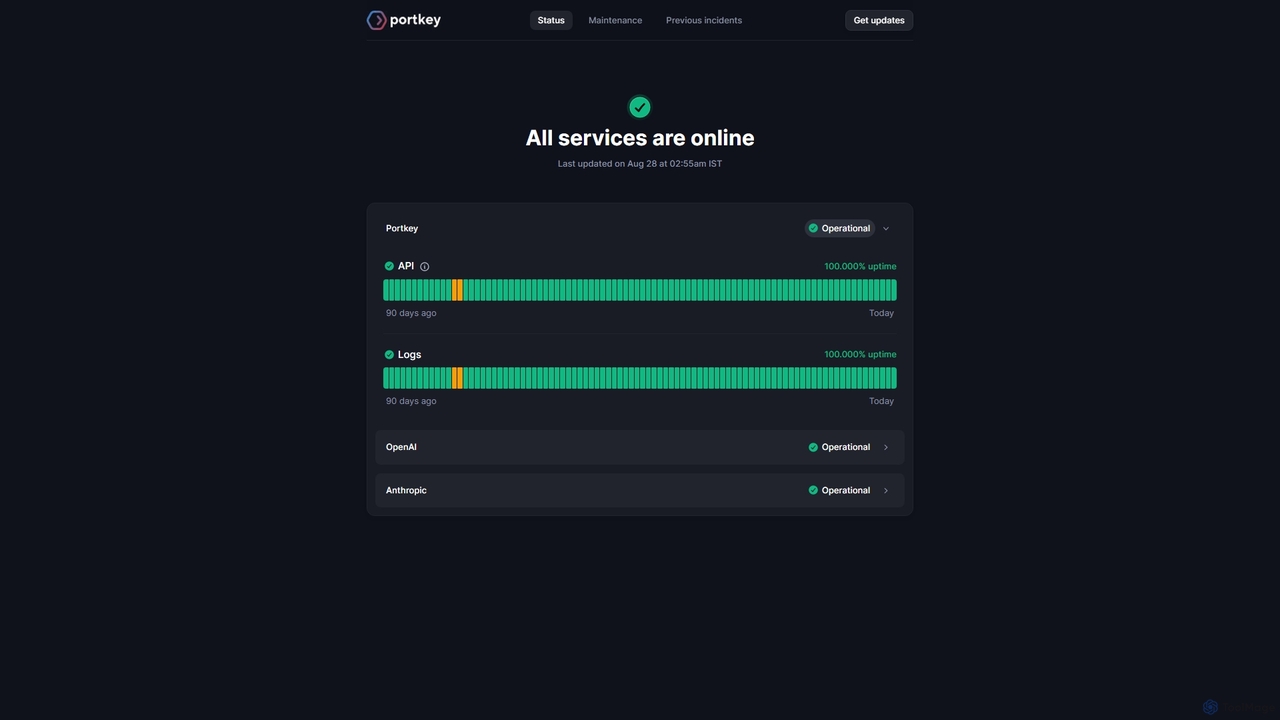
Portkey AI is an advanced AI gateway and LLM Ops platform designed for developers. It simplifies the development …
Portkey AI is an advanced AI gateway and LLM Ops platform designed for developers. It simplifies the development of reliable, scalable, and cost-effective AI applications by providing a unified API for various LLMs, real-time observability, semantic caching, and intelligent load balancing.
New Relic
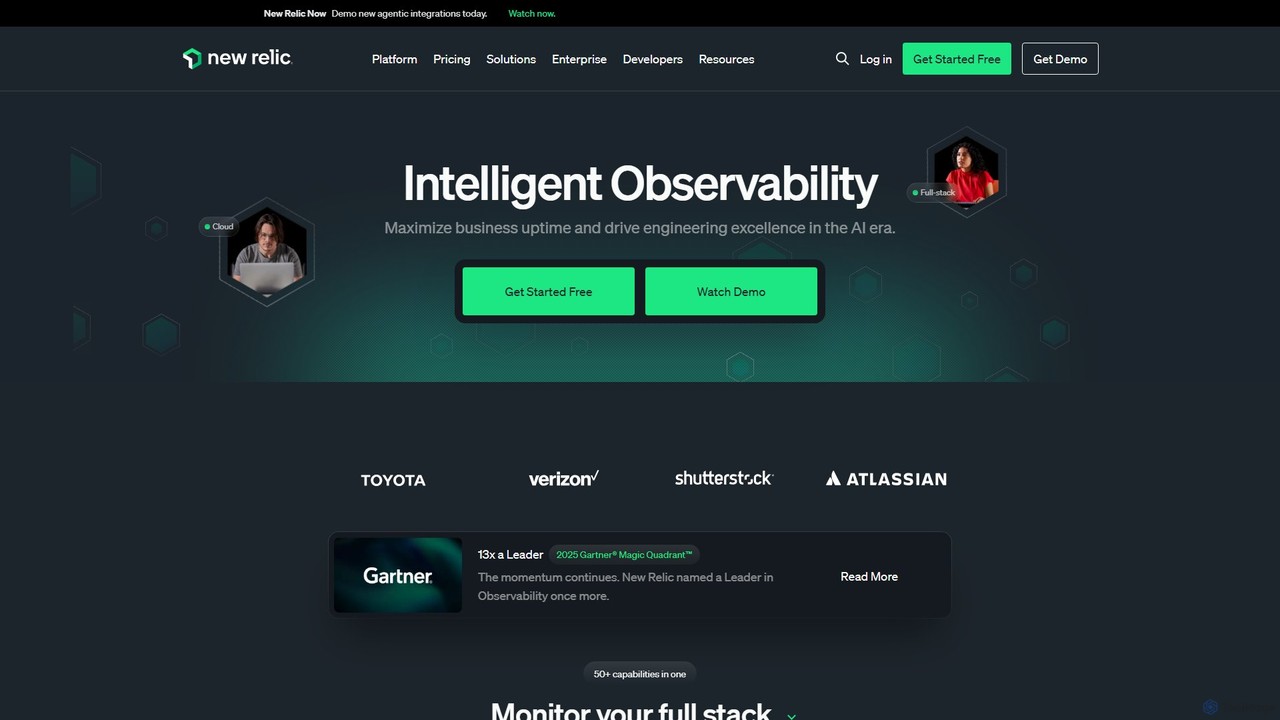
New Relic is an AI-powered, full-stack observability platform that helps engineering teams monitor, debug, and improve their entire …
New Relic is an AI-powered, full-stack observability platform that helps engineering teams monitor, debug, and improve their entire software stack. It provides a unified view of all telemetry data—metrics, events, logs, and traces—to enable faster problem resolution and optimized performance in the AI era.
Andes
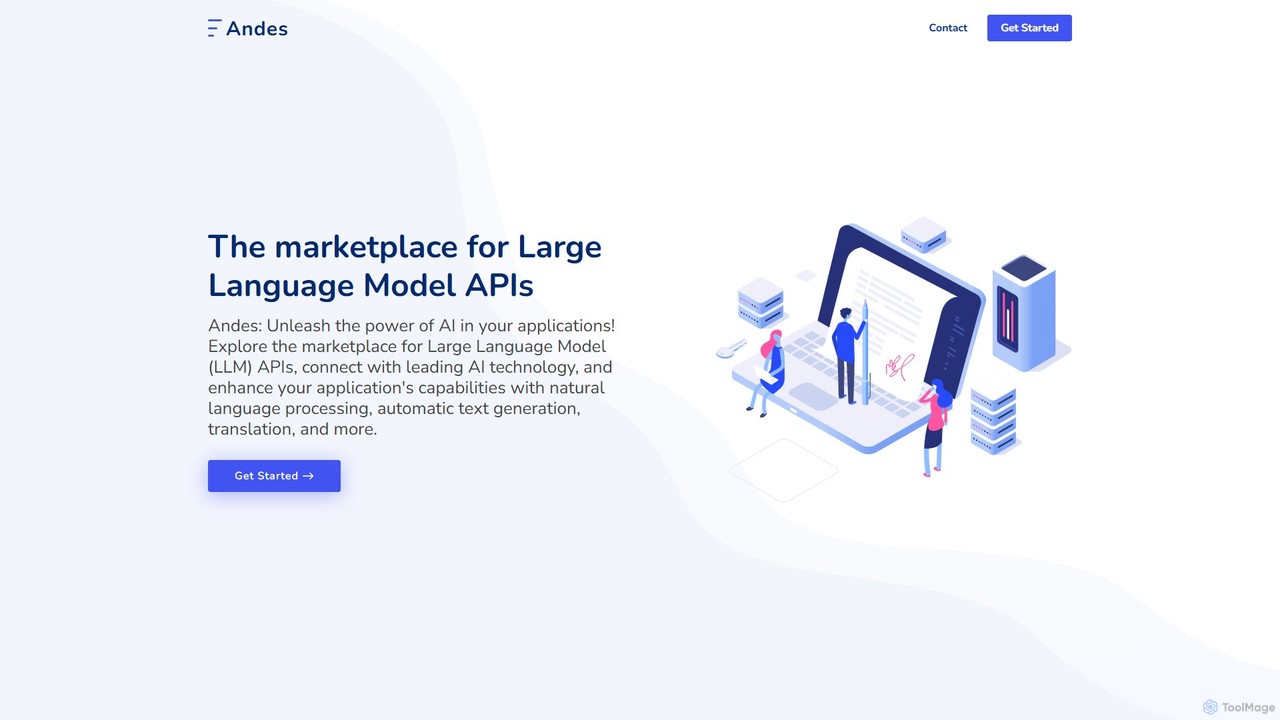
Andes is a unified API marketplace for developers, providing access to a wide range of Large Language Models …
Andes is a unified API marketplace for developers, providing access to a wide range of Large Language Models (LLMs) through a single, streamlined interface. It simplifies the integration of advanced AI capabilities like text generation, NLP, and translation into applications.
About Infrastructure
AI Infrastructure tools are specialized platforms and services designed to support the entire lifecycle of artificial intelligence and machine learning projects, from development to deployment and management. These tools provide the foundational computing resources, data handling capabilities, and operational frameworks necessary to build, train, and run AI models efficiently. They enable organizations to accelerate AI innovation, ensure model reliability, and scale their AI initiatives with robust and secure underlying systems.
Core Features
- Scalable Compute Management: Provisioning and optimizing GPU/CPU resources for training and inference.
- Data Management & Labeling: Tools for collecting, cleaning, labeling, and versioning datasets for AI models.
- MLOps & Model Orchestration: Automating the workflow for model training, testing, deployment, and monitoring.
- API & Model Serving: Exposing trained models as scalable APIs for integration into applications.
- Performance Monitoring & Governance: Tracking model performance, detecting drift, and ensuring compliance.
Applicable Scenarios
AI Infrastructure tools are crucial for data science teams, machine learning engineers, and enterprises aiming to operationalize AI at scale. They are used in scenarios ranging from developing complex deep learning models to deploying real-time recommendation engines and managing large fleets of AI-powered applications across various industries.
How to Choose
When selecting AI Infrastructure tools, consider their scalability to handle growing data and model complexity, integration capabilities with your existing cloud and development environments, and cost-effectiveness for your budget. Evaluate the ease of use for your team, the level of automation offered for MLOps, and the security and compliance features vital for sensitive data and regulated industries.
InfrastructureUse Cases
Building & Managing AI Model Training Environments
Data scientists and ML engineers utilize AI infrastructure platforms to provision isolated, GPU-accelerated environments for training complex deep learning models. This includes managing dependencies, tracking experiments, and versioning datasets, ensuring reproducible research and efficient resource allocation for multiple concurrent projects.
Automating AI Model Deployment & Monitoring
MLOps teams leverage infrastructure tools to automate the continuous integration and deployment (CI/CD) of AI models into production. They set up pipelines for automatic model retraining, A/B testing, and real-time performance monitoring, ensuring models remain accurate and performant in dynamic operational settings.
Efficient AI Data Labeling & Preprocessing
Data annotation specialists and data engineers use specialized infrastructure services to efficiently label vast amounts of raw data (images, text, audio) required for supervised learning. These tools often include collaborative features, quality control mechanisms, and integration with data storage solutions, streamlining the critical data preparation phase.
Optimizing AI Inference Service Performance
Application developers and backend engineers deploy trained AI models as high-performance, low-latency inference services using infrastructure platforms. These platforms provide features like auto-scaling, load balancing, and edge deployment capabilities to ensure that AI predictions are delivered quickly and reliably to end-users, even under heavy traffic.
Implementing AI Project Version Control & Collaboration
Cross-functional AI teams use infrastructure tools that offer integrated version control for models, code, and data, along with collaborative workspaces. This enables seamless teamwork, facilitates knowledge sharing, and ensures that all project assets are tracked and auditable, preventing conflicts and improving development velocity.
Ensuring AI Model Compliance & Explainability
Risk managers and compliance officers utilize AI infrastructure tools that provide model explainability (XAI) features and audit trails. These capabilities help in understanding model decisions, identifying biases, and demonstrating adherence to regulatory requirements, which is crucial for ethical AI deployment in sensitive domains like finance or healthcare.