EliminateContext
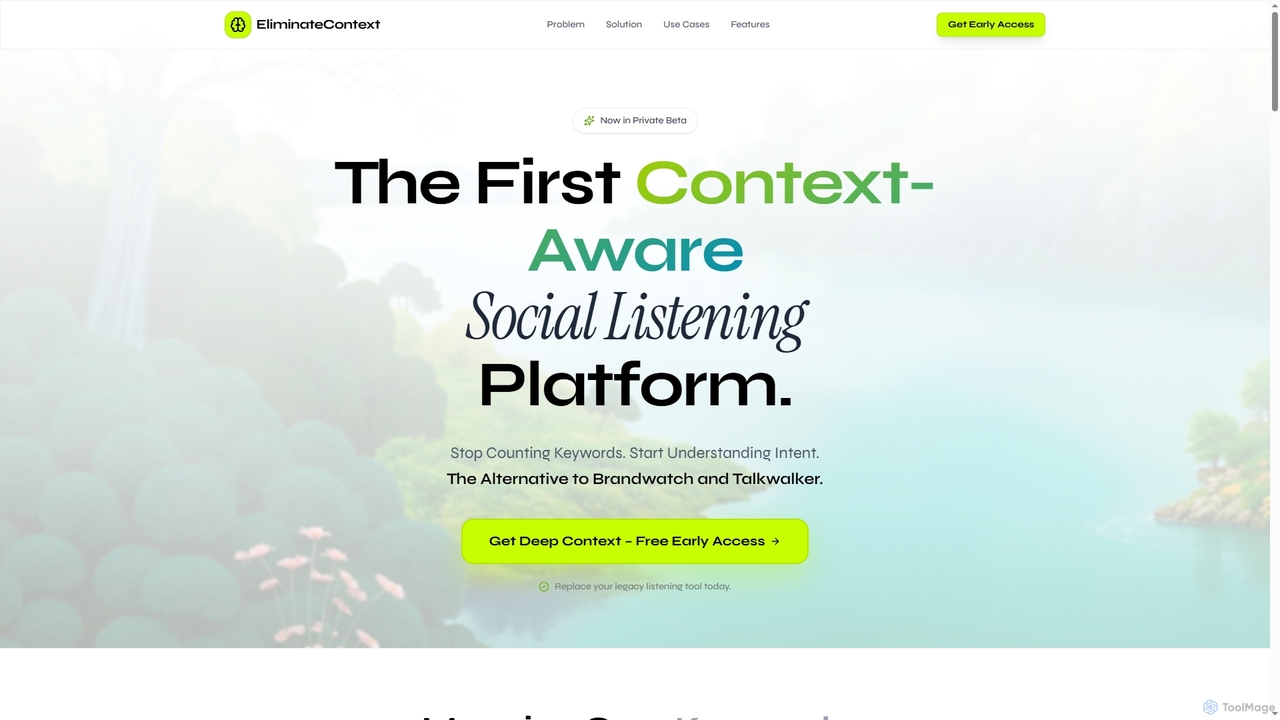
EliminateContext is the first context-aware social listening platform that moves beyond keyword counting to understand intent, emotion, and …
EliminateContext is the first context-aware social listening platform that moves beyond keyword counting to understand intent, emotion, and nuance in social mentions. It leverages LLM-powered contextual NLP to provide deep insights, accurate sentiment analysis, and predictive crisis detection, offering a superior alternative to traditional social listening tools.
Tandem
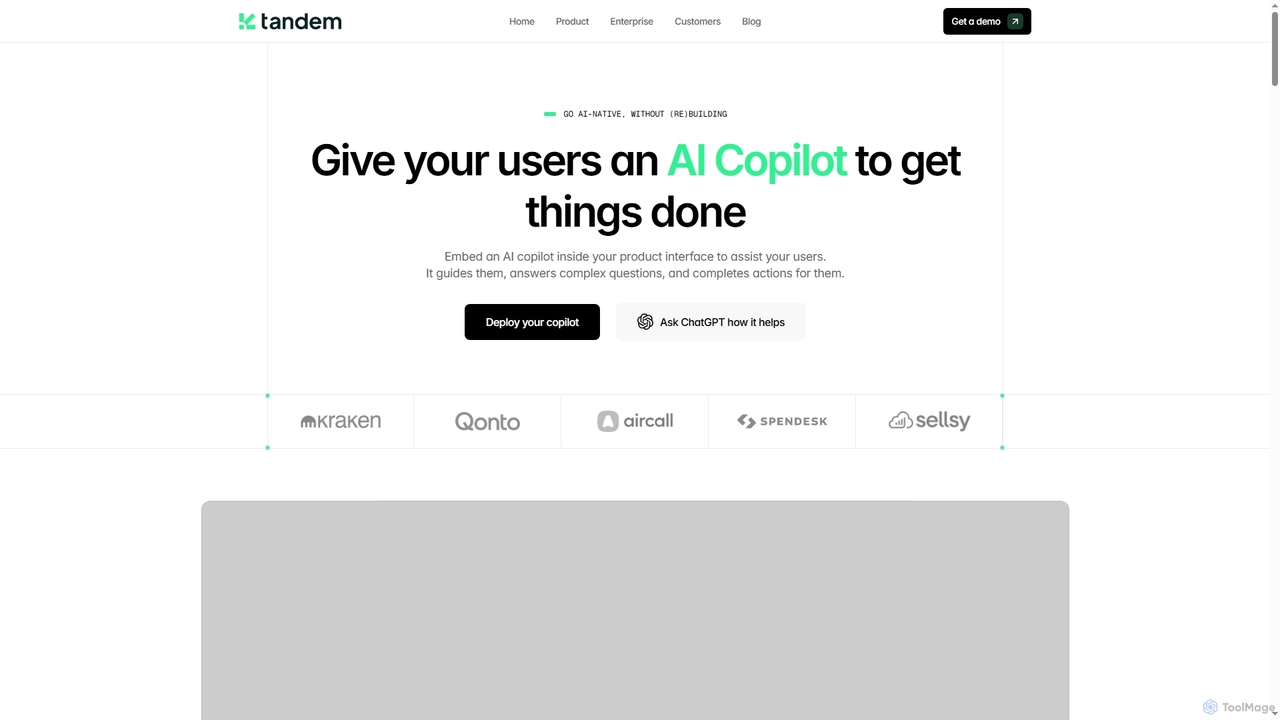
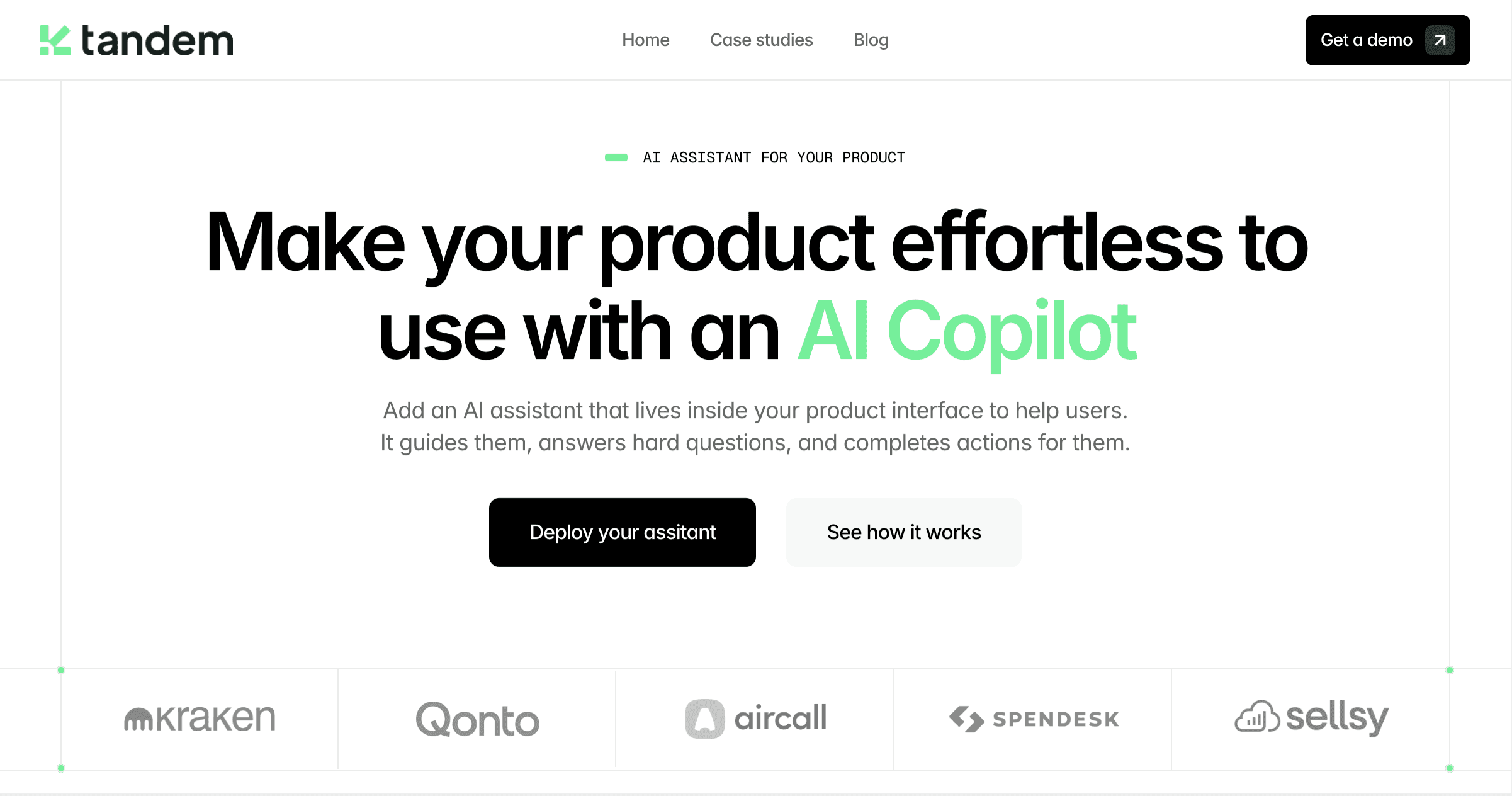
Tandem provides an AI Copilot solution designed to be embedded directly into customer-facing products and internal tools. It …
Tandem provides an AI Copilot solution designed to be embedded directly into customer-facing products and internal tools. It guides users, answers complex questions, and completes actions within the product interface, enhancing user experience, boosting product adoption, and reducing support load without requiring extensive engineering effort.
Pathmode
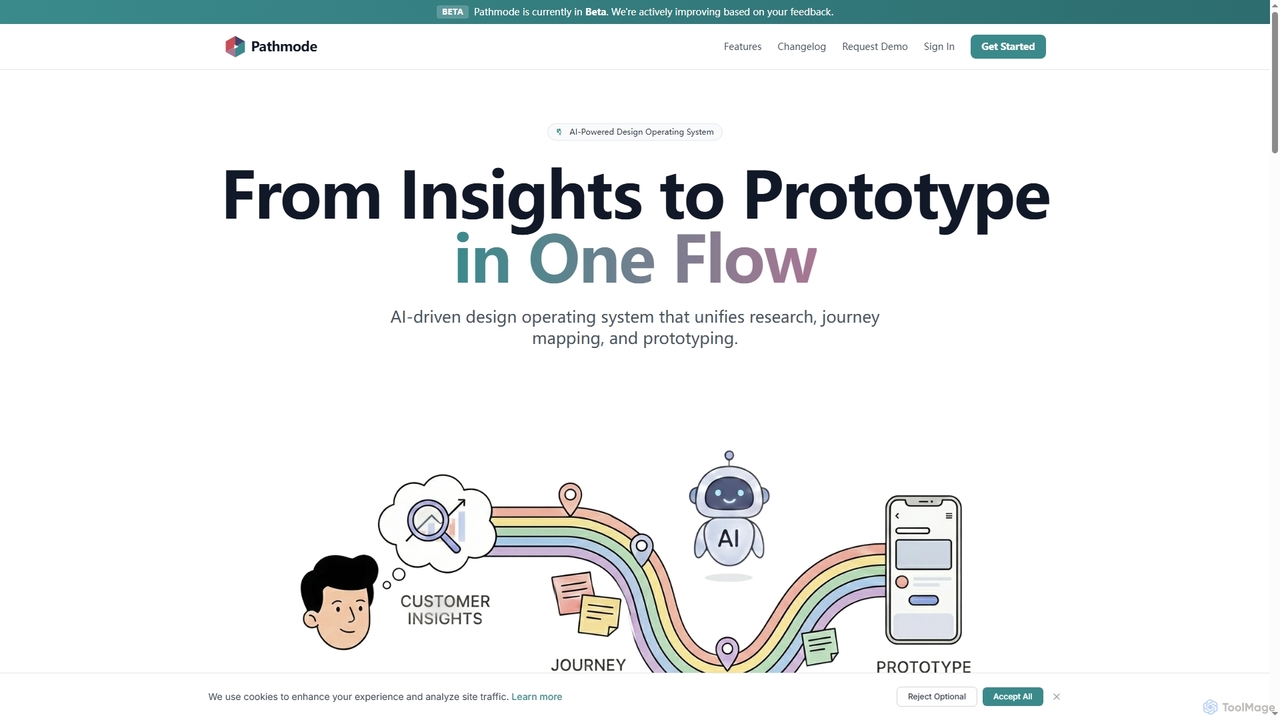
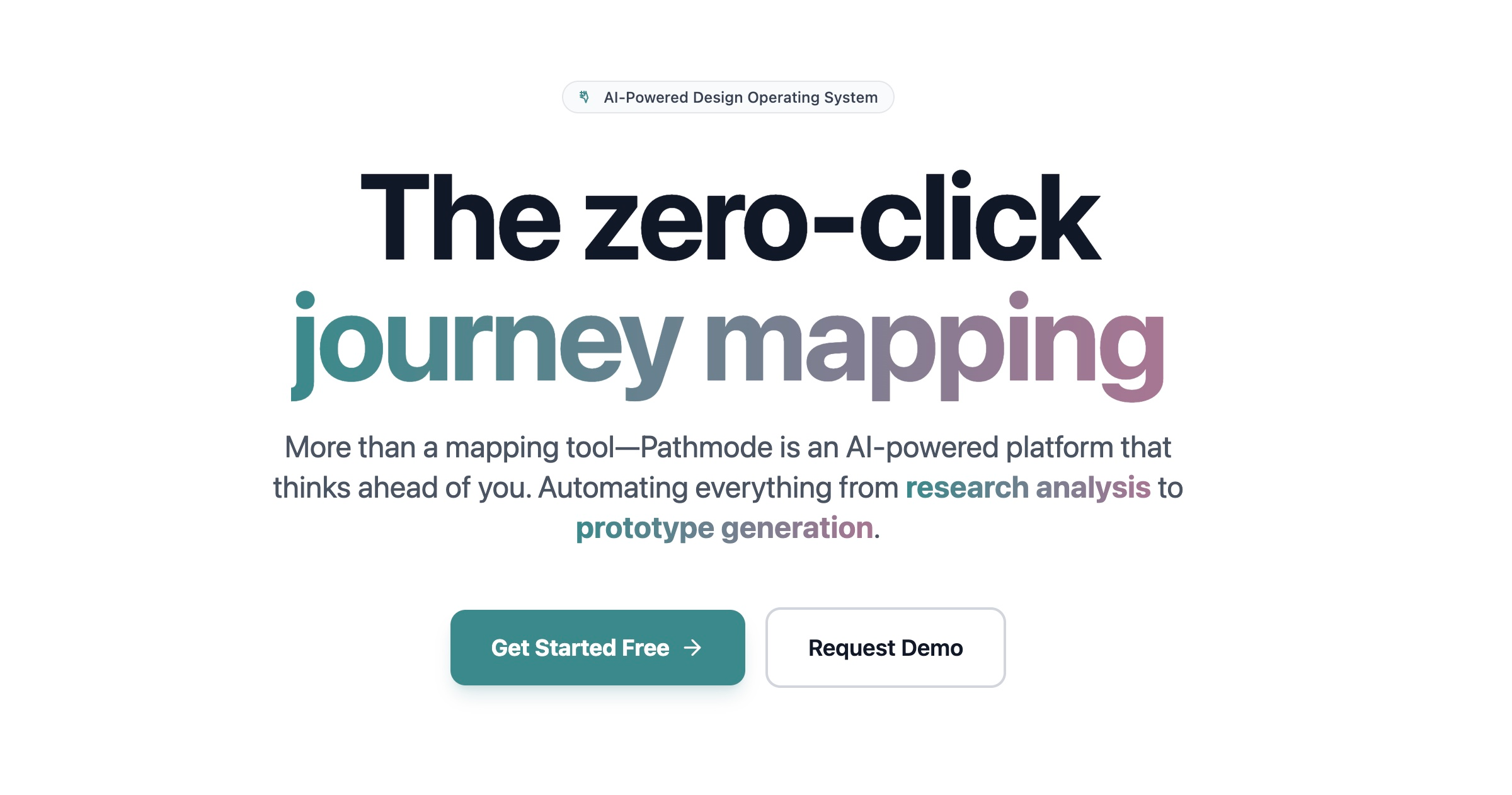
Pathmode is an AI-powered design operating system that unifies user research, automated journey mapping, and prototype specification into …
Pathmode is an AI-powered design operating system that unifies user research, automated journey mapping, and prototype specification into a single, seamless workflow. It transforms raw insights into actionable UI design specifications, eliminating manual handoffs and driving efficient product execution.
Revlence
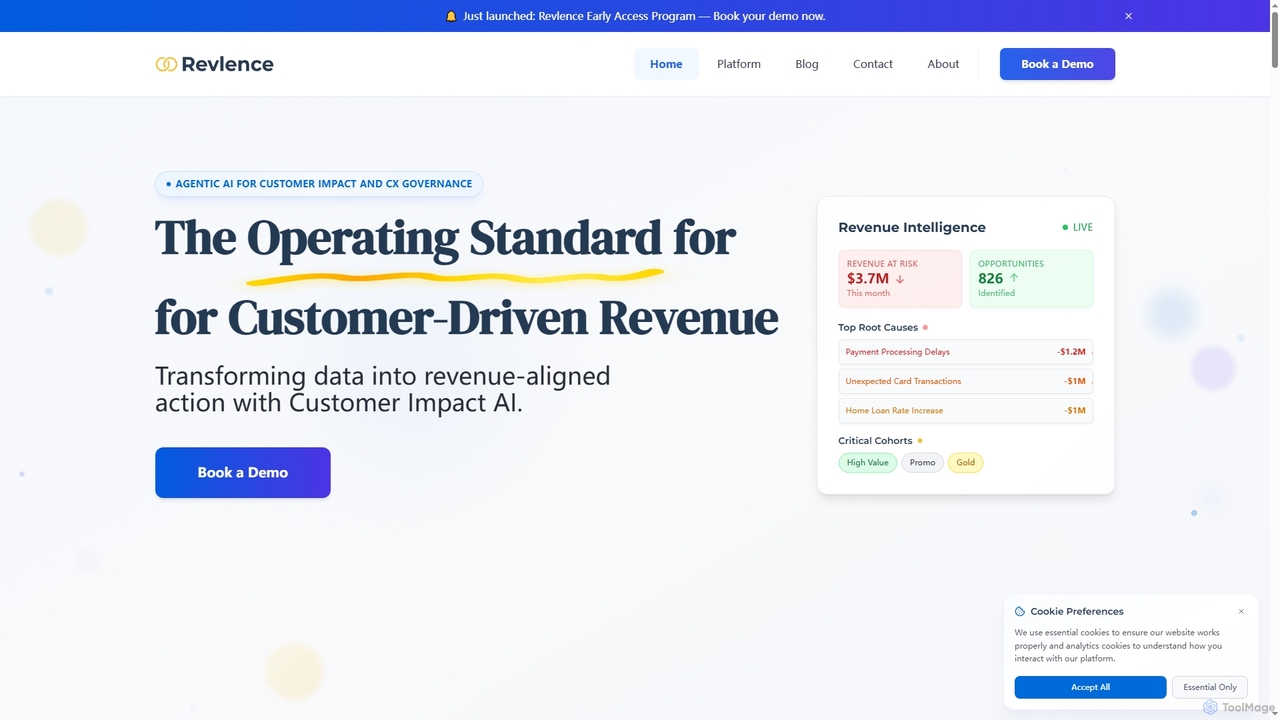
Revlence is an Agentic AI platform designed for comprehensive customer experience (CX) governance and revenue impact. It transforms …
Revlence is an Agentic AI platform designed for comprehensive customer experience (CX) governance and revenue impact. It transforms multi-modal customer interactions into actionable financial insights, enabling businesses to identify root causes of friction, predict churn, and automate resolutions to protect and grow revenue.
About Customer Experience
AI Customer Experience tools are a suite of applications designed to analyze, automate, and personalize customer interactions across all touchpoints. They leverage technologies like natural language processing (NLP) and machine learning to understand customer intent, sentiment, and behavior. By implementing these tools, businesses can provide instant support, deliver hyper-personalized content, and proactively address customer needs. This approach leads to increased customer satisfaction, improved loyalty, and more efficient service operations.
Core Features
- AI Chatbots & Virtual Assistants: Provide 24/7 automated support and handle routine customer inquiries.
- Sentiment Analysis: Analyze text and voice data to gauge customer emotions and feedback at scale.
- Personalization Engines: Deliver tailored product recommendations, content, and offers to individual users.
- Predictive Analytics: Forecast customer behavior, such as churn risk or potential lifetime value.
- Customer Journey Analytics: Map and analyze customer interactions across multiple channels to identify friction points.
Use Cases
These tools are widely adopted in sectors like e-commerce, SaaS, finance, and telecommunications. For instance, an online retailer can use an AI chatbot for order tracking, while a software company can analyze user feedback from support tickets to prioritize feature development and reduce churn.
How to Choose
When selecting a tool, consider its integration capabilities with your existing CRM and helpdesk software. Evaluate the sophistication of its analytics features, its scalability to handle your customer volume, and the level of customization available for chatbots and personalization rules.
Customer ExperienceUse Cases
Automate 24/7 Customer Support with AI Chatbots
An e-commerce store manager needs to handle a high volume of repetitive customer queries about order status, returns, and product information, especially outside of business hours. By implementing an AI Customer Experience platform, they can deploy a chatbot on their website and messaging apps. This chatbot is trained on company FAQs and integrated with the order management system. It can instantly answer most common questions, process return requests, and guide users to relevant products, freeing up human agents to focus on complex issues. This results in reduced support costs and improved customer satisfaction due to immediate assistance anytime.
Analyze Customer Feedback with Sentiment Analysis
A product manager at a SaaS company wants to understand user sentiment towards a new feature. Instead of manually reading thousands of reviews, support tickets, and social media comments, they use an AI tool with sentiment analysis capabilities. The tool automatically processes all text-based feedback, categorizing it as positive, negative, or neutral, and identifies key themes and recurring issues. This provides the product manager with a clear, data-backed overview of user reception in hours instead of weeks. They can quickly pinpoint specific complaints to address in the next update and share positive testimonials with the marketing team.
Deliver Personalized Product Recommendations
A marketing team at an online fashion retailer aims to increase sales and average order value. They use an AI-powered personalization engine that analyzes each visitor's browsing history, past purchases, and items added to their cart. Based on this data, the engine displays a unique, personalized homepage for each user, featuring products they are most likely to be interested in. It also powers 'You might also like' sections on product pages and sends targeted email campaigns with recommendations based on abandoned carts. This level of personalization makes the shopping experience more relevant and engaging, leading to higher conversion rates and customer loyalty.
Proactively Prevent Customer Churn
A subscription-based streaming service wants to reduce its monthly churn rate. They employ a predictive analytics tool that analyzes user data, including viewing habits, login frequency, support interactions, and subscription tenure. The AI model identifies patterns that indicate a high risk of cancellation, such as a significant drop in usage. The customer success team is then automatically alerted to these at-risk accounts. They can proactively reach out with special offers, content recommendations, or surveys to re-engage the user before they decide to cancel, effectively lowering the overall churn rate.
Optimize the User Onboarding Journey
For a complex project management software, the initial user experience is critical for retention. The growth team uses an AI-powered customer journey tool to analyze how new users interact with the platform during their first week. The tool identifies where users get stuck or which key features they fail to discover. Based on these insights, the team can create personalized onboarding flows. For example, if a user signs up for a 'marketing' use case, the AI can trigger in-app guides that specifically highlight campaign planning and content calendar features, making the initial experience more relevant and increasing the likelihood of long-term adoption.
Qualify Sales Leads Automatically
A B2B software company's sales team spends significant time on initial calls to qualify leads, many of whom are not a good fit. They deploy an AI-powered conversational agent on their website's pricing page. This agent engages visitors in real-time, asking qualifying questions about company size, budget, and specific needs. Based on the responses, the AI can instantly determine if the lead is qualified. Qualified leads are then automatically routed to schedule a demo with a sales representative, while unqualified leads are directed to helpful resources. This automates the top of the sales funnel, allowing the sales team to focus their efforts only on high-potential prospects.