Experiments Best in category 1 results Research AI Tool

Popular AI tools in the Research field of Experiments include Human or Not, etc., helping you quickly improve efficiency.

Free
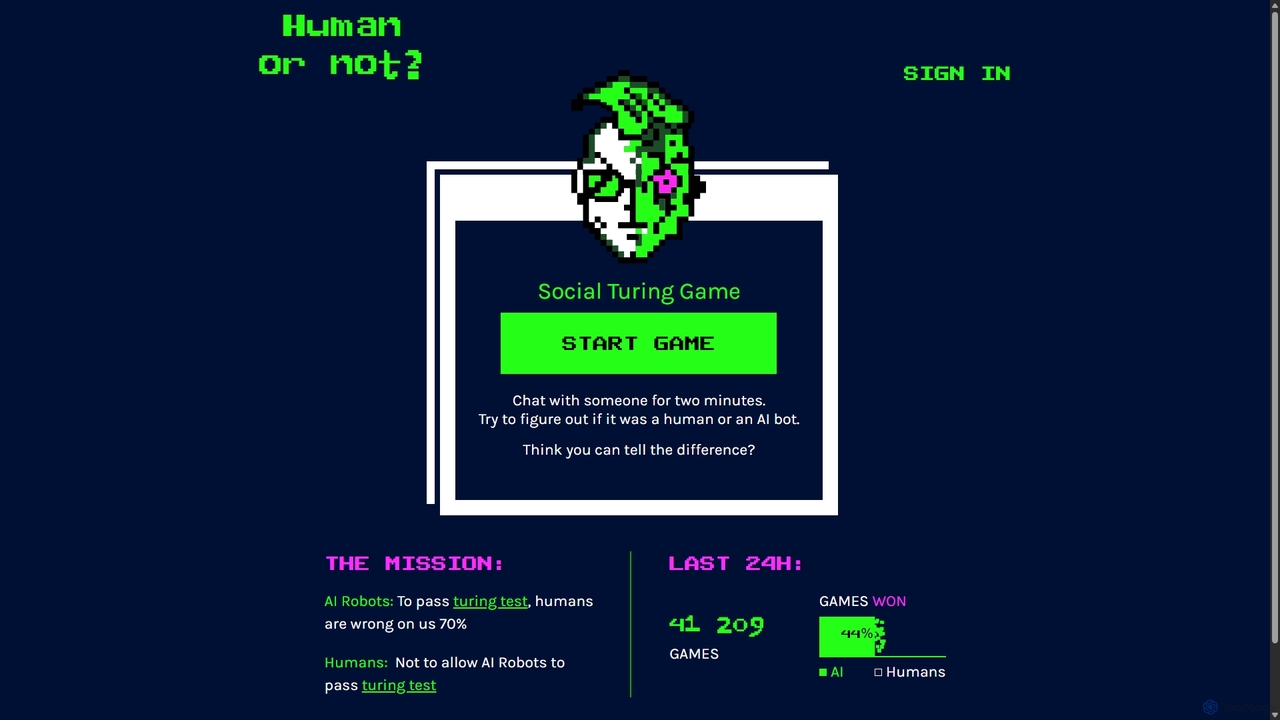
Human or Not

Human or Not

Human or Not is an engaging social Turing game where you chat with a stranger for two minutes …

1.1M

About Research

AI Research tools are a class of intelligent software designed to automate and accelerate information discovery, data synthesis, and literature review. These tools leverage Natural Language Processing (NLP) and machine learning to scan, understand, and summarize vast amounts of text from academic papers, web pages, and internal databases. They empower users to quickly grasp complex topics, identify key trends, and build a robust evidence base for their projects. As a crucial part of the experimental process, these tools provide the foundational knowledge needed to formulate insightful hypotheses and design effective tests.

Core Features

  • Automated Literature Review: Systematically scans and summarizes thousands of academic papers and articles based on user queries.
  • Data Extraction & Synthesis: Identifies and pulls key data points, findings, and arguments from multiple sources into a coherent summary.
  • Semantic Search: Understands the contextual meaning of a query to find conceptually related information, not just keyword matches.
  • Trend & Gap Analysis: Analyzes a body of literature to identify emerging research trends, key contributors, and unexplored areas.
  • Source & Citation Management: Automatically tracks sources and generates citations in various formats, ensuring academic integrity.

Use Cases

AI Research tools are invaluable for academics, market analysts, legal professionals, and R&D teams. For instance, a PhD student can condense months of literature review into days. A market intelligence team can continuously monitor industry reports and competitor activities to inform strategy. In product development, these tools help teams validate ideas by quickly assessing existing patents and scientific literature.

How to Choose

When selecting an AI Research tool, consider the scope of its data sources (e.g., academic journals, news, patents). Evaluate the quality of its synthesis and summarization capabilities—does it provide clear, accurate summaries? Assess its integration with reference managers like Zotero or EndNote. Finally, consider the user interface and whether it supports collaborative workflows for team-based research projects.

ResearchUse Cases

1

Accelerate Academic Literature Reviews

A postgraduate researcher preparing their thesis needs to review hundreds of academic papers. Instead of manually reading each one, they use an AI Research tool to input their core research questions. The tool scans a vast database of journals, identifies the most relevant papers, extracts key findings, methodologies, and conclusions, and presents a synthesized summary with direct links to the sources. This reduces the initial review time from several weeks to a few days, allowing the researcher to focus on analysis and hypothesis formulation rather than information gathering.

2

Conduct Market and Competitor Analysis

A product manager is tasked with understanding the competitive landscape for a new software feature. They use an AI Research tool to monitor news articles, press releases, competitor websites, and customer forums. The AI continuously gathers and analyzes this data, identifying key features launched by competitors, shifts in their pricing strategies, and common customer complaints. The tool generates a weekly intelligence report, highlighting emerging trends and potential market gaps, which provides actionable insights for the product roadmap without requiring hours of manual web browsing.

3

Streamline Legal and Patent Research

A paralegal at a law firm needs to find precedents for a complex intellectual property case. Using an AI Research tool specialized in legal documents, they can search millions of case files, statutes, and patent filings in minutes. The tool's semantic search understands legal jargon and concepts, retrieving highly relevant documents that keyword searches might miss. It can also identify patterns in judicial decisions and summarize lengthy patent documents, enabling the legal team to build a stronger case strategy more efficiently.

4

Generate Hypotheses for Scientific R&D

A biochemist is exploring potential new drug targets for a specific disease. They use an AI Research platform to analyze thousands of research papers, clinical trial results, and genomic databases. The AI identifies correlations and previously unnoticed connections between different genes, proteins, and pathways. Based on this synthesis, the tool suggests several novel, testable hypotheses about potential drug interactions. This augments the scientist's expertise and directs their experimental work towards more promising avenues, potentially accelerating the drug discovery process.

5

Fact-Check and Source Information for Journalism

An investigative journalist is writing an in-depth article on a complex socio-economic issue. To ensure accuracy, they use an AI Research tool to cross-reference claims and statistics from multiple reputable sources, including government reports, academic studies, and news archives. The tool quickly surfaces conflicting information and highlights the original source of a statistic. It also generates a bibliography of all consulted sources, simplifying the fact-checking process and enhancing the credibility and transparency of the final article.

6

Inform Strategic Business Decisions

A corporate strategy team is evaluating potential markets for expansion. They leverage an AI Research tool to analyze economic reports, demographic data, regulatory frameworks, and market size estimates for several target countries. The tool synthesizes this diverse information into a comparative dashboard, scoring each country on key metrics like growth potential and ease of entry. This data-driven summary allows the executive team to quickly identify the most promising markets and make informed strategic decisions, replacing a lengthy and resource-intensive manual analysis process.

ResearchFrequently Asked Questions