
ToolMage
Sign in

Best 1 Remote Jobs AI tools for Future Of Work

Popular Remote Jobs AI tools in Future Of Work include Outlier, helping you work more efficiently.

Outlier
Free

Outlier

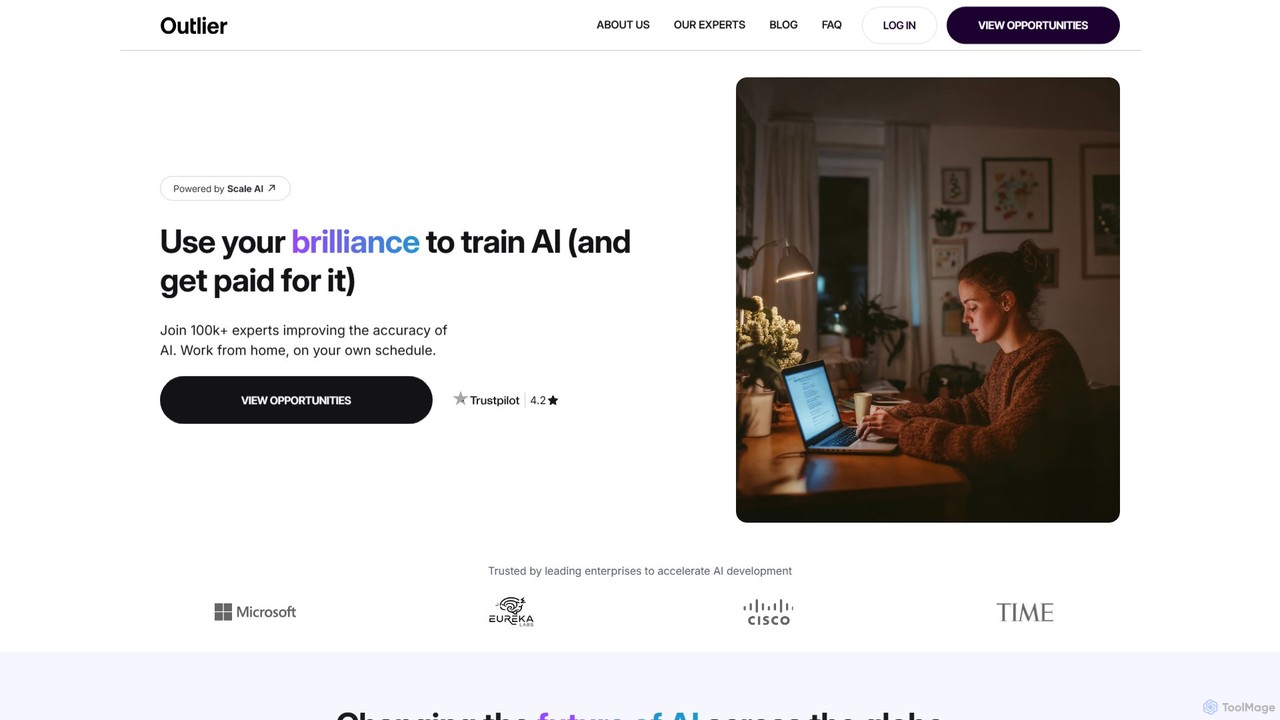
Outlier is a platform powered by Scale AI that connects domain experts with opportunities to train the next generation of AI models. Freelancers can use their knowledge in fields like coding, math, and languages to complete tasks, improve AI accuracy, and earn money with a flexible, remote work schedule.

Online Learning
Visits 12MFavorites 116Likes 138

About Remote Jobs

Remote Jobs are employment opportunities that allow individuals to work from any location outside a traditional office environment, leveraging digital tools and connectivity. These roles are characterized by flexibility in location and often in working hours, enabling a broader talent pool and improved work-life balance. Platforms dedicated to remote jobs connect job seekers with companies embracing distributed teams, facilitating a globalized and adaptable workforce. This category within the Future of Work emphasizes efficiency, autonomy, and access to diverse professional opportunities.

Core Features

  • Global Job Boards: Aggregating remote positions from various industries and companies worldwide.
  • Advanced Search Filters: Allowing users to filter by location (timezone), role, industry, experience level, and specific remote-friendly benefits.
  • Application Management: Tools for tracking applications, managing resumes, and communicating with potential employers.
  • Skill Matching & Profile Building: Features that help job seekers highlight relevant skills and connect with suitable remote roles.
  • Company Profiles & Reviews: Providing insights into company culture, remote policies, and employee experiences.

Applicable Scenarios

Job seekers utilize these platforms to discover roles that align with their lifestyle and geographical preferences, while companies leverage them to access a diverse global talent pool without geographical constraints. Freelancers also find project-based remote opportunities to expand their client base and secure international projects.

How to Choose

When selecting a remote job platform, consider the breadth and quality of job listings, the specificity of search filters, the platform's reputation and user reviews, and any additional features like resume builders or interview preparation resources. Evaluate if the platform caters to your specific industry or experience level, and check for transparent information on company culture and remote work policies.

Remote Jobs use cases

1

Finding Niche Remote Tech Roles

A software developer specializing in AI/ML seeks remote positions that offer competitive salaries and align with their expertise. They use advanced filters on a remote job platform to narrow down listings by specific programming languages, AI frameworks, and companies known for innovative remote tech culture, efficiently connecting with relevant opportunities globally.

2

Companies Building Distributed Teams

A startup aims to hire top talent without geographical limitations to foster diversity and access specialized skills. They post job openings on dedicated remote job boards, leveraging the platform's reach to attract candidates from different time zones and backgrounds, significantly expanding their recruitment pool and reducing office overheads.

3

Freelancers Securing International Projects

A freelance graphic designer wants to expand their client base beyond local markets. They utilize remote job platforms to find project-based work from international clients, showcasing their portfolio and applying for gigs that match their design style and availability, leading to a more diverse income stream and global exposure.

4

Career Changers Transitioning to Remote Work

An experienced professional from a traditional industry seeks to transition into a remote-first role for better work-life balance. They use remote job platforms to explore entry-level or transferable skill-based remote positions, accessing resources like remote work guides and resume templates to tailor their application for the distributed work environment.

5

Students/Graduates Seeking Remote Internships

A university student or recent graduate looks for remote internship opportunities to gain practical experience without relocating. They browse remote job platforms for virtual internships in their field of study, applying to programs that offer mentorship and flexible schedules, which helps them build their resume and network from home.

6

Remote Workers Seeking Career Advancement

An existing remote employee wants to find a more senior or specialized remote role to advance their career. They use remote job platforms to identify companies with strong remote career progression paths and apply for positions that offer greater responsibility, leadership opportunities, or specialized project work, ensuring continued growth within a flexible setup.

Remote Jobs FAQ

What are Remote Jobs?

Remote Jobs are employment opportunities that allow individuals to perform their work duties from any location outside a traditional office setting, typically using internet-connected devices. They are characterized by geographical flexibility and often offer autonomy in managing one's work schedule. These roles are a cornerstone of the "Future of Work," emphasizing results over physical presence and enabling access to a global talent pool.

How do Remote Job platforms help job seekers?

Remote Job platforms streamline the job search process by aggregating remote-specific listings from various companies worldwide. They offer advanced filters to narrow down searches by industry, role, time zone, and experience level. Many platforms also provide tools for application tracking, resume building, and insights into company culture, making it easier for job seekers to find and apply for suitable remote positions efficiently.

What are the key benefits of hiring for Remote Jobs for companies?

Companies benefit significantly from hiring for Remote Jobs by gaining access to a broader, global talent pool, which can lead to more diverse and skilled teams. It also often reduces overhead costs associated with office space and utilities. Remote hiring can improve employee retention by offering greater flexibility and work-life balance, contributing to higher job satisfaction and productivity.

How do Remote Jobs differ from traditional office jobs?

Remote Jobs primarily differ from traditional office jobs in their location flexibility; remote workers operate outside a central office, while traditional roles require daily physical presence. Remote jobs often emphasize asynchronous communication and digital collaboration tools, whereas traditional jobs rely more on in-person meetings. While both require accountability, remote roles often grant more autonomy in managing one's daily schedule.

What should I consider when choosing a Remote Job platform?

When choosing a Remote Job platform, consider the diversity and quality of job listings relevant to your skills and industry. Look for platforms with robust search filters, transparent company information, and user-friendly application processes. Evaluate if the platform offers additional resources like career advice, resume templates, or community forums. Also, check for its reputation and reviews from other job seekers to ensure reliability.