
ToolMage
Sign in

Best 1 Leaderboards AI tools for Gamification

Popular Leaderboards AI tools in Gamification include Polarbear Study, helping you work more efficiently.

Polarbear Study
Freemium

Polarbear Study

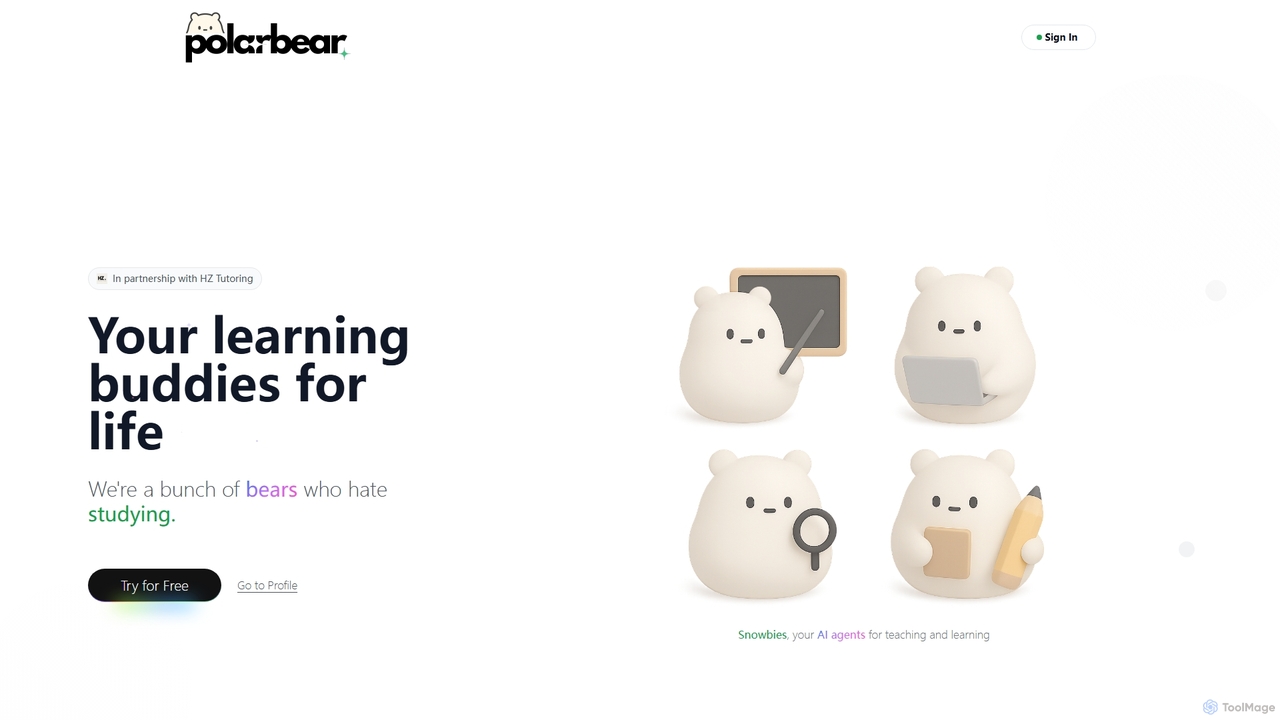
Polarbear Study is an AI-powered learning platform designed to help students excel in ATAR and beyond. It offers a suite of tools including AI tutoring, instant essay marking, personalized study sessions, and note-taking features, all aimed at making studying more efficient and engaging. The platform focuses on providing comprehensive academic support.

Tutoring
Visits 142.8KFavorites 146Likes 132

About Leaderboards

Leaderboards are AI-enhanced gamification tools designed to rank participants based on performance, progress, or specific achievements within a system. They leverage data analytics to provide dynamic, real-time competitive insights, fostering engagement and motivating users through visible recognition and competition. These tools are crucial for driving user participation and goal attainment across various digital platforms, serving as a core component within broader gamification strategies.

Core Features

  • Dynamic Ranking Algorithms: Utilizes AI to process complex data and update rankings in real-time, ensuring fairness and accuracy.
  • Customizable Scoring Metrics: Allows administrators to define specific criteria and weighting for points, badges, or levels based on desired user behaviors.
  • Progress Visualization: Offers clear visual representations of individual and team progress, current standing, and distance to the next tier or goal.
  • Anti-Cheat & Fairness Mechanisms: Incorporates AI to detect unusual activity or potential fraud, maintaining the integrity of the competition.
  • Reward & Recognition Integration: Seamlessly connects with reward systems to automatically grant incentives or badges to top performers.

Applicable Scenarios

Leaderboards are widely adopted in environments where motivation, competition, and performance tracking are key. They are particularly effective in corporate training programs to encourage skill development, in sales organizations to drive revenue targets, and in educational platforms to boost student engagement and academic achievement.

How to Choose

When selecting an AI leaderboard tool, consider its integration capabilities with existing platforms, the flexibility of its customization options for scoring and display, and its scalability to accommodate a growing user base. Evaluate the robustness of its anti-cheat features and the clarity of its analytics dashboard for tracking performance insights.

Leaderboards use cases

1

Enhancing Employee Motivation in Training Programs

HR managers can deploy AI leaderboards in corporate learning platforms to rank employees based on course completion, quiz scores, and skill acquisition. The AI dynamically adjusts challenges and rewards, motivating employees to actively participate, complete modules faster, and achieve higher proficiency, ultimately improving overall workforce skill levels and engagement by making learning a competitive and rewarding experience.

2

Boosting Sales Team Performance

Sales managers utilize AI leaderboards to rank team members based on key metrics like sales volume, conversion rates, or customer acquisition. This fosters healthy internal competition, provides transparent performance insights, and motivates individuals to achieve higher targets, ultimately driving overall team productivity and revenue growth.

3

Boost Sales Team Performance

Sales managers utilize AI-powered leaderboards to track individual and team sales metrics, such as closed deals, revenue generated, or lead conversions. By displaying real-time rankings, these tools foster healthy competition, motivate sales representatives to exceed targets, and provide clear visibility into top performers, ultimately driving higher sales volumes and team productivity.

4

Increasing Player Retention in Mobile Games

Game developers utilize AI leaderboards to display player rankings for scores, achievements, and in-game progress. The AI analyzes player behavior to create personalized leaderboards (e.g., 'friends only' or 'local region'), fostering healthy competition and a sense of accomplishment. This encourages players to spend more time in the game, strive for higher ranks, and engage with new content, significantly boosting long-term retention.

5

Enhance E-learning Engagement

Educational platforms deploy leaderboards to rank students by course completion, quiz scores, assignment submissions, or active participation. This gamified approach encourages consistent learning, provides a sense of achievement, and allows students to compare their progress with peers, fostering a more interactive and competitive learning environment that improves retention rates.

6

Enhancing E-learning Engagement

Educators integrate leaderboards into online courses or learning platforms to rank students by quiz scores, assignment completion, or active participation. This gamified approach encourages active learning, provides a sense of achievement, and motivates students to improve their performance through friendly competition, leading to better academic outcomes.

7

Motivate Employee Wellness Programs

Companies use leaderboards in corporate wellness initiatives to track employee participation in activities like step challenges, meditation sessions, or healthy eating habits. By publicly recognizing top participants or teams, these tools encourage healthier lifestyles, foster team spirit, and create a positive, competitive atmosphere around well-being goals, leading to improved employee health and morale.

8

Driving User Retention in Mobile Apps

Mobile app developers implement leaderboards to display user scores, achievements, or progress in games, productivity tools, or social apps. By showcasing top performers and allowing users to compare their standing, these leaderboards increase user stickiness, encourage repeat usage, and foster a sense of community and accomplishment within the app ecosystem.

9

Motivating Sales Teams Through Performance Rankings

Sales managers integrate AI leaderboards into CRM systems to rank sales representatives based on metrics like closed deals, lead conversions, or customer satisfaction scores. The AI can identify top performers and areas for improvement, providing real-time feedback and fostering a competitive yet collaborative environment. This transparent display of performance drives individual and team motivation, leading to increased sales productivity and goal attainment.

10

Drive User Engagement in Mobile Apps

Mobile app developers integrate leaderboards to gamify user experience, ranking users based on in-app achievements, usage frequency, or content creation. This strategy enhances user retention, encourages deeper interaction with the app's features, and creates a community feel as users strive to climb the ranks and gain recognition among their peers.

11

Motivating Fitness Challenge Participants

Fitness coaches and app providers use leaderboards to track participants' progress in health and wellness challenges, such as daily steps, workout minutes, or calorie burn. This creates a competitive yet supportive environment, boosting motivation, encouraging consistent effort, and helping users achieve their fitness goals more effectively.

12

Encouraging Fitness Goals in Health Apps

Fitness app developers use AI leaderboards to rank users by steps taken, calories burned, or workout streaks. The AI can suggest personalized challenges or group users with similar fitness levels, creating a supportive and competitive community. This gamified approach motivates users to maintain consistent activity, achieve personal bests, and engage with the app regularly, promoting healthier lifestyles.

13

Improving Customer Service Agent Productivity

Call center managers deploy AI leaderboards to rank customer service agents based on metrics like resolution time, customer satisfaction ratings, or call volume. This incentivizes efficient and high-quality service, encourages agents to learn from top performers, and provides a clear overview of individual and team productivity, leading to improved customer experience.

14

Gamify Customer Loyalty Programs

Businesses leverage leaderboards in customer loyalty programs to rank patrons based on purchase frequency, spending, or engagement with brand content. This gamified approach incentivizes repeat business, encourages higher spending, and builds stronger brand affinity by publicly recognizing and rewarding the most loyal customers, turning transactions into an engaging competitive experience.

15

Fostering Customer Loyalty on E-commerce Sites

E-commerce platforms implement AI leaderboards to reward loyal customers based on purchase frequency, review contributions, or referral success. The AI identifies high-value customers and offers exclusive perks or recognition, encouraging repeat purchases and brand advocacy. This creates a sense of belonging and achievement, transforming transactional relationships into long-term customer loyalty and community engagement.

16

Boosting Participation in Online Communities

Community managers for online forums or social platforms use AI leaderboards to recognize active members based on post count, helpful replies, or content contributions. The AI can highlight top contributors, fostering a positive competitive spirit and encouraging more users to engage meaningfully. This increases overall platform activity, knowledge sharing, and strengthens community bonds, making the forum more vibrant and self-sustaining.

17

Fostering Community Participation

Online community platforms or forums leverage leaderboards to recognize top contributors based on factors like post count, helpful answers, or engagement with other members. This encourages active participation, rewards valuable contributions, and strengthens the overall sense of community by highlighting influential and dedicated members.

18

Foster Community Engagement in Forums

Online forums and community platforms implement leaderboards to rank users based on contributions, such as post count, helpful replies, or upvotes received. This encourages active participation, promotes the sharing of valuable insights, and recognizes influential members, creating a vibrant and self-sustaining community where users are motivated to contribute more to climb the ranks.

Leaderboards FAQ

What are AI Leaderboards and how do they differ from traditional leaderboards?

AI Leaderboards are advanced ranking systems that leverage artificial intelligence to dynamically manage and personalize competitive rankings. Unlike traditional, static leaderboards that simply display fixed metrics, AI leaderboards can analyze complex user data, detect fraud, offer personalized challenges, and adapt ranking criteria in real-time. They aim to optimize user engagement and motivation by providing more relevant and fair competitive experiences within gamified environments.

What are AI Leaderboards?

AI Leaderboards are dynamic ranking systems that use artificial intelligence to process performance data and display user or team positions. They are designed to foster competition, enhance engagement, and motivate participants by providing transparent recognition of their achievements based on customizable metrics. These tools are a core element of gamification strategies across various digital platforms.

What are AI Leaderboards?

AI Leaderboards are gamification tools that use artificial intelligence to dynamically rank participants based on predefined metrics and behaviors. They go beyond simple score tracking by leveraging AI for real-time data analysis, personalized insights, and often, fraud detection. Their core purpose is to motivate users through competition and recognition, driving engagement towards specific goals within a system.

How do AI Leaderboards differ from traditional leaderboards?

AI Leaderboards often incorporate advanced analytics and machine learning to offer more dynamic and personalized experiences. Unlike static, rule-based traditional leaderboards, AI versions can adapt to user behavior, suggest personalized challenges, detect fraudulent activities more effectively, and provide deeper insights into performance trends, optimizing engagement strategies for individual users.

How do I choose the best AI Leaderboard tool for my project?

When selecting an AI Leaderboard tool, prioritize its integration capabilities with your existing platforms (e.g., CRM, LMS, gaming engine). Evaluate the flexibility of its AI algorithms for dynamic ranking and personalization, and the robustness of its fraud detection features. Consider the level of customization for display and rules, the depth of performance analytics provided, and its scalability to accommodate future growth. User experience and support are also crucial.

How do AI Leaderboards enhance gamification?

AI Leaderboards enhance gamification by providing more intelligent and adaptive ranking systems. Unlike static leaderboards, AI versions can analyze complex user data to offer personalized challenges, detect unfair play, and adjust scoring in real-time. This creates a more engaging, fair, and dynamic competitive experience, keeping users motivated and invested in their progress within the gamified system.

What are the key benefits of using Leaderboards?

The key benefits of using leaderboards include increased user engagement and motivation through visible competition and recognition. They provide clear performance benchmarks, foster a sense of achievement, and can drive desired behaviors by incentivizing progress. Additionally, leaderboards offer valuable data insights into user activity and performance trends, aiding in system optimization and strategic decision-making.

What are the key benefits of implementing Leaderboards in a gamified system?

Implementing leaderboards in a gamified system offers several key benefits: increased user engagement through competition, enhanced motivation and drive to achieve goals, improved performance tracking and transparency, fostering a sense of community and recognition among participants, and providing valuable data insights for optimizing user experience and system design. They effectively convert tasks into engaging challenges.

What are the key benefits of using AI Leaderboards?

Implementing AI Leaderboards offers several key benefits, including significantly increased user engagement and motivation through personalized competition. They provide real-time performance insights, allowing for data-driven adjustments to gamification strategies. AI-driven fraud detection ensures fair play, maintaining the integrity of rankings. Ultimately, these tools foster a stronger sense of community, drive desired behaviors, and improve overall retention across various applications, from corporate training to mobile gaming.

Can AI Leaderboards track and rank users based on custom metrics?

Yes, AI Leaderboards are highly customizable and can track and rank users based on a wide array of custom metrics relevant to your specific application. Whether it's sales figures, learning progress, fitness achievements, content contributions, or any other quantifiable action, these tools can be configured to ingest and process diverse data points. The AI algorithms can then intelligently weigh these metrics to create meaningful and engaging rankings tailored to your objectives.

Who can benefit from using Leaderboards?

A wide range of users and organizations can benefit from leaderboards. This includes businesses looking to motivate sales teams or enhance employee training, educational institutions aiming to boost student engagement, and mobile app developers seeking to increase user retention. Any platform or system that relies on user participation, goal achievement, or competitive motivation can leverage leaderboards effectively.

What metrics can be tracked on an AI Leaderboard?

AI Leaderboards are highly flexible and can track virtually any quantifiable metric relevant to your goals. Common examples include points earned, tasks completed, sales volume, time spent on a platform, accuracy rates, social interactions, or custom achievement badges. The choice of metrics directly influences user behavior and should align with the desired outcomes of your gamified system.

How do AI Leaderboards ensure fair competition and prevent cheating?

AI Leaderboards employ sophisticated algorithms and machine learning models to detect and prevent cheating or unfair play. These systems continuously monitor user behavior, identify anomalous patterns, and flag suspicious activities such as rapid score increases, unusual activity times, or statistical inconsistencies. By analyzing historical data and real-time interactions, the AI can automatically identify and mitigate fraudulent attempts, ensuring the integrity and fairness of the competitive environment for all participants.

How to choose the right AI Leaderboard tool?

When selecting an AI leaderboard tool, prioritize solutions that offer robust customization for scoring metrics and display options, ensuring it aligns with your specific goals. Look for strong integration capabilities with your existing platforms (CRM, LMS, etc.) and scalability to handle future growth. Additionally, evaluate its anti-cheat mechanisms and the clarity of its analytics dashboard for actionable insights into user performance and engagement.

How can I choose the best AI Leaderboard tool for my needs?

To choose the best AI Leaderboard tool, consider its flexibility in metric customization to align with your specific goals. Evaluate its integration capabilities with your existing platforms (e.g., CRM, LMS, game engine) for seamless data flow. Assess its scalability to accommodate a growing user base and data volume, and examine the user experience, ensuring the interface is intuitive, visually engaging, and provides clear insights for participants.