ToolMage
Sign in

Best 1 Image Creation AI tools for Nft Tools

Popular Image Creation AI tools in Nft Tools include Throughwalls, helping you work more efficiently.

Throughwalls

Throughwalls

Throughwalls is an innovative AI tool that empowers users to create unique images by integrating their NFTs or generating entirely new visuals featuring verifiable digital collectibles. It bridges the gap between digital assets and creative expression within the metaverse.

Generative Art
Visits 6.4KFavorites 118Likes 137

About Image Creation

Image Creation tools are AI-powered platforms designed to generate unique visual assets from textual descriptions, existing images, or other parameters. These tools leverage advanced generative AI models, such as diffusion models, to transform abstract ideas into concrete digital art or graphics. They empower artists, designers, and content creators to rapidly prototype, iterate, and produce diverse visual content, often with features tailored for digital collectibles like NFTs.

Core Features

  • Text-to-Image Generation: Convert natural language prompts into high-quality images.
  • Image-to-Image Transformation: Modify existing images based on new prompts or styles.
  • Style Transfer: Apply artistic styles from one image to another, creating unique visual effects.
  • Variation Generation: Produce multiple distinct versions of an image from a single input or concept.
  • Custom Model Training: Allow users to train AI models on their own datasets for specific artistic styles or themes.

Applicable Scenarios

Digital artists use these tools to explore new creative directions and generate unique pieces for their portfolios. NFT creators leverage them to produce large collections of distinct digital assets with varying traits. Game developers utilize AI image creation for rapid prototyping of characters, environments, and textures, accelerating the design process.

How to Choose

When selecting an AI image creation tool, consider the quality and consistency of its output, the variety of artistic styles it supports, and its customization options. Evaluate the ease of use, the availability of advanced features like custom model training, and its integration capabilities with other creative workflows. Finally, assess the pricing model and the licensing terms for generated content, especially if commercial use or NFT minting is intended.

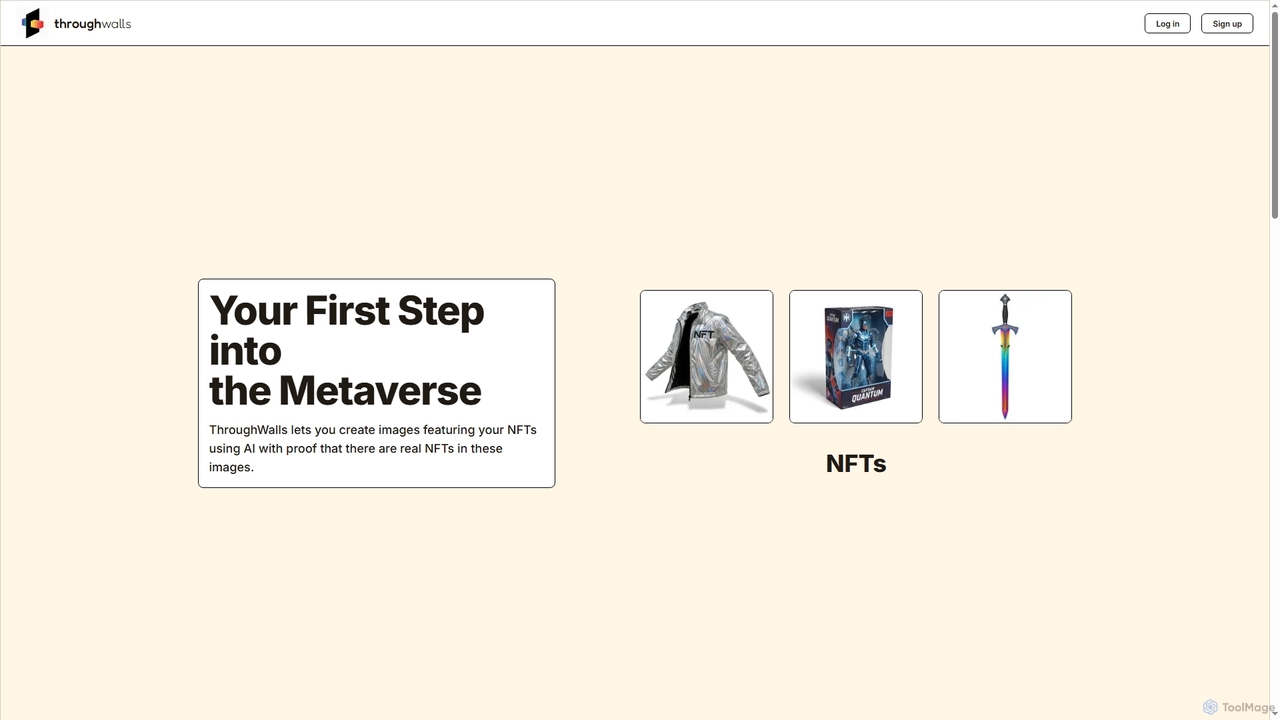
Image Creation use cases

1

Generate Unique NFT Collections

NFT artists and collectors can use AI image creation tools to generate thousands of unique digital art pieces for a collection. By defining a base style and various traits (e.g., background, clothing, accessories), the AI can produce a diverse set of NFTs, each with distinct characteristics, significantly reducing the manual effort and time required to build a large-scale collection ready for minting.

2

Concept Art for Game Development

Game designers and concept artists can leverage AI image creation to rapidly generate diverse visual concepts for characters, environments, and props. By inputting textual descriptions or rough sketches, the AI can produce multiple iterations in various styles, allowing artists to quickly explore different aesthetic directions and refine their vision before committing to detailed production.

3

Personalized Digital Avatars and Profile Pictures

Individuals and social media users can create highly personalized digital avatars or profile pictures using AI image creation. By providing a few personal photos or descriptive prompts, the AI can generate unique, stylized representations in various artistic styles, from realistic to fantastical, offering a fresh and distinctive online identity without requiring advanced graphic design skills.

4

Marketing and Advertising Visuals

Marketing professionals and small business owners can utilize AI image creation to quickly generate eye-catching visuals for campaigns, social media posts, and website content. Instead of relying on stock photos or expensive graphic designers, they can input specific product descriptions or campaign themes to produce custom images that perfectly match their brand's aesthetic and message, saving time and resources.

5

Illustrations for Books and Articles

Authors, bloggers, and content creators can use AI image creation tools to generate custom illustrations for their books, articles, and blog posts. This allows them to visualize complex concepts or add unique artistic flair without the need for commissioning an illustrator, providing a cost-effective and time-efficient way to enhance their written content with bespoke visuals.

6

Virtual World Asset Design

Developers and creators in virtual reality (VR) and metaverse platforms can use AI image creation to generate unique textures, objects, and environmental elements. By inputting specific themes or stylistic requirements, the AI can quickly produce a wide array of assets, accelerating the development of immersive virtual experiences and populating digital worlds with diverse and original content.

Image Creation FAQ

What are AI Image Creation tools?

AI Image Creation tools are software applications that use artificial intelligence, particularly generative models like GANs or diffusion models, to produce new images. Unlike traditional image editing software, these tools can generate visuals from scratch based on text prompts, existing images, or other parameters, offering a powerful way to create unique digital art, illustrations, and visual assets without manual drawing or photography.

How do AI Image Creation tools work?

AI Image Creation tools typically work by employing complex neural networks trained on vast datasets of images and their corresponding descriptions. When a user provides a prompt (text or image), the AI model processes this input to understand the desired output. Generative models then synthesize new pixel data, iteratively refining the image until it matches the prompt's intent, often incorporating learned styles, compositions, and details to produce a coherent and visually appealing result.

What is the difference between AI Image Creation and AI Image Editing?

AI Image Creation focuses on generating entirely new images from scratch based on prompts, effectively creating visuals that didn't exist before. In contrast, AI Image Editing tools modify existing images, performing tasks like background removal, upscaling, color correction, or applying filters. While both use AI, creation is about synthesis and originality, whereas editing is about enhancement and manipulation of pre-existing visual content.

Who can benefit from using AI Image Creation tools?

A wide range of users can benefit from AI Image Creation tools. Digital artists and illustrators can accelerate their creative process and explore new styles. NFT creators can efficiently generate large, unique collections. Marketing professionals and small businesses can produce custom visuals for campaigns. Game developers can rapidly prototype assets. Even hobbyists and social media users can create personalized avatars and unique content, democratizing access to high-quality visual creation.

What are the key considerations when choosing an AI Image Creation tool?

When selecting an AI Image Creation tool, consider several factors. First, evaluate the output quality and artistic style range to ensure it meets your aesthetic needs. Second, assess the ease of use and the learning curve, especially for beginners. Third, check for advanced features like custom model training, image-to-image capabilities, and API access. Fourth, review the pricing model and licensing terms for generated content, particularly for commercial use or NFT minting. Finally, consider community support and integration with other creative software.

What are the ethical considerations for AI Image Creation?

Ethical considerations for AI Image Creation include issues of copyright and ownership of generated art, potential misuse for creating deepfakes or misleading content, and the environmental impact of training large AI models. There are also concerns about bias in training data leading to stereotypical or discriminatory outputs, and the displacement of human artists. Responsible development and usage, clear attribution, and robust content moderation are crucial to address these challenges.